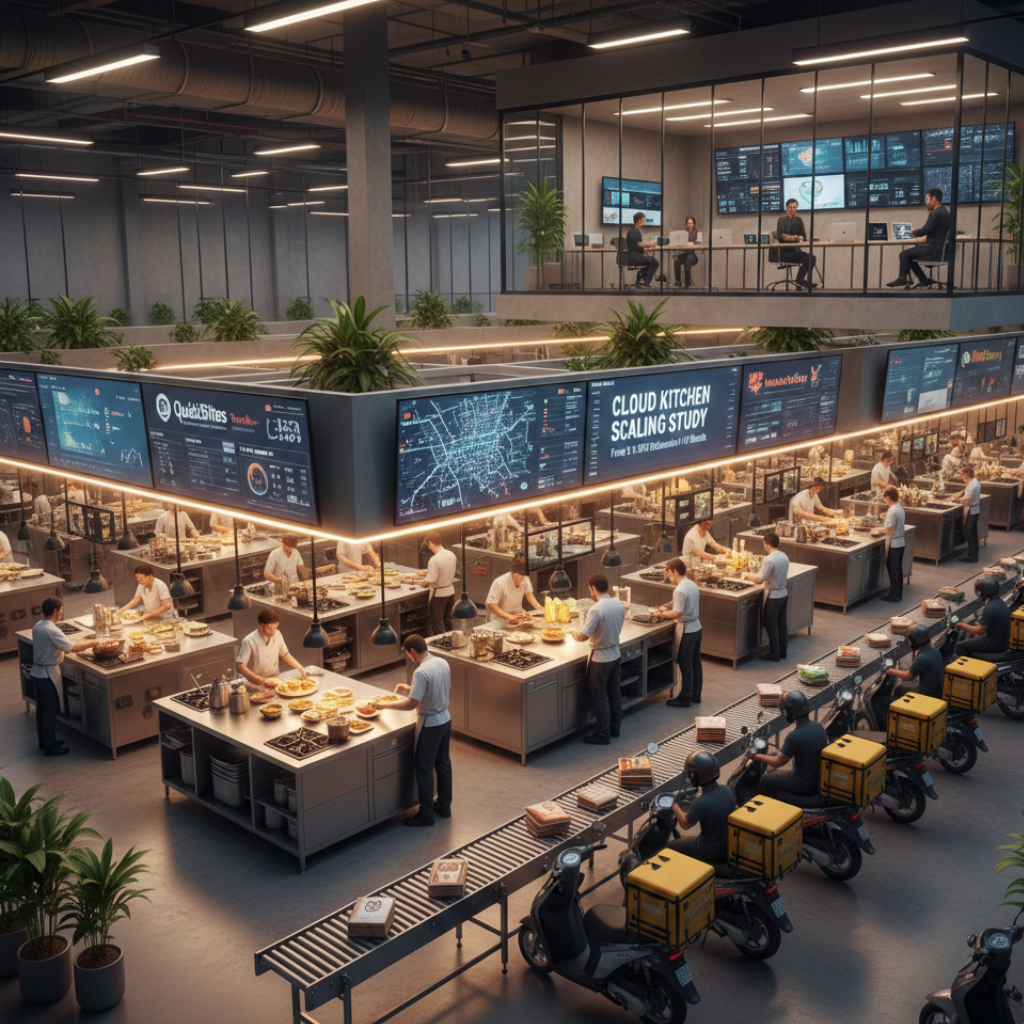
Cloud kitchen scaling case study is one of the biggest challenges faced by food entrepreneurs today. While starting a cloud kitchen is relatively affordable, expanding it into a profitable, multi-location business requires strategy, discipline, and data-driven decision-making. Cloud Kitchen as a Service (CKaaS)
In this cloud kitchen scaling case study, we explore how a single-brand cloud kitchen in India successfully expanded across cities, optimized costs, improved delivery efficiency, and built a sustainable business model. This real-world-inspired case study is ideal for founders, investors, and foodpreneurs planning to scale their cloud kitchen operations.
1. Background of the Cloud Kitchen Brand
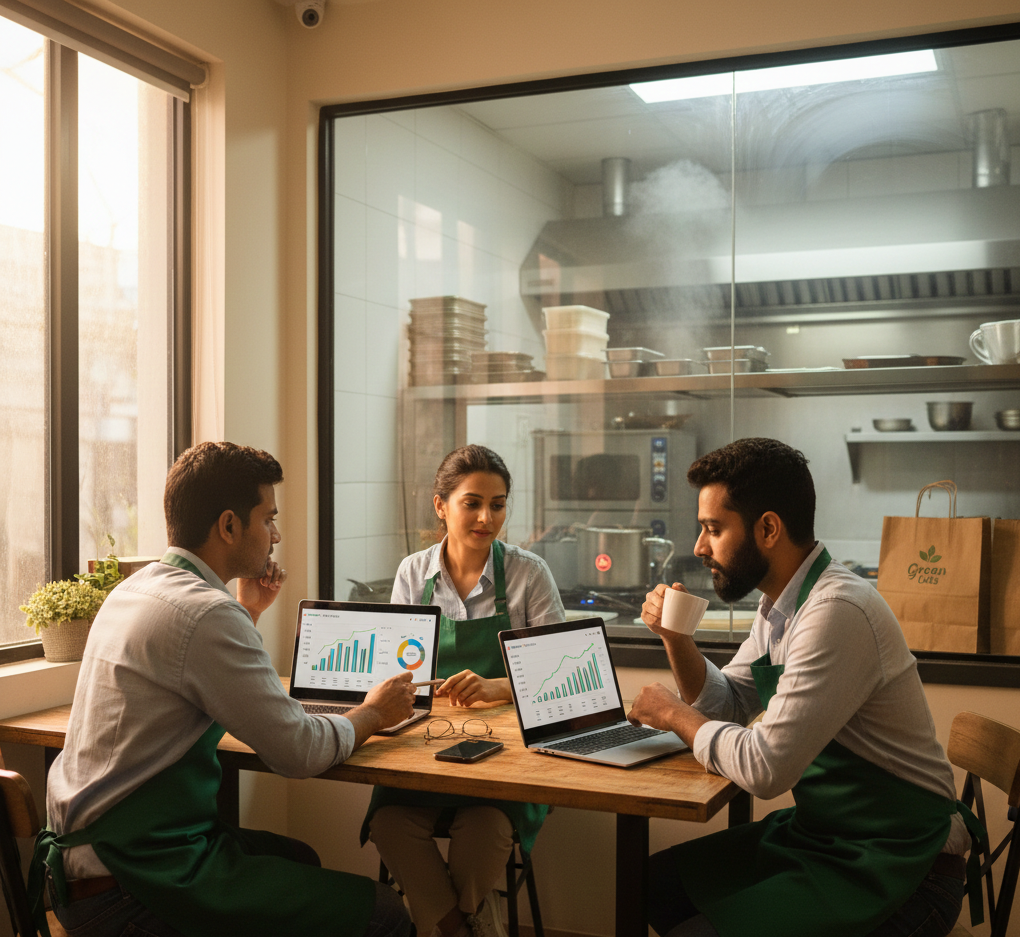
The brand started in 2021 as a single cloud kitchen in a tier-1 Indian city. The founders identified a growing demand for affordable, high-quality comfort food on food delivery platforms like Swiggy and Zomato.
Initial offerings included burgers, wraps, rice bowls, and beverages. The kitchen operated from a 300 sq. ft. rented space with minimal staff and a tight focus on delivery-only operations.
- Initial investment: ₹7 lakhs
- Average monthly orders: 2,800
- Average order value (AOV): ₹280
- Monthly revenue: ₹7.5–8 lakhs
2. The Scaling Challenge
After achieving breakeven within 7 months, the founders faced a common dilemma: how to scale without losing food quality, brand consistency, or profitability.
Key challenges included:
- High dependency on food aggregators
- Rising commission costs
- Operational inefficiencies across peak hours
- Maintaining taste consistency
- Hiring and training kitchen staff
Instead of rushing into expansion, the team decided to follow a structured scaling approach.
3. Cloud Kitchen Scaling Strategy
3.1 Standardizing Operations
The first step was creating Standard Operating Procedures (SOPs) for everything:
- Ingredient sourcing
- Food preparation
- Packaging standards
- Order dispatch timelines
This ensured that the food tasted the same regardless of location.
3.2 Menu Optimization
The menu was trimmed by 30% by removing low-margin and low-demand items. The focus shifted to dishes that:
- Had high repeat orders
- Were easy to prepare
- Traveled well for delivery
This reduced kitchen complexity and improved order turnaround time.
3.3 Technology Adoption
The brand adopted a cloud kitchen POS system that integrated:
- Swiggy & Zomato orders
- Inventory tracking
- Sales analytics
- Staff performance reports
For reference on cloud kitchen technology trends, you can explore this detailed guide by Restaurant India.
4. Expansion Phase: From 1 to 6 Kitchens

Once the first kitchen achieved stable profits, the founders expanded gradually.
4.1 Location Selection
Each new kitchen was launched based on:
- High order density zones
- Lower rental costs
- 10–15 minute delivery radius
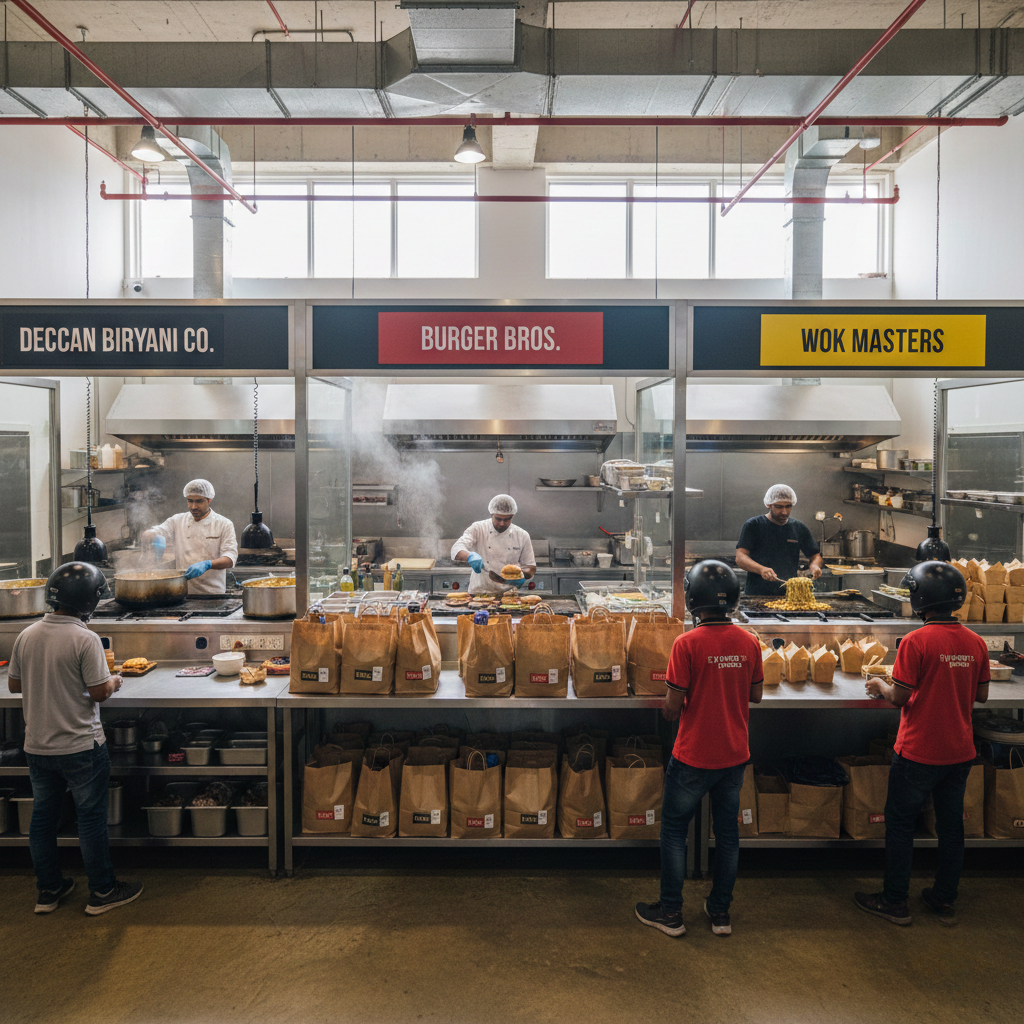
4.2 Hub-and-Spoke Model
A central procurement hub was created for:
- Bulk ingredient sourcing
- Sauce and gravy preparation
- Quality control
This significantly reduced food costs and ensured consistency.
4.3 Manpower Scaling
Instead of hiring expensive chefs, the brand focused on training kitchen operators using SOP manuals and video training modules.
5. Marketing & Customer Retention Strategy
Scaling wasn’t just about opening new kitchens-it was also about demand generation.
5.1 Aggregator Optimization
- Optimized food images
- Keyword-rich menu descriptions
- Strategic discounting during peak hours
5.2 Brand Building
The brand invested in Instagram marketing, influencer collaborations, and customer feedback loops.
For insights into food delivery growth in India, check this report by Statista.
6. Results After Scaling
| Metric | Before Scaling | After Scaling |
|---|---|---|
| Number of Kitchens | 1 | 6 |
| Monthly Revenue | ₹8 Lakhs | ₹52 Lakhs |
| Net Profit Margin | 12% | 18% |
| Daily Orders | 90 | 650+ |
7. Key Lessons from This Cloud Kitchen Scaling Case Study
- Scale processes before scaling locations
- Data-driven decisions reduce risk
- Consistency is the backbone of brand trust
- Technology is a growth enabler, not a cost
Frequently Asked Questions (FAQs)
Q1. How long does it take to scale a cloud kitchen?
On average, it takes 12–18 months to scale a cloud kitchen sustainably if the first unit is profitable and processes are standardized.
Q2. Is scaling cloud kitchens profitable in India?
Yes, cloud kitchen scaling is profitable in India due to high food delivery demand, low rental costs, and scalable operating models.
Q3. What is the biggest risk while scaling cloud kitchens?
The biggest risk is inconsistent food quality and rising operational costs without demand planning.
Q4. Can cloud kitchens expand without food aggregators?
While possible through direct ordering, most scaled cloud kitchens still rely on aggregators for customer acquisition.
People Also Read
- Cloud Kitchen Business in India: Complete Guide
- Cloud Kitchen Setup Cost in India (2025)
- Cloud Kitchen Profit Margin Explained
- Challenges of Cloud Kitchen Business in India