
Cloud Kitchen Business In India: Launch. Control. Scale. Profit.
Building a Cloud Kitchen Business In India is easy at the idea stage. Building a profitable one is harder. The winners use clear unit economics, SOP systems, dispatch discipline, and repeatable execution beyond 100+ orders/day.
If you are comparing models, also explore cloud kitchen business models in India and understand whether your structure supports margin, speed, and scale.
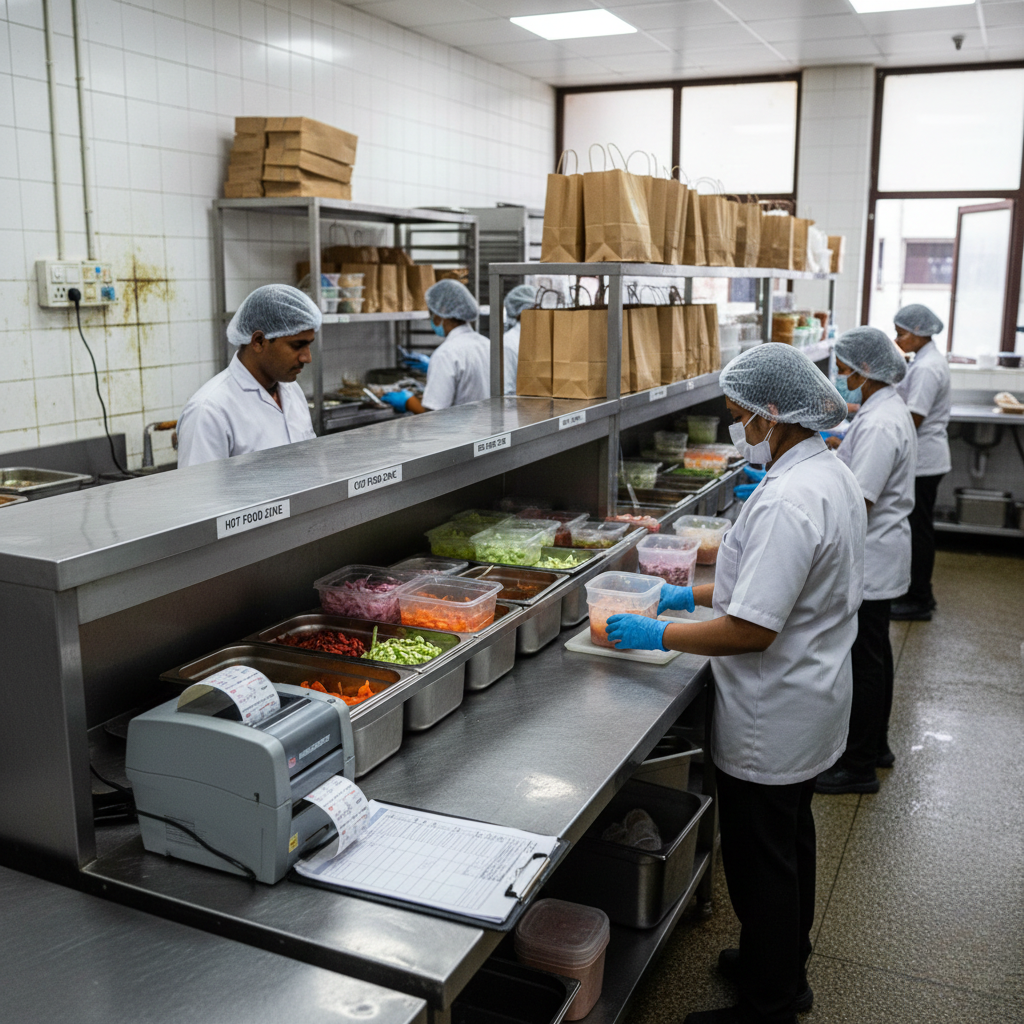
What breaks at scale?
- Food cost drift
- Dispatch delays
- Refund leakage
- Rating volatility
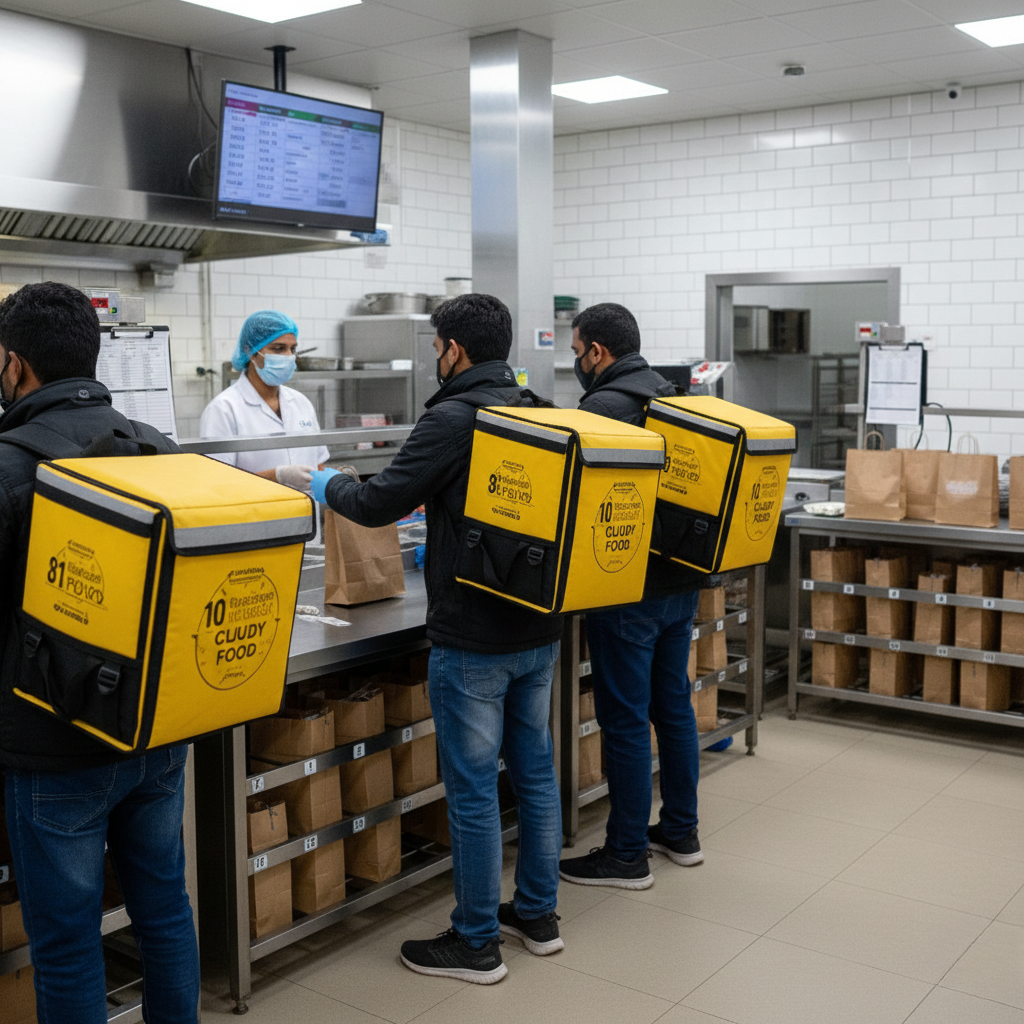

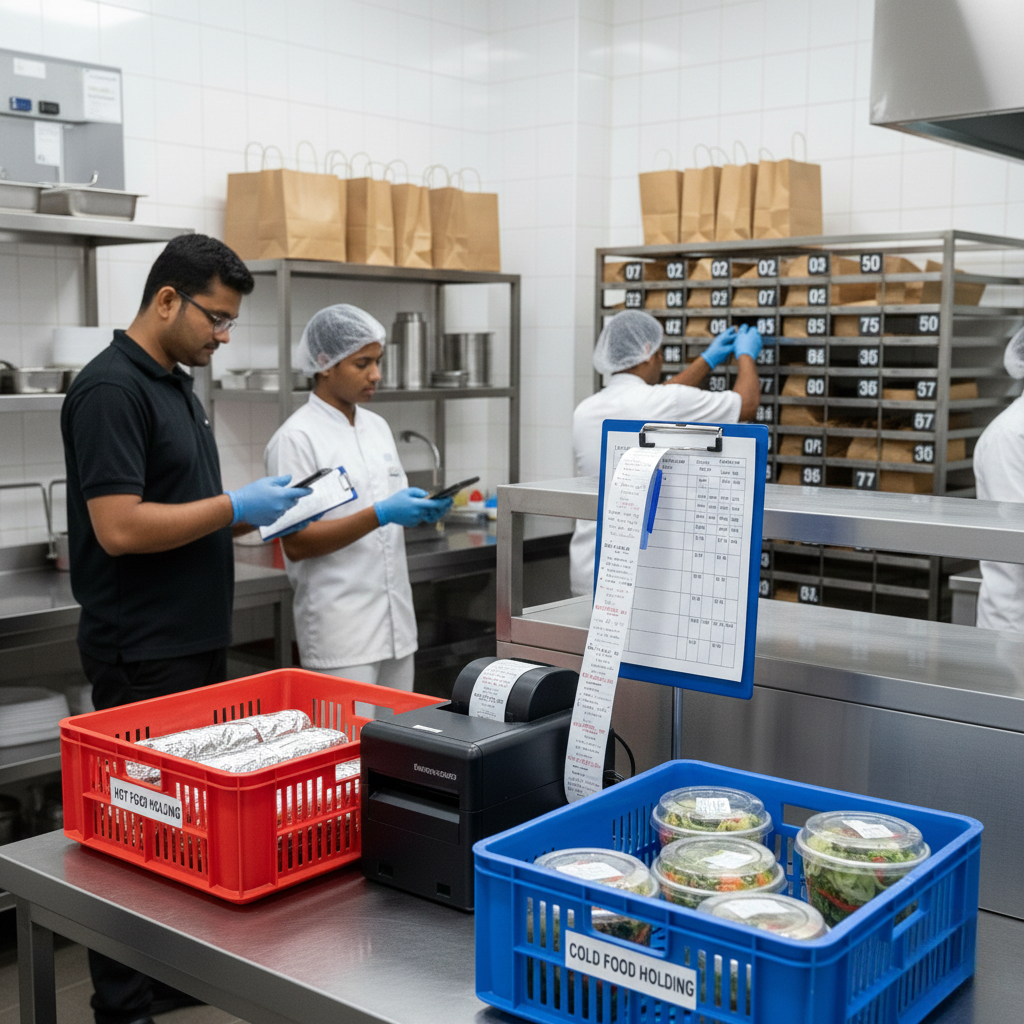
Cloud Kitchen Business In India fails more from leakage than low demand
In a Cloud Kitchen Business In India, refunds, cancellations, rating drops, and margin drift become dangerous once order volume rises. Also read is cloud kitchen profitable in India to understand how these leakages affect profit.
Common Cloud Kitchen Business In India challenges
- High aggregator commissions + discount burn
- Food cost drift due to portion inconsistency
- Refunds from packing errors and missing items
- Dispatch delays triggering cancellations
- Ratings instability causing visibility drops
- Vendor inconsistency and stockouts

The scale breaking point in Cloud Kitchen Business In India
Cloud kitchens don’t collapse at 20 orders a day. They collapse at 120, when variability becomes visible.
What is a Cloud Kitchen Business In India?
A Cloud Kitchen Business In India is a delivery-only food business without dine-in. Orders come from Swiggy, Zomato, your website, and repeat channels like WhatsApp. If you want to compare structures, see the best cloud kitchen business model in India.

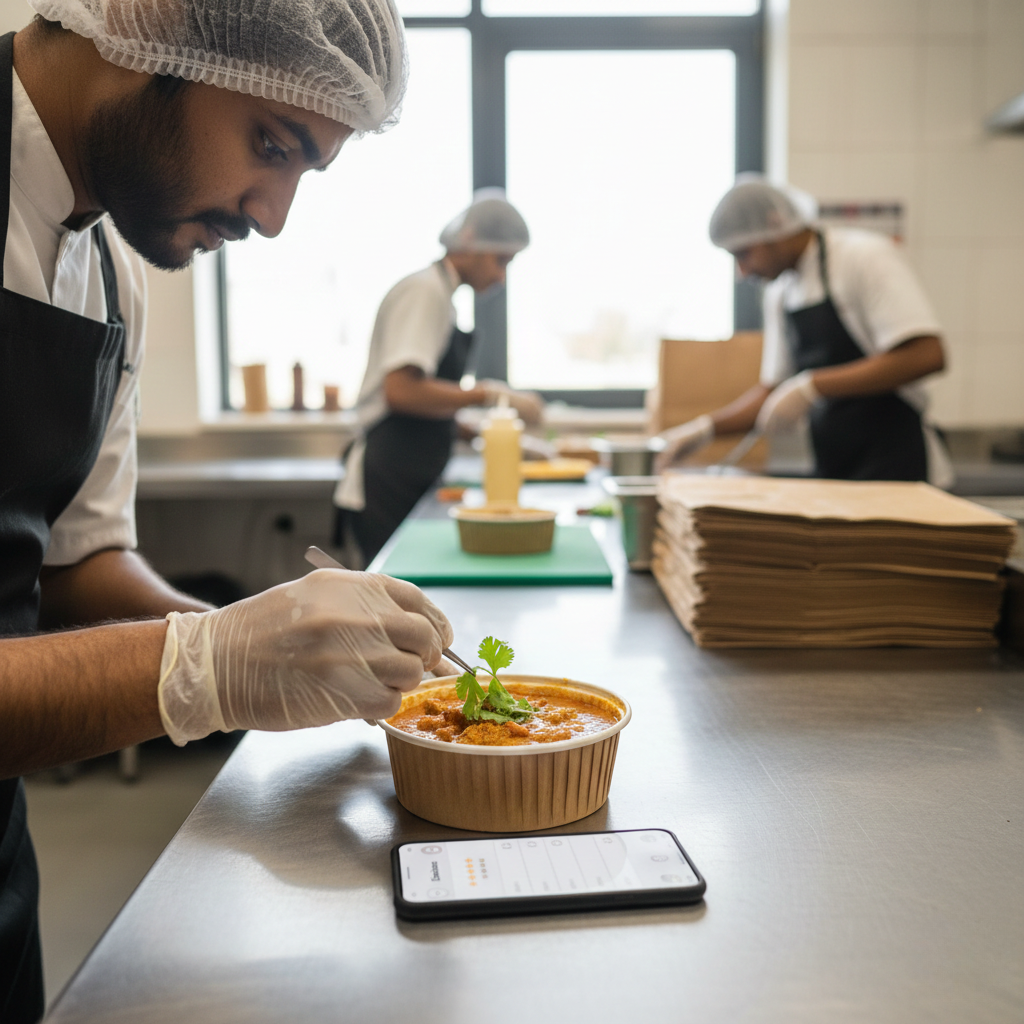
Where Cloud Kitchen Business In India orders come from
- Swiggy and Zomato listings
- Google Maps and GMB
- Instagram funnels
- Website ordering
- WhatsApp repeats
What a Cloud Kitchen Business In India must control
- Prep rhythm and station gates
- Portion tools and yields
- Hot/cold segregation
- Error-proof packing
- Speed and ratings
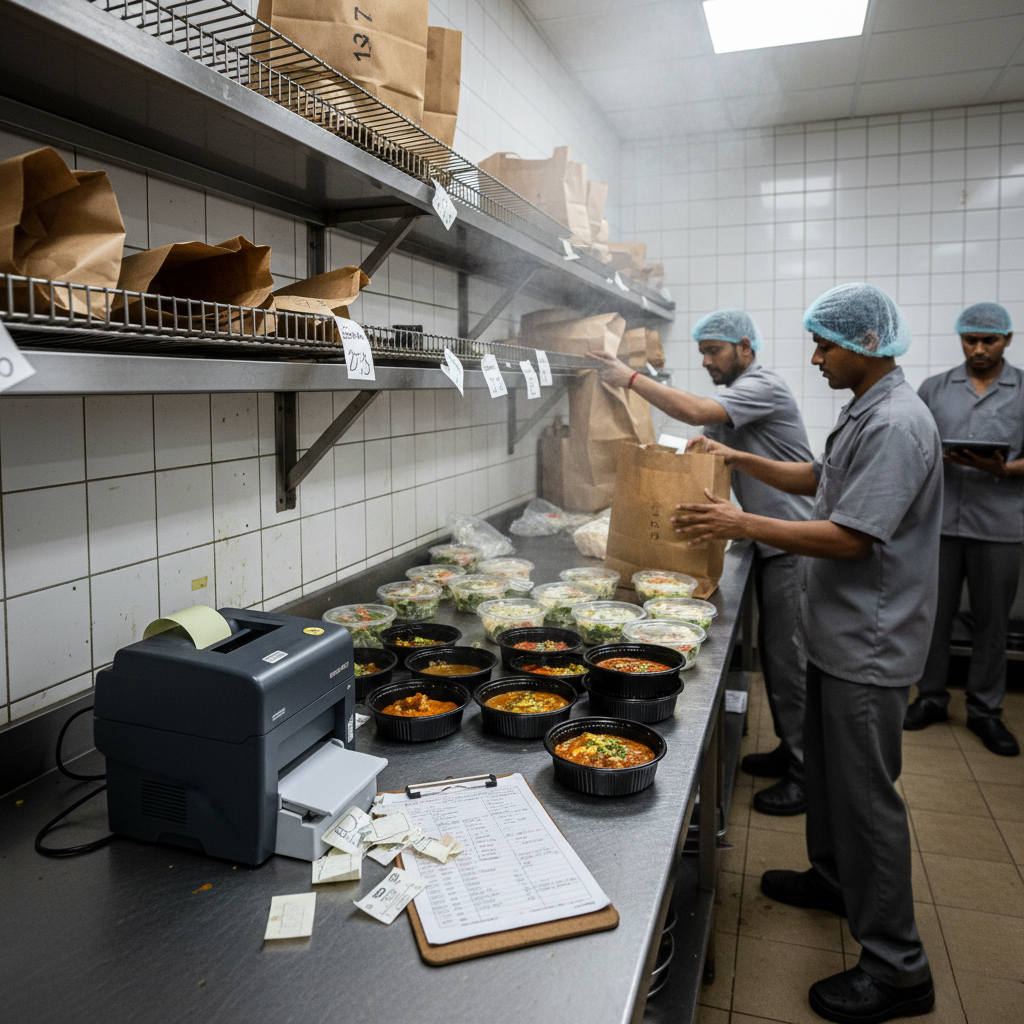
How to start a Cloud Kitchen Business In India the profitable way
Many founders begin with menu design and Instagram marketing. A stronger Cloud Kitchen Business In India starts with unit economics, delivery behavior, and operating systems. You may also want to read how to start a cloud kitchen in India for a deeper launch view.
Choose cuisine for Cloud Kitchen Business In India delivery behavior
Not every cuisine travels well. The best menus are built around SKUs that maintain texture, heat, and quality in transit.
- Choose SKUs that hold quality for 30–45 minutes
- Avoid fragile plating-based dishes
- Focus on high-demand comfort foods
- Design hero products that drive repeats
Plan Cloud Kitchen Business In India unit economics first
Profitability depends on tighter cost control before launch, not after the damage starts.
- Target food cost between 28–35%
- Include packaging cost in pricing
- Account for Swiggy and Zomato commissions
- Plan contribution margin per order
Build SOPs for Cloud Kitchen Business In India operations
Operational discipline is the backbone of scale. Each step of prep and dispatch should follow a repeatable process.
- Prep rhythm and ingredient batching
- Portion control using weighing tools
- Packing checklists to avoid dispatch errors
- Hot/cold segregation during dispatch
Launch Cloud Kitchen Business In India and track KPIs daily
Once the brand is live, daily monitoring protects ratings, payouts, and long-term growth.
- Track refunds and cancellations
- Monitor order preparation time
- Maintain rating above 4.4+
- Review contribution margin weekly
Scale Cloud Kitchen Business In India only after stability
Expanding too early creates operational chaos. Scale should happen only after outcomes become predictable.
- Stabilize operations at consistent order volume
- Document SOPs and kitchen playbooks
- Replicate systems across new kitchens
- Expand city by city with the same structure
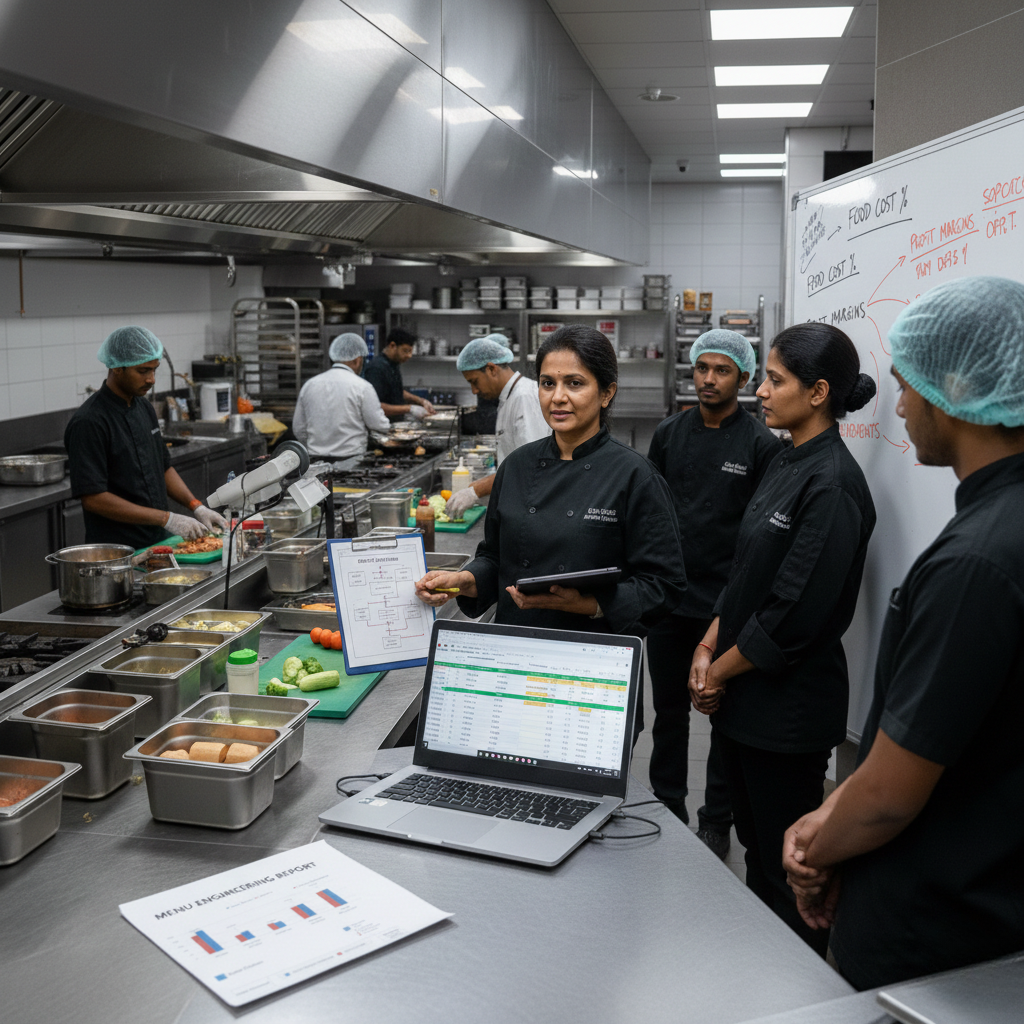
A Cloud Kitchen Business In India does not fail because of food alone. It fails when founders ignore unit economics, operations, and dispatch systems.
Want to build a profitable Cloud Kitchen Business In India?
If you are launching from scratch or scaling beyond 50–100 orders a day, don’t guess. Build a stronger Cloud Kitchen Business In India with unit economics, SOPs, menu engineering, and scale systems. You can also explore managed cloud kitchen in India if you want an operator-led model.


Fast, practical, operator-first guidance. No fluff. Just systems.
