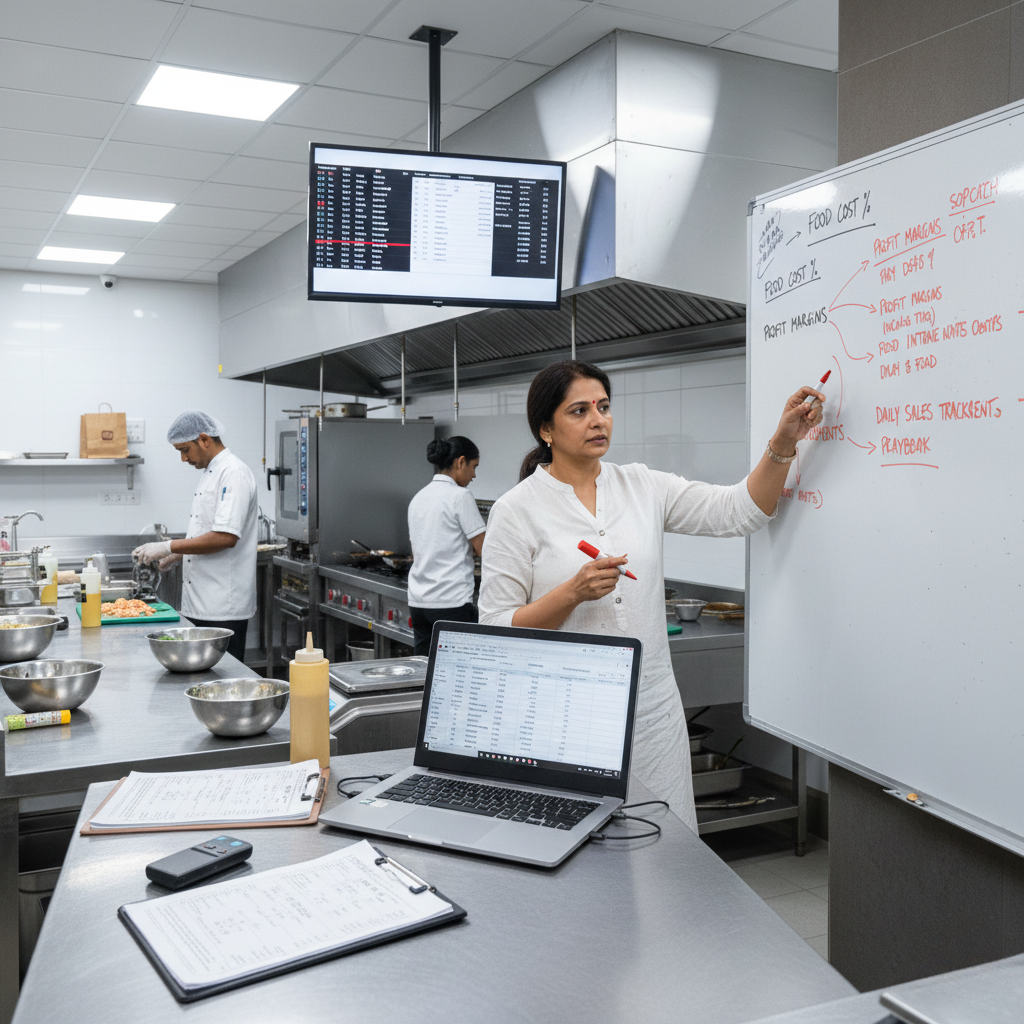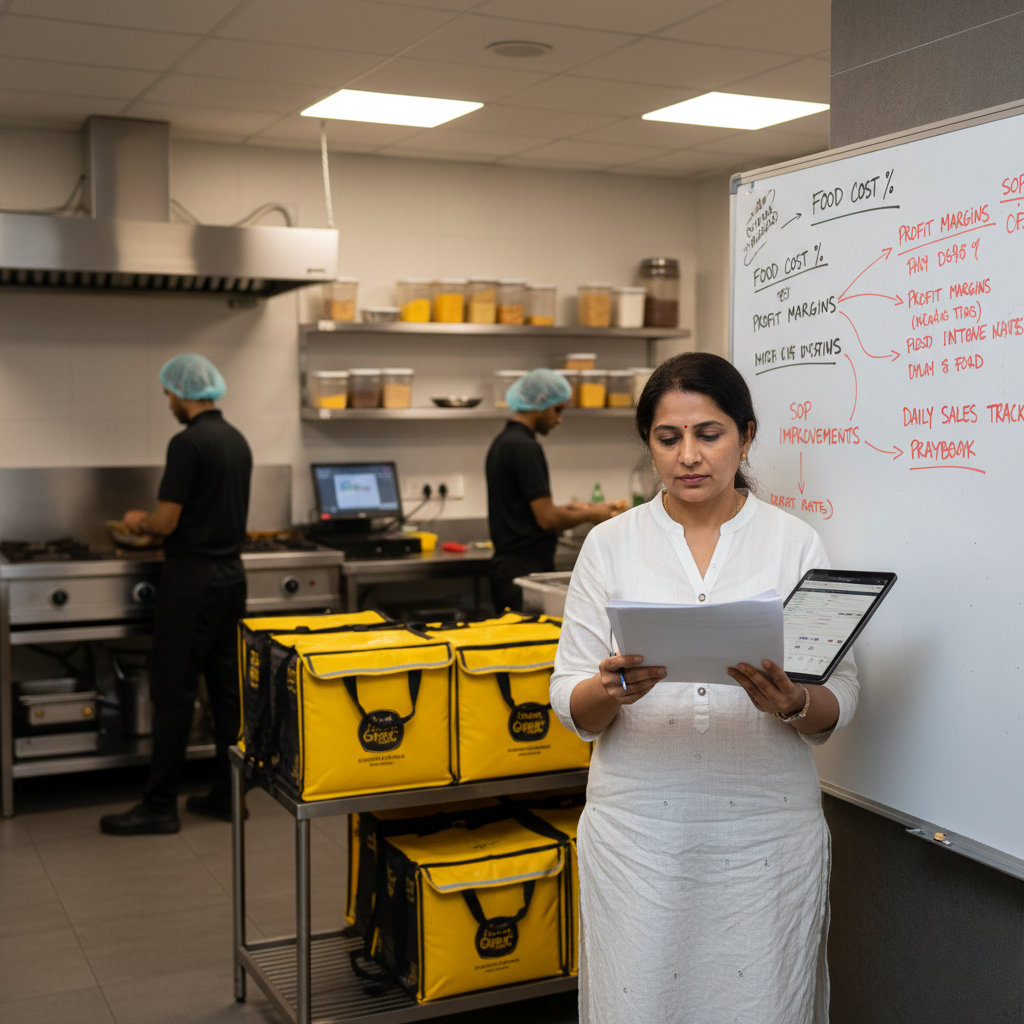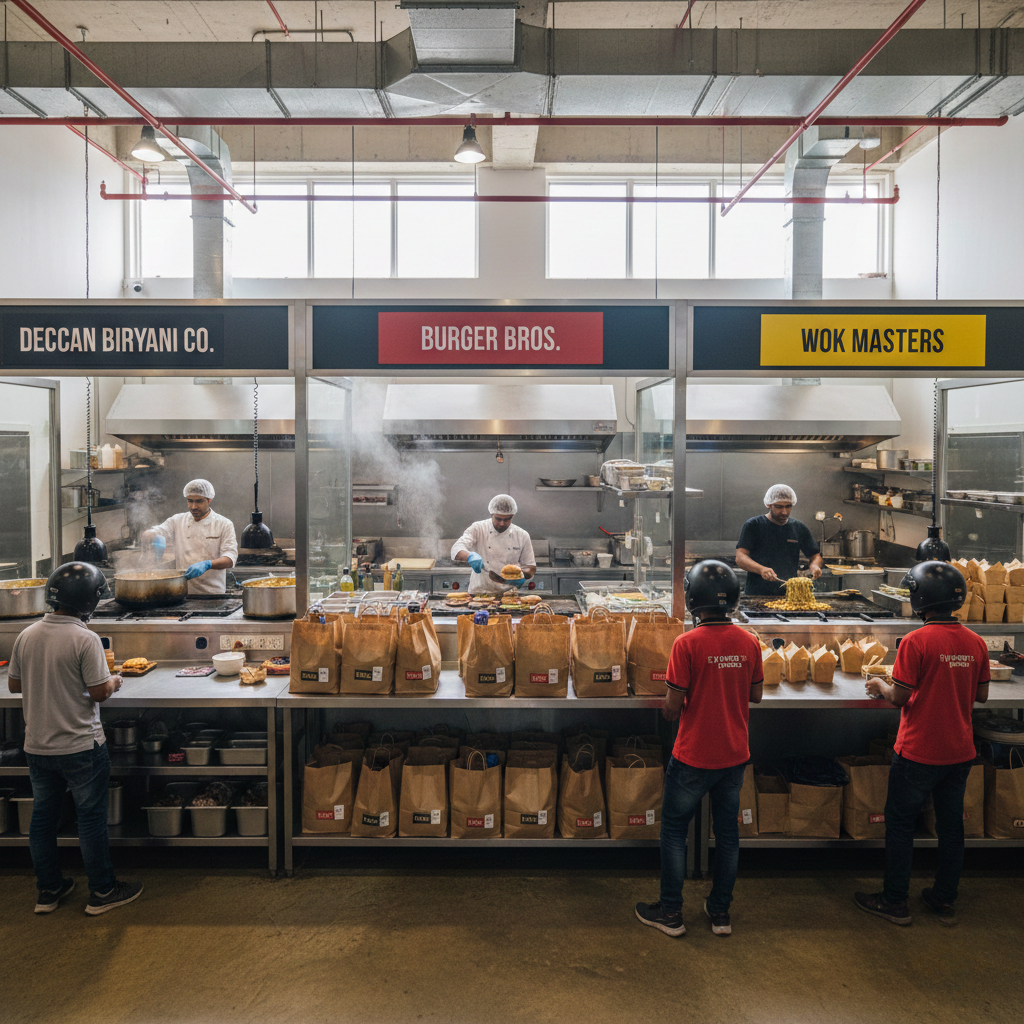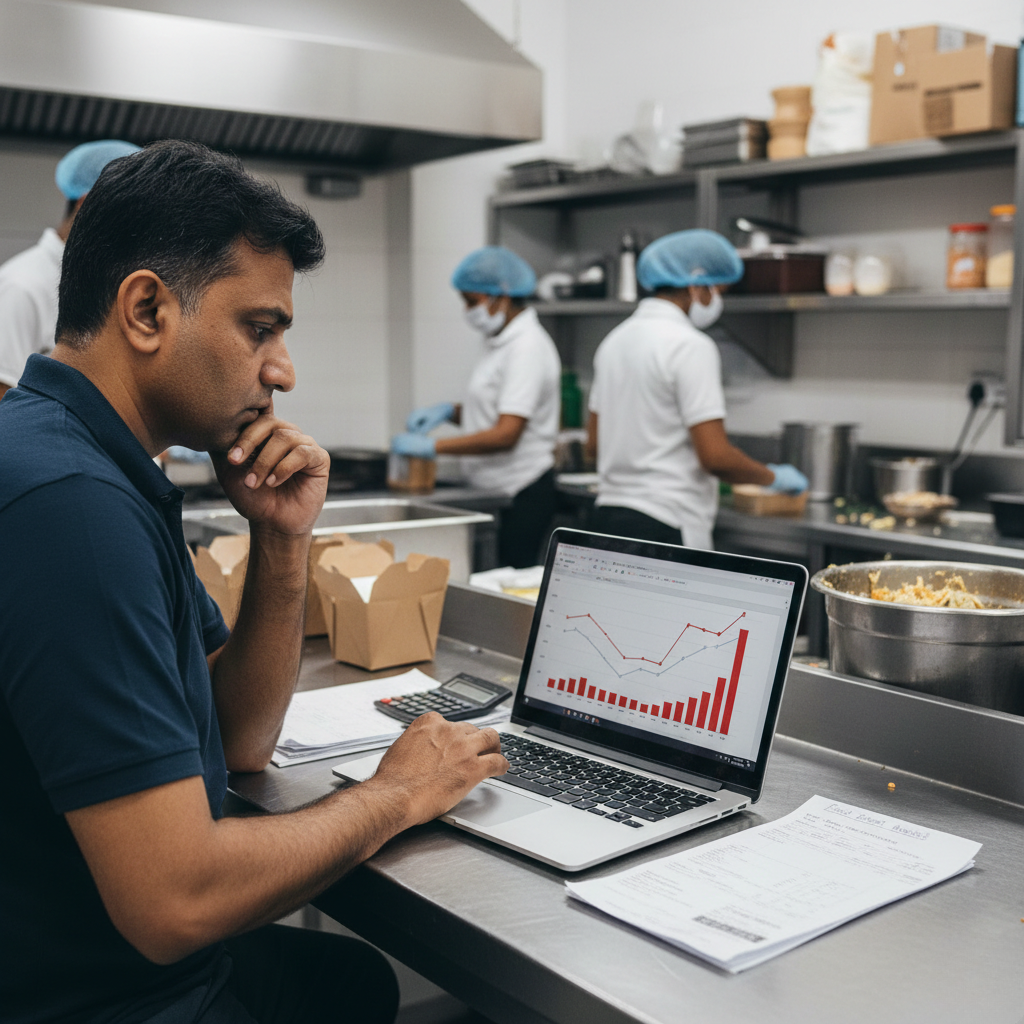
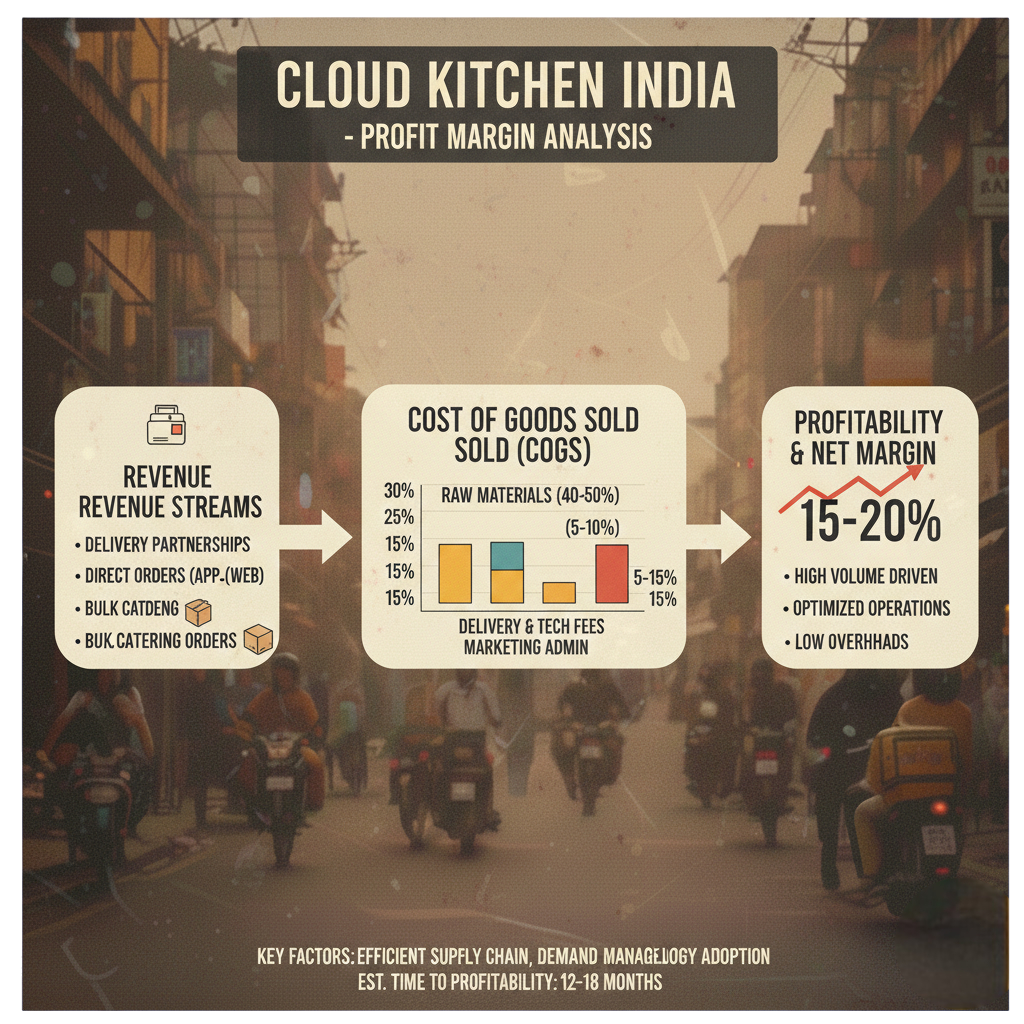
Cloud kitchen profit margin in India is one of the most misunderstood aspects of the delivery-first food business. While cloud kitchens are often marketed as high-margin, low-cost ventures, real profitability depends on unit economics, cost discipline, menu design, and execution. This guide explains realistic cloud kitchen profit margins in India, what affects them, common mistakes, and how founders can build sustainable profitability.
Start Here Before Evaluating Cloud Kitchen Profit Margins
This article is part of GrowKitchen’s unit economics and profitability series. Before analysing margins, it is important to understand the delivery-first business model: Cloud Kitchen as a Service (CKaaS) and the overall landscape of the food delivery ecosystem in India: Cloud Kitchen Business in India.
For food business compliance and cost transparency, always ensure proper licensing through FSSAI, along with GST and MSME registrations where applicable.
Cloud Kitchen Profit Margin in India Explained
Profit margin in a cloud kitchen refers to the percentage of revenue left after deducting food cost, packaging, staff, rent, platform commissions, and operating expenses.
Unlike traditional restaurants, cloud kitchens save on front-end costs but face high variable expenses. As a result, margins are highly sensitive to daily execution.
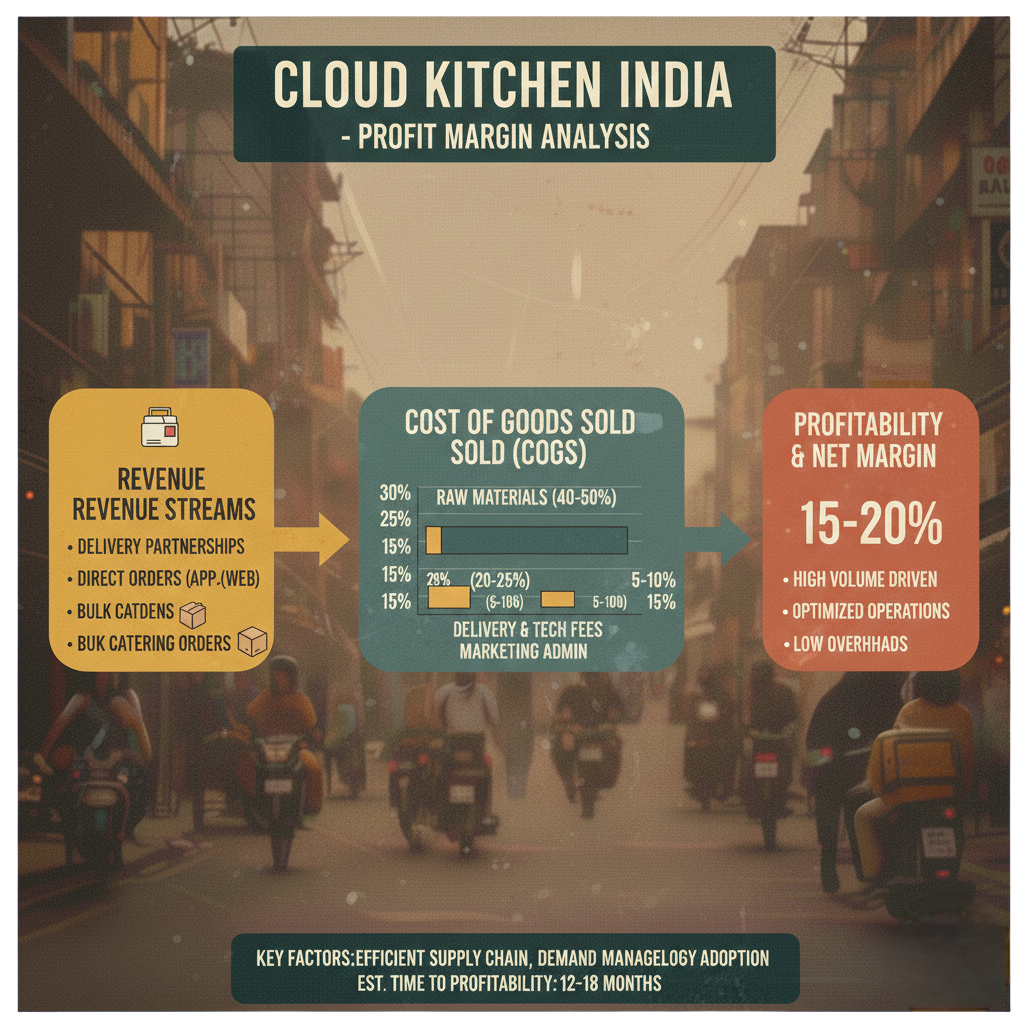
Average Cloud Kitchen Profit Margin in India
In India, a well-run cloud kitchen typically operates at:
- Gross margin: 55% – 65%
- Contribution margin: 18% – 30%
- Net profit margin: 8% – 15%
New kitchens often struggle to reach profitability in the first 3–6 months due to low order volumes and learning curves.
Cost Structure That Impacts Profit Margins
Cloud kitchen margins are directly influenced by how costs are structured and controlled.
- Food cost (raw materials & wastage)
- Packaging and disposables
- Kitchen rent and utilities
- Staff salaries
- Aggregator commissions and discounts
Any imbalance in these components erodes margins rapidly.
Impact of Swiggy and Zomato on Profit Margins
Most cloud kitchens depend heavily on food delivery platforms like Swiggy and Zomato for orders.
While these platforms provide visibility, commissions, ads, and discounting pressure can reduce margins if pricing is not planned carefully.
Kitchens without repeat customers often remain stuck in low-margin cycles.
Operational Discipline and Margin Control
Most margin leakage happens on the kitchen floor, not in spreadsheets.
Successful kitchens enforce strict SOPs for prep, portioning, packaging, and dispatch: Cloud Kitchen SOP Checklist.
How Scaling Affects Cloud Kitchen Profit Margins
Scaling improves margins only after unit economics stabilise. Expanding too early multiplies losses instead of profits.
Sustainable scaling requires repeatable systems: How to Scale Cloud Kitchens.
Common Mistakes That Destroy Profit Margins
- Over-discounting to chase volume
- Large menus with low repeat rate
- No daily food cost tracking
- Ignoring refunds and wastage
- Blind trust in aggregator ads
Why Many Cloud Kitchens Fail to Stay Profitable
Most cloud kitchens fail not due to lack of demand, but because margins collapse silently.
A detailed breakdown: Why Cloud Kitchens Fail in India.
Final Thoughts: Cloud Kitchen Profit Margin in India
Cloud kitchens can be profitable in India, but margins are earned through discipline, not assumptions.
Founders who design for repeat orders, control costs daily, and scale only after stability are far more likely to build sustainable, profitable cloud kitchens.
FAQs: Cloud Kitchen Profit Margin in India
What is a good profit margin for cloud kitchens?
Net margins of 8%–15% are considered healthy for well-run kitchens.
Do cloud kitchens have higher margins than restaurants?
They can, but only with strong cost control.
What affects cloud kitchen margins the most?
Food cost, aggregator commissions, and operational discipline.
Can margins improve over time?
Yes, through menu optimisation, SOPs, and repeat customers.
- Cloud Kitchen Business in India
- How to Start a Cloud Kitchen
- Cloud Kitchen SOP Checklist
- Why Cloud Kitchens Fail