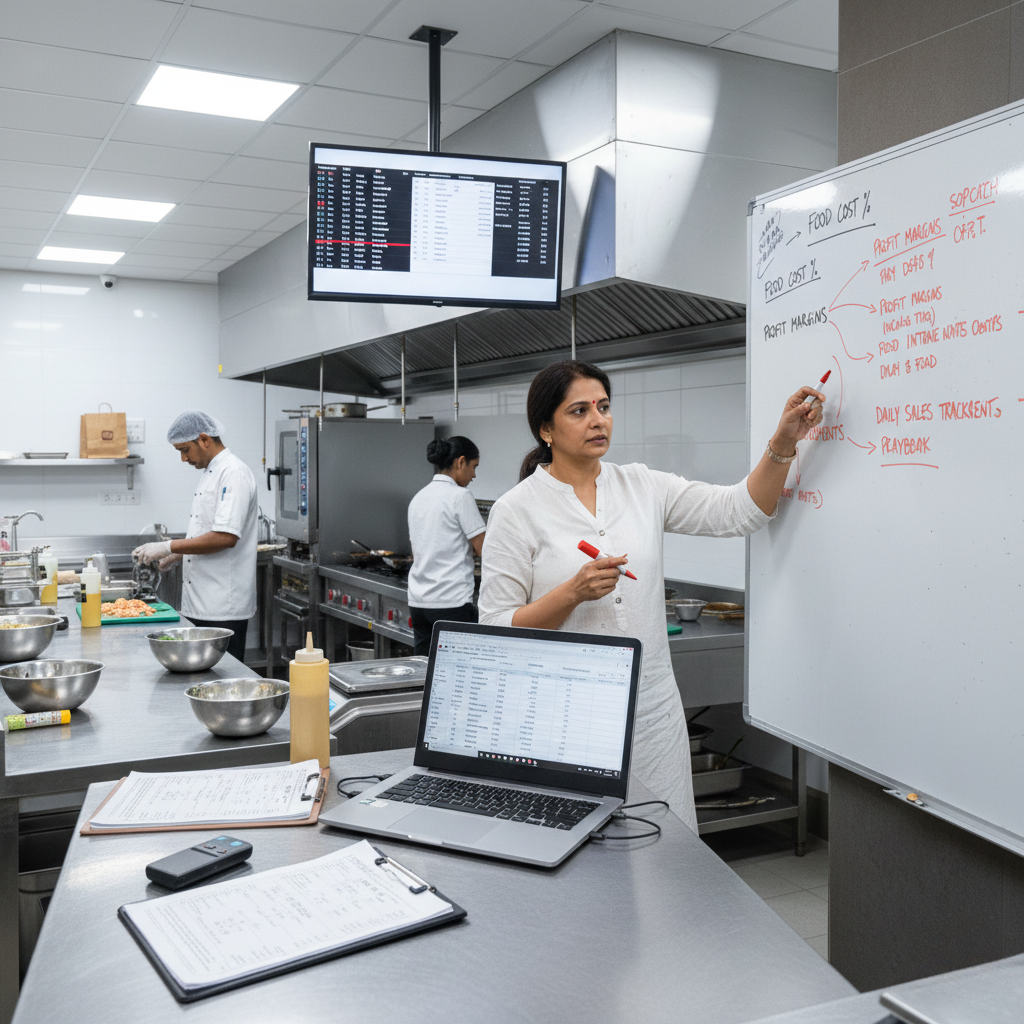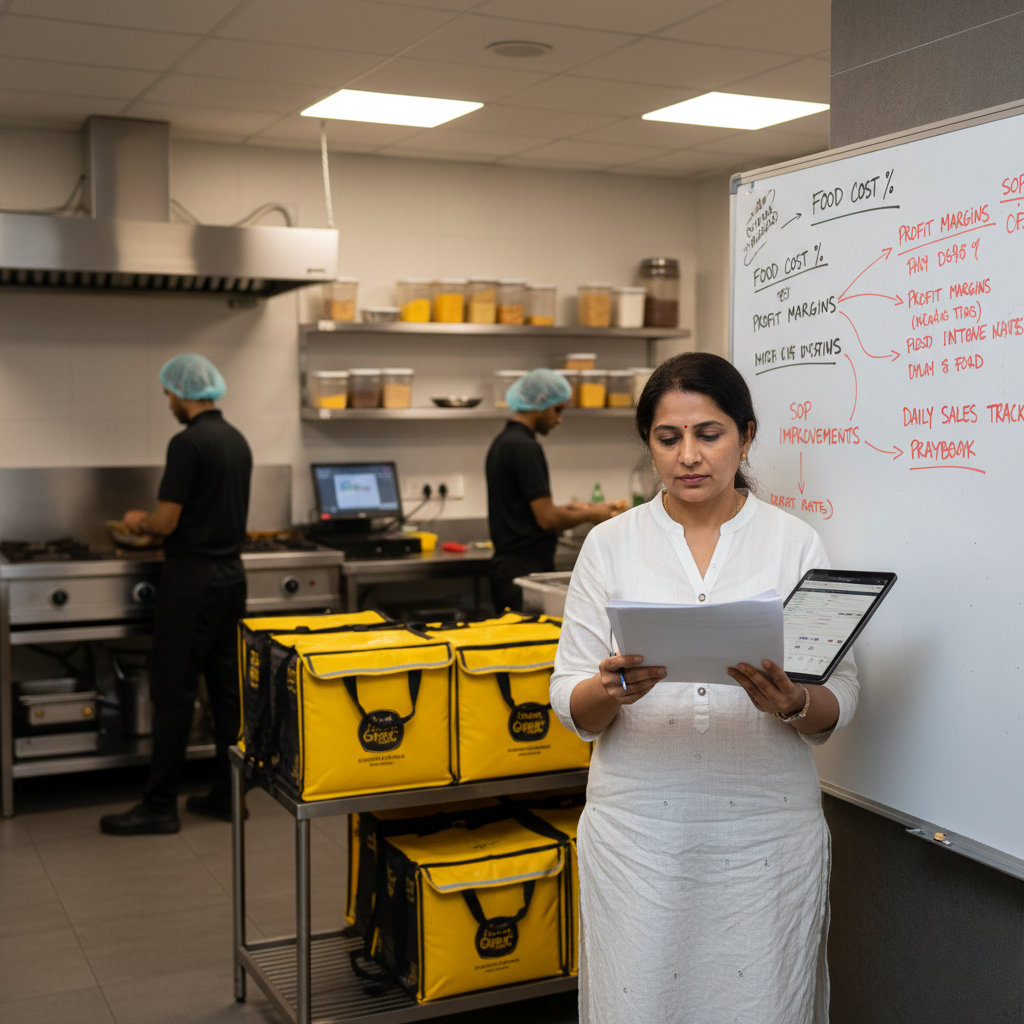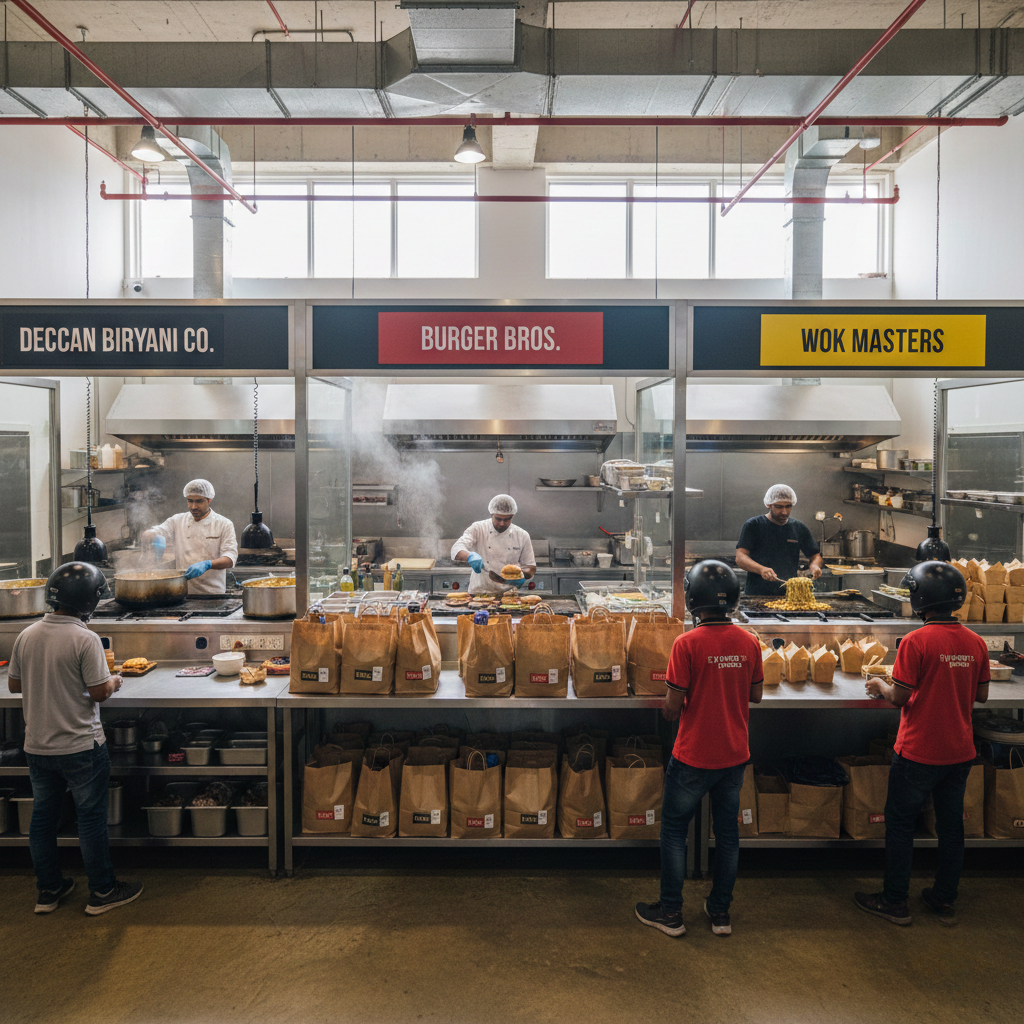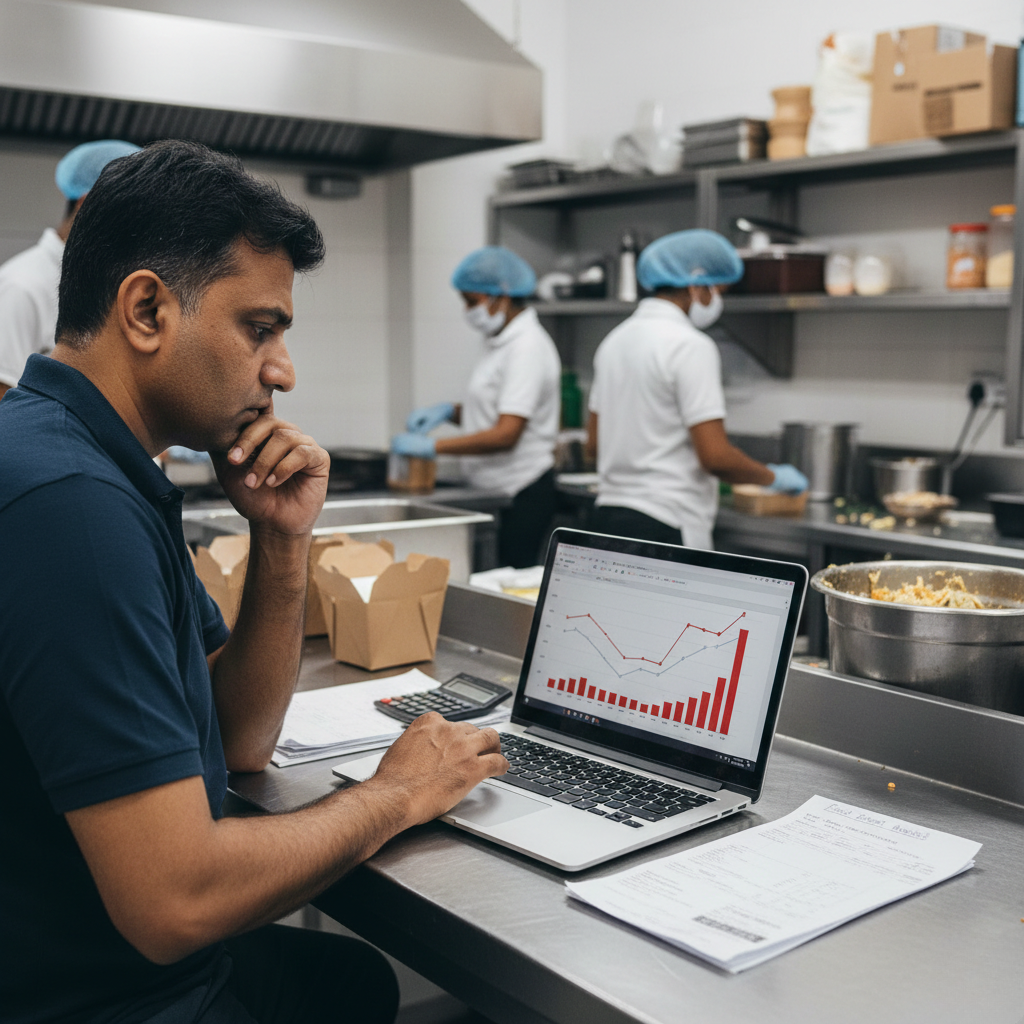
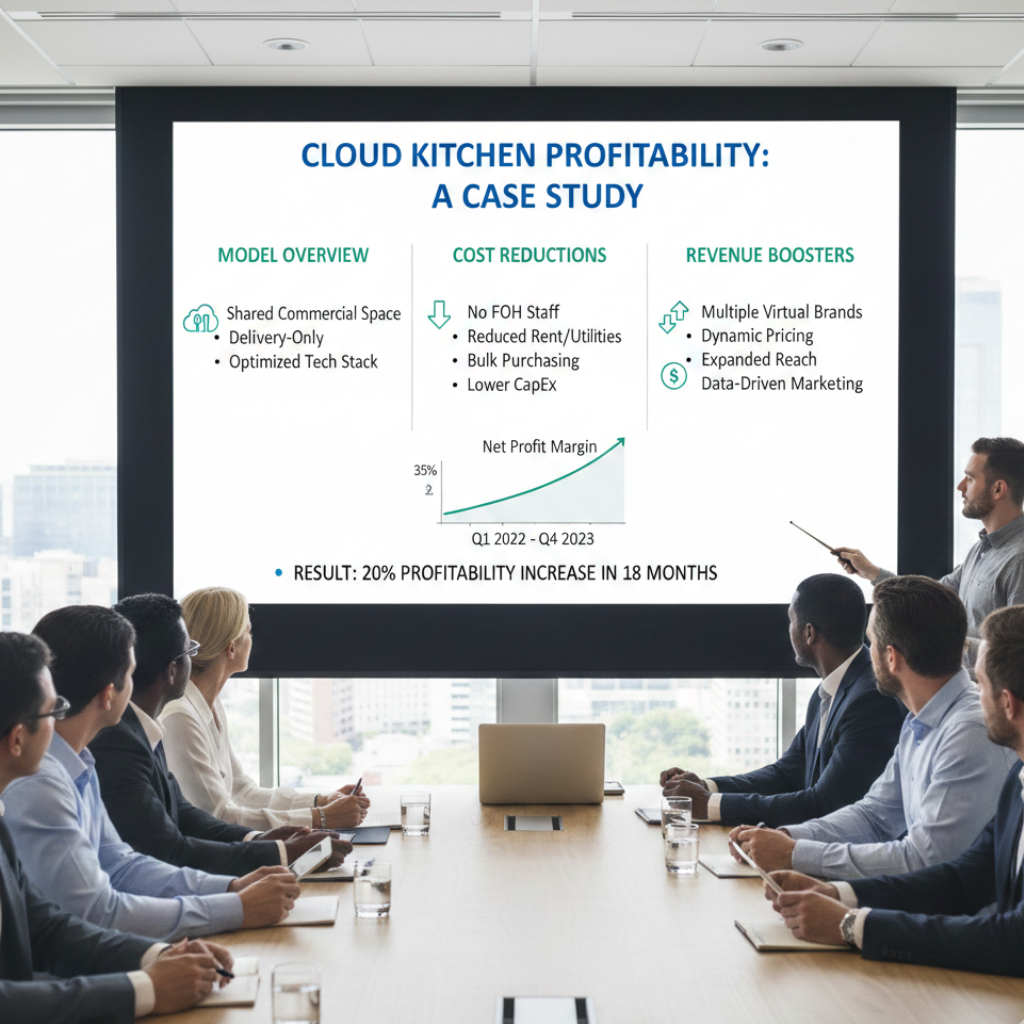
Cloud kitchen profitability case study-Profitability is the biggest question for anyone planning to enter the cloud kitchen business. While cloud kitchens are known for lower setup costs, not every kitchen becomes profitable. In this cloud kitchen profitability case study, we analyze how a delivery-only food brand in India achieved sustainable profits, strong unit economics, and scalable margins. Cloud Kitchen as a Service (CaaS)
This case study breaks down real numbers, cost structures, revenue drivers, and strategic decisions that transformed a single cloud kitchen into a consistently profitable operation.
1. Overview of the Cloud Kitchen Business
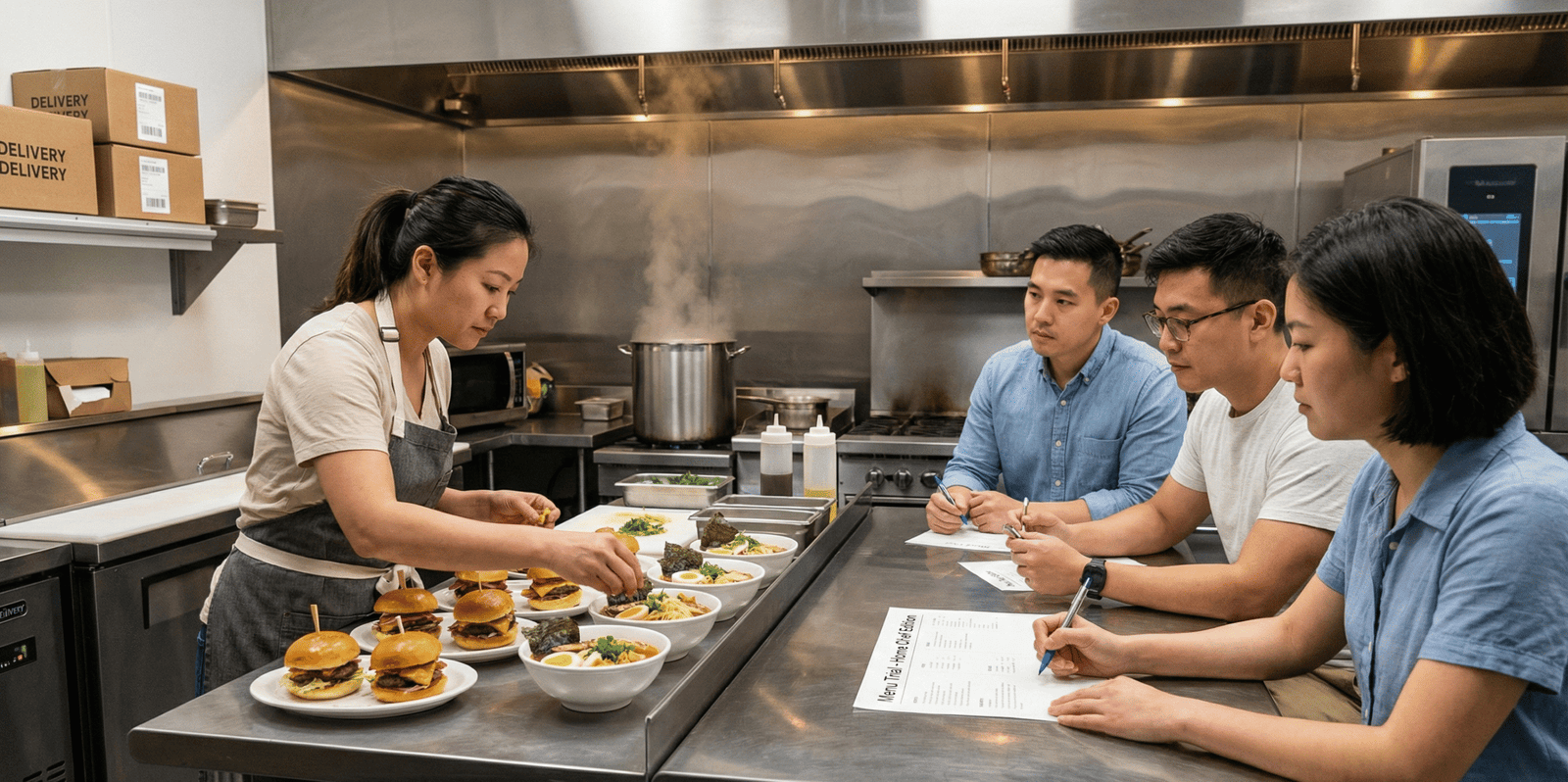
The cloud kitchen featured in this case study launched in 2022 in a metro city in India. The founders identified a growing demand for affordable, high-quality comfort food among working professionals and students.
Instead of competing with fine-dining brands, the kitchen focused on:
- High-demand comfort food
- Fast preparation time
- Affordable pricing
- Delivery-only operations
The kitchen operated out of a 350 sq. ft. rented space and was listed on major food delivery platforms.
2. Initial Investment & Setup Cost
One of the key reasons cloud kitchens can be profitable is the lower initial investment compared to traditional restaurants.
| Expense Head | Cost (INR) |
|---|---|
| Kitchen Equipment | ₹3,20,000 |
| Rent & Deposit | ₹1,50,000 |
| Licenses & Registrations | ₹40,000 |
| Branding & Menu Setup | ₹60,000 |
| Working Capital | ₹1,30,000 |
| Total Investment | ₹7,00,000 |
By avoiding dine-in infrastructure, the founders saved nearly 60% of the capital typically required for a restaurant.
3. Revenue Model & Sales Performance
The kitchen operated under a single-brand, single-menu model during the initial phase.
3.1 Average Monthly Performance
- Average daily orders: 110–130
- Average order value (AOV): ₹270
- Monthly orders: ~3,600
- Monthly revenue: ₹9.5–10 lakhs
Peak sales occurred during weekends and dinner hours, accounting for nearly 55% of total revenue.
For broader industry insights, you can refer to this market overview by Statista.
4. Cost Structure Breakdown
Understanding costs is critical in any cloud kitchen profitability case study.
4.1 Monthly Operating Costs
| Expense Category | Monthly Cost |
|---|---|
| Raw Materials | ₹3,20,000 |
| Aggregator Commission | ₹2,10,000 |
| Staff Salaries | ₹1,10,000 |
| Rent & Utilities | ₹55,000 |
| Packaging | ₹40,000 |
| Miscellaneous | ₹25,000 |
| Total Monthly Cost | ₹7,60,000 |
5. Profitability Analysis
With monthly revenue averaging ₹9.8 lakhs and operating costs of ₹7.6 lakhs, the kitchen achieved:
- Gross profit: ₹2.2 lakhs
- Net profit margin: 22%
- Monthly net profit: ₹2.1–2.3 lakhs
The business reached breakeven within 6 months of launch, making it a strong example of a profitable cloud kitchen model.
6. Key Strategies That Improved Profitability
6.1 Menu Engineering
Low-margin and slow-moving items were removed. High-margin products were bundled into combos to increase AOV.
6.2 Controlled Discounting
Discounts were limited to platform-sponsored offers, protecting the kitchen’s margins.
6.3 Inventory Optimization
Daily procurement planning reduced wastage by nearly 18%.
6.4 Branding & Reviews
Consistent food quality led to higher ratings, improving organic visibility on delivery apps.
For best practices on cloud kitchen operations, this guide by Restaurant India is helpful.
7. Profitability After Scaling

After achieving consistent profits, the founders launched two additional kitchens using the same SOP-driven model.
- Total kitchens: 3
- Combined monthly revenue: ₹28 lakhs
- Average net margin: 18–20%
Centralized purchasing and shared branding further improved profitability.
8. Key Takeaways from This Cloud Kitchen Profitability Case Study
- Lower setup cost improves ROI
- Menu simplicity drives higher margins
- Data-driven decisions reduce losses
- Consistency builds repeat customers
- Profitability comes before expansion
Frequently Asked Questions (FAQs)
Q1. Is a cloud kitchen profitable in India?
Yes, cloud kitchens can be highly profitable in India if costs are controlled and menu pricing is optimized.
Q2. What is the average profit margin of a cloud kitchen?
A well-managed cloud kitchen can achieve net profit margins between 15% and 25%.
Q3. How long does it take to break even?
Most cloud kitchens break even within 6–12 months depending on demand and cost control.
Q4. What affects cloud kitchen profitability the most?
Food cost, aggregator commission, menu pricing, and order volume are the biggest profitability drivers.
People Also Read
- Cloud Kitchen Business in India: Complete Guide
- Cloud Kitchen Setup Cost in India
- Cloud Kitchen Scaling Case Study
- Cloud Kitchen Profit Margin Explained