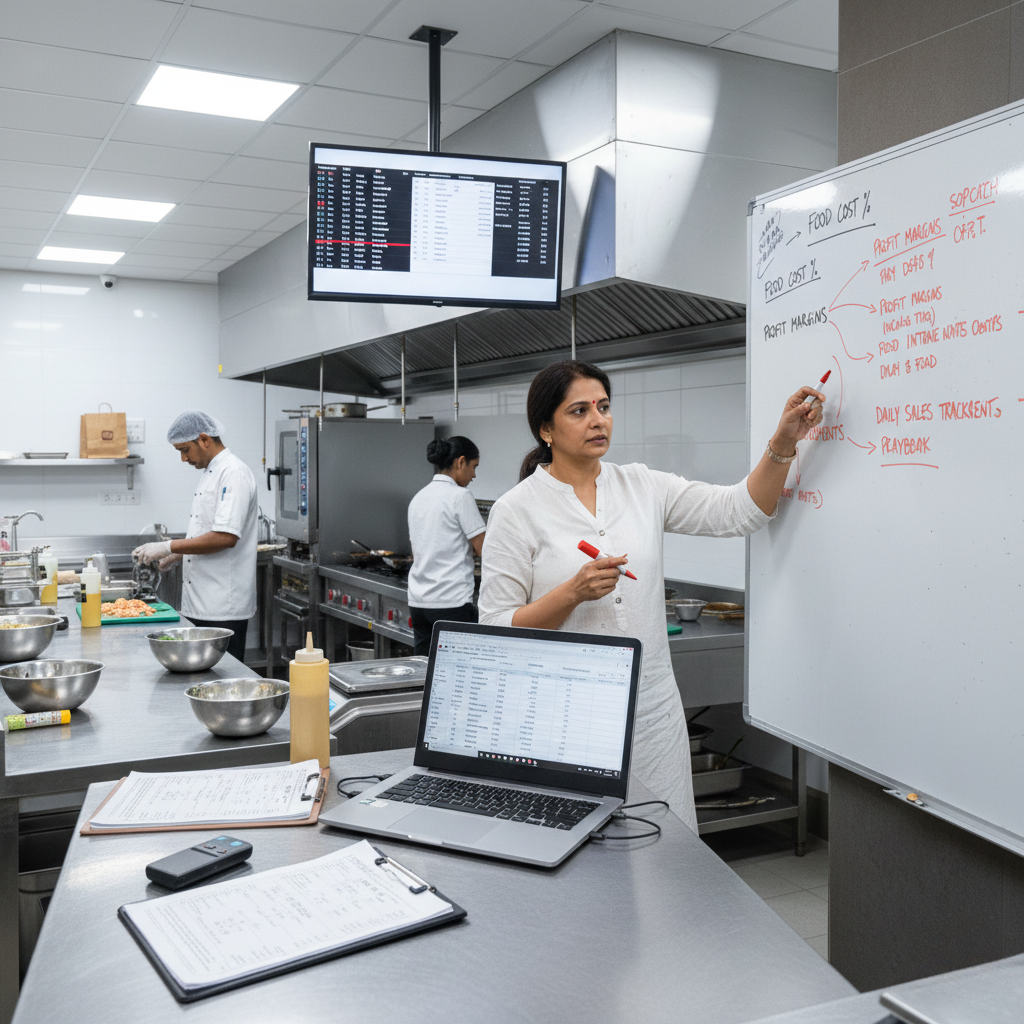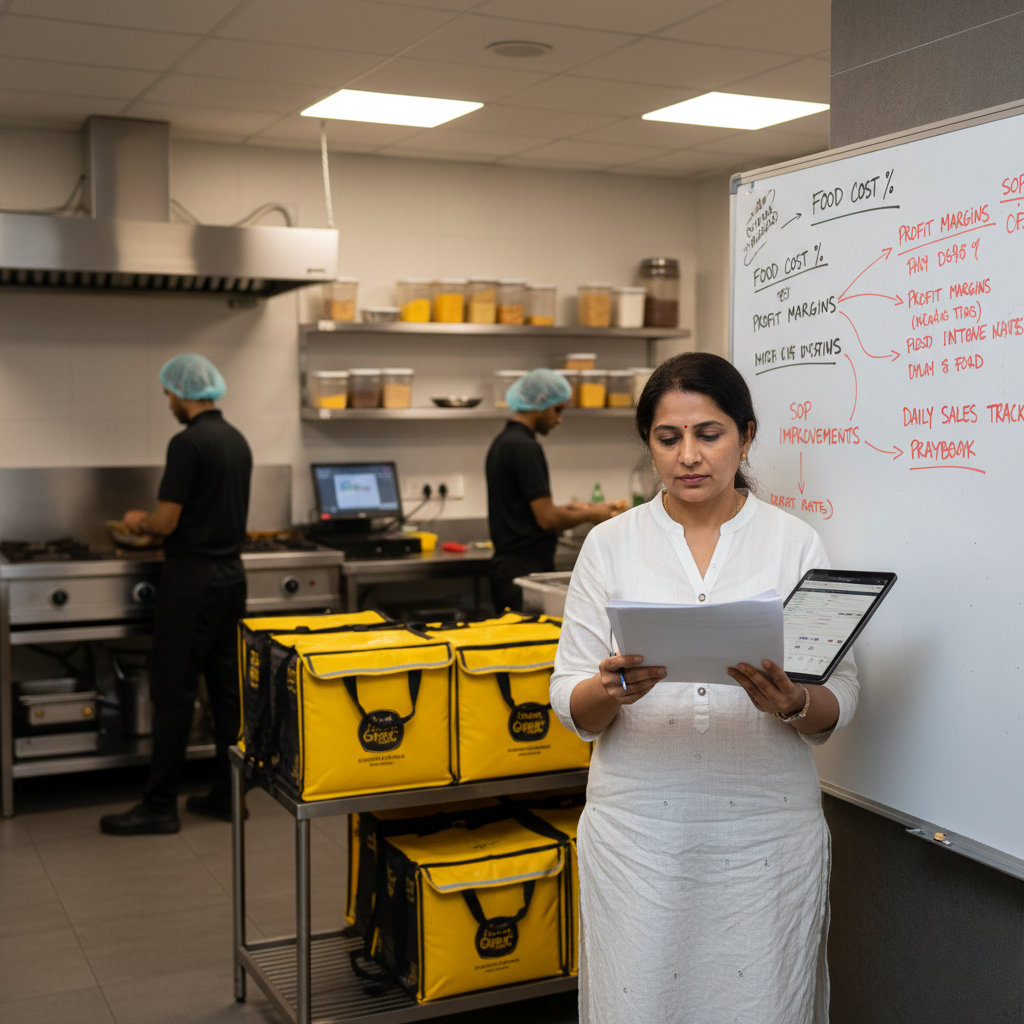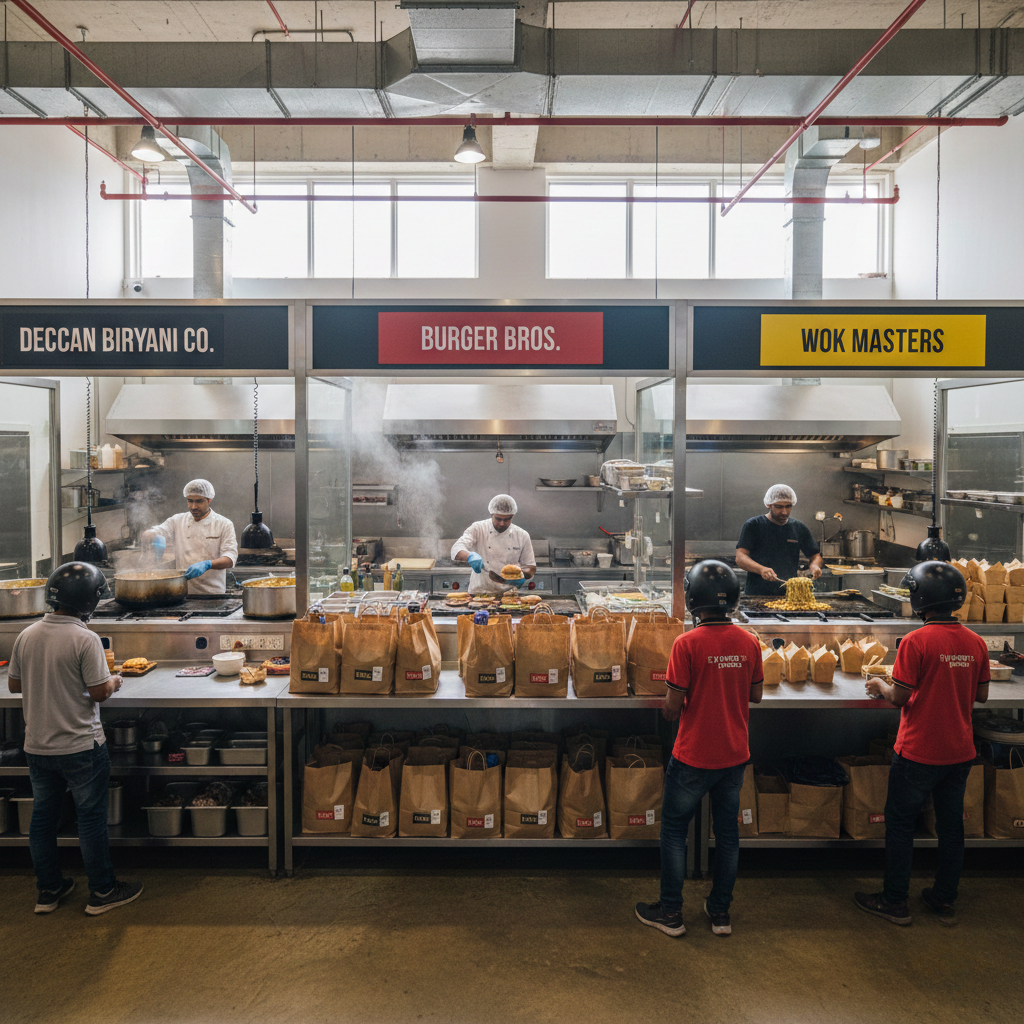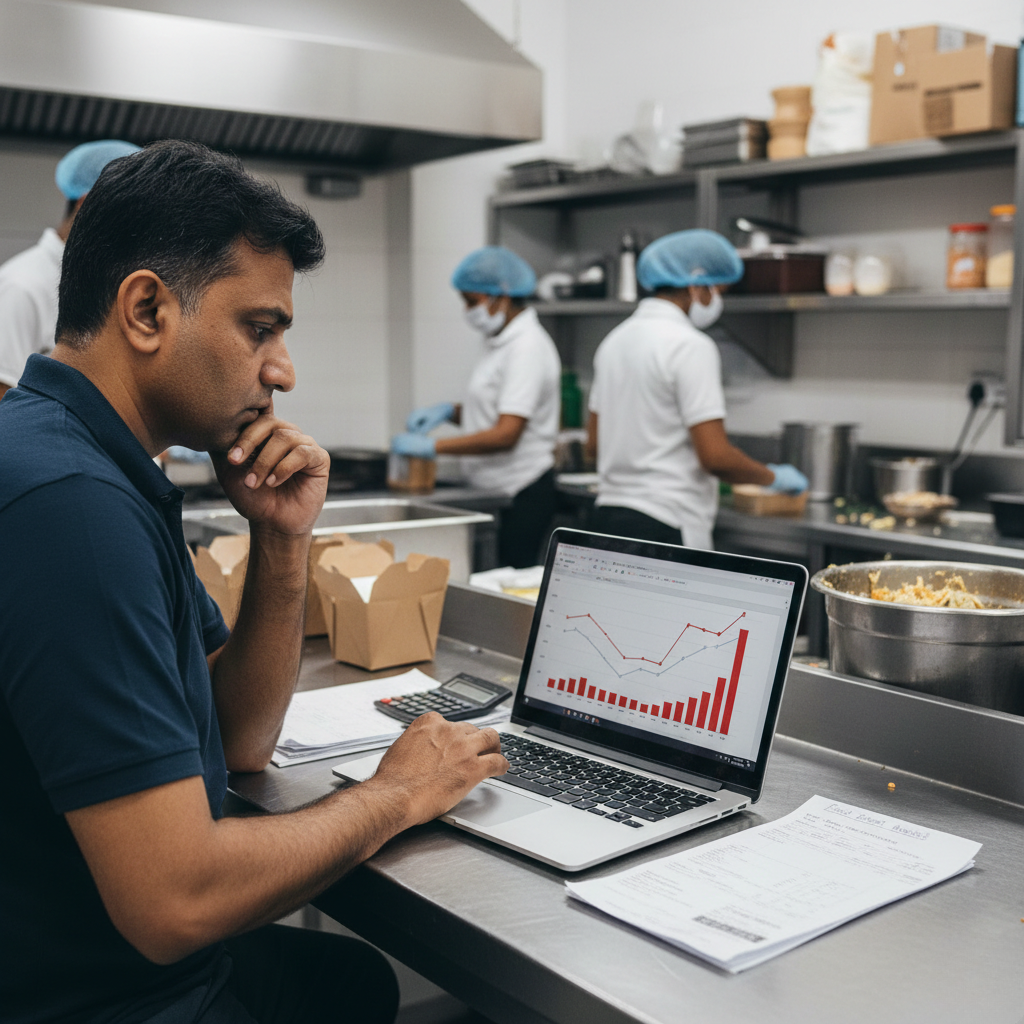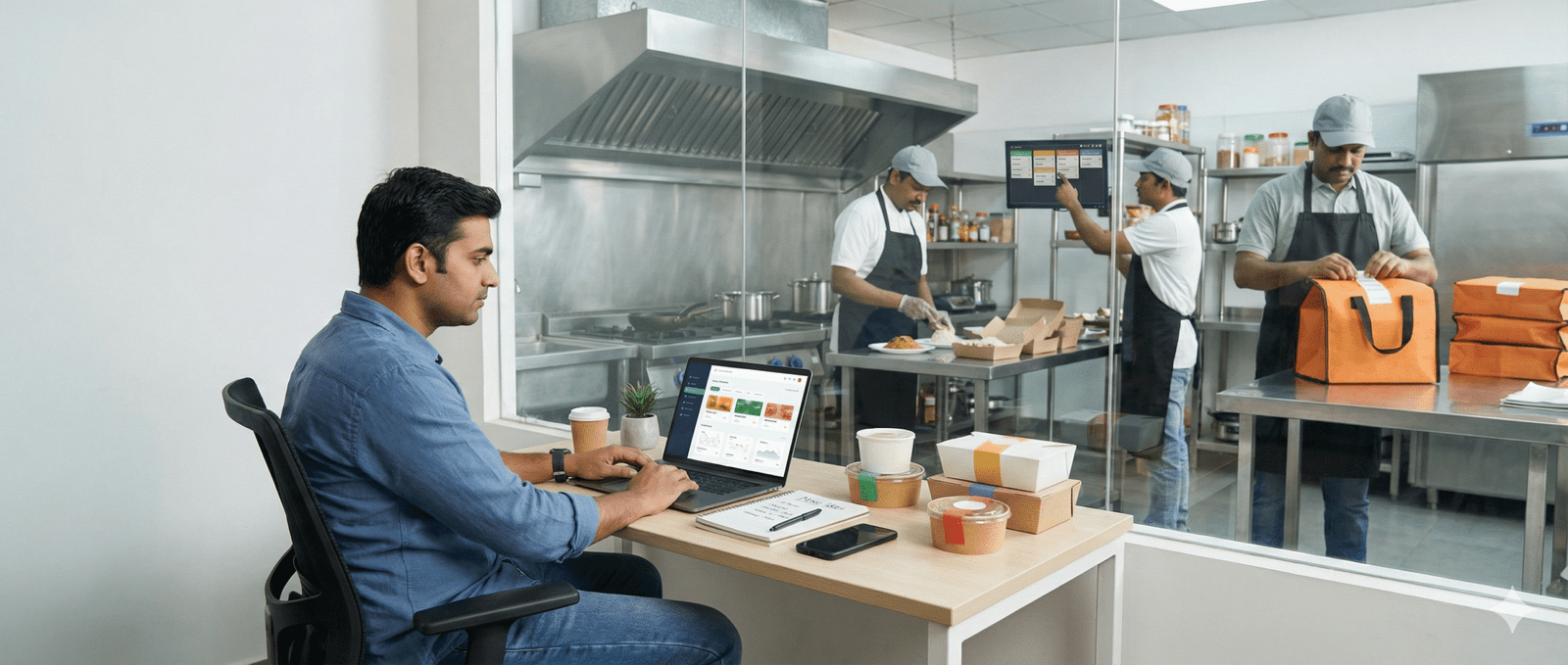
Cloud kitchens are often marketed as a low-investment, high-return food business. Yet the reality on the ground in India tells a different story. Many cloud kitchens manage to survive on sales volume but struggle to generate real profits. Cloud Kitchen Business in India
In 2025, demand is not the problem-food delivery orders are rising steadily. The real issue lies in weak unit economics, hidden cost leakages, and poor financial planning. This article breaks down the key reasons behind low profitability in cloud kitchens and explains why sales alone are not enough.
Sales vs Profit: The Core Misunderstanding
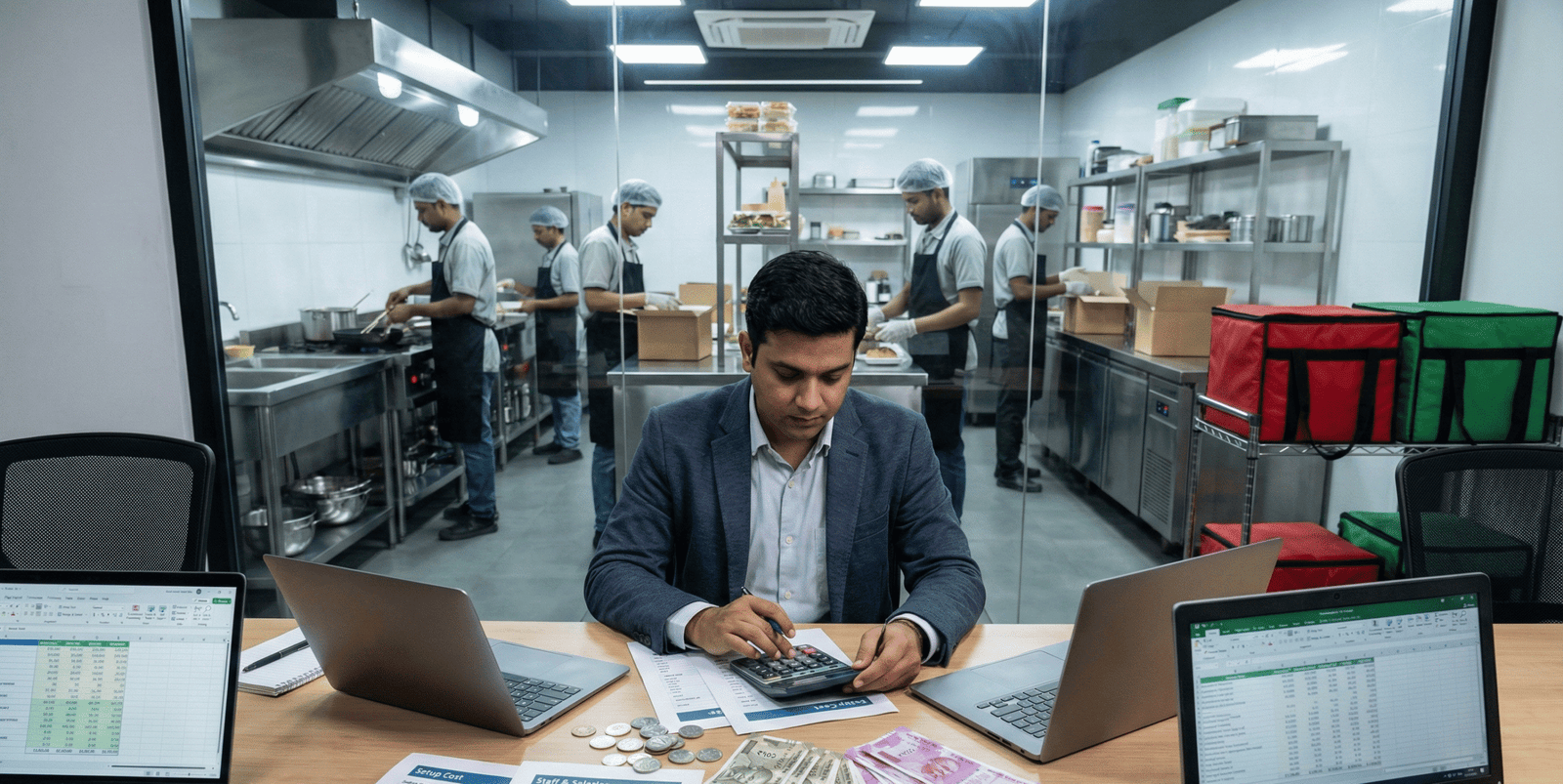
One of the biggest mistakes cloud kitchen owners make is equating high order volume with business success.
Profitability depends on contribution margin per order. If each order earns very little-or worse, loses money-increasing sales only magnifies the problem.
Many kitchens unknowingly operate at negative margins, surviving only because of cash flow from daily orders.
High Aggregator Commissions
Aggregator platforms like Swiggy and Zomato are essential for visibility, but they come at a heavy cost.
In 2025, total deductions can include:
- 18%–30% commission
- GST on commission
- Platform marketing fees
- Delivery-related charges
When pricing is not adjusted for these deductions, cloud kitchens end up sacrificing most of their margins.
Excessive Discount Dependency
Discounts help boost visibility and order volume, but they also create long-term profitability issues.
Many cloud kitchens rely on constant discounts to maintain rankings and order flow. Over time, this trains customers to order only during offers, reducing willingness to pay full price.
Poor Food Cost & Recipe Control
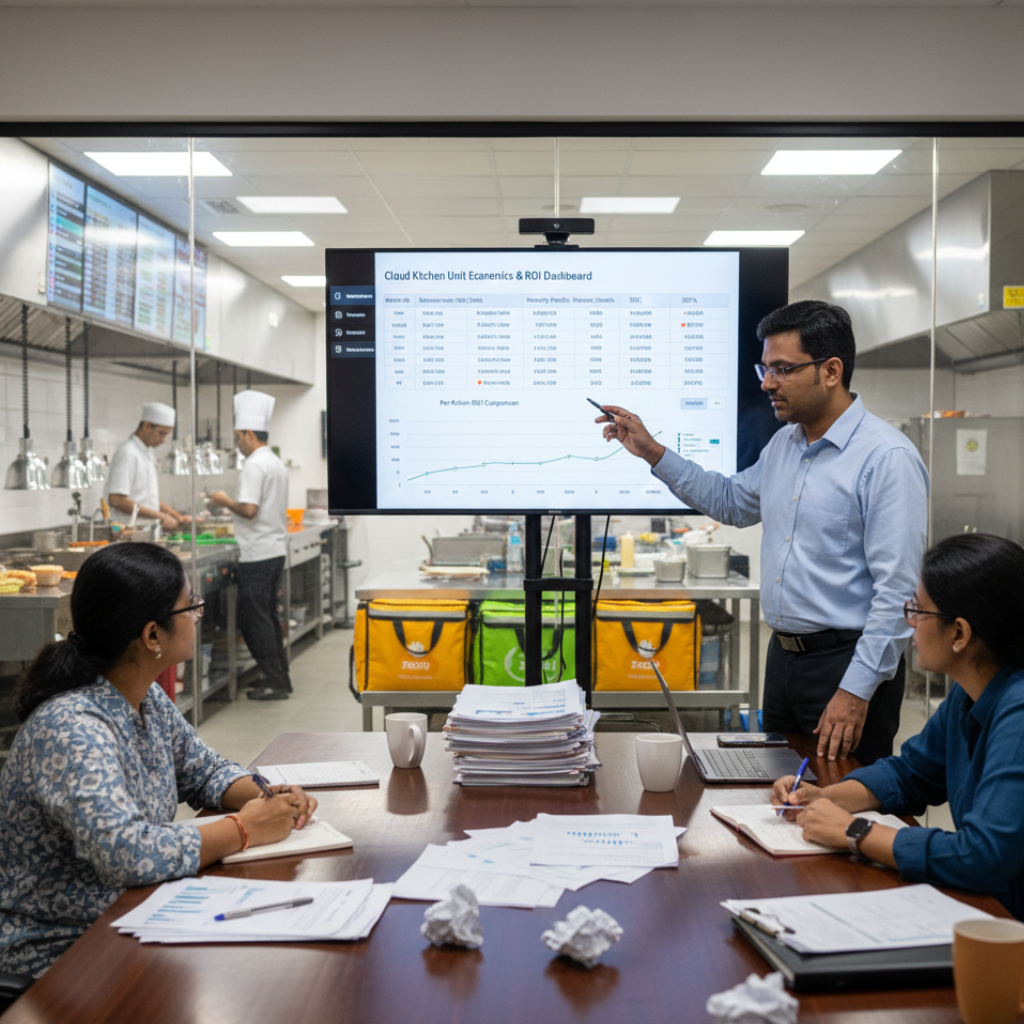
Food cost is one of the largest expenses in a cloud kitchen, yet it is often poorly tracked.
Common food cost issues include:
- Inconsistent portion sizes
- Untracked wastage
- Rising ingredient prices
- No standardized recipes
Even a small increase in food cost percentage can eliminate already thin margins.
High Packaging & Operational Costs
Delivery-friendly packaging is essential, but it significantly increases per-order cost.
Many kitchens underestimate:
- Container and sealing costs
- Branding and labeling expenses
- Leakage and damage replacements
These costs, when multiplied by hundreds of orders, quietly drain profitability.
Fixed Overheads Eating Margins
Despite being delivery-only, cloud kitchens still carry fixed expenses:
- Kitchen rent
- Staff salaries
- Electricity, gas, and water
- Technology and software subscriptions
When margins are weak, these fixed costs push the business close to break-even or loss.
Too Many Brands, Too Much Complexity
Launching multiple brands from one kitchen is often seen as a growth strategy.
In reality, it increases:
- Inventory complexity
- Wastage and spoilage
- Training and quality control issues
Many kitchens struggle to make even one brand profitable, yet expand prematurely.
Lack of Direct Ordering Channels
Kitchens that rely entirely on aggregators pay commission on every single order-including repeat customers.
Without a website, WhatsApp ordering, or CRM system, profit potential remains capped.
Low Repeat Customer Rate
New customer acquisition through platforms is expensive. Kitchens with low repeat rates must keep spending on discounts and promotions just to maintain sales.
High sales with low repeat customers usually indicate weak brand loyalty and poor margins.
How Cloud Kitchens Can Improve Profitability
- Track contribution margin per order
- Price menus based on aggregator commissions
- Reduce unnecessary discounts
- Standardize recipes and portions
- Optimize packaging costs
- Build direct ordering channels
- Focus on repeat customers
For broader industry insights, refer to the IBEF Indian Food Industry Report .
Final Thoughts
Low profitability in cloud kitchens is rarely caused by lack of sales. It is caused by poor unit economics and hidden cost leakages.
In 2025, successful cloud kitchens will be those that prioritize margins, systems, and sustainability-not just order volume.
Frequently Asked Questions (FAQs)
Why do cloud kitchens have low profitability?
High commissions, discounts, food cost issues, and lack of direct sales channels reduce margins.
Can a low-profit cloud kitchen become profitable?
Yes, by fixing pricing, reducing costs, and improving repeat customer retention.
What is a healthy profit margin for cloud kitchens?
A net margin of 10%–20% is considered healthy after stabilizing operations.
Is scaling the solution to low profitability?
No. Scaling without fixing unit economics usually increases losses.
People Also Read
- Cloud Kitchen Loss Reasons
- Cloud Kitchen Mistakes to Avoid
- Cloud Kitchen Aggregator Dependency
- Is Cloud Kitchen Profitable in India?