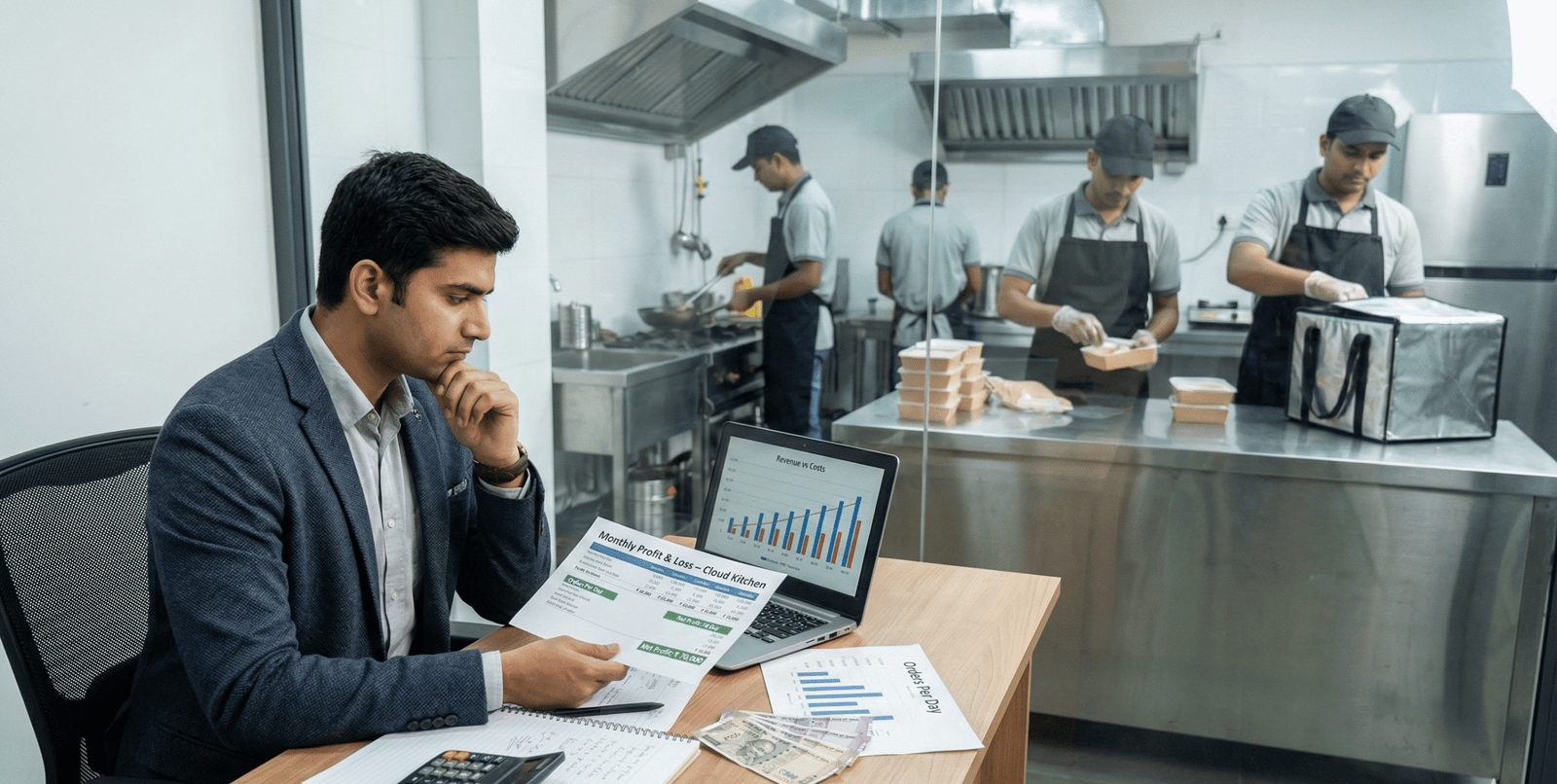
The cloud kitchen business looks attractive-low investment, fast launch, and high demand. Yet, a large number of cloud kitchens in India shut down within the first 12–18 months. Cloud Kitchen Business in India
The reason is rarely lack of demand. Most failures happen due to avoidable strategic and operational mistakes. In this 2025 guide, we break down 18 cloud kitchen mistakes that silently kill profits before you ever get a chance to scale.
Strategic Mistakes
1. Starting Without Market Research
Launching a cuisine without validating local demand is one of the biggest cloud kitchen mistakes. What works in one area may completely fail in another.
2. Copying Existing Brands Blindly
Replicating successful brands without differentiation leads to price wars and low brand recall.
3. Choosing the Wrong Location
Poor delivery radius, low order density, and high rider time can destroy profitability even if food quality is good.
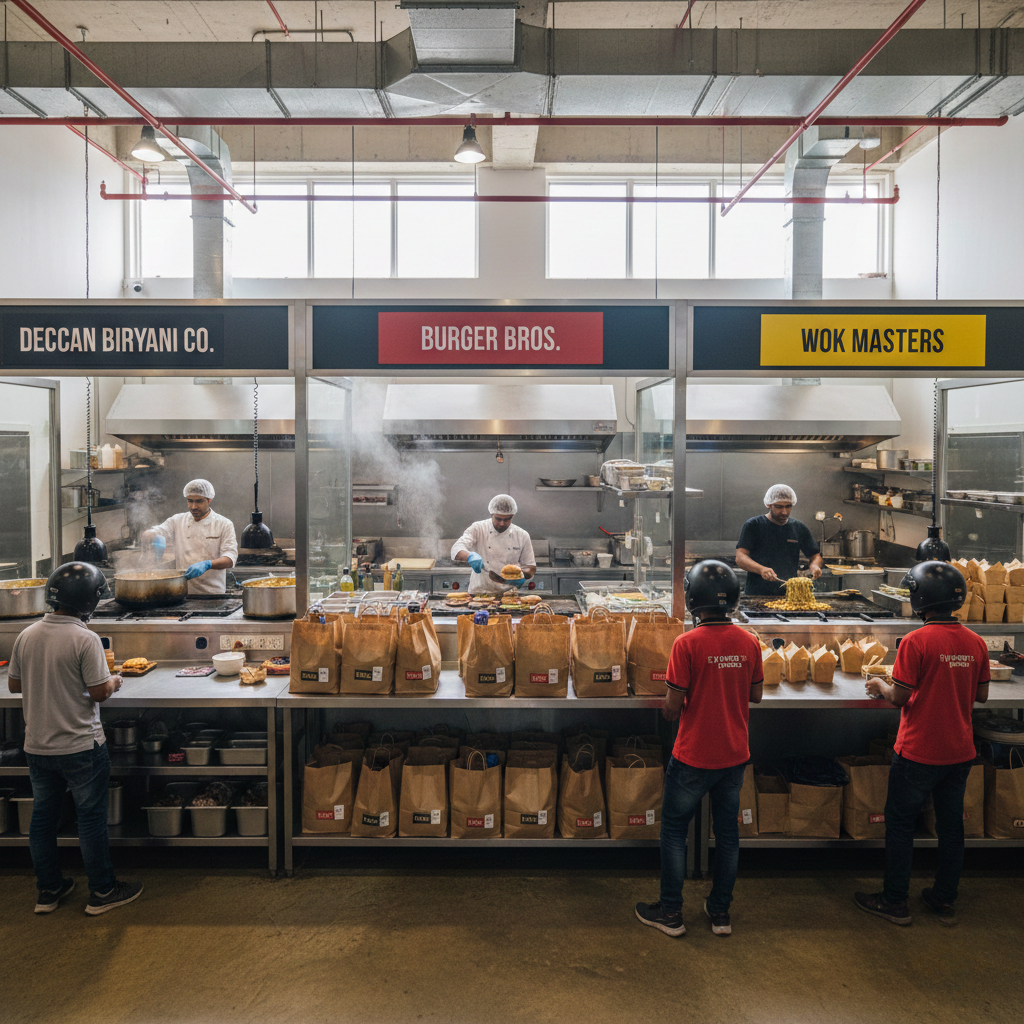
4. Launching Too Many Brands at Once
Multiple brands sound exciting, but they increase complexity and costs before systems are stable.
Costing & Pricing Mistakes
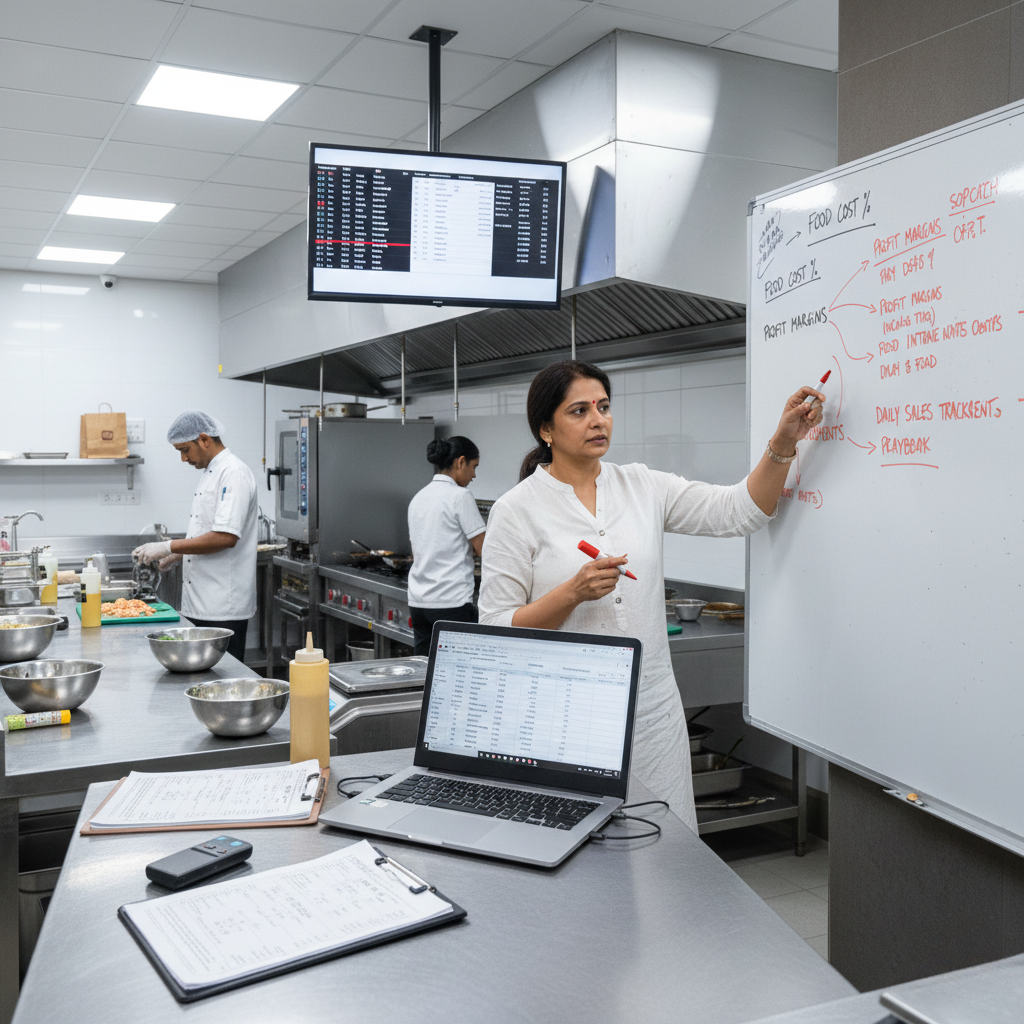
5. Incorrect Food Cost Calculation
Ignoring ingredient wastage, packaging, and aggregator commissions leads to overestimated margins.
6. Underpricing to Gain Orders
Low pricing may increase orders temporarily but kills long-term sustainability.
7. Ignoring Hidden Costs
Expenses like platform fees, GST, refunds, and discounts quietly eat profits.
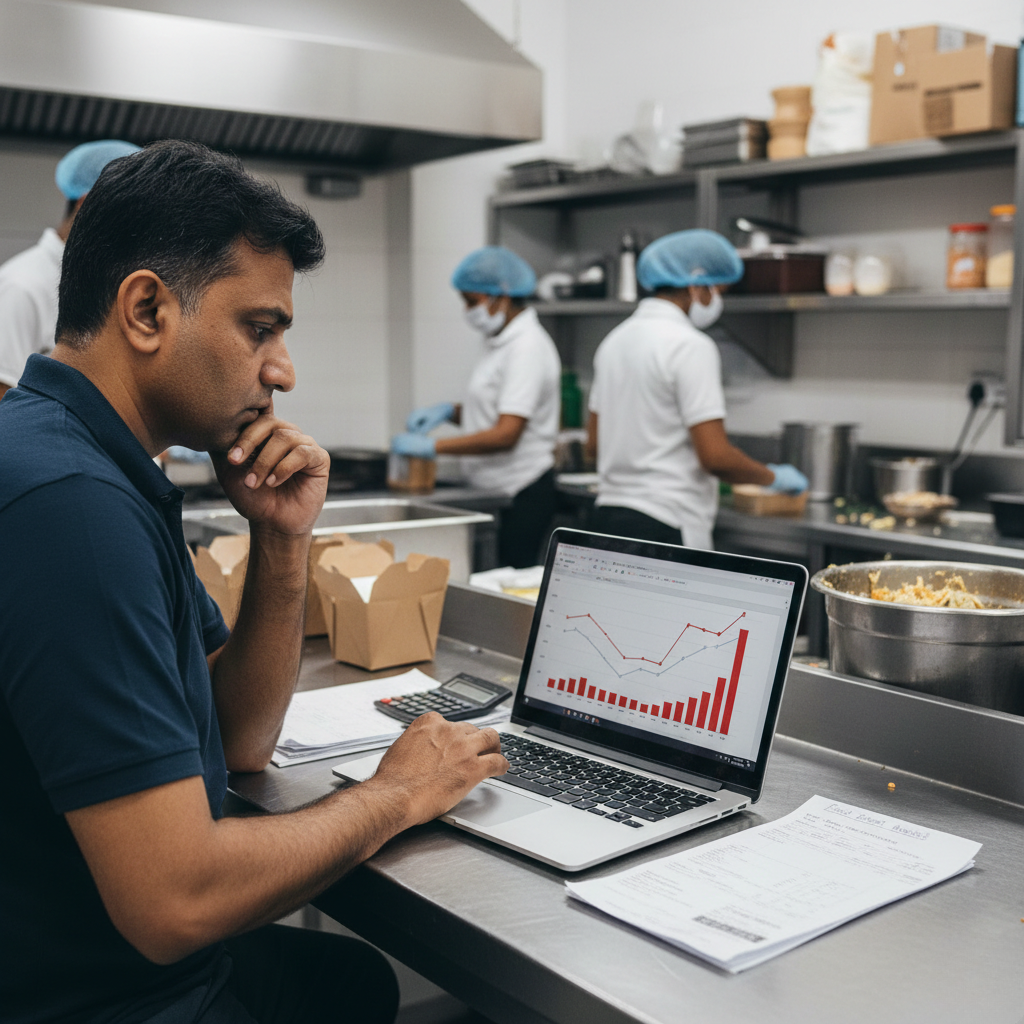
8. No Contribution Margin Tracking
Without tracking per-order profitability, growth only amplifies losses.
Aggregator & Sales Channel Mistakes
9. Complete Dependency on Swiggy & Zomato
Relying 100% on aggregators exposes your business to commission hikes, algorithm changes, and sudden order drops.
10. Running Discounts Without Strategy
Random discounting reduces brand value and trains customers to buy only during offers.
11. Ignoring Direct Ordering Channels
Not building a website or WhatsApp ordering system limits profit potential and customer ownership.
Operational Mistakes
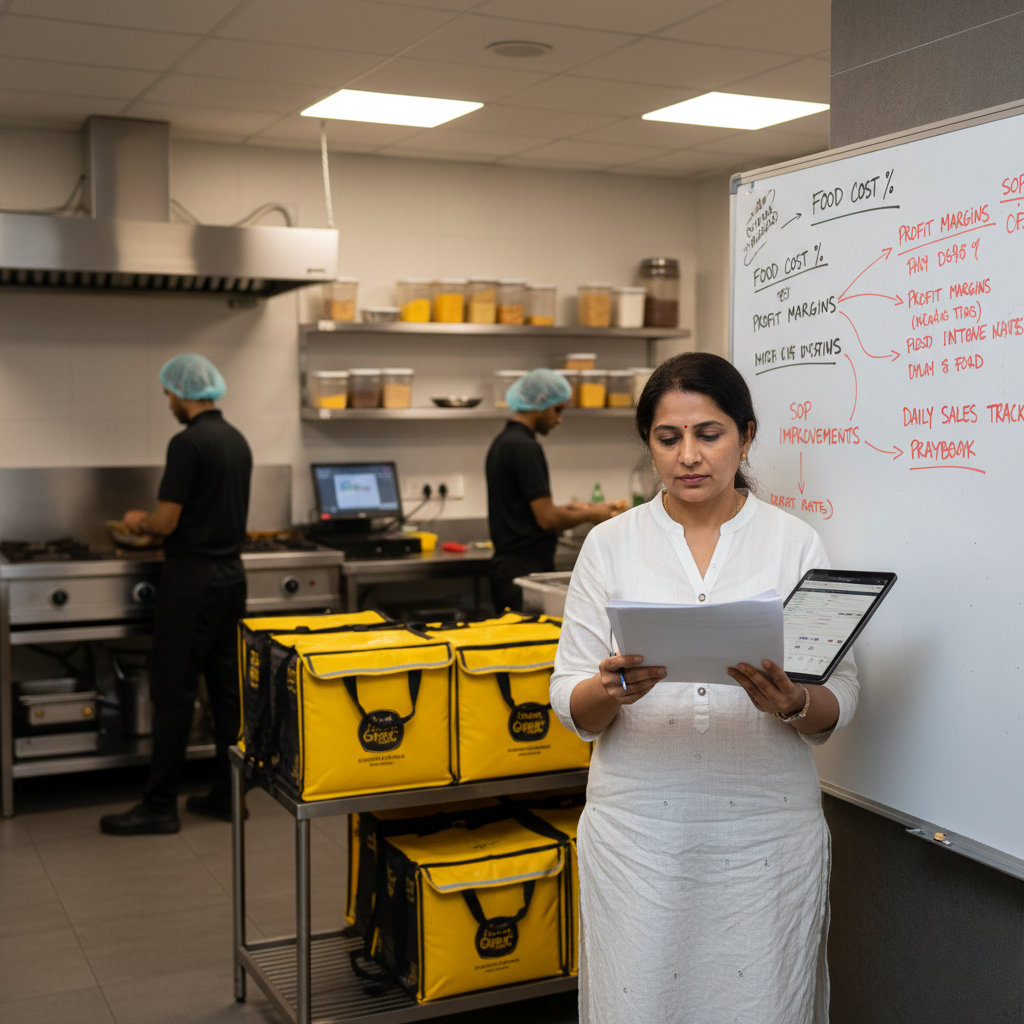
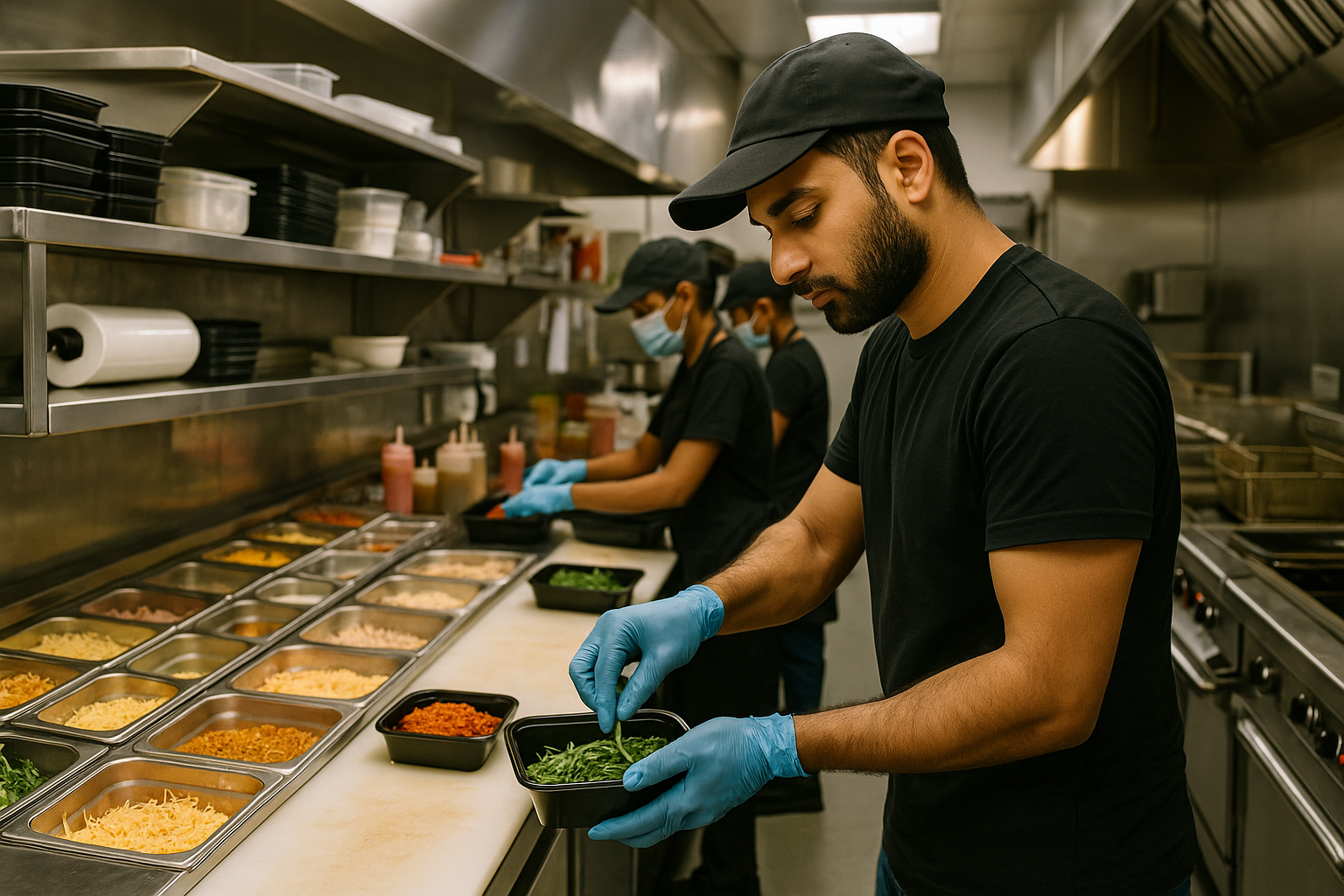
12. Poor SOPs and Process Control
Inconsistent taste, delays, and hygiene issues directly impact ratings and repeat orders.
13. Overstaffing or Understaffing
Both increase costs-one through salaries, the other through delays and customer complaints.
14. No Inventory Management System
Poor stock planning leads to wastage, stockouts, and margin leakage.
15. Ignoring Packaging Quality
Leakage, soggy food, or damaged packaging results in bad reviews and refunds.
Marketing & Branding Mistakes
16. Weak Brand Identity
Generic names and visuals fail to stand out in crowded aggregator listings.
17. No Focus on Repeat Customers
Acquiring new customers is expensive. Ignoring loyalty programs increases CAC and reduces LTV.
18. Scaling Too Early
Expanding without unit-level profitability multiplies losses instead of revenue.
How to Avoid These Cloud Kitchen Mistakes
- Validate demand before launch
- Track contribution margin per order
- Build direct sales channels early
- Standardize operations before scaling
- Focus on brand and repeat customers
For industry-level insights on food service growth, refer to the IBEF Indian Food Industry Report .
Final Thoughts
Most cloud kitchen failures are not due to lack of opportunity, but due to avoidable mistakes. Fixing these 18 errors early can significantly improve profitability and long-term success.
In 2025, cloud kitchens that focus on fundamentals will not only survive but scale sustainably.
Frequently Asked Questions (FAQs)
What is the biggest mistake cloud kitchens make?
Over-dependence on aggregators without building direct sales channels.
Can cloud kitchens be profitable in India?
Yes, if food costs, commissions, and operations are tightly controlled.
How long does it take to break even?
Typically 6–12 months for well-managed cloud kitchens.
Should I scale after 3–4 months?
No. Scale only after achieving consistent unit-level profitability.
People Also Read
- Cloud Kitchen Business in India: Complete Guide
- Cloud Kitchen Setup Cost in India
- Cloud Kitchen Aggregator Dependency
- Is Cloud Kitchen Profitable in India?