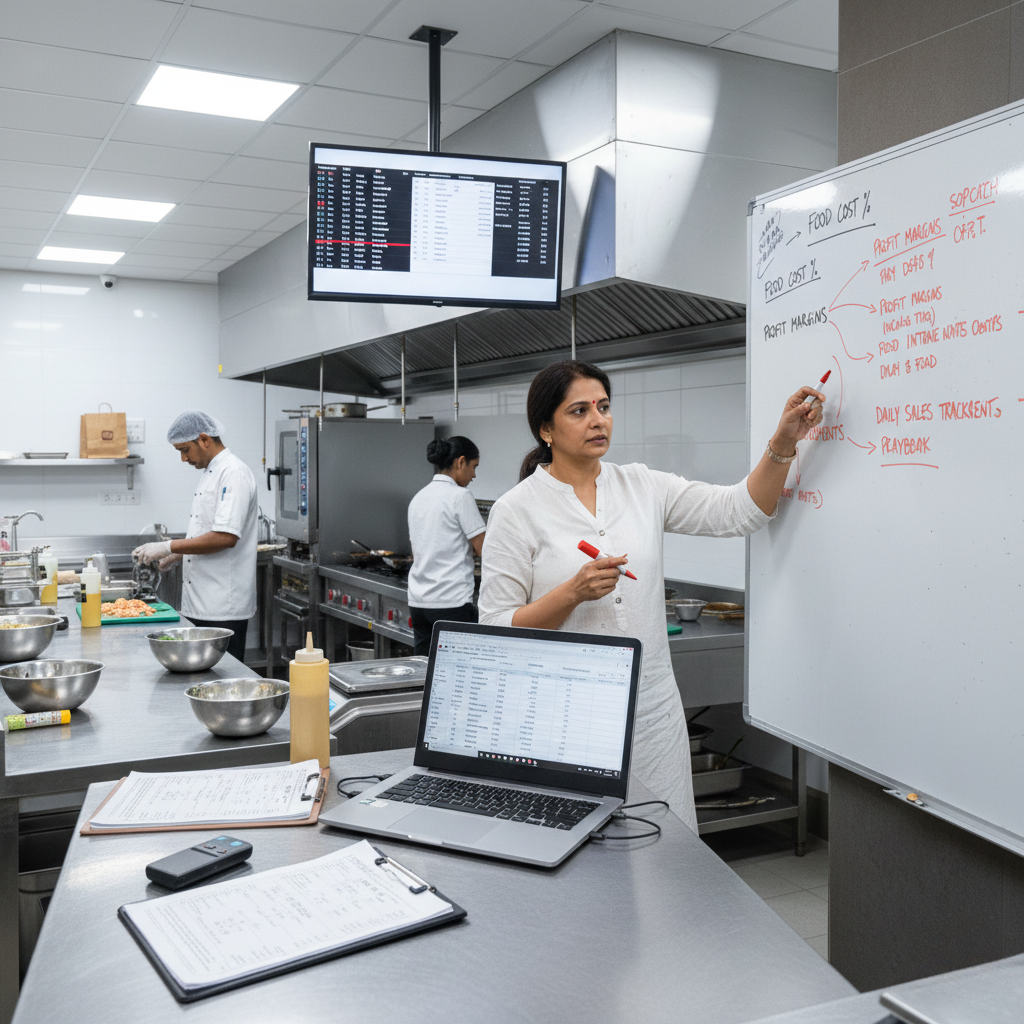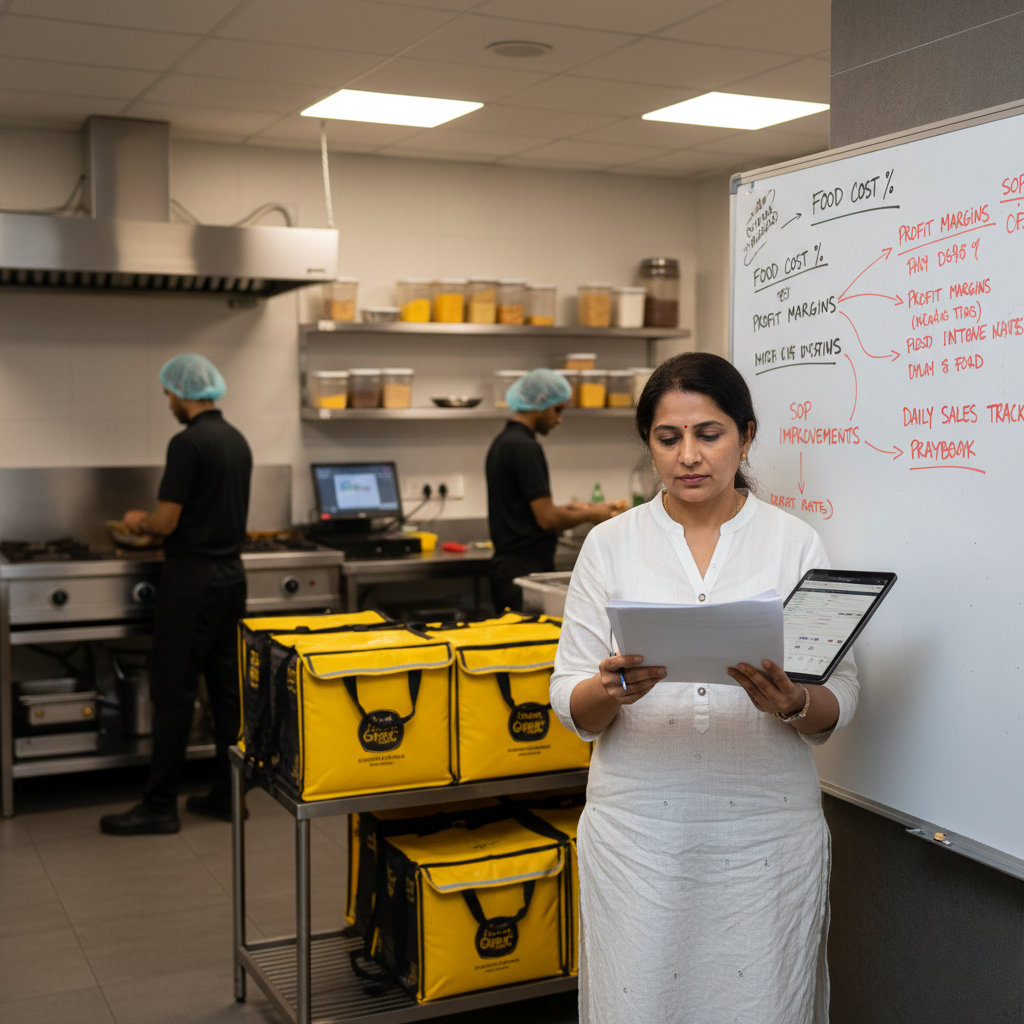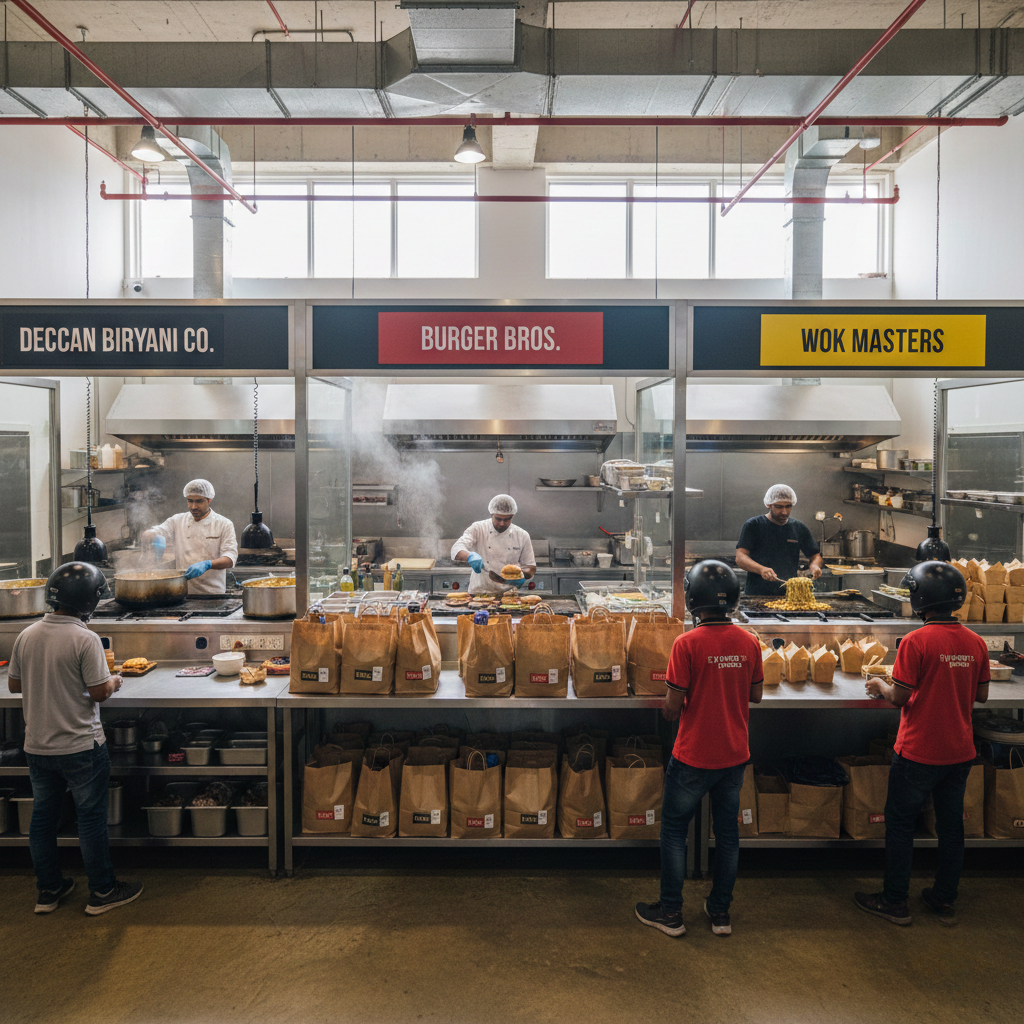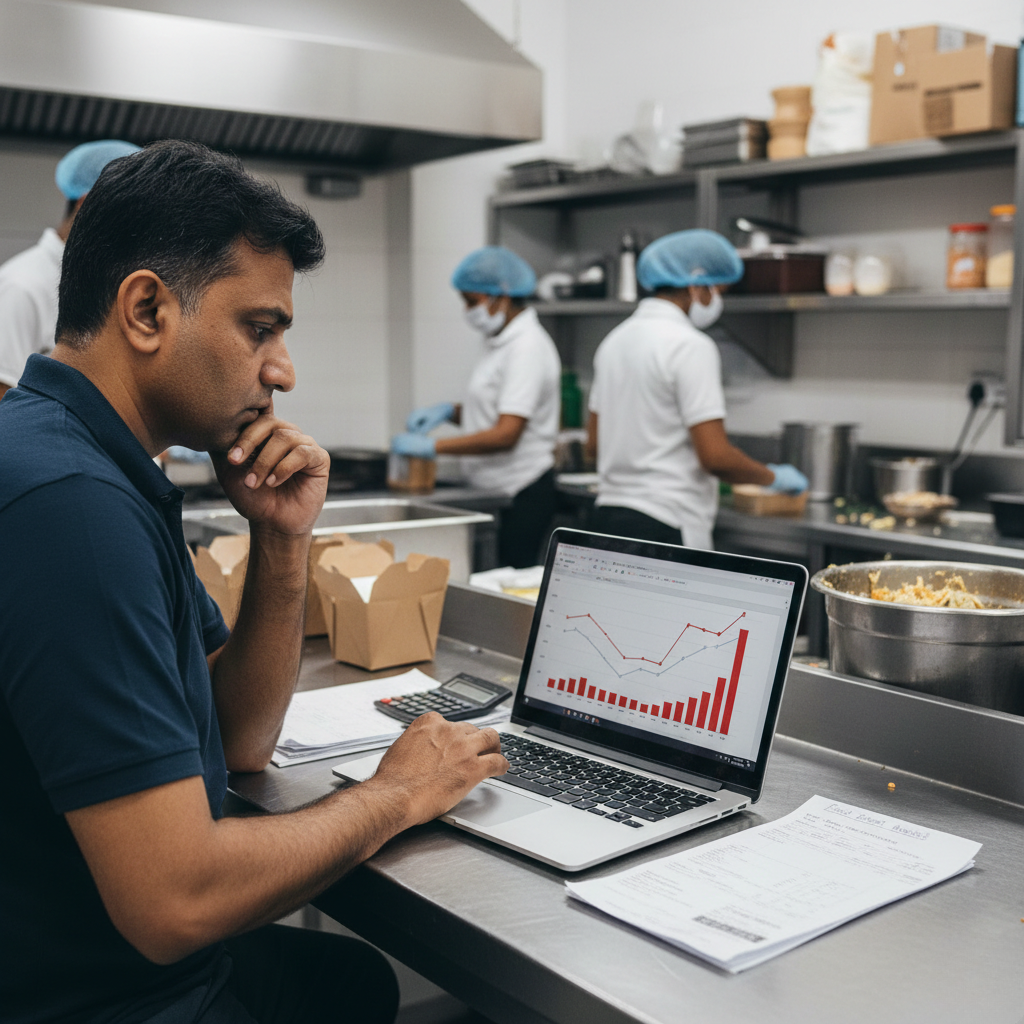
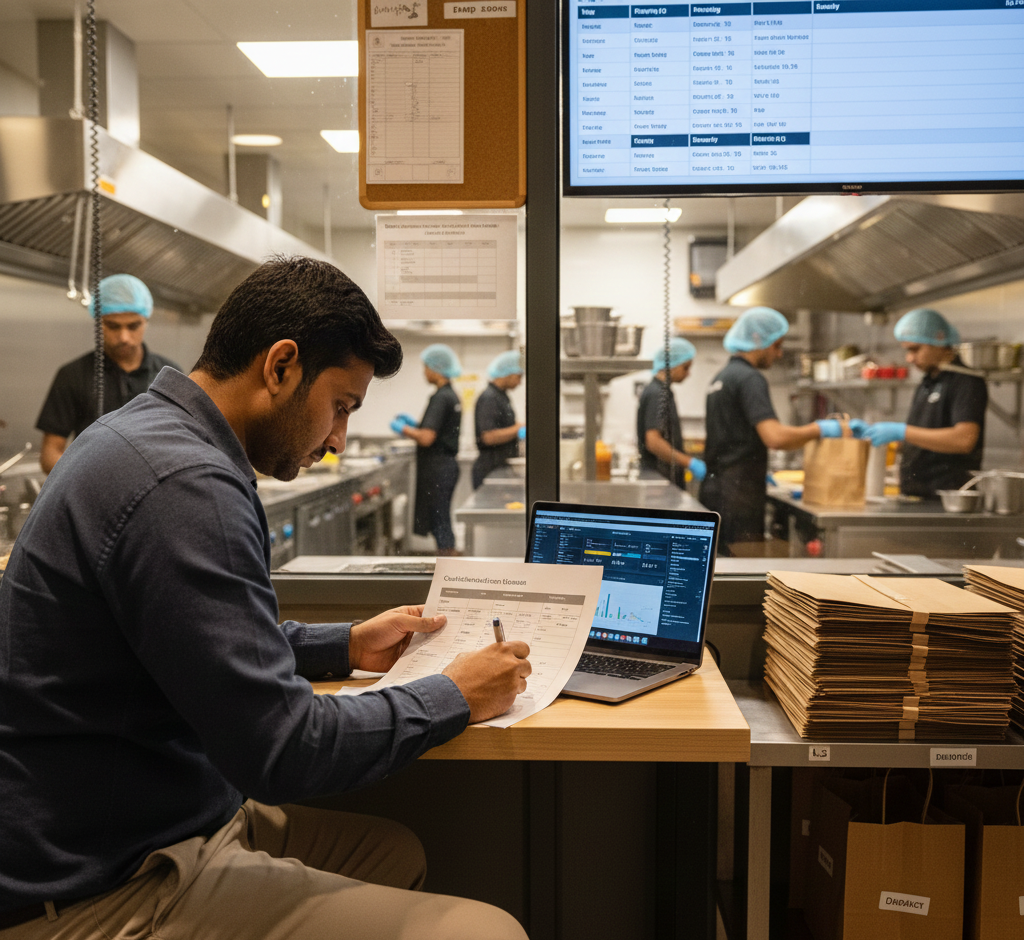
Aggregator platforms like Swiggy and Zomato have played a major role in the rise of cloud kitchens in India. They provide instant visibility, logistics support, and access to millions of customers. However, excessive dependence on aggregators has emerged as one of the biggest long-term risks for cloud kitchen businesses. Cloud Kitchen Business in India
In 2025, increasing commissions, algorithm-driven visibility, and lack of customer ownership are forcing cloud kitchen founders to rethink their strategy. This guide explains the reality of aggregator dependency, its risks, and how to reduce over-reliance sustainably.
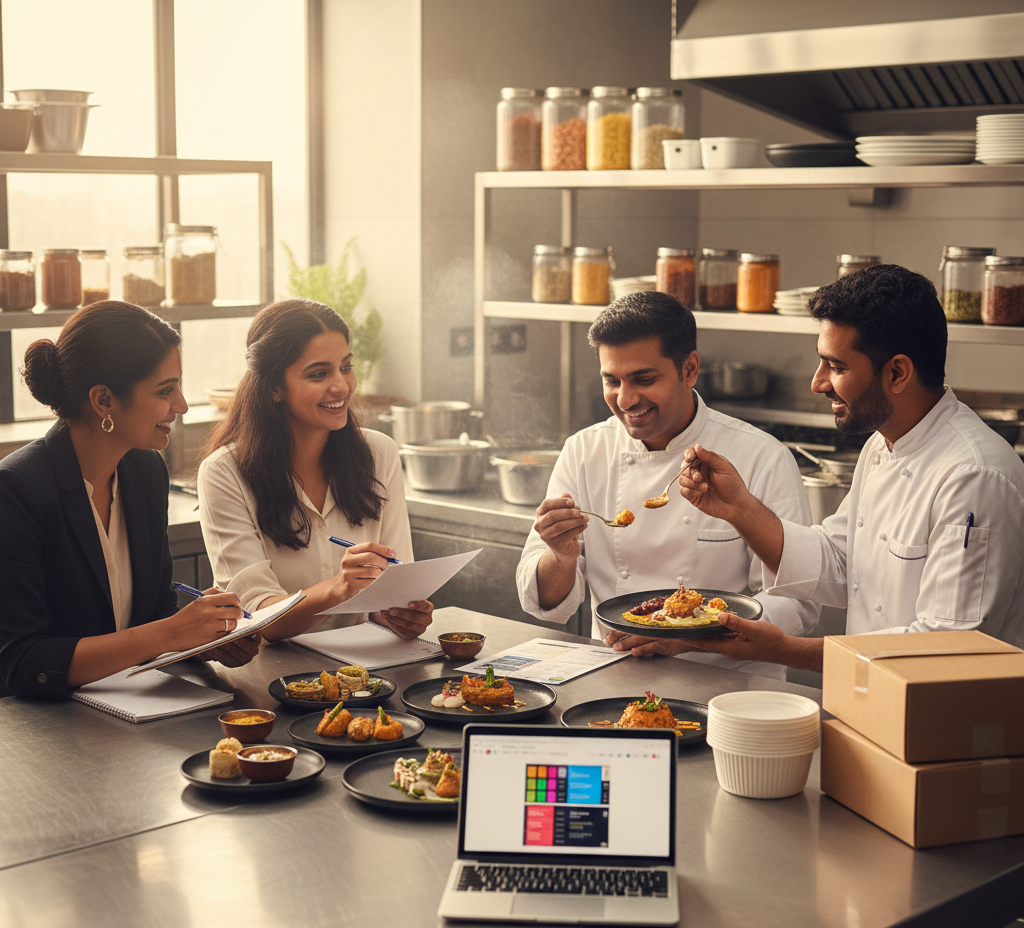
What Is Cloud Kitchen Aggregator Dependency?
Aggregator dependency refers to a situation where a cloud kitchen generates the majority (often 80–100%) of its orders from food delivery platforms like Swiggy and Zomato.
While this model works in the short term, it exposes businesses to platform-led risks, where revenue, visibility, and even survival depend on third-party policies.
Why Cloud Kitchens Become Over-Dependent on Aggregators
- Instant access to customers without marketing effort
- Delivery and logistics handled by platforms
- Lower initial tech investment
- Faster launch and order generation
For new cloud kitchens, aggregators feel like the safest and fastest growth channel. However, this convenience comes at a long-term cost.
Major Risks of Aggregator Dependency
1. High and Increasing Commissions
In 2025, aggregator commissions range between 18% and 30%. Add GST, packaging, discounts, and marketing spends, and margins shrink drastically.
2. No Customer Ownership
Aggregators control customer data. Cloud kitchens cannot directly remarket, upsell, or build loyalty outside the platform ecosystem.
3. Algorithm Dependency
Order volume depends on rankings, ratings, and visibility algorithms. A small dip in ratings or policy change can reduce orders overnight.
4. Discount Wars
Platforms encourage discounts to boost orders, pushing cloud kitchens into price wars that erode brand value and profitability.
5. Business Instability
Sudden account suspension, policy changes, or delivery restrictions can severely disrupt operations.
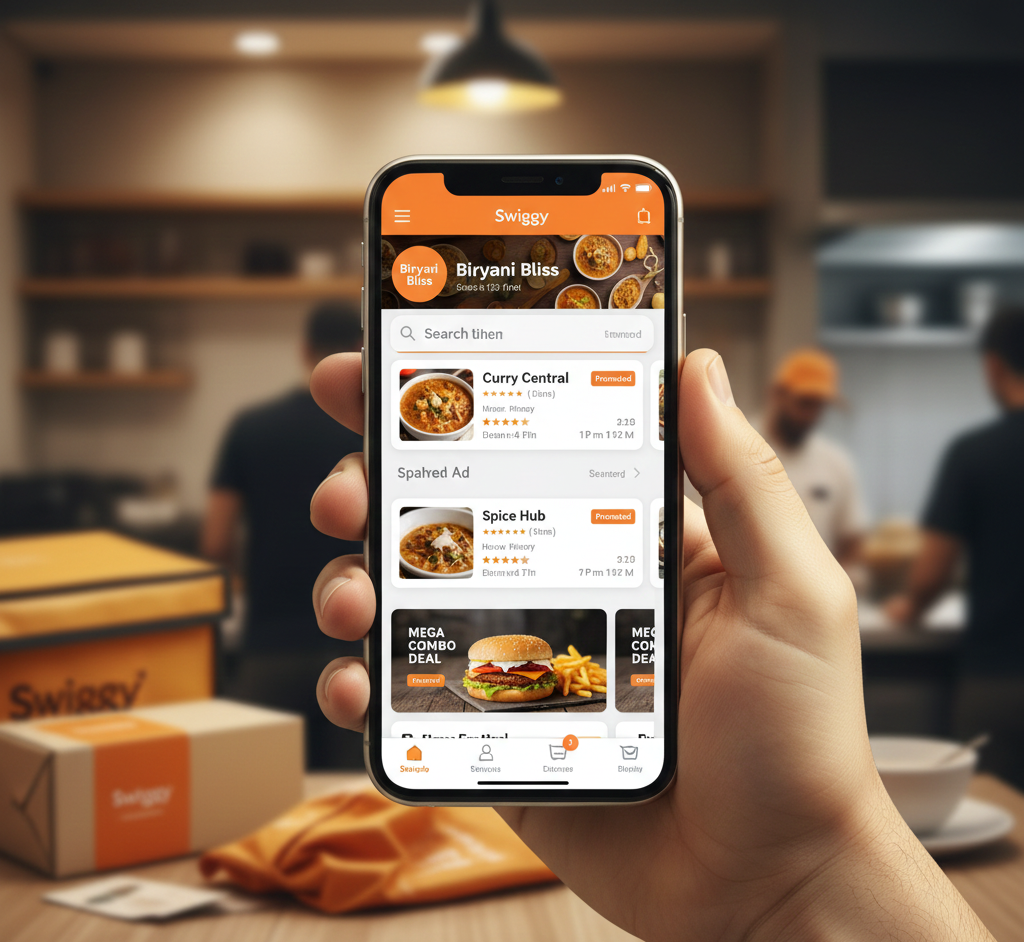
The Reality in 2025: Aggregators Are Necessary but Dangerous
The truth is, cloud kitchens in India cannot completely avoid aggregators. They remain critical for discovery and customer acquisition.
However, relying exclusively on them is no longer sustainable. The most successful brands in 2025 treat aggregators as marketing channels, not business owners.
How to Reduce Aggregator Dependency (Practical Strategies)
1. Build Direct Ordering Channels
Launch your own website or app to accept direct orders. Even shifting 20–30% of orders can significantly improve margins.
2. Convert Platform Customers into Direct Customers
- Add QR codes on packaging
- Include discount coupons for website orders
- Offer loyalty rewards for direct customers
3. Invest in Local Marketing
Use Google Maps optimization, Instagram reels, influencer marketing, and WhatsApp broadcasts to drive direct traffic.
4. Strengthen Brand Identity
Strong branding reduces price sensitivity. Customers remember brands, not aggregator listings.
5. Optimize Menu & Costs
Design platform-specific menus with higher margins while keeping best-value deals for direct orders.
The Ideal Balance: Platform + Direct Sales
In 2025, the healthiest cloud kitchens follow a balanced revenue mix:
- 50–70% orders from aggregators
- 30–50% orders from direct channels
This balance ensures visibility, cash flow stability, and long-term brand control.
For industry-level insights, you can refer to IBEF Indian Food Industry Overview .
Final Verdict
Aggregator dependency is one of the biggest hidden risks in the cloud kitchen business. While Swiggy and Zomato are powerful growth engines, over-reliance can limit profitability, brand ownership, and long-term survival.
Cloud kitchens that actively build direct channels, brand loyalty, and marketing independence will dominate the Indian food delivery market in 2025 and beyond.
Frequently Asked Questions (FAQs)
Is aggregator dependency bad for all cloud kitchens?
Not initially. Aggregators are essential for early traction, but long-term dependency increases risk and reduces margins.
Can cloud kitchens survive without Swiggy or Zomato?
Yes, but it requires strong branding, local marketing, and operational efficiency.
How much commission do aggregators charge in 2025?
Typically between 18% and 30%, depending on city, category, and promotional agreements.
What is the safest revenue mix for cloud kitchens?
A 60:40 or 70:30 split between aggregator and direct orders is considered healthy.
People Also Read
- Cloud Kitchen Business in India: Complete Guide
- Swiggy & Zomato vs Own Website Sales
- Is Cloud Kitchen Profitable in India?
- Swiggy & Zomato vs Own Website Sales
- Cloud Kitchen vs QSR Model in India