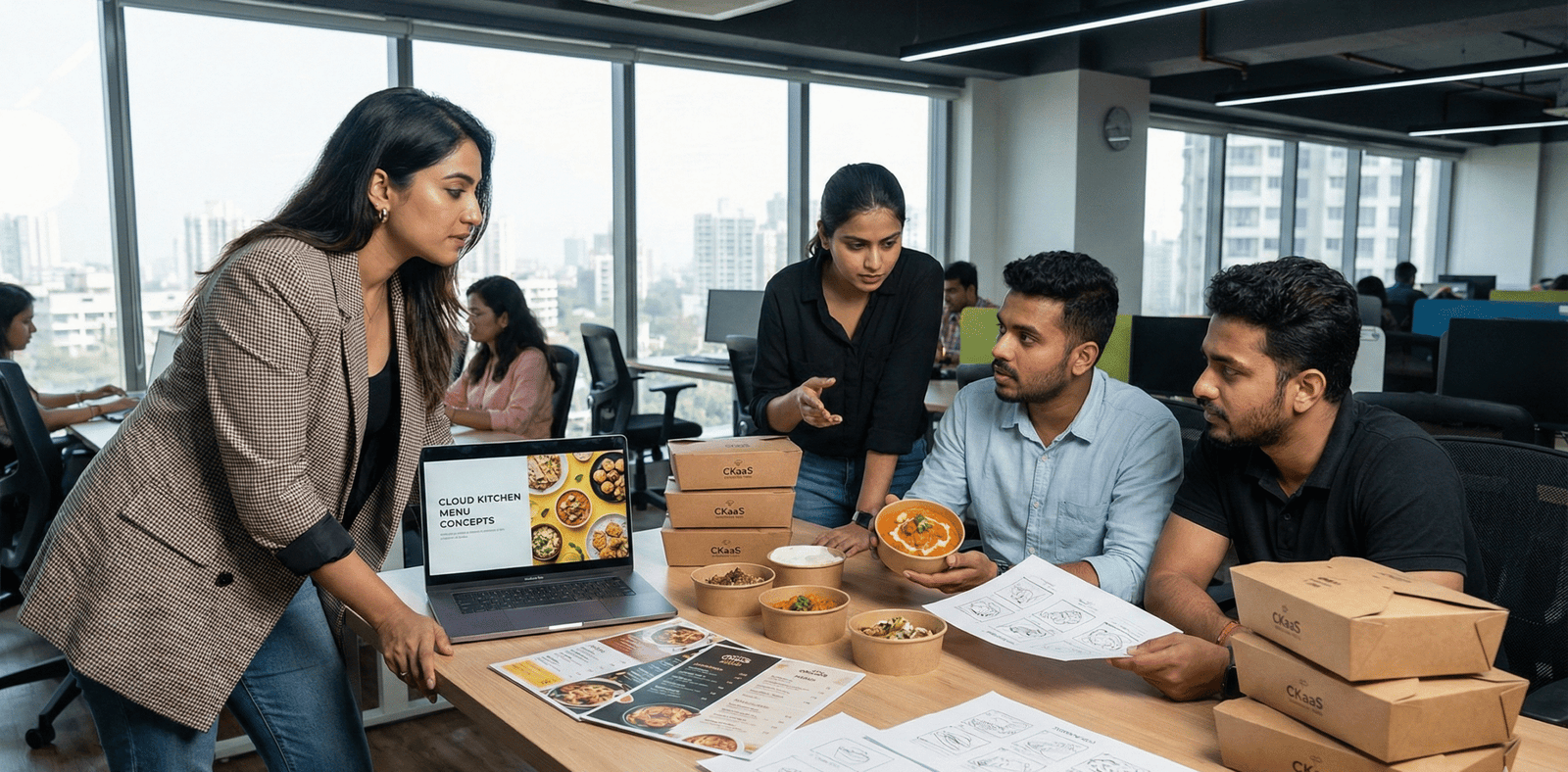
Many cloud kitchen owners in India face a confusing and frustrating reality: orders are coming in, sales look healthy, but profits are missing. Despite consistent daily orders, bank balances don’t grow-and in some cases, losses keep piling up. Cloud kitchen Business in India
In 2025, cloud kitchens are no longer failing due to lack of demand. They fail because of structural profit leaks, poor cost control, and flawed growth strategies. This guide breaks down the real reasons why cloud kitchens bleed money even with good sales-and how to fix them.
Sales vs Profit: The Biggest Misunderstanding
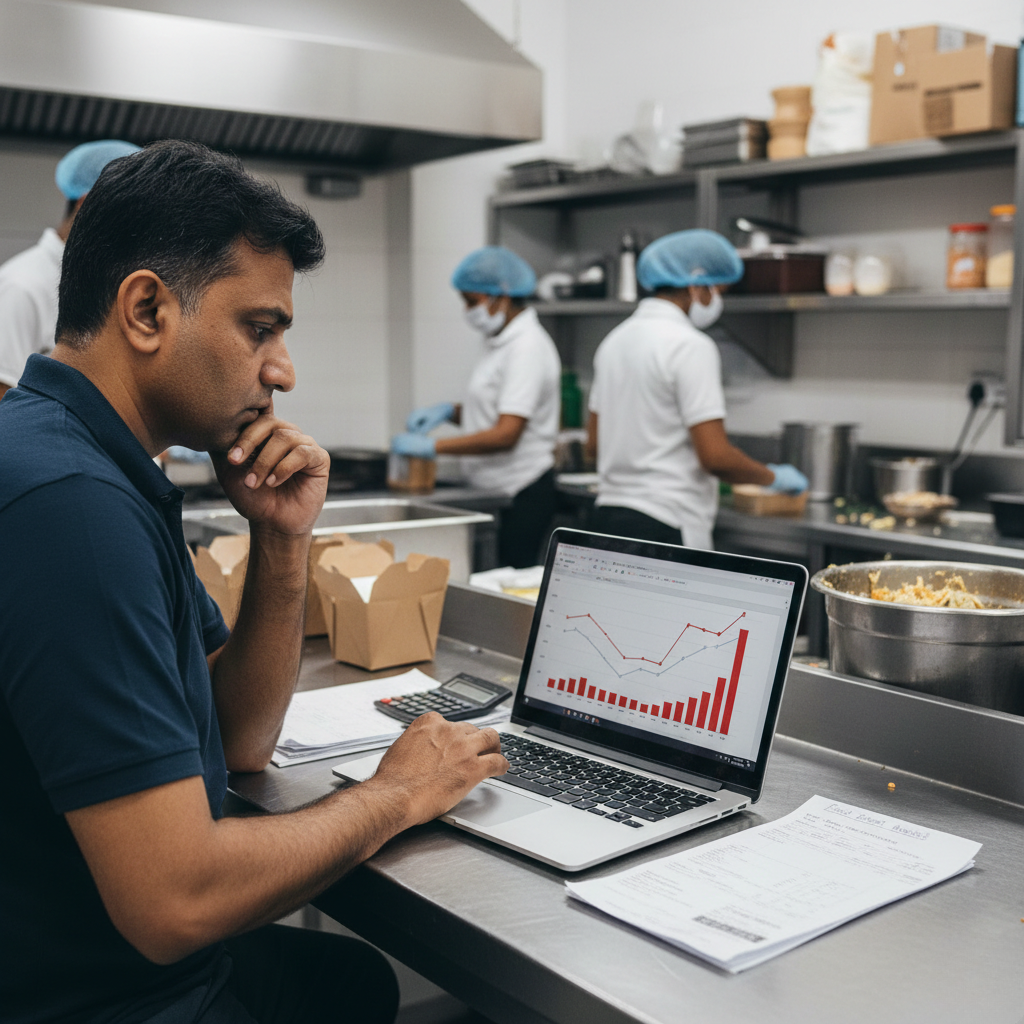
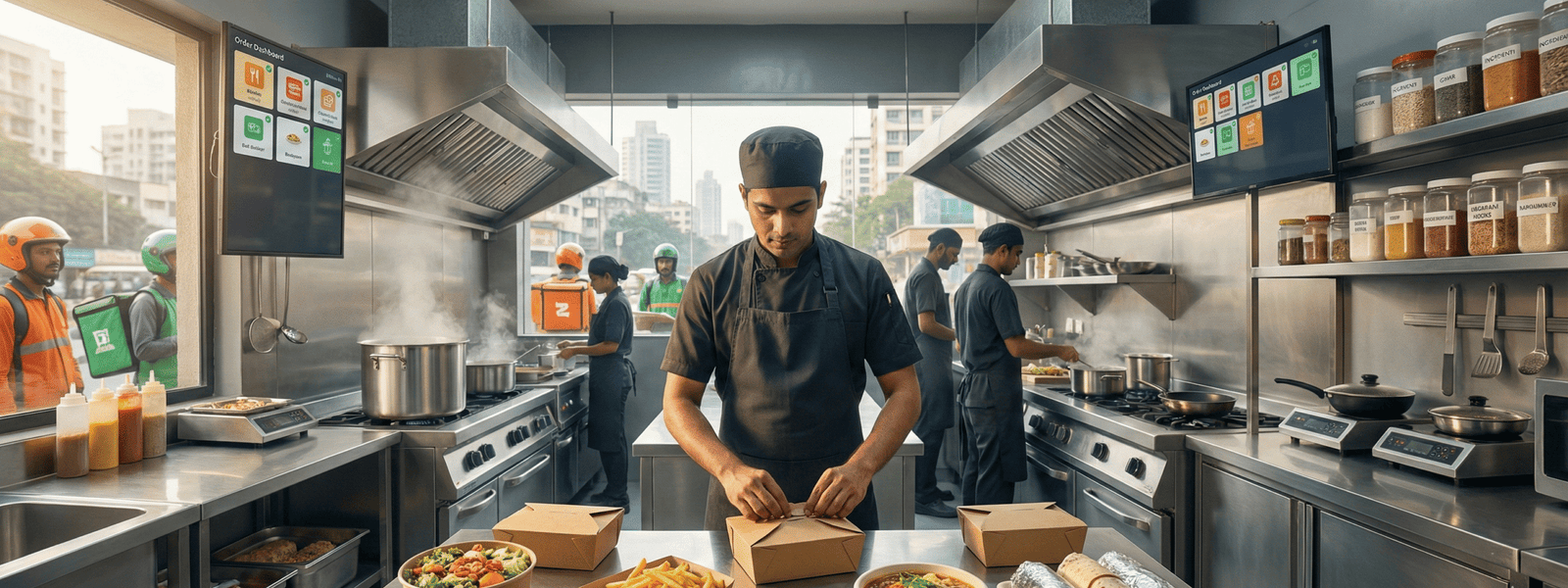
High sales do not automatically mean high profits. Many cloud kitchens chase order volume without understanding contribution margin per order.
If each order loses ₹10–₹30 after commissions, packaging, discounts, and overheads, increasing order volume only accelerates losses.
High Aggregator Commissions
Swiggy and Zomato commissions typically range between 18% and 30%. When combined with GST, platform marketing fees, and discounts, total deductions can cross 35%.
Many cloud kitchens price their menus without fully accounting for these deductions, resulting in negative margins on popular items.
The Discount & Offer Trap
Discounts help increase visibility and orders, but excessive discounting trains customers to buy only during offers.
Cloud kitchens often run platform-driven discounts without tracking whether those orders are profitable. Over time, this creates high sales numbers with weak cash flow.
Poor Food Cost & Recipe Control
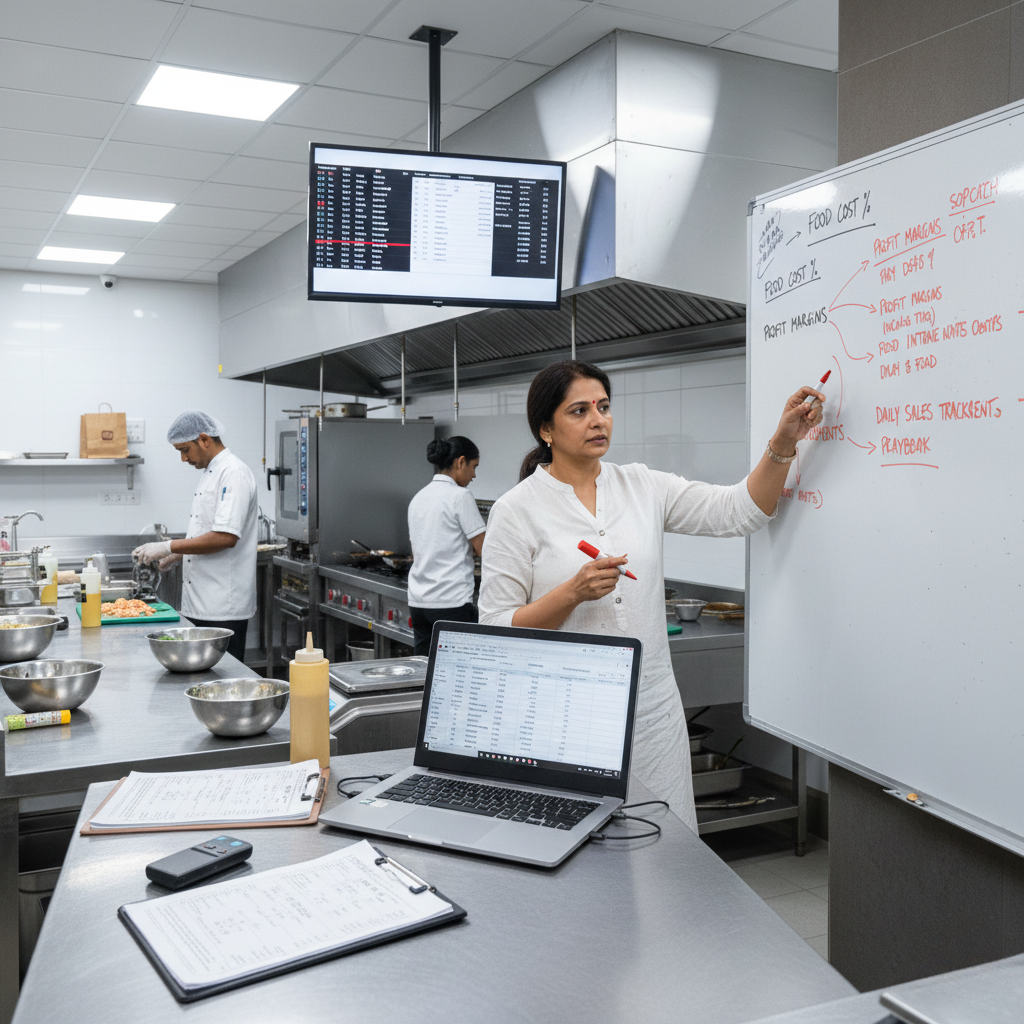
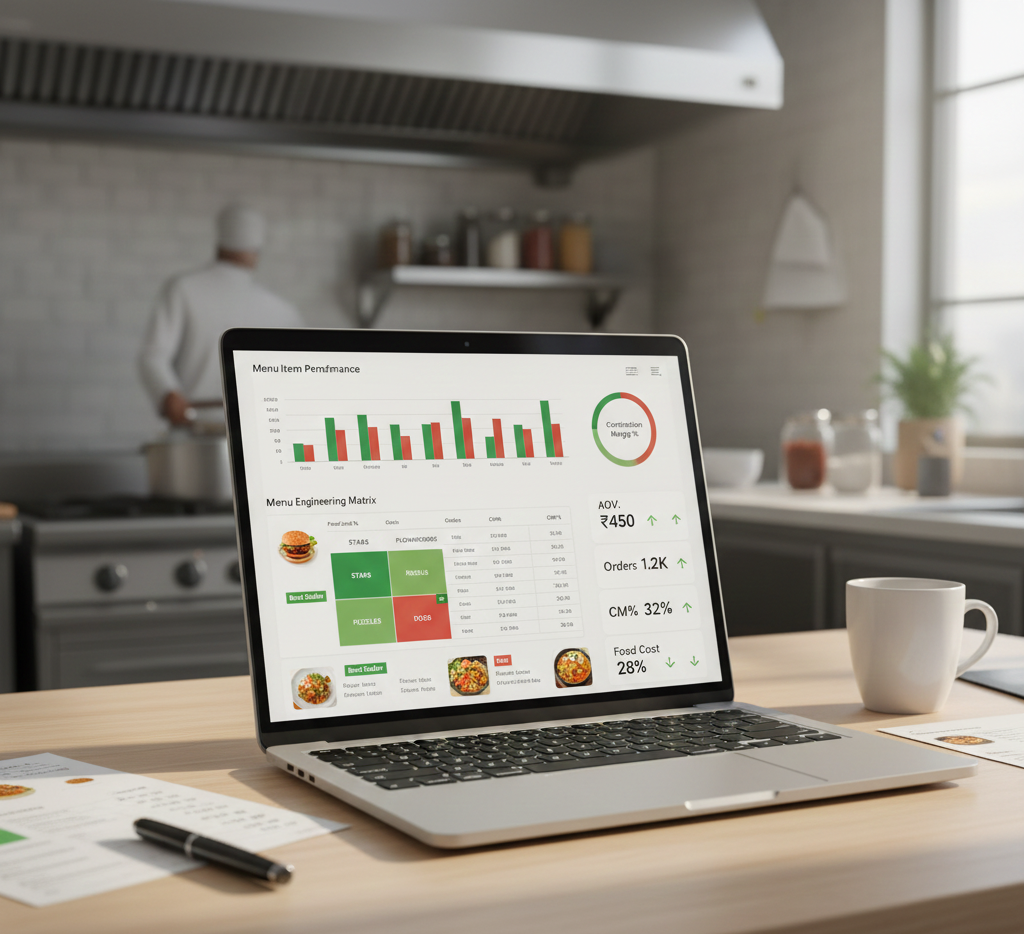
One of the most common loss reasons is inaccurate food costing. Many kitchens calculate food cost based on raw ingredient prices and ignore:
- Wastage and spillage
- Oil and condiment usage
- Portion inconsistency
- Packaging material cost
Without strict recipe standardization, food costs silently rise every month.
High Fixed Costs & Overheads
Even without dine-in, cloud kitchens have fixed expenses:
- Kitchen rent
- Salaries and staff incentives
- Electricity and gas
- Software subscriptions
When order volumes fluctuate, these fixed costs eat into margins quickly-especially in low-order periods.
Too Many Brands, Too Soon
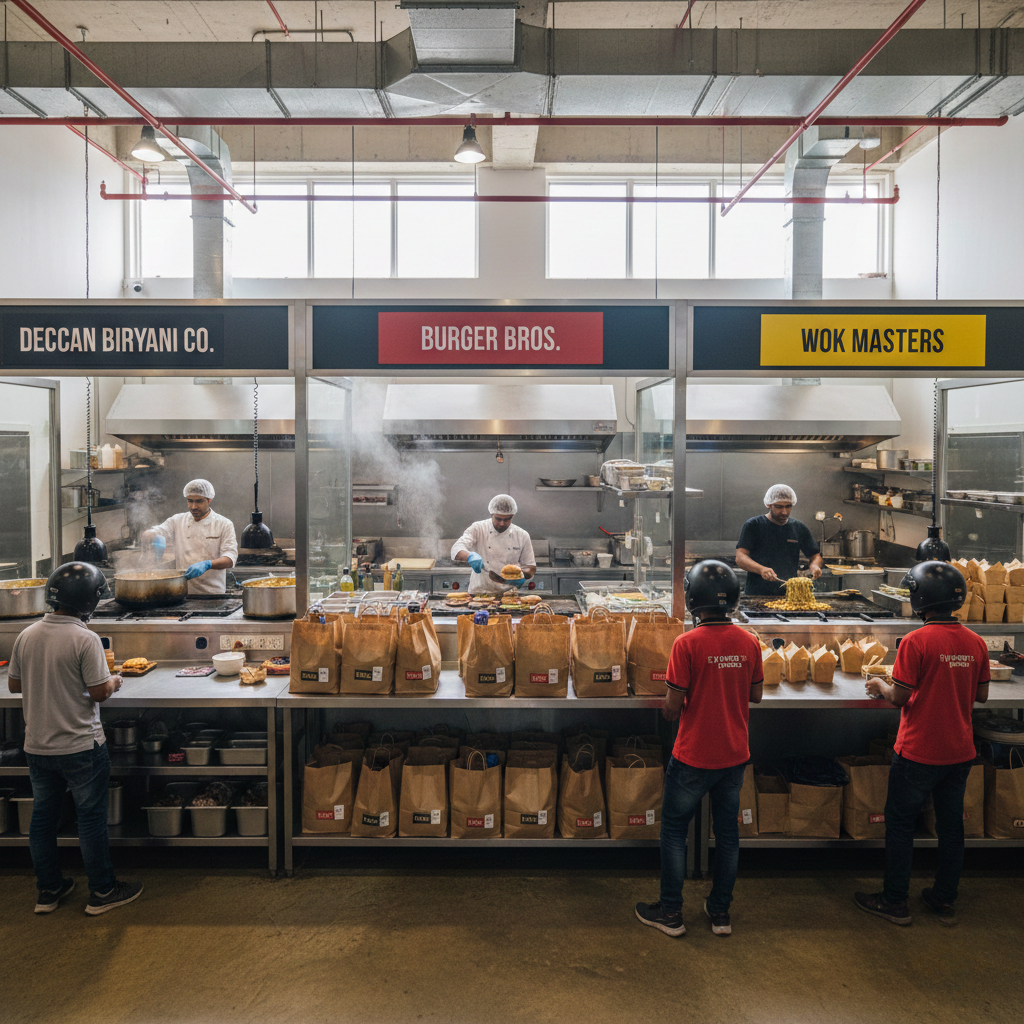
Running multiple brands from one kitchen sounds efficient, but it increases inventory complexity, wastage, training costs, and operational errors.
Many cloud kitchens bleed money because they launch 3–5 brands without stabilizing even one.
No Direct Ordering Channels
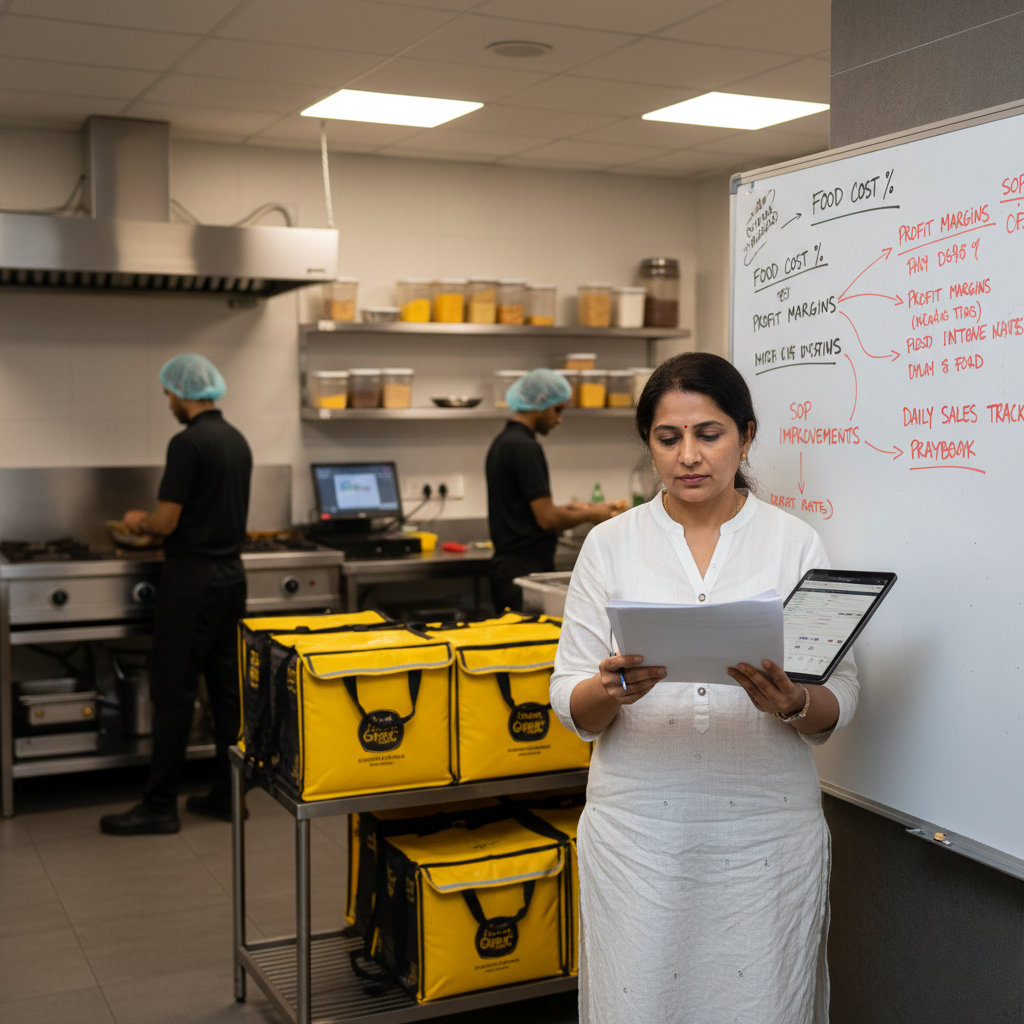
Cloud kitchens that rely 100% on aggregators surrender profit control and customer ownership.
Without direct website or WhatsApp orders, kitchens pay commissions on every repeat customer-even those who already trust the brand.
Low Repeat Customer Rate
Acquiring new customers through platforms is expensive. Kitchens that fail to build loyalty programs suffer from high customer acquisition costs (CAC).
Low repeat rates mean constant spending on discounts just to maintain sales numbers.
Operational Inefficiencies
Delays, order mismatches, cold food, and inconsistent quality lead to:
- Low ratings
- Refunds and cancellations
- Reduced platform visibility
Each operational mistake directly impacts revenue and future orders.
Scaling Before Fixing Unit Economics
Expanding to new locations without profitable unit economics multiplies losses.
Many cloud kitchens expand based on order volume, not actual profitability per kitchen.
How to Stop Losses & Move Toward Profitability
- Track contribution margin per order
- Optimize menu pricing for aggregator commissions
- Reduce discount dependency
- Standardize recipes and portions
- Build direct ordering channels
- Focus on repeat customers
For broader industry insights, refer to the IBEF Indian Food Industry Report .
Final Thoughts
Cloud kitchens do not fail because of lack of demand-they fail due to profit blindness.
In 2025, sustainable cloud kitchens are those that prioritize margins, systems, and repeat customers over vanity metrics like order count.
Frequently Asked Questions (FAQs)
Why do cloud kitchens lose money despite good sales?
Because high commissions, discounts, and poor cost control often make each order unprofitable.
What is the biggest reason for cloud kitchen losses?
Ignoring contribution margin and relying too heavily on aggregator platforms.
Can a loss-making cloud kitchen become profitable?
Yes, by fixing pricing, reducing costs, and increasing direct and repeat orders.
How long should a cloud kitchen take to break even?
Typically 6–12 months if unit economics are managed correctly.
People Also Read
- Cloud Kitchen Mistakes to Avoid
- Is Cloud Kitchen Profitable in India?
- Cloud Kitchen Aggregator Dependency
- Cloud Kitchen Setup Cost in India
Also Refer To
- Grow Kitchen – Cloud Kitchen Systems & Consulting
- Green Salad Official Website
- Fruut – Healthy Food Brand
- Rahul Tendulkar on LinkedIn
- Grow Kitchen – Cloud Kitchen Systems & Consulting
- Grow Kitchen on LinkedIn
- Grow Kitchen on Facebook
- Rahul Tendulkar on LinkedIn
- Grow Kitchen on X
- Green Salad Official Website
- Fruut – Healthy Food Brand
- Grow Kitchen on LinkedIn
- Grow Kitchen on Facebook