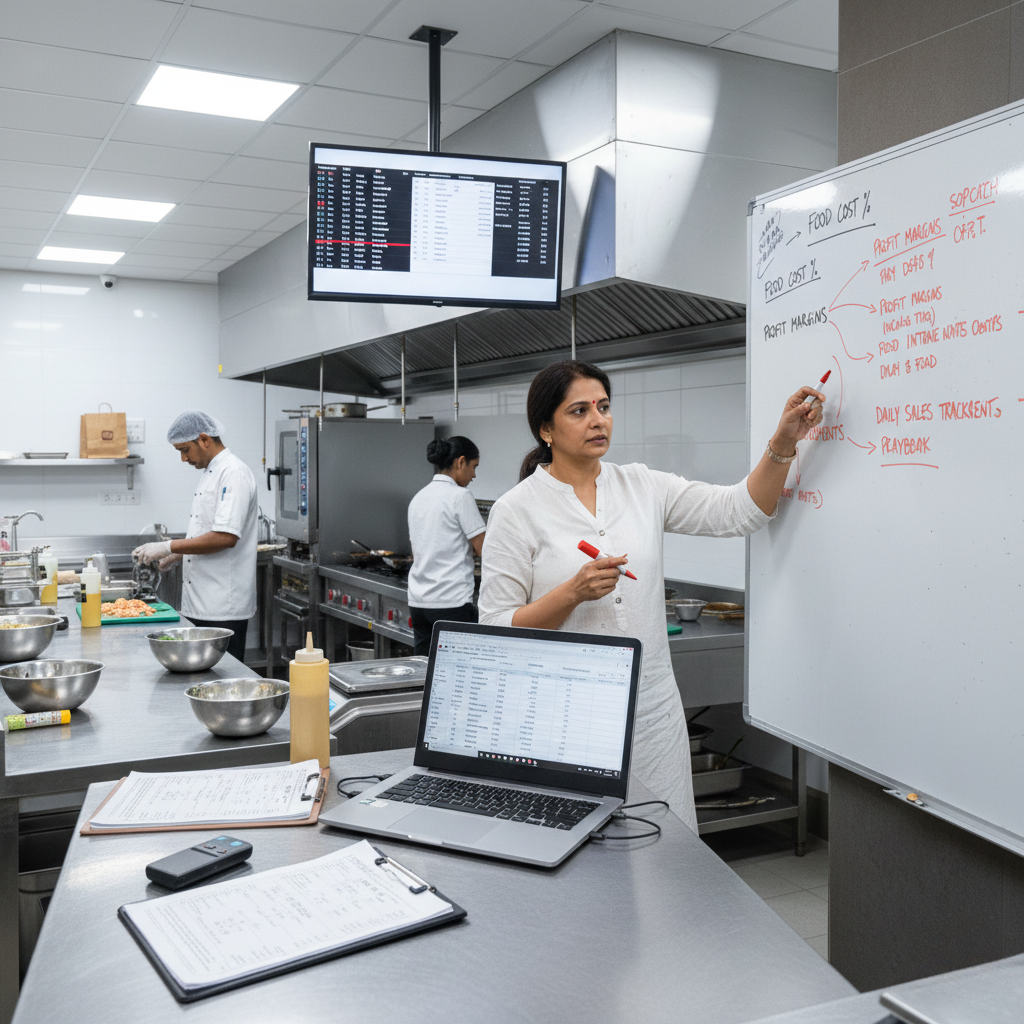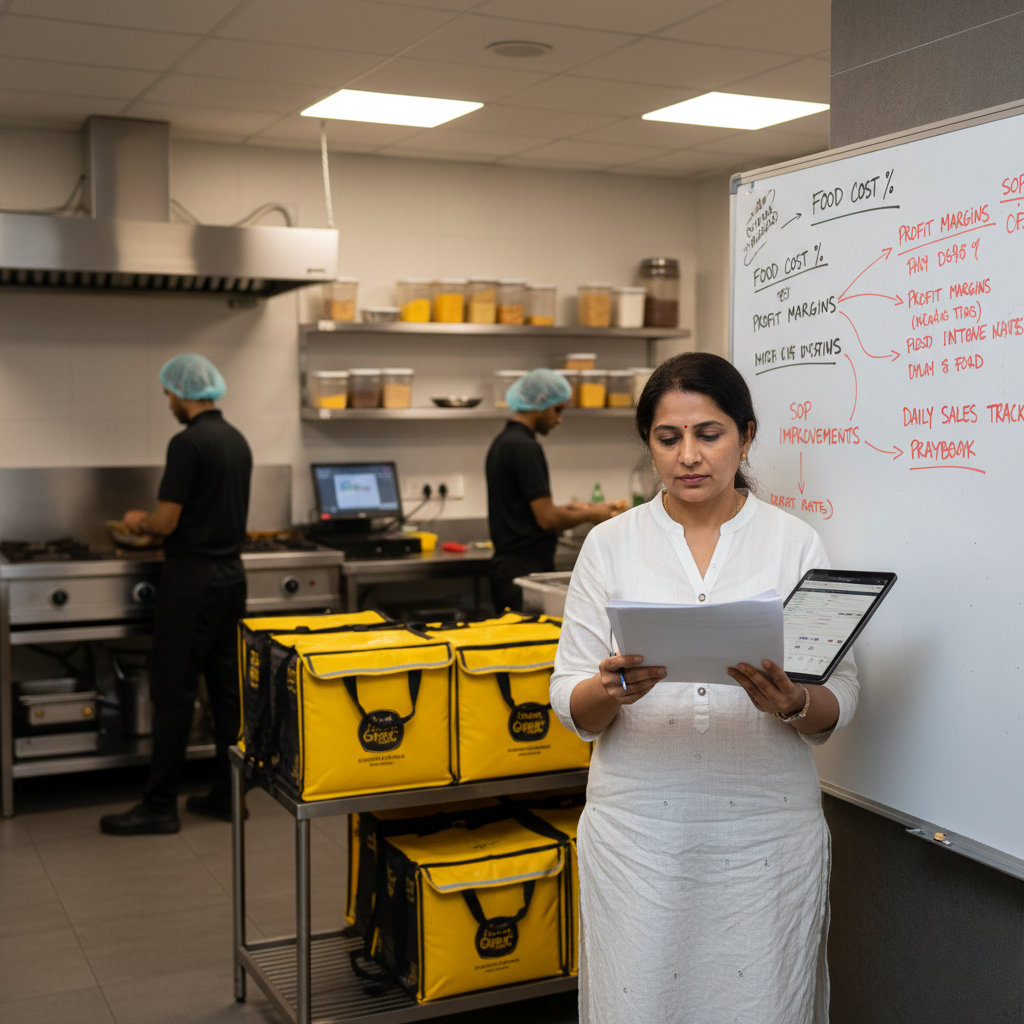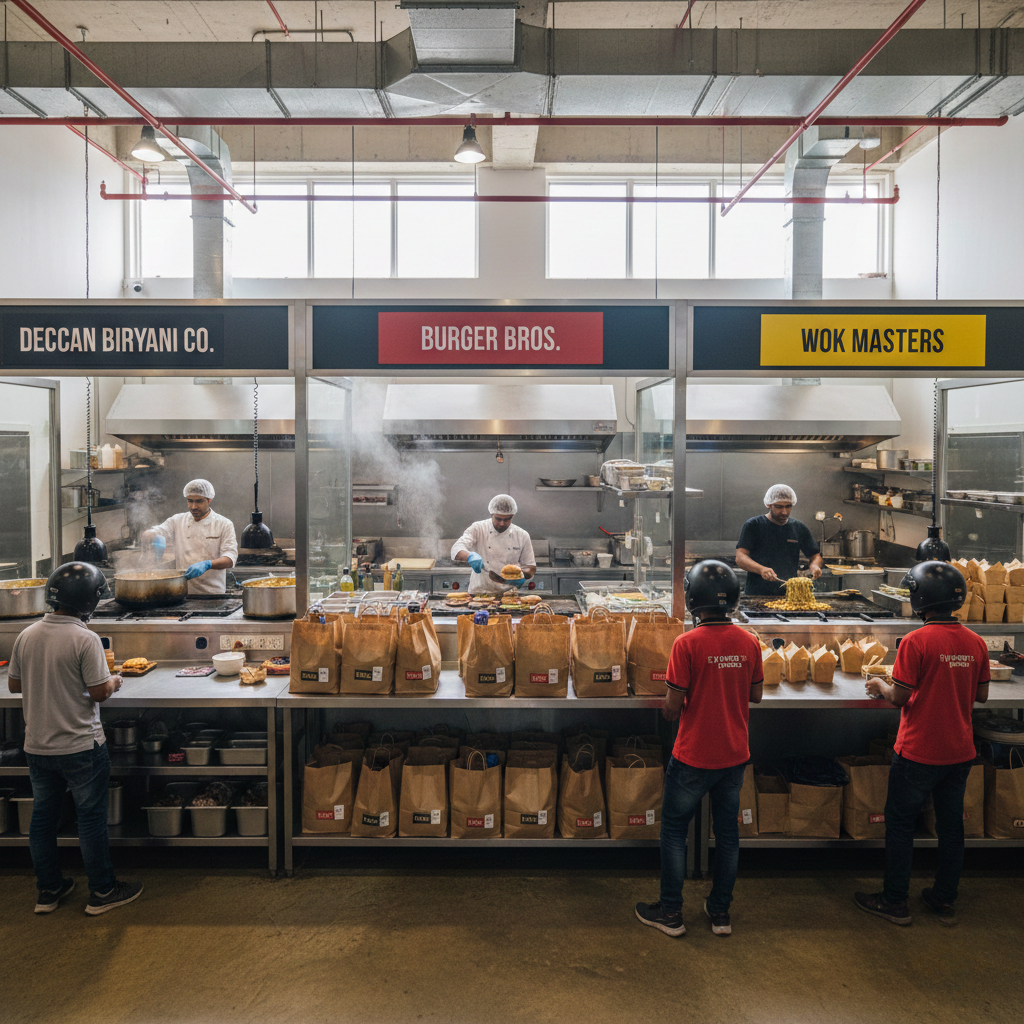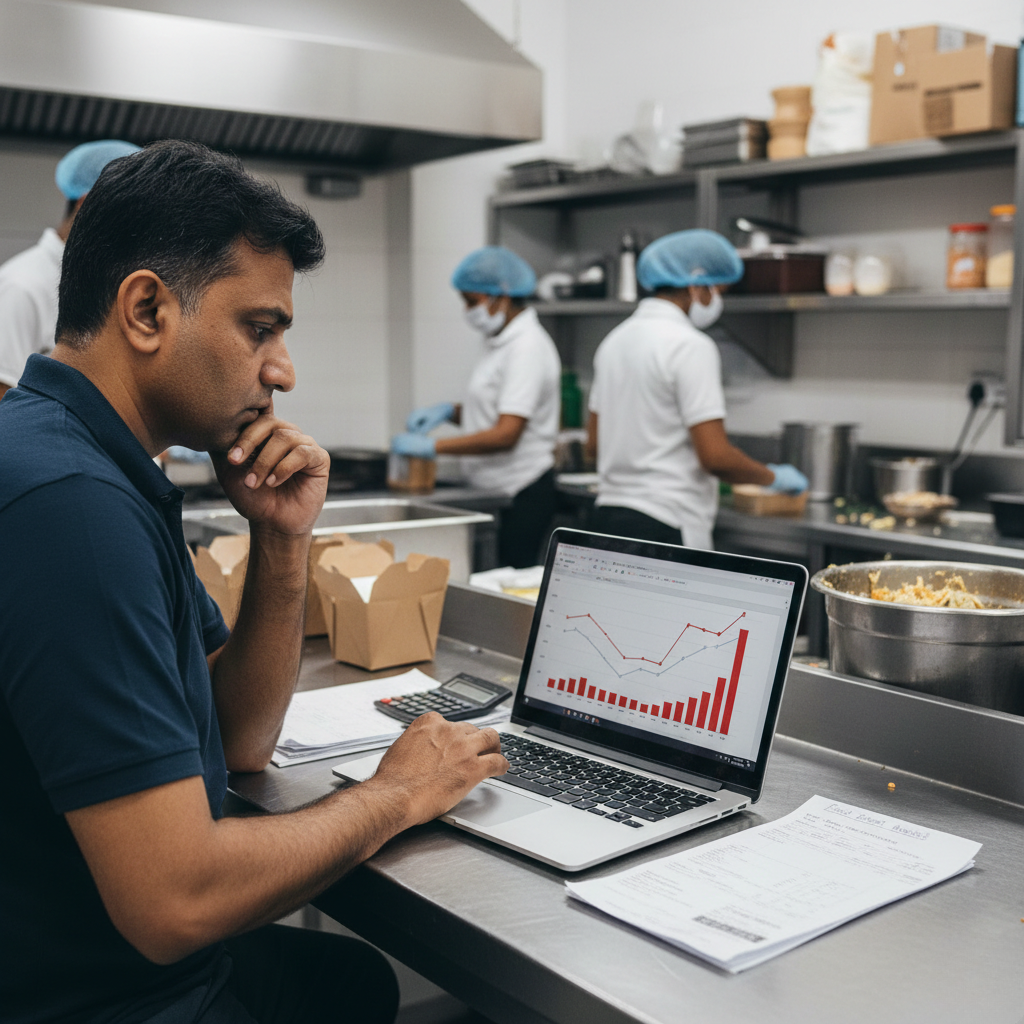

mistakes in cloud kitchen business is often promoted as a low-risk, high-opportunity food venture. With no dine-in space, smaller teams, and access to food delivery platforms, many entrepreneurs believe success is easy. However, the reality is very different.
A large percentage of cloud kitchens shut down within the first 12–24 months. In most cases, failure is not caused by lack of demand-but by avoidable mistakes. In this in-depth guide, we break down the biggest mistakes in cloud kitchen business and explain how these errors silently destroy profitability, growth, and sustainability.
1. Starting Without a Proper Business Plan
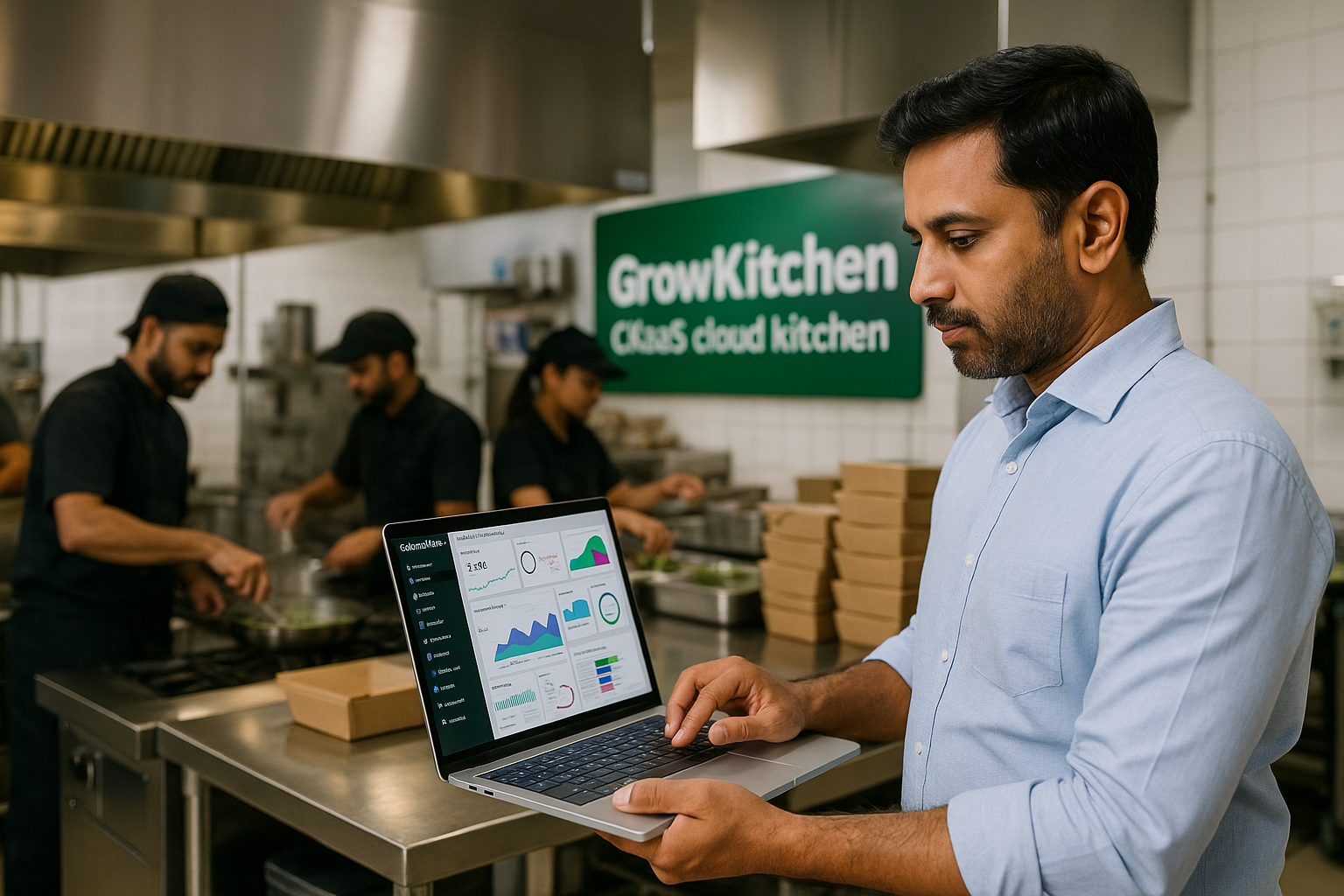
One of the most common mistakes in cloud kitchen business is starting without a clear plan. Many founders jump in with excitement but no understanding of costs, margins, or break-even timelines. Cloud kitchen as a service providers often attract entrepreneurs with promises of easy setup, but without a solid business plan, even the best infrastructure can fail.
Common planning mistakes include:
- No break-even analysis
- Unclear target customer
- Overestimated demand
- Insufficient working capital
Without a realistic plan, even kitchens with good food struggle to survive.
2. Ignoring Unit Economics
Focusing on total revenue instead of per-order profitability is a fatal error.
Many cloud kitchens fail to track:
- Cost per order
- Contribution margin
- Aggregator commission impact
As a result, businesses continue operating at a loss without realizing it until cash runs out.
Industry-level data from Statista highlights how thin margins dominate food delivery economics in India.
3. Poor Menu Planning
Menu strategy plays a massive role in cloud kitchen success, yet it is often poorly designed.
3.1 Too Many Items
Overloaded menus cause:
- Higher inventory wastage
- Slower order preparation
- Inconsistent food quality
3.2 Low-Margin Dishes
Selling items with thin margins just to match competitors leads to long-term losses.
4. Choosing the Wrong Location
Although cloud kitchens don’t require high-street locations, location still matters.
Common location mistakes include:
- Low order-density areas
- Poor delivery connectivity
- High rent without demand justification
Wrong location decisions directly impact delivery time, cancellations, and ratings.
5. Inconsistent Food Quality
Food quality consistency is non-negotiable in cloud kitchens.
Mistakes that cause inconsistency:
- No standard recipes
- Untrained staff
- High staff turnover
Negative reviews quickly reduce visibility on food delivery apps.
6. Over-Dependence on Food Aggregators
Relying completely on aggregators is a major strategic mistake.
6.1 High Commission Pressure
Platforms charge 18–30% commission, which severely impacts margins.
6.2 No Direct Customer Base
Without direct customer relationships, businesses lose control over pricing, data, and loyalty.
Operational risks related to aggregator dependence are discussed by Restaurant India.
7. Excessive Discounting
Discounts may increase orders temporarily but destroy long-term profitability.
Common discounting mistakes:
- Self-funded deep discounts
- No tracking of discount ROI
- Training customers to wait for offers
Sustainable cloud kitchens use discounts strategically, not desperately.
8. Weak Operational Systems
Operational inefficiencies silently kill cloud kitchens.
Examples include:
- No SOPs
- Poor inventory tracking
- Order mismanagement
Without systems, daily execution becomes chaotic and unscalable.
9. Poor Cash Flow Management
Many cloud kitchens shut down despite decent revenue because cash flow is mismanaged.
Key mistakes:
- No emergency cash reserve
- Ignoring delayed aggregator payouts
- High fixed monthly expenses
Cash flow-not revenue-determines survival.
10. Weak Marketing & Branding
Assuming “good food sells itself” is a costly misconception.
Marketing mistakes include:
- No brand identity
- Poor food images
- Ignoring customer reviews
Strong branding improves visibility, repeat orders, and pricing power.
11. Scaling Too Fast
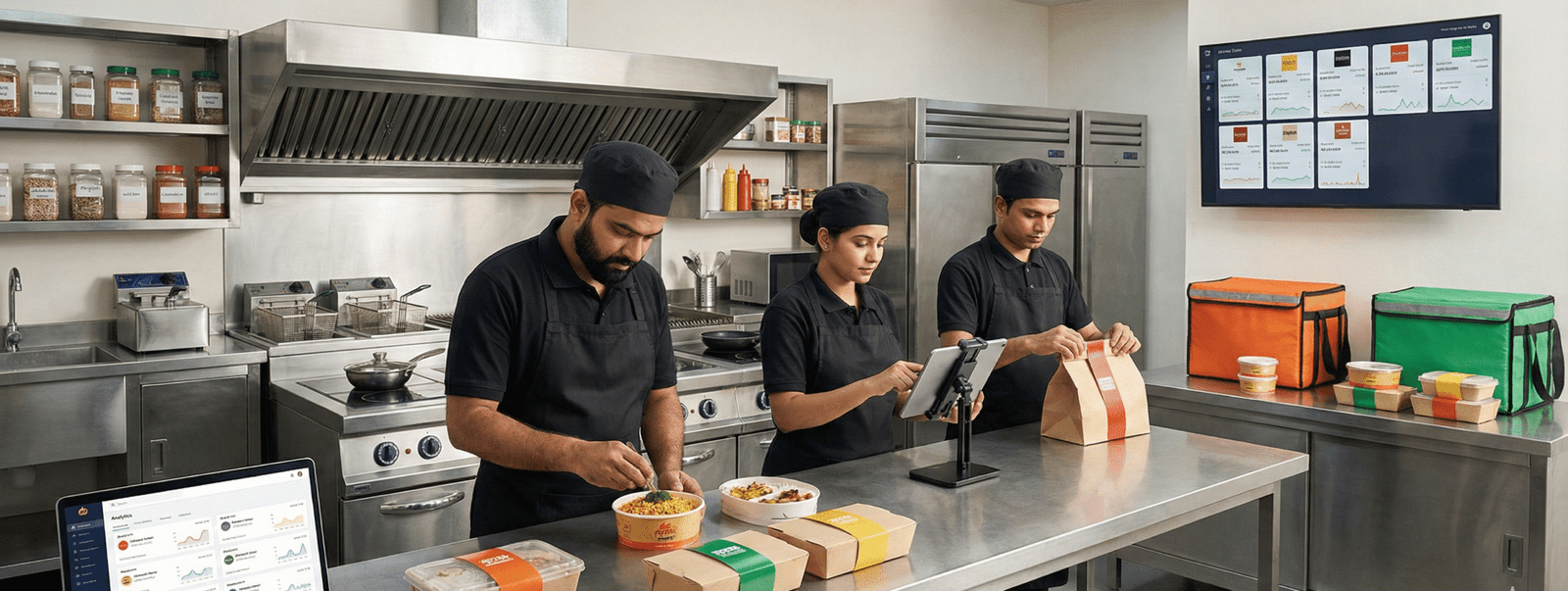
Expanding before achieving profitability is one of the biggest cloud kitchen mistakes.
Common early scaling errors:
- Opening multiple locations too soon
- No standardized processes
- Underestimating capital needs
Scaling amplifies problems instead of fixing them.
12. Not Using Data for Decision-Making
Running a cloud kitchen purely on intuition is risky.
Ignoring data leads to:
- Poor menu decisions
- Incorrect pricing
- Wastage and inefficiencies
Data-driven kitchens outperform intuition-led ones consistently.
13. Ignoring Legal & Compliance Requirements
Legal non-compliance can shut down a cloud kitchen overnight.
- Missing FSSAI license
- Improper GST filings
- Fire and safety violations
Compliance mistakes often lead to penalties or forced closures.
14. Key Lessons: How to Avoid These Mistakes
- Plan before launching
- Track unit economics daily
- Keep menus focused
- Build systems and SOPs
- Control costs and cash flow
Frequently Asked Questions (FAQs)
Q1. What is the biggest mistake in cloud kitchen business?
Ignoring unit economics and focusing only on revenue is the biggest mistake.
Q2. Can cloud kitchen mistakes be avoided?
Yes, with proper planning, data tracking, and disciplined execution, most mistakes are avoidable.
Q3. Why do cloud kitchens fail within the first year?
Low margins, high commissions, poor planning, and cash flow issues are the main reasons.
Q4. Is cloud kitchen business still worth starting?
Yes, but only with realistic expectations, cost control, and strong operational discipline.
People Also Read
- Why Cloud Kitchen Business Fails in India
- Cloud Kitchen Failure Case Study India
- Cloud Kitchen Profitability Case Study
- Cloud Kitchen Survival Strategies