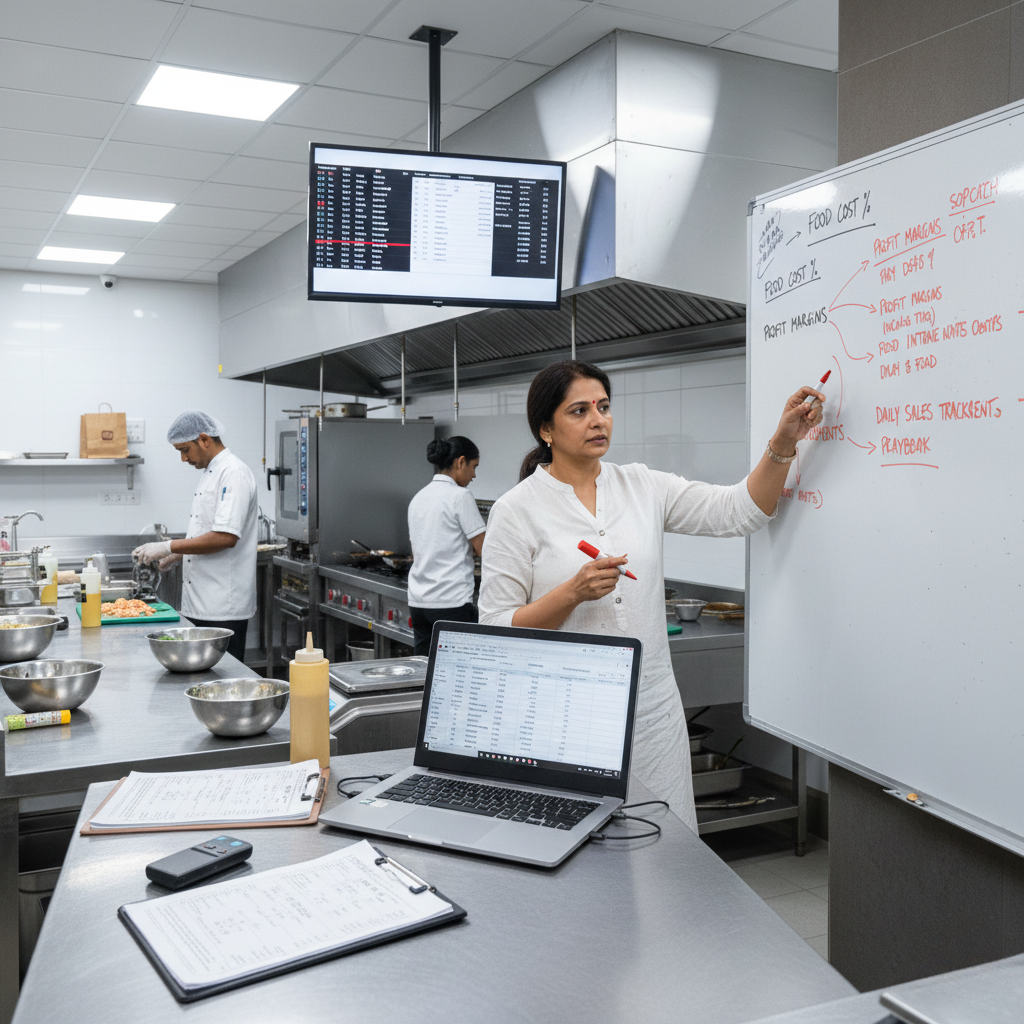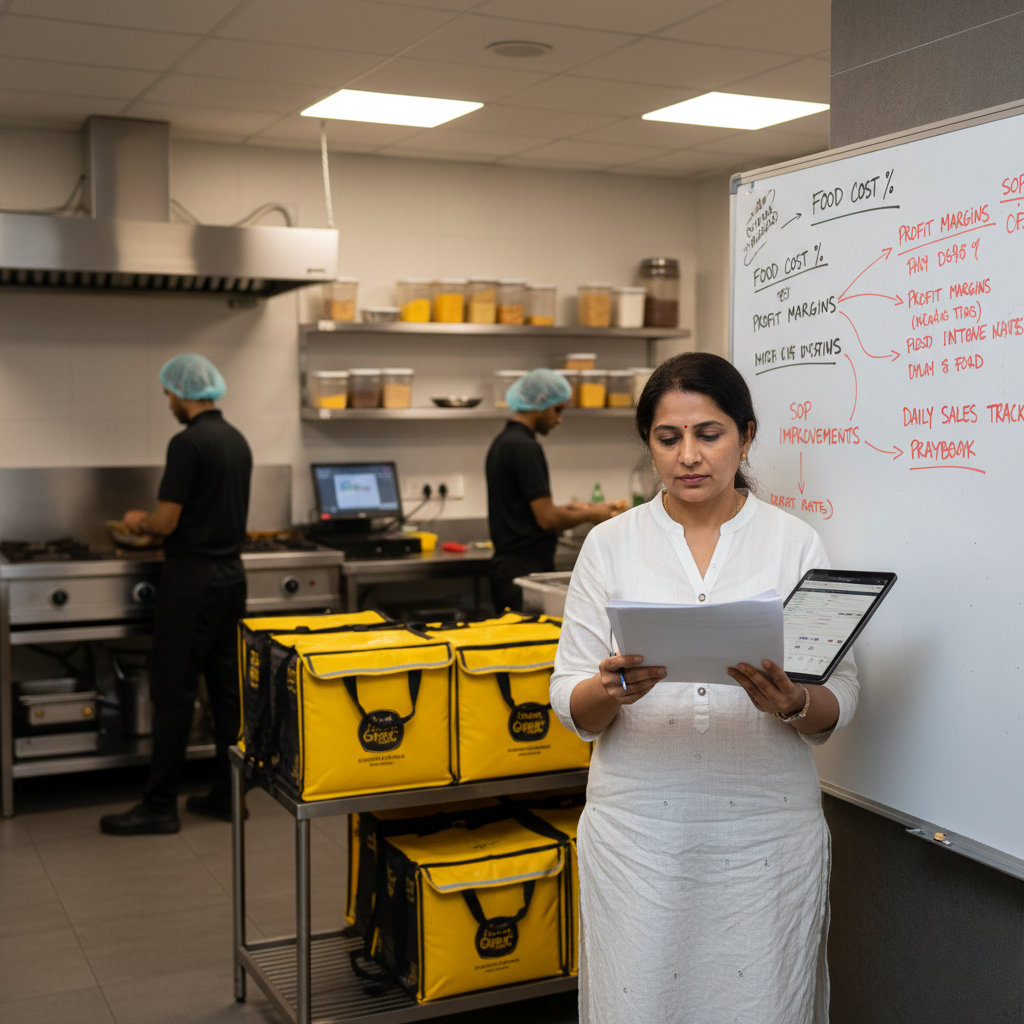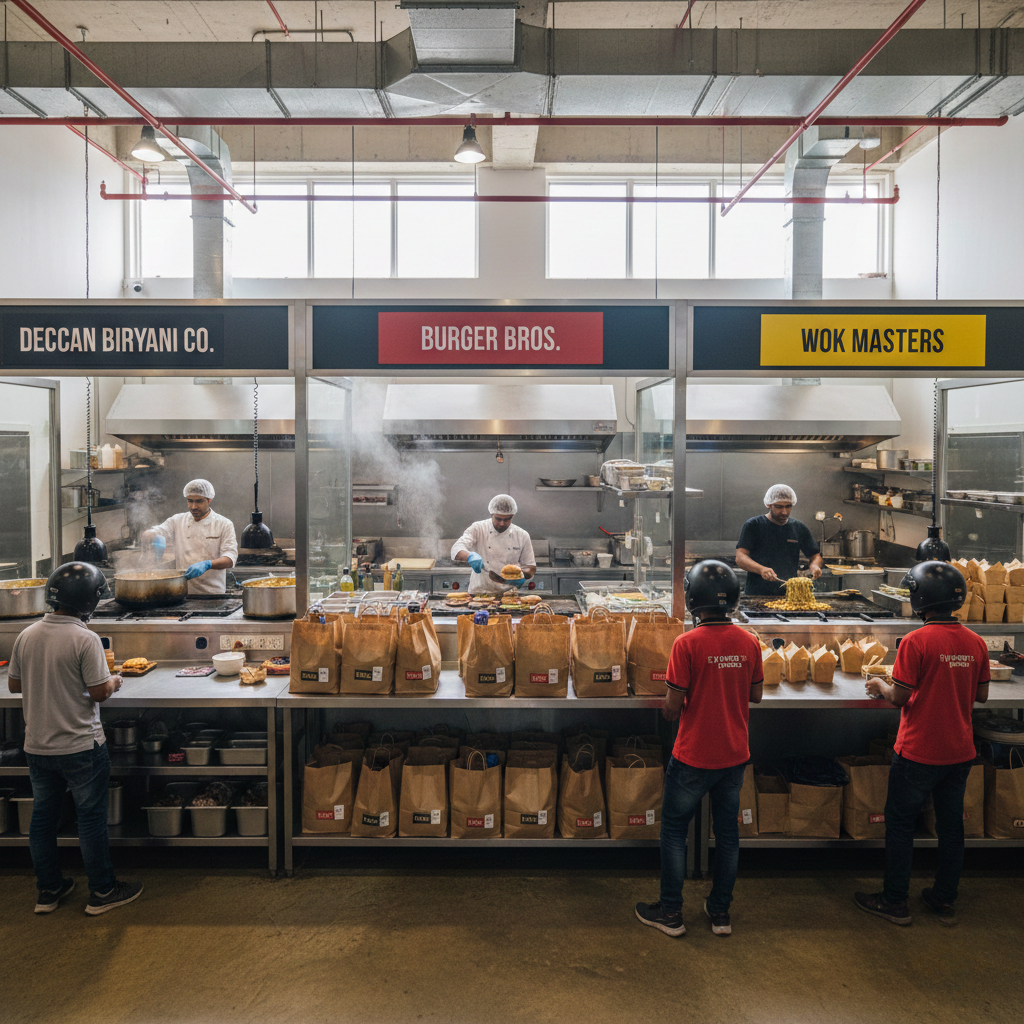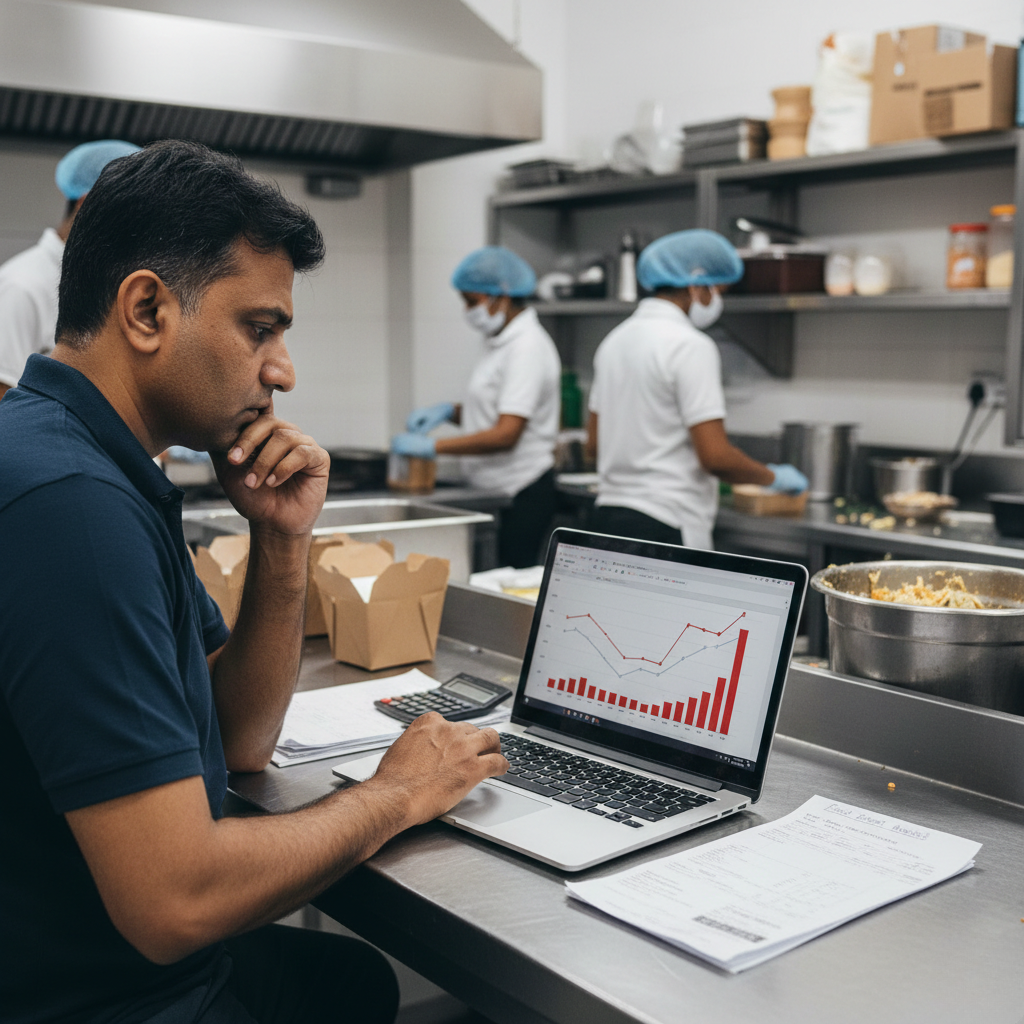
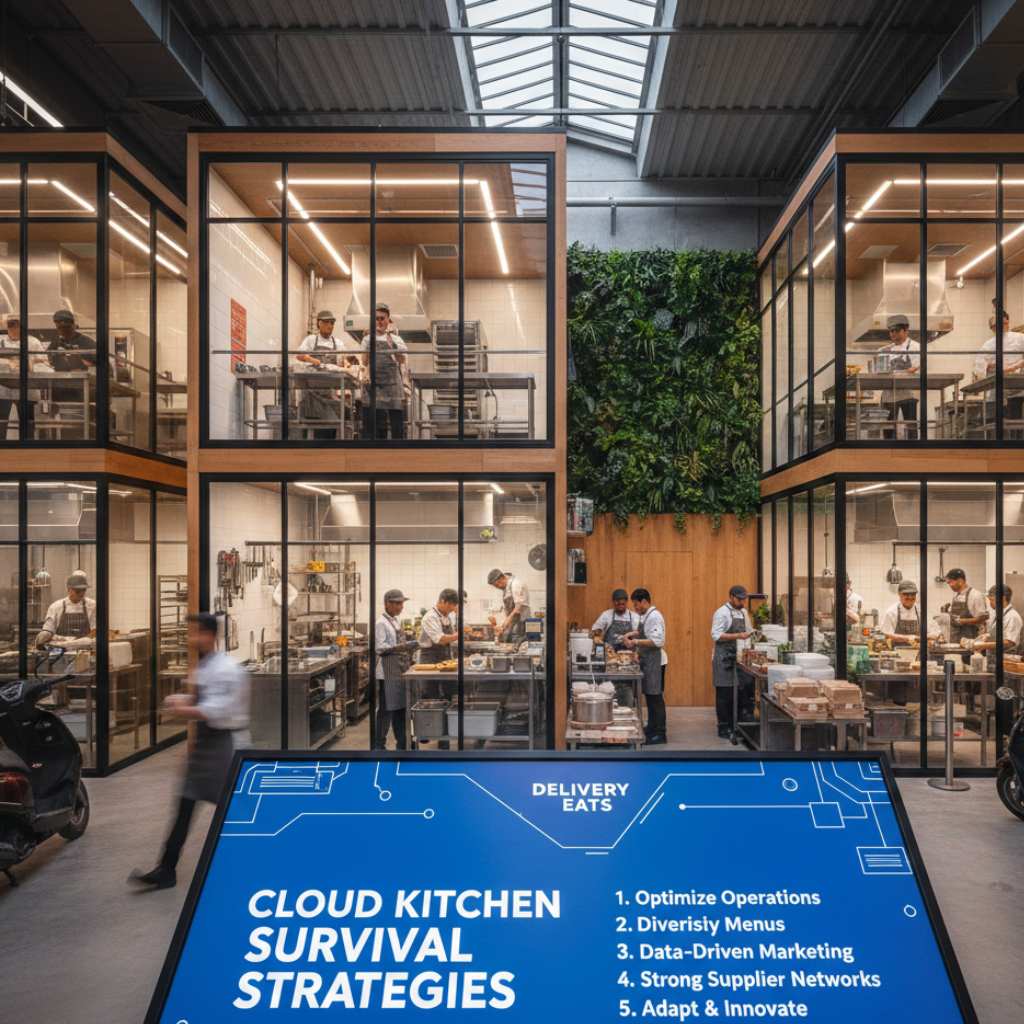
The cloud kitchen business in India looks attractive on the surface-low setup cost, no dine-in expenses, and rising demand for food delivery. Yet, statistics and real-world experience show that a large number of cloud kitchens shut down within the first year of operation.
Survival, not just launch, is the real challenge. In this detailed guide, we break down practical cloud kitchen survival strategies that help founders build a resilient, profitable business that can survive beyond the critical first year and scale sustainably. Cloud Kitchen Business in India
1. Understanding the First-Year Reality
The first year of a cloud kitchen is the toughest phase. Most failures happen because founders underestimate the complexity of operations and overestimate early demand.
Common first-year challenges include:
- High aggregator commissions
- Inconsistent order volume
- Cash flow pressure
- Staff and quality management issues
Acknowledging these realities early helps founders prepare instead of reacting in panic.
2. Master Unit Economics from Day One
One of the most important cloud kitchen survival strategies is mastering unit economics.
Every cloud kitchen must clearly understand:
- Cost per order
- Contribution margin
- Break-even point
Revenue alone is meaningless if each order is unprofitable. Kitchens that track per-order profitability are far more likely to survive the first year.
Industry-level insights on food delivery economics are available from Statista.
3. Smart Menu Engineering
Menu design directly impacts margins, operations, and customer satisfaction.
3.1 Keep the Menu Focused
A small, well-optimized menu reduces:
- Inventory wastage
- Preparation time
- Operational errors
3.2 Prioritize High-Margin Items
Focus on dishes that:
- Have consistent demand
- Travel well during delivery
- Offer healthy profit margins
Removing low-margin items is often the difference between survival and shutdown.
4. Choosing the Right Location
Even for cloud kitchens, location plays a crucial role in survival.
The right location should have:
- High order-density
- Affordable rent
- Good delivery connectivity
Poor location decisions increase delivery time, cancellations, and customer dissatisfaction.
5. Build Consistency into Operations
Food quality consistency is one of the strongest survival factors for cloud kitchens.
Consistency depends on:
- Standard recipes
- Clear SOPs
- Regular staff training
Cloud kitchens with strong operational discipline enjoy better ratings and repeat customers.
6. Reduce Over-Dependence on Aggregators
While food delivery platforms are essential, complete dependency is risky.
6.1 Control Discounting
Avoid deep, self-funded discounts. Prefer platform-sponsored offers to protect margins.
6.2 Build Direct Customer Touchpoints
Collect customer data, use WhatsApp marketing, and build social media presence to improve repeat orders.
Operational insights on platform dependency are discussed by Restaurant India.
7. Cash Flow Management Is Survival
Many cloud kitchens shut down not due to lack of demand, but due to cash flow problems.
Key cash flow survival tactics include:
- Maintaining 3–6 months of operating reserve
- Tracking daily cash inflows and outflows
- Planning for delayed aggregator payouts
Cash discipline allows kitchens to survive slow months and unexpected expenses.
8. Use Technology to Stay Lean
Technology helps cloud kitchens control costs and improve efficiency.
Useful tools include:
- POS systems integrated with aggregators
- Inventory management software
- Sales and performance analytics
Automation reduces errors and frees founders to focus on growth strategy.
9. Build a Brand, Not Just a Listing
Cloud kitchens that survive beyond one year invest in brand building.
Brand-building activities include:
- Consistent food presentation
- Strong packaging identity
- Active social media presence
A recognizable brand increases repeat orders and reduces reliance on paid promotions.
10. Scale Only After Stability
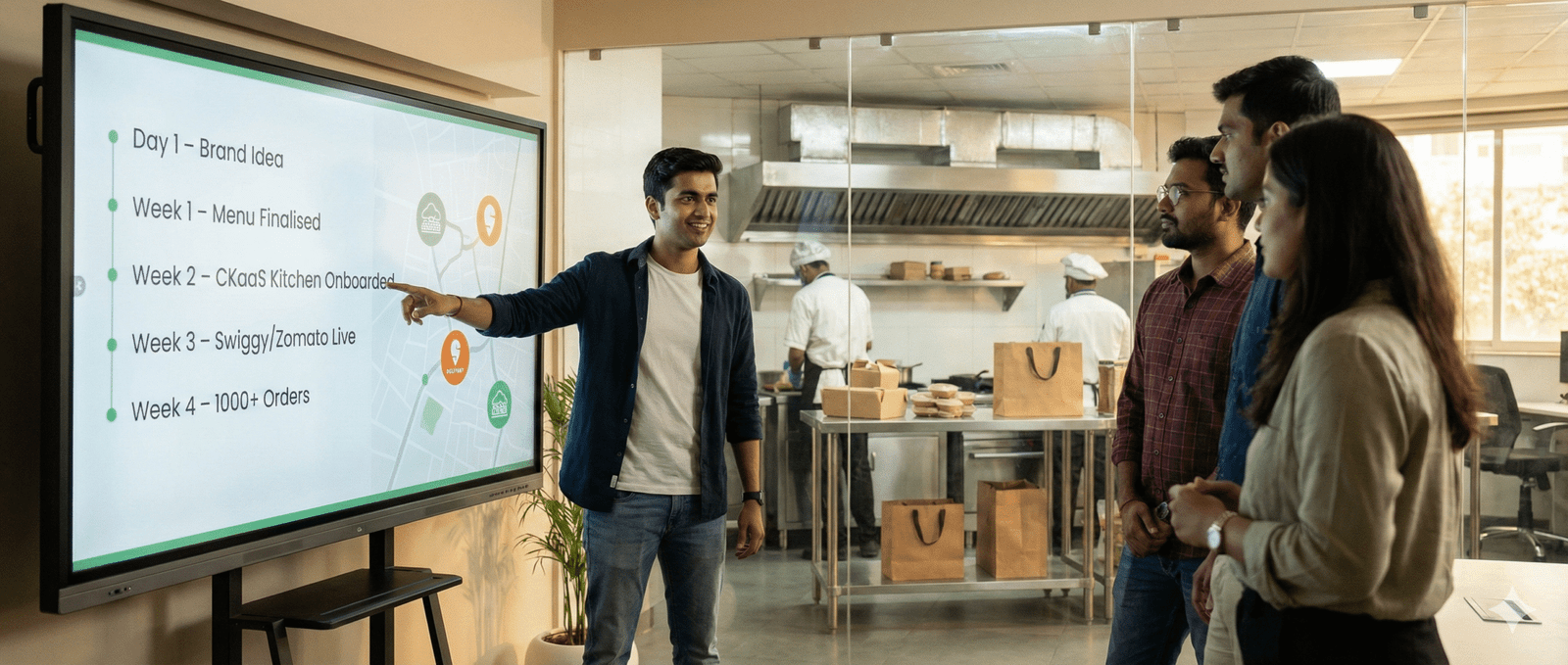
One of the biggest survival mistakes is expanding too early.
Before scaling, ensure:
- First kitchen is consistently profitable
- Processes are standardized
- Demand is predictable
Slow, controlled growth ensures long-term survival.
11. Key Takeaways for Long-Term Survival
- Survival depends on profitability, not popularity
- Menu simplicity improves margins
- Consistency builds customer trust
- Cash flow decides longevity
- Brand strength reduces platform risk
Frequently Asked Questions (FAQs)
Q1. Why do most cloud kitchens fail within the first year?
Most cloud kitchens fail due to low margins, poor cost control, inconsistent quality, and cash flow mismanagement.
Q2. Can a cloud kitchen survive without heavy discounts?
Yes, strong food quality, branding, and repeat customers reduce the need for discounts.
Q3. How much working capital is needed to survive the first year?
Ideally, cloud kitchens should have at least 3–6 months of operating expenses as reserve.
Q4. Is cloud kitchen business still viable in India?
Yes, cloud kitchens can succeed if founders focus on unit economics, consistency, and disciplined growth.
People Also Read
- Cloud Kitchen Business in India: Complete Guide
- Why Cloud Kitchen Business Fails in India
- Cloud Kitchen Profitability Case Study
- Cloud Kitchen Failure Case Study India