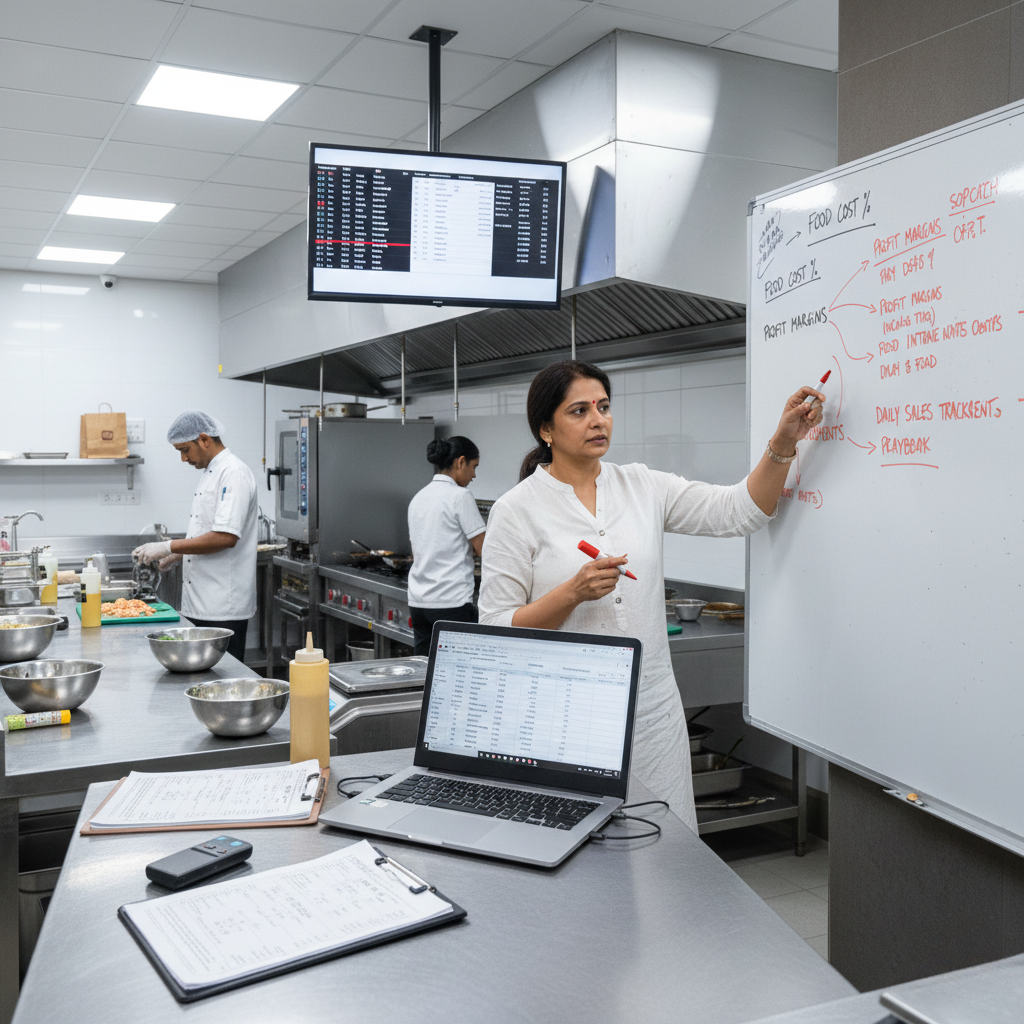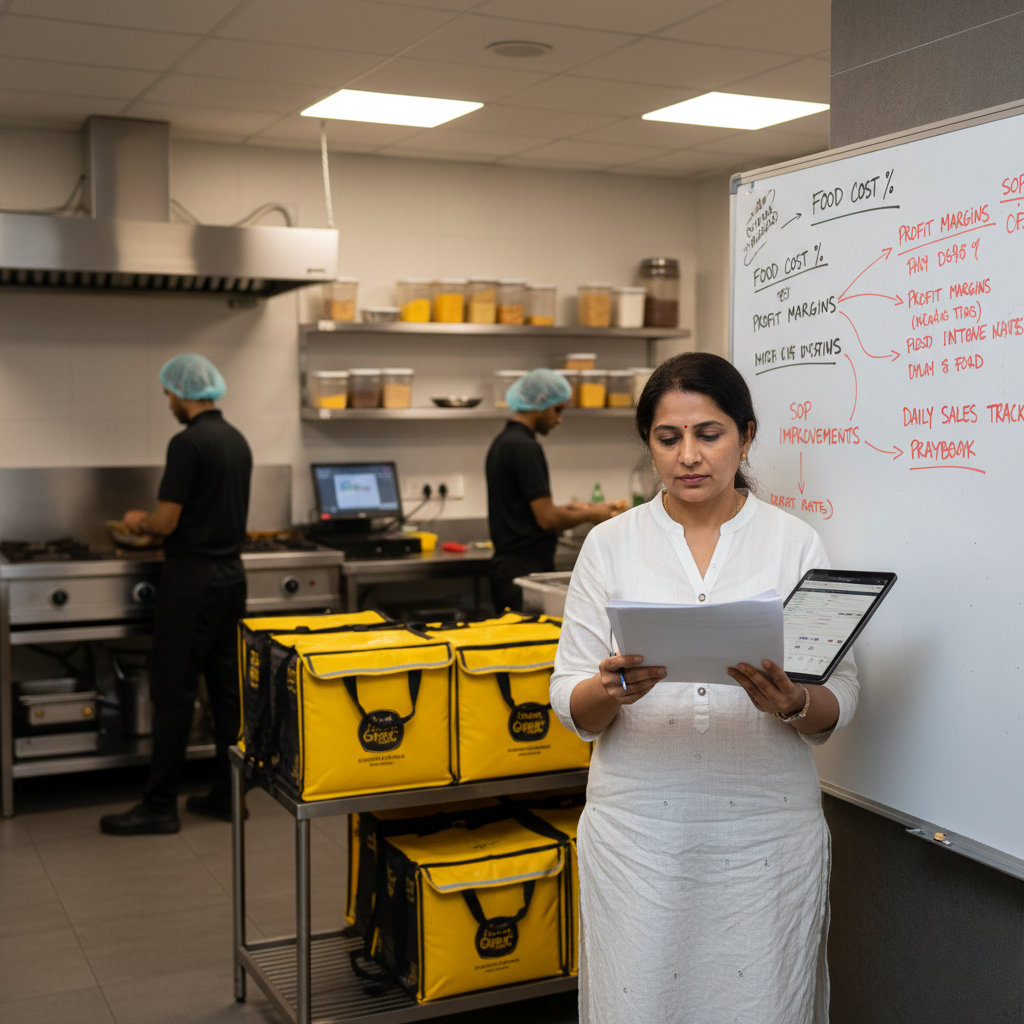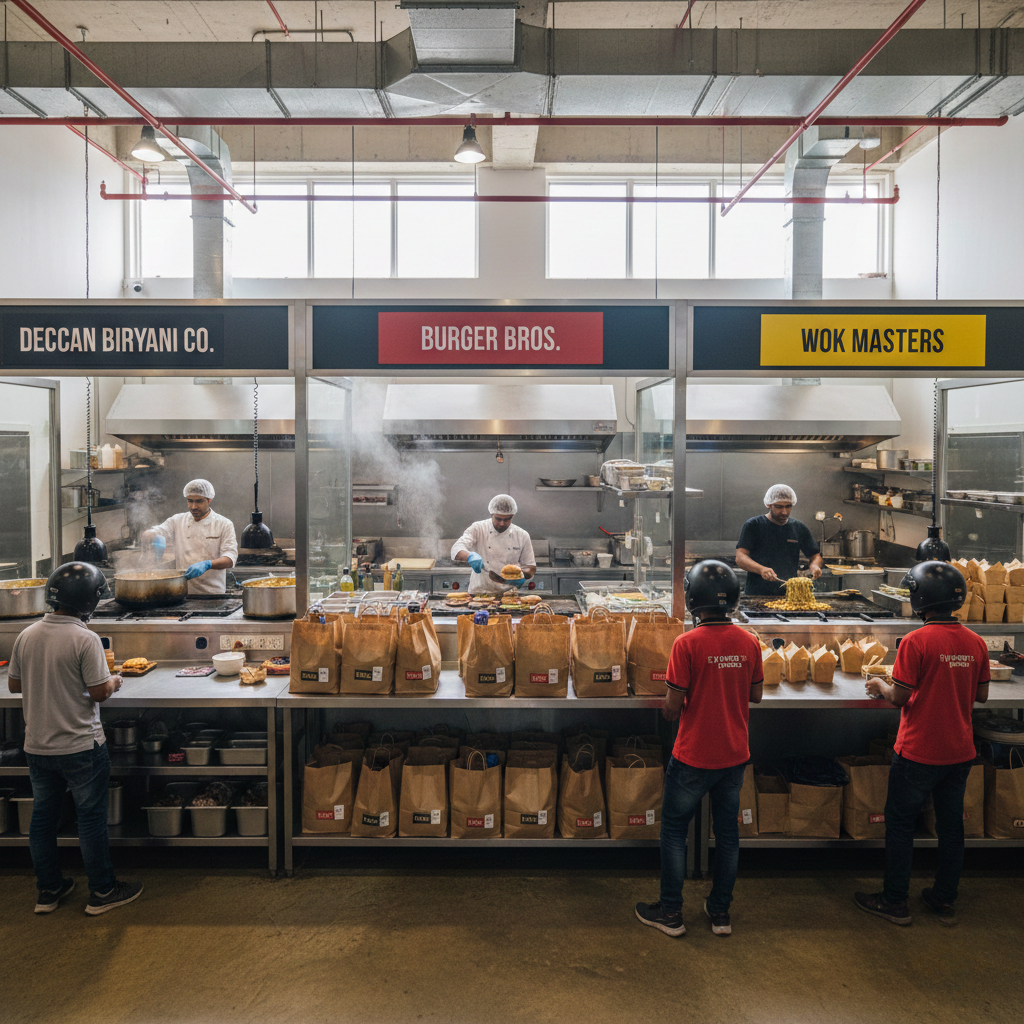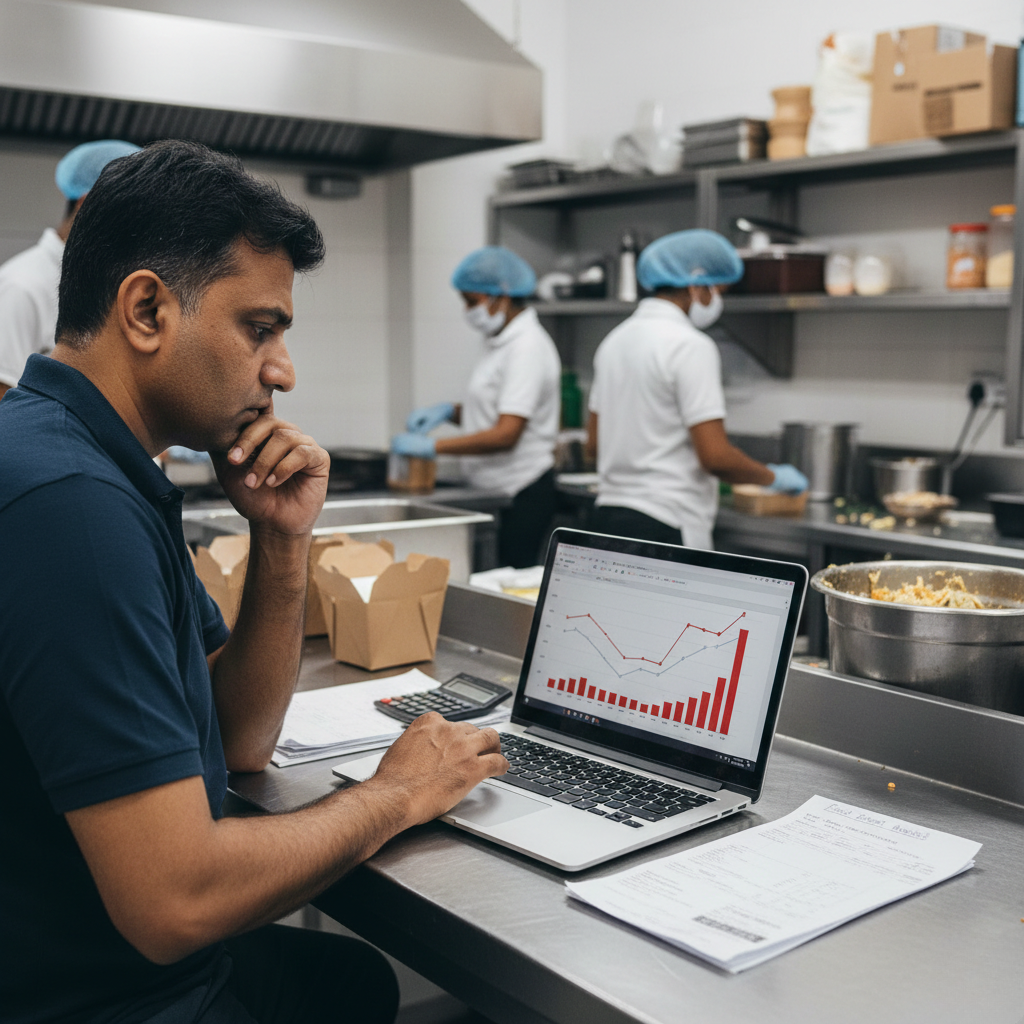
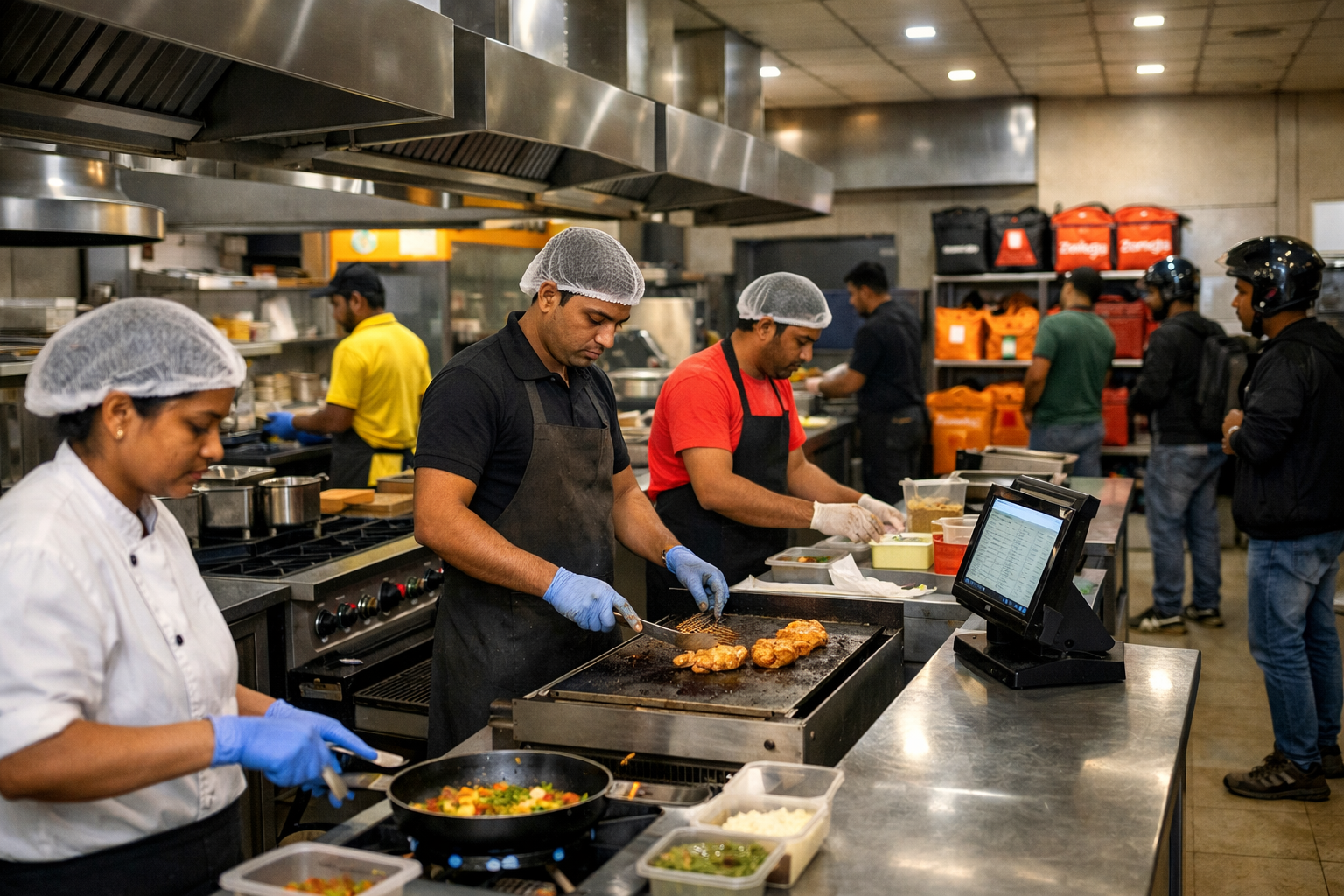
The Indian food delivery market is booming, but running a profitable cloud kitchen is far more complex than it appears. While many entrepreneurs enter the space attracted by low entry costs, a large number of cloud kitchens shut down within the first year due to operational inefficiencies, high burn rates, and lack of expertise.
This is where the Managed Cloud Kitchen Model in India is emerging as a smarter, more sustainable alternative. Instead of building everything from scratch, brands partner with managed kitchen operators who handle infrastructure, operations, technology, and compliance. This model allows founders to focus on food quality, branding, and growth.
What Is a Managed Cloud Kitchen Model?
A managed cloud kitchen is a fully or partially outsourced kitchen setup where a professional operator manages the backend of the food business. This includes kitchen infrastructure, staffing, SOPs, technology integration, compliance, and sometimes even procurement.
Unlike traditional cloud kitchens where the brand owner manages everything, the managed model reduces operational burden and risk. Platforms like Grow Kitchen and Cloud Kitchen Business in India offer ready-to-operate kitchens designed for delivery efficiency.
Why the Managed Cloud Kitchen Model Is Needed in India
India’s cloud kitchen ecosystem is highly competitive and cost-sensitive. Rising aggregator commissions, manpower challenges, and inconsistent operations make it difficult for solo founders to survive.
The managed cloud kitchen model solves these problems by standardizing processes, reducing capital expenditure, and improving speed to market. This model is especially useful for first-time entrepreneurs and scaling food brands.
How the Managed Cloud Kitchen Model Works
In a managed cloud kitchen setup, the kitchen operator provides a fully functional kitchen space along with operational support. The brand focuses on menu, recipes, and marketing.
- Kitchen infrastructure and equipment
- Licenses and compliance support
- Trained kitchen staff
- Technology and POS integration
- Maintenance and utilities
This allows brands to launch quickly without heavy upfront investment.
Cost Structure of Managed Cloud Kitchens
One of the biggest advantages of the managed cloud kitchen model is predictable costs. Instead of high capital expenditure, brands typically pay a fixed monthly fee or revenue share.
This structure improves cash flow and reduces financial risk. It also makes expansion easier, as brands can replicate the model across locations.
How Managed Kitchens Help in Scaling
Scaling a cloud kitchen independently requires multiple teams, vendor coordination, and strict quality control. Managed kitchens already have these systems in place.
Brands can expand to new locations in weeks instead of months. This speed advantage is critical in competitive markets.

Profitability in the Managed Cloud Kitchen Model
Profitability depends on unit economics, and managed kitchens improve margins by optimizing procurement, reducing wastage, and improving staff productivity.
By avoiding trial-and-error costs, brands reach break-even faster compared to independent setups. This is why many D2C food brands and QSR concepts prefer managed kitchens.
Aggregator Optimization and Direct Orders
Managed cloud kitchens are designed to perform well on Swiggy and Zomato through optimized layouts and faster dispatch times.
At the same time, smart brands invest in direct ordering via WhatsApp, social media, and websites. Brands like Green Salad and Fruut actively build repeat customer bases.
Standardized SOPs and Quality Control
One of the biggest advantages of the managed model is strong SOP implementation. Every process-from prep to dispatch-follows predefined standards.
This ensures consistency across locations, which is essential for brand trust and platform ratings.
Licensing and Compliance Made Easy
FSSAI, GST, fire safety, and local licenses are mandatory for food businesses. Managed kitchen operators help brands stay compliant, reducing legal risk.
This is particularly valuable for new founders unfamiliar with regulatory requirements.
Technology and Data Insights
Managed cloud kitchens use integrated POS systems, inventory tracking, and analytics dashboards. This helps brands make data-driven decisions.
Order trends, food cost, wastage, and customer feedback are tracked in real time.
Learning from Industry Leaders
Successful cloud kitchen operators actively share insights and best practices. Following industry professionals like Rahul Tendulkar helps founders stay updated.
Ecosystem pages such as Grow Kitchen on LinkedIn and Grow Kitchen on Facebook share operational and scaling insights.
Building Brand Trust Through Social Presence
Active engagement on platforms like X (Twitter) and Instagram builds brand recall and customer trust.
Managed kitchen brands that invest in content and community see higher repeat order rates.
Who Should Choose the Managed Cloud Kitchen Model?
- First-time food entrepreneurs
- D2C food brands entering delivery
- Restaurant brands expanding to new cities
- Founders with limited operational bandwidth
Frequently Asked Questions (FAQs)
What is a managed cloud kitchen?
A managed cloud kitchen is a delivery-focused kitchen where infrastructure and operations are handled by a professional operator, allowing brands to focus on food and marketing.
Is the managed cloud kitchen model profitable in India?
Yes, it is profitable due to lower upfront costs, faster break-even, and optimized operations.
How much investment is required?
Investment is significantly lower than setting up an independent kitchen, as most infrastructure is already provided.
Is it better than a standalone cloud kitchen?
For most founders, managed kitchens offer lower risk, faster scaling, and better operational control compared to standalone models.
People Also Read
- Cloud Kitchen Business Model Explained
- Mistakes in Cloud Kitchen Business
- Cloud Kitchen Profitability in India
- Cloud Kitchen SOP Framework