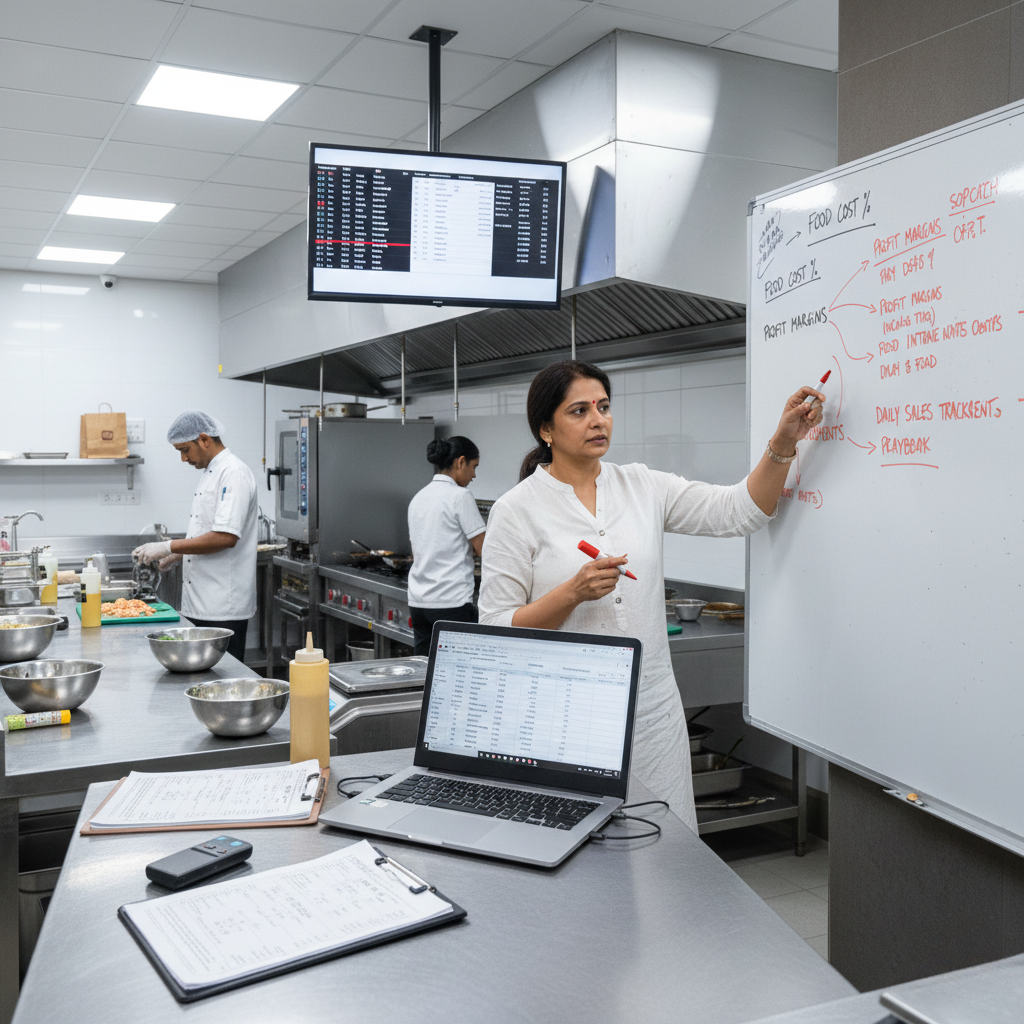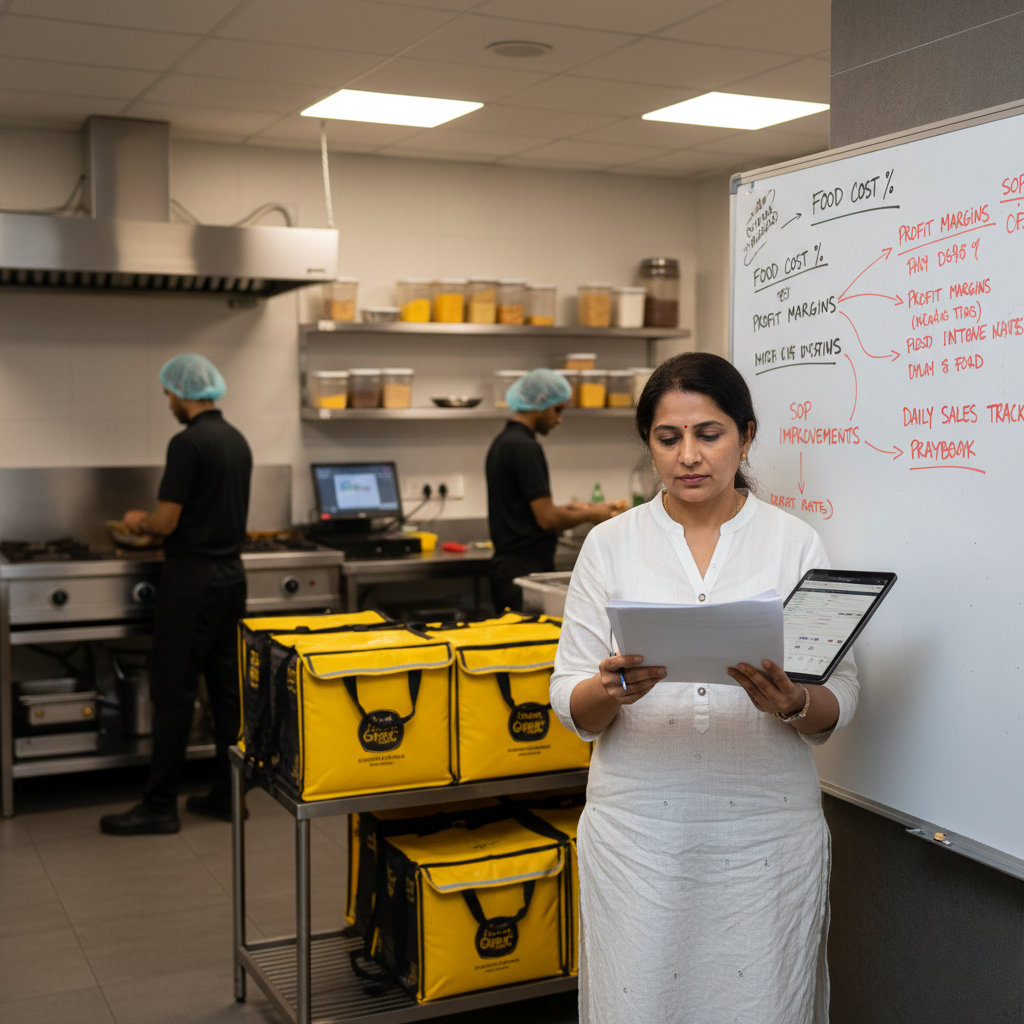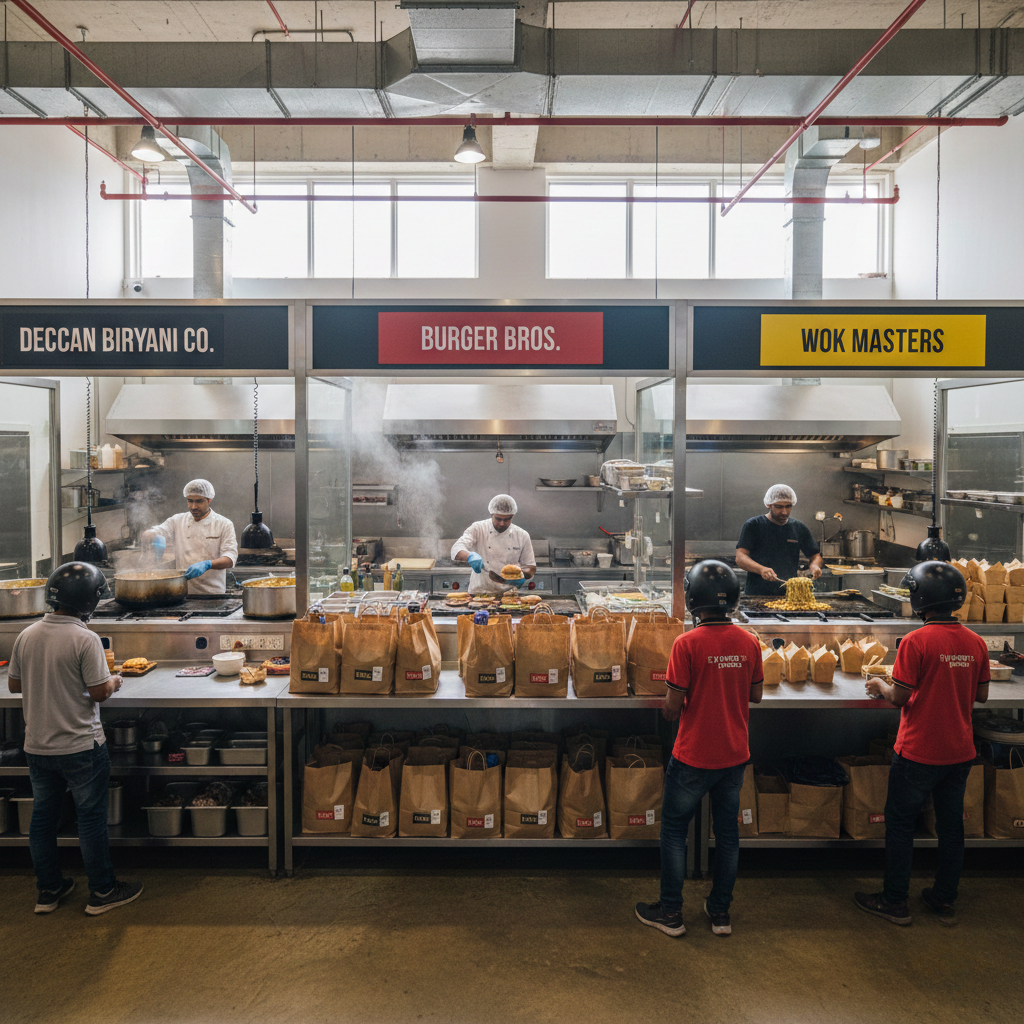
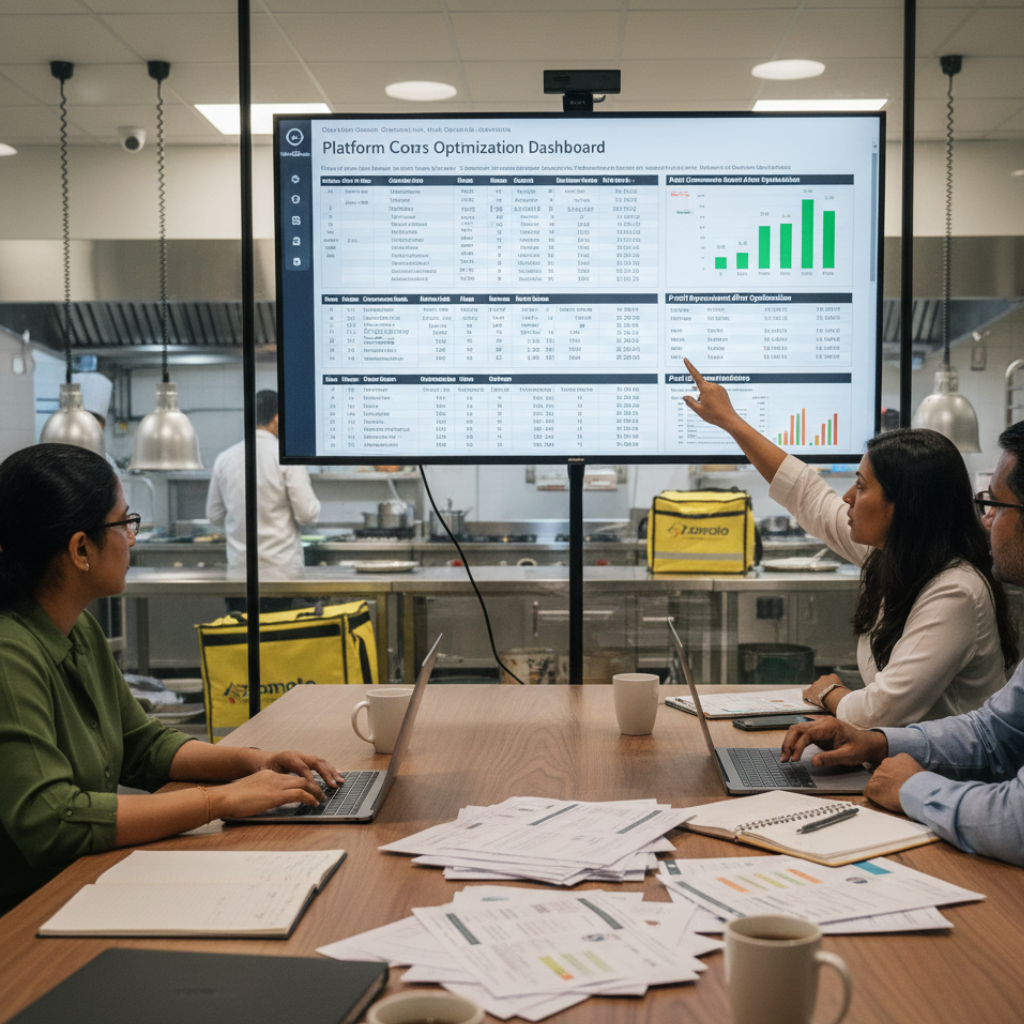
Scaling a cloud kitchen is every founder’s goal-but it is also where most food businesses fail. Many cloud kitchens grow quickly in revenue but lose control over operations, quality, costs, and brand consistency.
This guide shares a proven framework to scale cloud kitchens from a single profitable unit to 10+ locations-without operational chaos or margin erosion.
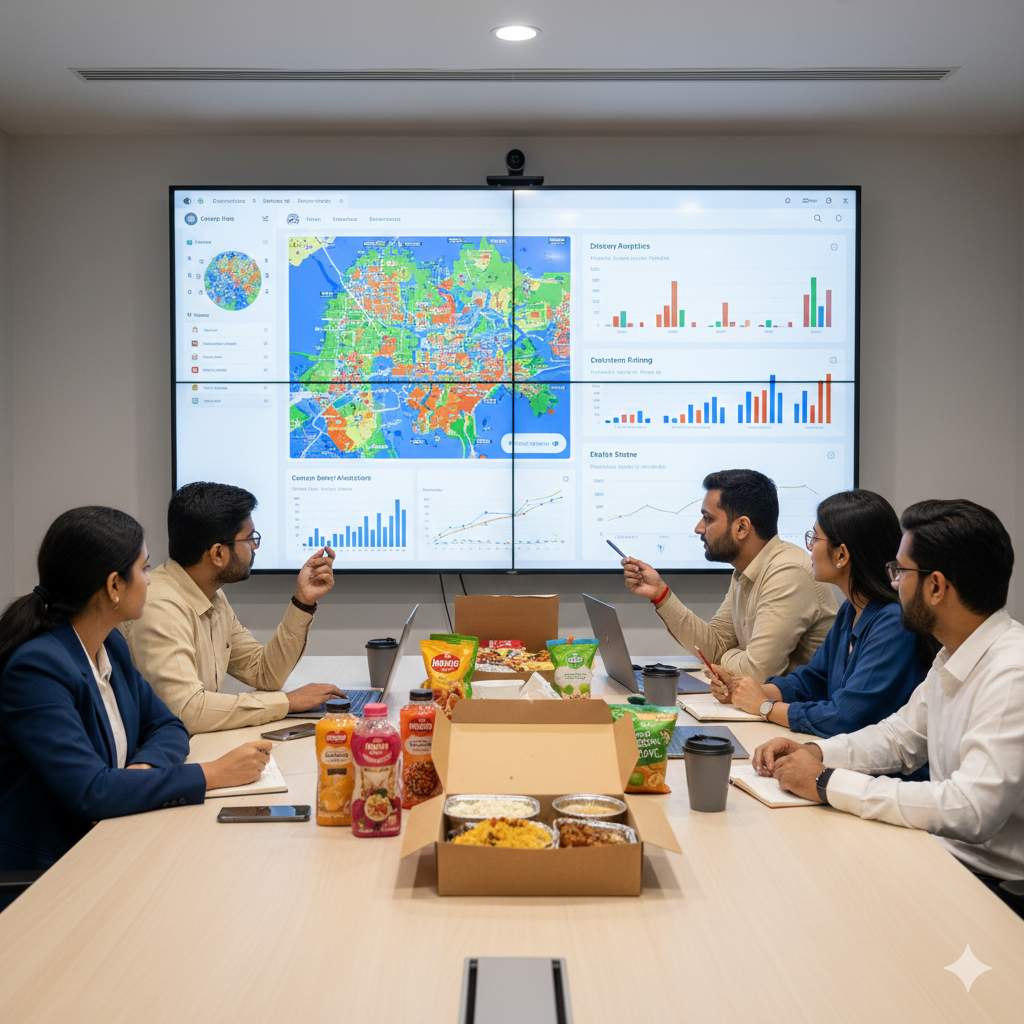
Why Most Cloud Kitchen Scaling Efforts Fail
Rapid expansion without systems is the biggest reason cloud kitchens struggle during growth. Founders often replicate kitchens before stabilizing their first unit.
Common mistakes include:
- No standardized SOPs
- Poor unit economics visibility
- Overdependence on founders
- Lack of centralized control
To scale successfully, cloud kitchens must become system-driven businesses-not founder-driven ones.
Stage 1: Build a Profitable & Stable Base Kitchen
Before thinking about a second location, your first kitchen must be consistently profitable.
Key benchmarks to hit:
- Positive unit-level profitability
- Stable food cost (below 35-40%)
- Predictable daily order volume
- Documented processes
If your first kitchen is not predictable, scaling will only multiply losses.
Stage 2: Standardize Everything Before Expanding
Standardization is the foundation of scalable cloud kitchens. Every task must be repeatable regardless of location or staff.
- Standard recipes and portion sizes
- Kitchen layout and equipment list
- Supplier and procurement standards
- Packaging and branding guidelines
These standards reduce variability and make expansion faster and safer.
Stage 3: Build Strong SOPs & Control Systems
SOPs convert founder knowledge into documented systems. They ensure quality and speed even when founders are not present.
Critical SOP areas:
- Food preparation and hygiene
- Order acceptance and cooking timelines
- Inventory management and wastage control
- Staff training and performance tracking
SOP-driven kitchens scale with fewer errors and lower supervision costs.
Stage 4: Centralize Operations with Technology
Technology is what allows one team to manage multiple kitchens efficiently.
- Centralized POS and order aggregation
- Live sales and profitability dashboards
- Inventory and vendor management systems
- Customer feedback monitoring
According to insights from Restaurant India, tech-enabled kitchens scale faster and maintain tighter cost control.

Stage 5: Choose the Right Expansion Model
Not all cloud kitchens should scale the same way. Choosing the right model reduces risk.
- Company-owned kitchens for full control
- Managed cloud kitchens for faster expansion
- Cloud Kitchen as a Service (CKaaS)
- Hub-and-spoke model for dense cities
The right model depends on capital availability, risk appetite, and growth speed.
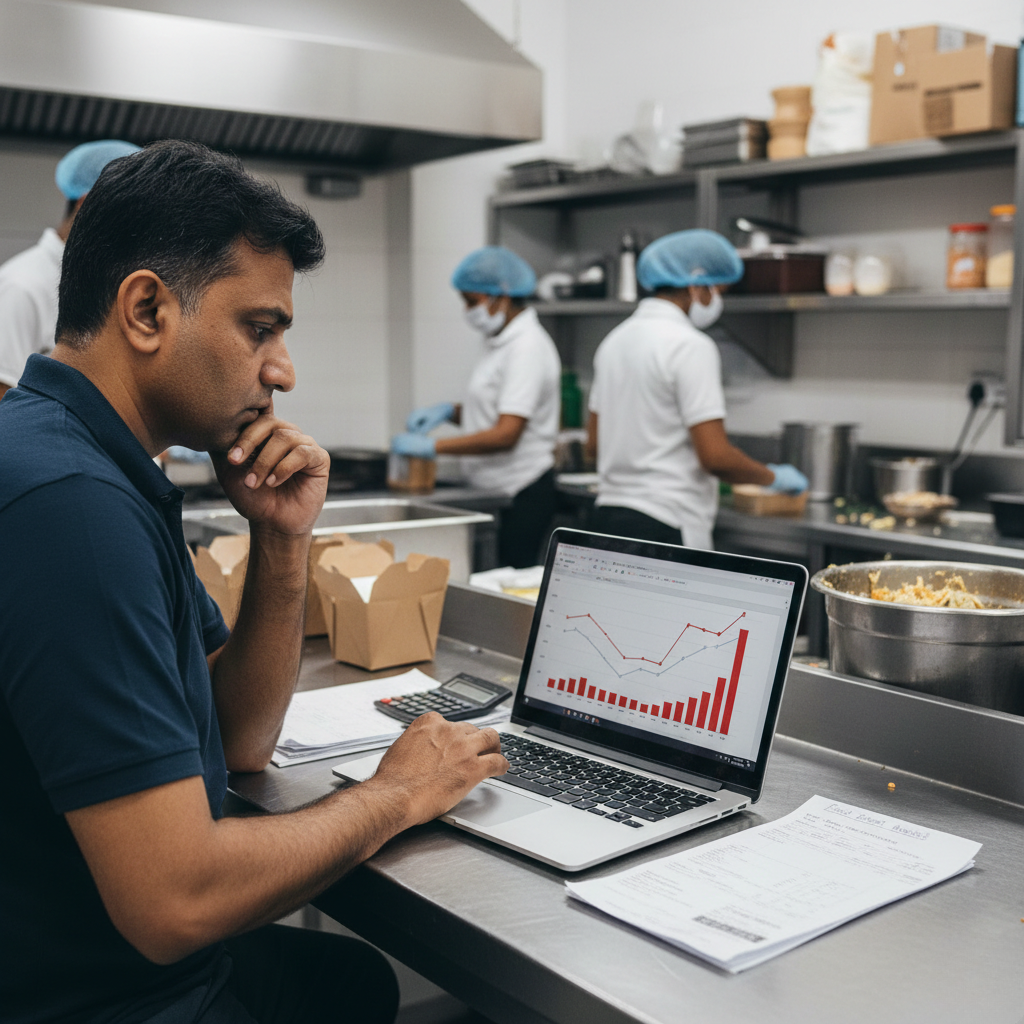
Stage 6: Track Unit Economics for Every Kitchen
Each kitchen must be profitable on its own. Never subsidize loss-making units indefinitely.
Track these metrics for every location:
- Revenue per day
- Food cost percentage
- Manpower cost
- Aggregator commission
- Net contribution margin
Expansion decisions should always be data-driven, not emotional.
Stage 7: Build a Scalable Team Structure
Founders cannot manage 10 kitchens directly. A layered team structure is required.
- Kitchen-level supervisors
- City or cluster managers
- Central operations and procurement team
This structure ensures accountability while reducing founder burnout.
Stage 8: Maintain Quality & Brand Consistency
Rapid scaling often leads to declining food quality. This is where many brands lose customer trust.
- Regular audits and mystery orders
- Centralized feedback analysis
- Strict recipe compliance
- Packaging quality checks
Customers should experience the same taste and quality across all locations.
Stage 9: Stay Compliant While Scaling
Multiple kitchens mean higher regulatory exposure. Compliance cannot be ignored.
Ensure adherence to guidelines published on the FSSAI official website.
Centralized compliance tracking prevents legal and operational disruptions.
Frequently Asked Questions (FAQ)
When should I open my second cloud kitchen?
Only after your first kitchen shows consistent profitability and standardized operations.
How fast can I scale from 1 to 10 kitchens?
With the right systems, many brands achieve this within 12–24 months.
Is managed cloud kitchen better for fast scaling?
Yes, managed and CKaaS models reduce setup time and operational complexity.
What is the biggest risk while scaling cloud kitchens?
Loss of control over quality, costs, and consistency is the biggest risk.
People Also Read
- Cloud Kitchen Expansion Strategy in India
- Cloud Kitchen Operations Management in India
- Cloud Kitchen SOPs: Complete Framework
- Managed Cloud Kitchen Model in India