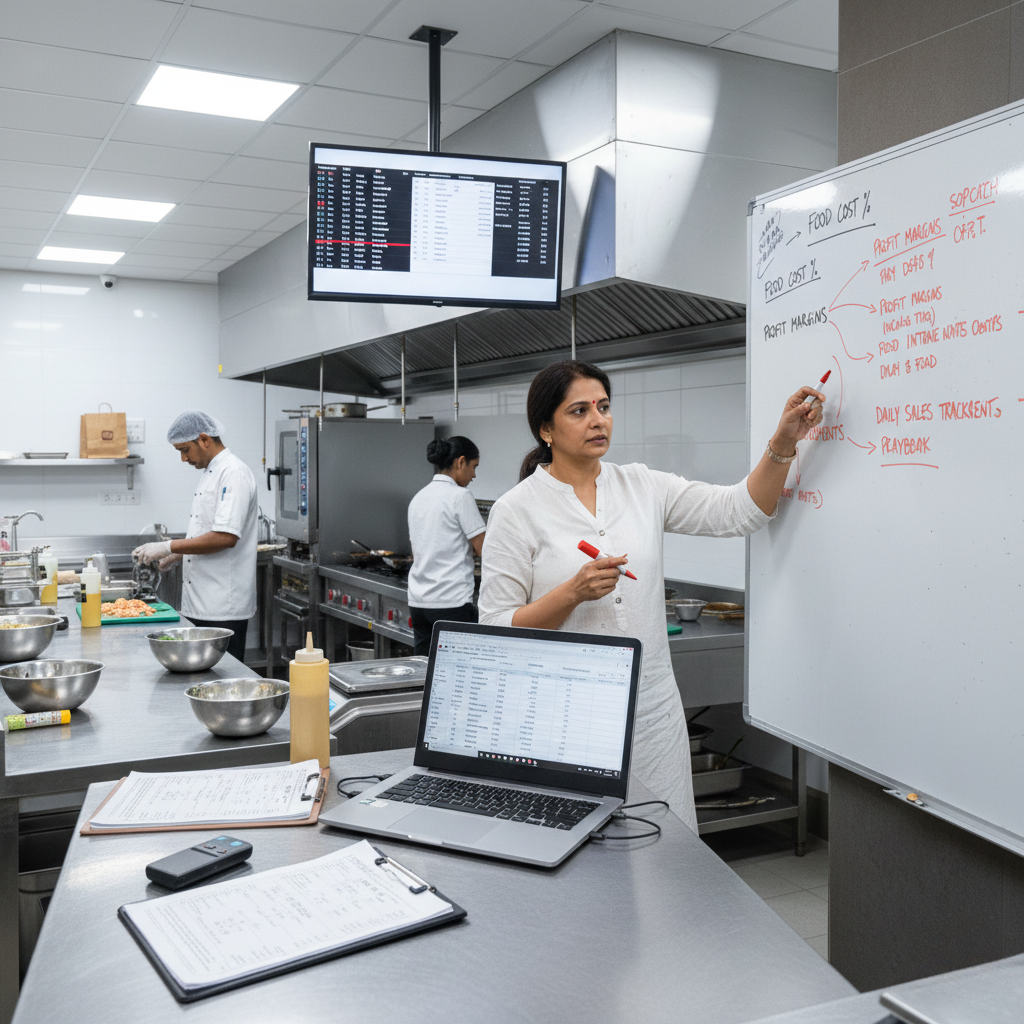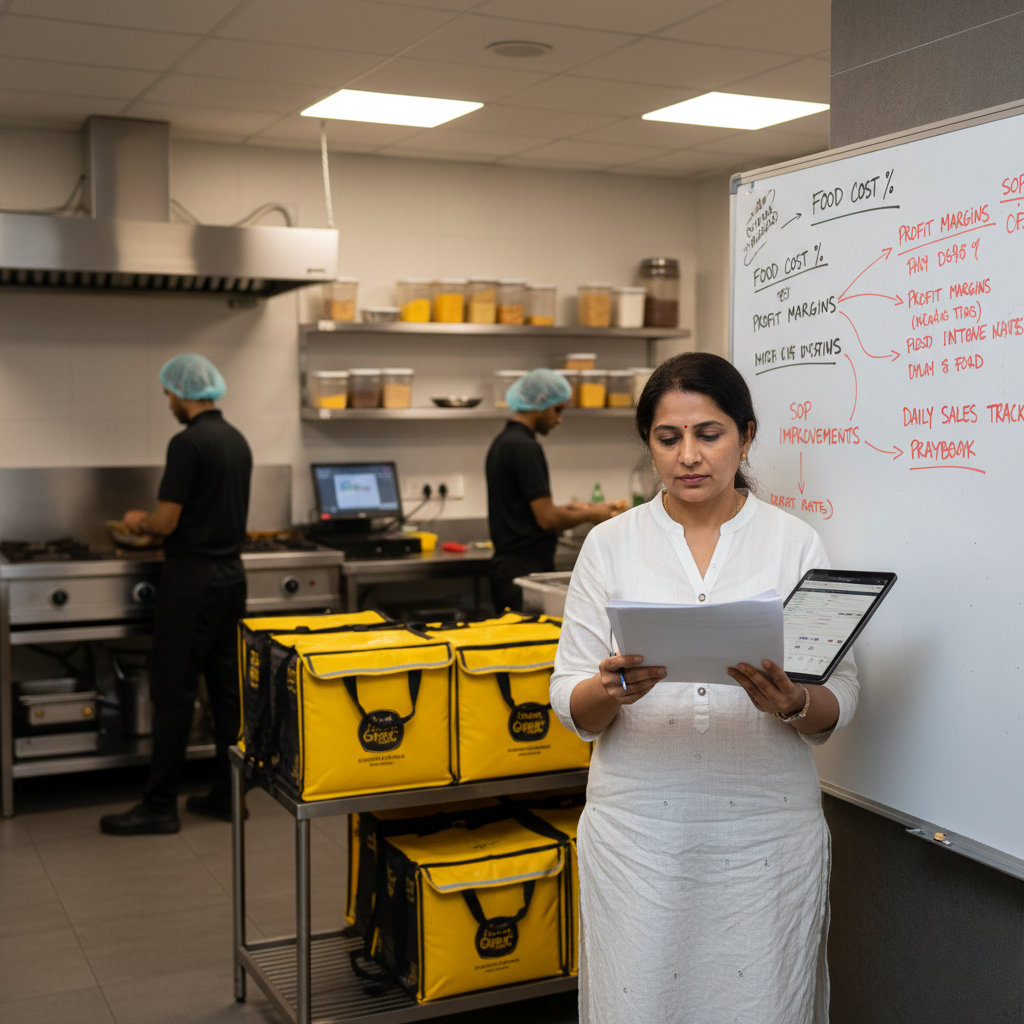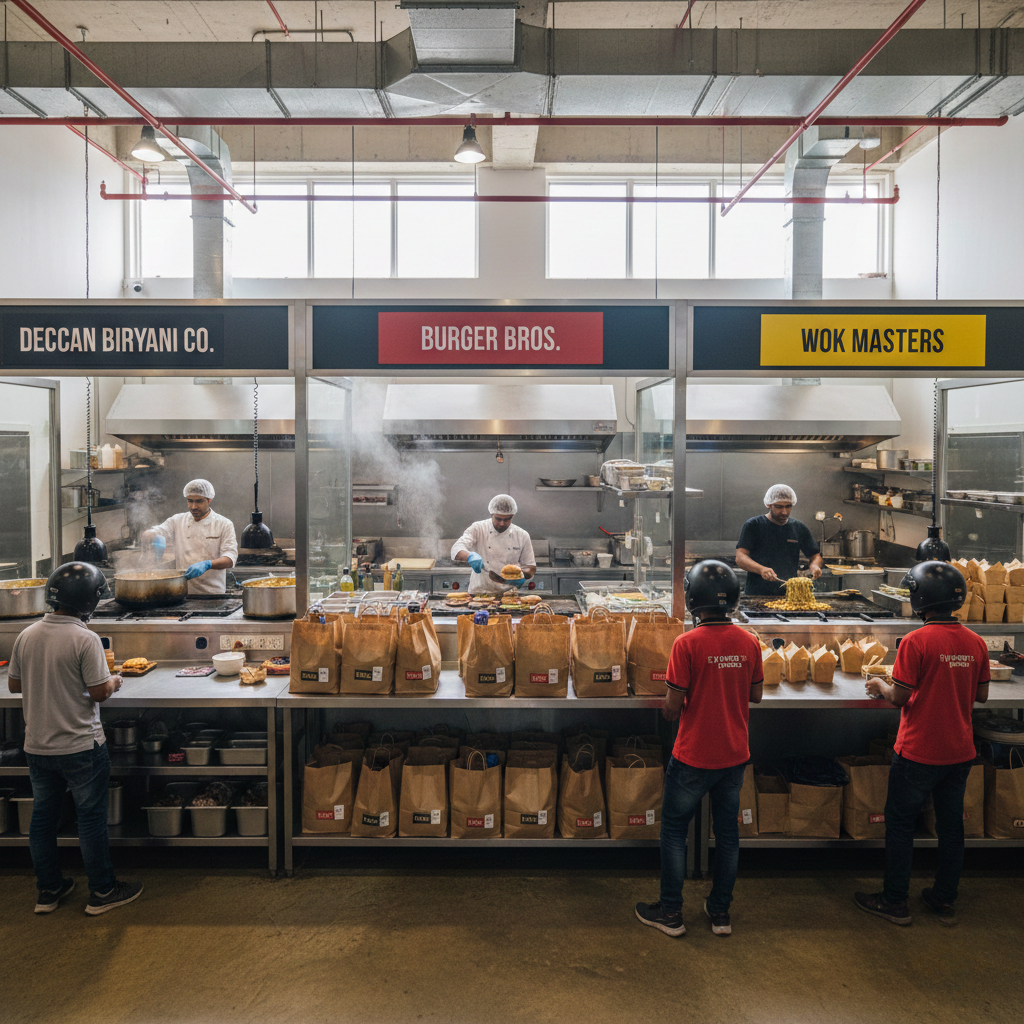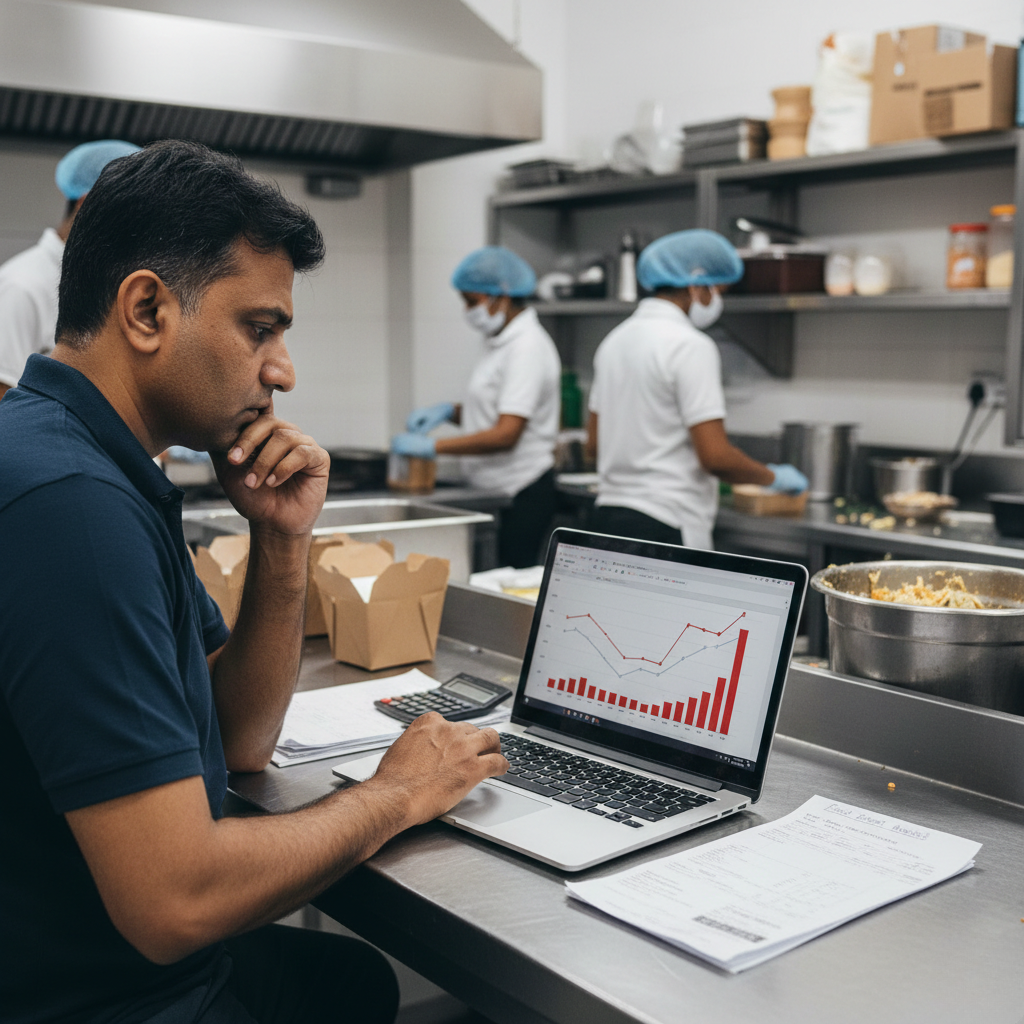
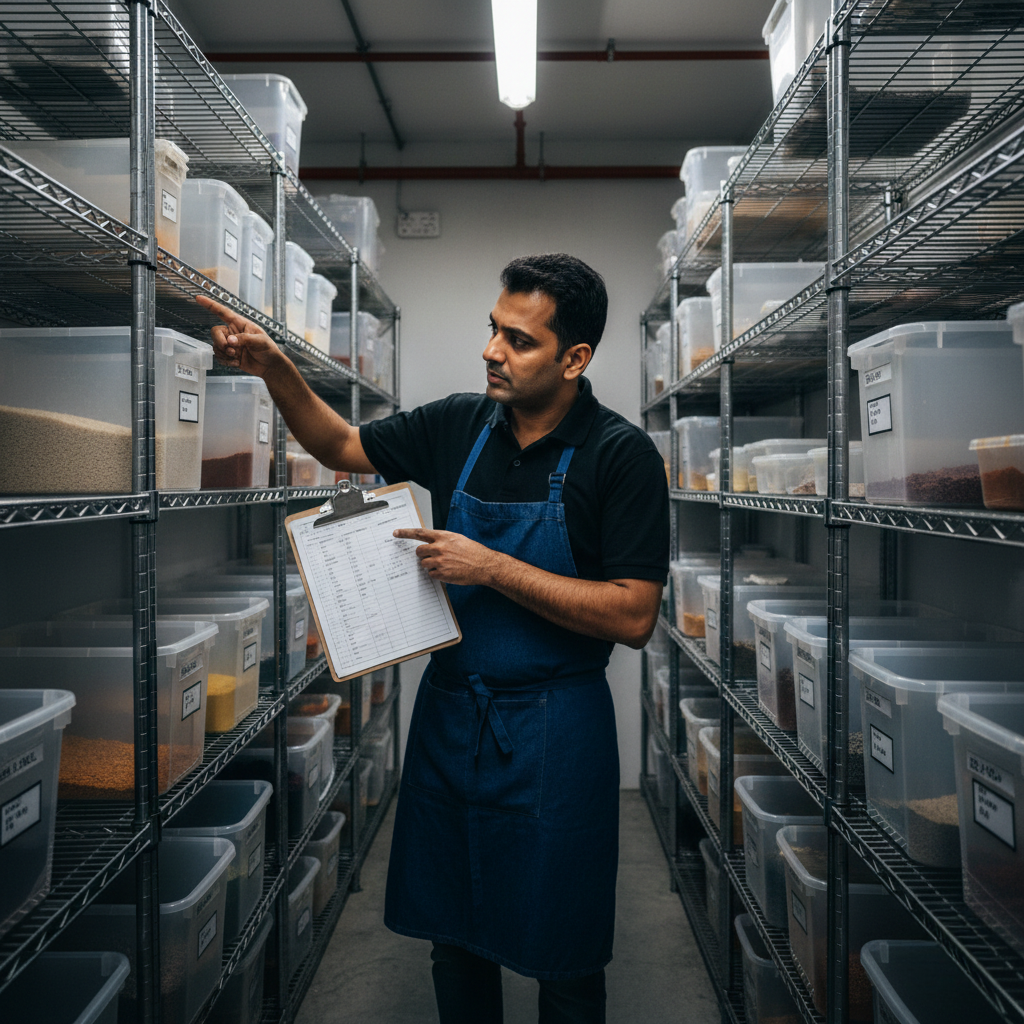
Cloud Kitchen Inventory Leakage Case Study-This case study documents how a multi-brand cloud kitchen identified and eliminated invisible inventory leakage after implementing CKaaS (Cloud Kitchen as a Service) systems. Despite steady order volume and stable food cost on paper, margins were shrinking quietly-an issue many founders face before realising its root cause, as discussed in Why My Cloud Kitchen Profits Are Declining.
Over a sixty-day period, the kitchen reduced unexplained inventory loss by more than fifty percent without changing vendors, renegotiating rates, or increasing stock audits. The improvement came entirely from execution discipline and system-led visibility, similar to approaches used when Fixing Cloud Kitchen Delays, Refunds, and Complaints.
Case Background
The kitchen operated three delivery-only brands from a single facility, processing between one hundred seventy and two hundred twenty orders per day. Swiggy and Zomato together accounted for the majority of sales. Customer ratings remained stable between 4.1 and 4.4.
On paper, inventory consumption appeared aligned with sales. However, month-end food cost numbers showed unexplained variance. This type of invisible leakage is commonly observed in kitchens that scale before stabilising internal systems, as explained in How to Stabilise Profits Before Scaling.
There were no major stock theft incidents, supplier shortages, or obvious wastage spikes. These symptoms strongly indicated weak inventory execution rather than procurement issues, similar to patterns outlined in Cloud Kitchen Without SOPs vs After SOP Implementation.
The Core Problem
The founder initially believed inventory leakage was either unavoidable or caused by minor theft. However, physical stock checks did not reveal significant discrepancies.
A deeper operational review revealed that leakage was occurring through small, repeated execution gaps-over-prepping, inaccurate batch yields, re-cooks, untracked staff consumption, and packing-related waste. This realisation mirrors what many founders experience when growth exposes system gaps, as described in When Growth Is Hurting Your Cloud Kitchen Operations.
Intervention: Inventory Leakage Audit
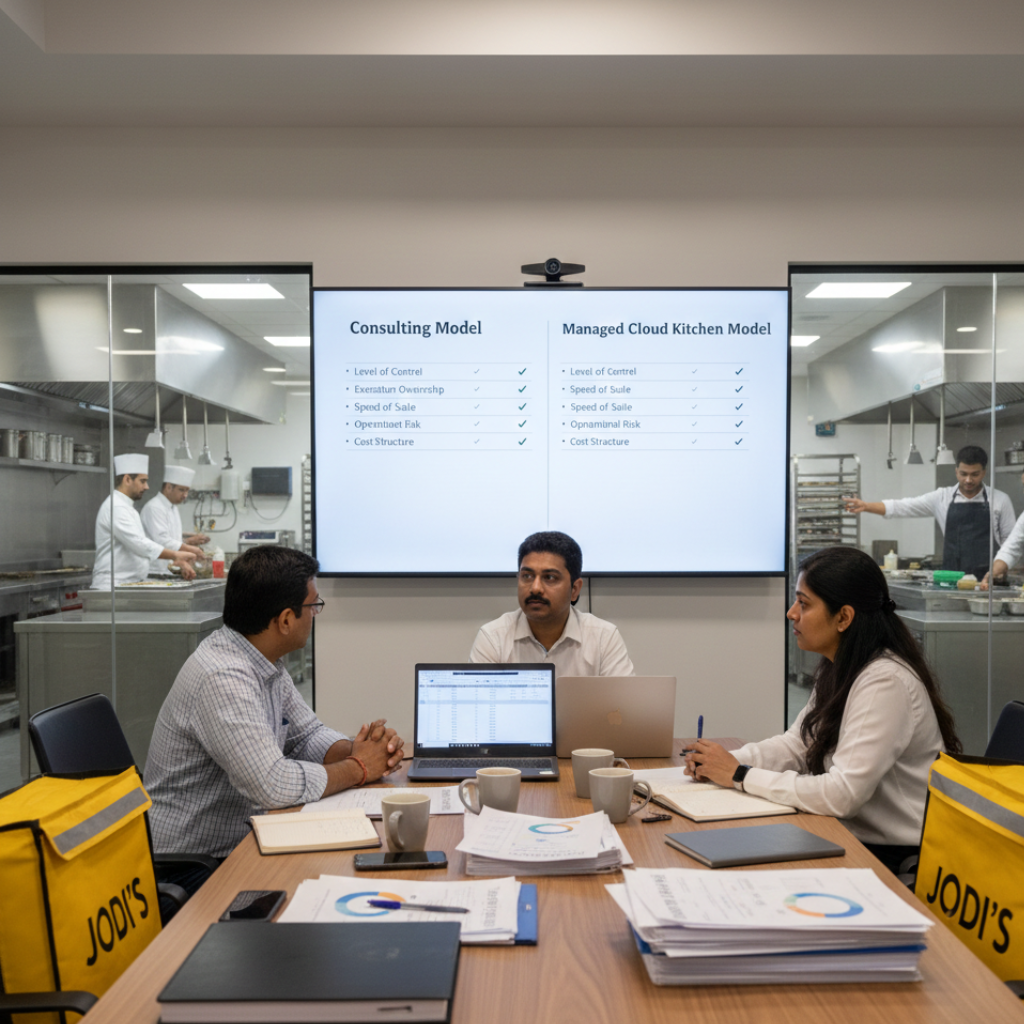
CKaaS began with a detailed thirty-day inventory leakage audit. Instead of focusing only on stock inward and outward, the audit tracked ingredient movement across prep, cooking, packing, and rework stages.
This diagnostic approach followed the same methodology used when analysing contribution margins in cloud kitchens, focusing on identifying controllable internal loss points.
The audit revealed that over seventy percent of inventory leakage occurred outside formal inventory records-through prep overages, yield loss, re-cooked orders, and unmonitored staff consumption.
Intervention: Identifying Inventory Breakdown Points
A step-by-step mapping of inventory flow was conducted-from raw material receipt to final order dispatch. Observations across multiple shifts exposed inconsistency in execution.
Prep quantities varied by individual judgment, excess batches were cooked “just in case,” and leftover food was not consistently logged. No single role owned inventory accuracy once items moved into production. These patterns are typical of founder-dependent kitchens before systems are introduced, as explained in Founder-Dependent Kitchen Converted Into System-Driven Operations.
Intervention: CKaaS Inventory Control Systems
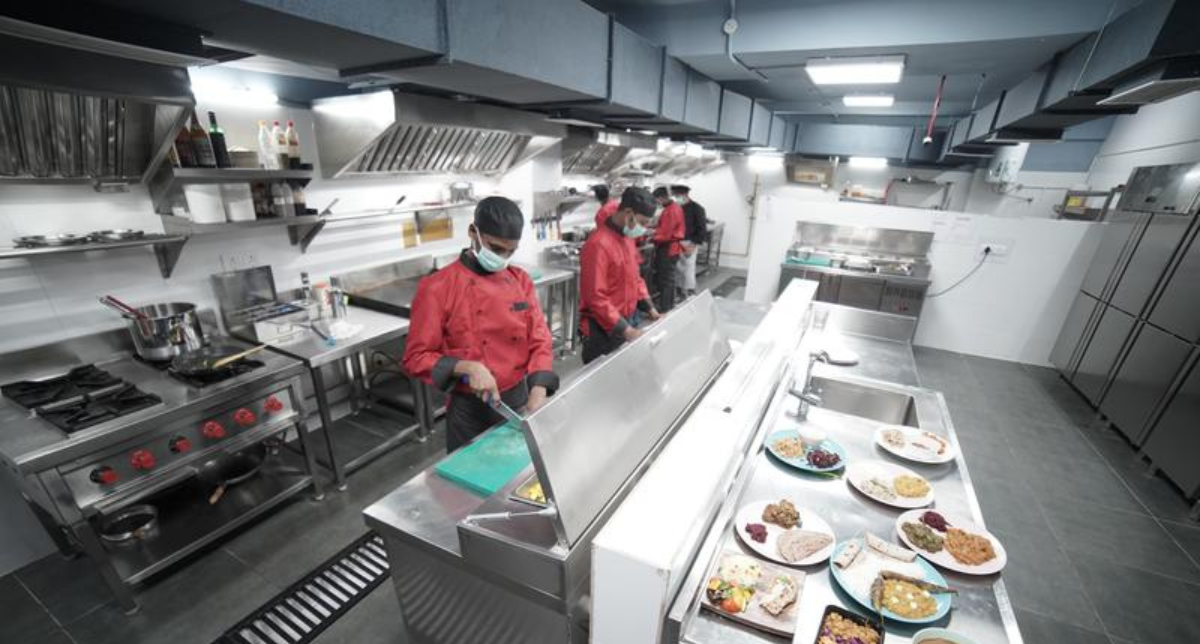
CKaaS introduced prep-level inventory SOPs with defined batch sizes, yield expectations, and usage tracking. High-variance ingredients received special monitoring.
Re-cook and wastage logging was standardised, ensuring losses were visible and actionable. These controls reinforced principles discussed in How SOPs Improve Cloud Kitchen Profitability.
Accountability was introduced at each handoff point, ensuring that repeated leakage patterns could be identified and corrected without blame.
Importantly, these systems were implemented without changing vendors, order quantities, or menu pricing.
Intervention: Shift-Level Inventory Discipline

Daily shift briefings included a short review of one inventory variance from the previous day. This followed discipline frameworks outlined in Daily Shift Planning for Cloud Kitchens.
Over time, staff became more conscious of inventory handling, reducing casual overuse and improving compliance without constant monitoring.
Outcome and Results
Within sixty days, unexplained inventory loss reduced by fifty-six percent. Food cost variance narrowed, re-cooks reduced significantly, and prep yields stabilised.
Contribution margins improved without impacting customer ratings or order fulfilment speed-proving that most inventory leakage is invisible until systems make it visible.
Key Case Study Takeaways
This case study demonstrates that inventory leakage is rarely caused by theft alone. It is usually the result of small execution gaps repeated daily. CKaaS systems convert inventory control from guesswork into a predictable, measurable process.
Related Case Studies and Reads
Readers exploring inventory and cost control also read:
Have Questions?
If you want deeper clarity on inventory control, CKaaS systems, or margin protection, detailed answers are available in the Grow Kitchen FAQs.
External References
To explore more insights on cloud kitchen systems and execution, visit