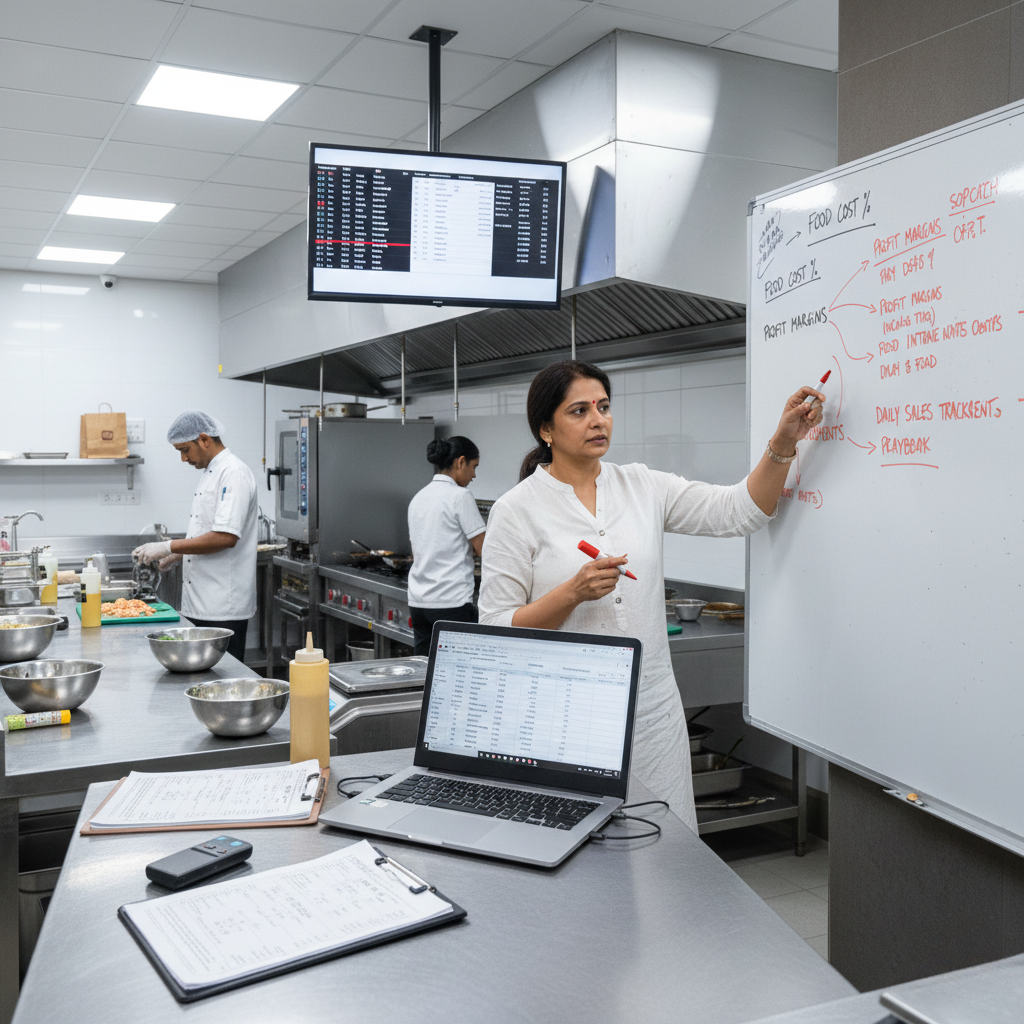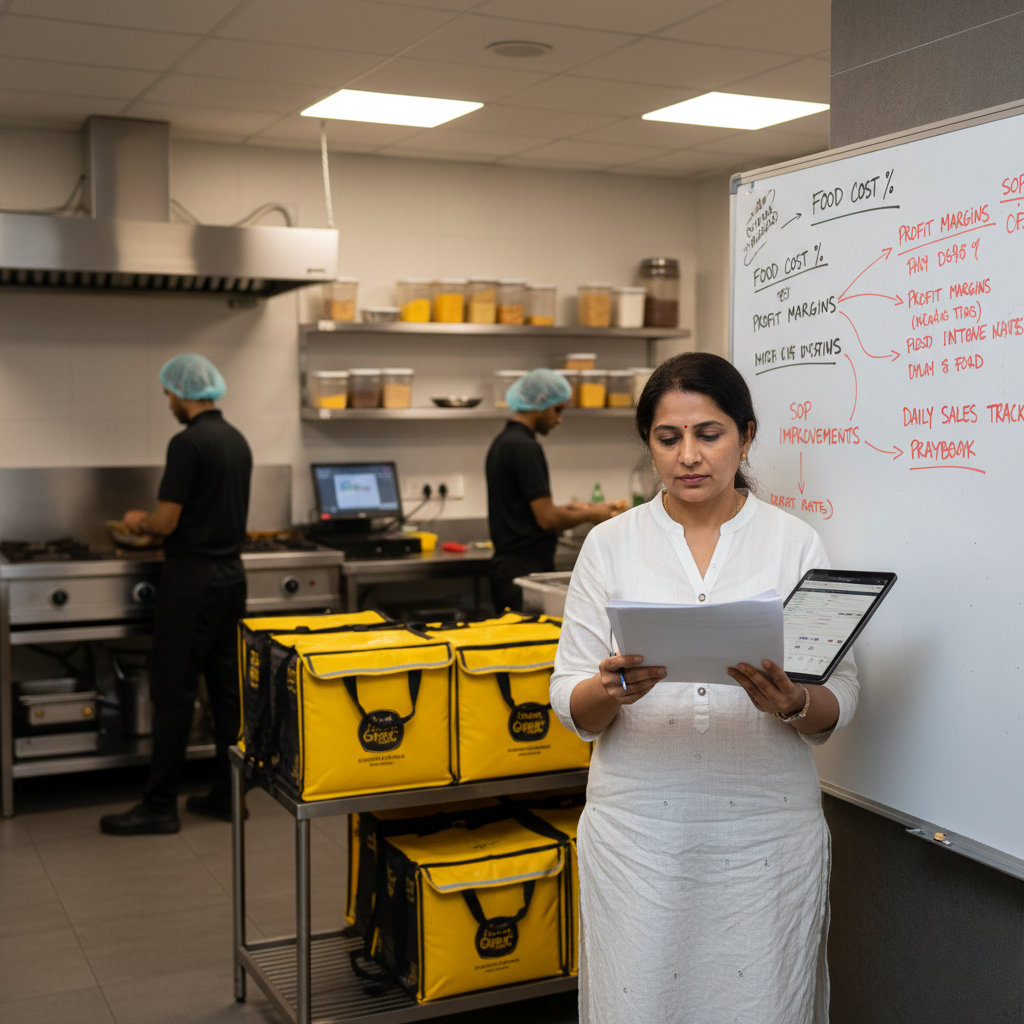
Cloud Kitchen Inventory Leakage Case Study — This case study documents how a multi-brand cloud kitchen identified and eliminated invisible inventory leakage using CKaaS systems.
Despite stable order volume and food cost on paper, margins were shrinking due to hidden operational losses. Over sixty days, the kitchen significantly reduced inventory leakage without changing vendors or pricing.
Cloud Kitchen Inventory Leakage Case Study: Case Background
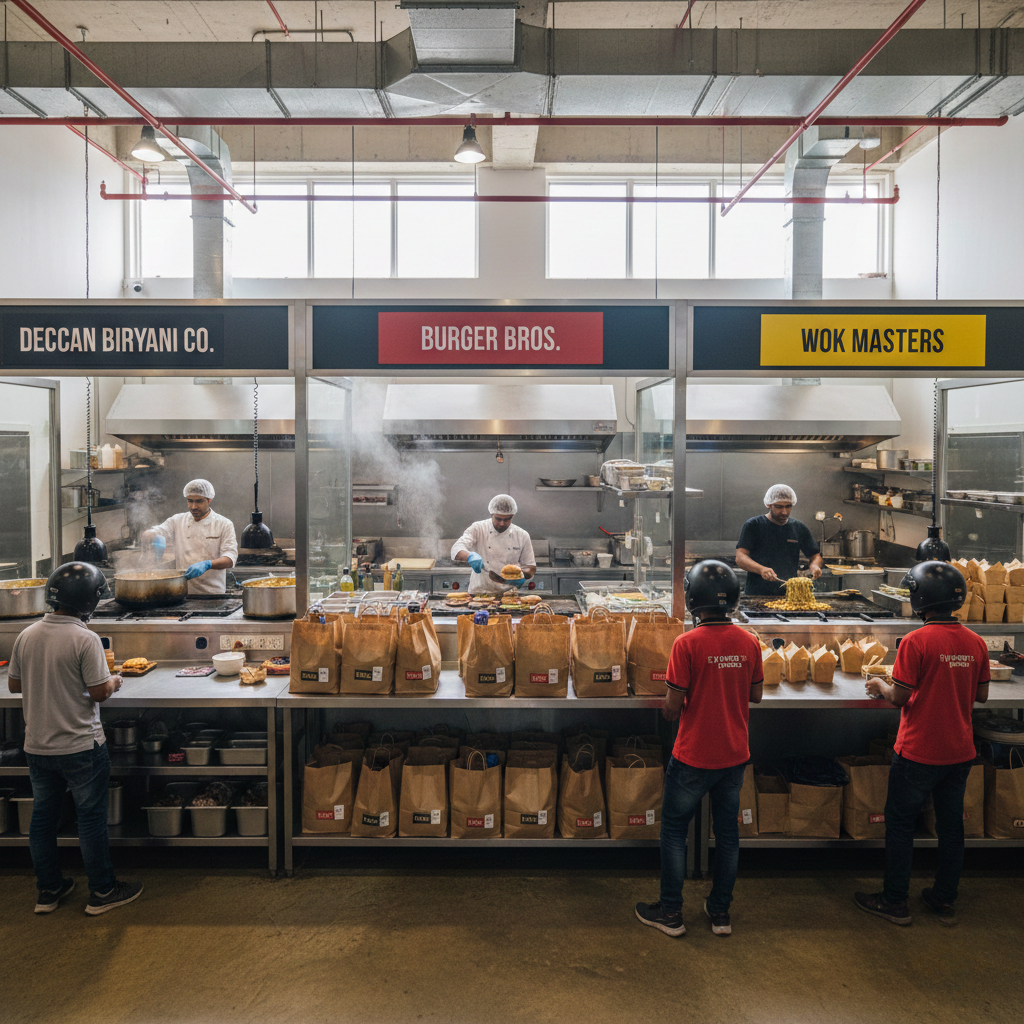
The kitchen operated three delivery-only brands from a single facility, processing between one hundred seventy and two hundred twenty orders daily.
Inventory usage appeared normal on reports, but month-end food cost showed unexplained variance.
This Cloud Kitchen Inventory Leakage Case Study highlights how invisible losses impact profitability in growing kitchens.
Cloud Kitchen Inventory Leakage Case Study: The Core Problem
The founder initially assumed leakage was due to minor theft or unavoidable wastage.
However, deeper analysis revealed that repeated small execution gaps caused most losses.
These gaps were not visible in standard reports, making them difficult to detect without structured systems.
Intervention: Inventory Leakage Audit
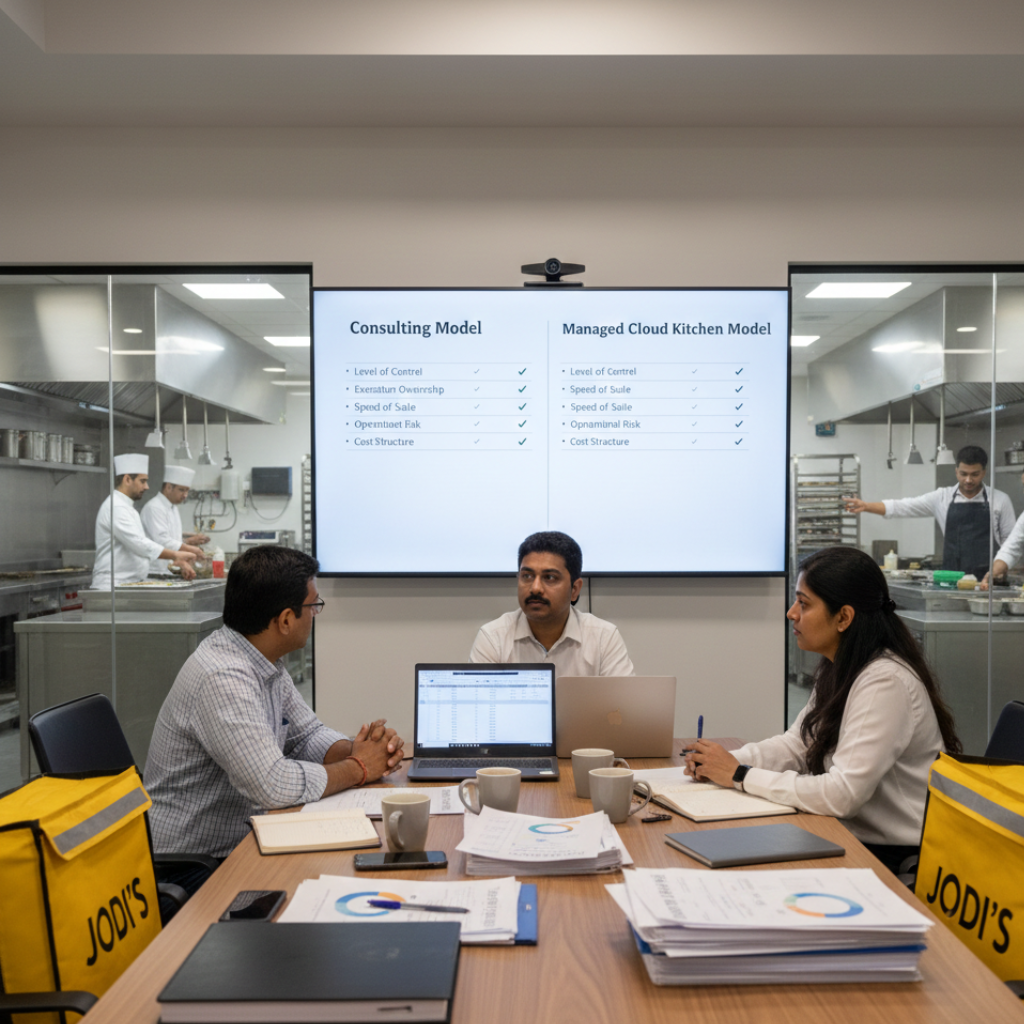
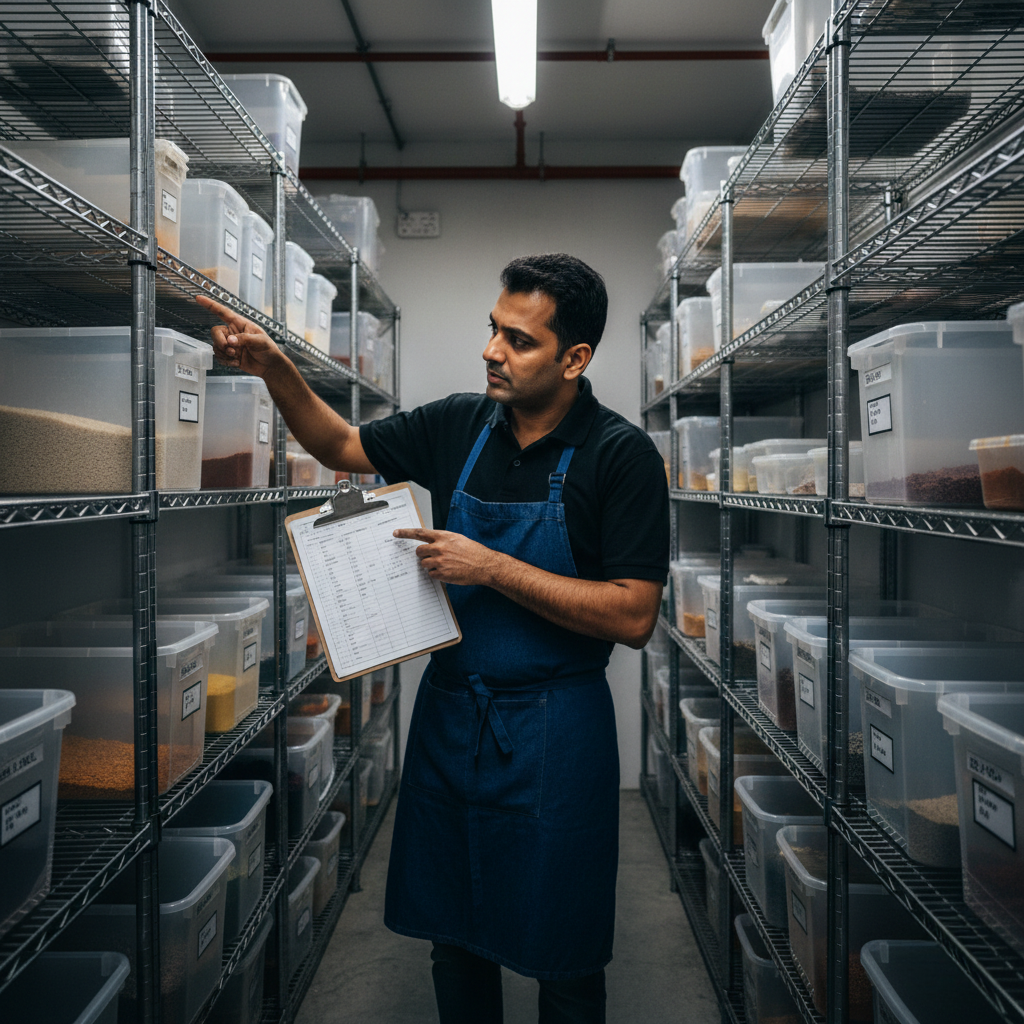
CKaaS conducted a detailed audit tracking ingredient flow across prep, cooking, and packing stages.
The audit revealed that most leakage occurred outside formal inventory records.
Daily usage patterns showed inconsistency across shifts, highlighting lack of standardisation.
Intervention: Identifying Breakdown Points
Inventory inconsistency was found in prep quantities, batch yields, and leftover handling.
Staff decisions varied across shifts, leading to uncontrolled usage and wastage.
No single role was accountable for tracking losses once ingredients entered production.
Cloud Kitchen Inventory Leakage Case Study: CKaaS Control Systems
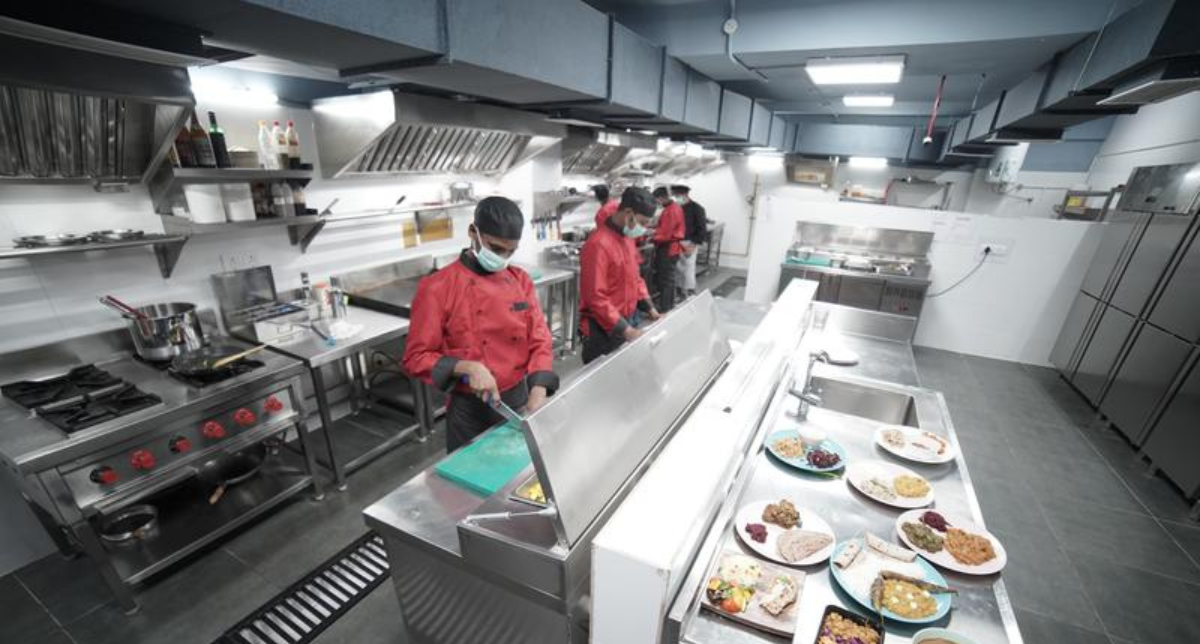
CKaaS introduced batch-level SOPs, yield tracking, and wastage logging systems.
Each step in the process was linked to measurable inventory outcomes.
Accountability was introduced across roles, ensuring consistent execution.
Operational Insight: Why Inventory Leakage Happens
Inventory leakage is rarely caused by theft alone. It usually results from repeated small inefficiencies.
Over-prepping, inaccurate yields, and untracked consumption create invisible loss.
These losses are difficult to detect without linking operations to inventory tracking.
This Cloud Kitchen Inventory Leakage Case Study shows that visibility is the foundation of control.
Operational Insight: How Systems Improve Inventory Control
System-driven inventory management ensures that every ingredient is tracked from purchase to consumption.
When batch sizes and yields are predefined, variability reduces significantly across shifts and staff.
Daily tracking allows teams to identify deviations early and correct them before they impact overall cost.
Over time, this creates a predictable inventory system where usage aligns closely with sales volume.
This improves planning accuracy, reduces waste, and ensures procurement decisions are based on real data instead of assumptions.
Intervention: Shift-Level Inventory Discipline

Daily shift reviews focused on one inventory deviation from the previous day.
This improved awareness and ensured consistent SOP adherence across teams.
Teams gradually developed discipline in handling ingredients, reducing casual wastage.
Outcome and Results
Within sixty days, inventory loss reduced significantly and became measurable and controllable.
Food cost stabilised and contribution margins improved.
The kitchen gained confidence in its numbers, enabling better decision-making and future scaling.
Key Takeaways
Inventory leakage is a system problem, not a supply problem.
This Cloud Kitchen Inventory Leakage Case Study proves that structured tracking drives profitability.
Related Case Studies and Reads
- How to Fix a Loss-Making Cloud Kitchen
- Why Discounts Are Not Solving Your Profit Problem
- From 50 Orders to 300 Orders: Operations Scaling Guide
- Standardizing Kitchen Execution Across Shifts
Have Questions?
If you want deeper clarity on inventory control, visit Grow Kitchen FAQs.