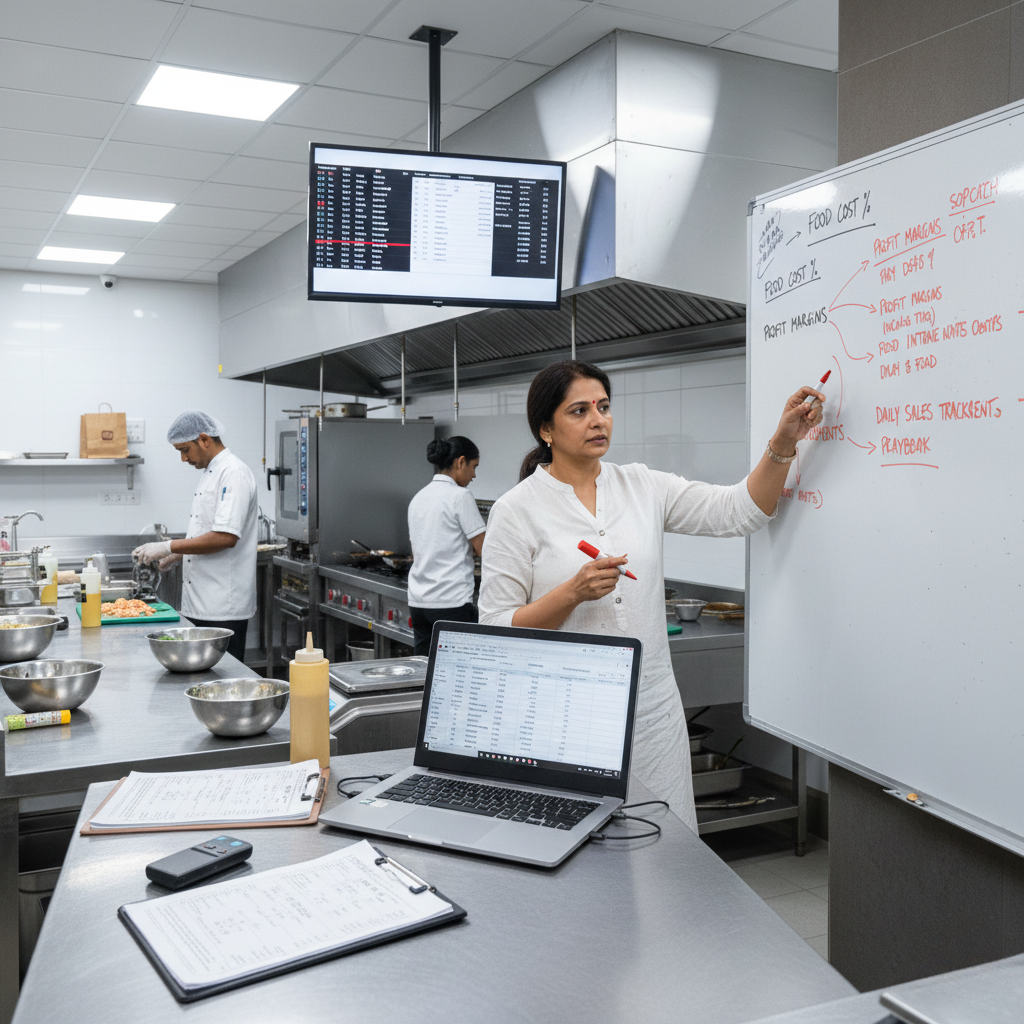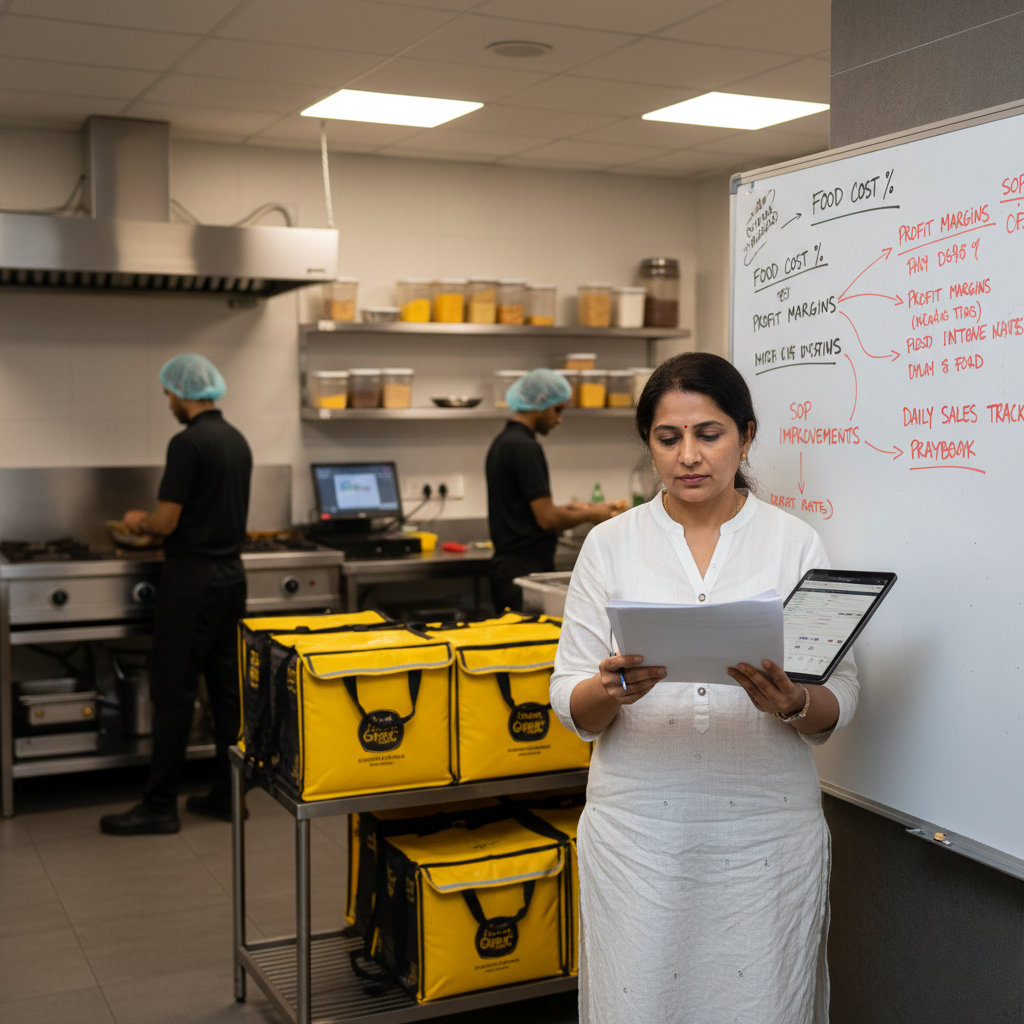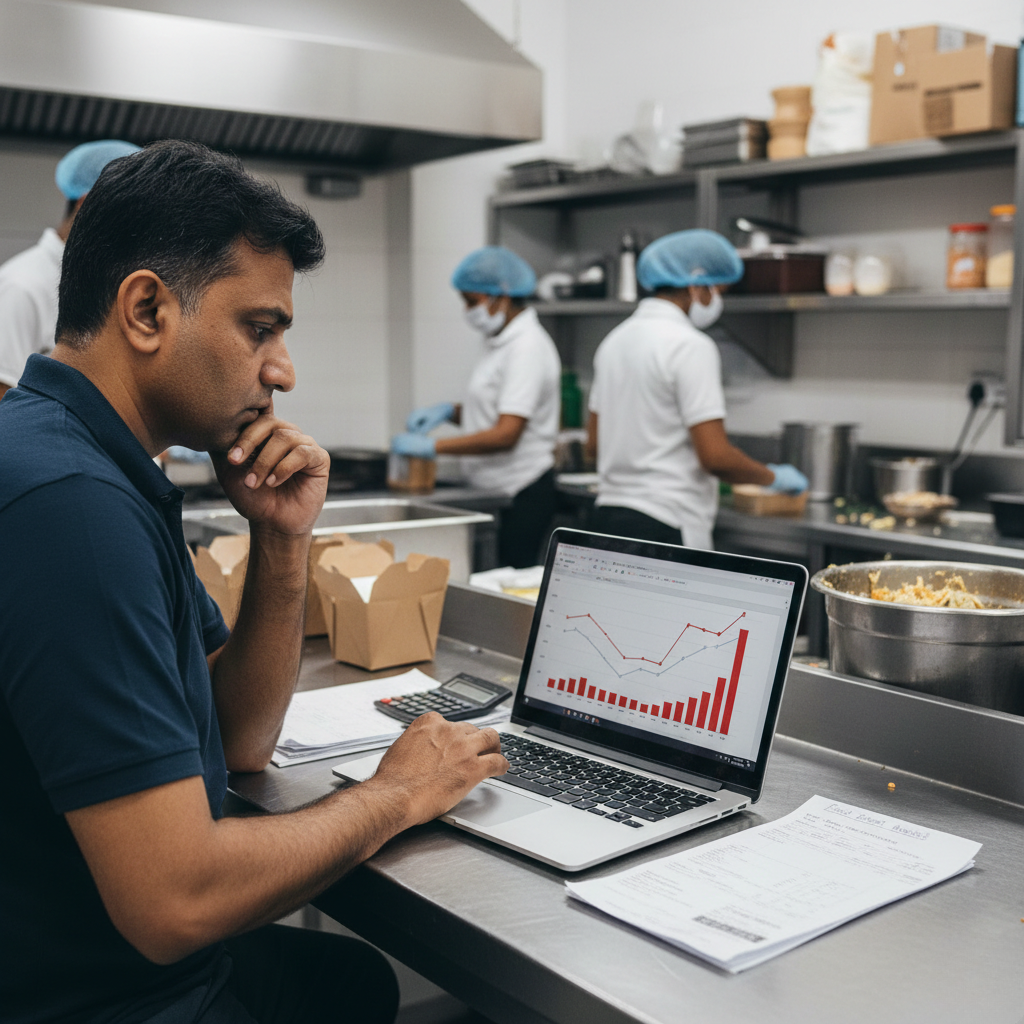

Cloud Kitchen Customer Complaints Case Study-This case study documents how a growing cloud kitchen significantly reduced customer complaints after implementing CKaaS (Cloud Kitchen as a Service) systems. Prior to intervention, complaints were increasing despite stable ratings and order volume, quietly damaging brand trust and operational efficiency-an issue many founders experience, as discussed in Why My Cloud Kitchen Profits Are Declining.
Over a seventy-five day period, customer complaints dropped by more than fifty percent without any changes to menu items, pricing, or discounting. The improvement came entirely from execution clarity, SOP discipline, and system-driven operations-similar to results seen when Fixing Cloud Kitchen Delays, Refunds, and Complaints.
Case Background
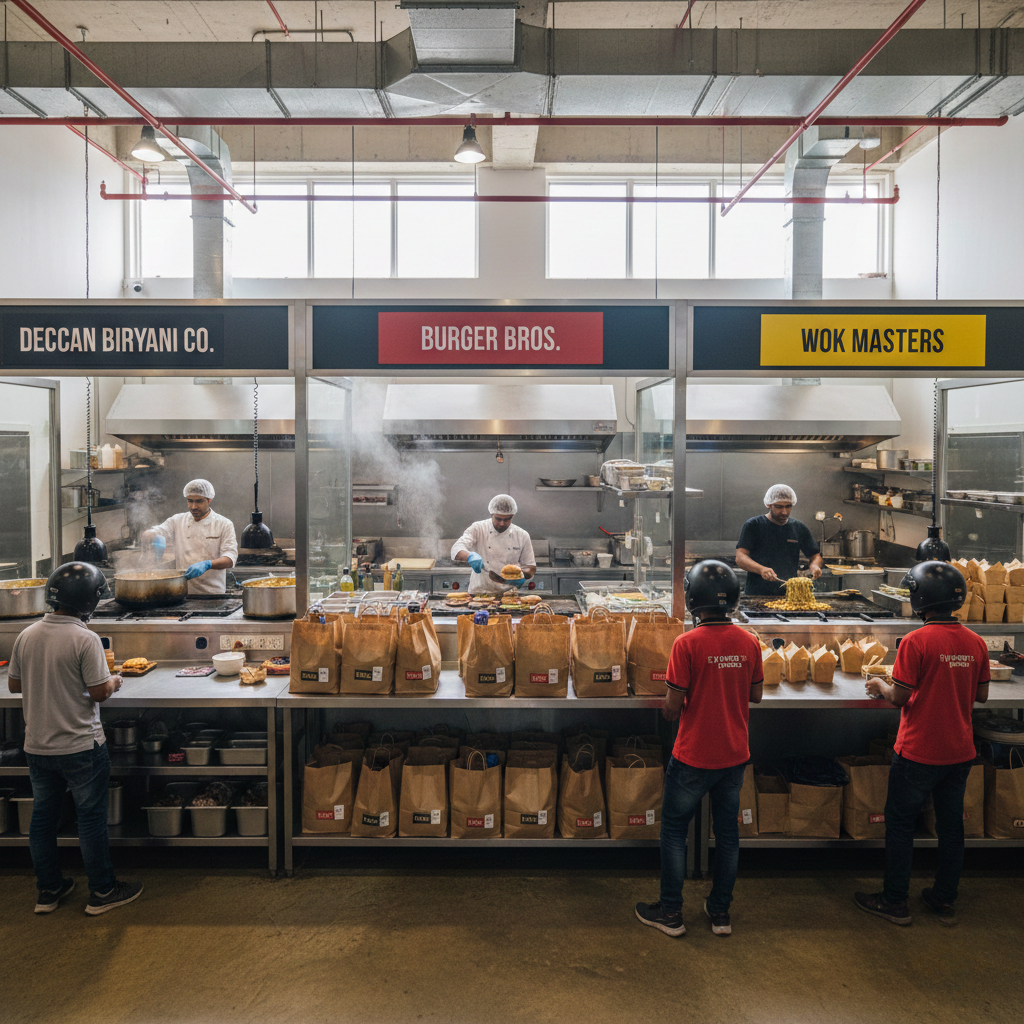
The kitchen operated three delivery-only brands from a single facility, processing between one hundred ninety and two hundred forty orders per day. Swiggy and Zomato together accounted for the majority of revenue. Customer ratings remained between 4.1 and 4.4, masking deeper operational stress.
Despite acceptable ratings, complaint volume continued to rise steadily. Complaints ranged from delayed orders and missing items to inconsistent food quality on delivery. These issues are commonly seen in kitchens that grow order volume before stabilising internal systems, as explained in How to Stabilise Profits Before Scaling.
Complaint patterns strongly indicated execution failures rather than food quality issues. Similar symptoms are often observed in kitchens operating without strong SOP frameworks, as outlined in Cloud Kitchen Without SOPs vs After SOP Implementation.
The Core Problem
The founder initially assumed customer complaints were unavoidable at higher order volumes or caused by customer behaviour. However, deeper analysis revealed that most complaints stemmed from repeatable operational breakdowns rather than isolated incidents.
This realisation reflects a common shift founders experience when growth begins exposing system weaknesses, as described in When Growth Is Hurting Your Cloud Kitchen Operations.
Intervention: Complaint Pattern Audit
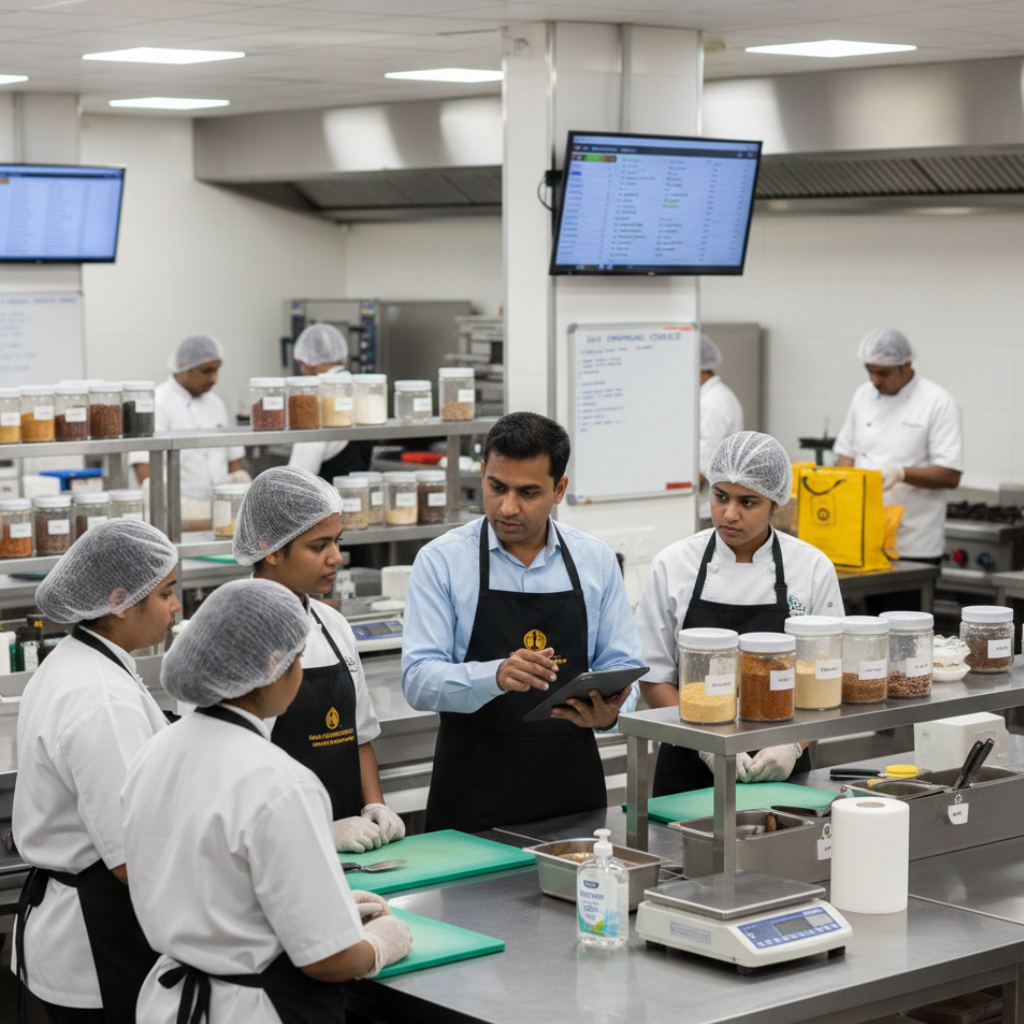
CKaaS began with a structured audit of sixty days of customer complaints across platforms. Each complaint was manually reviewed and mapped to the exact point of failure within the operation instead of relying only on platform-level tags.
This diagnostic method followed the same approach used when analysing contribution margins in cloud kitchens, focusing on identifying controllable internal failures.
The audit revealed that nearly seventy percent of complaints were linked to late preparation, packing errors, missing items, and poor shift coordination-issues entirely within the kitchen’s control.
Intervention: Identifying Complaint Trigger Points
A full order journey mapping exercise was conducted to track where complaints were originating. Observations across multiple shifts revealed inconsistent execution between teams.
Prep timelines varied by shift, packing practices differed by individual, and no single role owned complaint prevention. Once an order crossed a delay threshold, intervention was reactive rather than preventive. These patterns are typical in founder-dependent kitchens, as explained in Founder-Dependent Kitchen Converted Into System-Driven Operations.
Intervention: CKaaS Systems Implementation
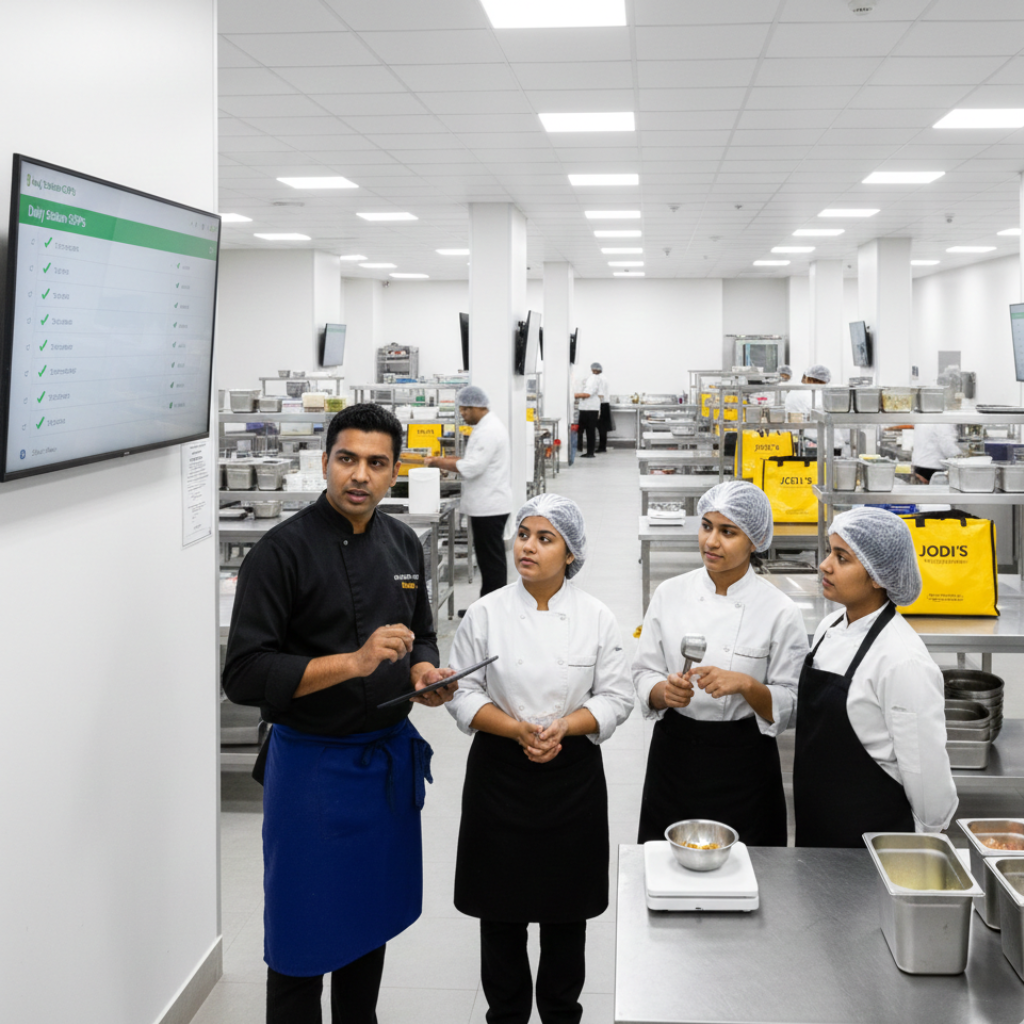
CKaaS introduced role-based SOPs covering order acceptance, prep pacing, packing verification, and rider handoff. Each role had defined responsibilities with clear escalation points.
Visual SOPs were placed at critical stations to ensure consistency across brands and shifts. This reinforced execution clarity in line with practices discussed in How SOPs Improve Cloud Kitchen Profitability.
Packing verification steps were formalised, including add-on checks and seal accountability. Orders approaching SLA breach triggered early intervention rather than post-facto resolution.
Importantly, these systems were implemented without changing menu items, pricing, or customer-facing platform settings.
Intervention: Shift-Level Discipline
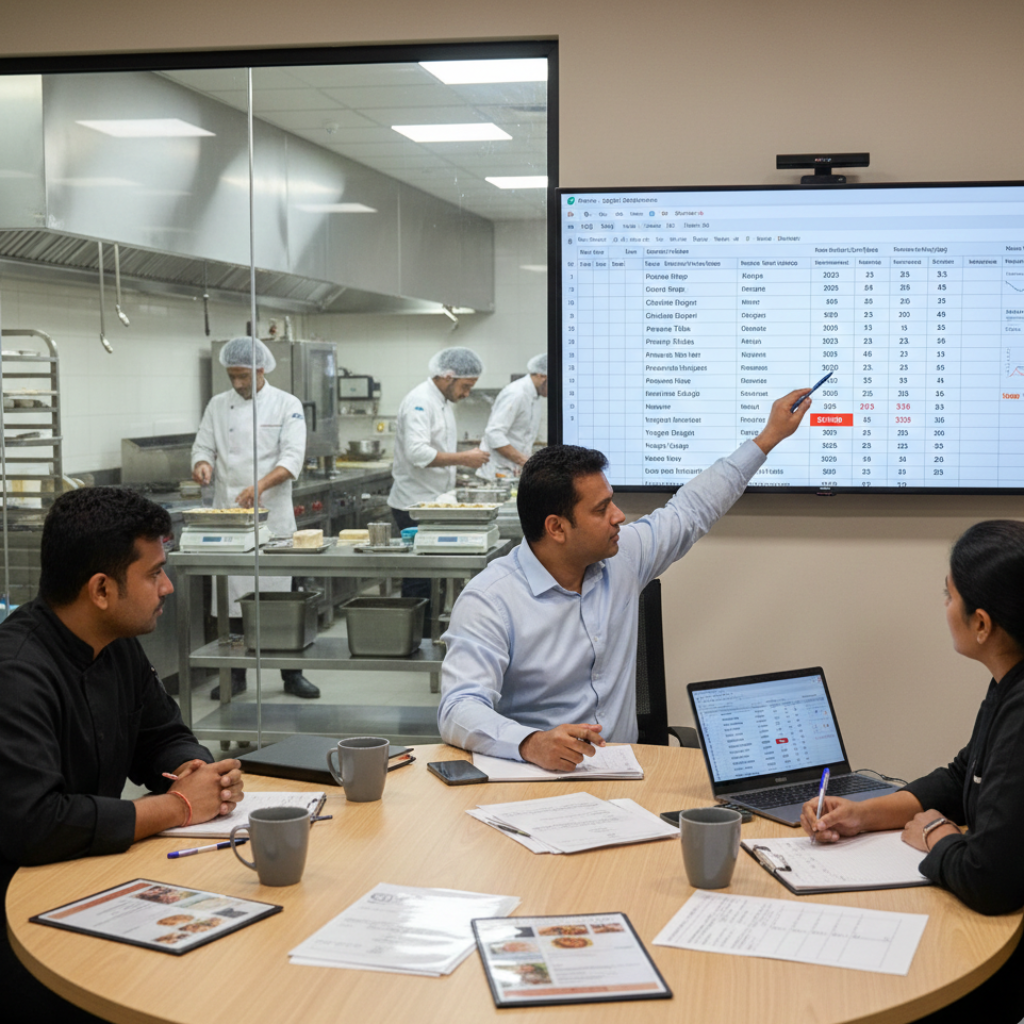
CKaaS introduced daily shift-level reviews where one complaint from the previous day was discussed briefly before service. This followed principles outlined in Daily Shift Planning for Cloud Kitchens.
Over time, teams began proactively preventing issues rather than reacting to complaints. Staff clearly understood how execution gaps translated directly into customer dissatisfaction.
Outcome and Results
Within seventy-five days, total customer complaints reduced by fifty-four percent. Delay-related complaints dropped sharply, packing-related complaints reduced significantly, and repeat complaint patterns nearly disappeared.
Brand ratings stabilised and began trending upward without any changes to food or pricing. Operational predictability improved, reducing stress on both staff and management.
Key Case Study Takeaways
This case study shows that customer complaints are rarely random. They are signals of system gaps. CKaaS systems help kitchens shift from reactive firefighting to preventive execution, improving customer experience without relying on discounts, menu changes, or increased supervision.
Related Case Studies and Reads
Readers exploring similar operational improvements also read:
Have Questions?
If you want deeper clarity on CKaaS systems, complaint control, or operational execution, detailed answers are available in the Grow Kitchen FAQs.
External References
To explore more insights on cloud kitchen systems and execution, visit: