
Cloud Kitchen Customer Complaints Case Study — This case study documents how a growing cloud kitchen significantly reduced customer complaints after implementing CKaaS (Cloud Kitchen as a Service) systems. Prior to intervention, complaints were increasing despite stable ratings and order volume, quietly damaging brand trust and operational efficiency—an issue many founders experience, as discussed in Why My Cloud Kitchen Profits Are Declining.
Over a seventy-five day period, customer complaints dropped by more than fifty percent without any changes to menu items, pricing, or discounting. The improvement came entirely from execution clarity, SOP discipline, and system-driven operations—similar to results seen when Fixing Cloud Kitchen Delays, Refunds, and Complaints.
Cloud Kitchen Customer Complaints Case Study: Case Background
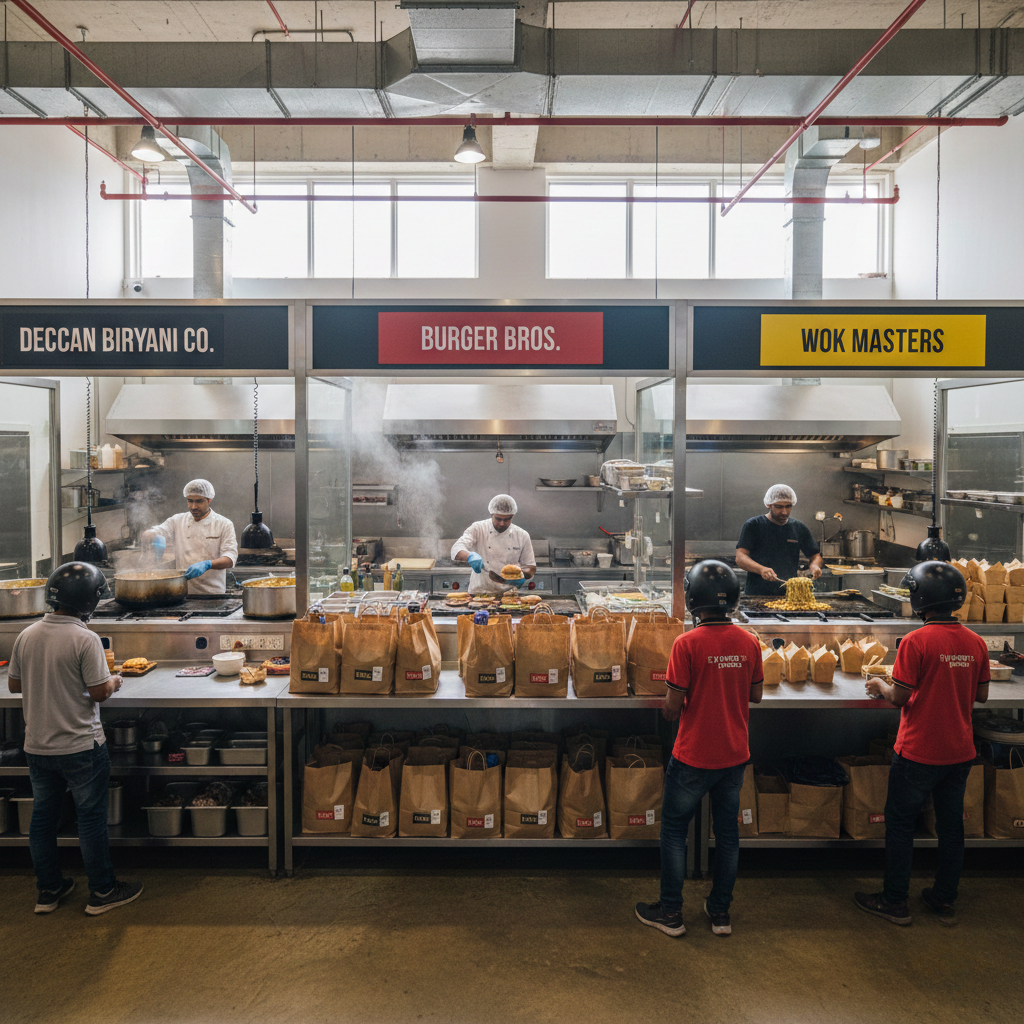
The kitchen operated three delivery-only brands from a single facility, processing between one hundred ninety and two hundred forty orders per day. Swiggy and Zomato together accounted for the majority of revenue. Customer ratings remained between 4.1 and 4.4, masking deeper operational stress.
Despite acceptable ratings, complaint volume continued to rise steadily. Complaints ranged from delayed orders and missing items to inconsistent food quality on delivery. These issues are commonly seen in kitchens that grow order volume before stabilising internal systems, as explained in How to Stabilise Profits Before Scaling.
Cloud Kitchen Customer Complaints Case Study: The Core Problem
The founder initially assumed customer complaints were unavoidable at higher order volumes or caused by customer behaviour. However, deeper analysis revealed that most complaints stemmed from repeatable operational breakdowns rather than isolated incidents.
This realisation reflects a common shift founders experience when growth begins exposing system weaknesses, as described in When Growth Is Hurting Your Cloud Kitchen Operations.
Cloud Kitchen Customer Complaints Case Study: Complaint Pattern Audit
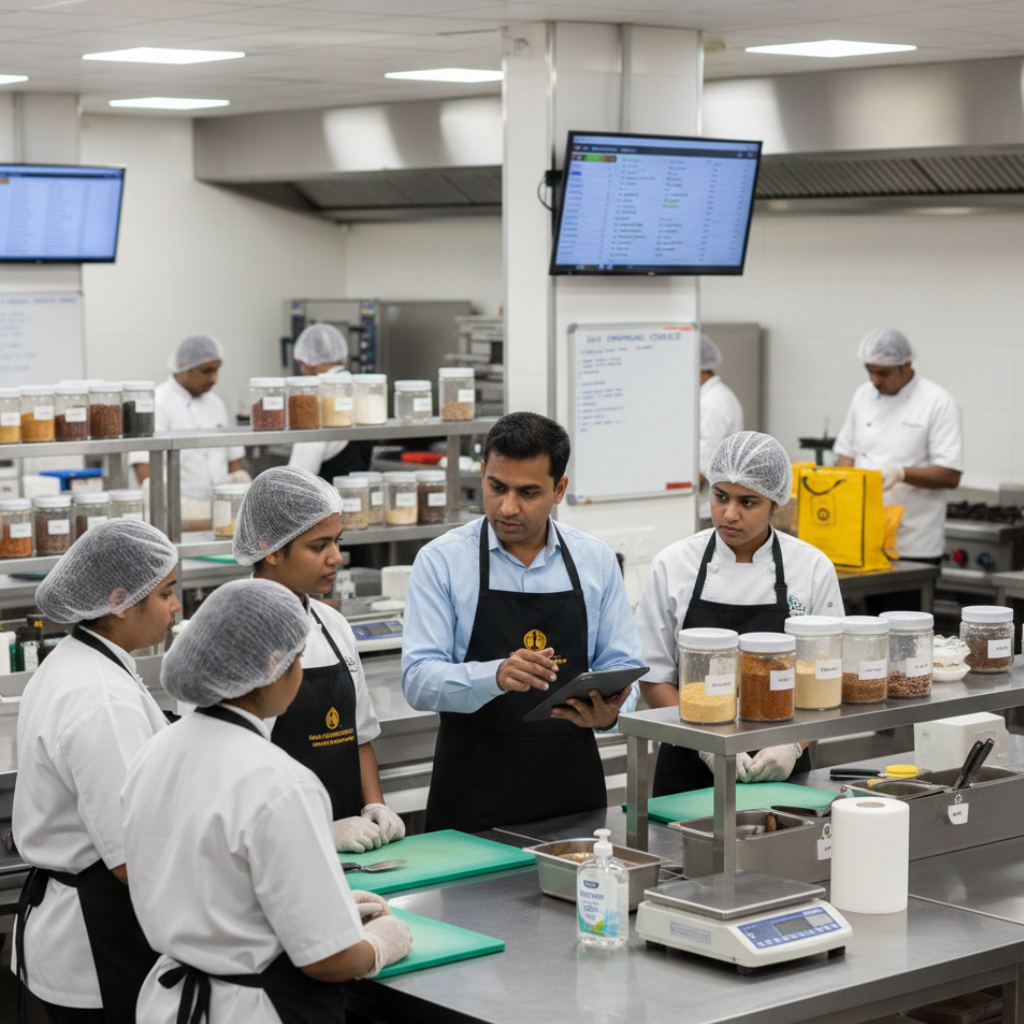
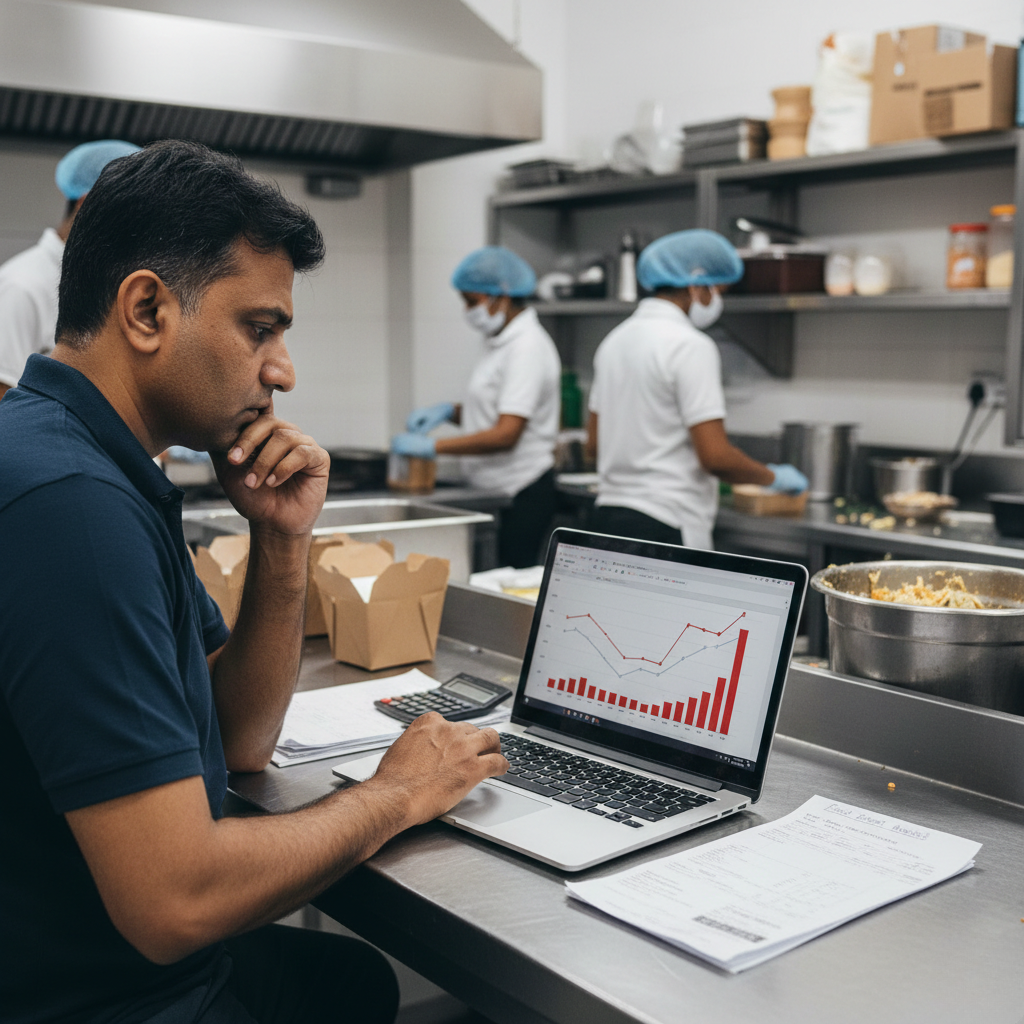
CKaaS began with a structured audit of sixty days of customer complaints across platforms. Each complaint was mapped to the exact operational failure point instead of relying only on platform-level tags.
The audit revealed that nearly seventy percent of complaints were linked to late preparation, packing errors, missing items, and poor coordination—issues fully within operational control.
Cloud Kitchen Customer Complaints Case Study: Identifying Trigger Points
A full order journey mapping exercise was conducted to track where complaints originated. Observations showed inconsistency across shifts, unclear ownership, and reactive decision-making.
These patterns are typical in founder-dependent kitchens, as explained in Founder-Dependent Kitchen Converted Into System-Driven Operations.
Cloud Kitchen Customer Complaints Case Study: CKaaS Systems Implementation
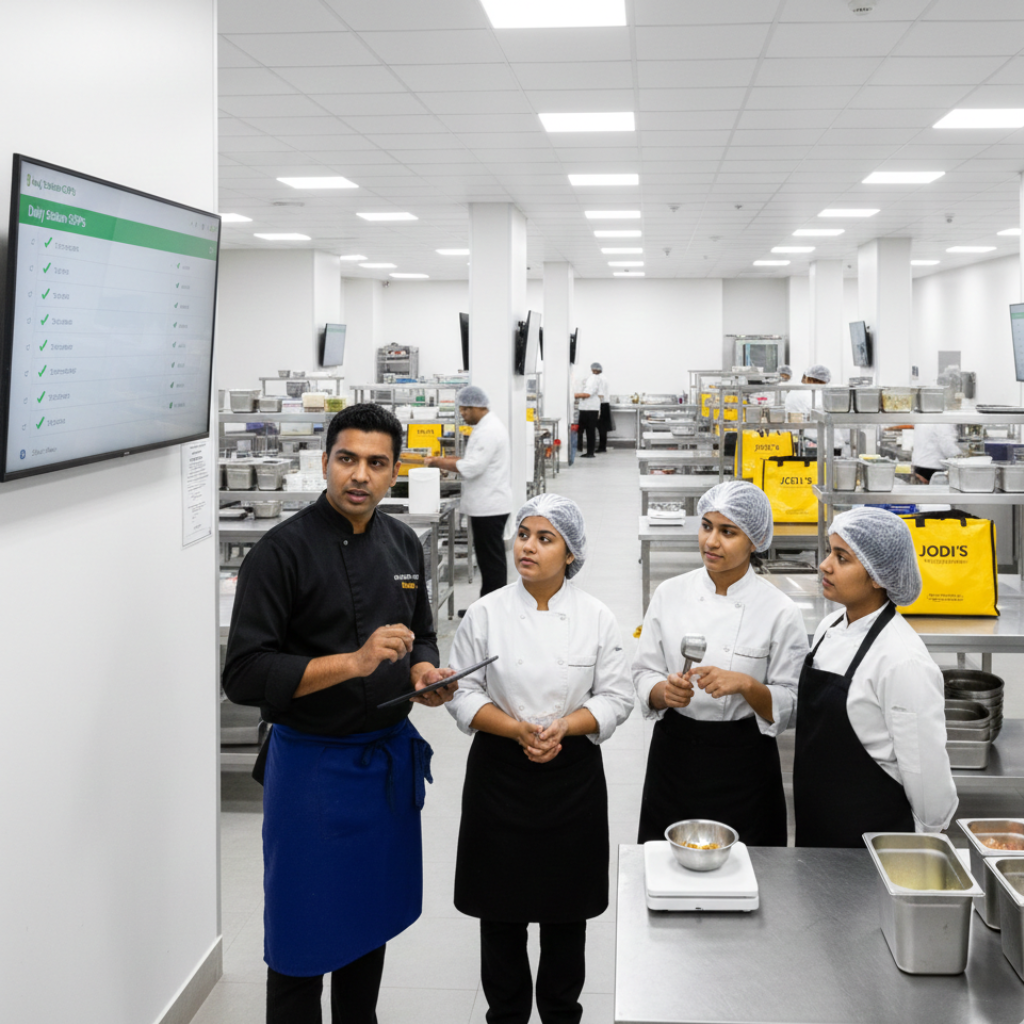
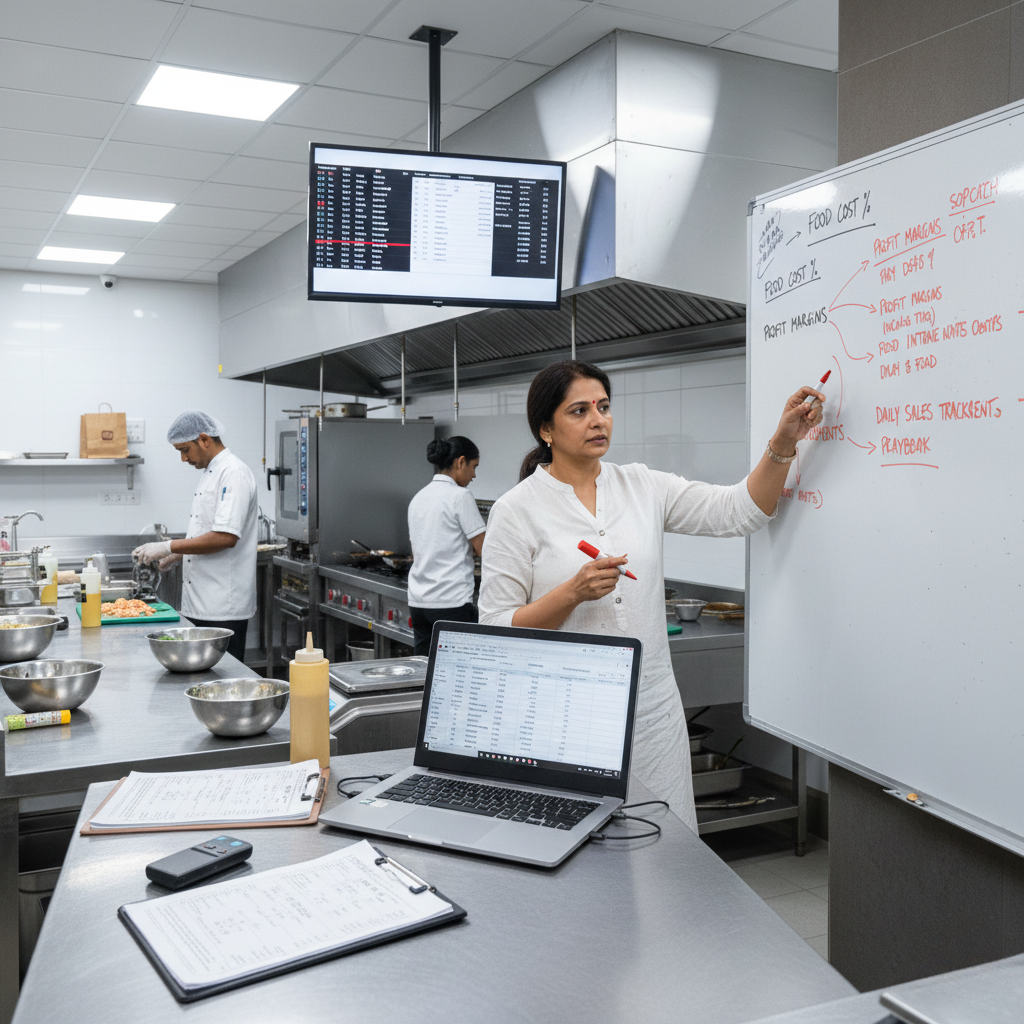
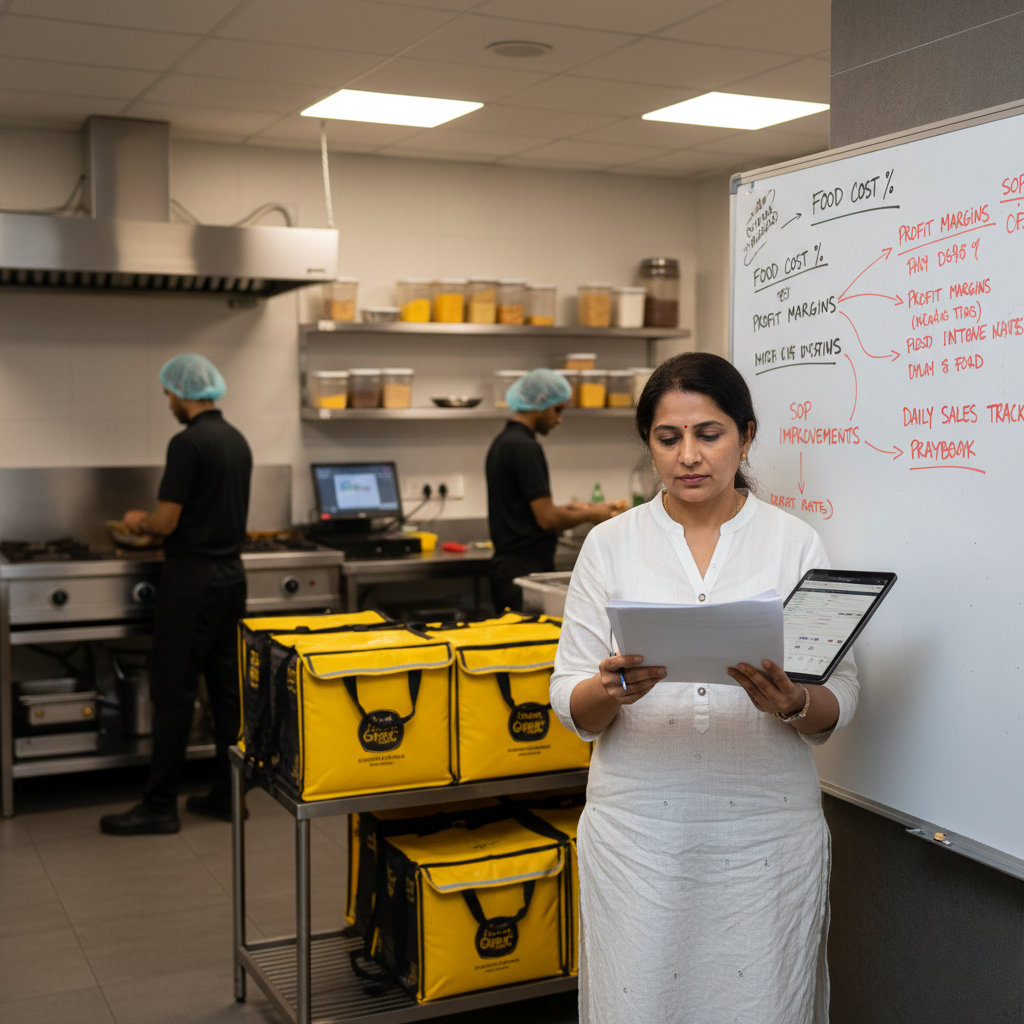
CKaaS introduced role-based SOPs for prep pacing, packing verification, and dispatch control. Each role had defined responsibilities and escalation triggers.
Packing checks ensured no missing items, and SLA monitoring helped prevent delays before they became complaints.
Operational Insight: Why Complaints Increase Even When Ratings Look Stable
One key insight from this Cloud Kitchen Customer Complaints Case Study is that ratings alone do not reflect operational health. Kitchens can maintain average ratings while complaint frequency quietly increases.
This happens because platforms aggregate ratings, while complaints highlight execution gaps. A kitchen may still receive 4-star ratings, but rising complaints indicate inconsistency that eventually impacts visibility and repeat orders.
When systems are weak, small execution failures accumulate—late orders, wrong items, or packaging errors. Over time, this reduces customer trust even if ratings appear stable on the surface.
Cloud Kitchen Customer Complaints Case Study: Outcome and Results
Within seventy-five days, customer complaints reduced by more than fifty percent. Delay-related issues dropped sharply, packing errors reduced, and operational consistency improved.
Ratings stabilised and gradually improved, while internal stress reduced significantly due to predictable execution.
Cloud Kitchen Customer Complaints Case Study: Key Takeaways
This case study proves that customer complaints are not random—they are system signals. With structured SOPs and execution control, kitchens can prevent complaints instead of reacting to them.
Related Case Studies and Reads
- How to Fix a Loss-Making Cloud Kitchen
- Why Discounts Are Not Solving Your Profit Problem
- From 50 Orders to 300 Orders: Operations Scaling Guide
- Standardizing Kitchen Execution Across Shifts
Have Questions?
If you want deeper clarity on CKaaS systems, complaint control, or operational execution, detailed answers are available in the Grow Kitchen FAQs.