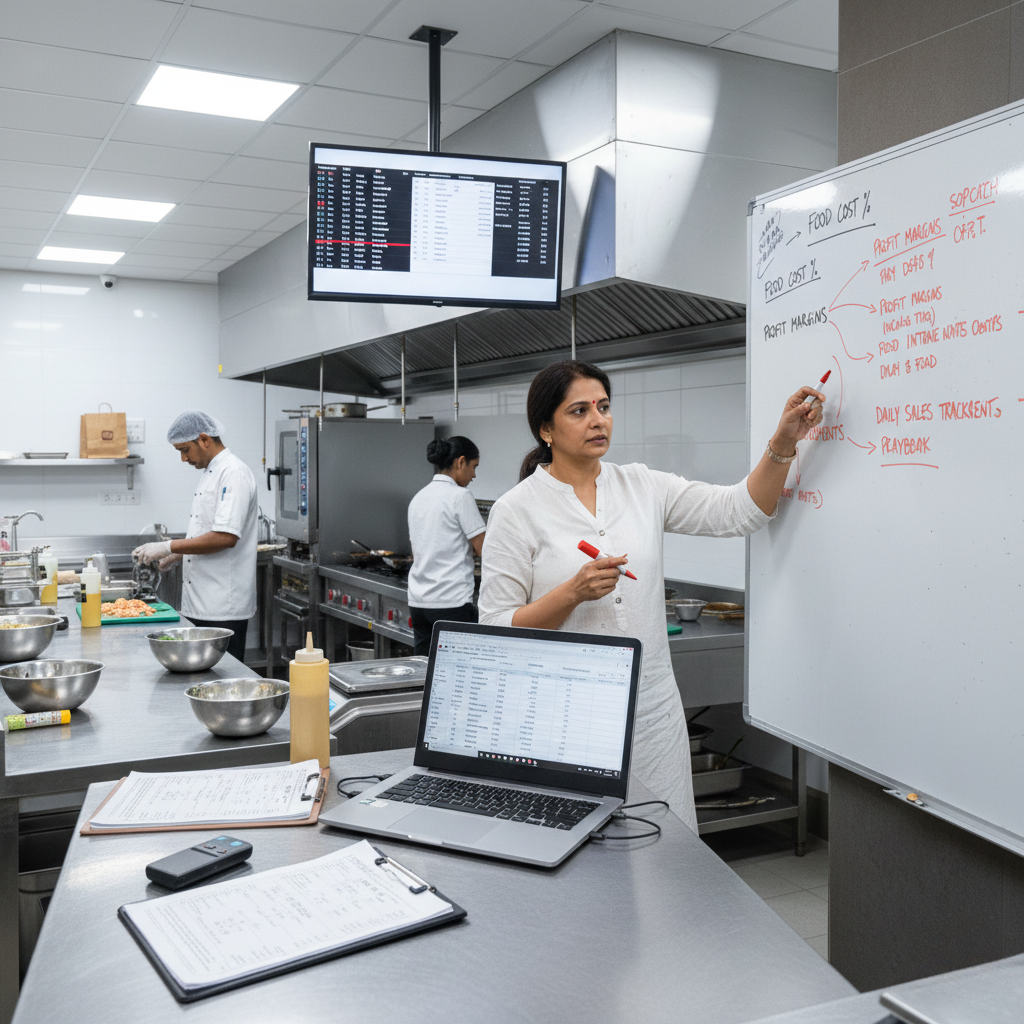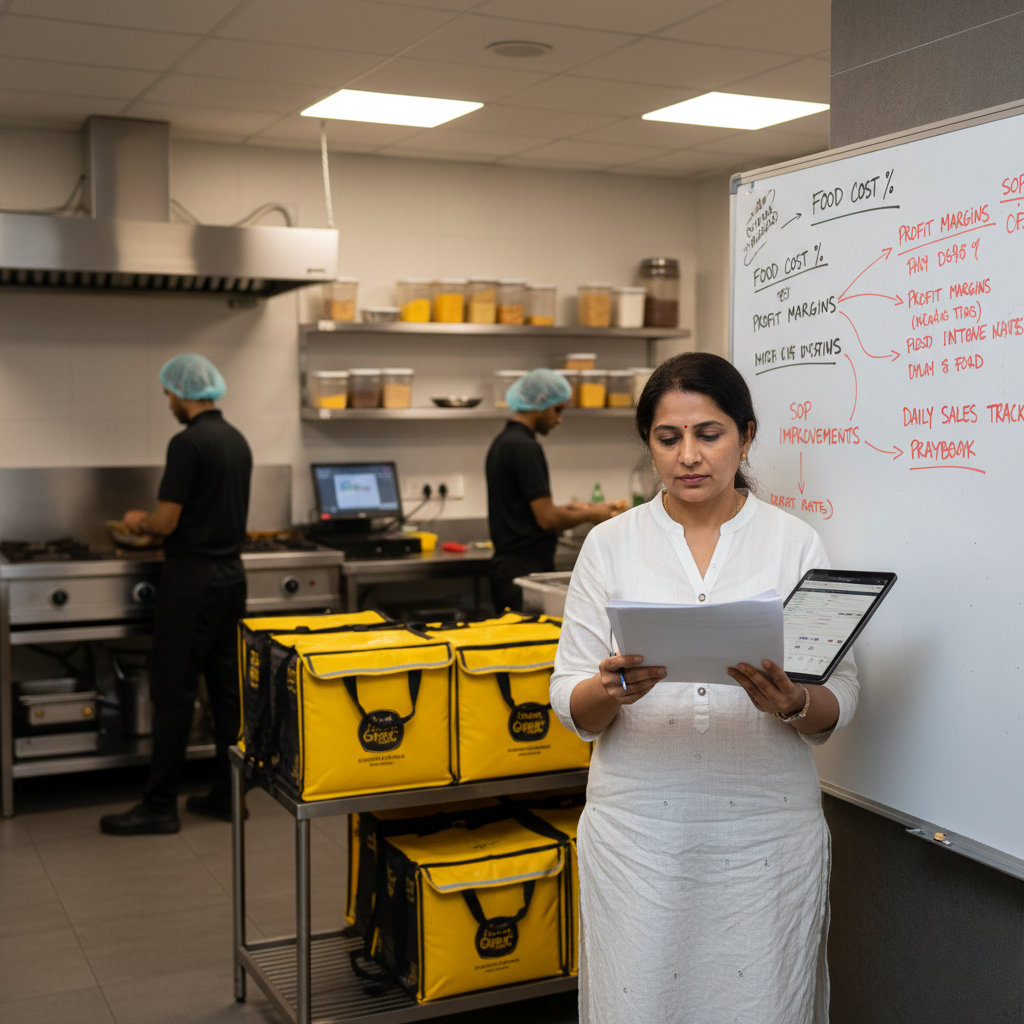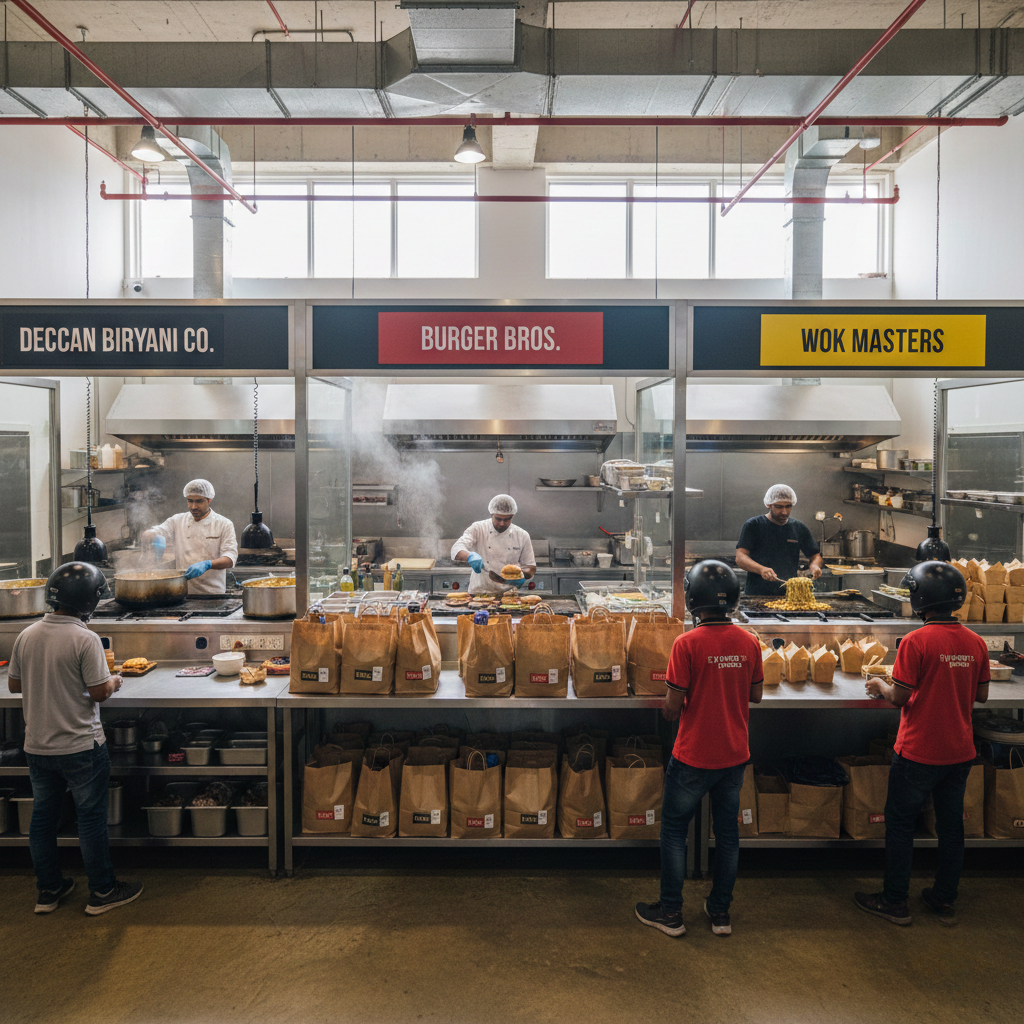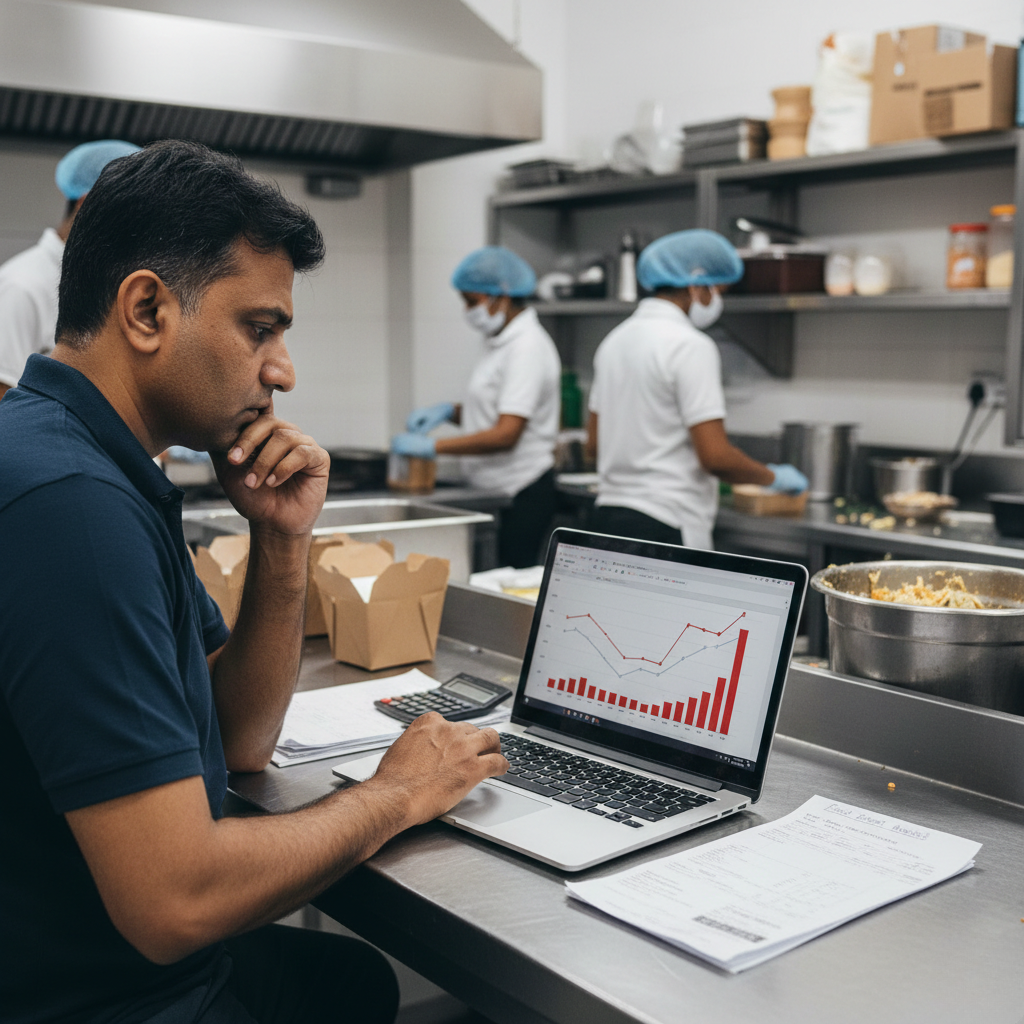
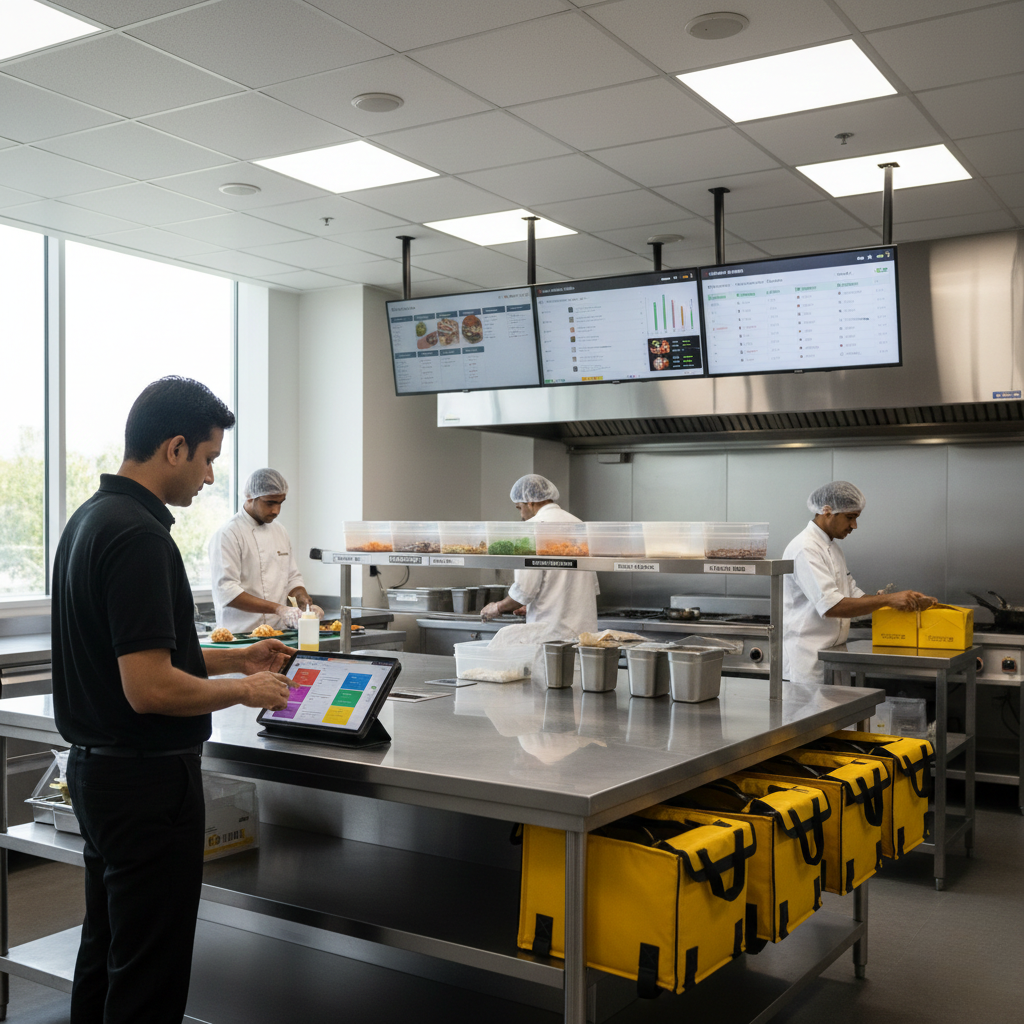
Cloud Kitchen CKaaS Case Study begins with a founder who ran a cloud kitchen independently for eighteen months before realising that steady revenue does not always mean operational strength. The kitchen was active, orders were coming in, and the business looked functional from the outside. But inside, execution was fragile, unpredictable, and heavily dependent on the founder, an experience many operators relate to, as discussed in Why My Cloud Kitchen Profits Are Declining.
The decision to switch to CKaaS was not driven by dramatic losses. It was driven by fatigue, inconsistency, and the realisation that effort was increasing faster than profits. No menu overhaul was done, no pricing was changed, and no discounts were added, similar to interventions used when Fixing Cloud Kitchen Delays, Refunds, and Complaints.
Cloud Kitchen CKaaS Case Study: Kitchen Background
The kitchen operated one primary brand with a secondary sub-brand from a single location. Daily order volume averaged between one hundred forty and one hundred eighty orders, primarily driven by Swiggy.
Customer ratings were acceptable, and the business appeared stable externally. However, internal execution depended almost entirely on the founder’s presence, a pattern frequently seen before systems are introduced, as explained in How to Stabilise Profits Before Scaling.
Errors, delays, and quality issues increased whenever the founder stepped away. These symptoms closely matched kitchens operating without structured SOPs, as outlined in Cloud Kitchen Without SOPs vs After SOP Implementation.
Cloud Kitchen CKaaS Case Study: The Core Problem
For the first eighteen months, the founder believed hands-on involvement was temporary and that staff would eventually figure it out.
Instead, the opposite happened. As order volume grew, complexity increased and execution became harder to control, mirroring challenges described in When Growth Is Hurting Your Cloud Kitchen Operations.
The more the kitchen grew, the more the founder became the main control system. That meant every problem, delay, confusion, and escalation eventually came back to one person.
Cloud Kitchen CKaaS Case Study: Reality Check Audit
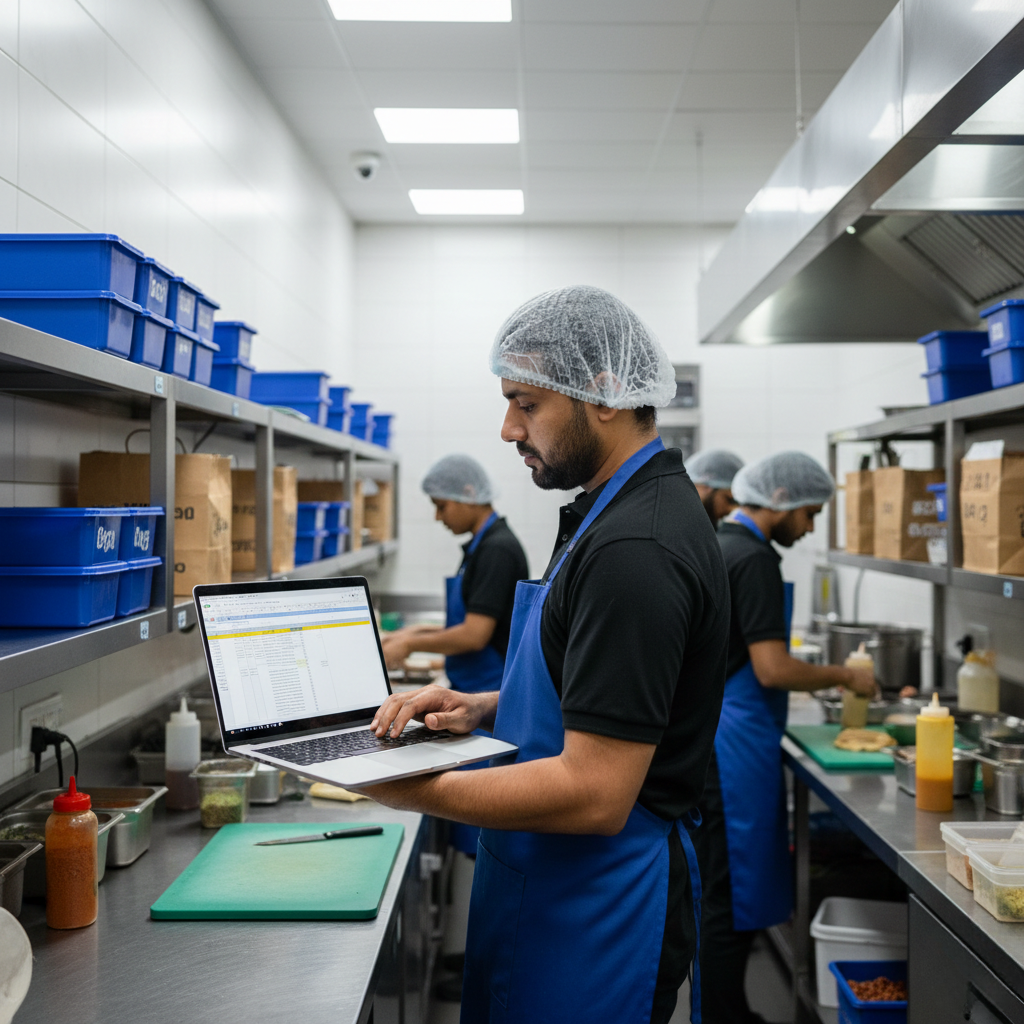
The turning point came when a structured operational audit was conducted. Instead of focusing only on sales or ratings, the audit examined repeatability, ownership, and system dependency.
This approach mirrored frameworks used when analysing contribution margins in cloud kitchens, but with execution as the core lens.
The findings were clear: most processes existed only in the founder’s head. Staff followed instructions, not systems.
Cloud Kitchen CKaaS Case Study: Identifying Founder Dependency
Every operational breakdown, including wrong orders, delays, wastage, and stress, could be traced back to missing systems rather than bad intent or poor effort.
These issues matched patterns seen in founder-dependent kitchens before systemisation, as explained in Founder-Dependent Kitchen Converted Into System-Driven Operations.
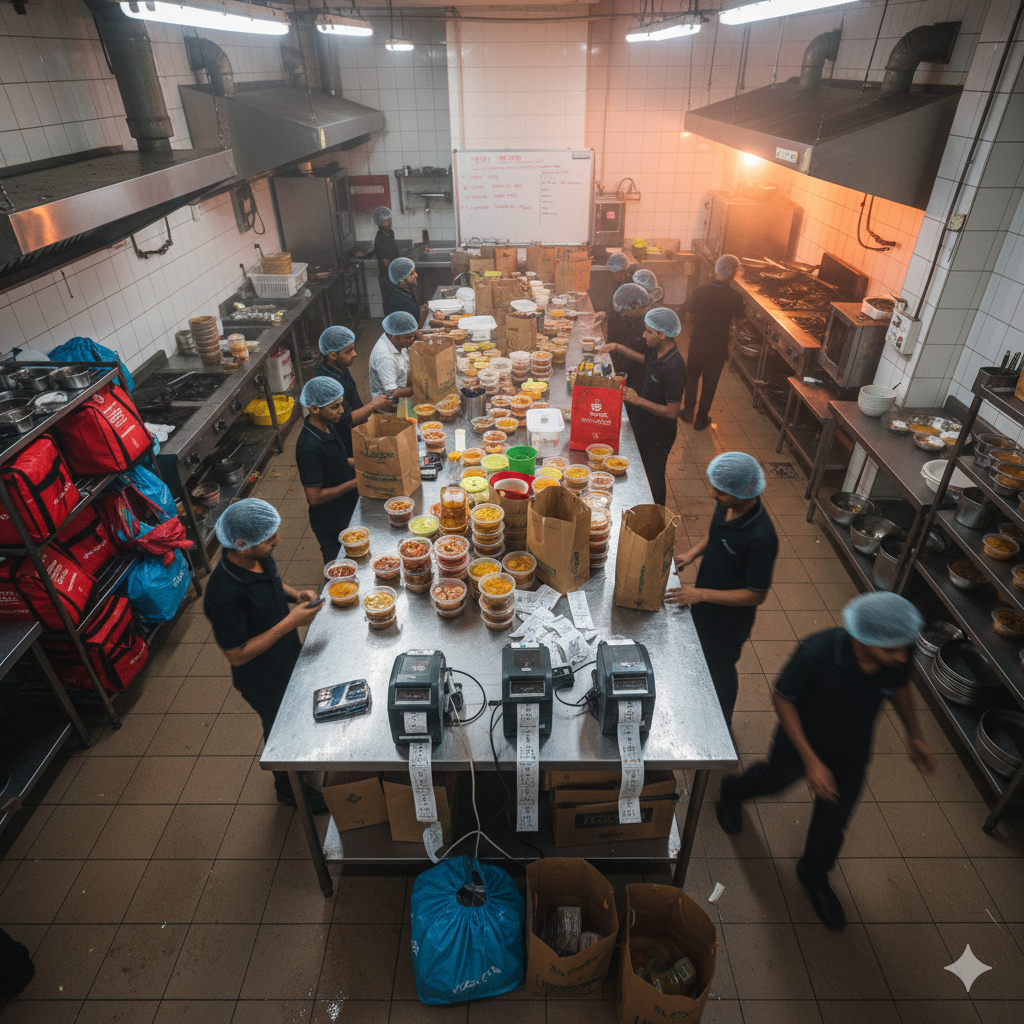
The audit showed that daily execution depended too heavily on memory, verbal instructions, and founder intervention. This is a classic pattern in any Cloud Kitchen CKaaS Case Study where systems arrive later than growth.
Cloud Kitchen CKaaS Case Study: CKaaS Implementation
CKaaS was introduced to convert experience-based execution into documented systems. SOPs were created for prep, packing, inventory handling, and shift supervision.
Visual SOPs were installed, accountability mechanisms were added, and roles were clearly defined, reinforcing practices discussed in How SOPs Improve Cloud Kitchen Profitability.
The focus was not speed or expansion. The focus was predictability, control, and repeatability.
Cloud Kitchen CKaaS Case Study: Shift-Level Reinforcement
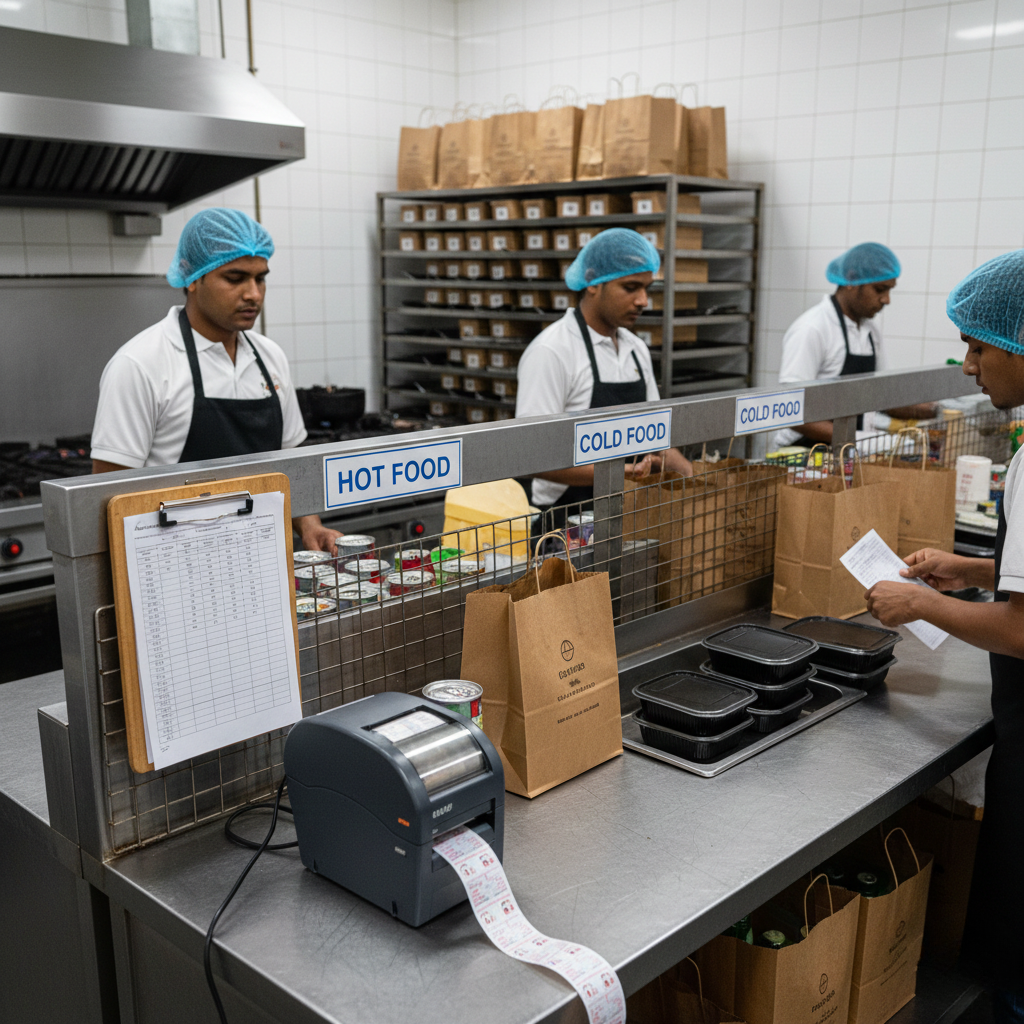
Daily shift-level routines were introduced to ensure SOPs were followed consistently without founder intervention.
These routines aligned closely with principles outlined in Daily Shift Planning for Cloud Kitchens.
Within weeks, execution stabilised and escalation frequency reduced significantly. Staff no longer waited for the founder to solve every issue. They had systems to guide their actions.
Cloud Kitchen CKaaS Case Study: Outcome and Results
Within ninety days, operational control improved dramatically. Errors reduced, stress levels dropped, and the founder was no longer required to be present for daily execution.
Most importantly, the business became manageable instead of exhausting, allowing the founder to focus on growth decisions rather than daily firefighting.
This Cloud Kitchen CKaaS Case Study shows that system implementation does not always require major brand changes. Sometimes the biggest shift comes from replacing informal execution with structured discipline.
Key Takeaways From This Cloud Kitchen CKaaS Case Study
This case study shows that founders do not switch to systems only because they fail. They switch because running without systems eventually becomes unsustainable. CKaaS transforms effort-heavy businesses into process-driven operations.
The real lesson is simple: operational maturity begins when the founder stops being the system and starts building one.
Related Case Studies and Reads
- How to Fix a Loss-Making Cloud Kitchen
- Why Discounts Are Not Solving Your Profit Problem
- From 50 Orders to 300 Orders: Operations Scaling Guide
- Standardizing Kitchen Execution Across Shifts
Have Questions?
If you want clarity on when and why to implement CKaaS in your cloud kitchen journey, detailed answers are available in the Grow Kitchen FAQs.