The cloud kitchen business meaning goes far beyond “online food delivery.” In India, cloud kitchens have become a system-led way to build scalable, cost-efficient food brands without dine-in dependency. This guide explains what a cloud kitchen business really means, how it works, and who it is best suited for.
Start Here If You’re Exploring the Cloud Kitchen Model
This article is part of GrowKitchen’s core cloud kitchen education series. If you want a complete end-to-end understanding of models, costs, SOPs, and scaling frameworks, read our pillar guide: Cloud Kitchen As A Service (CKaaS).
For regulatory clarity, always refer to official portals like
FSSAI,
GST Portal,
and
Udyam MSME.
see this – linkedIn.
What Is the Meaning of a Cloud Kitchen Business?
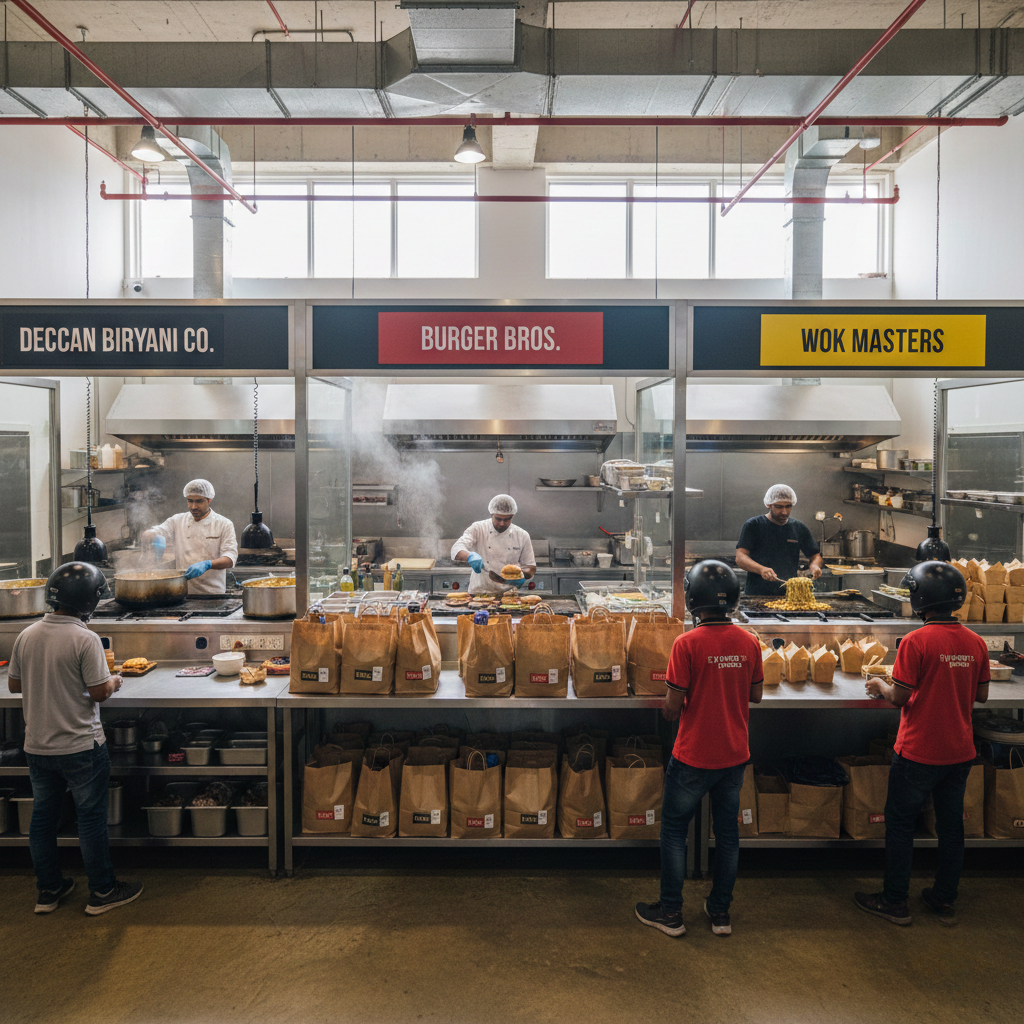
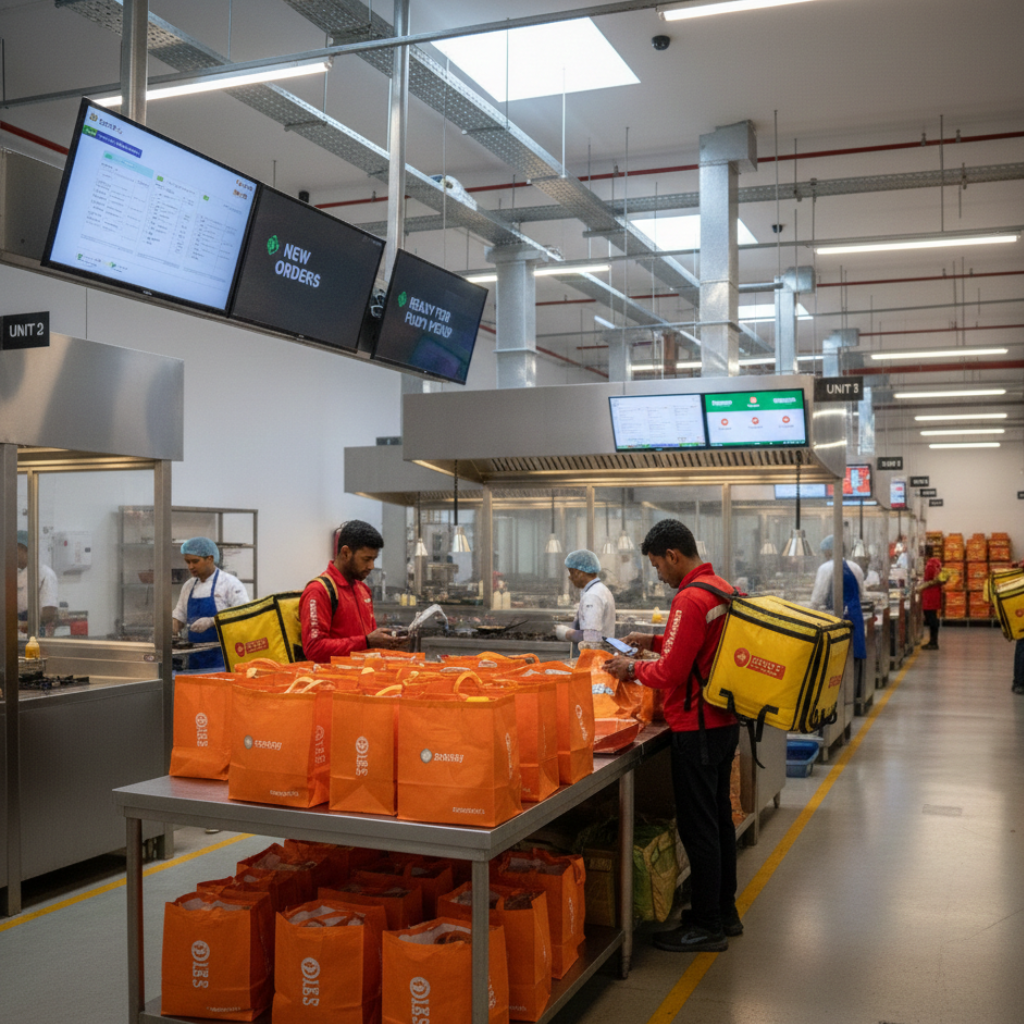
A cloud kitchen business is a delivery-first food operation that functions without a dine-in restaurant. Orders are received through food delivery apps, websites, or WhatsApp, and food is prepared in a professional kitchen designed purely for production, packaging, and dispatch.
Unlike traditional restaurants, cloud kitchens do not invest in ambience, front-of-house staff, or walk-in visibility. Their success depends on systems, consistency, ratings, speed, and repeat orders.
How Does a Cloud Kitchen Business Work?
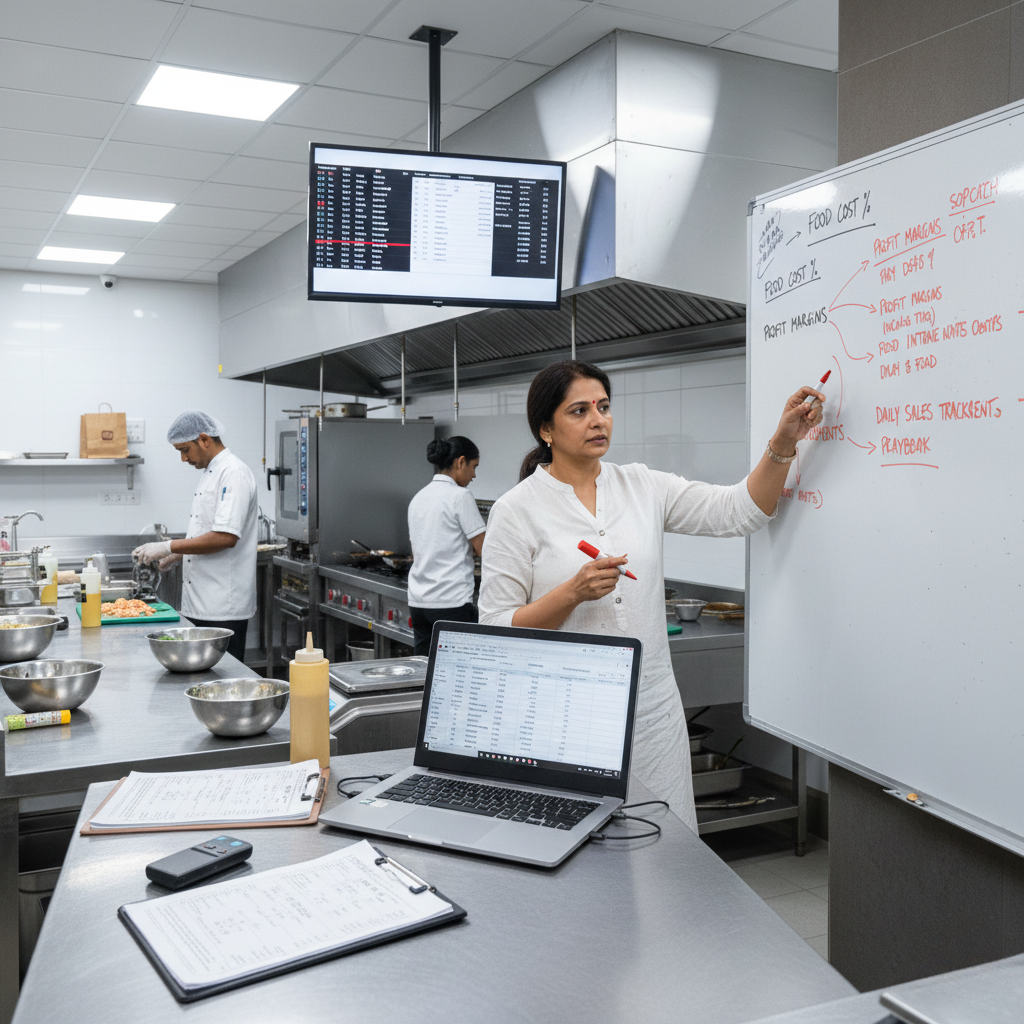
A cloud kitchen operates through a tightly connected workflow: order capture, kitchen preparation, packaging, and delivery dispatch. Every step is optimised for speed and consistency rather than experience.
- Orders come via Swiggy, Zomato, websites, or WhatsApp
- Kitchen follows SOP-based prep and portioning
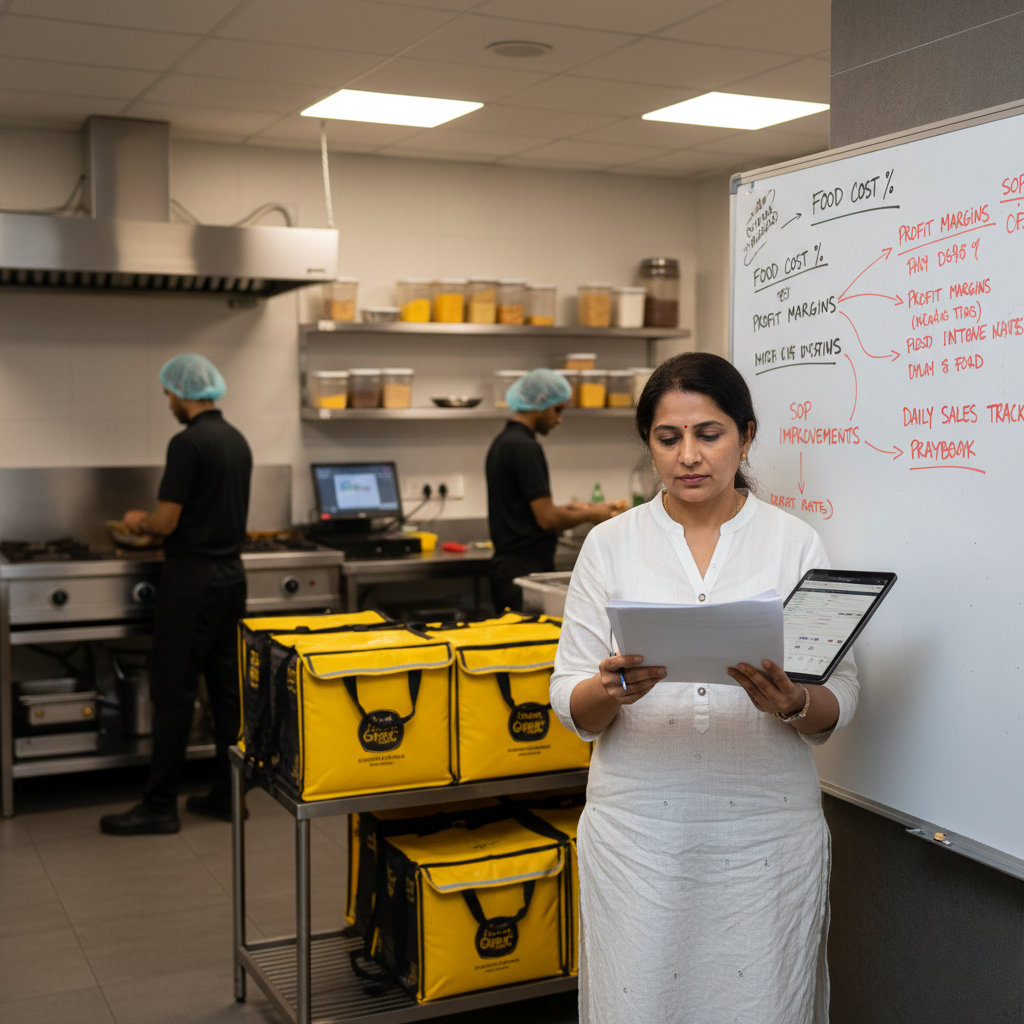
- Food is packed using delivery-optimised packaging
- Delivery partners handle last-mile fulfilment
The strongest cloud kitchens document every step using SOPs and cost sheets. If you want a practical framework, use: Cloud Kitchen SOP Checklist.
Why Has the Cloud Kitchen Business Become Popular in India?
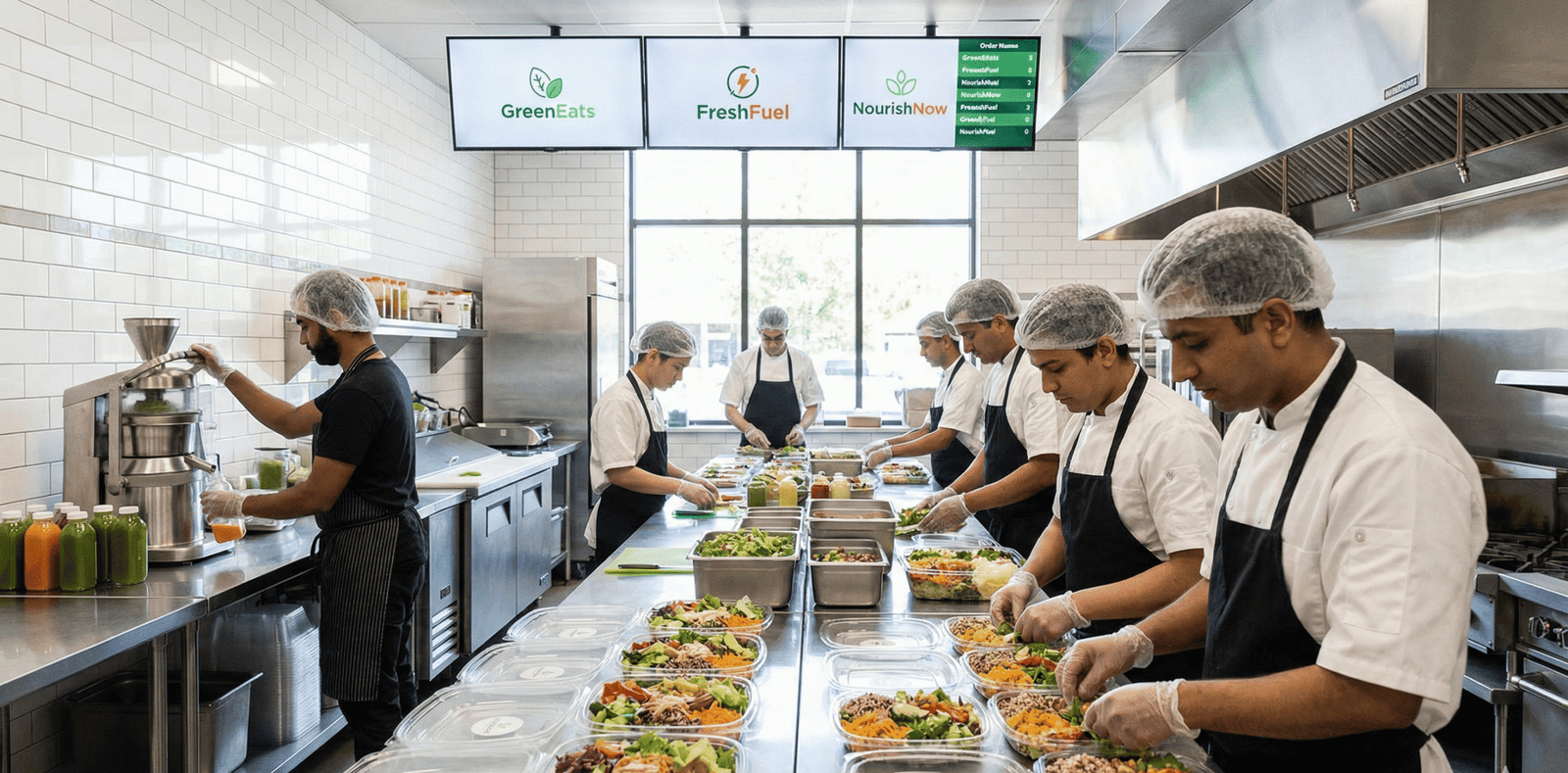
The cloud kitchen model gained momentum in India due to rising real estate costs, high restaurant failure rates, and increasing demand for online food delivery. It allows founders to enter the food business with lower risk and faster launch timelines.
Cities like Mumbai, Bengaluru, Pune, and Delhi NCR have shown strong adoption because dense delivery zones make unit economics viable at scale.
Who Should Start a Cloud Kitchen Business?
A cloud kitchen business is ideal for founders who enjoy operational discipline and system building rather than front-facing hospitality.
- First-time founders with limited capital
- Existing restaurant owners expanding delivery brands
- Entrepreneurs building multi-brand kitchens
- Subscription and meal-plan focused businesses
If you’re planning long-term scaling, read: How to Scale Cloud Kitchens.
Common Misconceptions About Cloud Kitchen Businesses
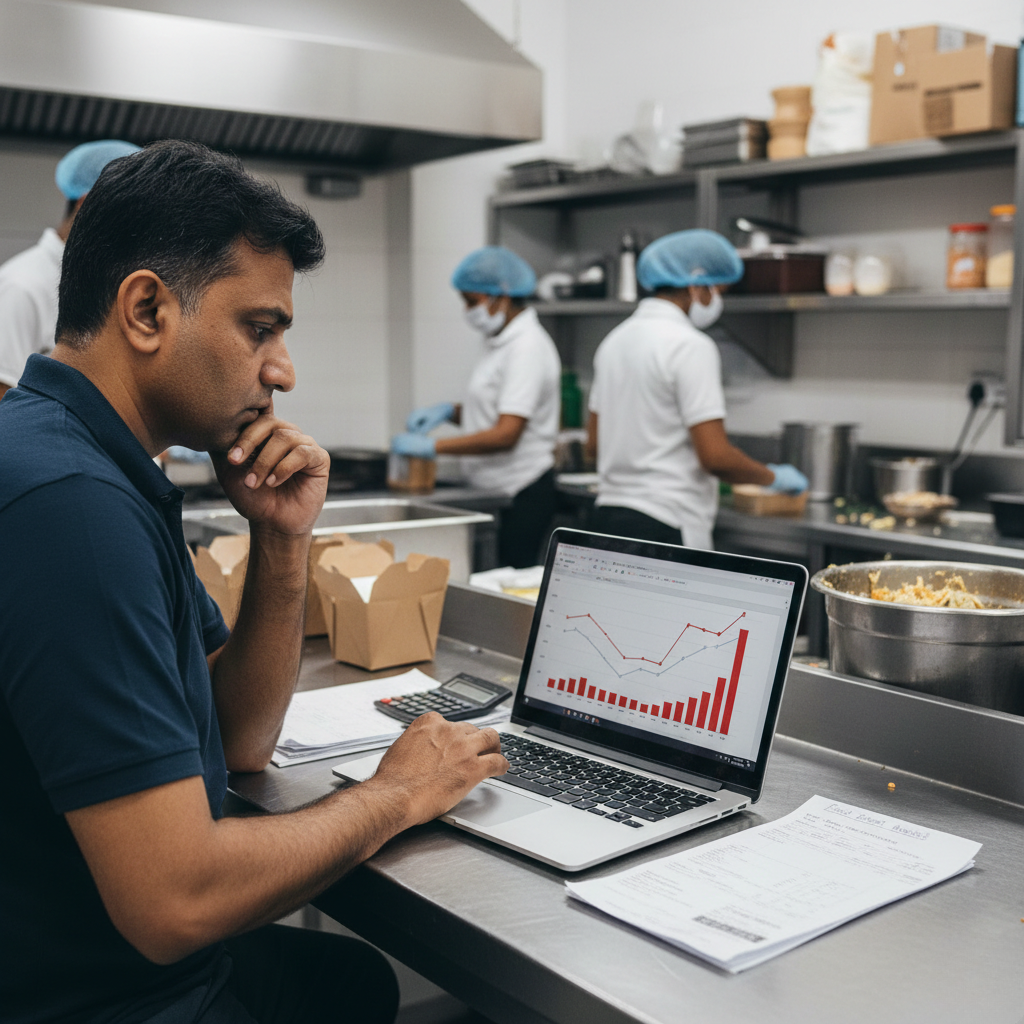
Many people assume cloud kitchens are “easy” or “low-effort.” In reality, they are execution-heavy businesses where small mistakes directly impact ratings, visibility, and margins.
The most common failures happen due to poor SOPs, weak packaging, and uncontrolled discounting. Learn the real reasons here: Why Cloud Kitchens Fail in India.
Final Thoughts: Understanding the Real Meaning
The cloud kitchen business meaning in India is best understood as a system-driven food company, not a shortcut restaurant model. It rewards founders who track numbers, standardise processes, and focus on repeat behaviour.
When executed well, cloud kitchens can scale faster and more efficiently than traditional restaurants but only with discipline and documentation.
FAQs: Cloud Kitchen Business Meaning
What does cloud kitchen business mean?
It means running a delivery-only food business without dine-in, focused on SOPs, speed, and repeat orders.
Is a cloud kitchen the same as a restaurant?
No. Restaurants focus on ambience and walk-ins, while cloud kitchens focus purely on delivery efficiency.
Is cloud kitchen business profitable in India?
Yes, if unit economics, ratings, and repeat orders are controlled properly.
Who should avoid starting a cloud kitchen?
Founders who rely on intuition, inconsistent staff, or untracked costs often struggle in this model.
- Cloud Kitchen Business in India
- How to Start a Cloud Kitchen
- Cloud Kitchen SOP Checklist
- Why Cloud Kitchens Fail