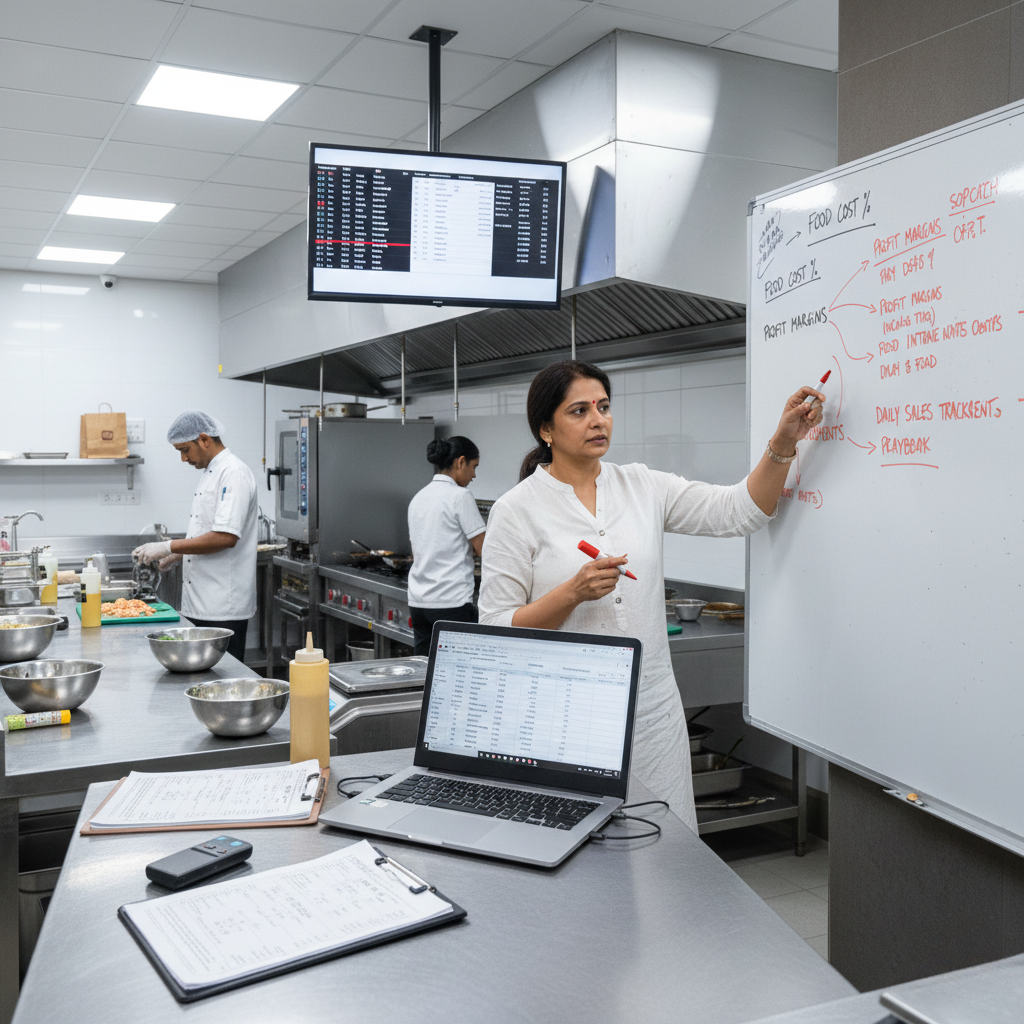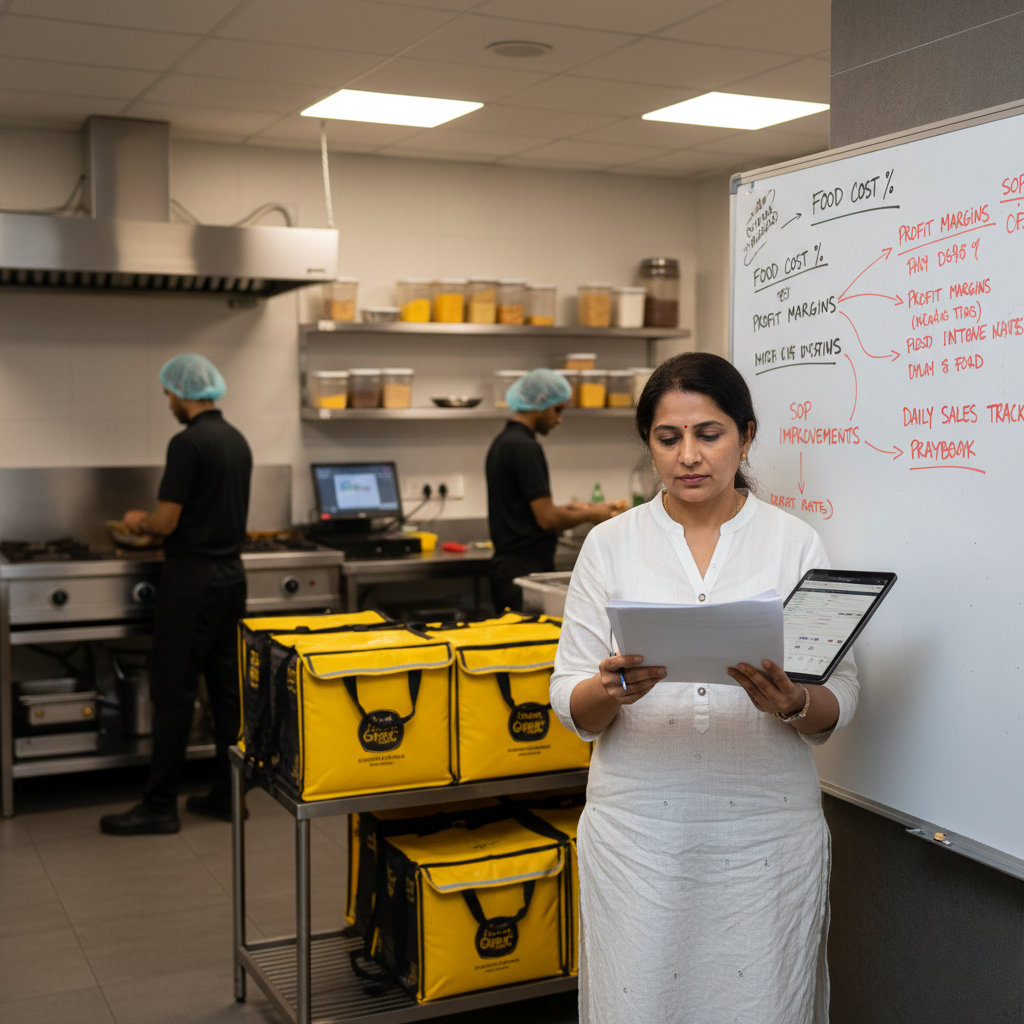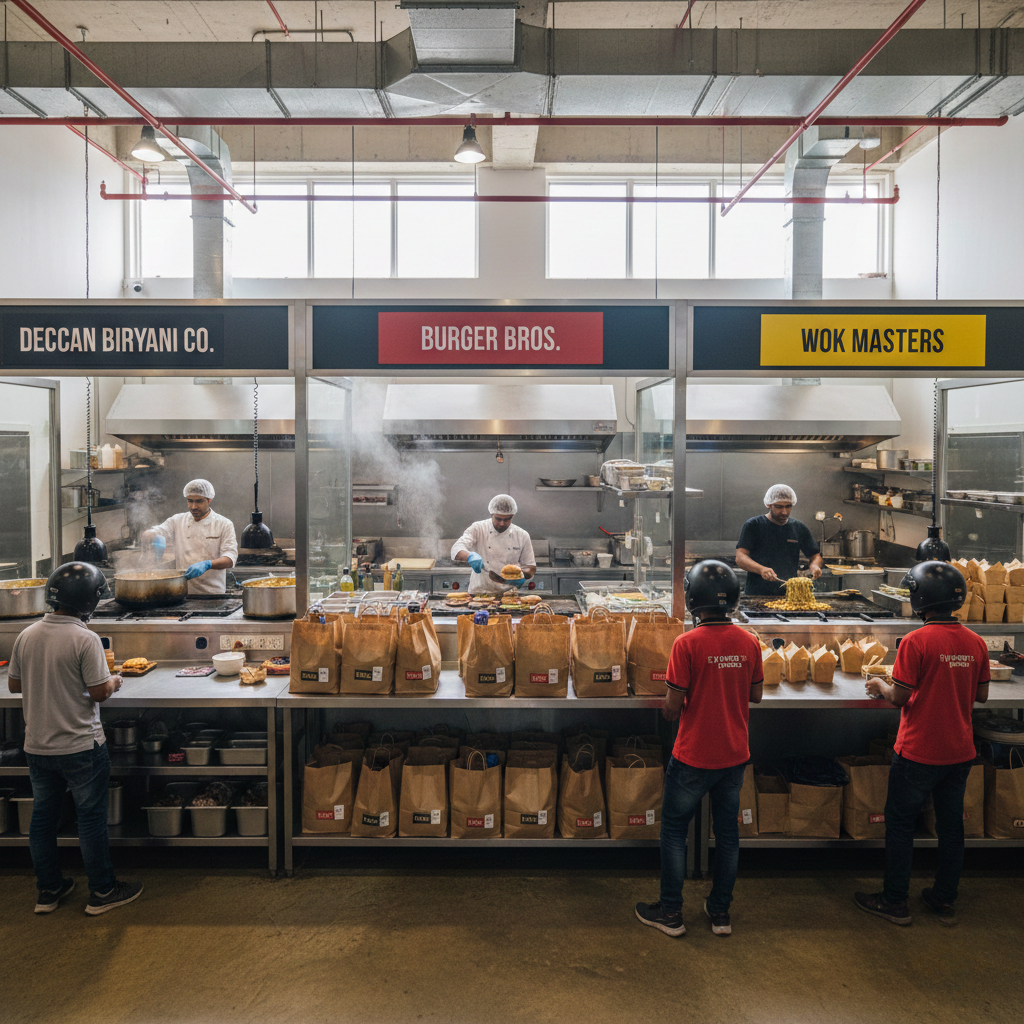
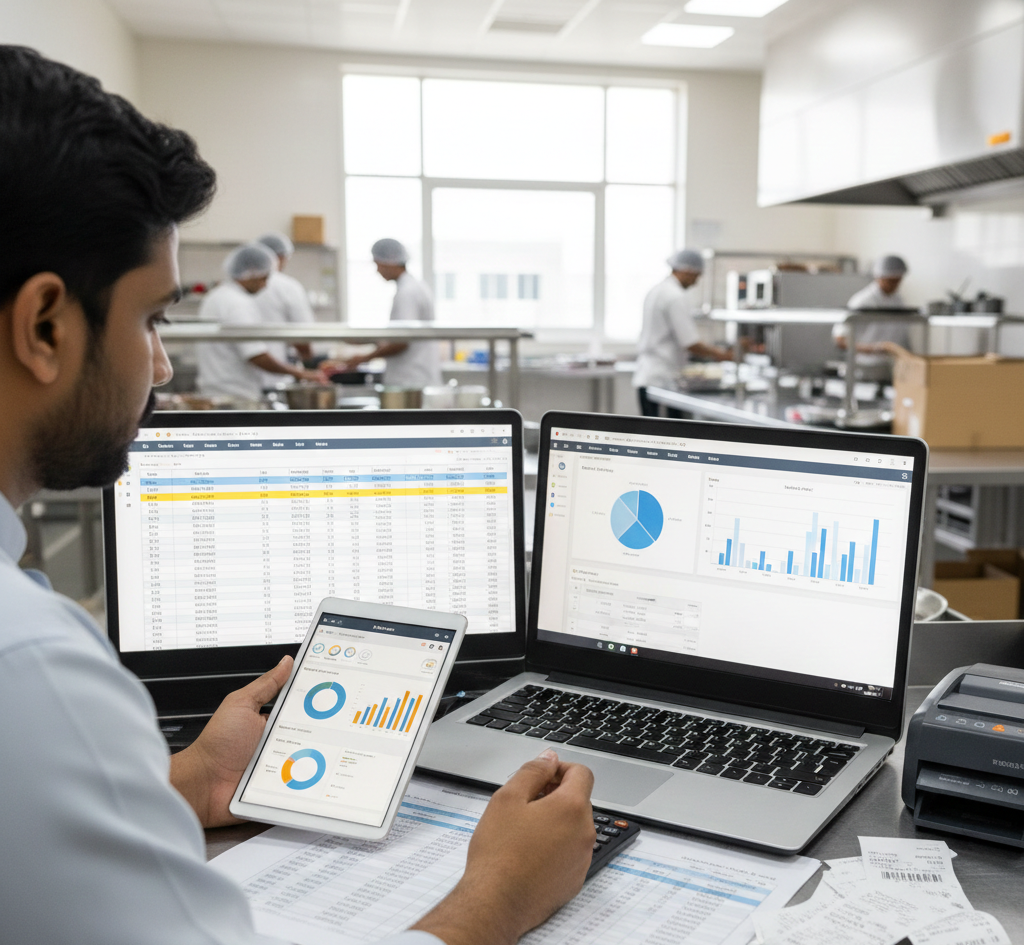
Best Tools for Cloud Kitchens to Track Profitability are not limited to monthly sales reports or basic accounting summaries. A profitable cloud kitchen needs structured visibility into contribution margins, food costs, labor efficiency, discount performance, and inventory movement. Without that visibility, revenue can grow while margins remain unstable.
The Best Tools for Cloud Kitchens to Track Profitability convert day-to-day operational data into financial insight. When these systems are reviewed consistently, founders can reduce guesswork, identify leakages early, and make stronger profitability decisions.
Why You Need the Best Tools for Cloud Kitchens to Track Profitability
Many kitchens rely only on aggregator dashboards and simple accounting software. However, as discussed in Cloud Kitchen Profitability Data-Driven Approach and why cloud kitchen profits decline despite good sales , revenue visibility alone does not protect margins.
The Best Tools for Cloud Kitchens to Track Profitability focus on contribution, cost control, production planning, and demand forecasting. These are the layers that help a cloud kitchen move from reactive decision-making to controlled growth.
Contribution Margin Dashboards Are Among the Best Tools for Cloud Kitchens to Track Profitability
Contribution margin dashboards are one of the most useful tools for cloud kitchen operators. They calculate how much revenue remains after deducting ingredients, packaging, aggregator commissions, discounts, and advertising expenses.
Contribution Margin = Selling Price − Variable Costs
Advanced dashboards also allow SKU-level tracking, helping operators identify which dishes truly support margins and which ones only increase workload. That is why contribution dashboards remain one of the Best Tools for Cloud Kitchens to Track Profitability.
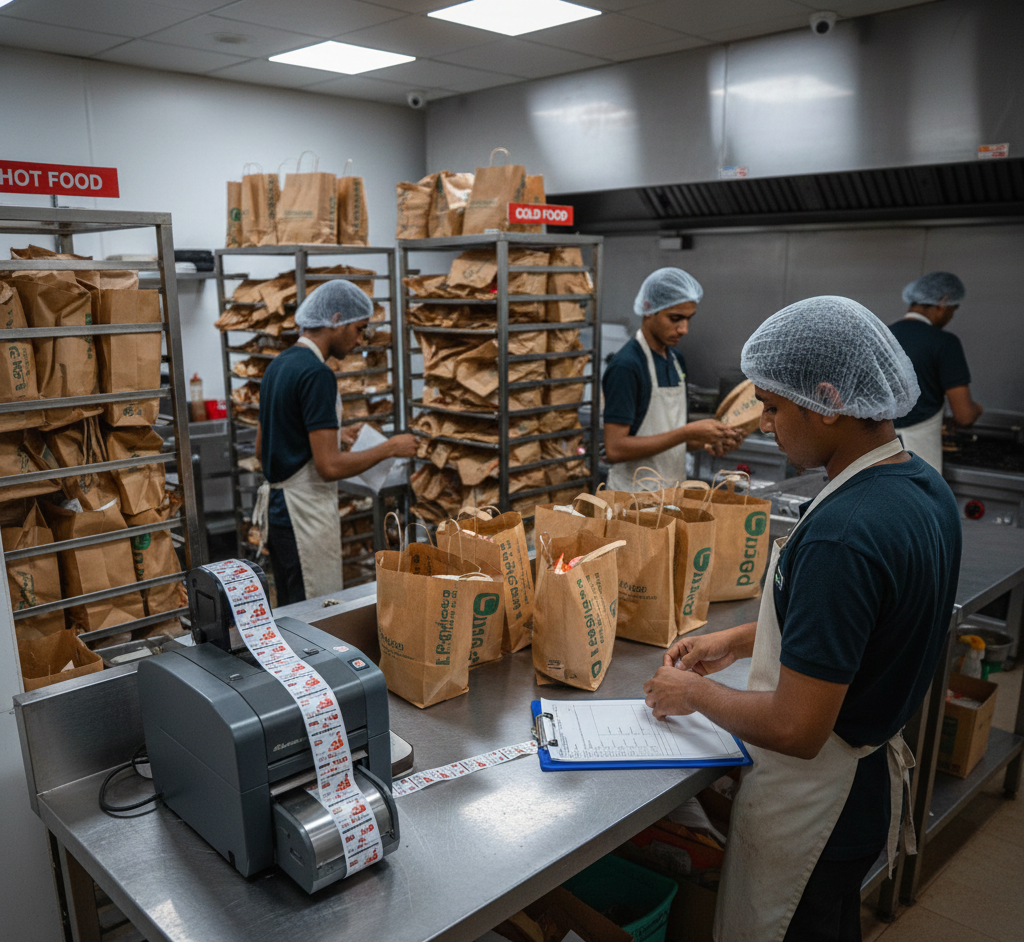
Food Cost Tracking Systems That Protect Margins
Food cost percentage must be monitored consistently to prevent gradual margin erosion. Even small portion inconsistencies can create a major profitability problem once order volume rises.
Food Cost % = (Total Ingredient Cost / Total Sales) × 100
Recipe management and variance tracking systems help identify wastage, over-portioning, and prep inefficiencies early. That is why food cost tools play such a critical role in margin control and are counted among the Best Tools for Cloud Kitchens to Track Profitability.
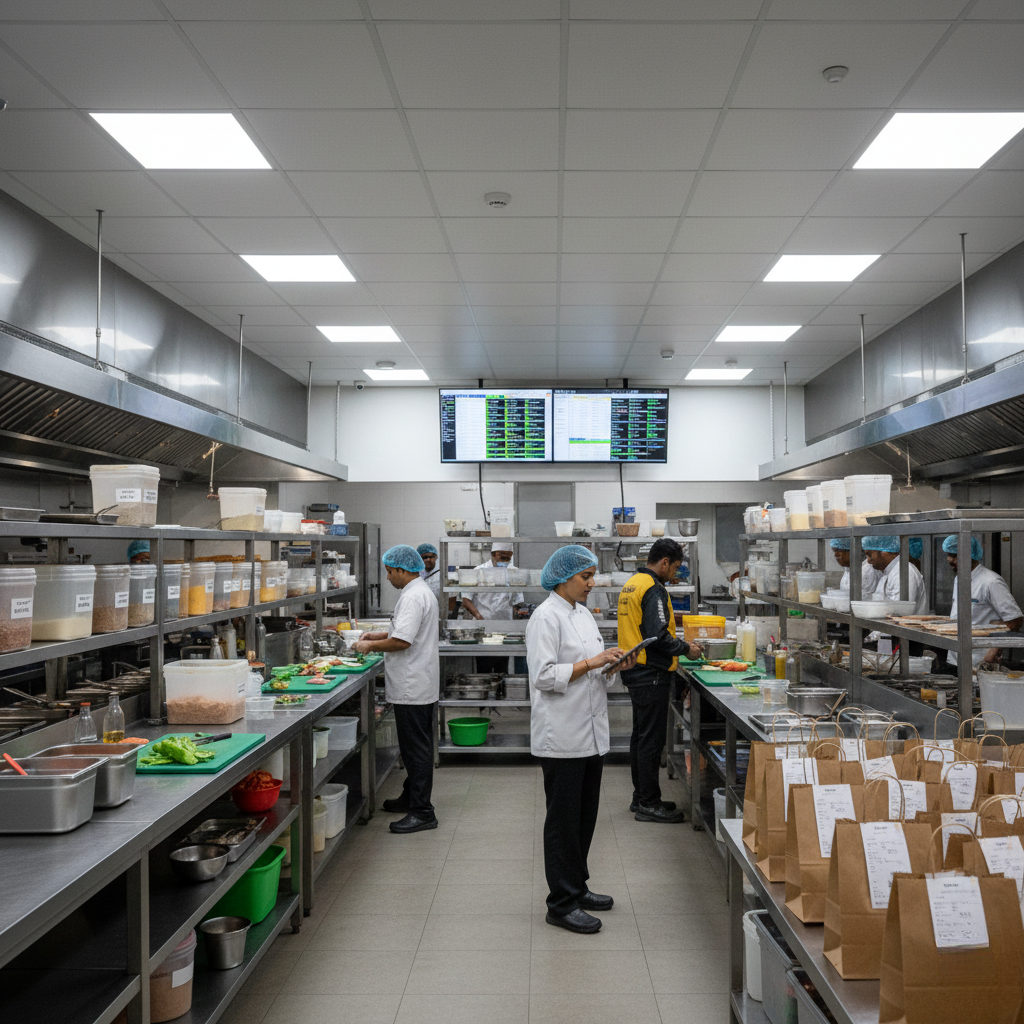
Inventory Management Platforms for Profitability Control
Inventory tools track stock movement, expiration cycles, and reorder thresholds. These systems are essential because they reduce spoilage, overstocking, and silent cash flow leakage.
The most effective inventory platforms integrate with sales data so procurement decisions reflect actual demand instead of rough estimates. For scaling brands, inventory systems are also part of the Best Tools for Cloud Kitchens to Track Profitability.
Labor Analytics Tools for Smarter Staffing
Labor cost ratio is another important profitability metric that many kitchens underestimate. When staffing grows without productivity tracking, margin pressure rises quickly.
Labor Cost % = (Total Staff Cost / Total Revenue) × 100
Scheduling and staffing tools that align labor with order patterns help improve productivity, reduce idle payroll, and create better shift discipline.
Discount Performance Trackers and Promotion Analysis
Promotional campaigns should never be judged only by order volume. A kitchen may appear busy while post-discount profitability weakens in the background.
Tools that measure discount-to-sales ratio, offer burn, and post-discount contribution help operators understand whether promotions are creating healthy growth or simply buying temporary orders. These tools also deserve a place among the Best Tools for Cloud Kitchens to Track Profitability.
Operational risks linked to promotional imbalance are explored further in How Do I Know If My Cloud Kitchen Is Profitable? .
Integrated Dashboards That Combine All Key Metrics
The most effective solution combines contribution margin, food cost tracking, labor analytics, discount impact, and inventory turnover into one unified system.
Integrated dashboards help eliminate data fragmentation and give founders daily financial clarity. Instead of checking multiple disconnected sources, operators can see where profitability is improving or weakening in one place. This is why integrated dashboards are often the Best Tools for Cloud Kitchens to Track Profitability for serious operators.
How to Use Profitability Tools Effectively
Tools alone do not improve profitability. They only become valuable when reviewed consistently and tied to operational action.
A dashboard should not be treated as a reporting document. It should act as a decision system that influences menu pricing, production planning, staffing, and offer strategy.
Choosing the Right Profitability Tools for Your Kitchen
The right solution depends on your kitchen’s operational complexity and growth stage. Emerging kitchens may begin with structured spreadsheets, while scaling brands benefit more from integrated software ecosystems.
The key is not software complexity for its own sake. The real goal is to maintain visibility into the data points that directly influence contribution and cost stability. That is how operators choose the Best Tools for Cloud Kitchens to Track Profitability for their specific stage.
Final Thoughts on the Best Tools for Cloud Kitchens to Track Profitability
Best Tools for Cloud Kitchens to Track Profitability should give operators clarity, control, and faster financial decision-making. Contribution dashboards, food cost systems, inventory platforms, labor analytics, and discount trackers each solve a different part of the profitability puzzle.
When these tools work together, cloud kitchens gain stronger visibility into margins and build more confidence in scaling decisions.
Frequently Asked Questions
Do small cloud kitchens need the best tools for cloud kitchens to track profitability?
Yes. Even simple dashboards can improve visibility, while integrated systems become more useful as operations scale.
Which tool usually has the biggest impact on profitability?
Contribution margin dashboards often provide the strongest direct visibility into earning power because they connect revenue with variable costs.
How often should profitability tools be reviewed?
Operational metrics should ideally be reviewed daily, while broader performance and correction decisions can be reviewed weekly.
Can these tools replace accounting software?
No. They complement accounting systems by offering operational-level insights rather than only historical summaries.
Still Have Questions?
For operational and profitability guidance, read the Grow Kitchen FAQs .
You may also explore:
- Cloud Kitchen Profitability Dropping When Orders Increase
- Key Profitability Metrics for Cloud Kitchens
- Use Data to Optimize Cloud Kitchen Profitability
- Data-Driven Decisions for Cloud Kitchen Profitability
- Building Profitable Cloud Kitchen Data-Backed Roadmap