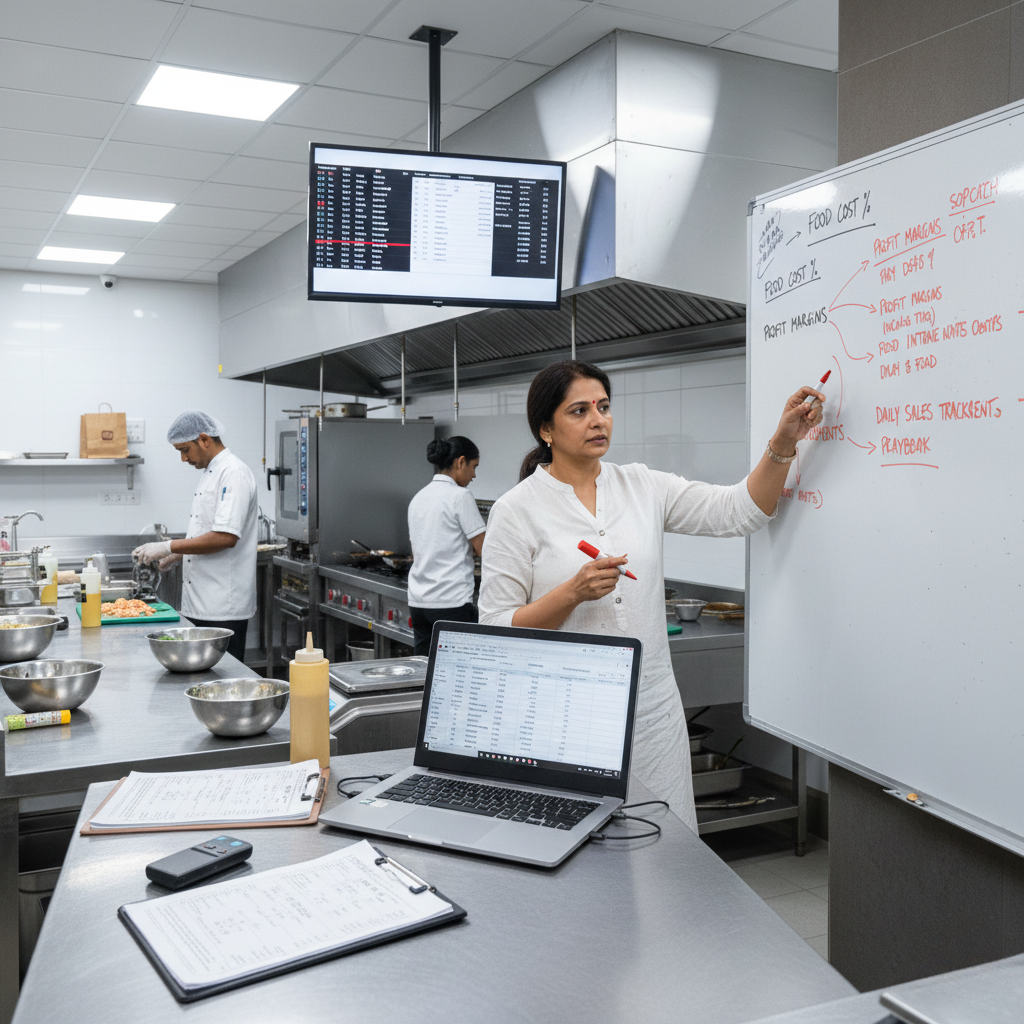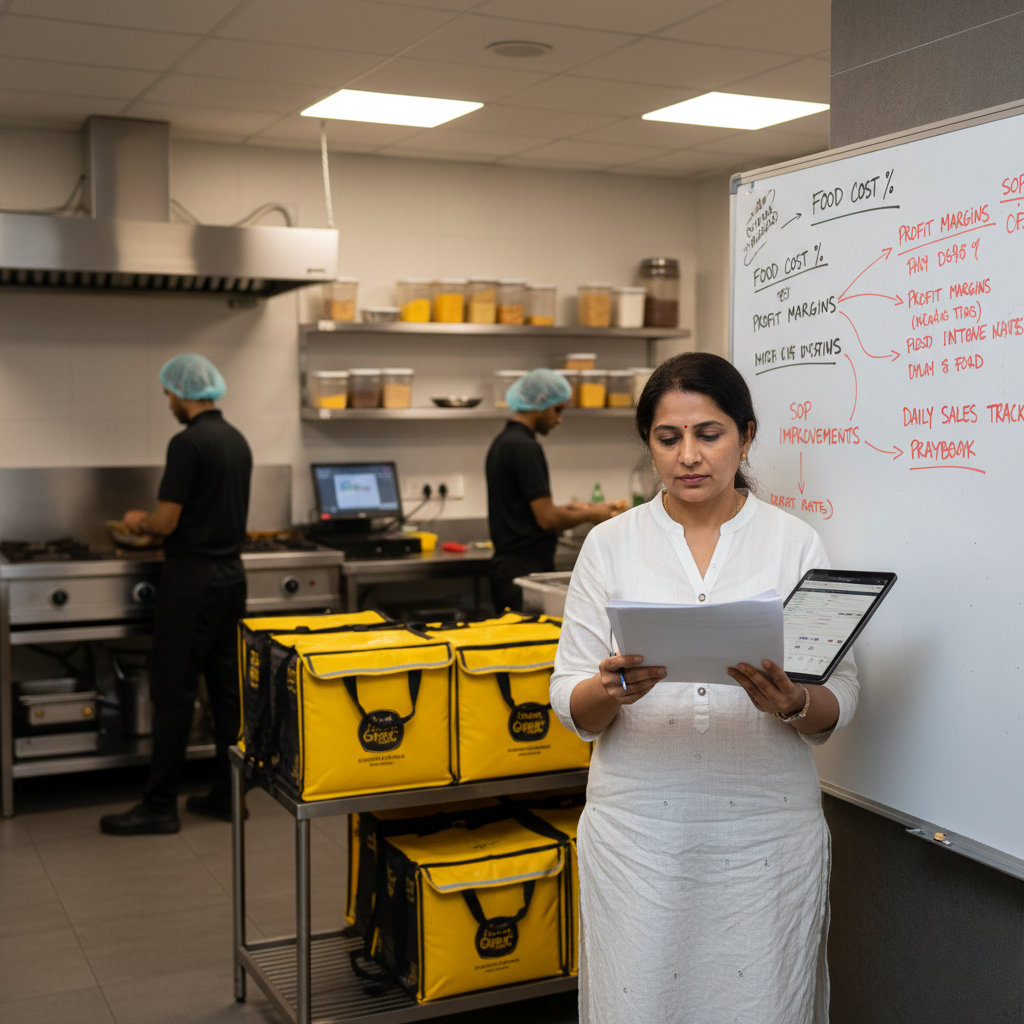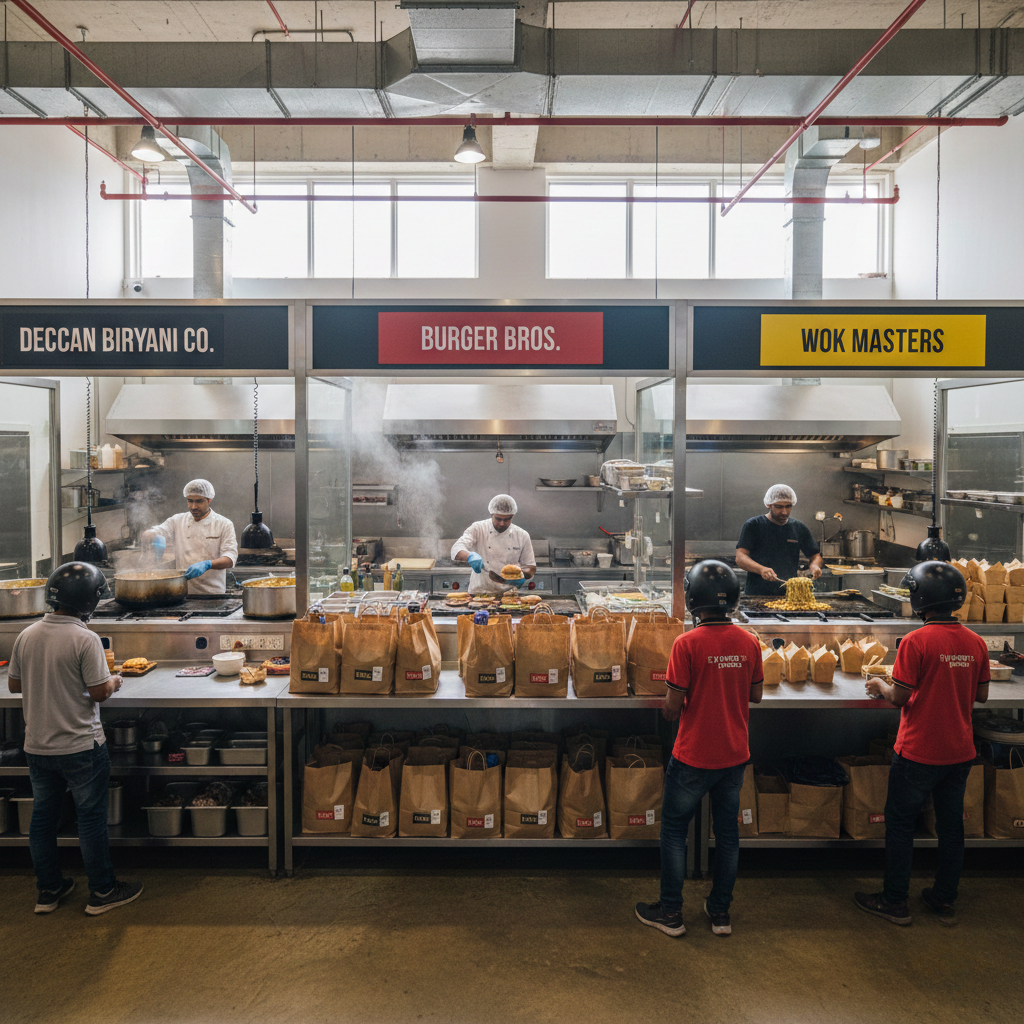
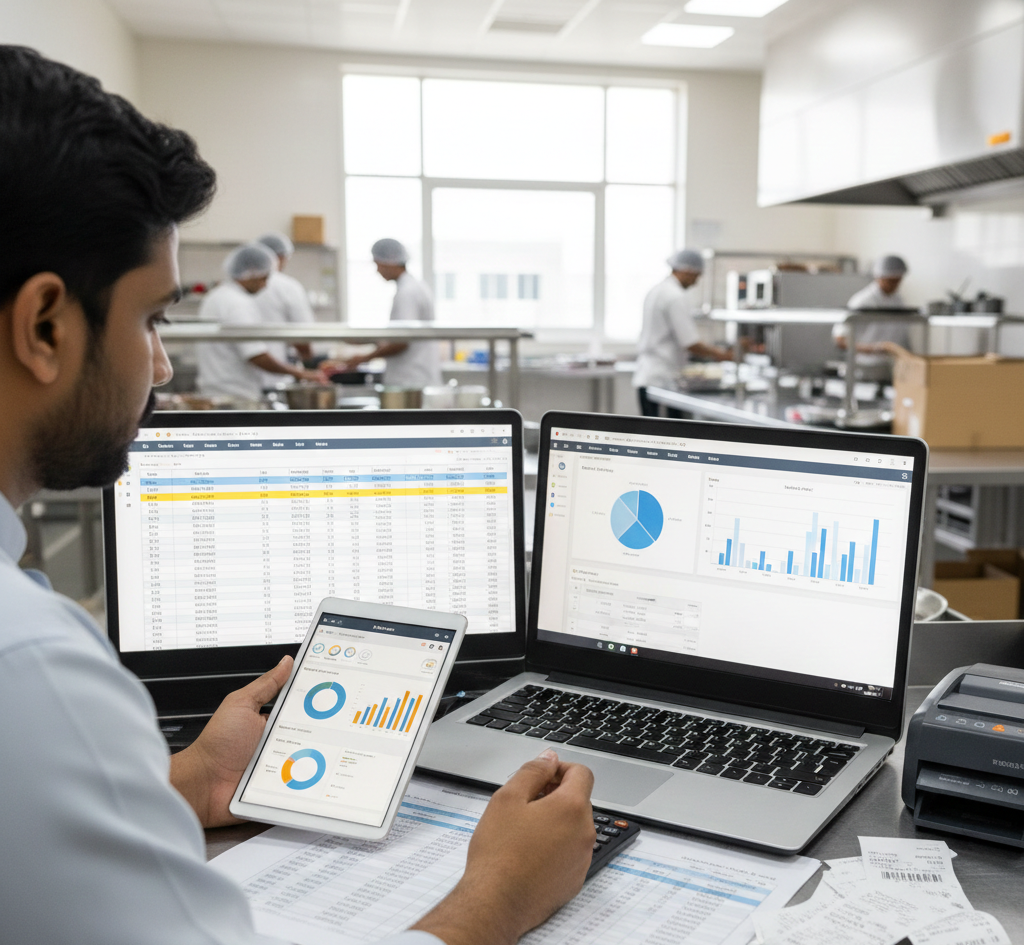
Best Tools for Cloud Kitchens to Track Profitability go far beyond reviewing monthly sales reports. Tracking profitability in a cloud kitchen requires structured systems that provide real-time visibility into contribution margins, food costs, labor efficiency, discount performance, and inventory movement.
The Best Tools for Cloud Kitchens to Track Profitability convert operational data into actionable financial insight. When integrated into daily workflows, these tools reduce guesswork and support sustainable margin growth.
Why You Need the Best Tools for Cloud Kitchens to Track Profitability
Many kitchens rely solely on aggregator dashboards and basic accounting software. However, as discussed in Cloud Kitchen Profitability Data-Driven Approach and why cloud kitchen profits decline despite good sales , revenue visibility alone does not protect margins.
The Best Tools for Cloud Kitchens to Track Profitability focus on contribution, cost control, production planning, and demand forecasting-all critical for financial stability.
Contribution Margin Dashboards: Best Tools for Cloud Kitchens to Track Profitability
Contribution margin dashboards are among the Best Tools for Cloud Kitchens to Track Profitability. They calculate revenue remaining after deducting ingredients, packaging, aggregator commissions, discounts, and advertising expenses.
Contribution Margin = Selling Price − Variable Costs
Advanced dashboards allow SKU-level tracking, helping operators scale high-performing items strategically.
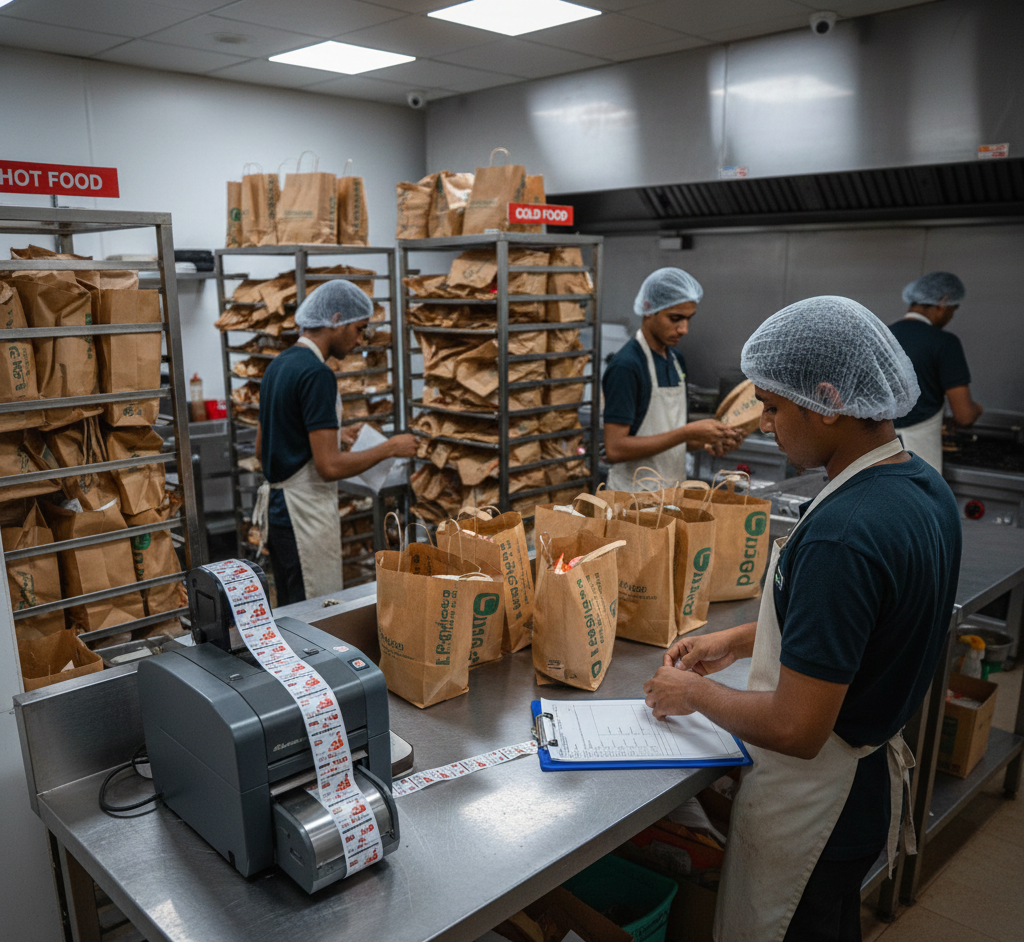
Food Cost Tracking Systems Among the Best Tools for Cloud Kitchens to Track Profitability
Food cost percentage must be monitored consistently to prevent gradual margin erosion.
Food Cost % = (Total Ingredient Cost / Total Sales) × 100
Recipe management and variance tracking systems are core components of the Best Tools for Cloud Kitchens to Track Profitability because they identify wastage and portion drift early.
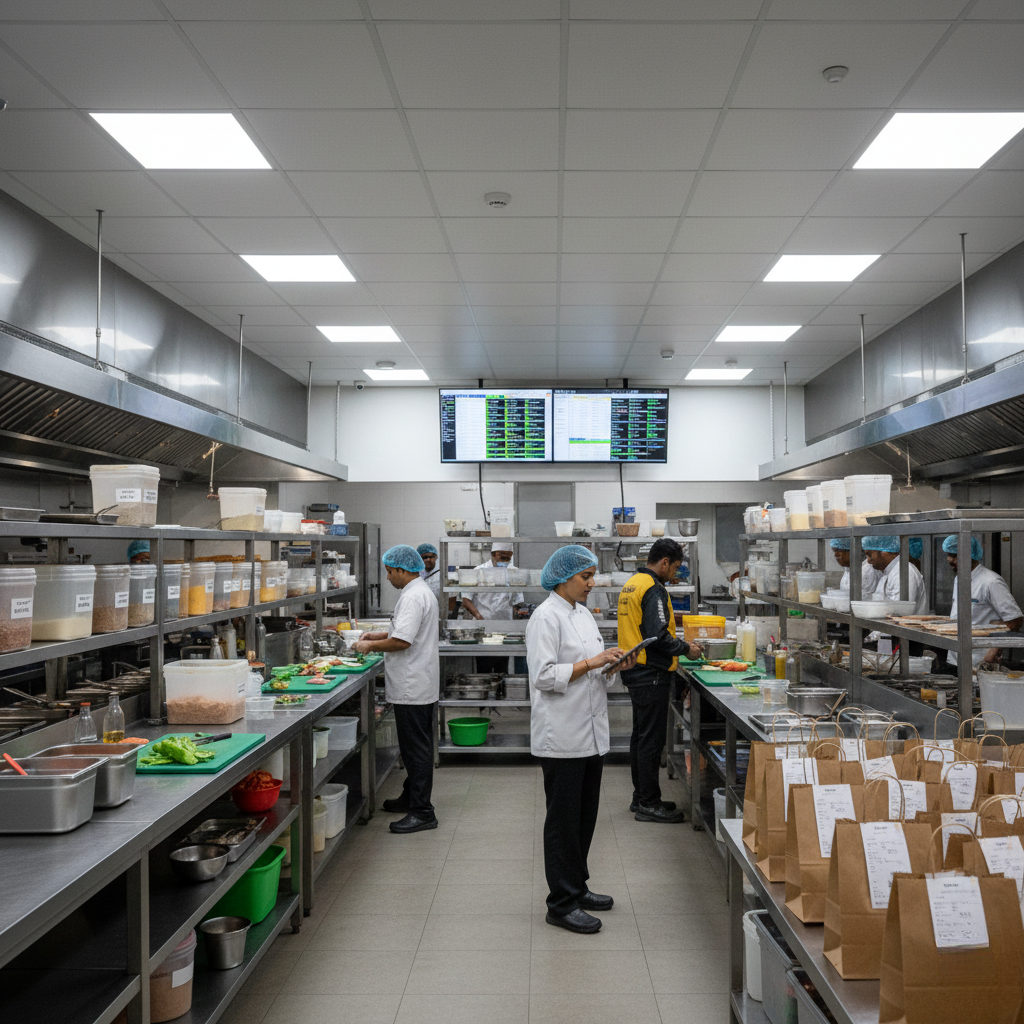
Inventory Platforms as Best Tools for Cloud Kitchens to Track Profitability
Inventory management tools track stock movement, expiration cycles, and reorder thresholds. These are essential Best Tools for Cloud Kitchens to Track Profitability because they reduce spoilage and overstocking.
Effective systems integrate with sales data, ensuring procurement decisions reflect actual demand.
Labor Analytics Within the Best Tools for Cloud Kitchens to Track Profitability
Labor cost ratio is another essential profitability metric.
Labor Cost % = (Total Staff Cost / Total Revenue) × 100
Scheduling software that aligns staffing with order trends represents some of the Best Tools for Cloud Kitchens to Track Profitability, improving productivity and reducing idle payroll.
Discount Performance Trackers: Best Tools for Cloud Kitchens to Track Profitability
Promotional campaigns must be evaluated beyond order volume. Tools that measure discount-to-sales ratio and post-discount contribution are critical Best Tools for Cloud Kitchens to Track Profitability.
Operational risks linked to promotional imbalance are explored further in How Do I Know If My Cloud Kitchen Is Profitable? .
Integrated Dashboards: The Best Tools for Cloud Kitchens to Track Profitability
The most effective solution combines contribution margin, food cost tracking, labor analytics, discount impact, and inventory turnover into a unified system.
Integrated platforms represent the Best Tools for Cloud Kitchens to Track Profitability because they eliminate data fragmentation and provide daily financial clarity.
How to Use the Best Tools for Cloud Kitchens to Track Profitability Effectively
Tools alone do not improve profitability. The Best Tools for Cloud Kitchens to Track Profitability must be reviewed daily and aligned with operational behavior.
When financial metrics guide execution, profitability becomes measurable and manageable.
Choosing the Best Tools for Cloud Kitchens to Track Profitability
The Best Tools for Cloud Kitchens to Track Profitability depend on operational complexity and growth stage. Emerging kitchens may begin with structured spreadsheets, while scaling brands benefit from integrated software ecosystems.
The key is maintaining visibility into the data points that directly influence contribution and cost stability.
Final Thoughts on the Best Tools for Cloud Kitchens to Track Profitability
The Best Tools for Cloud Kitchens to Track Profitability provide clarity, integration, and control. Contribution dashboards, food cost systems, inventory platforms, labor analytics, and promotional trackers collectively create financial transparency.
When these tools operate cohesively, cloud kitchens gain confidence in decision-making and resilience in competitive markets.
Frequently Asked Questions About the Best Tools for Cloud Kitchens to Track Profitability
Do small cloud kitchens need the Best Tools for Cloud Kitchens to Track Profitability?
Even simple dashboards can provide clarity, but integrated systems improve efficiency as operations scale.
Which of the Best Tools for Cloud Kitchens to Track Profitability has the biggest impact?
Contribution margin dashboards typically provide the strongest direct visibility into earning power.
How often should the Best Tools for Cloud Kitchens to Track Profitability be reviewed?
Daily monitoring of operational metrics ensures early detection of margin drift.
Can the Best Tools for Cloud Kitchens to Track Profitability replace accounting software?
No. They complement accounting systems by offering operational-level insights rather than historical summaries.
Still Have Questions?
For operational and profitability guidance, read the Grow Kitchen FAQs .
You may also explore:
- Cloud Kitchen Profitability Dropping When Orders Increase
- Key Profitability Metrics for Cloud Kitchens
- Use Data to Optimize Cloud Kitchen Profitability
- Data-Driven Decisions for Cloud Kitchen Profitability
- Building Profitable Cloud Kitchen Data-Backed Roadmap