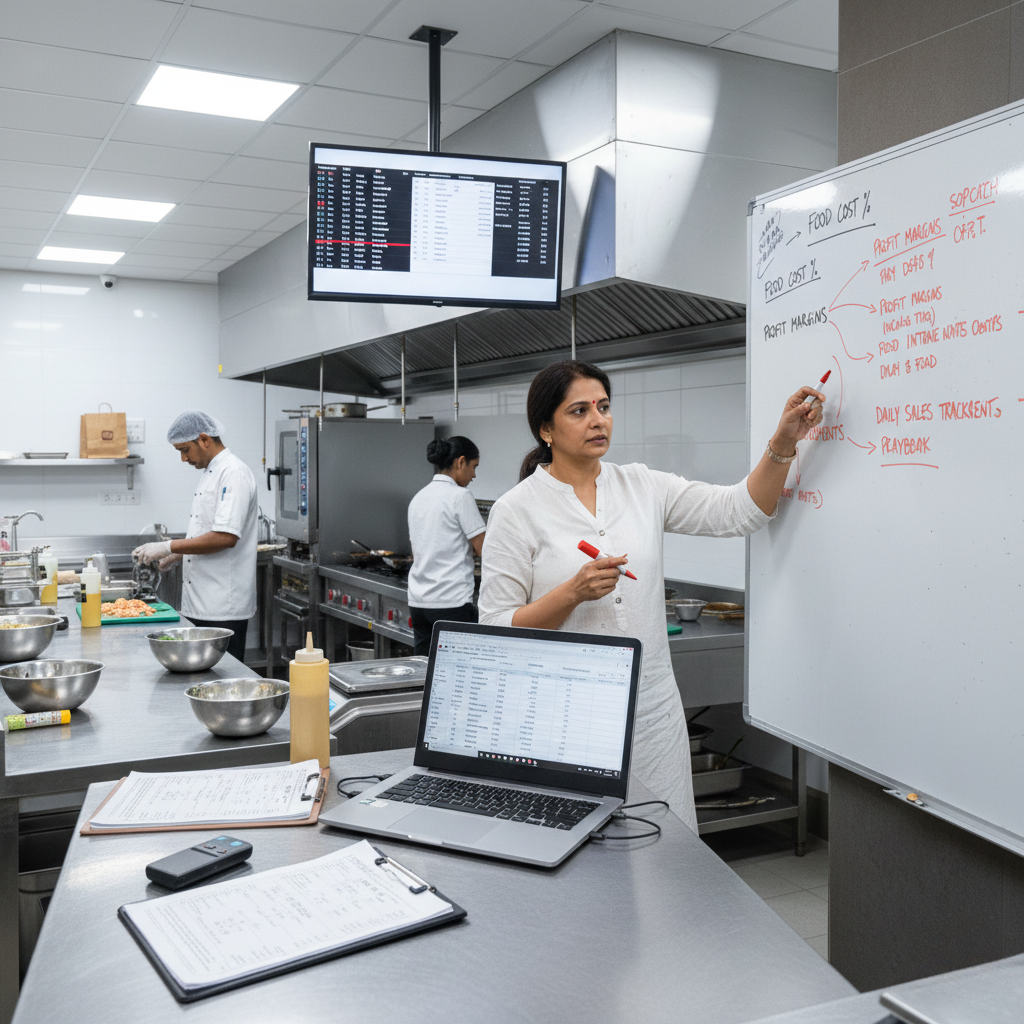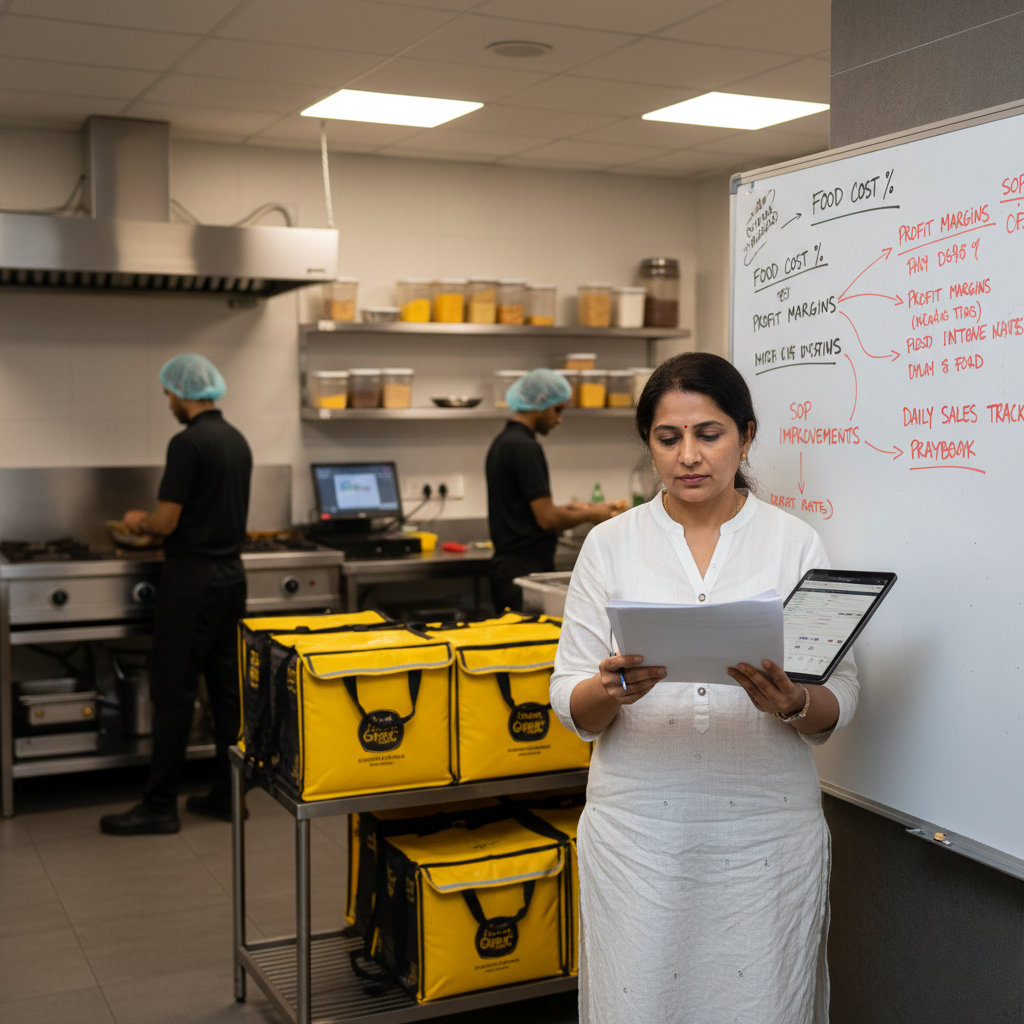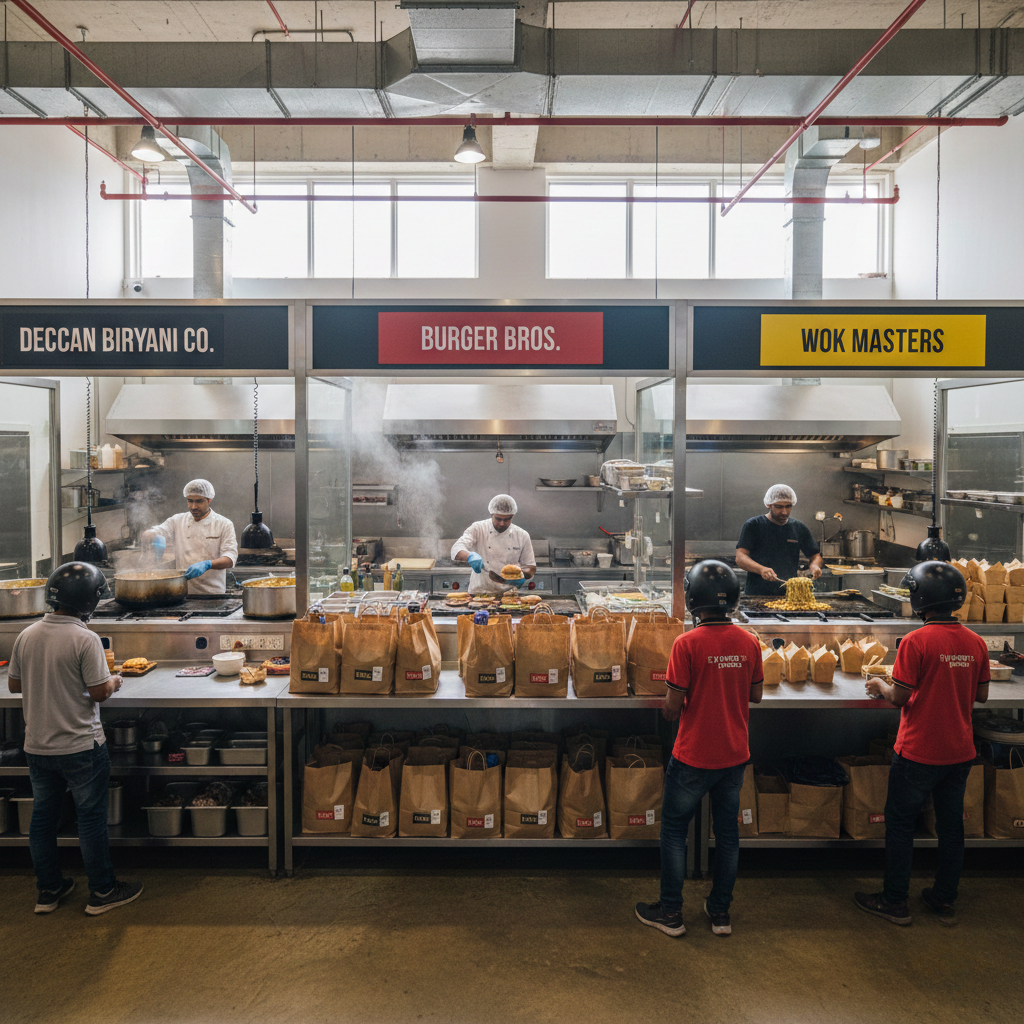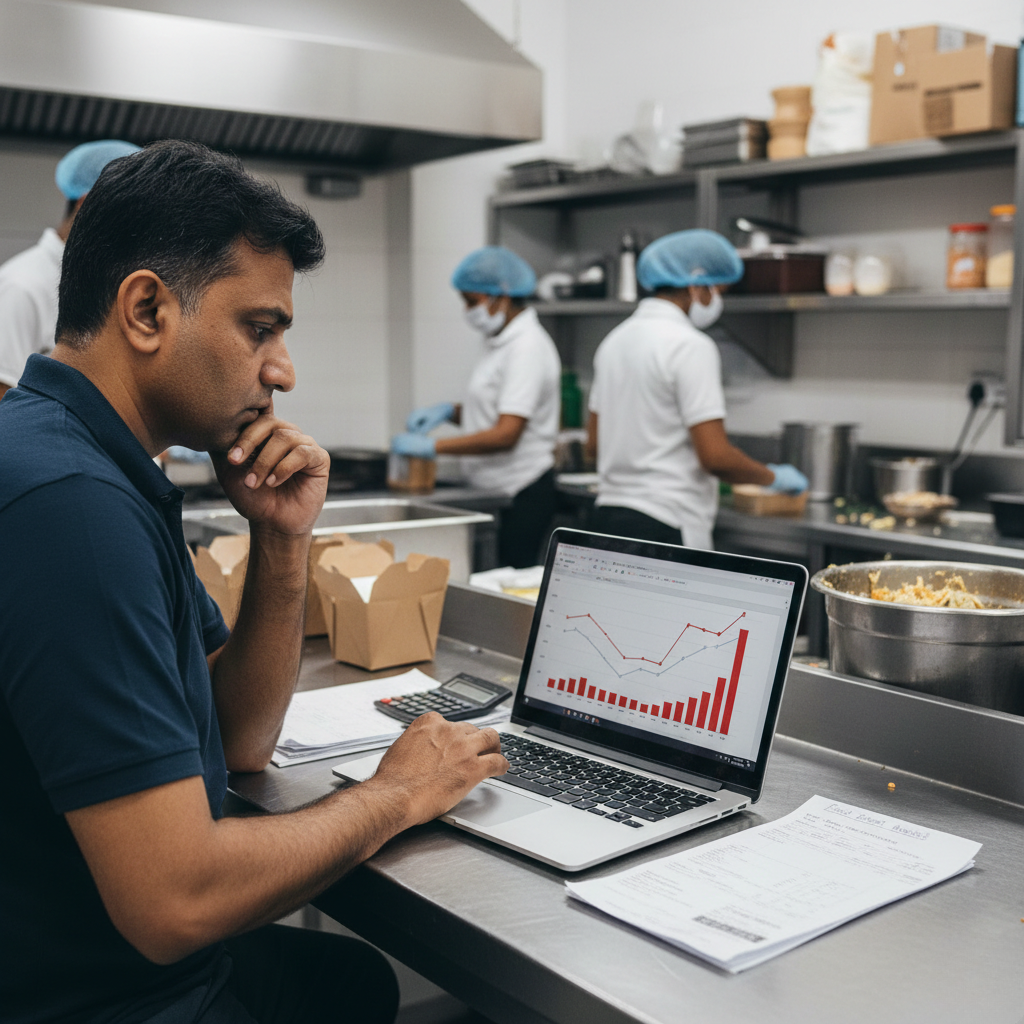
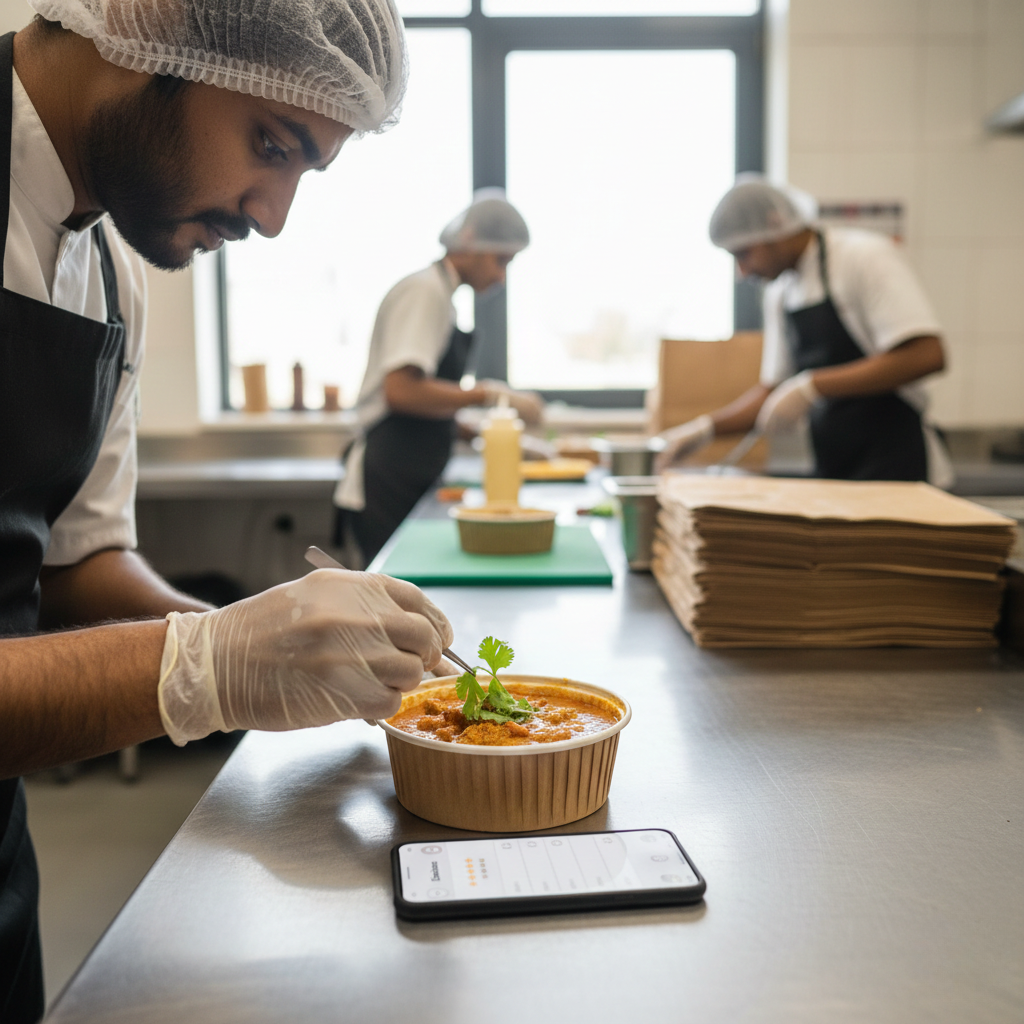
Improving Zomato Ratings Case Study-This case study documents how a multi-brand cloud kitchen improved its Zomato ratings consistently without changing its menu, recipes, or pricing. This Improving Zomato Ratings Case Study shows how inconsistent execution across shifts can quietly damage customer experience, a situation many founders face as described in Why My Cloud Kitchen Profits Are Declining.
Over a ninety-day period, the kitchen moved from fluctuating Zomato ratings to stable, upward-trending brand scores by implementing CKaaS (Cloud Kitchen as a Service). No rebranding or discounting was involved. The improvement came entirely from operational structure, similar to approaches used when Reducing Swiggy Refunds.
Improving Zomato Ratings Case Study: Case Background
The kitchen operated multiple delivery-only brands from a shared facility, servicing both Zomato and Swiggy. Daily order volume averaged between two hundred and two hundred fifty orders. Despite decent demand, Zomato ratings frequently fluctuated between 3.8 and 4.1, limiting organic visibility on the platform.
Customer complaints consistently mentioned late deliveries, inconsistent portioning, incorrect customization, and uneven food quality across different days. This pattern is commonly observed in kitchens that scale without stabilising operations first, a challenge explained in How to Stabilise Profits Before Scaling.
Internally, the founder believed ratings were impacted by Zomato algorithms or customer bias. However, deeper analysis revealed the issue was operational inconsistency rather than platform behavior, similar to insights shared in Cloud Kitchen Without SOPs vs After SOP Implementation.
The Core Problem
While food taste remained consistent, execution varied significantly across shifts. Different staff followed different preparation, plating, and packing habits. Order accuracy depended heavily on who was working that shift, making customer experience unpredictable.
This is a common symptom of founder-dependent kitchens where systems have not yet replaced supervision, as outlined in Founder-Dependent Kitchen Converted Into System-Driven Operations.
Intervention: Operational Diagnosis Through CKaaS
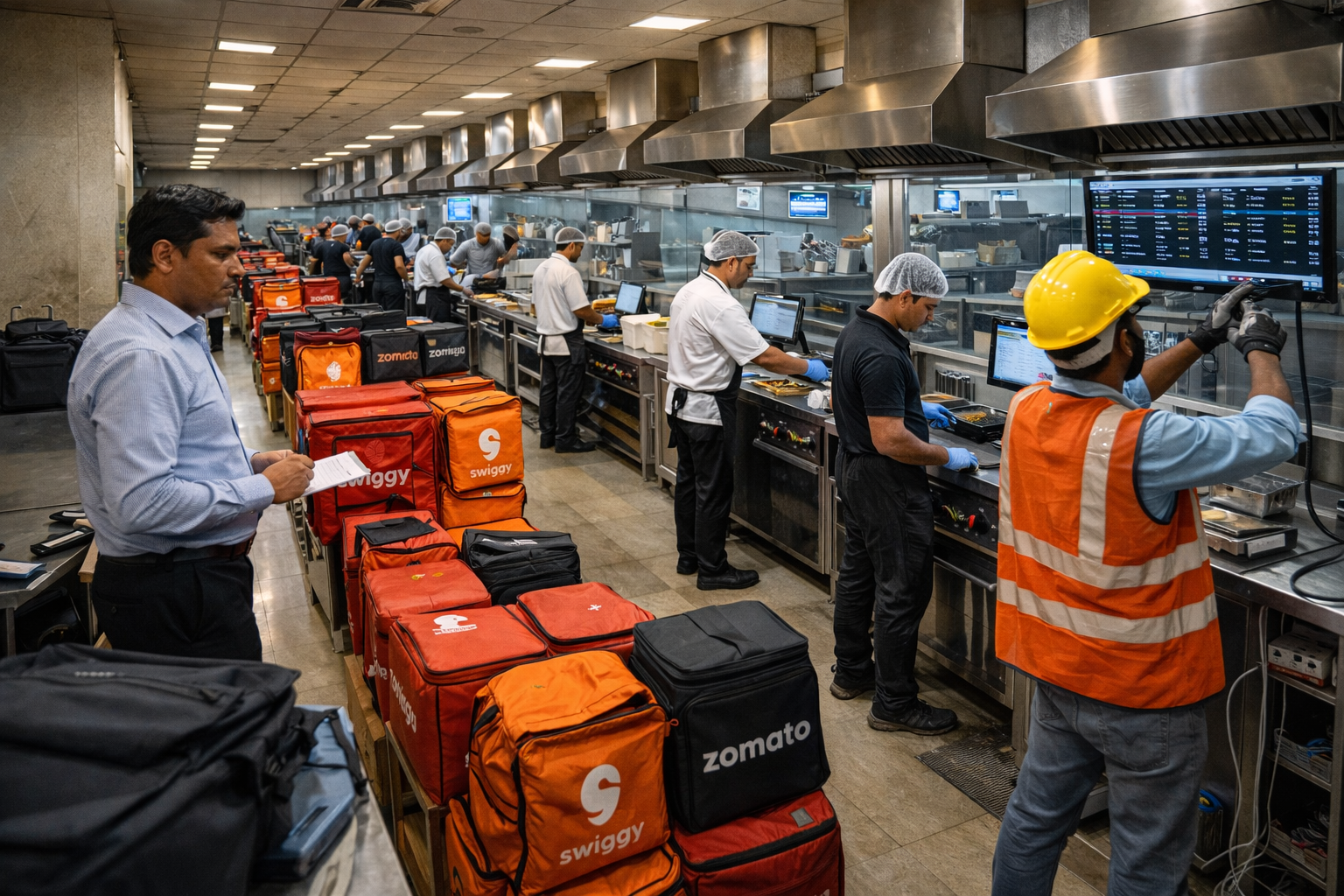
The first CKaaS intervention involved a structured operational diagnosis. Zomato reviews from the previous forty-five days were mapped against internal kitchen processes. Each negative review was traced back to a specific operational failure rather than treated as generic feedback.
This analysis revealed that most low ratings were caused by inconsistent execution during peak hours and staff transitions, not food quality. Similar diagnostic approaches are used when analysing contribution margins in cloud kitchens.
Intervention: Identifying Execution Gaps Across Shifts
CKaaS conducted a full shift-wise audit, observing prep, service, and packing processes across morning, evening, and late-night operations. The same menu item was being prepared differently across shifts, leading to customer perception of inconsistency.
Add-ons and custom instructions were frequently missed during peak loads. Packing standards varied between staff members, and there was no clear ownership once orders left the pass counter. These gaps directly translated into poor Zomato reviews.
Intervention: CKaaS SOP and Execution Framework
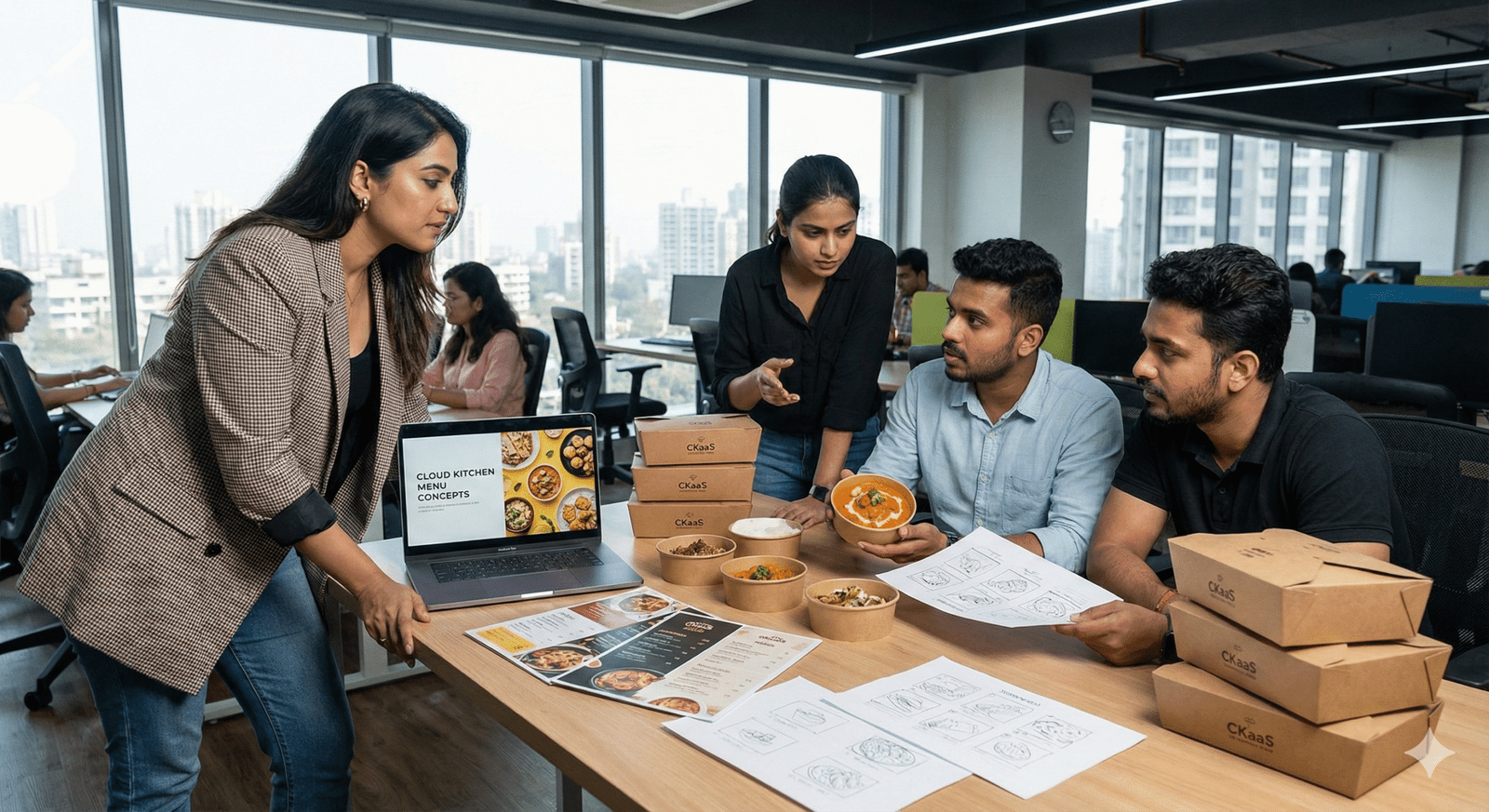
CKaaS implemented a role-based SOP framework covering prep, assembly, packing, and handoff. SOPs were designed to be visual and shift-proof, ensuring consistency regardless of who was working. This approach mirrored principles discussed in How SOPs Improve Cloud Kitchen Profitability.
Order accuracy checkpoints were introduced at critical stages. Custom instructions and add-ons were highlighted operationally, reducing dependency on memory or experience. These changes ensured uniform execution even during peak hours.
Accountability was reinforced by defining clear ownership at each stage of order flow. This eliminated ambiguity and reduced errors that previously resulted in negative Zomato reviews.
Intervention: Shift Discipline and Training
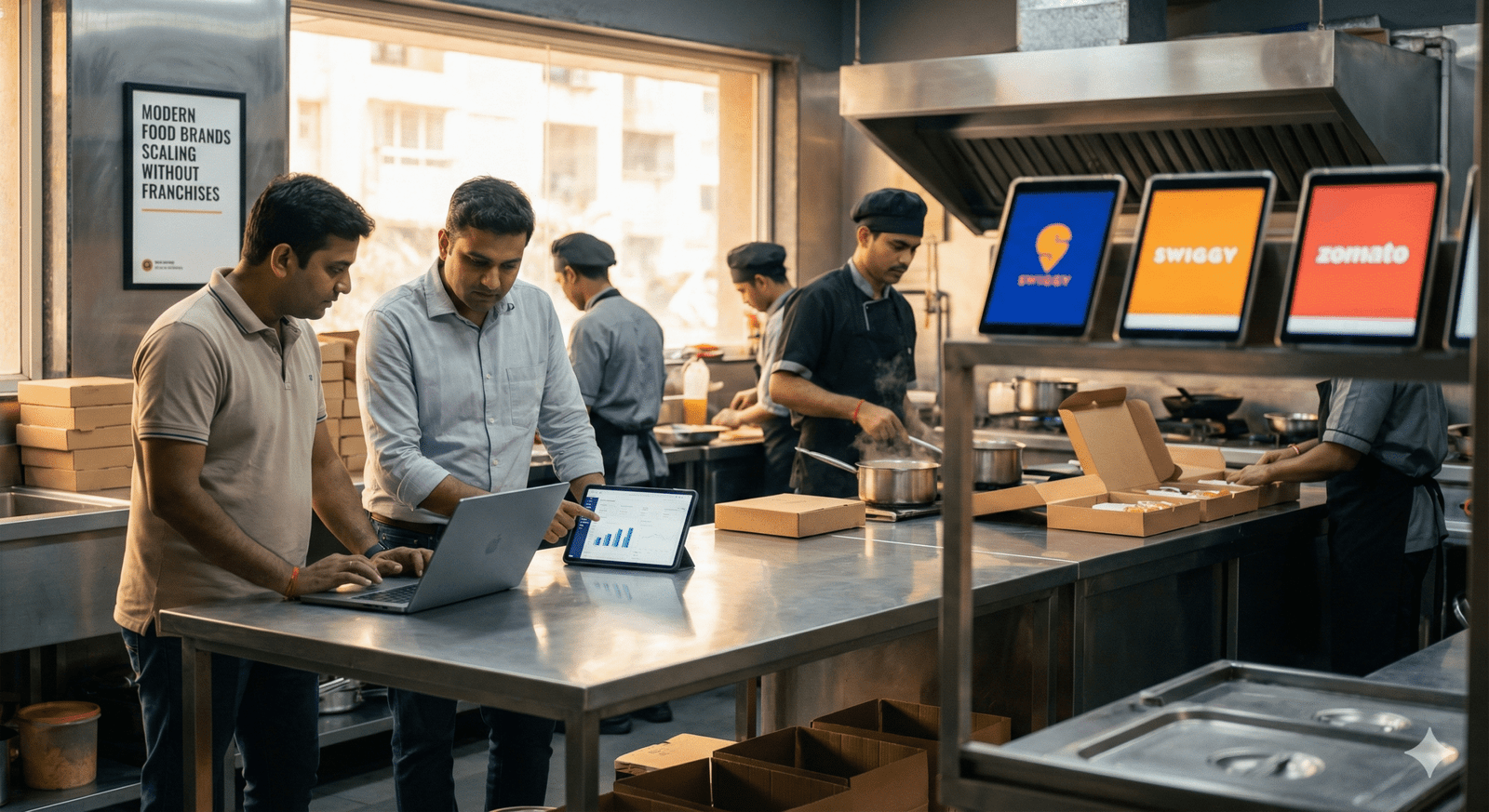
Instead of periodic training sessions, CKaaS introduced daily shift huddles focused on one execution standard or recent customer feedback. These short, repeatable sessions helped staff internalize expectations, aligning with methods described in Daily Shift Planning for Cloud Kitchens.
Over time, execution stabilized across shifts. Staff no longer relied on individual habits, and customer experience became predictable regardless of order timing.
Outcome and Results
Within ninety days of CKaaS implementation, average Zomato ratings improved from the 3.8–4.1 range to consistently above 4.3 across brands. This Improving Zomato Ratings Case Study shows how review sentiment shifted noticeably, with fewer complaints about inconsistency, delays, or incorrect orders.
Importantly, these improvements were achieved without changing the menu, recipes, or pricing. The case demonstrated that Zomato ratings are a direct reflection of execution consistency rather than food innovation.
Key Case Study Takeaways
This Improving Zomato Ratings Case Study reinforces that Zomato ratings are operational outcomes. When execution varies, ratings fluctuate. When systems are standardized through CKaaS, customer experience stabilizes and ratings improve naturally. SOPs, shift discipline, and role clarity matter more than frequent menu changes.
Related Case Studies and Reads
Readers interested in operational-led rating improvements also explore:
- How to Fix a Loss-Making Cloud Kitchen
- Why Discounts Are Not Solving Your Profit Problem
- From 50 Orders to 300 Orders: Operations Scaling Guide
- Standardizing Kitchen Execution Across Shifts
Have Questions?
For deeper clarity on CKaaS, cloud kitchen operations, SOP design, and performance improvement, detailed answers are available in the Grow Kitchen FAQs.
External References
Explore more insights on cloud kitchen systems and execution at: