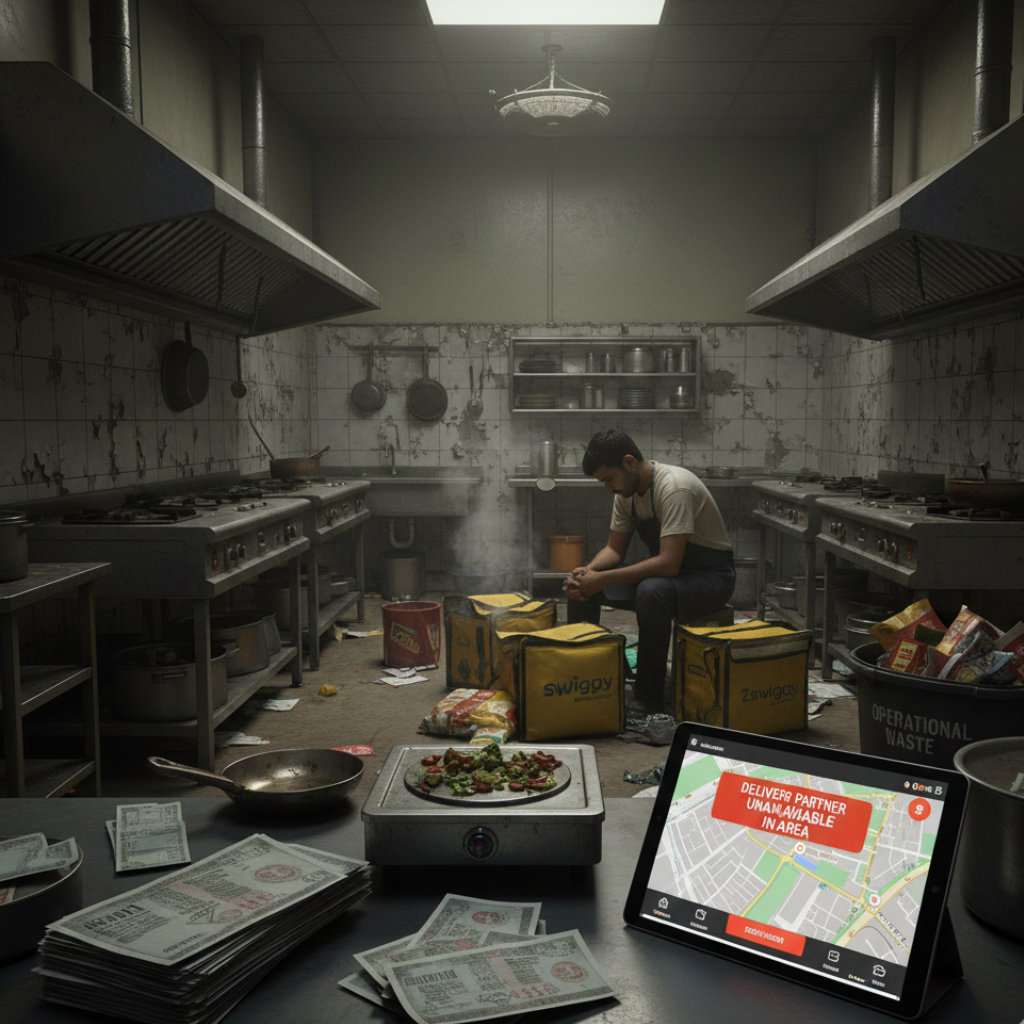
Cloud kitchen failure case study in india model promised to revolutionize the food industry in India. Low setup cost, no dine-in space, and growing food delivery demand attracted thousands of entrepreneurs. However, behind the success stories lies a harsh reality-a significant number of cloud kitchens shut down within the first two years. Cloud kitchen as a service
This cloud kitchen failure case study in India examines a real-world-inspired example of a delivery-only food brand that started strong but eventually failed. By understanding what went wrong, future cloud kitchen founders can avoid costly mistakes.
1. Background of the Cloud Kitchen
The cloud kitchen in this case study launched in 2021 in a tier-1 Indian city. The founders were first-time entrepreneurs with limited experience in food operations but strong confidence in the food delivery boom.
The kitchen focused on popular items such as:
- Burgers and sandwiches
- Fried snacks
- Rice bowls
- Beverages
The initial investment was approximately ₹8 lakhs, covering kitchen equipment, rent, licenses, and working capital. The business was listed on major food delivery platforms from day one.
2. Early Growth & False Confidence
During the first three months, the cloud kitchen showed promising results:
- Average daily orders: 80–100
- Monthly revenue: ₹6.5–7 lakhs
- High discounts boosted visibility
Encouraged by early traction, the founders assumed the business model was working perfectly. However, this initial growth masked deeper structural problems.
Heavy discounting created artificial demand, while actual profitability remained unclear.
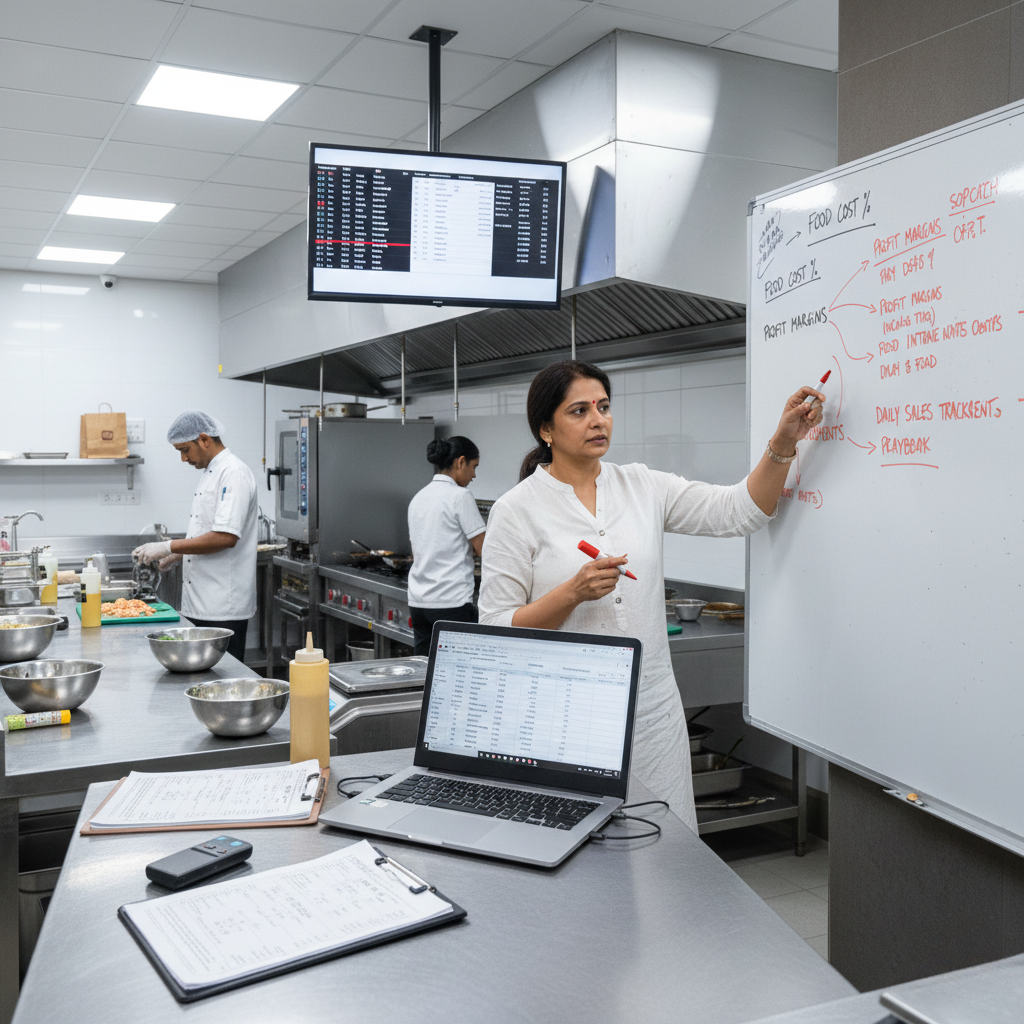
3. Ignoring Unit Economics
One of the biggest reasons for failure was ignoring unit economics.
3.1 High Aggregator Commissions
Food delivery platforms charged commissions between 22% and 30% per order. After discounts, taxes, and packaging costs, margins became extremely thin.
3.2 No Contribution Margin Tracking
The founders focused only on total revenue, not per-order profitability. Many menu items were sold at a loss without realizing it.
This is a common reason highlighted in industry reports such as Statista’s India food delivery market analysis.
4. Poor Menu Strategy
The menu had over 45 items, creating operational complexity.
- High inventory wastage
- Slow order preparation
- Inconsistent taste
Low-margin items were kept only to match competitors, further reducing profitability.
Instead of menu engineering, decisions were driven by assumptions and competitor imitation.
5. Inconsistent Food Quality
Customer complaints started increasing after the initial months.
Key reasons included:
- Untrained kitchen staff
- No standard recipes
- High staff turnover
Food ratings dropped from 4.3 to 3.6 on delivery platforms, leading to lower visibility and fewer organic orders.
6. Wrong Location Selection
To reduce rent, the kitchen was located in a low-demand residential area.
This caused:
- Long delivery times
- Higher cancellation rates
- Limited serviceable zones
Even though cloud kitchens don’t require prime locations, demand density still plays a crucial role.
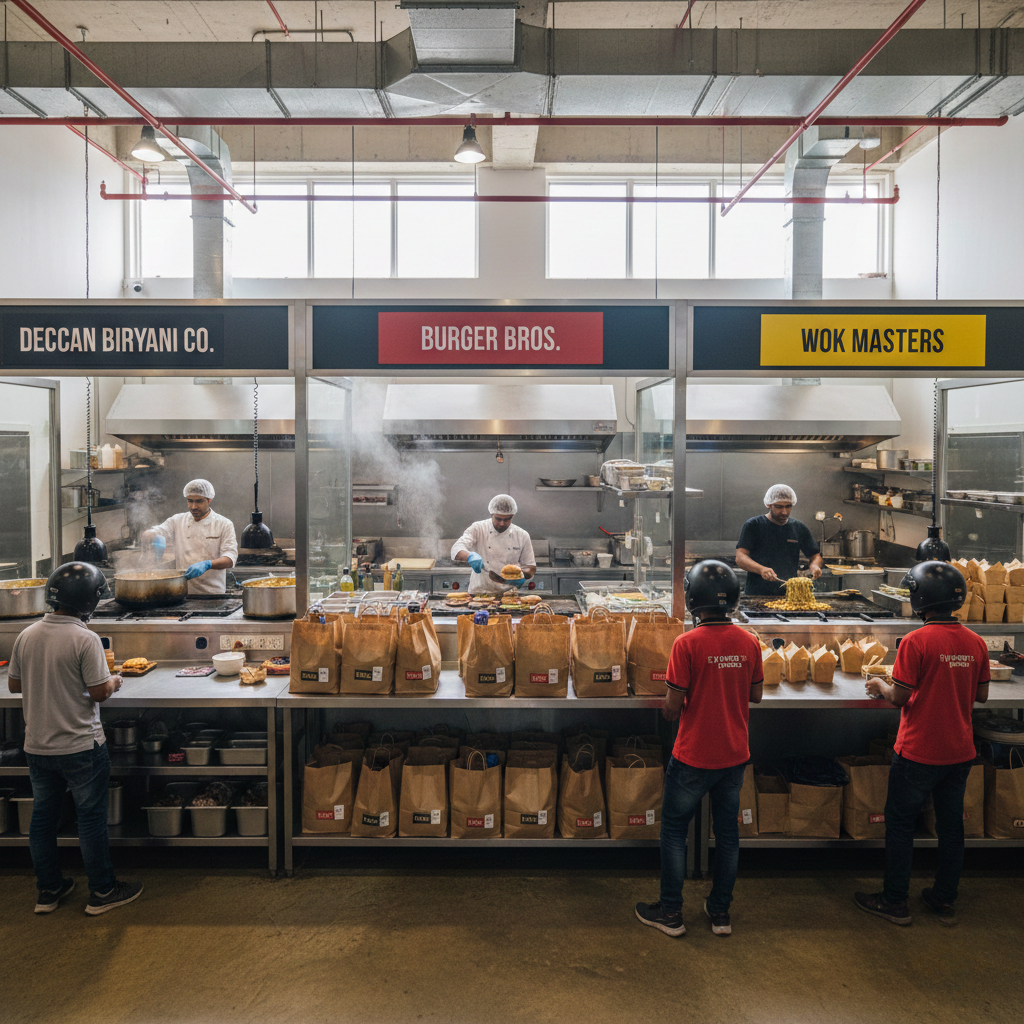
7. Over-Dependence on Food Aggregators
The business relied almost entirely on food delivery platforms for orders.
7.1 Paid Promotions Burned Cash
To maintain order volume, the founders spent heavily on sponsored listings and discounts, which further eroded margins.
7.2 No Direct Customer Base
There was no effort to build a loyal customer base through branding, social media, or direct ordering.
When promotions were stopped, order volume dropped sharply.
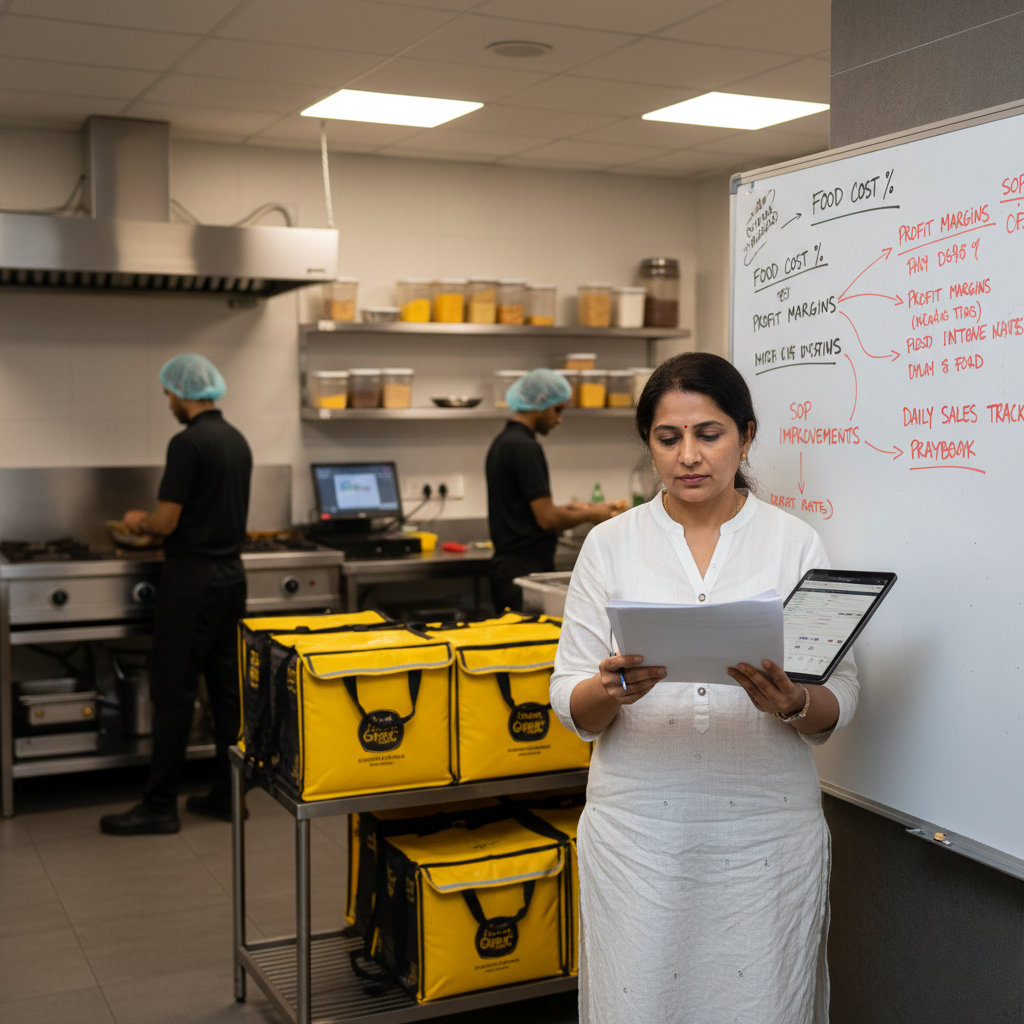
8. Operational Inefficiencies
Daily operations became chaotic due to lack of systems.
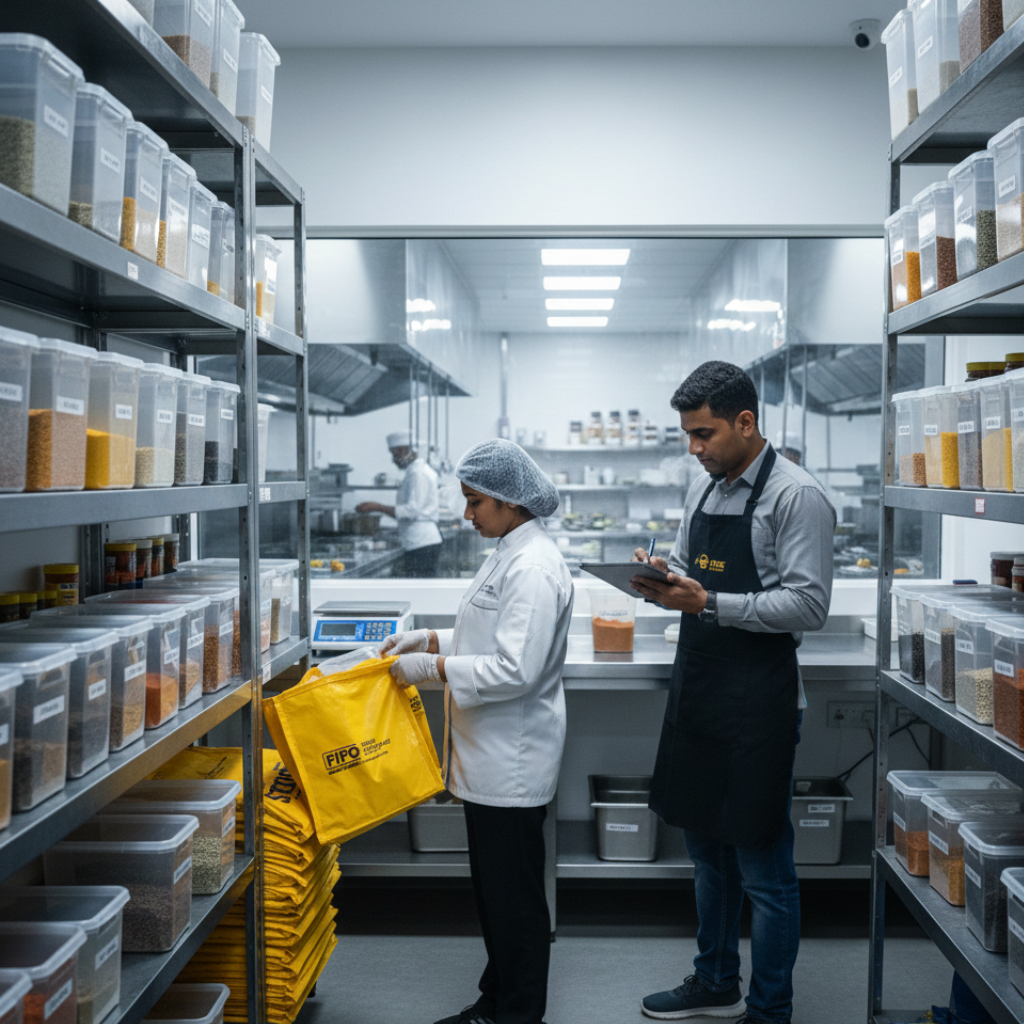
- No inventory tracking
- Frequent stock-outs
- Order delays
- Increased food wastage
Without proper SOPs and technology, errors increased and customer trust declined.
Operational challenges like these are commonly discussed in industry guides such as Restaurant India’s cloud kitchen overview.
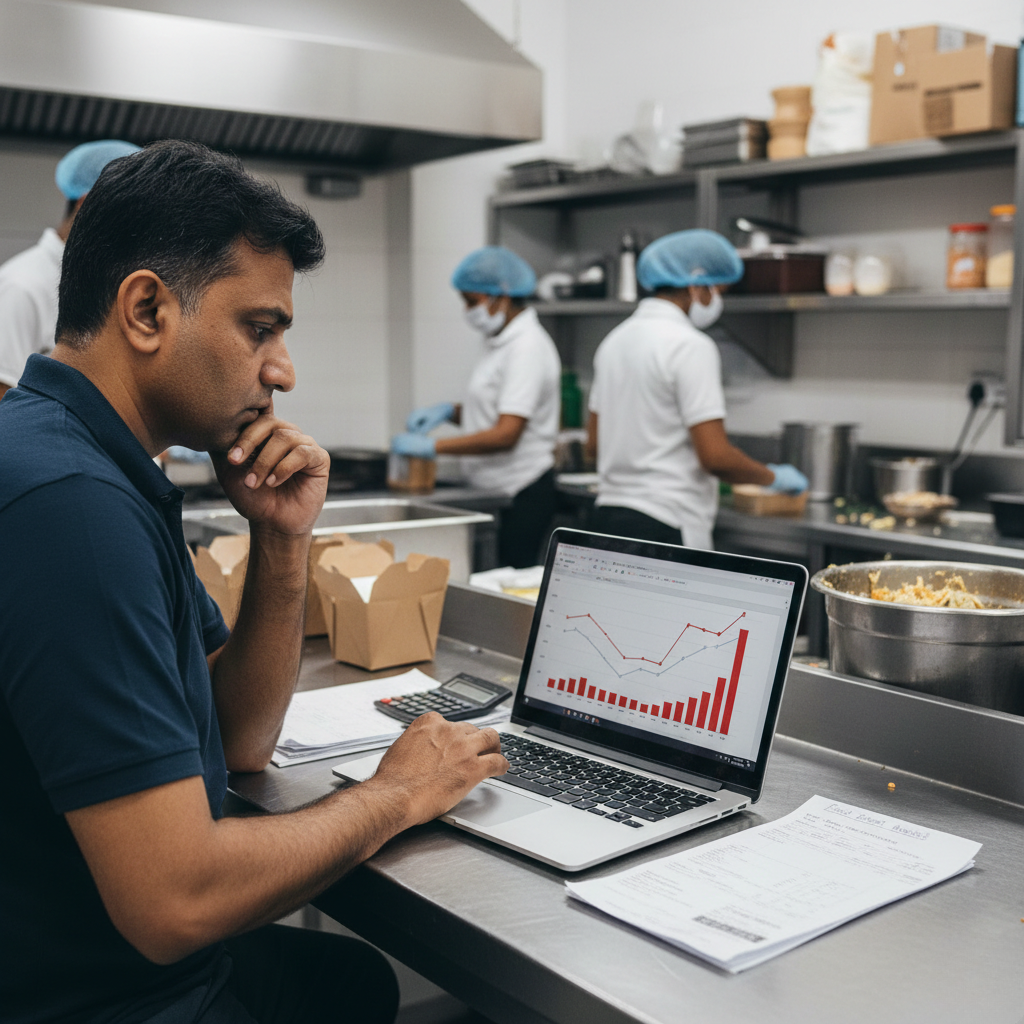
9. Cash Flow Mismanagement
Despite decent revenue numbers, cash flow remained negative.
- Delayed payouts from aggregators
- High monthly fixed costs
- No emergency reserve
Within 14 months, the founders were unable to pay rent and salaries consistently.
10. The Shutdown
After operating for 18 months, the cloud kitchen shut down.
Key reasons for closure:
- Consistent monthly losses
- Declining order volume
- Rising operational stress
- No clear path to profitability
The founders realized too late that revenue growth without profitability is unsustainable.
11. Key Lessons from This Cloud Kitchen Failure Case Study
- Unit economics matter more than revenue
- Menu simplicity improves control
- Quality consistency builds long-term trust
- Aggregator dependence is risky
- Cash flow decides survival
Frequently Asked Questions (FAQs)
Q1. Why do cloud kitchens fail in India?
Cloud kitchens fail due to low margins, high aggregator commissions, poor planning, inconsistent quality, and cash flow issues.
Q2. How long do failed cloud kitchens usually survive?
Most failed cloud kitchens shut down within 12–24 months of launch.
Q3. Can cloud kitchens be profitable in India?
Yes, cloud kitchens can be profitable if unit economics, menu engineering, and cost control are handled correctly.
Q4. What is the biggest mistake cloud kitchen owners make?
Focusing on revenue instead of profitability is the most common and costly mistake.
People Also Read
- Cloud Kitchen Business in India: Complete Guide
- Cloud Kitchen Setup Cost in India
- Cloud Kitchen Profitability Case Study
- Why Cloud Kitchen Business Fails in India