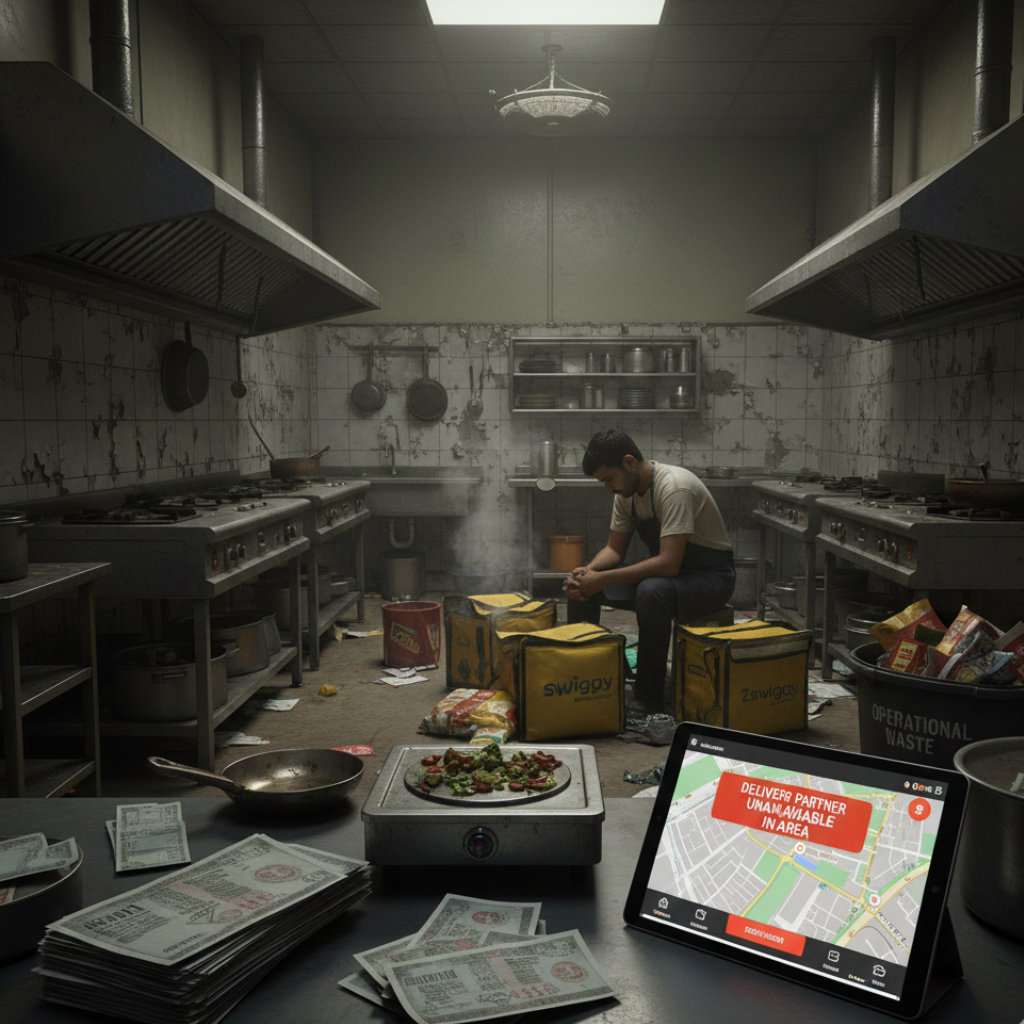
Why cloud kitchen business fails in india-The cloud kitchen business in India has grown rapidly over the last few years. With low setup costs, no dine-in space, and rising demand for food delivery, many entrepreneurs believe cloud kitchens are an easy path to success. However, the reality is quite different. Cloud kitchen as a service
Despite the hype, a large number of cloud kitchen businesses fail within the first 12–24 months. In this detailed guide, we explain why cloud kitchen business fails in India, highlighting common mistakes, operational challenges, and strategic errors that lead to shutdowns.

1. Rapid Growth vs Harsh Reality
The Indian food delivery market has seen explosive growth, encouraging thousands of entrepreneurs to launch cloud kitchens. While entry barriers are low, survival barriers are extremely high.
Many founders enter the cloud kitchen space without:
- Understanding unit economics
- Experience in food operations
- Clear differentiation
- Long-term financial planning
As a result, businesses start fast but struggle to sustain operations.
2. Low Profit Margins
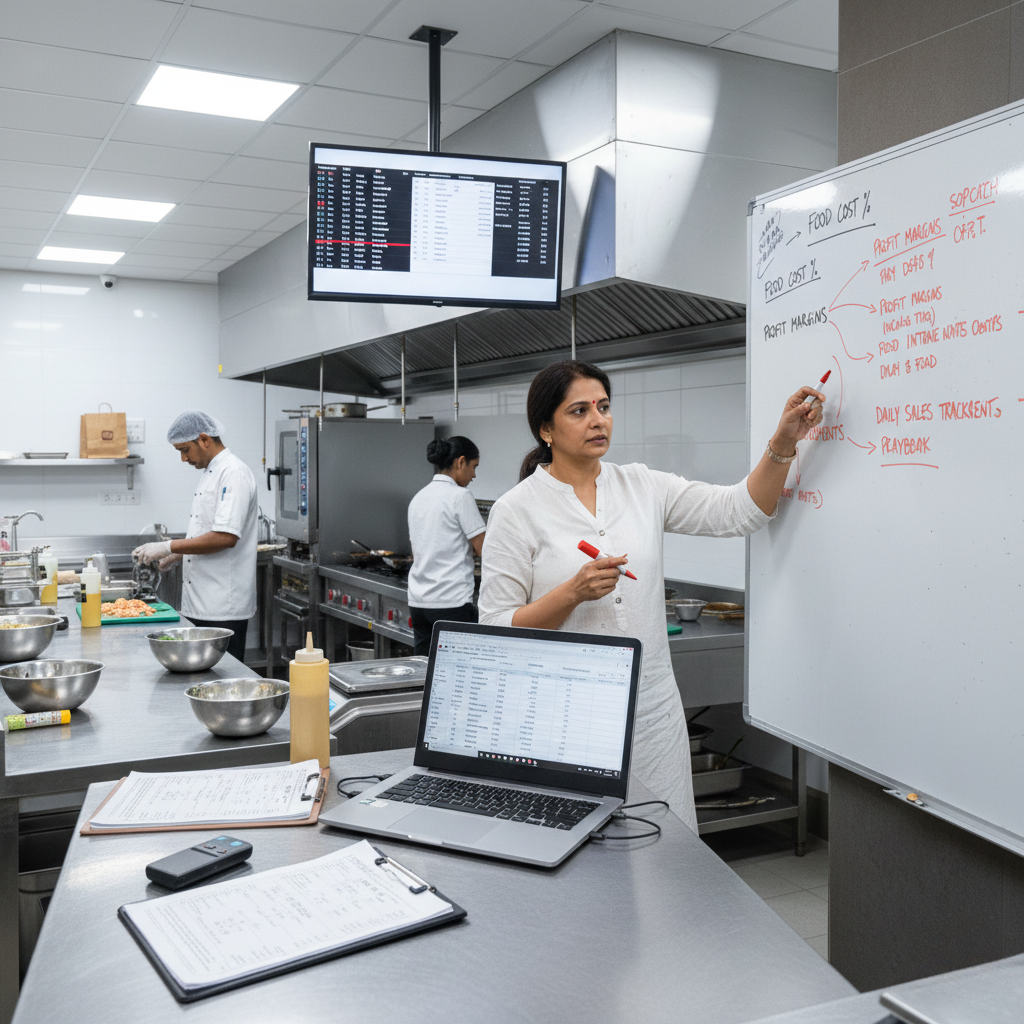
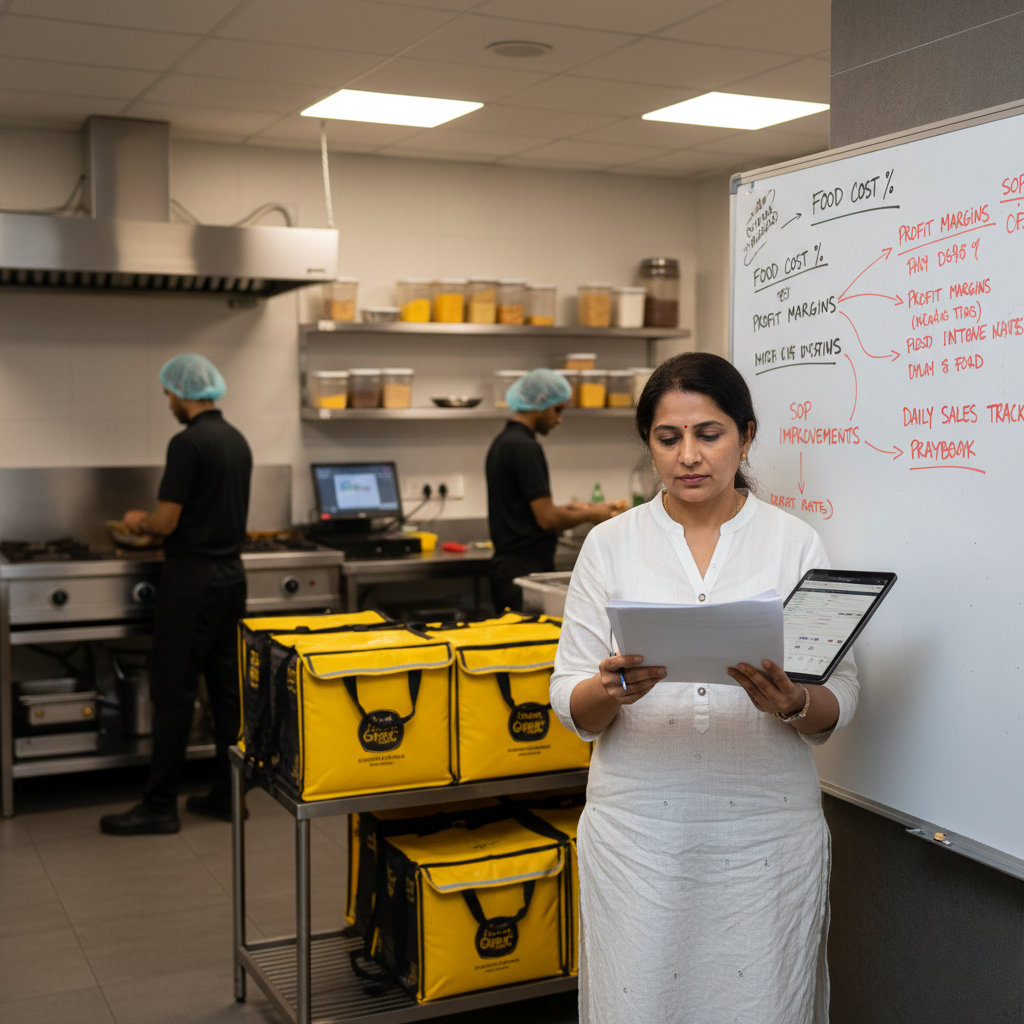
One of the biggest reasons why cloud kitchen business fails in India is low profit margins.
2.1 High Aggregator Commissions
Food delivery platforms typically charge 18%–30% commission per order. After discounts, packaging, and taxes, margins shrink drastically.
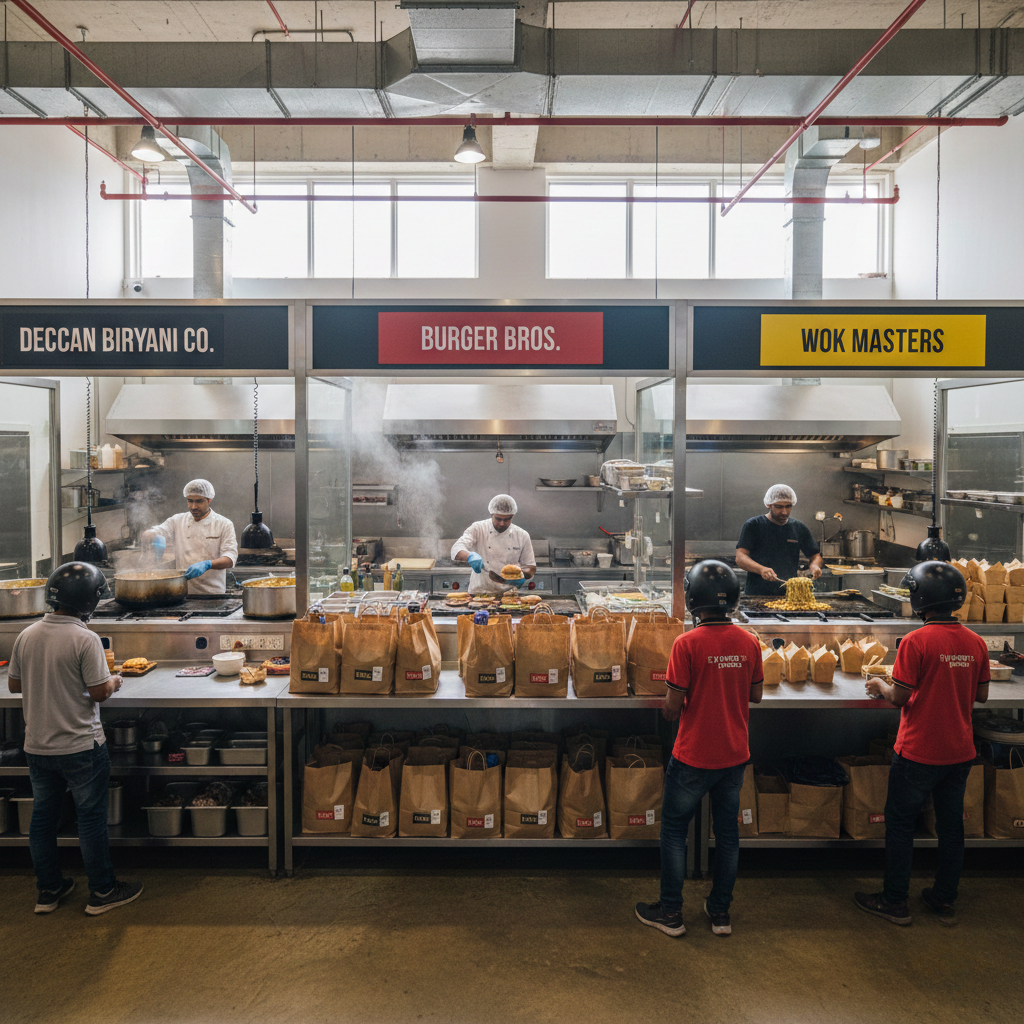
Many cloud kitchens rely heavily on aggregators for orders, leaving little room for profitability.
2.2 Rising Raw Material Costs
Fluctuating prices of vegetables, cooking oil, dairy, and meat further reduce margins, especially when menu prices cannot be increased frequently.
3. Poor Business Planning
Many cloud kitchens fail because they are launched without a proper business plan.
Common planning mistakes include:
- No break-even analysis
- Underestimating working capital
- Unrealistic revenue projections
- Ignoring seasonal demand fluctuations
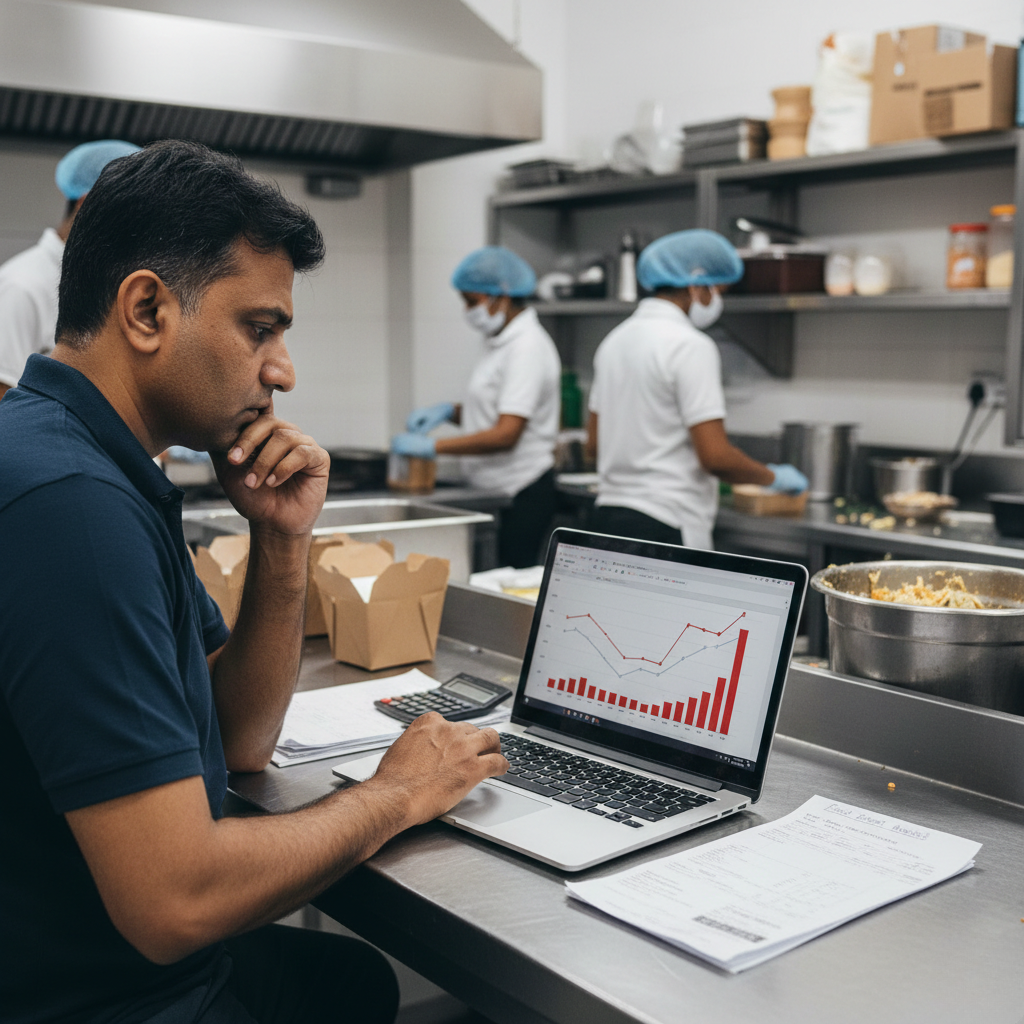
Without a solid financial roadmap, even good kitchens run out of cash.
4. Wrong Menu Strategy
Menu design plays a critical role in cloud kitchen success. Many kitchens fail due to poor menu planning.
4.1 Overloaded Menus
Offering too many items increases:
- Inventory wastage
- Preparation time
- Operational complexity
This results in delayed orders and poor customer reviews.
4.2 Low-Margin Dishes
Some kitchens sell items with thin margins just to attract customers, which becomes unsustainable over time.
5. Inconsistent Food Quality
Maintaining consistent taste and quality is one of the biggest challenges in cloud kitchens.
Reasons for inconsistency include:
- Untrained kitchen staff
- Lack of standard recipes
- Poor quality control
Negative reviews spread quickly on delivery platforms, reducing visibility and order volume.
6. Wrong Location Selection
Although cloud kitchens don’t need high-street locations, location still matters.
Many cloud kitchens fail due to:
- Low order-density areas
- Poor delivery connectivity
- High rents in unsuitable zones
Wrong location decisions directly impact delivery time and customer satisfaction.
7. Weak Marketing & Brand Visibility
Another major reason why cloud kitchen business fails in India is lack of marketing.
7.1 Over-Dependence on Aggregators
Relying only on food delivery apps limits brand control. When competition increases, visibility drops unless paid promotions are used.
7.2 No Brand Recall
Many cloud kitchens operate without building a recognizable brand, making customer retention difficult.
For industry-level insights, you can refer to this market overview by Statista.
8. Operational Inefficiencies
Operational challenges silently kill cloud kitchen businesses.
Common issues include:
- High staff turnover
- Poor inventory tracking
- Order mismanagement
- Delayed deliveries
Without proper systems and SOPs, daily operations become chaotic.
9. Ignoring Legal & Compliance Requirements
Many cloud kitchens shut down due to legal troubles.
- Missing FSSAI licenses
- Fire safety violations
- Improper GST filings
Compliance failures can lead to heavy penalties or forced closures.
A useful operational overview is available from Restaurant India.
10. Expanding Too Fast
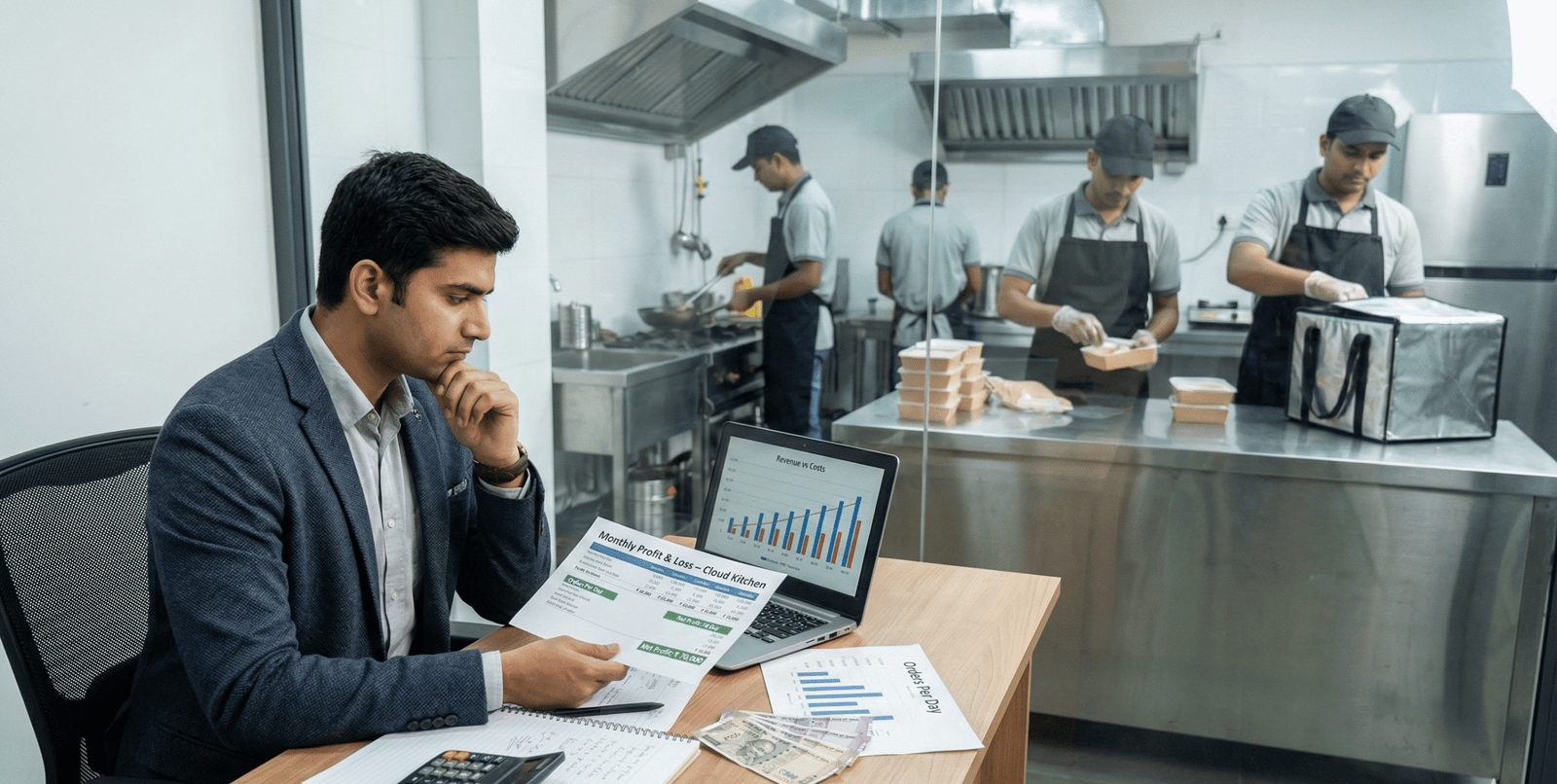
Many cloud kitchens fail because founders expand before achieving profitability.
Opening multiple locations without:
- Standardized operations
- Stable demand
- Strong cash flow
leads to rapid financial stress and eventual shutdown.
11. Key Lessons from Failed Cloud Kitchens
- Profitability is more important than growth
- Menu simplicity improves margins
- Operational discipline is critical
- Brand building drives repeat orders
- Cash flow management decides survival
Frequently Asked Questions (FAQs)
Q1. Why do most cloud kitchens fail in India?
Most cloud kitchens fail due to low margins, high aggregator commissions, poor planning, and inconsistent food quality.
Q2. Is cloud kitchen business risky?
Yes, it can be risky if costs are not controlled and profitability is not achieved early.
Q3. How long do cloud kitchens survive on average?
Many cloud kitchens shut down within 12–24 months if they fail to break even.
Q4. Can cloud kitchens succeed in India?
Yes, with proper planning, menu engineering, cost control, and branding, cloud kitchens can be profitable and scalable.
People Also Read
- Cloud Kitchen Business in India: Complete Guide
- Cloud Kitchen Setup Cost in India
- Cloud Kitchen Profitability Case Study
- Challenges of Cloud Kitchen Business in India