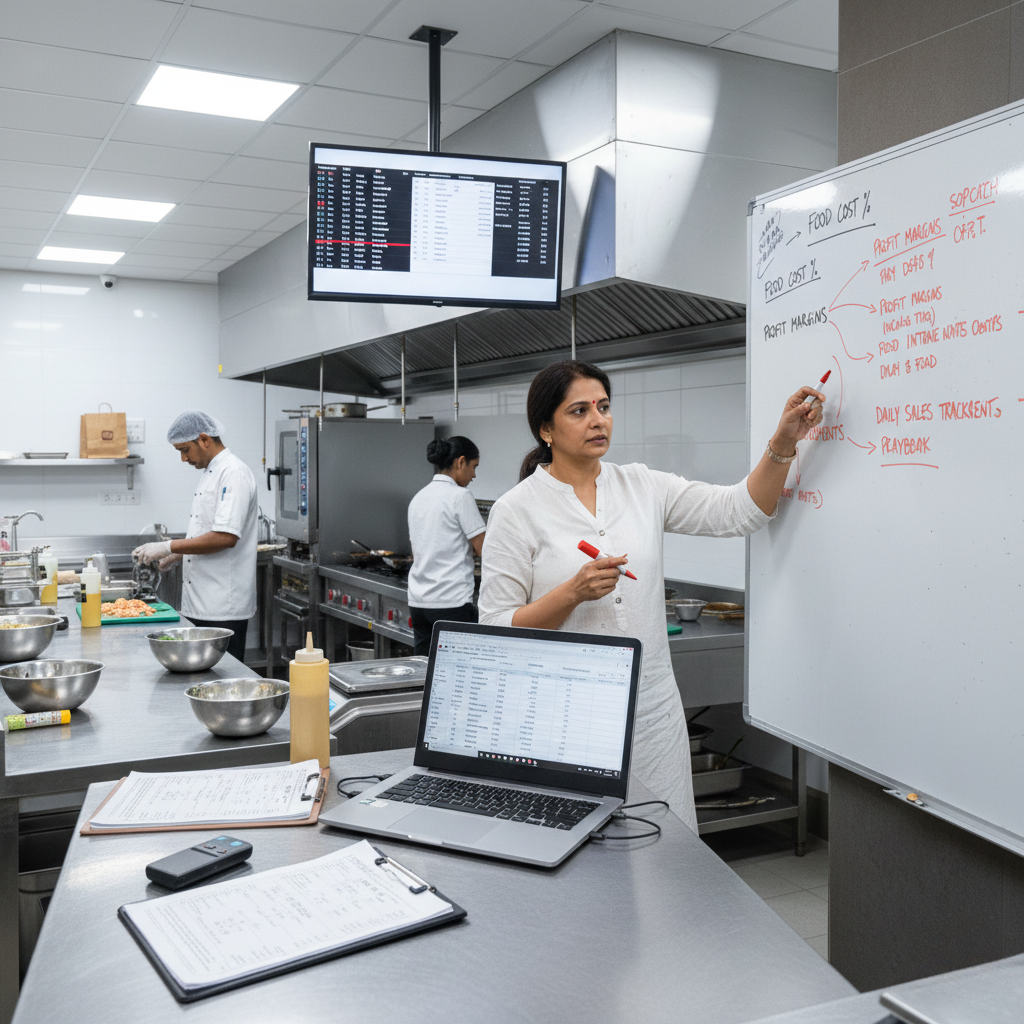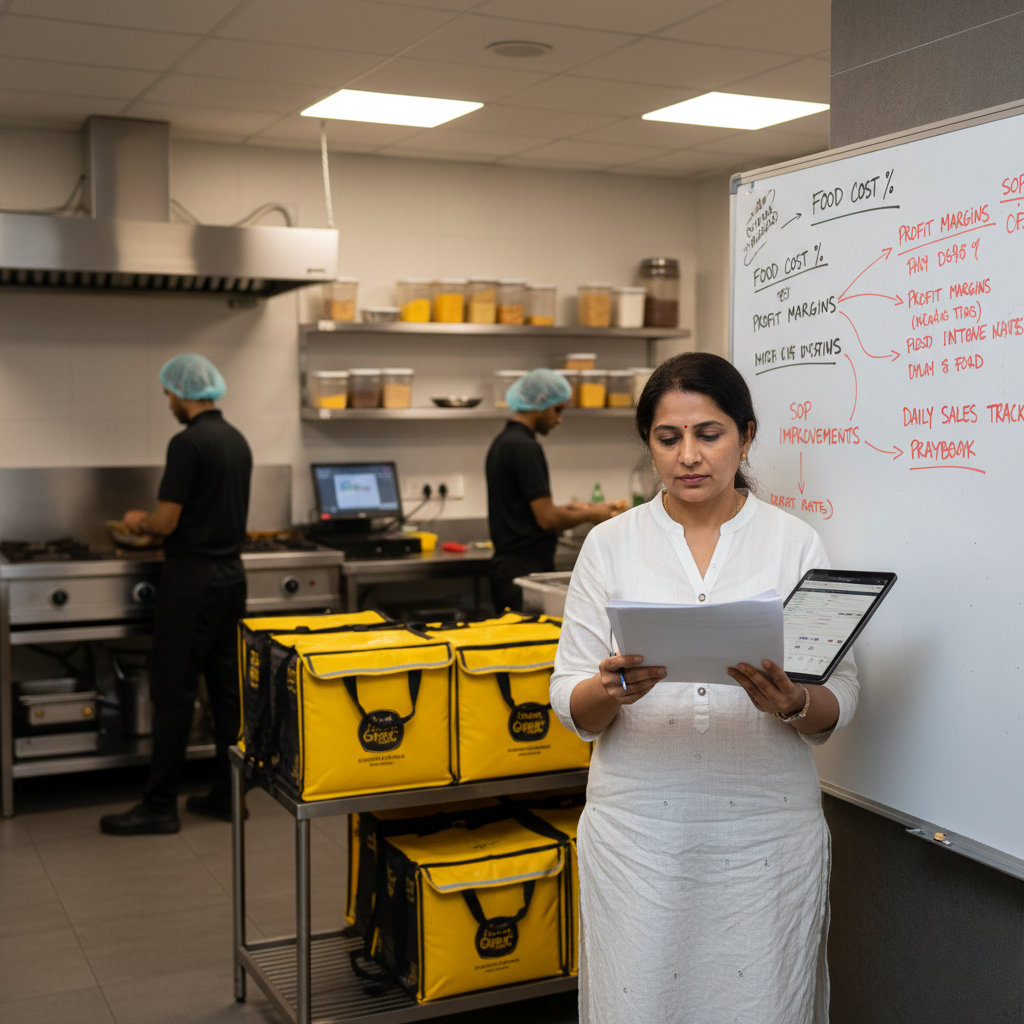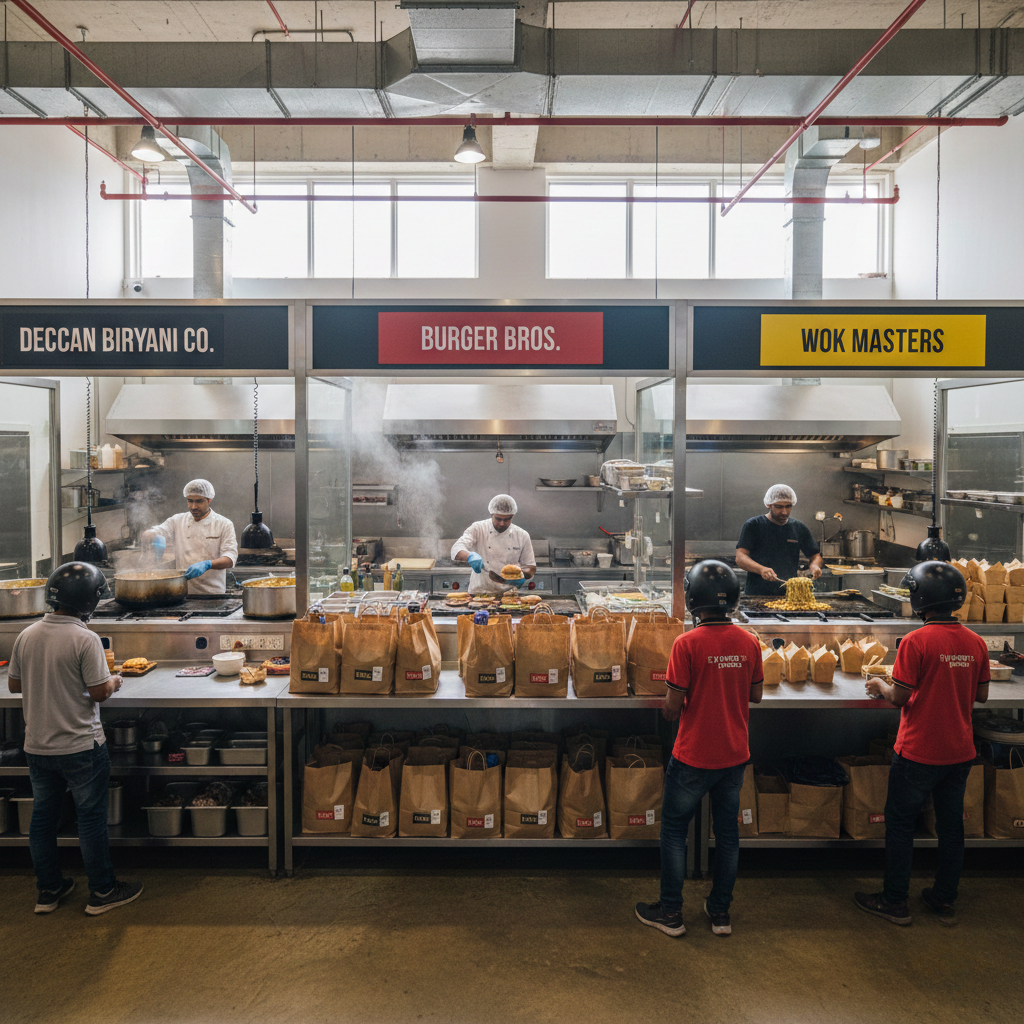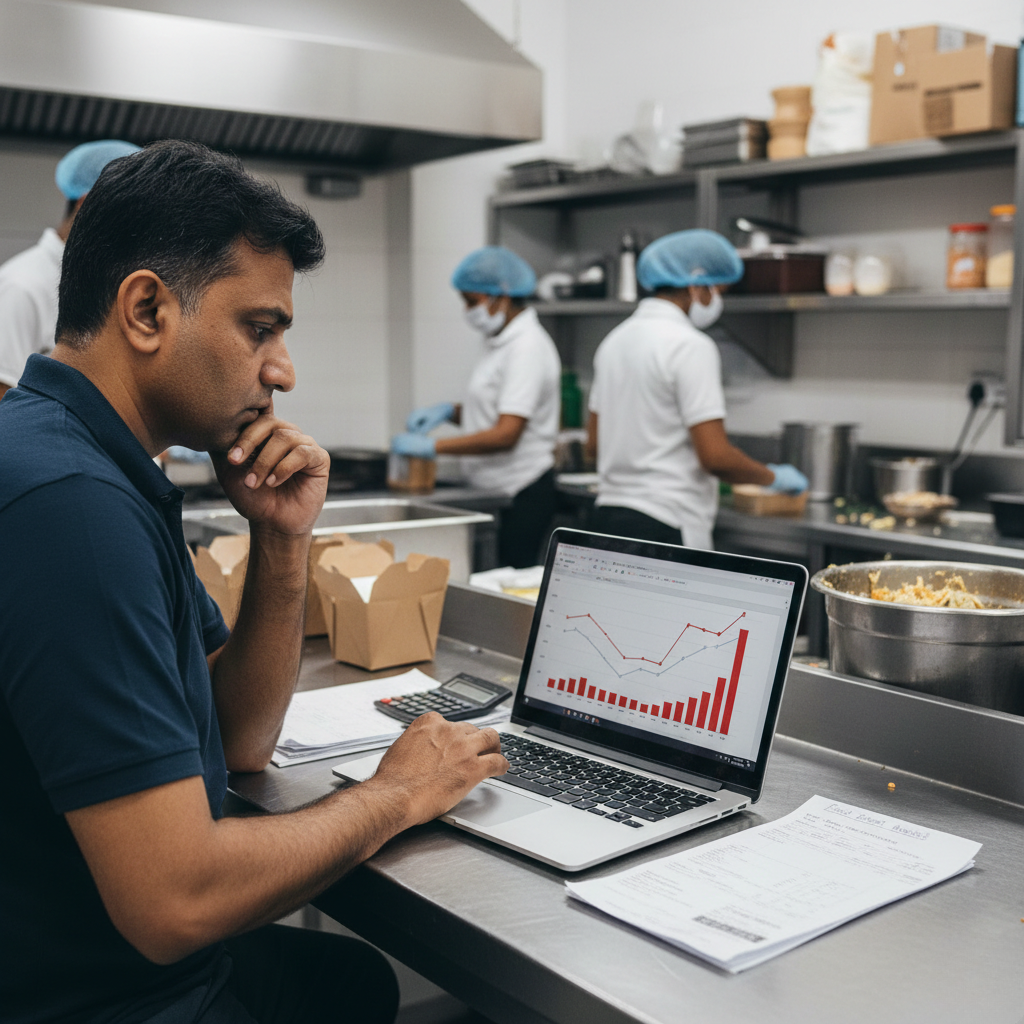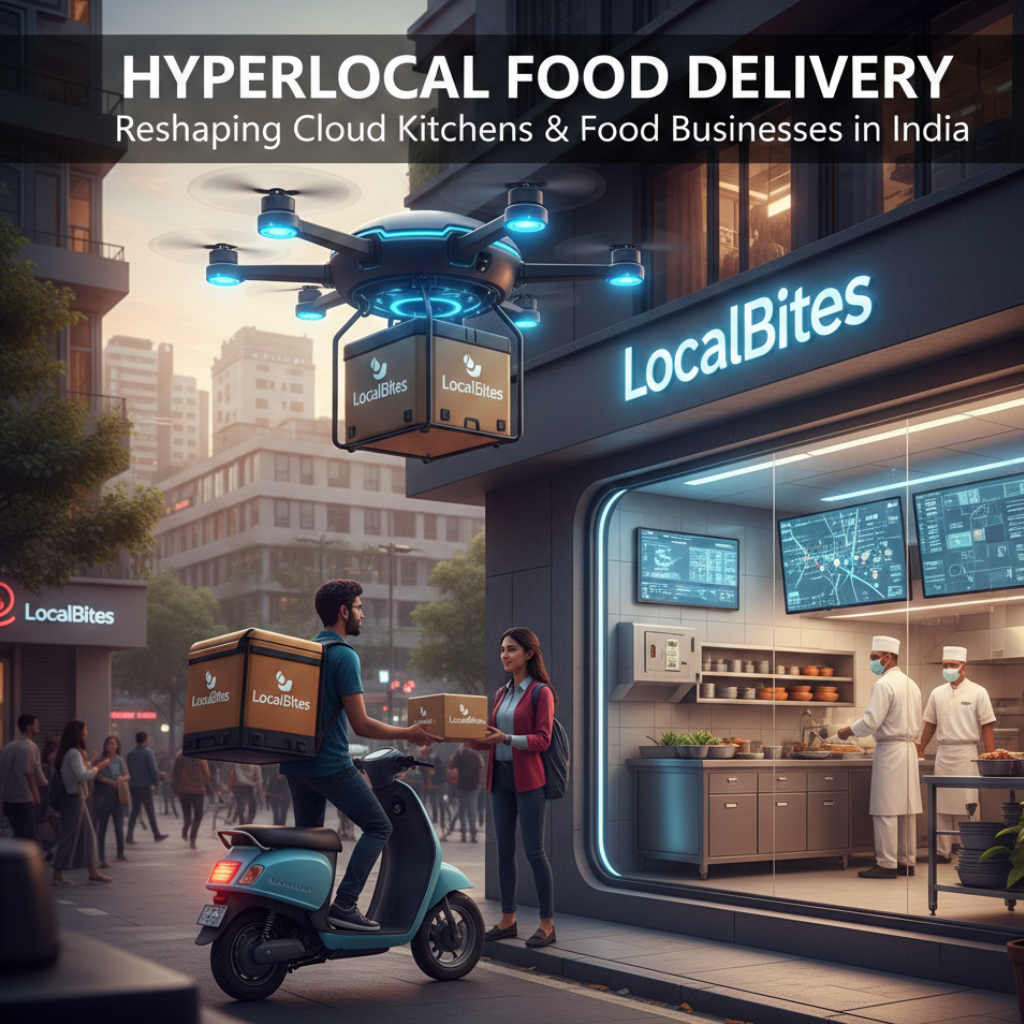
The Indian food delivery ecosystem is undergoing a major shift. While national brands and large delivery platforms still dominate headlines, the real transformation is happening at a much smaller scale-within neighborhoods. The hyperlocal food delivery model is redefining how cloud kitchens and food businesses operate, compete, and grow in India. Cloud Kitchen Business in India
Consumers today want faster delivery, fresher food, and more personalized options. Hyperlocal delivery addresses all three by connecting customers with nearby kitchens and food businesses. In this detailed guide, we explore how the hyperlocal food delivery model is reshaping cloud kitchens in India, why it is gaining momentum, and how food brands can leverage it for long-term success.
1. What Is the Hyperlocal Food Delivery Model?
The hyperlocal food delivery model focuses on serving customers within a small geographic radius-usually 2 to 5 kilometers-from the kitchen or restaurant. Unlike traditional food delivery models that prioritize scale and long-distance coverage, hyperlocal delivery emphasizes proximity and speed.
Key characteristics of hyperlocal food delivery include:
- Short delivery distances
- Faster order fulfillment
- Lower logistics costs
- Stronger neighborhood presence
For cloud kitchens, this model aligns perfectly with the delivery-only nature of the business.
2. Evolution of Hyperlocal Food Delivery in India
Hyperlocal delivery in India initially emerged in grocery and essentials delivery. As consumer behavior evolved, food delivery platforms and independent kitchens began adopting hyperlocal strategies.
Several factors accelerated this shift:
- Demand for faster delivery times
- Rising fuel and logistics costs
- Preference for fresh, local food
- Growth of neighborhood cloud kitchens
Today, hyperlocal delivery is becoming a core pillar of sustainable food delivery models in India.
3. Why the Hyperlocal Model Works for Cloud Kitchens
Cloud kitchens are uniquely positioned to benefit from hyperlocal delivery.
3.1 Faster Delivery = Better Customer Experience
Shorter distances allow:
- Delivery times of 20–30 minutes
- Hotter and fresher food
- Lower chances of spillage or quality loss
This directly improves ratings and repeat orders.
3.2 Lower Operational Costs
Hyperlocal delivery reduces delivery fees, packaging requirements, and cancellation rates-key cost drivers for cloud kitchens.
4. Cost Efficiency & Margin Improvement
One of the strongest advantages of the hyperlocal food delivery model is cost efficiency.
Cloud kitchens operating hyperlocally benefit from:
- Lower delivery partner payouts
- Reduced fuel surcharges
- Less need for heavy packaging
These savings directly improve contribution margins, especially important in a low-margin industry.
According to market insights published by Statista, logistics efficiency is becoming a critical profitability factor for food delivery businesses in India.
5. Hyperlocal Menus & Localization
Hyperlocal delivery allows cloud kitchens to design menus tailored to local preferences.
Localization strategies include:
- Region-specific dishes
- Local spice and flavor profiles
- City-level pricing adjustments
Localized menus perform better than generic, one-size-fits-all offerings.
6. Reduced Competition & Better Visibility
In hyperlocal zones, competition is limited to nearby kitchens rather than hundreds of city-wide listings.
This results in:
- Better app visibility
- Higher organic discovery
- Lower dependence on paid promotions
Smaller cloud kitchens gain a fair chance to compete with larger brands.
7. Role of Food Aggregators in Hyperlocal Delivery
Food aggregators play a dual role in hyperlocal delivery.
7.1 Platform-Led Hyperlocal Optimization
Many platforms prioritize nearby kitchens to ensure faster delivery and better customer experience.
7.2 Opportunity for Direct Ordering
Hyperlocal cloud kitchens can also build direct ordering channels using WhatsApp, local ads, and community marketing.
Operational insights into aggregator dynamics are discussed by Restaurant India.
8. Technology Enabling Hyperlocal Cloud Kitchens
Technology plays a crucial role in making hyperlocal models efficient.
Key enablers include:
- GPS-based order routing
- Zone-wise demand analytics
- Real-time delivery tracking
- Automated order batching
These tools help kitchens operate with precision at a neighborhood level.
9. Changing Consumer Behavior
Indian consumers are increasingly valuing:
- Speed over variety
- Freshness over distant brands
- Local favorites over generic menus
Hyperlocal delivery aligns perfectly with these changing expectations, making it a future-ready model.
10. Scaling Cloud Kitchens Using a Hyperlocal Network
Hyperlocal does not mean small forever.
Successful brands scale by:
- Launching multiple neighborhood kitchens
- Using hub-and-spoke models
- Standardizing menus and processes
Each unit serves its own micro-market while benefiting from centralized control.
11. Challenges of the Hyperlocal Food Delivery Model
Despite its advantages, hyperlocal delivery has challenges:
- Limited delivery radius
- Demand fluctuations by locality
- Need for precise location selection
These challenges can be managed through data-driven planning and phased expansion.
12. Future of Hyperlocal Cloud Kitchens in India
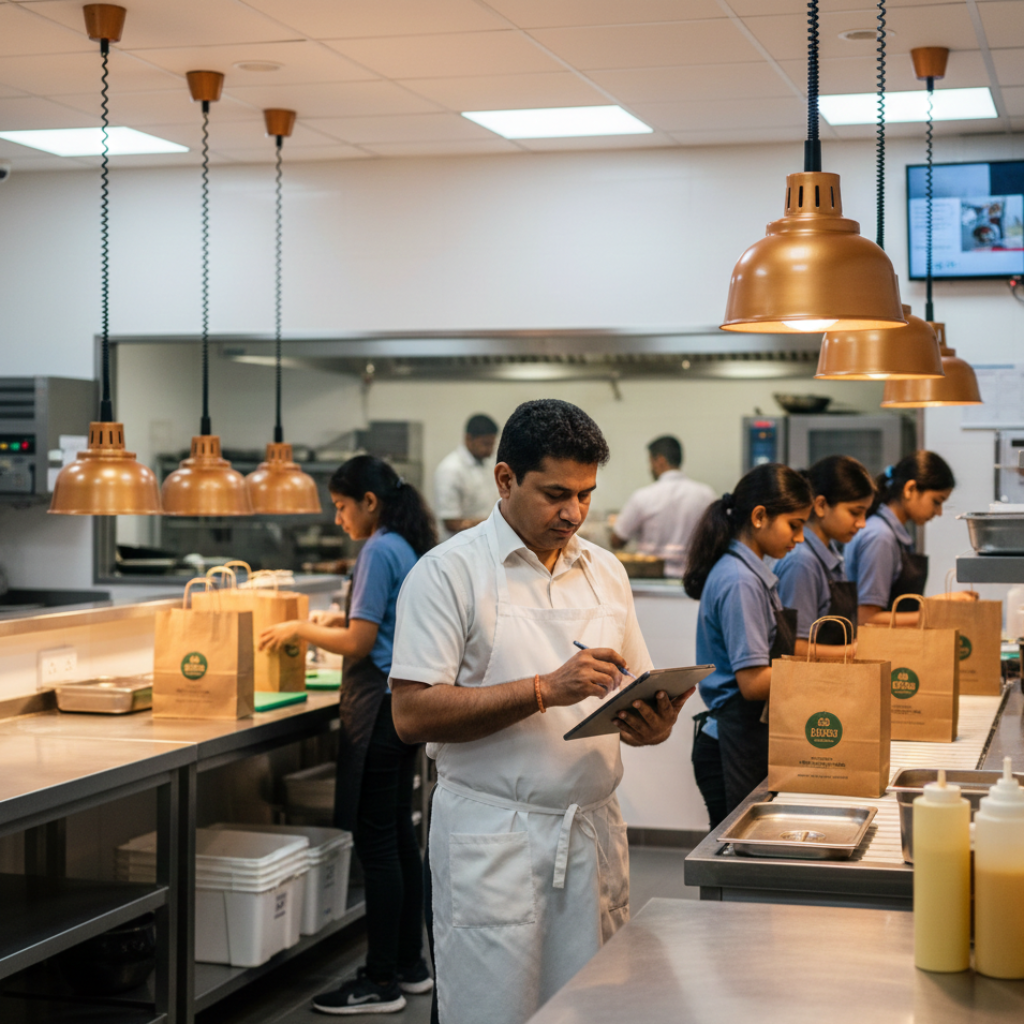
The future of cloud kitchens in India will be deeply hyperlocal.
Expected developments include:
- Neighborhood-specific cloud kitchen brands
- Ultra-fast delivery windows
- Stronger community-based marketing
- Integration with local commerce ecosystems
Hyperlocal models will define sustainable growth in food delivery.
13. Final Thoughts: Hyperlocal Is the New Competitive Edge
The hyperlocal food delivery model is not just a trend-it is a structural shift in how food businesses operate in India. For cloud kitchens, it offers faster delivery, lower costs, better customer experience, and stronger local loyalty.
As competition intensifies and margins tighten, hyperlocal strategies will separate profitable, long-lasting cloud kitchens from those that struggle to survive.
Frequently Asked Questions (FAQs)
Q1. What is hyperlocal food delivery?
Hyperlocal food delivery focuses on delivering food within a small radius, usually 2–5 km, for faster and fresher service.
Q2. Is the hyperlocal model profitable for cloud kitchens?
Yes, hyperlocal delivery reduces logistics costs and improves margins, making it highly profitable when executed well.
Q3. Can hyperlocal cloud kitchens scale?
Yes, by opening multiple neighborhood kitchens and standardizing operations, brands can scale efficiently.
Q4. Does hyperlocal delivery reduce dependency on aggregators?
It can. Hyperlocal kitchens can build strong direct ordering channels alongside aggregator platforms.
People Also Read
- Data-Driven Cloud Kitchens
- Automation in Cloud Kitchens
- AI in Cloud Kitchen Operations
- Cloud Kitchen Trends 2025