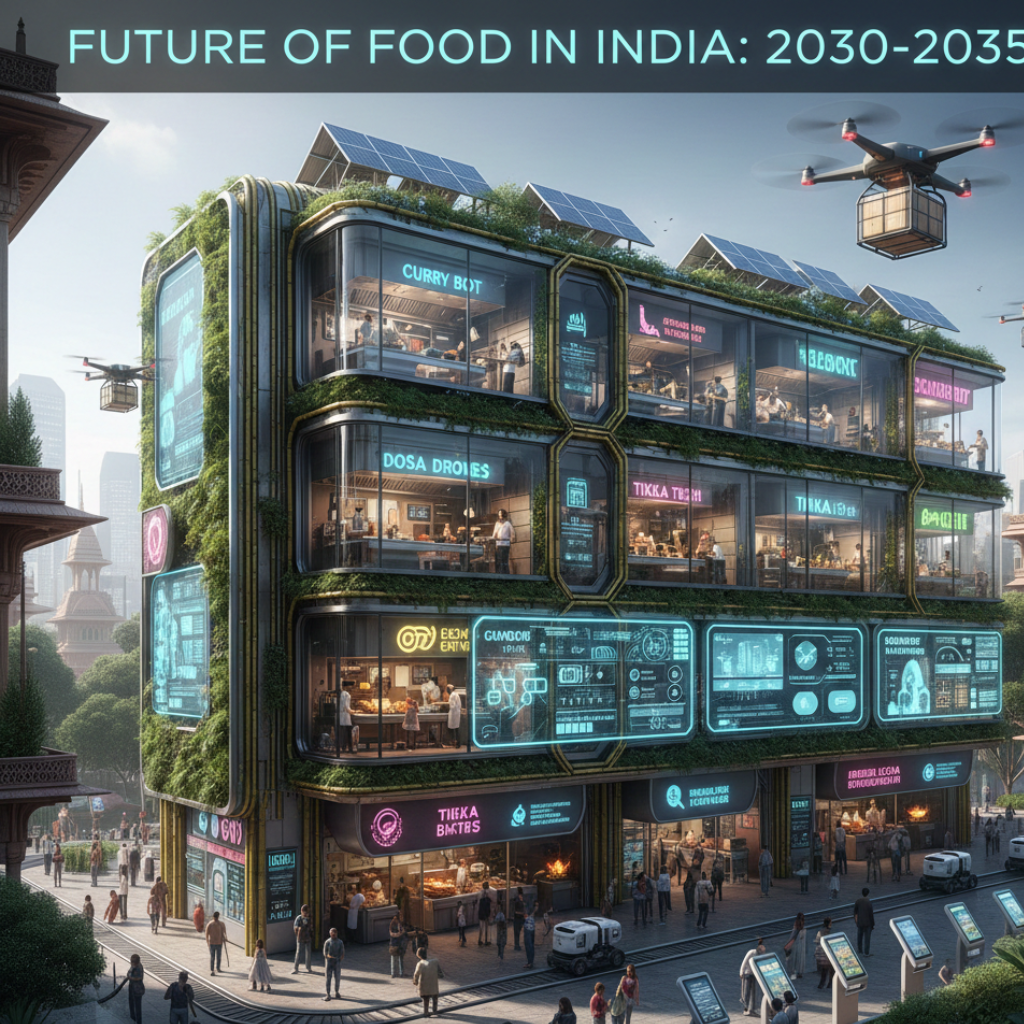
The cloud kitchen model has already transformed how India eats. From metro cities to tier-2 and tier-3 towns, delivery-only food brands have become a permanent part of the food ecosystem. But the real transformation is yet to come.
As technology, consumer behavior, and food delivery infrastructure evolve, the next 5–10 years will redefine how cloud kitchens operate, compete, and scale. In this article, we explore the future of cloud kitchens in India and what food brands must prepare for to stay relevant and profitable.
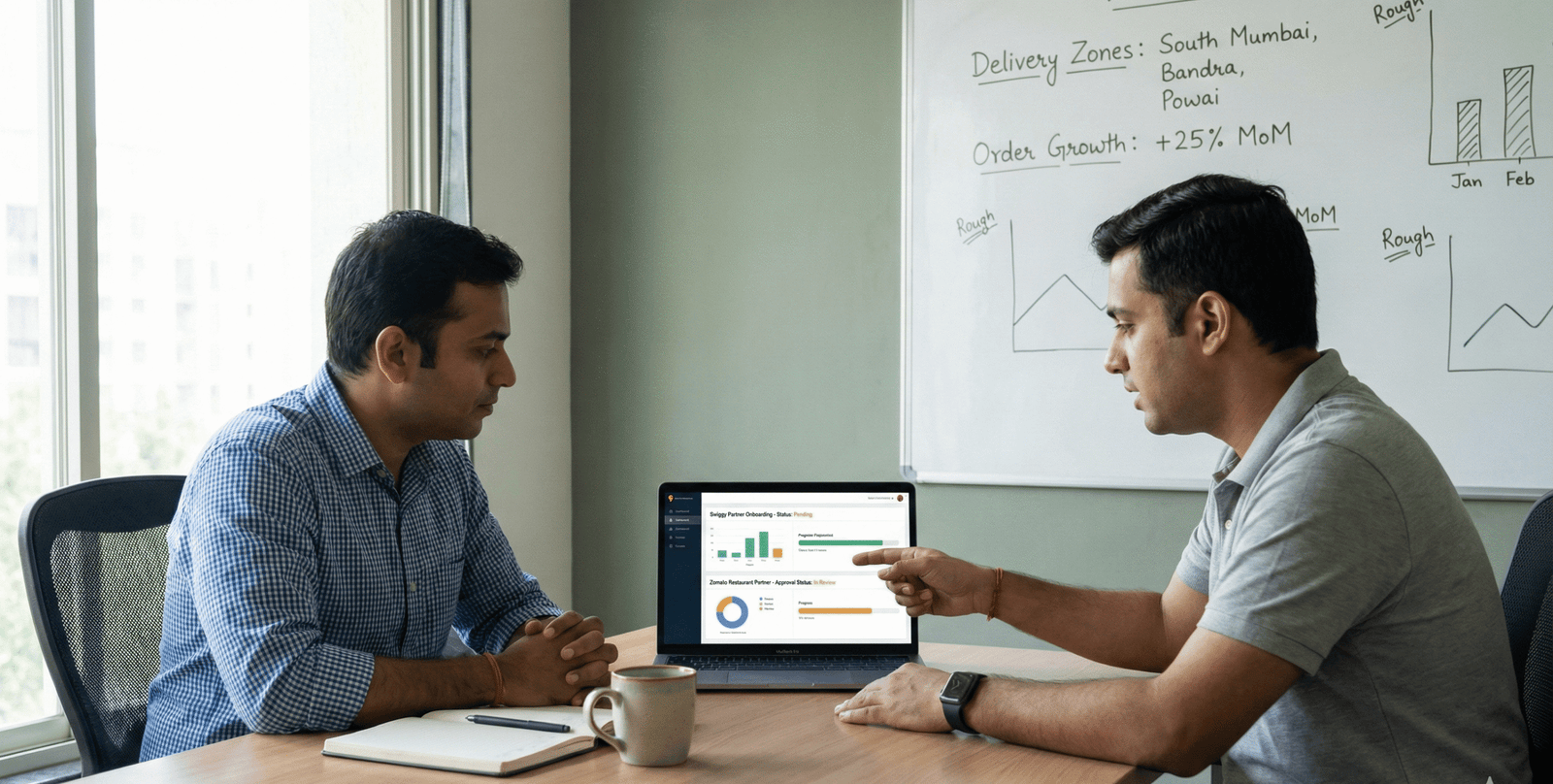
1. Current State of Cloud Kitchens in India
Cloud kitchens in India have grown rapidly due to:
- Increasing urbanization
- Busy lifestyles
- High smartphone and internet penetration
- Expansion of food delivery platforms
However, the market today is highly competitive. While some brands scale successfully, many struggle with thin margins, rising commissions, and operational inefficiencies.
This sets the stage for consolidation and evolution in the coming decade.
2. Market Growth Outlook (Next 5–10 Years)
India’s online food delivery market is expected to grow steadily over the next decade. Rising disposable incomes and deeper penetration into smaller cities will drive order volumes.
According to industry analysis published by Statista, food delivery demand in India is projected to grow at a strong CAGR, creating long-term opportunities for cloud kitchen brands.
However, growth will favor structured, efficient, and brand-driven kitchens rather than unplanned operators.
3. Consolidation: Fewer but Stronger Cloud Kitchens
One of the most visible trends in the future of cloud kitchens in India will be consolidation.
What this means:
- Weak and unprofitable kitchens will shut down
- Strong brands will acquire or replace them
- Market share will concentrate among disciplined operators
The era of “anyone can open a cloud kitchen” will slowly give way to professionally managed food brands.
4. Technology Will Drive the Next Phase
Technology will play a critical role in shaping cloud kitchens over the next decade.
4.1 AI-Driven Demand Forecasting
Advanced analytics will help kitchens predict demand, reduce wastage, and optimize inventory in real time.
4.2 Automation & Smart Kitchens
Automation in food preparation, order management, and quality control will reduce manpower dependency and errors.
4.3 Integrated Tech Stacks
Cloud kitchens will increasingly use integrated POS, inventory, CRM, and analytics platforms instead of fragmented tools.
5. Rise of Brand-First Cloud Kitchens
The future will belong to cloud kitchens that behave like consumer brands rather than anonymous listings on delivery apps.
Brand-first kitchens will focus on:
- Strong visual identity
- Consistent packaging
- Clear brand positioning
- Emotional customer connection
This shift will reduce dependency on discounts and paid promotions.
6. Changing Relationship with Food Aggregators
Food aggregators will remain important, but the relationship will evolve.
6.1 Reduced Over-Dependence
Future-ready cloud kitchens will build direct ordering channels through websites, apps, and WhatsApp.
6.2 Better Negotiation Power
Established brands with high order volumes will gain better commission terms and visibility.
Insights into how cloud kitchens operate with platforms are discussed by Restaurant India.
7. New Expansion & Scaling Models
The next decade will see innovative scaling models beyond traditional multi-location expansion.
- Hub-and-spoke kitchen networks
- Asset-light franchise cloud kitchens
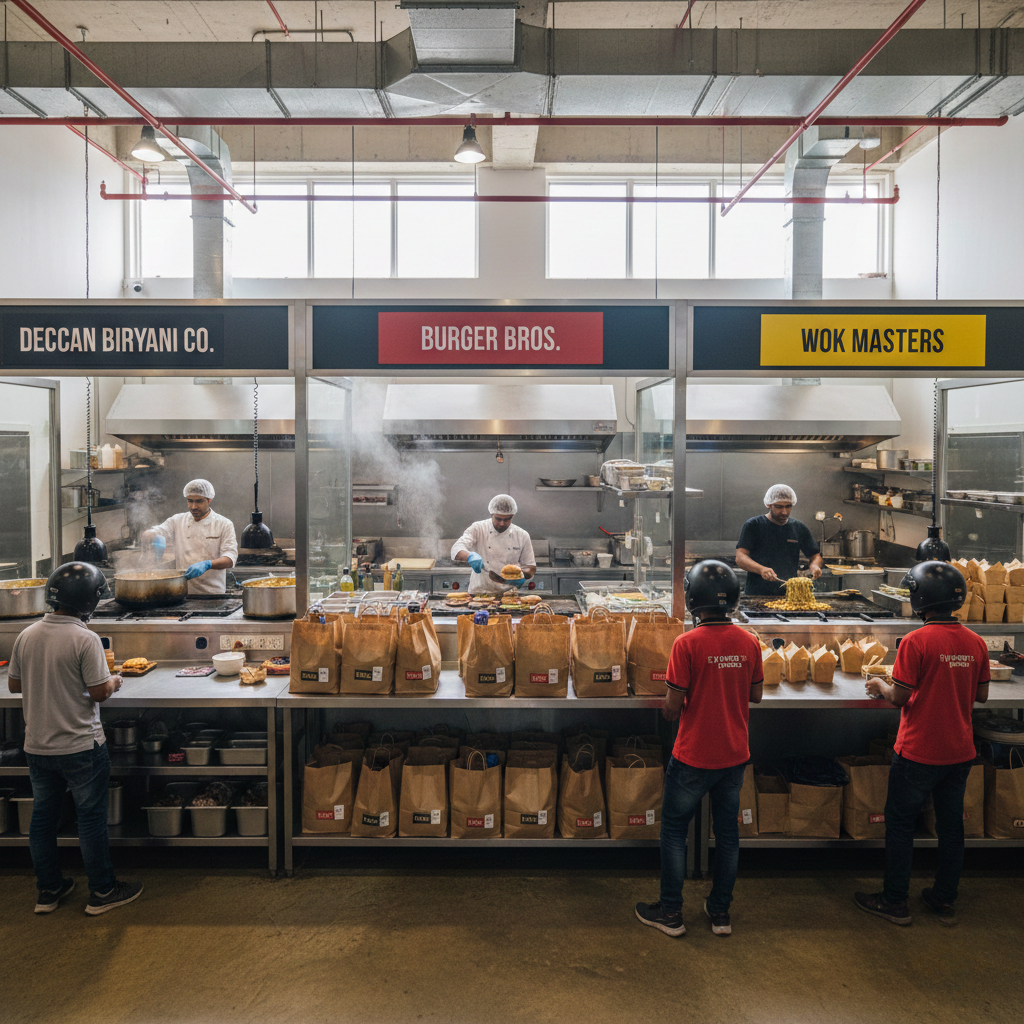
- Multi-brand kitchens under one roof
These models will reduce capital requirements and improve ROI.
8. Growth in Tier-2 and Tier-3 Cities
Future growth will not be limited to metros.
Tier-2 and tier-3 cities will drive the next wave of cloud kitchen adoption due to:
- Lower rents
- Less competition
- Growing food delivery demand
Brands that localize menus and pricing will benefit the most.
9. Focus on Sustainability & Cost Efficiency
Sustainability will become a competitive advantage.
Future cloud kitchens will focus on:
- Eco-friendly packaging
- Waste reduction
- Energy-efficient kitchens
Sustainable practices will not only reduce costs but also appeal to conscious consumers.
10. Evolving Regulations & Compliance
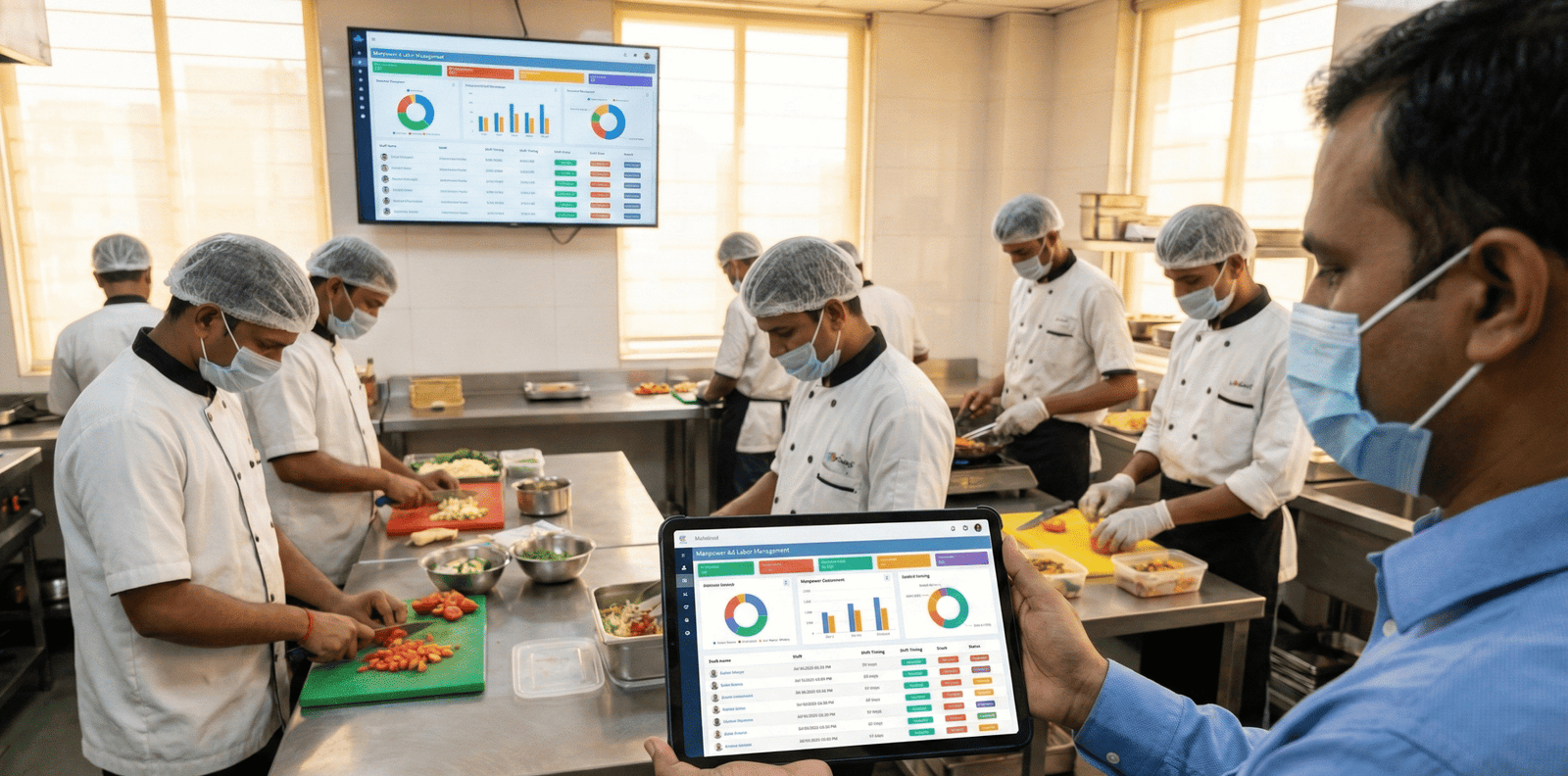
As the industry matures, regulatory oversight will increase.
Future cloud kitchens must be prepared for:
- Stricter food safety enforcement
- Clear labor compliance norms
- Better GST and tax reporting systems
Compliance-ready kitchens will survive longer and scale faster.
11. Opportunities for Food Brands
Despite challenges, the future of cloud kitchens in India remains promising.
Key opportunities include:
- Niche cuisine brands
- Health-focused and functional foods
- Regional and hyper-local menus
- Subscription-based food models
Innovation and discipline will separate winners from failures.
12. Final Thoughts: What the Next Decade Means
The next 5–10 years will transform cloud kitchens from experimental startups into mature food brands. Survival will depend on profitability, technology adoption, branding, and operational excellence.
Entrepreneurs who adapt early will shape the future of India’s food delivery ecosystem.
Frequently Asked Questions (FAQs)
Q1. Is the cloud kitchen business future-proof in India?
Yes, but only for brands that focus on profitability, efficiency, and customer loyalty.
Q2. Will cloud kitchens replace traditional restaurants?
Cloud kitchens will complement, not replace, traditional restaurants by serving delivery-focused demand.
Q3. What will be the biggest challenge in the future?
Managing margins while competing in a crowded market will be the biggest challenge.
Q4. Are cloud kitchens a good long-term investment?
Well-planned and brand-driven cloud kitchens can be strong long-term investments.
People Also Read
- Cloud Kitchen Business in India: Complete Guide
- Cloud Kitchen Survival Strategies
- Cloud Kitchen Profitability Case Study
- Why Cloud Kitchen Business Fails in India