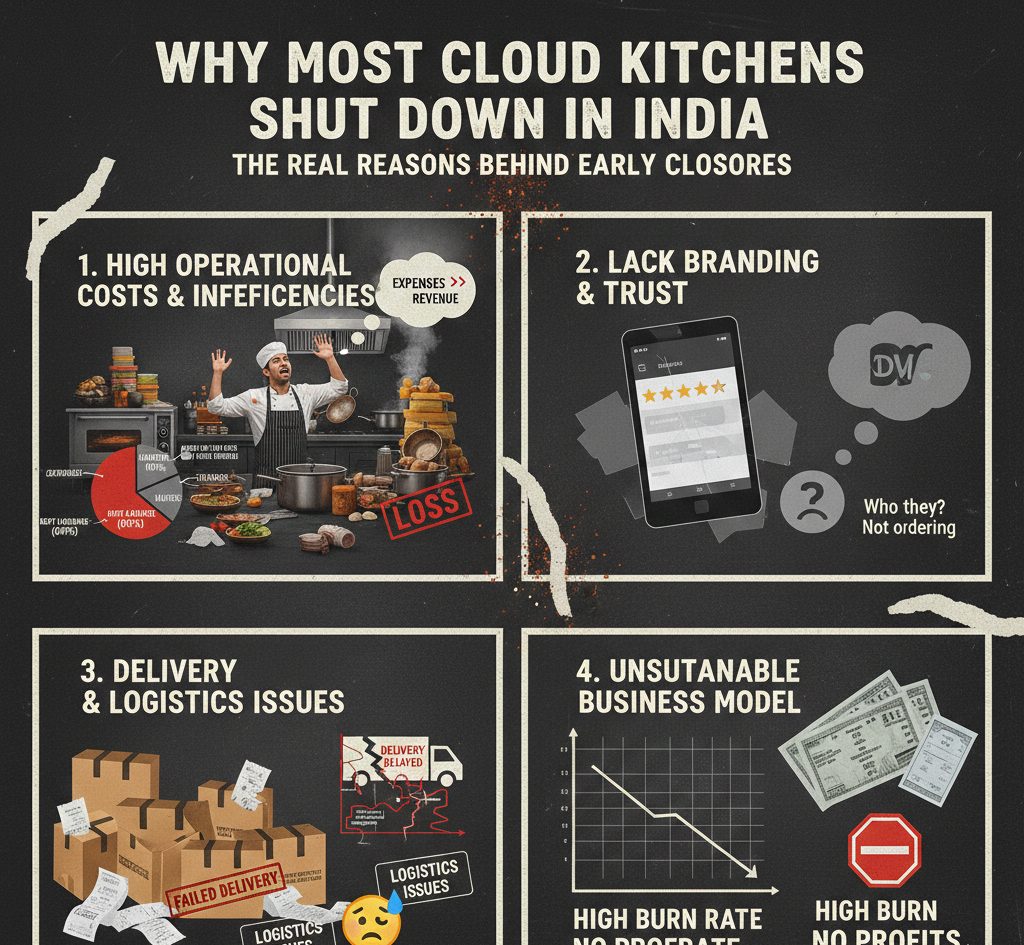
Cloud kitchens were once considered the future of the food business in India. With low entry costs, no dine-in requirement, and rapid growth of food delivery platforms, thousands of entrepreneurs launched delivery-only kitchens across cities. However, despite the initial excitement, a large percentage of cloud kitchens shut down within the first 12 to 24 months.
So why does this happen so often? In this detailed guide, we uncover the real reasons behind early cloud kitchen closures in India, based on industry patterns, failed business models, and common operational mistakes. If you are planning to start or already running a cloud kitchen, this article can help you avoid costly errors. Cloud Kitchen Business in India
1. High Expectations vs Market Reality
Many cloud kitchen founders enter the business believing it is easy money. Social media success stories and headlines about food delivery growth often create unrealistic expectations.
In reality, the cloud kitchen business is:
- Highly competitive
- Margin-sensitive
- Operationally demanding
When expectations are not aligned with reality, founders struggle to handle early challenges and exit the business prematurely.
2. Thin Profit Margins
One of the biggest reasons why most cloud kitchens shut down in India is extremely thin profit margins.
2.1 High Aggregator Commissions
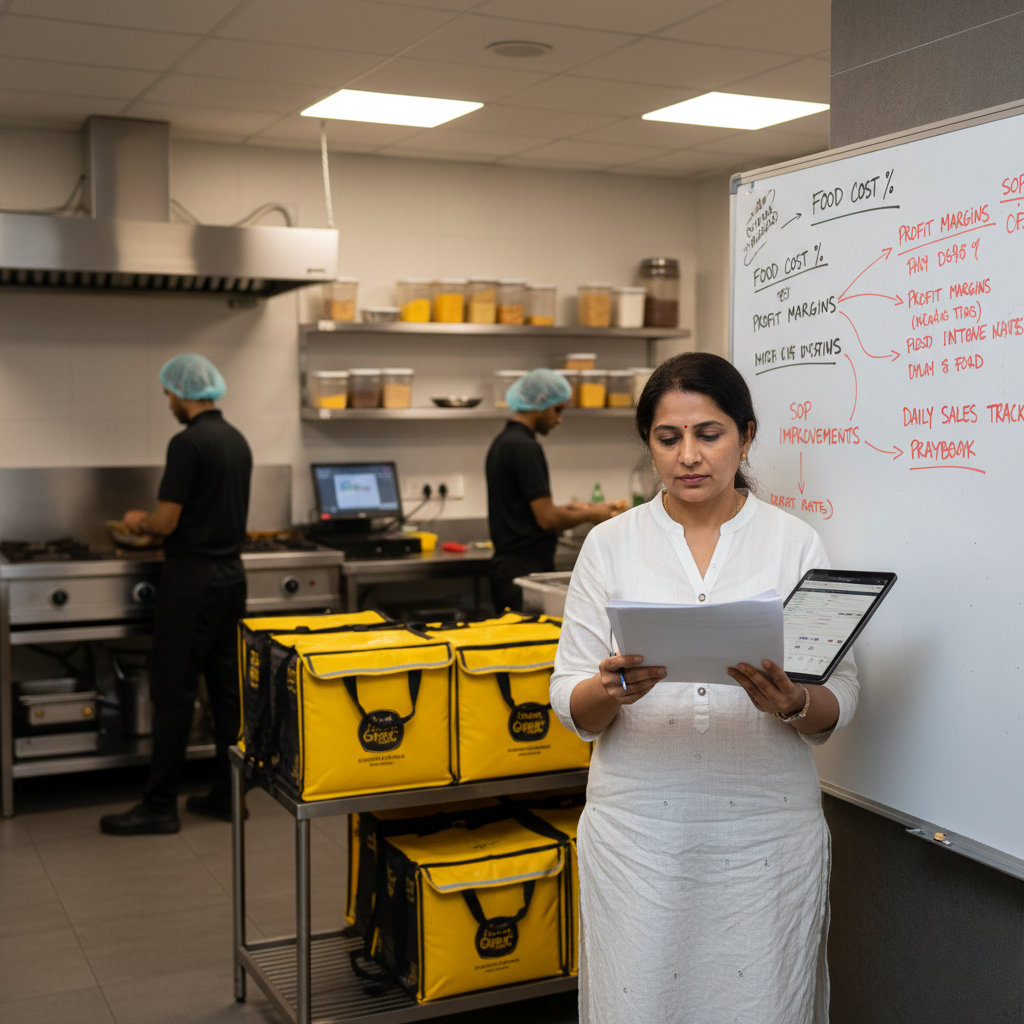
Food delivery platforms charge commissions ranging from 18% to 30% per order. After platform fees, GST, packaging, and discounts, very little margin is left.
2.2 Discount Dependency
Many cloud kitchens rely heavily on discounts to get visibility. While discounts increase orders, they often destroy profitability.
According to industry data shared by Statista, platform-led promotions significantly impact restaurant margins in India.
3. Ignoring Unit Economics
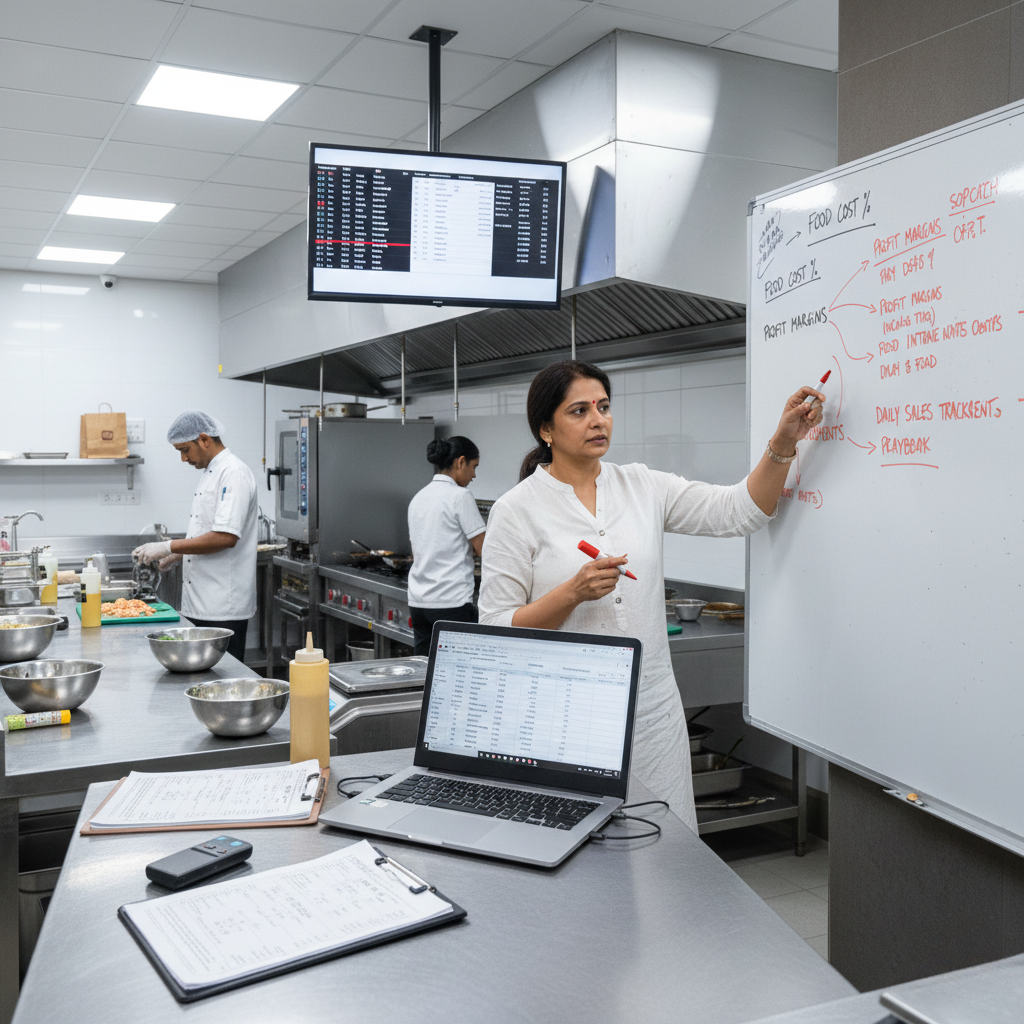
A common mistake among failed cloud kitchens is focusing on total revenue instead of per-order profitability.
Many founders do not track:
- Contribution margin per order
- Food cost percentage
- Customer acquisition cost
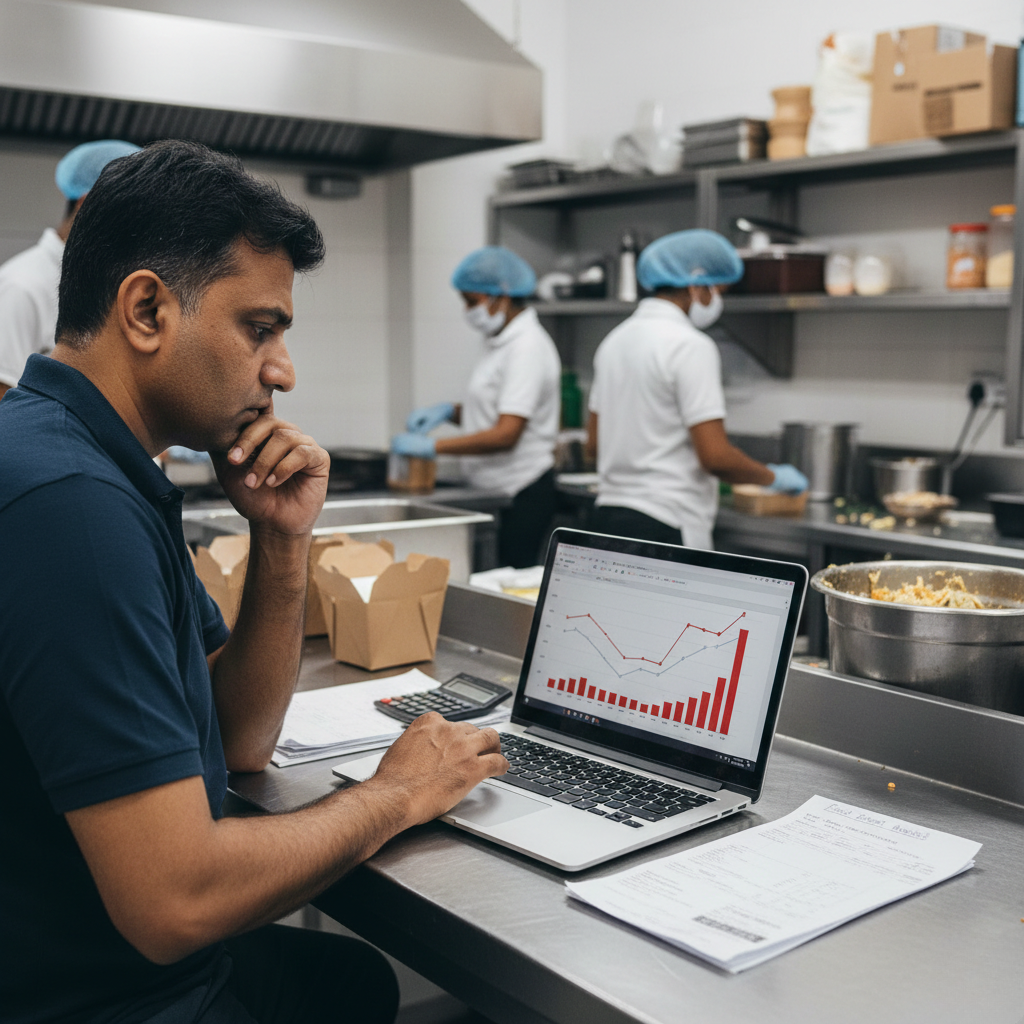
As a result, businesses continue operating at a loss without realizing it until cash runs out.
4. Wrong Menu Strategy
Menu planning plays a crucial role in cloud kitchen success, yet it is often poorly executed.
4.1 Overloaded Menus
Offering too many items leads to:
- Higher inventory wastage
- Longer preparation times
- Inconsistent food quality
4.2 Low-Margin Items
Many kitchens sell low-margin dishes just to match competitors, making the business unsustainable in the long run.
5. Inconsistent Food Quality
Customer loyalty in the cloud kitchen business depends entirely on food quality. Unfortunately, many kitchens fail to maintain consistency.
Common reasons include:
- Untrained staff
- No standard recipes
- High staff turnover
Negative reviews quickly reduce visibility on food delivery apps, leading to a sharp drop in orders.
6. Poor Location Selection
Although cloud kitchens do not require prime real estate, location still matters.
Many cloud kitchens shut down because they are located in:
- Low order-density areas
- Zones with poor delivery connectivity
- High-rent locations with limited demand
Long delivery times result in cancellations and unhappy customers.
7. Over-Dependence on Food Aggregators
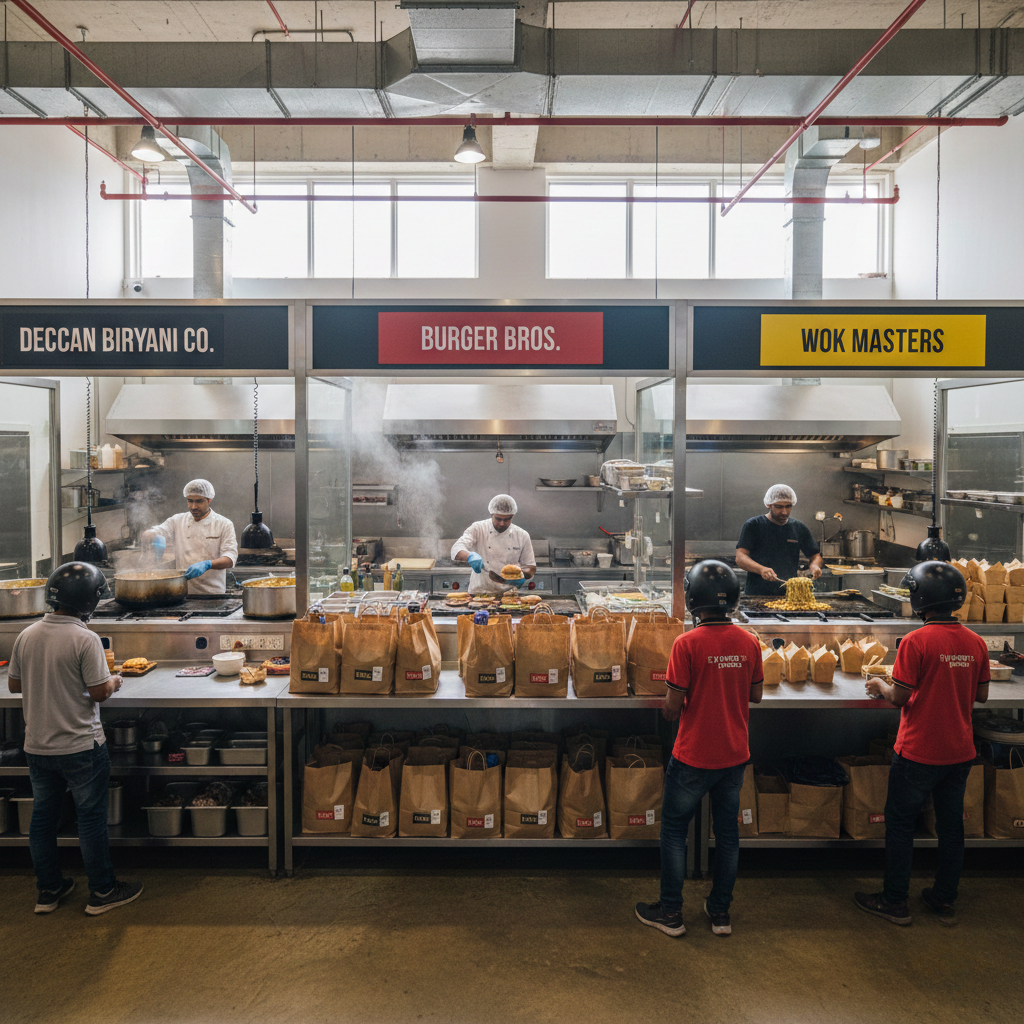
Most cloud kitchens depend almost entirely on food delivery platforms for orders.
7.1 Lack of Direct Customers
Without a direct ordering channel, kitchens lose control over customer relationships and data.
7.2 Paid Promotions Drain Cash
To maintain visibility, many kitchens spend heavily on sponsored listings, which further reduces margins.
Operational insights like these are discussed in detail by Restaurant India.
8. Weak Operational Systems
Operational inefficiencies silently kill cloud kitchens.
- Poor inventory tracking
- Frequent stock-outs
- Order mismanagement
- High food wastage
Without SOPs and technology, daily operations become chaotic and unscalable.
9. Cash Flow Mismanagement
Many cloud kitchens generate revenue but still shut down due to poor cash flow management.
- Delayed aggregator payouts
- High fixed monthly expenses
- No emergency cash reserve
When cash dries up, even operationally sound kitchens are forced to shut down.
10. Expanding Too Early

Many founders expand to multiple kitchens before stabilizing their first unit.
Without:
- Standardized processes
- Stable demand
- Strong profitability
early expansion increases complexity and accelerates losses.
11. Key Lessons from Early Cloud Kitchen Closures
- Profitability matters more than growth
- Menu simplicity improves margins
- Consistency builds customer trust
- Cash flow determines survival
- Aggregator dependence is risky
Frequently Asked Questions (FAQs)
Q1. Why do most cloud kitchens shut down in India?
Most cloud kitchens shut down due to low margins, high commissions, poor planning, inconsistent quality, and cash flow issues.
Q2. How long do cloud kitchens usually survive?
Many cloud kitchens shut down within 12–24 months if they fail to achieve profitability.
Q3. Is cloud kitchen business still viable in India?
Yes, cloud kitchens can succeed if unit economics, menu engineering, and operations are managed properly.
Q4. What is the biggest mistake cloud kitchen owners make?
Focusing on revenue instead of per-order profitability is the most common mistake.
People Also Read
- Cloud Kitchen Business in India: Complete Guide
- Cloud Kitchen Setup Cost in India
- Cloud Kitchen Profitability Case Study
- Cloud Kitchen Failure Case Study India