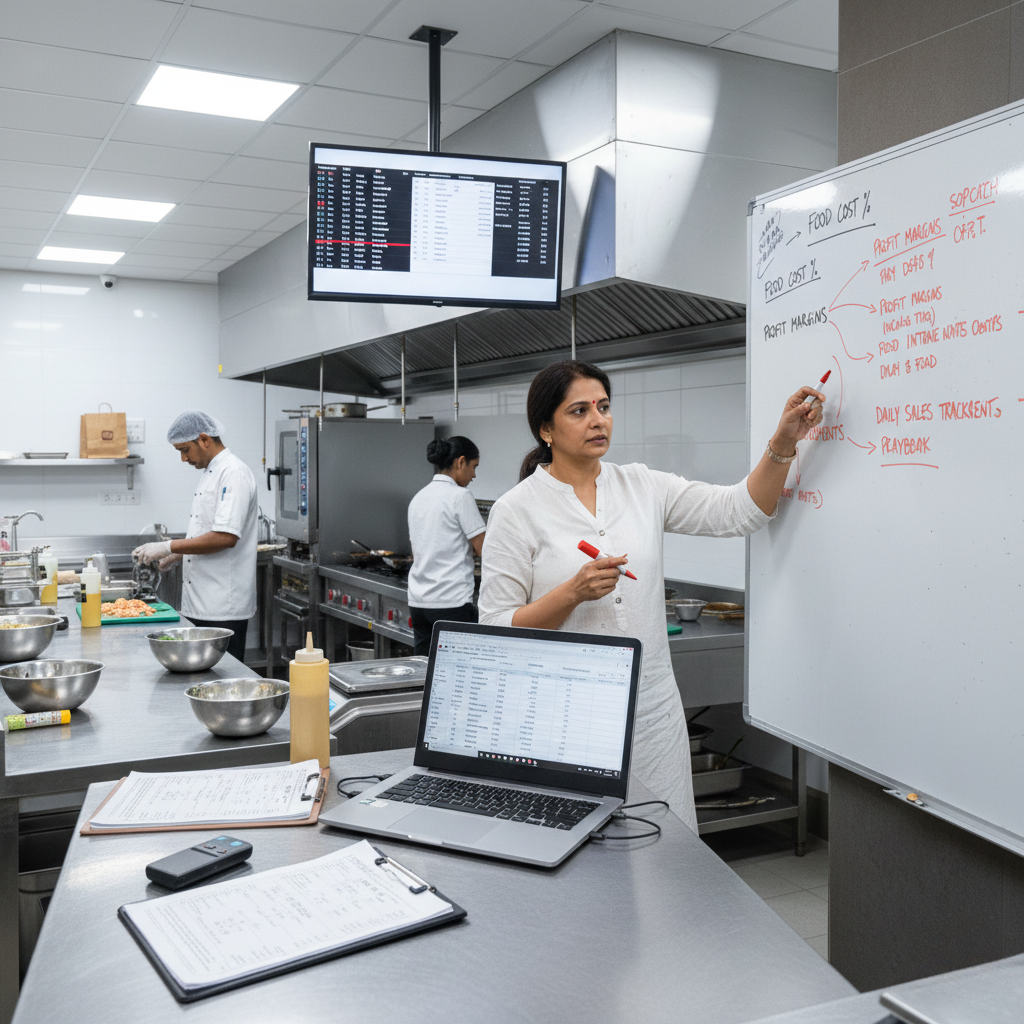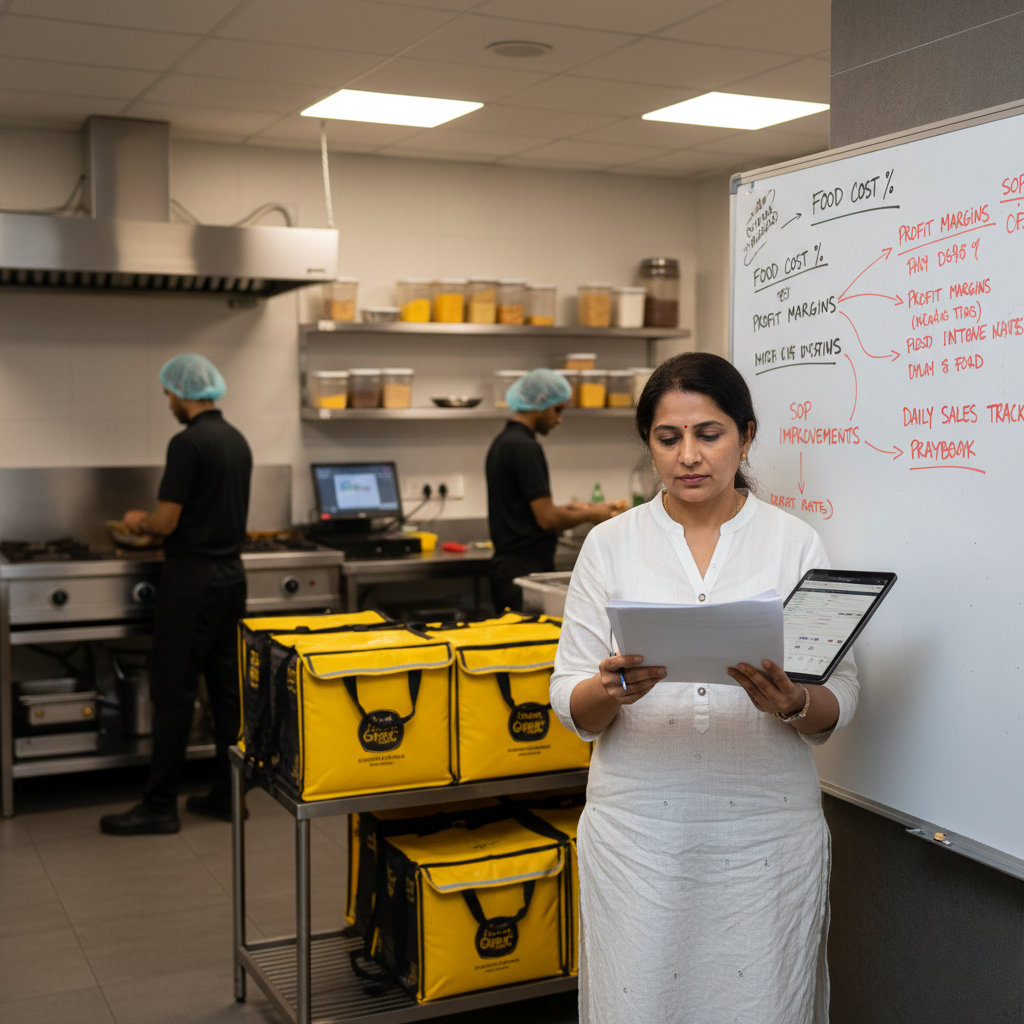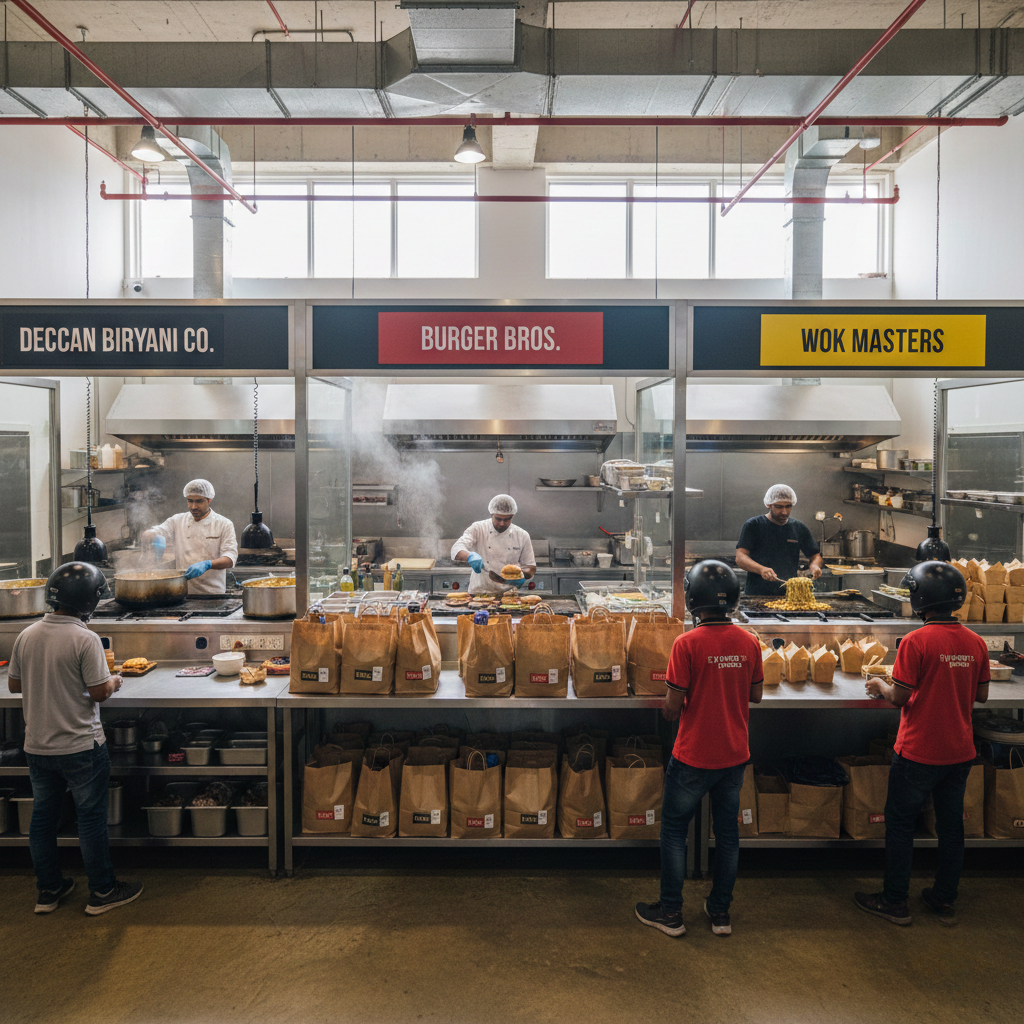
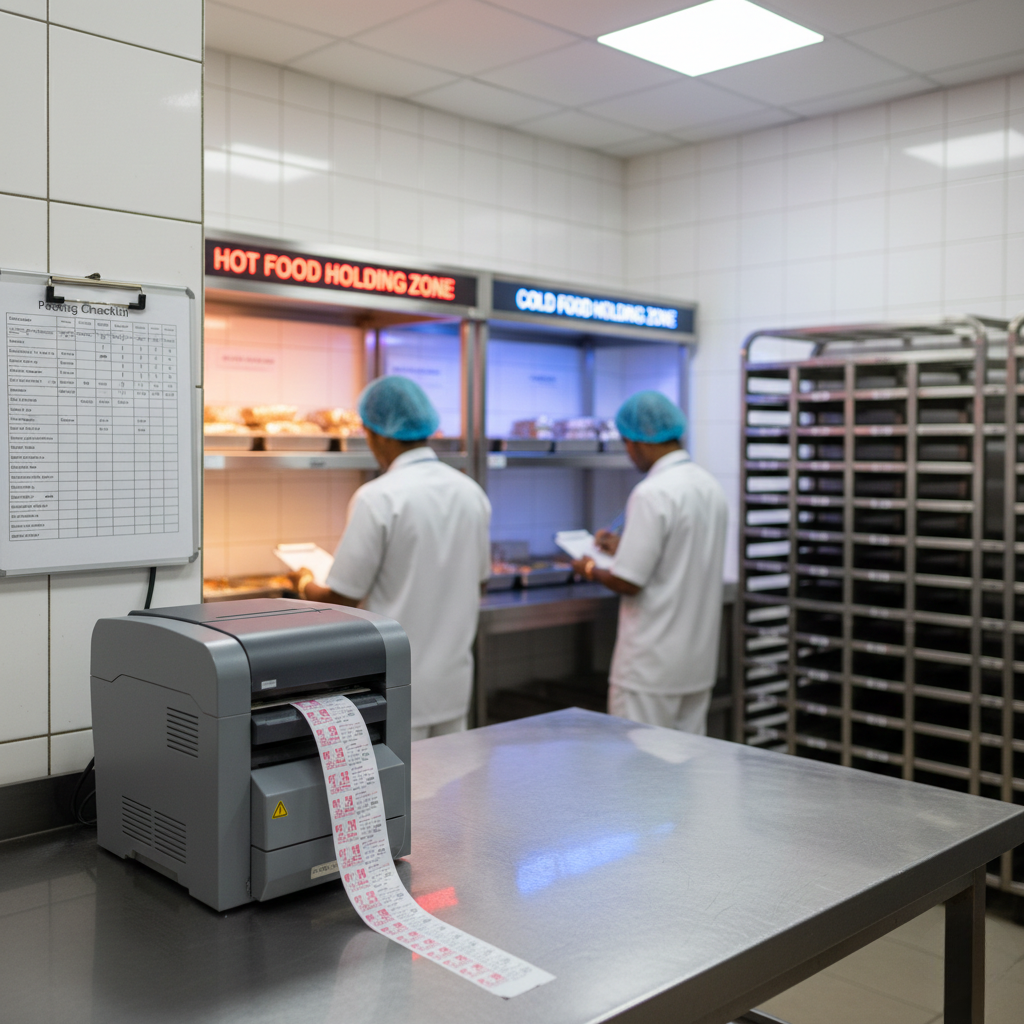
Why CKaaS Is Not Consulting or Franchising is not a “wordplay” debate or a “same thing different name” confusion. It is a control model + responsibility model + execution ownership model difference. Consulting gives advice and frameworks. Franchising gives a brand playbook and replication discipline. CKaaS gives an operating system and execution capacity as a service. When founders confuse these models, they buy the wrong solution: they expect consulting to run their kitchen, they expect franchising to give them freedom, or they expect CKaaS to magically create profits. This guide explains why CKaaS is structurally different from consulting and franchising in India, what each model actually solves, and how to choose the right one using unit economics, control ownership, execution load, and long-term scalability using systems, not assumptions.
Why CKaaS Is Not Consulting or Franchising: The Confusion That Creates Expensive Mistakes
Most founders discover CKaaS when they are stuck. They feel operationally exhausted. They feel the kitchen is “always on fire.” And they start searching for something that promises relief: consulting, franchise, managed kitchens, shared kitchens, cloud kitchens for rent.
That is where the confusion begins. Many founders assume these are all versions of the same thing: “someone will help me run this.” But these models solve different problems, in different ways, with different trade-offs.
Consulting is about decision clarity. Franchising is about brand certainty. CKaaS is about execution transfer.
If you want the profitability foundation lens first, start with Cloud Kitchen Profitability Consultant in India and map recurring execution leaks using Common Operational Mistakes in Cloud Kitchens.

The Real Difference: Who Thinks, Who Executes, and Who Owns the Upside?
Founders often compare models using the wrong questions: “Which is cheaper?” “Which is faster?” “Which is more popular?”
The correct questions are structural: who owns decisions, who owns execution, and who owns mistakes? Because mistakes are not optional in F&B. Mistakes decide refunds, ratings, and profit outcomes.
Here is the simplest lens:
Consulting: you execute, consultant advises.
Franchise: brand decides, you execute within brand rules.
CKaaS: you decide, CKaaS executes within system limits.
Once you see it this way, the confusion disappears. You stop expecting the wrong model to solve the wrong problem.
The Unit Economics Lens: Each Model Changes a Different Line Item
Many founders evaluate models by “total monthly cost.” But the smarter evaluation is per-order contribution margin. Each model changes your cost structure differently.
Profit is still decided per order:
Order Value minus Aggregator commission & charges minus Royalty / CKaaS fee / Consulting retainer minus Packaging cost minus Food cost (COGS) minus Discount burn minus Refund/penalty leakage equals Contribution Margin.
Consulting typically increases cost as a retainer, but aims to improve margin by reducing leakage through better systems.
Franchising adds royalties and sometimes supplier mandates, but can increase demand and stabilize conversion.
CKaaS adds a service fee or revenue share, but should reduce staffing overhead, execution leakage, and founder time cost.
The key: if the model adds costs but does not reduce leakage, your margin collapses.
If you want platform cost clarity, read Aggregator Commission Impact in India and refund leakage patterns via Refunds and Cancellations Impact on Cloud Kitchen Profitability.
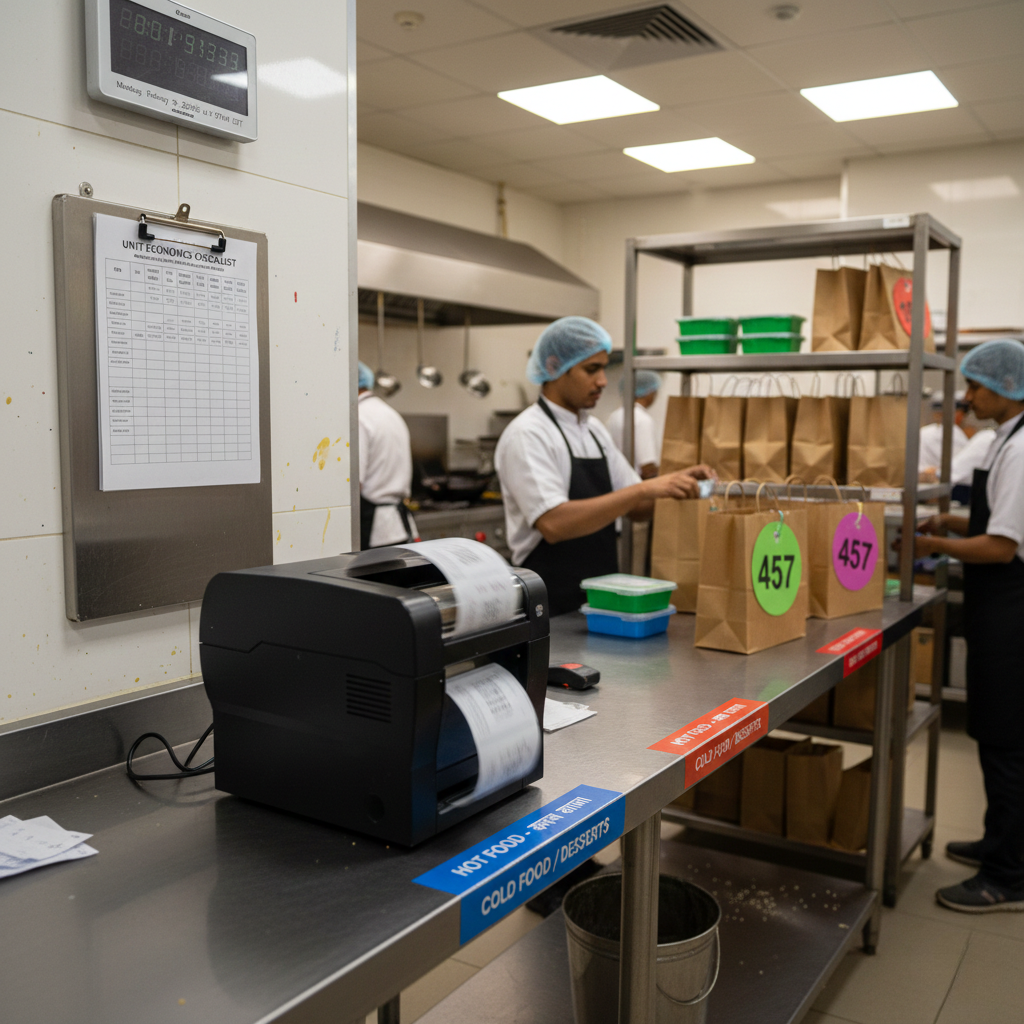
The 15 Differences: CKaaS vs Consulting vs Franchising (What Founders Commonly Misunderstand)
The biggest founder mistake is treating these three models as substitutes. They are not. They are different tools for different bottlenecks. Below are the key differences that matter in real operations.
1) Primary purpose
Consulting: diagnosis + frameworks + optimization roadmap.
Franchise: brand replication + standardized demand engine.
CKaaS: execution capacity + operating system delivery.
2) Who owns execution
Consulting: you (your team executes).
Franchise: you (you run outlet under brand rules).
CKaaS: the CKaaS partner (they run daily kitchen execution).
3) Who owns decisions
Consulting: you (consultant advises).
Franchise: brand (pricing/menu/suppliers often controlled).
CKaaS: you (within system constraints).
4) What you pay for
Consulting: expertise + systems design + oversight.
Franchise: brand + playbook + network leverage.
CKaaS: infrastructure + trained execution + SOP routines.
5) What you gain fastest
Consulting: clarity (what is broken).
Franchise: demand certainty (brand pull).
CKaaS: operational bandwidth (less firefighting).
6) What you still must do
Consulting: implement everything.
Franchise: execute with discipline.
CKaaS: monitor outcomes + make decisions with numbers.
7) Innovation freedom
Consulting: high (you decide).
Franchise: low (brand controls).
CKaaS: medium-high (you can iterate, but must systemize).
8) Brand ownership
Consulting: yours.
Franchise: brand owner’s.
CKaaS: yours.
9) Execution repeatability driver
Consulting: depends on your team discipline.
Franchise: brand SOPs + franchise audits.
CKaaS: partner SOP engine + role gates + station discipline.
10) Typical failure reason
Consulting: advice not implemented.
Franchise: execution misses + local ops weakness.
CKaaS: founder expects “outsourcing” instead of “system transfer.”
11) Speed to launch
Consulting: slow-medium (needs implementation).
Franchise: medium-fast (approvals + setup).
CKaaS: fast (if system and kitchen ready).
12) Exit flexibility
Consulting: high (you own assets and brand).
Franchise: lower (contracts + resale constraints).
CKaaS: medium-high (you can migrate, pivot, or pause).
13) Reliance risk
Consulting: relies on your execution capability.
Franchise: relies on brand health and terms.
CKaaS: relies on partner execution quality.
14) Best fit founder mindset
Consulting: builders who want control and will implement.
Franchise: operators who prefer following a proven playbook.
CKaaS: founders who want brand ownership but need execution leverage.
15) What model scales “easier”
Consulting: scales if your team becomes systemized.
Franchise: scales easier for the franchisor.
CKaaS: scales easier for the brand owner when ops is productized.
To map recurring leak points, use Common Operational Mistakes in Cloud Kitchens, and for the discipline lens, use How Process Discipline Improves EBITDA.
Swiggy/Zomato Reality: Platforms Punish Weak Execution in All Three Models
A common founder illusion is: “If I buy a franchise, platforms will push me.” Or: “If I use CKaaS, ops will be perfect.”
Platforms don’t reward your business model. They reward reliability: on-time dispatch, low cancellations, low refunds, consistent ratings, and predictable prep times.
External policy context: Swiggy Refund Policy and Zomato Online Ordering Terms.
The practical takeaway: a weak outlet gets suppressed regardless of model. That is why choosing the right model matters: the right model fixes your bottleneck, so execution becomes reliable.
The Operational Truth: Most “Model Failures” Are Actually Prep + Packing + Dispatch Failures
Founders blame business models when results drop. But most failures are not strategic. They are operational: prep planning failures create stock-outs and slow throughput, packing failures create wrong items and complaints, dispatch failures create late delivery and cold food.
That is why you should judge CKaaS partners and franchise outlets by gates, not claims. Install predictability using Cloud Kitchen Dispatch SOP.
If you are spending on ads to compensate for low visibility, map ROI properly using Marketing Spend vs ROI in Cloud Kitchens.
What You’re Really Buying: Advice, Brand, or Execution?
Here is a clean way to decide: your bottleneck determines your model.
Choose consulting if your bottleneck is decision confusion: you don’t know what’s broken or where profit leaks.
Choose a franchise if your bottleneck is demand and you want a proven brand pull and standardized playbook.
Choose CKaaS if your bottleneck is execution bandwidth: you can build demand, but you can’t keep operations consistent without being present daily.
CKaaS becomes powerful when roles and gates are defined: prep owner, cook owner, pack owner, dispatch owner, manager weekly review owner. Learn the structure via Role-Based Kitchen Operations Explained.
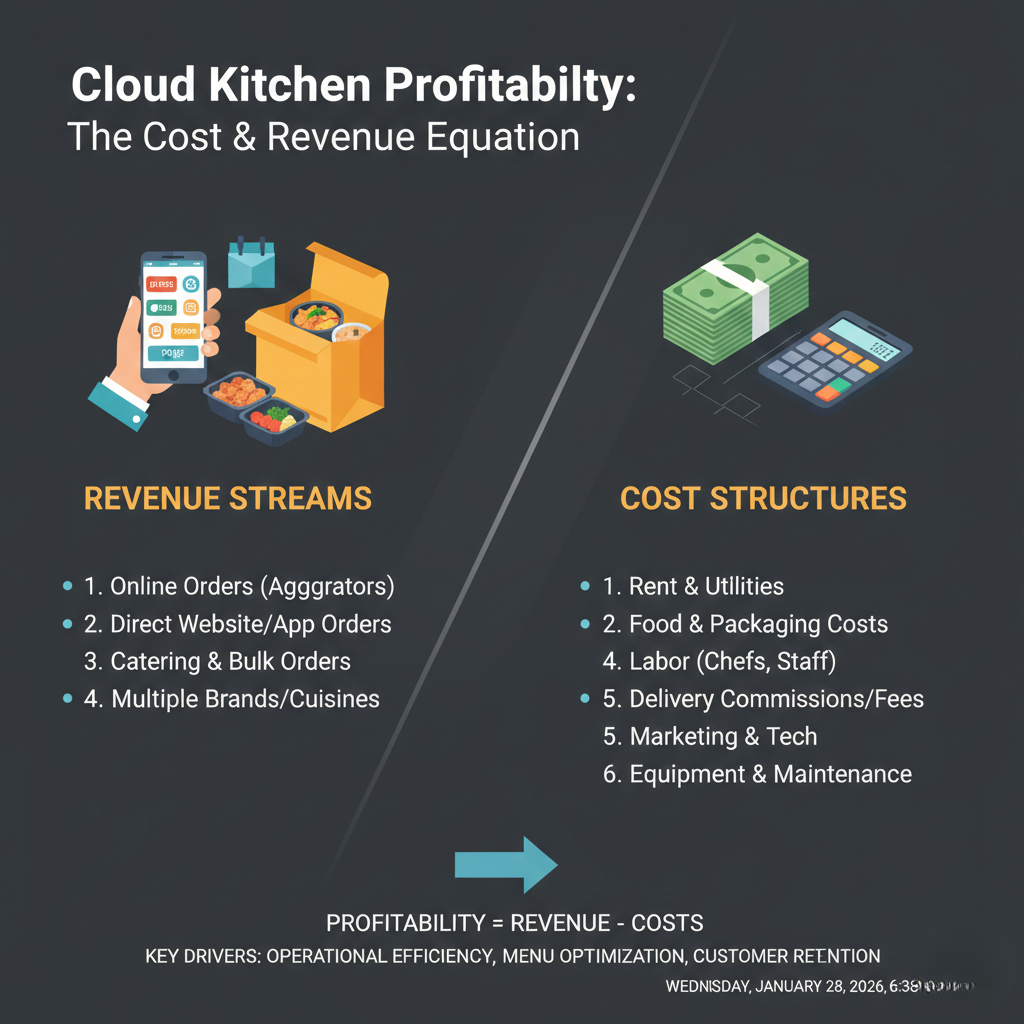
How to Choose Correctly: A Practical Decision Checklist (Without Guessing)
If you want a clean decision, follow this sequence. This prevents emotional buying and protects your runway.
Step 1: Write down your current bottleneck. Is it demand? Is it execution inconsistency? Is it unclear profit? Choose the model that solves that bottleneck.
Step 2: Calculate contribution margin on your top 10 items. If margins are unclear, consulting or a profitability audit comes first. Don’t add royalties or fees onto blind economics.
Step 3: Audit your operations leakage. Refund reasons, cancellation counts, late dispatch rates, rating complaints. Map leaks using Common Operational Mistakes in Cloud Kitchens.
Step 4: Decide what you want to own long-term. If you want to own a brand asset, franchising is not the path. If you want predictable demand more than ownership, franchise fits. If you want ownership but need execution leverage, CKaaS fits.
Step 5: Validate the system strength. For CKaaS: ask for SOP depth, dispatch gates, training process, weekly review loop. For franchise: ask for franchisee support, audits, supplier system, local marketing expectations. For consulting: ask what implementation support exists beyond advice.
Step 6: Install process discipline before scaling. Even franchises fail without discipline. Learn the lens via How Process Discipline Improves EBITDA.
External process references (useful for standardisation thinking): Standardized Work (Lean lexicon), ISO 22000 overview, and FSSAI Hygiene Requirements (Schedule 4 reference).
Final Takeaway: CKaaS Is a Third Category (Execution-as-a-Service), Not a Variant of Consulting or Franchising
Consulting, franchising, and CKaaS are not competitors. They are different tools for different founder problems.
Consulting fixes your thinking and decision clarity. Franchising buys brand certainty and replication discipline. CKaaS buys execution leverage and system-driven kitchen output.
When you choose the right model for your bottleneck, you stop wasting money on mismatched solutions and start building predictable outcomes.
Operating frameworks from GrowKitchen, and operating partner brands like Fruut and GreenSalad help founders choose and execute the right path.
FAQs: Why CKaaS Is Not Consulting or Franchising
Is CKaaS the same as cloud kitchen consulting?
No. Consulting advises and designs improvements. CKaaS runs execution with an operating system.
Is CKaaS similar to a franchise model?
No. Franchises give brand + playbook with rules. CKaaS gives execution capacity for your own brand.
Can I use consulting and CKaaS together?
Yes. Consulting clarifies the system and numbers; CKaaS can execute the system daily if partner quality is strong.
Which is best for a first-time founder?
Depends on your bottleneck. If you want low decision fatigue, franchise fits. If you want ownership but need execution leverage, CKaaS fits.
- Cloud Kitchen Profitability Consultant in India
- Common Operational Mistakes in Cloud Kitchens
- Cloud Kitchen Dispatch SOP
- Role-Based Kitchen Operations Explained
- Refunds and Cancellations Impact on Cloud Kitchen Profitability
- Aggregator Commission Impact in India
- Marketing Spend vs ROI in Cloud Kitchens
- How Process Discipline Improves EBITDA
- Grow Kitchen on Twitter