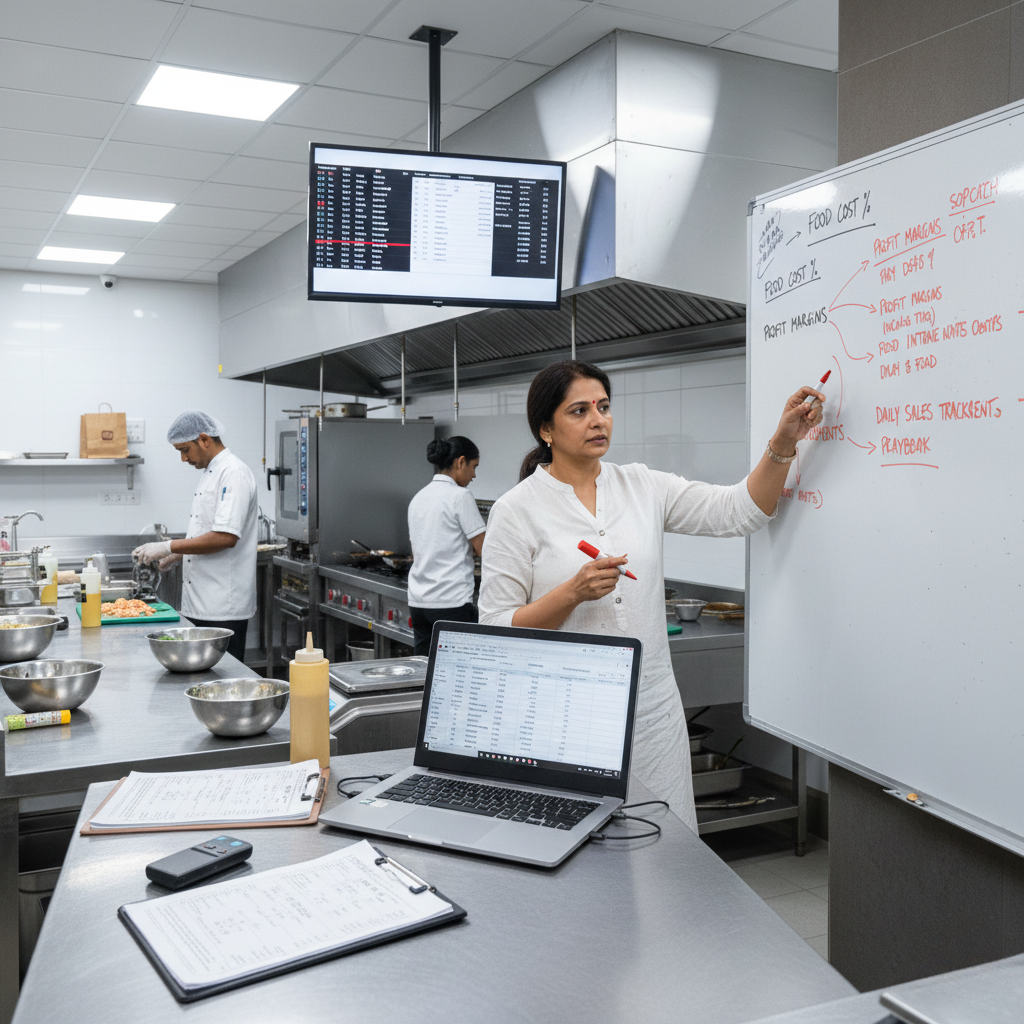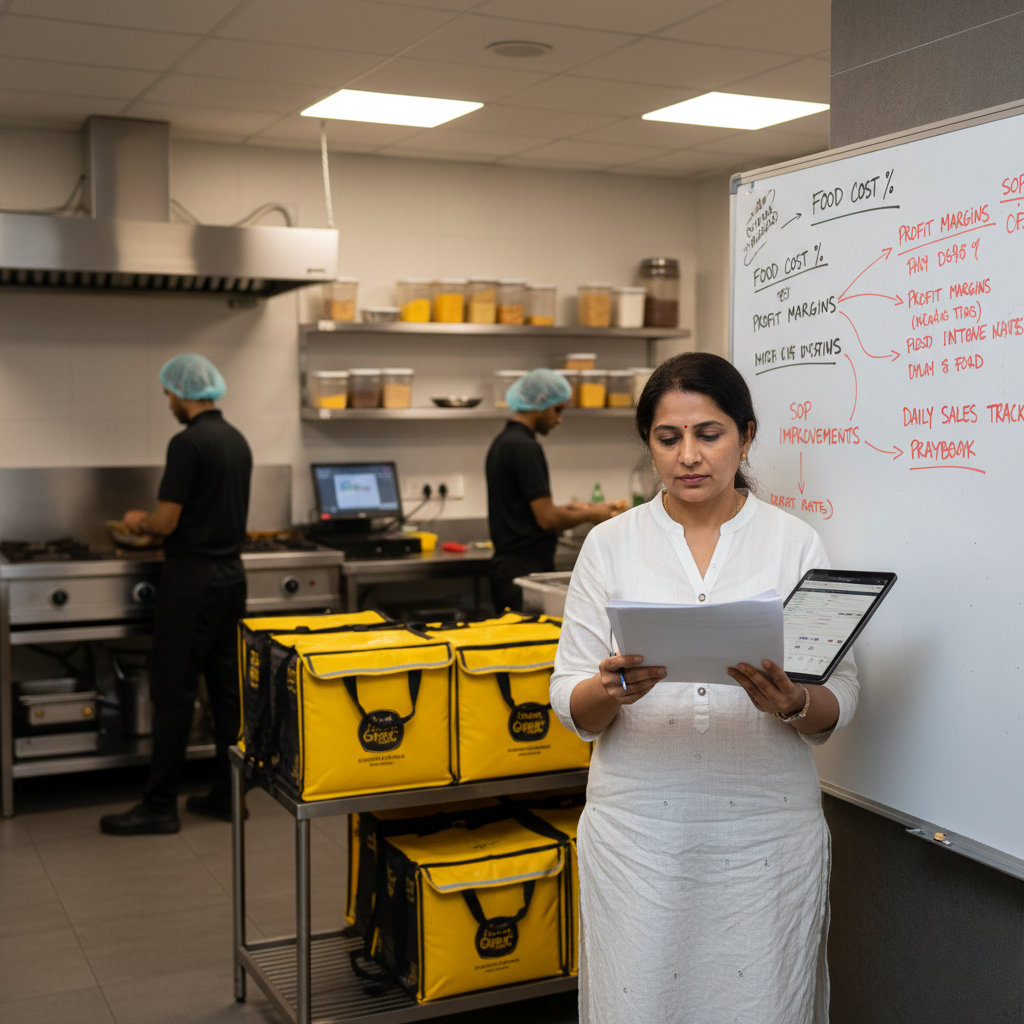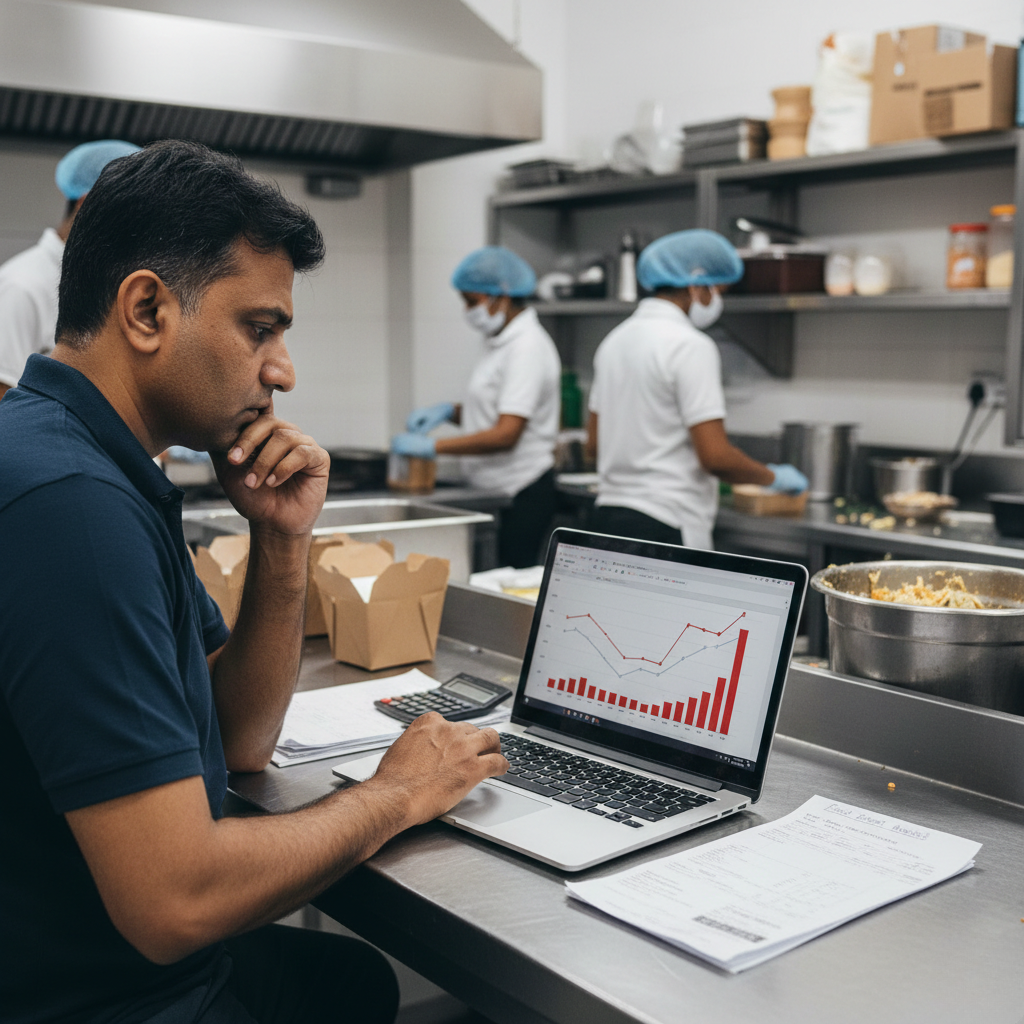
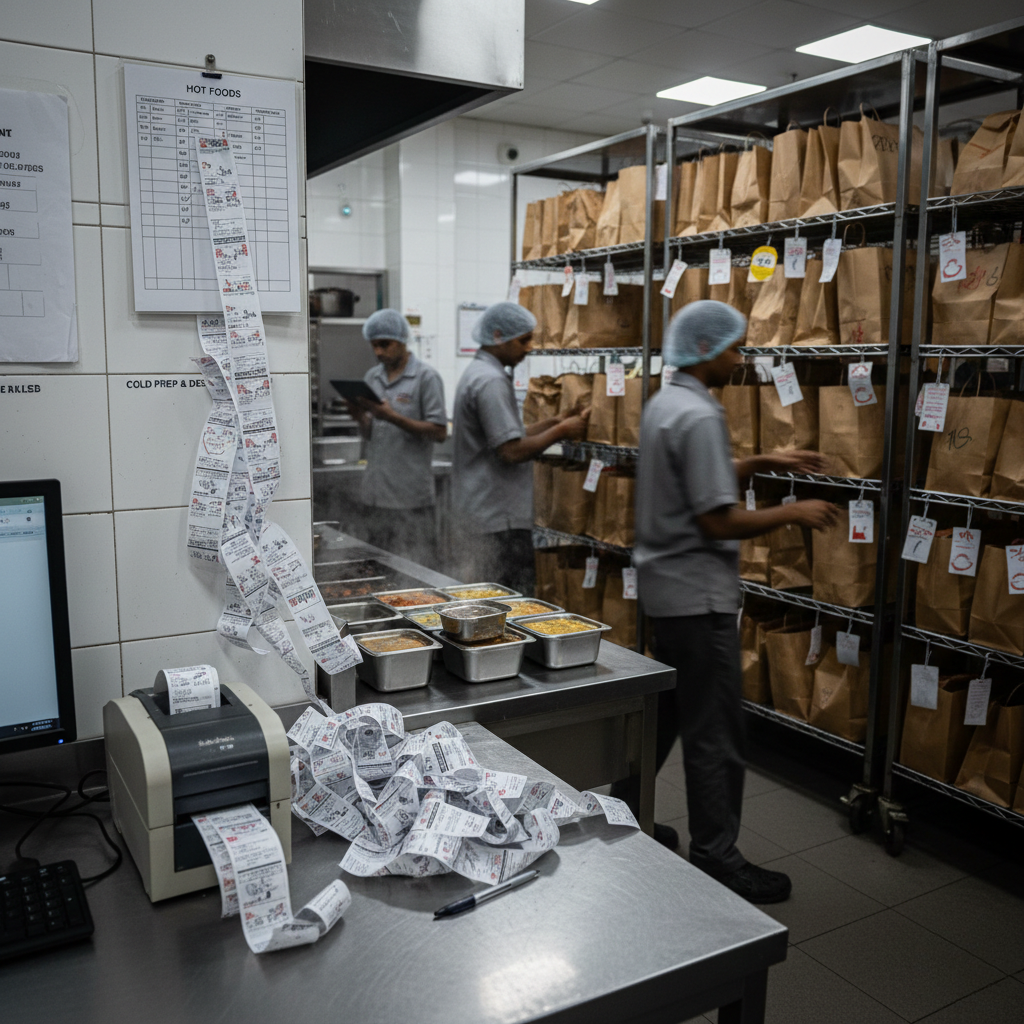
Why Scaling Too Fast Reduces Profit is one of the most expensive misunderstandings in the cloud kitchen ecosystem. Founders see demand. Dashboards look active. New areas feel “ready.” A second kitchen feels like the obvious next step. Yet profit collapses. Cash stress increases. Team fatigue rises. Ratings become harder to protect. This happens because scaling multiplies complexity faster than systems mature. This guide explains why premature scaling reduces profitability in cloud kitchens, what really breaks under growth, and how disciplined operators scale only after profit becomes predictable.
Why Scaling Too Fast Reduces Profit in Cloud Kitchens
In most founder circles, scaling is treated as success.
More kitchens, more brands, more orders, more “market capture.”
But in delivery-first businesses, revenue growth alone is not a proxy for health.
Platform commissions, discounts, refunds, late dispatch, and variable costs distort the picture.
To understand why growth can reduce profit, start with Cloud Kitchen Unit Economics Explained, Understanding Contribution Margin in Cloud Kitchens, and How to Calculate Real Net Profit in Cloud Kitchens.
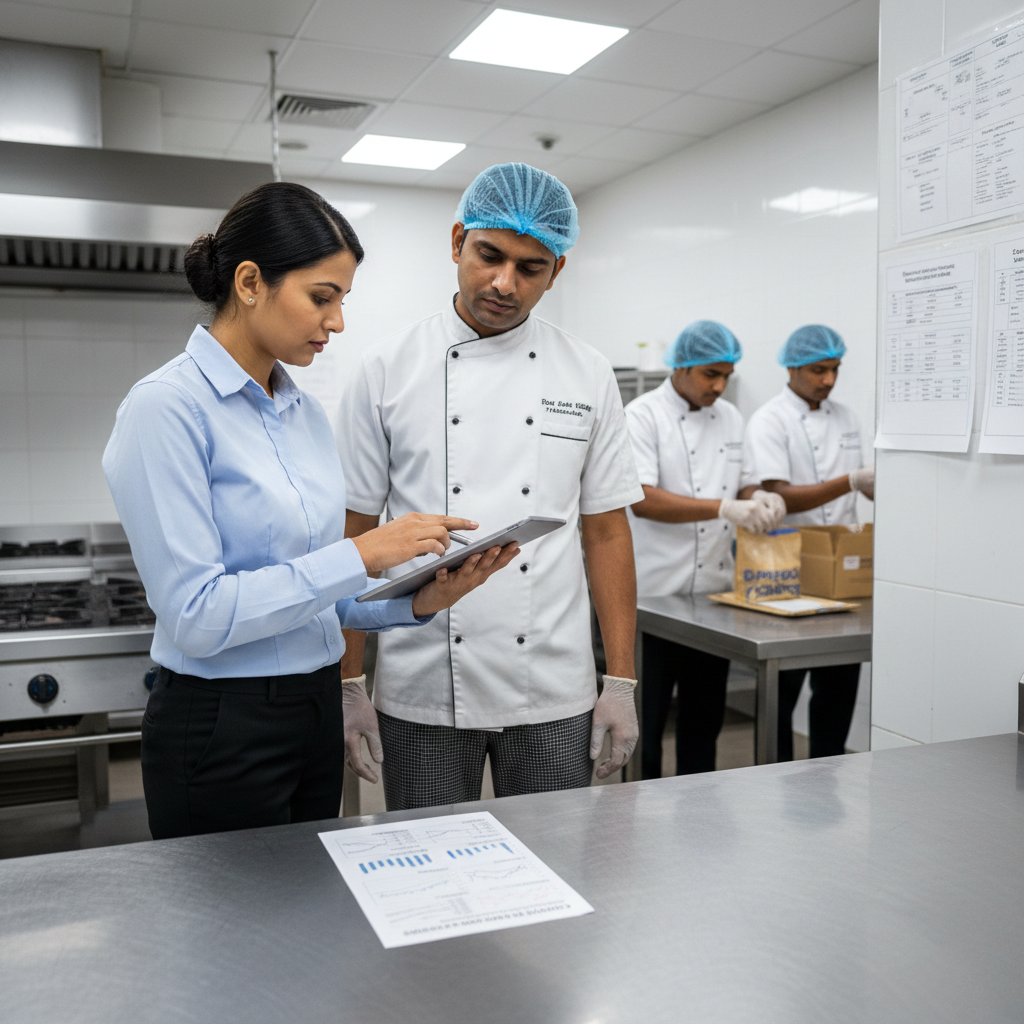
More Orders Can Still Mean Less Profit
Scaling looks logical when orders are flowing.
Founders assume: more volume will fix margins, more kitchens will dilute overhead, more reach will stabilize demand.
But volume is not profit.
If the first kitchen is not structurally profitable, the second kitchen does not create leverage. It creates faster losses.
The Biggest Myth: “Scale First, Profit Will Follow”
Many founders believe profit is a future outcome.
First you scale. Then you optimize. Then margins improve.
In reality, scaling increases operational variance.
Portion drift increases. vendor substitutions happen. training quality drops. dispatch delays become frequent.
And every small flaw becomes a repeatable flaw.
What Scaling “Too Fast” Actually Means
Scaling too fast does not mean expanding quickly.
It means expanding before three things stabilize: unit economics, operations, and repeat behavior.
If these are unstable, new kitchens do not replicate success. They replicate chaos.
This is why many founders feel they are “growing” while their bank balance feels like it is shrinking.
Scaling Before Unit Economics Stabilize
A kitchen can look busy and still be unprofitable.
That happens when contribution margin is weak or inconsistent.
Common reasons include: high food cost, packaging creep, heavy discounts, aggregator commissions, and refund leakage.
If one outlet cannot produce stable contribution per order, a second outlet will not fix it.
It will double the surface area where leakage can occur.
If you are unsure about your food cost benchmark, read Ideal Food Cost Percentage in Cloud Kitchens.
Scaling Increases CAC and Accelerates Losses
Expansion almost always comes with marketing.
New locations need visibility. New brands need traction. New menus need conversion.
That means higher Customer Acquisition Cost.
If CAC is higher than contribution margin, growth becomes a loss engine.
This is why founders say: “We are doing more orders now, but we are earning less.”
Understand CAC clearly in Why CAC Matters Even for Delivery Brands.
Discount-Led Scaling Is the Most Common Trap
Discounts feel like growth.
They spike orders quickly.
But they also: reduce realized revenue, attract deal-seekers, and delay profitability discipline.
At scale, discount dependency becomes structural.
New outlets keep requiring subsidies because the founder never built organic repeat behavior.
Over time, the brand becomes known for deals, not quality.
Refunds Multiply Under Scale and Kill Profit Silently
Refunds do not just hurt revenue.
They destroy contribution.
A refunded order still consumes: food cost, packaging, labor time, and often marketing spend.
At one kitchen, a founder can personally intervene.
At five kitchens, refunds become a recurring tax.
Learn the full impact in How Refunds & Cancellations Affect Profitability.
Operations Break Before Profit Improves
The first kitchen often survives because the founder is present.
The founder fixes mistakes, checks packing, handles peak-time escalations, and stabilizes quality through personal control.
Scaling removes that control.
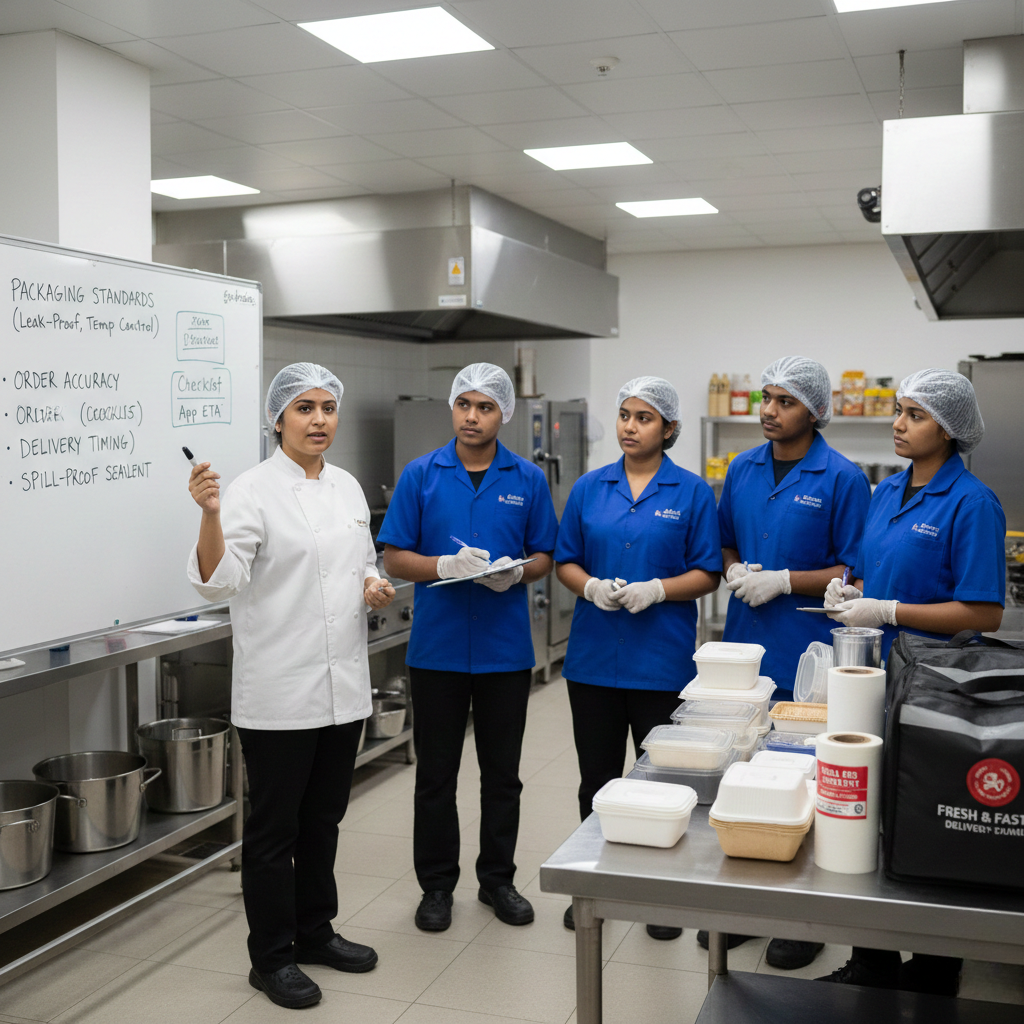
When SOPs are weak, every kitchen becomes a new interpretation of the same brand.
Dispatch slows. pack errors increase. customer complaints rise. ratings fluctuate.
Marketing traffic does not solve this. It magnifies it.
Scaling Without SOPs Creates Repeatable Chaos
Scale is not a marketing problem.
It is a systems problem.
If recipes are not standardized, portions drift.
If prep is not disciplined, peak-time speed collapses.
If packing is not audited, refunds increase.
If staff training is inconsistent, your best kitchen becomes an exception, not the standard.
Use a checklist-led approach like Cloud Kitchen SOP Checklist before expanding.
Labor and Supervisory Costs Rise Before Output Stabilizes
Every new kitchen needs people.
Even if the kitchen is small, you add: cooks, helpers, packers, supervisors, and sometimes a manager layer.
This shifts your cost structure.
Founders often assume: “We will cover salaries with growth.”
But salaries are guaranteed. Growth is not.
If demand fluctuates, labor becomes a fixed burden.
For a deeper breakdown, reference Staff Planning & Labor Cost Control in Cloud Kitchens.
Vendor and Procurement Variance Explodes Under Scale
In one kitchen, founders manage vendor relationships manually.
They negotiate. They substitute quickly. They control quality personally.
At scale, procurement becomes a system.
If procurement is not standardized, cost differences emerge across kitchens.
The same SKU begins costing differently in different units.
This is a silent margin killer because founders often look at consolidated sales, not per-kitchen contribution.
Multi-Brand Scaling Creates Profit Blind Spots
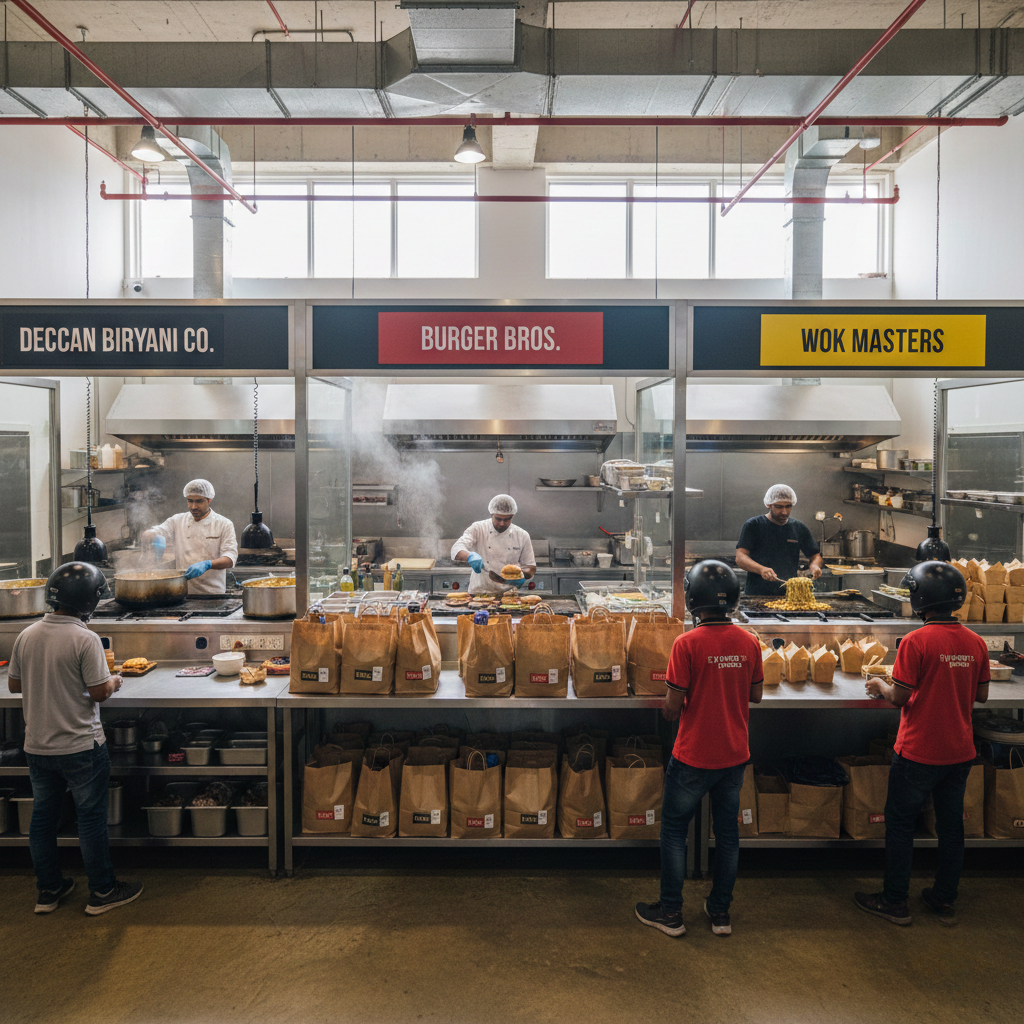
Many cloud kitchens scale by adding brands.
The logic is utilization.
But multi-brand setups create financial confusion.
Marketing spend is pooled. Inventory is shared. manpower overlaps.
Without brand-wise tracking, profitable brands subsidize weak ones.
Founders assume the system is working, but in reality, one strong brand is carrying the entire structure.
This aligns with Harvard Business Review’s work on growth limits , which explains how companies can run out of cash even when sales look strong, because growth consumes cash faster than it generates it.
Why Scaling Must Be Earned Through Predictability
Mature operators do not scale because demand exists.
They scale because performance is predictable.
Predictability means: stable food cost, stable packing accuracy, stable dispatch times, stable ratings, stable repeat behavior, and stable contribution.
If these are not stable, scaling creates a fragile network that needs constant firefighting.
Learn the operator approach in Cloud Kitchen Scaling Strategy.
How Disciplined Operators Scale Without Losing Profit
Scaling profitably is not about speed.
It is about sequencing.
Disciplined operators follow a simple order: stabilize unit economics, lock SOPs, protect ratings, validate repeat, then expand.
They treat scale as replication of a proven machine, not as experimentation across multiple kitchens.
This is why their growth feels calmer. Their numbers are not surprises.
A Practical “Should We Scale?” Checklist
Before opening a new kitchen, ask these questions:
Is contribution margin stable weekly, without heavy discounts?
Are refunds controlled, with root causes clearly tracked?
Can the kitchen run for 7 days without founder intervention?
Do you have training SOPs for each station and role?
Is your menu structured to push profitable items by default?
Is CAC recoverable through repeat orders?
If the answer is no, scaling will likely reduce profit.
Why Scaling Too Fast Reduces Profit in Cloud Kitchens: Final Clarity
Scaling is not the problem.
Scaling before profitability is stable is.
In cloud kitchens, growth multiplies: margin leakage, training gaps, refund risk, and operational inconsistency.
Kitchens that scale after building predictability turn growth into leverage.
Kitchens that scale early turn growth into stress.
GrowKitchen helps founders design scale-ready systems where expansion strengthens profit instead of destroying it.
FAQs: Scaling Too Fast and Profitability
Is scaling always bad for cloud kitchens?
No. Scaling works when unit economics and operations are stable. Scaling is harmful only when it amplifies instability.
What is the earliest sign that scaling is reducing profit?
Rising refunds, falling ratings, and inconsistent contribution margin even when order volume is increasing.
Should I add more brands or more kitchens first?
Neither helps if contribution and SOPs are unstable. Fix predictability first, then expand the model that is easier to control.
How often should I review profitability during scaling?
Weekly per kitchen and per brand. Monthly review is too slow during expansion.
- Cloud Kitchen Unit Economics Explained
- Cloud Kitchen Profitability Consultant in India
- CKaaS Explained
- Understanding Contribution Margin
- Why CAC Matters Even for Delivery Brands
- How Refunds & Cancellations Affect Profitability
- How Menu Design Affects Profitability
- Staff Planning & Labor Cost Control
- Cloud Kitchen Scaling Strategy