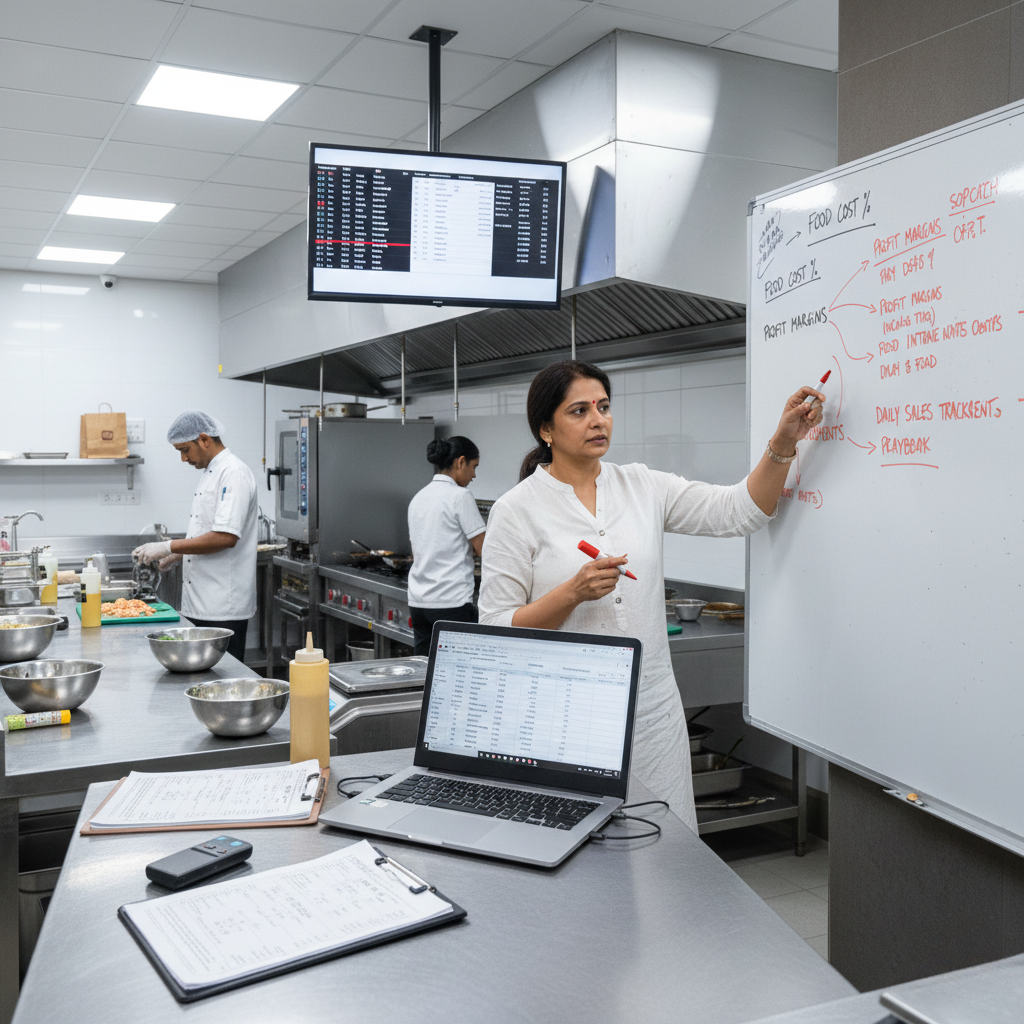
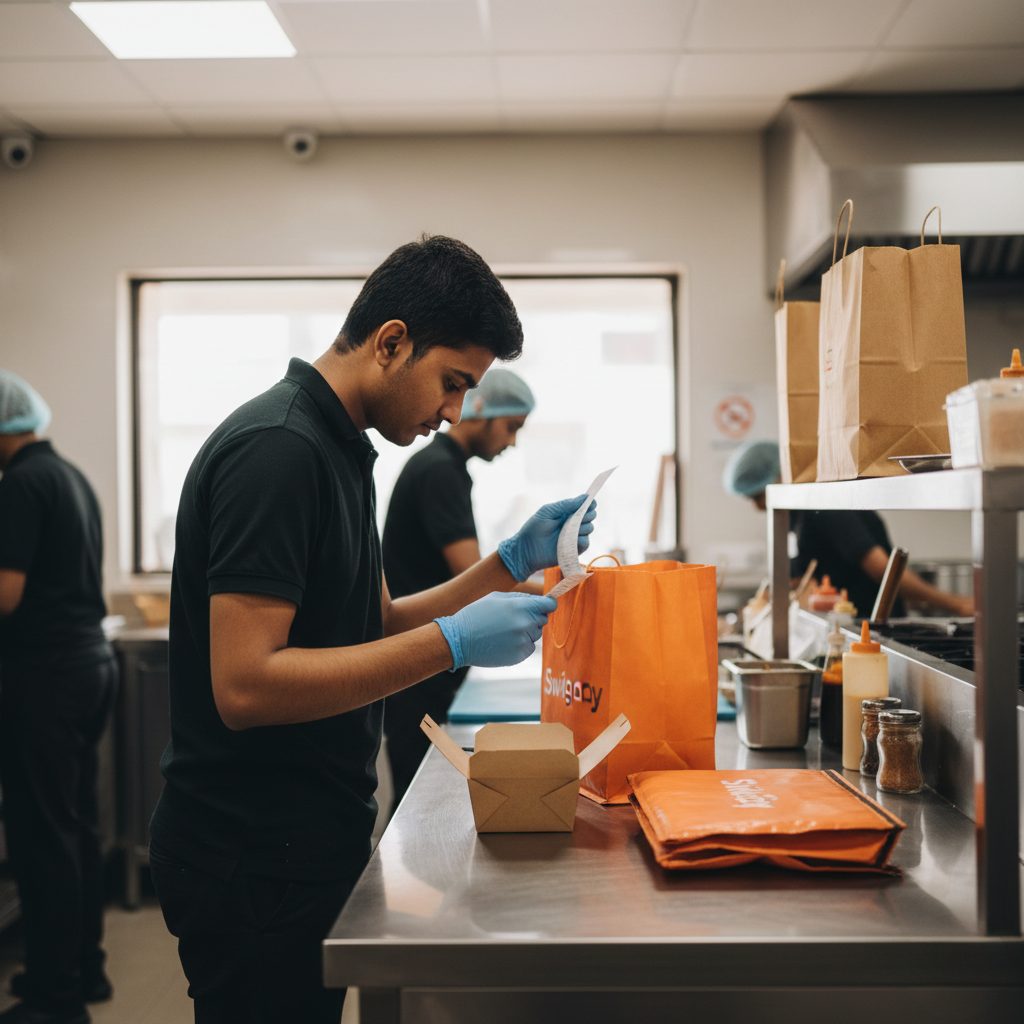
Reducing Swiggy Refunds Case Study-This case study documents how a multi-brand cloud kitchen reduced Swiggy refunds significantly without making any changes to its menu, pricing, or food quality. The kitchen was operationally stable on the surface, but profits were declining quietly due to refund leakage-an issue many founders encounter before realizing its true impact, as discussed in Why My Cloud Kitchen Profits Are Declining.
Over a sixty-day period, the kitchen achieved a forty-seven percent reduction in refund value purely by fixing execution gaps inside the operation. No new dishes were added, no items were removed, and no discounts were introduced. The improvement came entirely from operational discipline and systemization, similar to approaches used when Fixing Cloud Kitchen Delays, Refunds, and Complaints.
Case Background
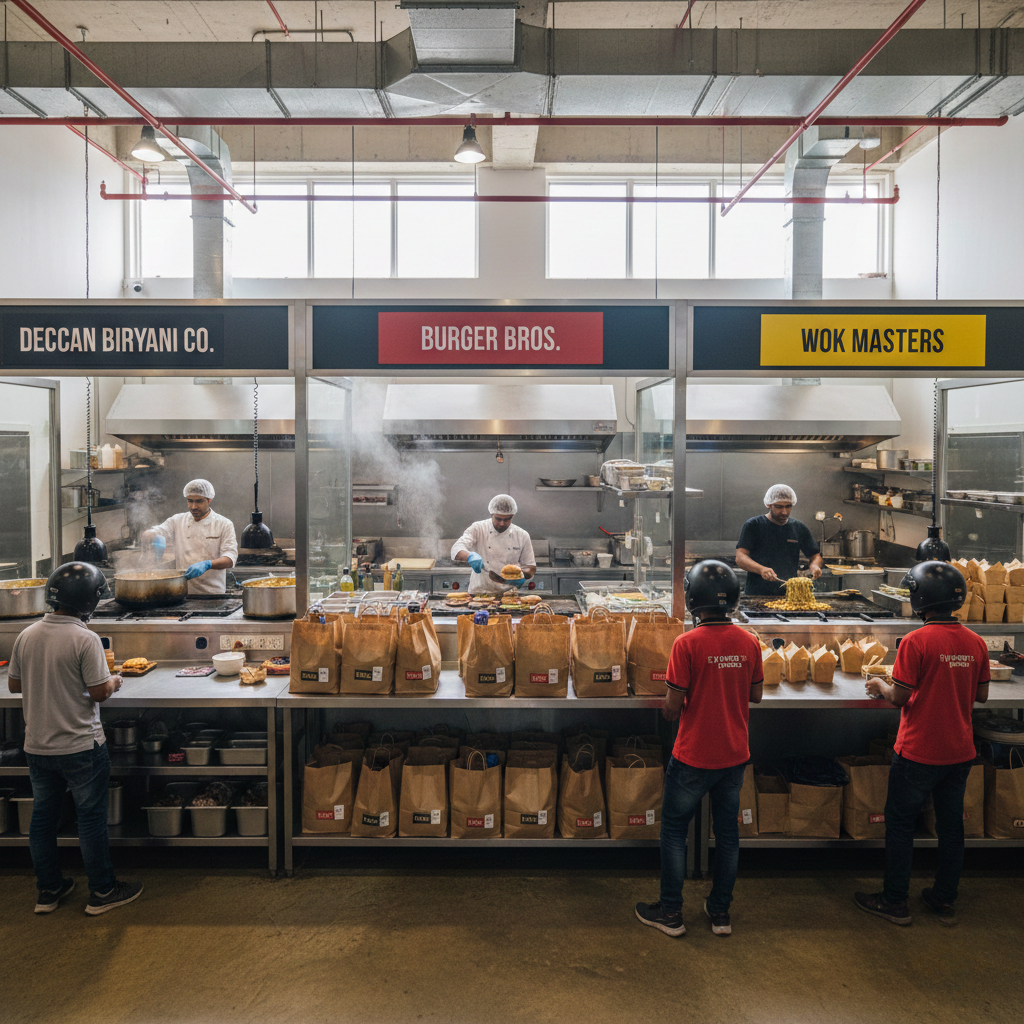
The kitchen operated three delivery-only brands from a single facility. Average daily order volume ranged between one hundred eighty and two hundred twenty orders, with Swiggy contributing the majority of sales. Customer ratings across brands were stable between 4.1 and 4.3, creating a false sense of operational health.
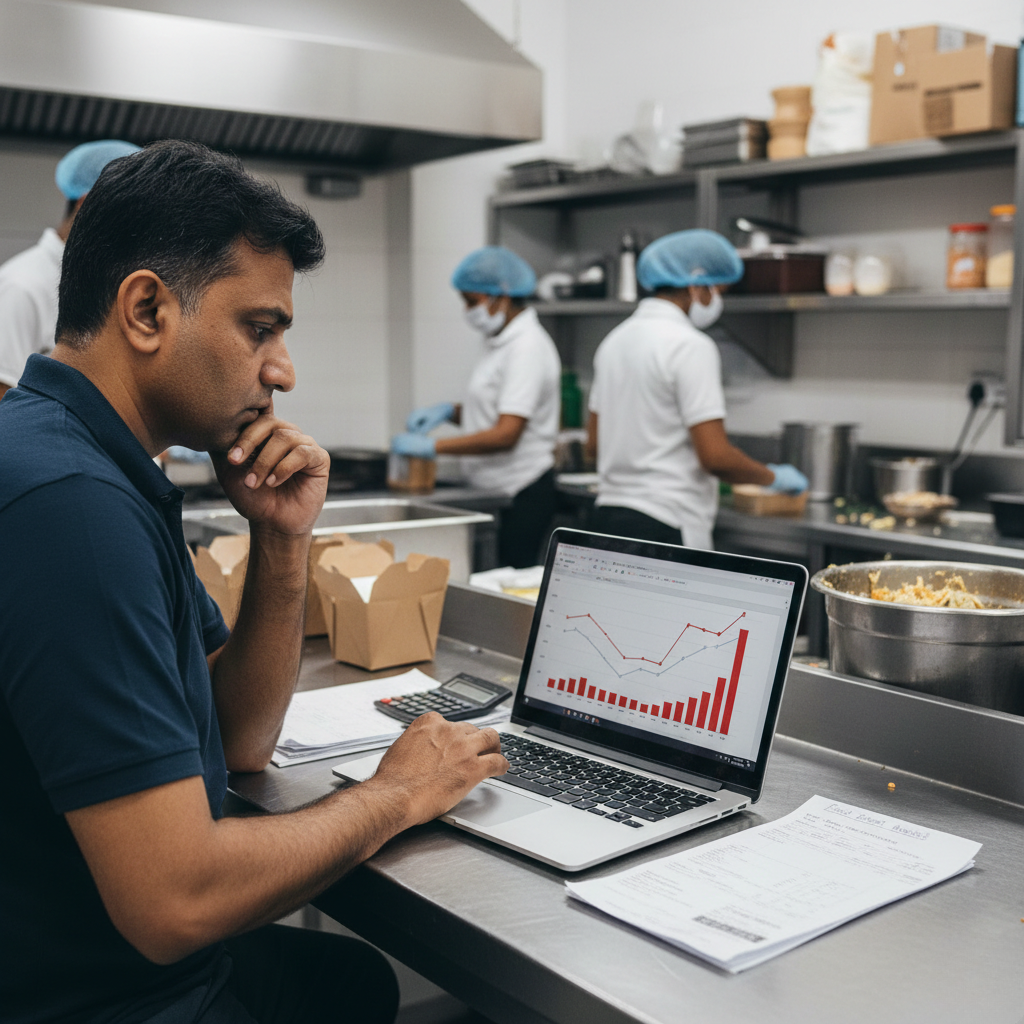
Despite acceptable ratings, refund value consistently hovered around 6.8 percent of daily Swiggy GMV. This pattern is commonly observed in kitchens that scale order volume before stabilising internal systems, a challenge explained in How to Stabilise Profits Before Scaling.
Refund reasons were repetitive and operational in nature. Orders were delivered with missing add-ons, incorrect items, leaking containers, or compromised food quality due to poor packing. These symptoms strongly indicated weak SOP adherence, similar to issues outlined in Cloud Kitchen Without SOPs vs After SOP Implementation.
The Core Problem
The founder initially believed the menu or recipes were the root cause of refunds. However, changing the menu would have required new photography, relisting items, resetting customer expectations, and risking rating drops. Instead, the decision was made to treat refunds as an execution problem rather than a food problem.
This shift in thinking mirrors the realisation many founders reach when growth starts damaging operations, as described in When Growth Is Hurting Your Cloud Kitchen Operations.
Intervention: Refund Reason Audit
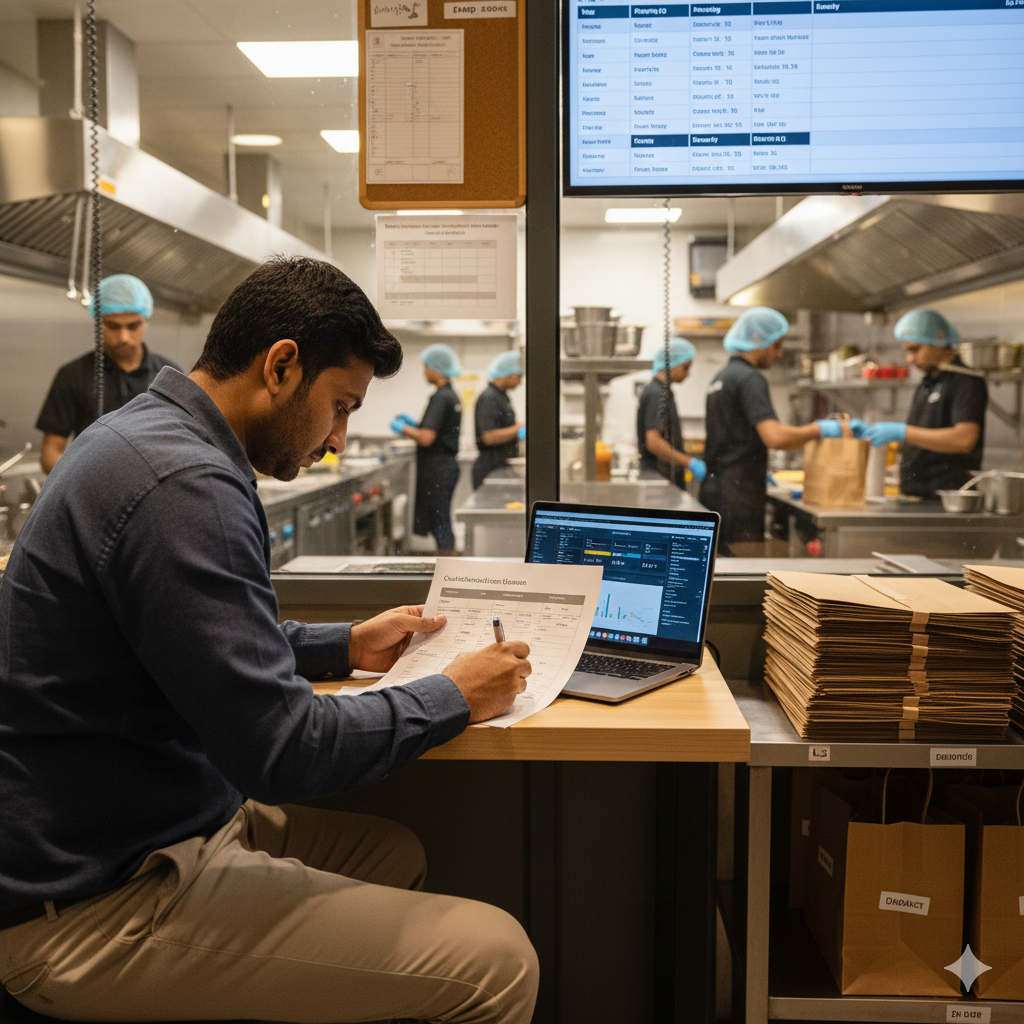
The first intervention involved analysing thirty days of Swiggy refund data in detail. Instead of relying only on dashboard categories, each refund comment was reviewed manually to identify the true cause of failure. This diagnostic approach is commonly used when analysing contribution margins in cloud kitchens.
The audit revealed that nearly seventy-two percent of refunds were caused by internal execution failures. Only a small percentage related to genuine customer food preferences, while the remainder were linked to delivery handling. This confirmed that the majority of refund leakage was controllable within the kitchen.
Intervention: Identifying Operational Breakdown Points
A complete order journey mapping exercise was conducted, tracking each order from acceptance on the Swiggy tablet to rider handoff. Observations were made across multiple shifts to eliminate bias and capture real operational behavior.
The study revealed inconsistent packing practices across brands and shifts. Add-ons were frequently missed due to poor visibility, sealing methods varied between staff members, and no single individual was accountable once the order left the packing station. These patterns are typical of founder-dependent kitchens before systems are introduced, as explained in Founder-Dependent Kitchen Converted Into System-Driven Operations.
Intervention: Operational Fixes Without Menu Changes
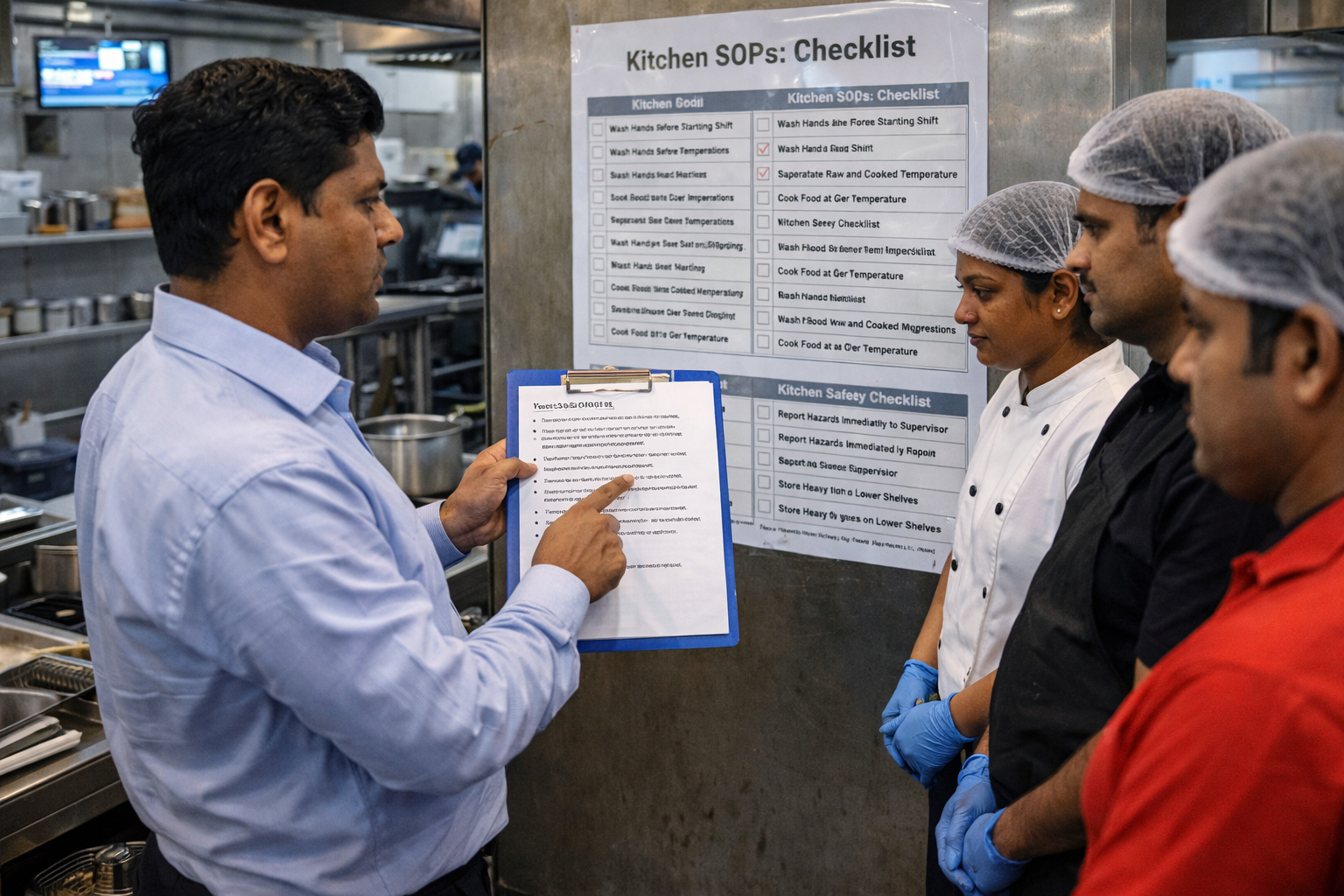
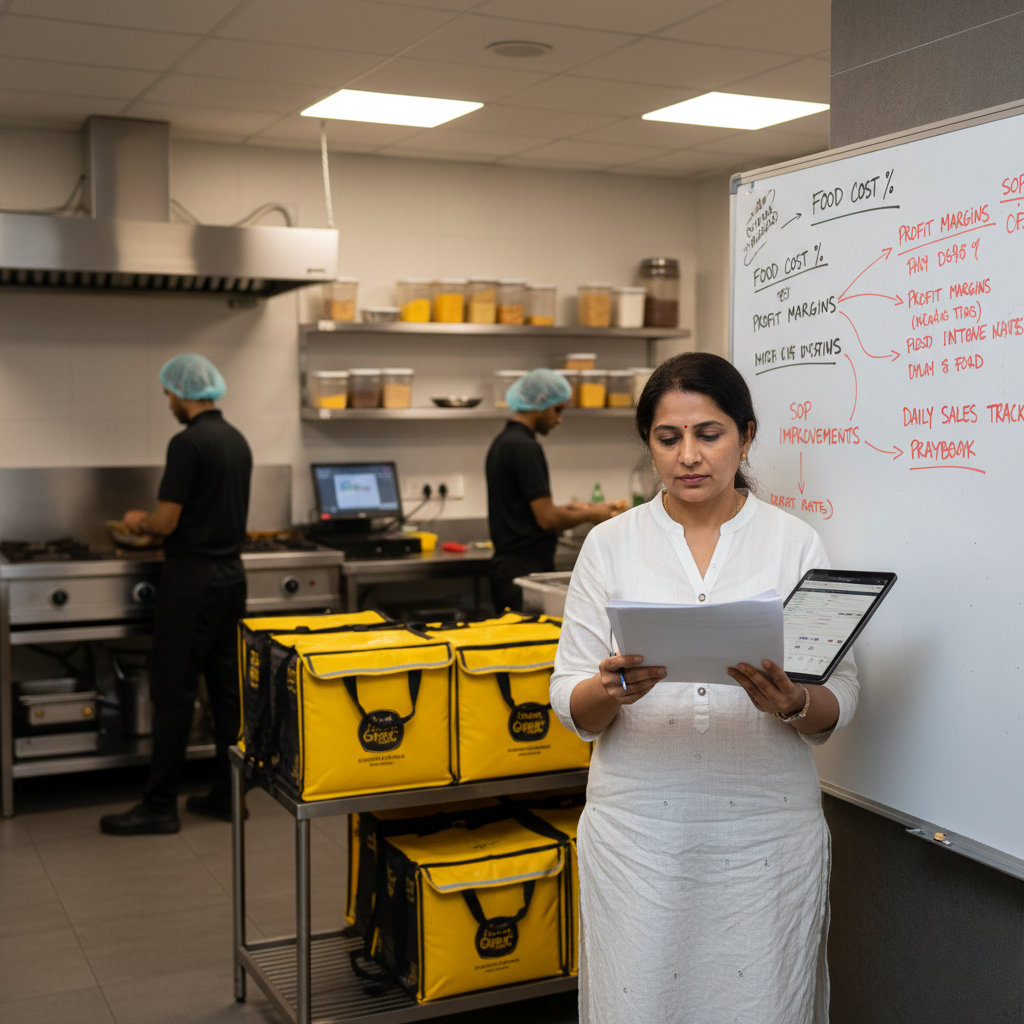
The first corrective action was the introduction of brand-wise visual packing SOPs. Each brand received clearly defined instructions for container selection, sealing methods, item placement, and add-on verification. These SOPs were physically placed at packing stations to ensure real-time compliance, reinforcing clarity similar to methods discussed in How SOPs Improve Cloud Kitchen Profitability.
To address add-on errors, order slips were modified operationally by highlighting add-ons clearly. Packers were required to verbally confirm add-ons before sealing, followed by a brief secondary check. This single habit removed one of the largest sources of refunds without introducing any technology changes.
Accountability was strengthened through the introduction of seal stickers with packer initials. This created ownership at the individual level and led to an immediate improvement in packing discipline within days.
The kitchen also implemented a strict hot-and-cold separation rule. Items that previously travelled together were separated into appropriate packaging, reducing condensation, spillage, and temperature-related quality complaints-without altering food preparation.
Intervention: Shift-Level Training
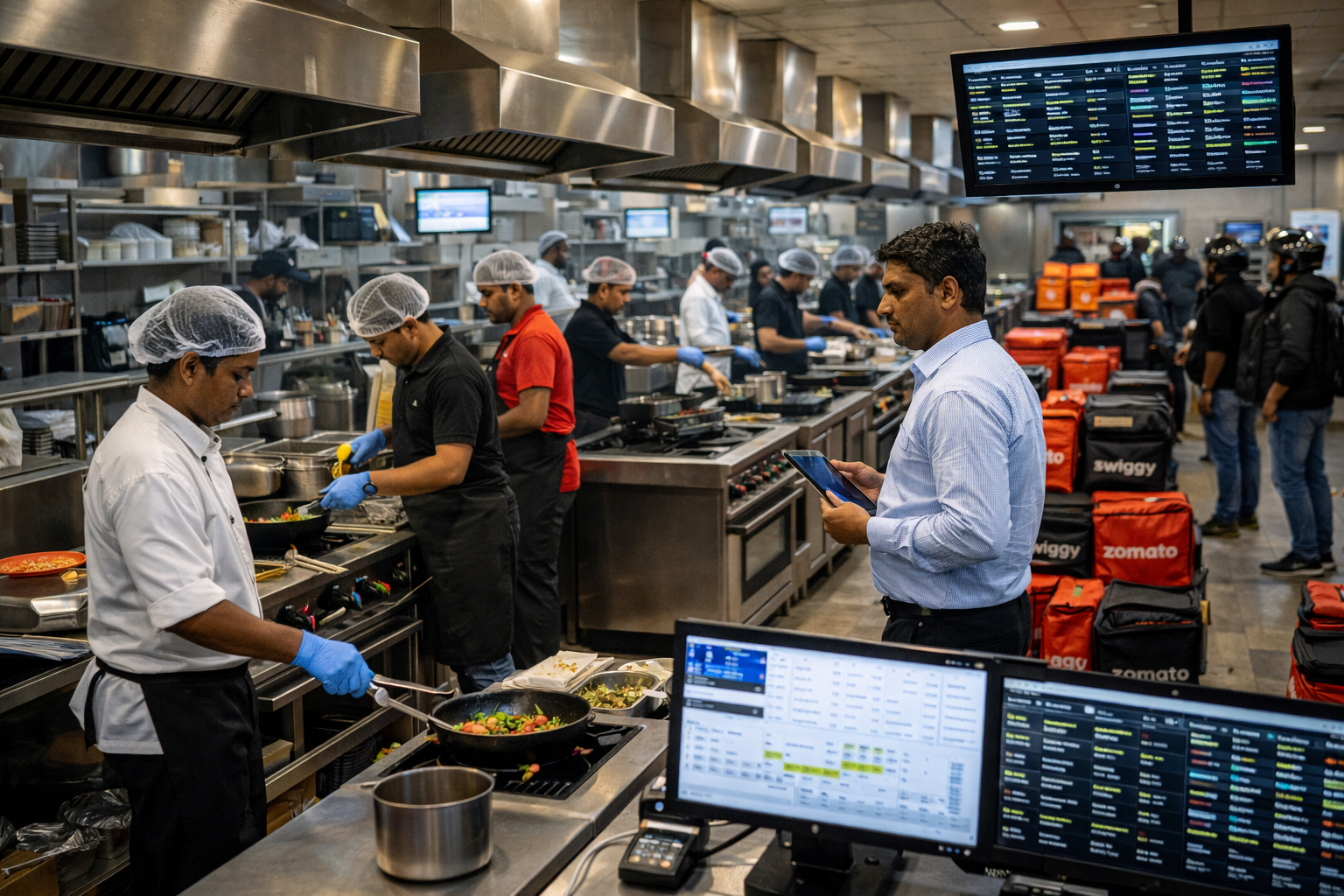
Instead of relying on one-time training sessions, the kitchen introduced daily micro-training at the start of each shift. These short discussions focused on one SOP or a real refund incident from the previous day, aligning closely with principles outlined in Daily Shift Planning for Cloud Kitchens.
Over time, staff began understanding the direct link between execution errors, refunds, and workload pressure. SOP adherence improved naturally without the need for constant supervision.
Outcome and Results
Within sixty days of implementing these operational interventions, refund value reduced from 6.8 percent to 3.6 percent of daily Swiggy GMV. Wrong-item refunds dropped by fifty-eight percent, while add-on-related refunds reduced by sixty-four percent. Average brand ratings improved by approximately 0.3 points, supporting better platform visibility.
Most importantly, these results were achieved without changing the menu, pricing, or discount structure, proving that refund reduction is primarily an execution problem-not a food problem.
Key Case Study Takeaways
This case study demonstrates that high Swiggy refunds are rarely caused by recipes or menu design. In most cases, they are the outcome of weak operational systems. Packing is a revenue-protection function, not a secondary task. Visual SOPs, accountability mechanisms, and shift-level discipline can drive measurable financial impact without increasing marketing or discount spend.
Related Case Studies and Reads
Readers exploring similar operational turnarounds also read
Have Questions?
If you want deeper clarity on cloud kitchen operations, SOP design, or refund control systems, detailed answers are available in the Grow Kitchen FAQs.
External References
To explore more insights on cloud kitchen systems and execution, visit