Why Operations Failures Financial Losses in cloud kitchens is one of the most misunderstood truths in cloud kitchens. Founders often separate operations and finance. They treat mistakes as “ops issues” and losses as “finance problems.” In reality, every operational failure converts directly into money lost. Through portion errors, prep inefficiencies, staff mistakes, refunds, wastage, idle time, and slow dispatch. Orders keep flowing. Dashboards stay green. Yet cash keeps leaking. This guide explains how operational failures silently turn into financial losses and how disciplined operators design systems where operations protect profit, not erode it.
Why Operations Failures Financial Losses in cloud kitchens
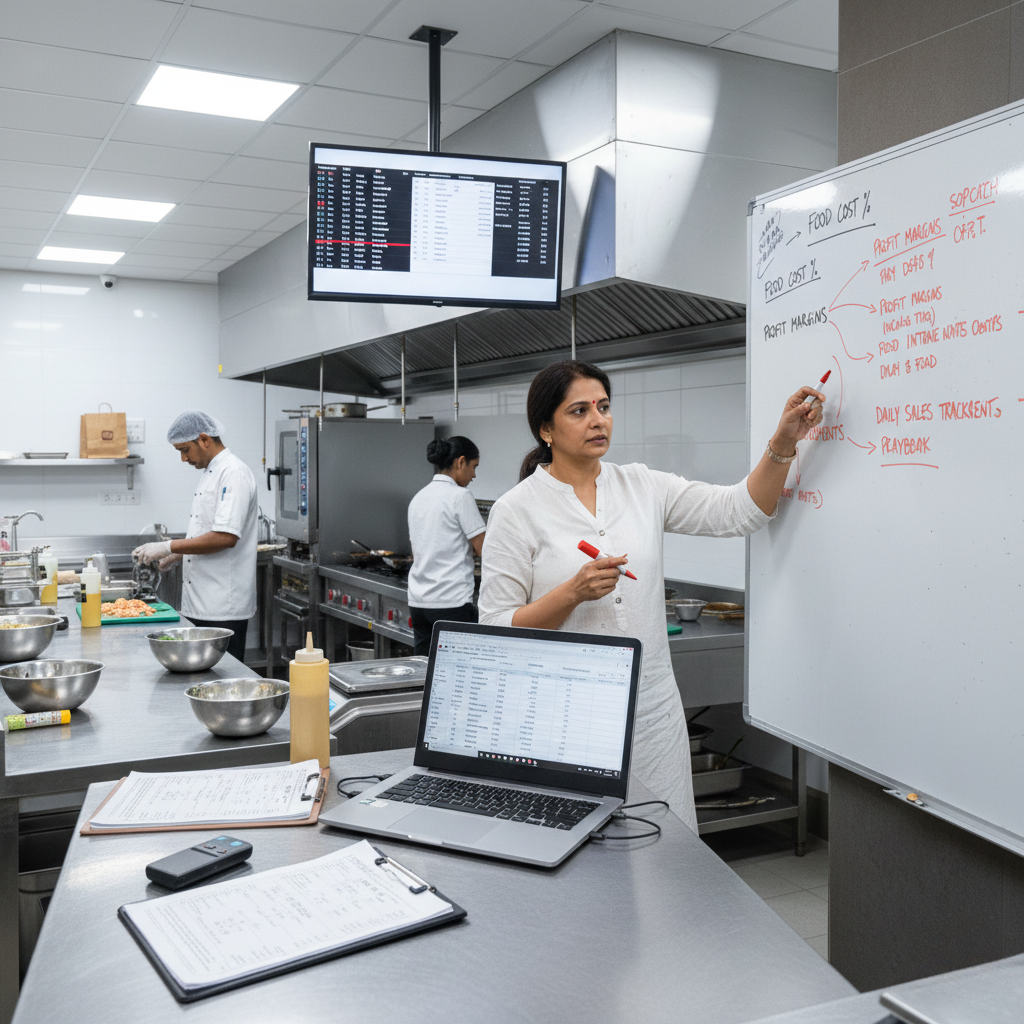
Many cloud kitchen founders believe operations and finance are separate domains.
Operations is seen as execution. Finance is seen as accounting.
In delivery kitchens, this separation is dangerous. Every operational action has a direct financial consequence.
To understand this connection, start with Cloud Kitchen Unit Economics Explained, Understanding Contribution Margin in Cloud Kitchens, and How to Calculate Real Net Profit in Cloud Kitchens.

Operational Failures Rarely Look Like Financial Problems
Operational failures rarely trigger panic.
A delayed order. A wrong item. A rushed prep. A tired staff member.
Failure #1: Portion Control Errors
Inconsistent portioning is one of the most common operational failures.
Every extra spoon of gravy and every oversized protein portion increases food cost invisibly.
Over time, margins shrink without any visible price change.
Portion impact is explained in Poor Portion Control and Its Impact on Margins.
Failure #2: Poor Prep Planning and Wastage
Over-prep, poor forecasting, and ignored FIFO lead to daily wastage.
Wastage is often treated as unavoidable.
Financially, wastage is 100% loss — no recovery, no contribution.
Learn how wastage destroys profit in How Wastage Destroys Cloud Kitchen Profit.
Failure #3: Staff Inefficiency and Fatigue
Overworked staff make more mistakes.
Underutilized staff drain payroll during non-peak hours.
Both scenarios increase cost per order while reducing service quality.
Staffing alignment is detailed in How Many Staff Does a Cloud Kitchen Need.
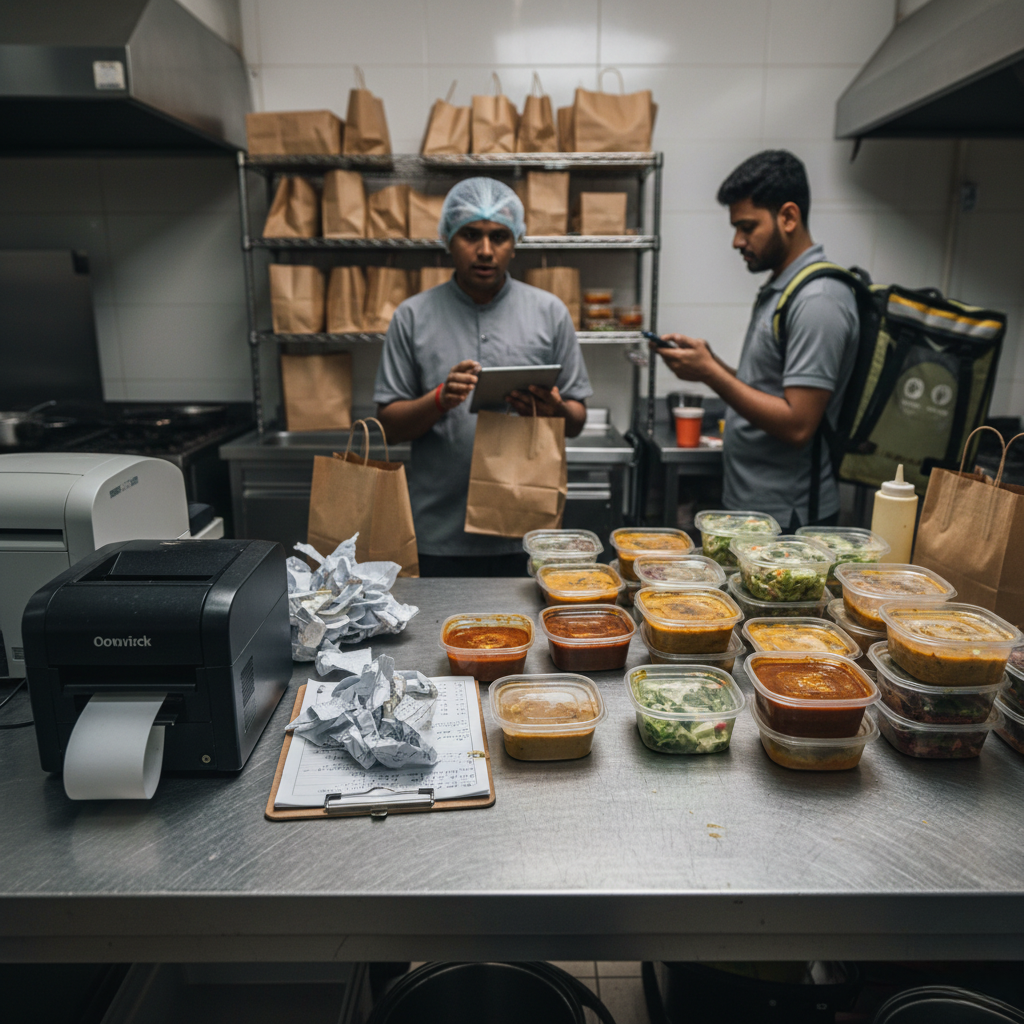
Failure #4: Dispatch Errors and Rework
Incorrect packing, missing items, wrong labeling, and rushed dispatch create immediate losses.
Each mistake triggers: food loss, packaging loss, staff time loss, and often a refund.
This mirrors Harvard Business Review’s analysis , showing how execution failures silently destroy strong businesses from within.
Failure #5: Refunds Triggered by Operational Gaps
Most refunds originate from operations, not customers.
Delays, wrong items, poor packaging, and quality issues all stem from execution failures.
Refund economics are explained in How Refunds & Cancellations Affect Profitability.
Failure #6: Inventory Mismanagement
Stockouts lead to cancellations.
Overstocking leads to expiry.
Both outcomes directly destroy contribution margin.
Inventory discipline is covered in Cloud Kitchen Inventory Management in India.
Failure #8: Operations Increasing CAC Silently
Operational failures increase refunds and reduce repeat orders.
This means acquisition spend generates less lifetime value.
Understand this connection in Why CAC Matters Even for Delivery Brands.
Failure #9: Absence of SOPs and Controls
Kitchens without SOPs depend on individuals.
Individual inconsistency leads to unpredictable outcomes and unpredictable costs.
SOPs convert operations into repeatable systems that protect margins.
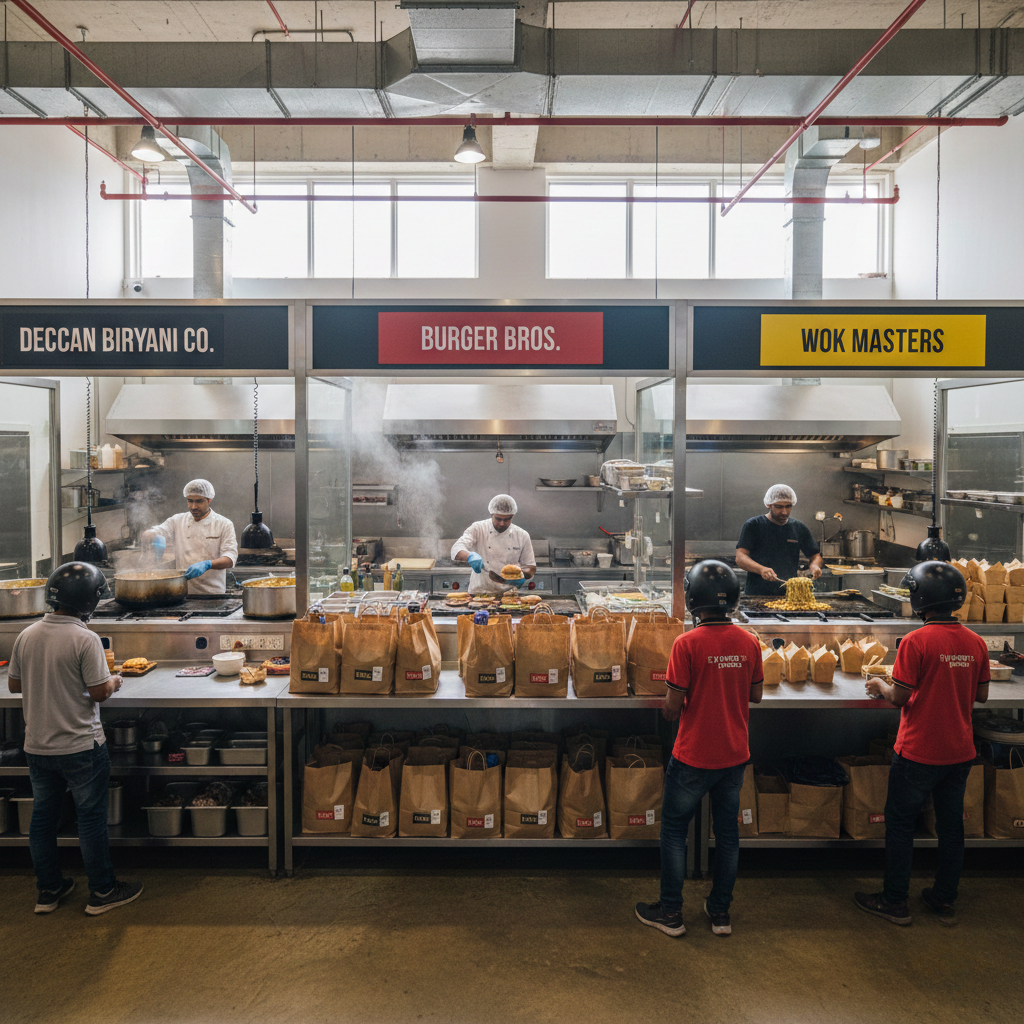
Failure #10: Scaling Broken Operations
Scaling multiplies everything — good systems or bad ones.
Operational failures that feel manageable at low volume become catastrophic at scale.
Why Operations Must Be Fixed Before Scaling
Scaling does not fix operations.
It exposes them.
Professional operators stabilize execution first so growth adds profit, not losses.
Why Operations Failures Become Financial Losses: Final Clarity
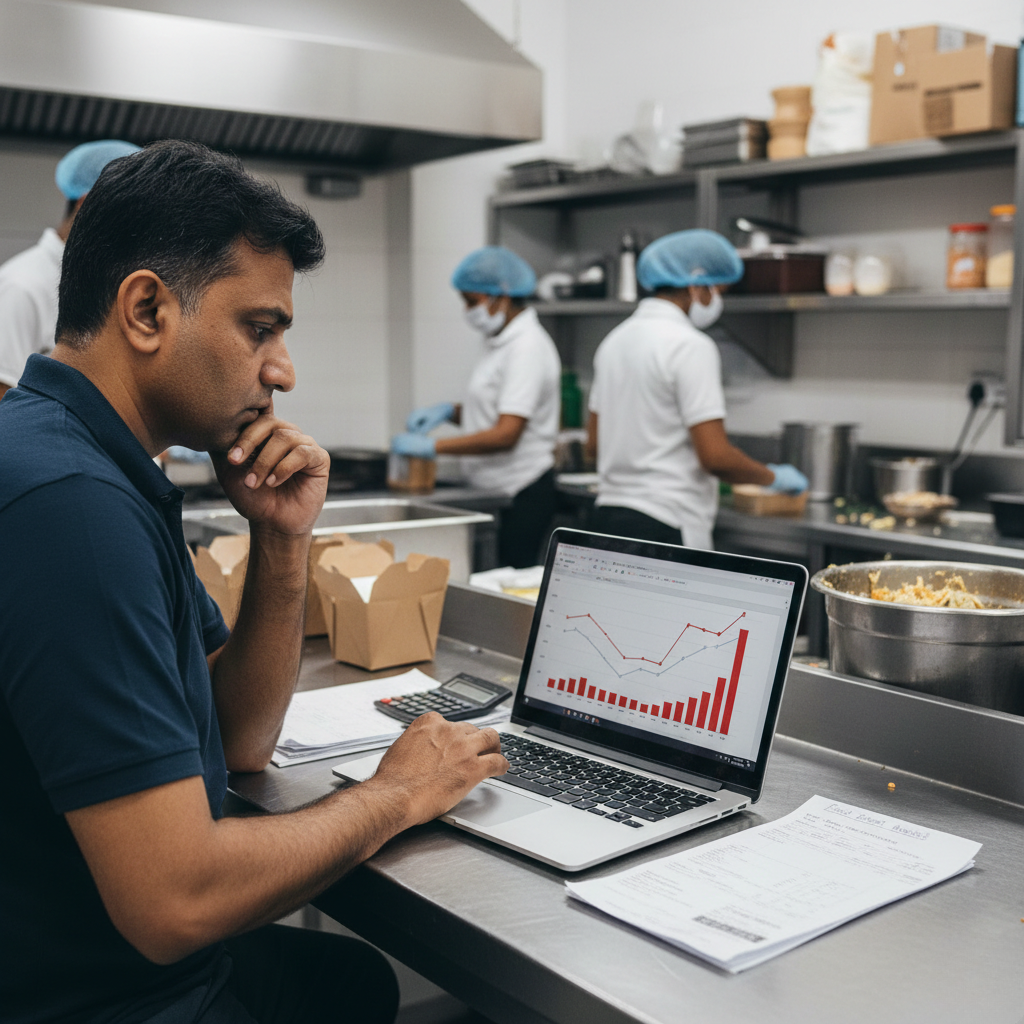
Financial losses are rarely accounting problems.
They are operational failures showing up on a P&L.
GrowKitchen helps founders design operational systems that protect margins, reduce leakage, and support scalable growth.
FAQs: Operations Failures in Cloud Kitchens
Are operations really the main source of losses?
Yes. Most financial losses originate from execution failures.
Can good marketing offset bad operations?
No. Marketing amplifies operational weakness.
When should operations be audited?
Continuously at the kitchen level, formally before scaling.