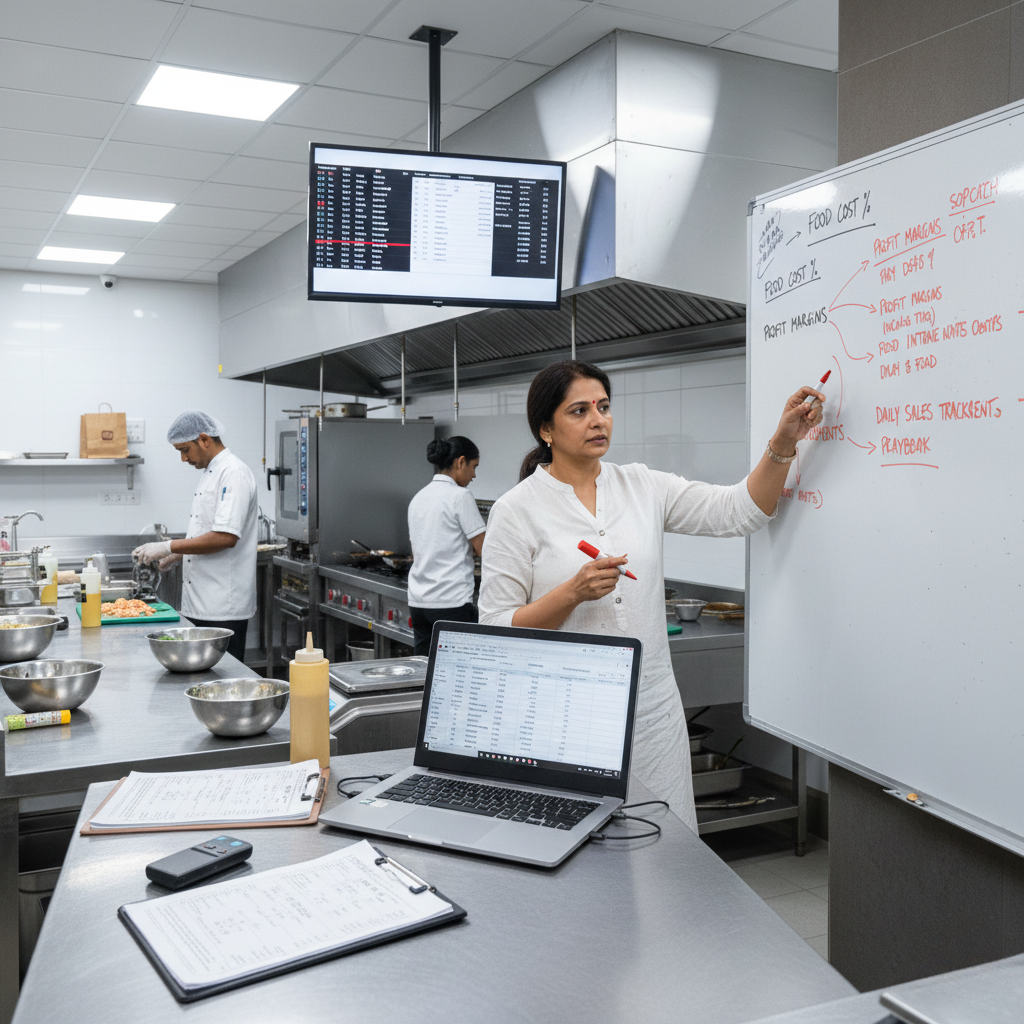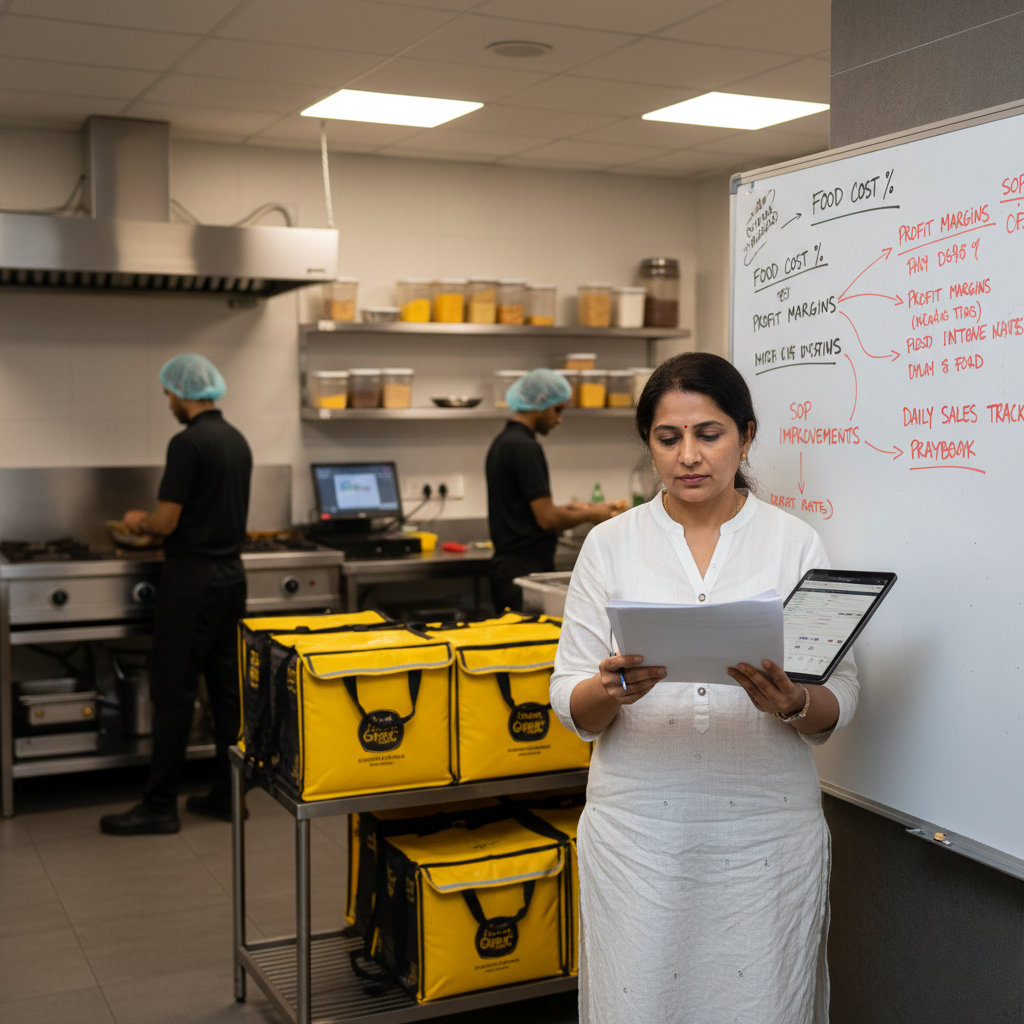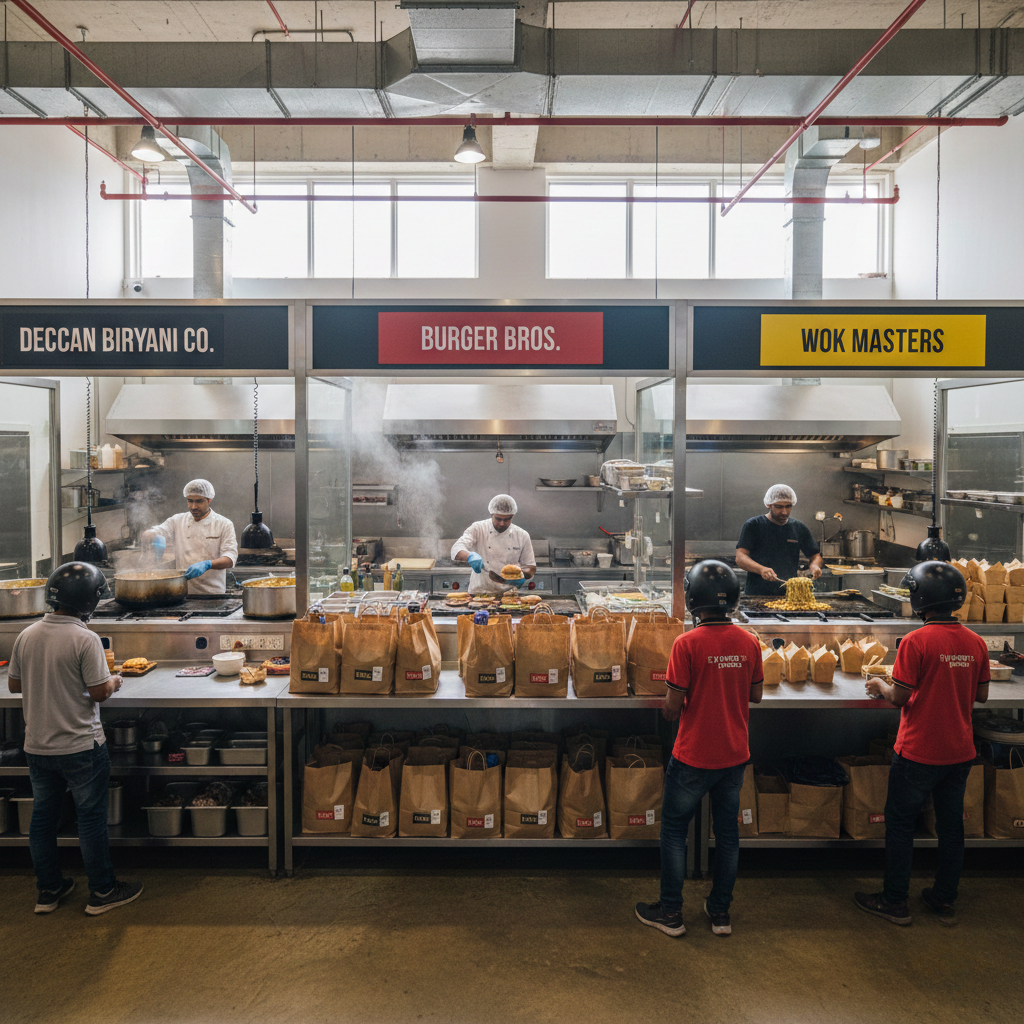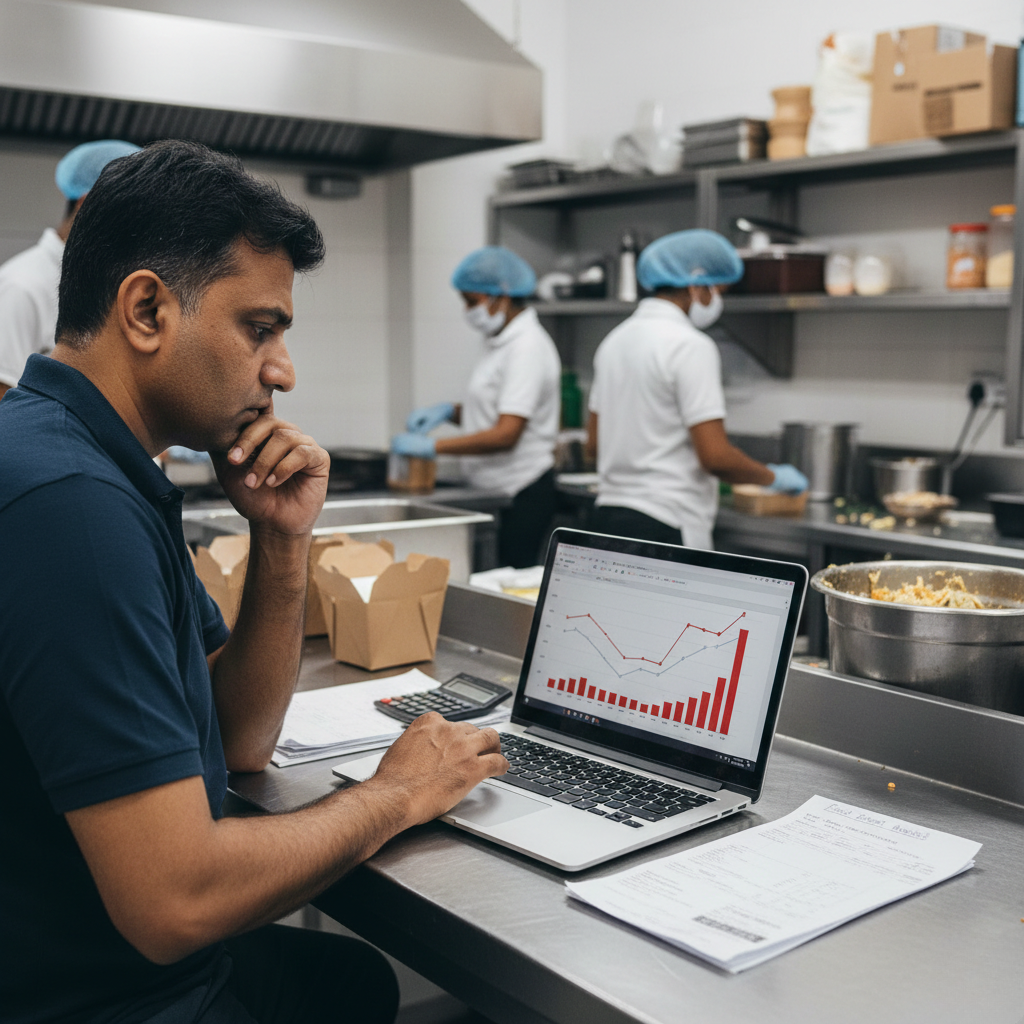
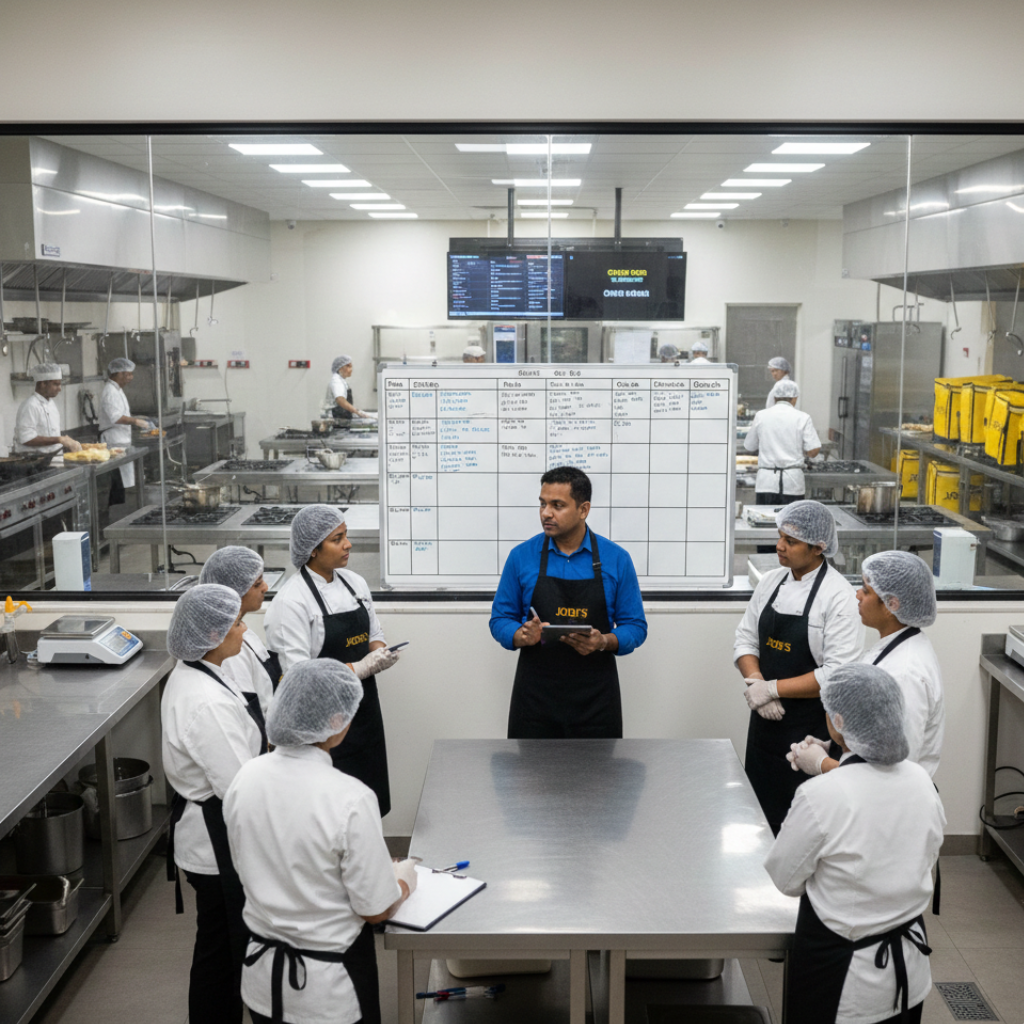
The Indian food industry is undergoing a fundamental shift. Traditional restaurants and legacy FMCG brands are no longer the only players shaping consumer preferences. A new wave of next generation food brands is emerging-lean, digital-first, and deeply customer-centric. Cloud kitchens business in India
These new-age food businesses are not built on expensive storefronts or decades-old supply chains. Instead, they rely on technology, data, branding, and scalable operating models to win modern consumers.
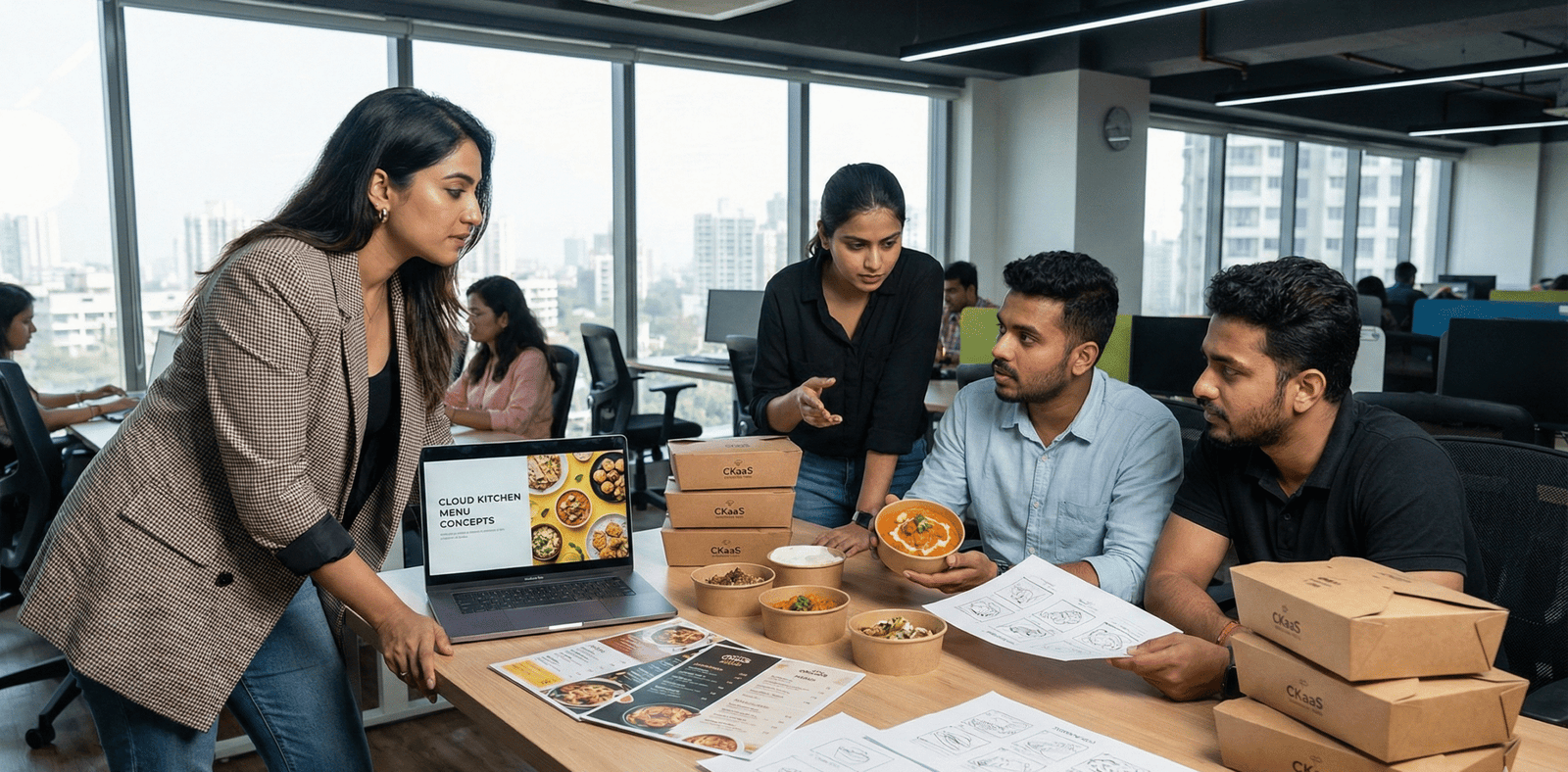
What Are Next Generation Food Brands?
Next generation food brands are businesses designed for today’s digital consumption habits. They are typically delivery-first, D2C-focused, or platform-native, and prioritize speed, brand identity, and unit economics over physical expansion.
Examples include cloud kitchen brands, packaged D2C food startups, health-focused labels, and virtual restaurant concepts operating entirely online.
How New-Age Food Brands Are Built
Unlike traditional food businesses that start with infrastructure, next-generation food brands start with a clear value proposition.
- Solving a specific consumer problem (convenience, health, affordability)
- Strong brand positioning and storytelling
- Minimal initial infrastructure
- Fast feedback loops from customers
Most new-age food brands begin with a single product line or cuisine, validate demand, and only then expand their offerings.
New-Age Food Business Models
Next generation food brands use flexible business models that allow rapid scaling:
- Cloud Kitchens: Delivery-only brands with low fixed costs
- D2C Packaged Foods: Selling via own website and marketplaces
- Virtual Restaurants: Multiple brands from one kitchen
- Subscription Models: Daily meals, diet plans, or specialty foods
These models prioritize asset-light operations and faster break-even timelines.
Role of Technology in Scaling
Technology is the backbone of next generation food brands. From demand forecasting to customer retention, data-driven decisions define success.
- Order management systems
- Customer data and analytics
- Digital marketing and performance ads
- Inventory and waste optimization
Brands that leverage technology early scale faster and operate more profitably.
Branding: The Real Competitive Advantage
In crowded food markets, branding is no longer optional. Consumers don’t just buy food-they buy trust, identity, and experience.
Next generation food brands invest heavily in:
- Visual identity and packaging
- Consistent messaging across platforms
- Social media storytelling
- Community-building and loyalty
Strong branding allows premium pricing and long-term customer retention.
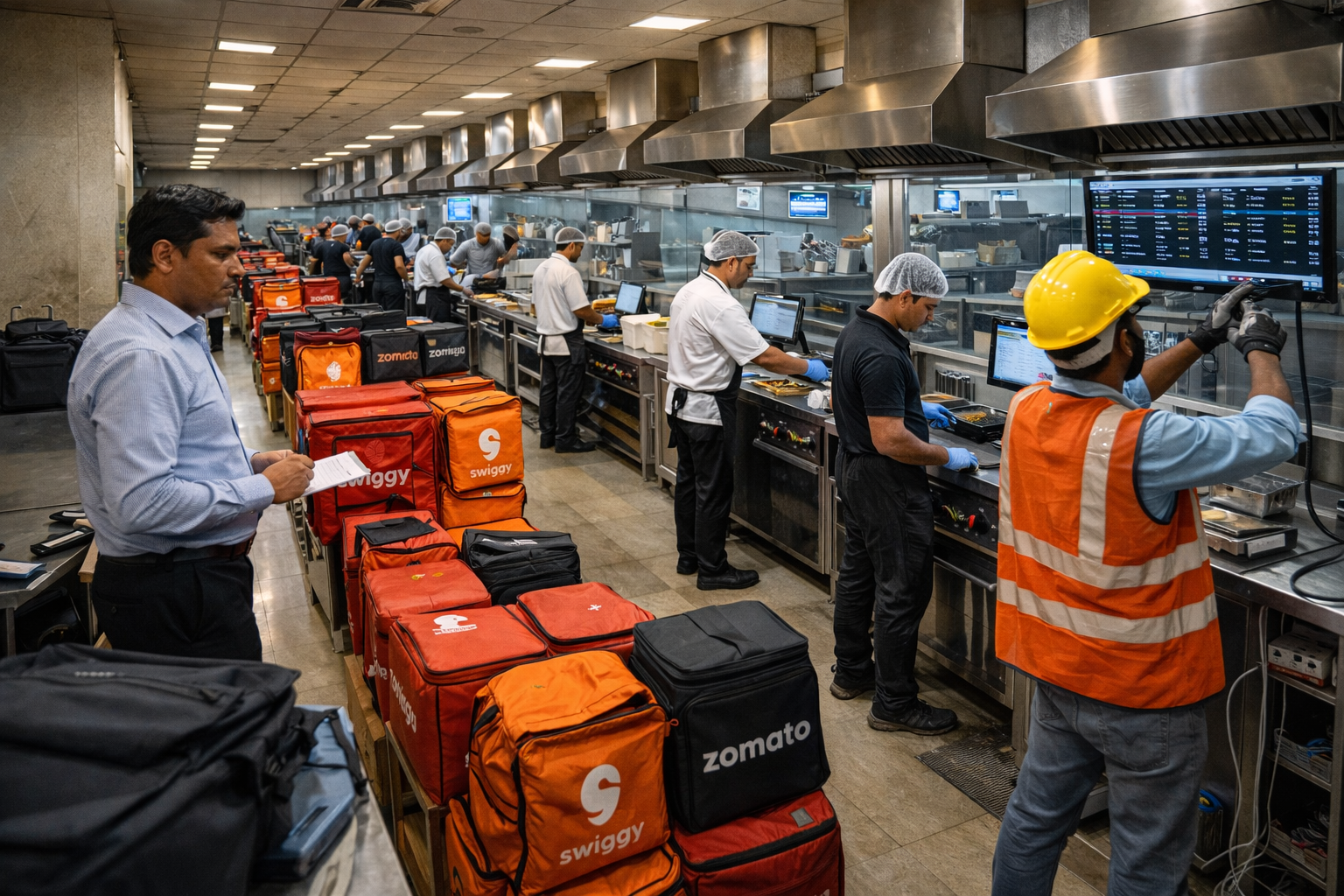
How New-Age Food Brands Scale
Scaling is no longer about opening more outlets. Instead, it’s about increasing reach without proportionally increasing costs.
- Launching multiple brands from one kitchen
- Expanding to new cities using hub-and-spoke models
- Franchise-lite or licensing models
- Leveraging marketplaces and aggregators
This approach allows faster geographic expansion with controlled risk.
Unit Economics: Why Most Fail
Many food startups fail not due to lack of demand, but due to poor unit economics. Discount-heavy growth can mask losses in the short term.
Winning brands focus on:
- Healthy contribution margins
- Repeat customer rates
- Cost control at scale
Profitability is designed from day one, not postponed.
Industry Insight
According to insights shared by India Brand Equity Foundation, India’s food services and packaged food sectors are witnessing strong growth driven by urbanization, digital adoption, and changing lifestyles.
The Future of Food Brands in India
The future belongs to agile, data-driven, and consumer-obsessed food brands. Physical presence will matter less than brand recall and customer experience.
Entrepreneurs who understand technology, branding, and unit economics will define the next decade of the Indian food industry.
Frequently Asked Questions (FAQs)
1. What defines a next generation food brand?
A next generation food brand is digital-first, asset-light, and built for scalability.
2. Are cloud kitchens part of next-gen food brands?
Yes, cloud kitchens are one of the most common formats for new-age food brands.
3. Do next-gen food brands require less capital?
Generally yes, as they avoid heavy real estate and infrastructure costs.
4. Can traditional restaurants become next-gen brands?
Yes, by adopting delivery-first strategies and digital branding.
5. What is the biggest challenge for new-age food businesses?
Achieving sustainable profitability while scaling.
People Also Read
- Cloud Kitchen Business Model Explained
- Cloud Kitchen Setup Cost in India
- How Much Does a Cloud Kitchen Earn Per Month?
- Franchise vs Cloud Kitchen: Which Is Better?