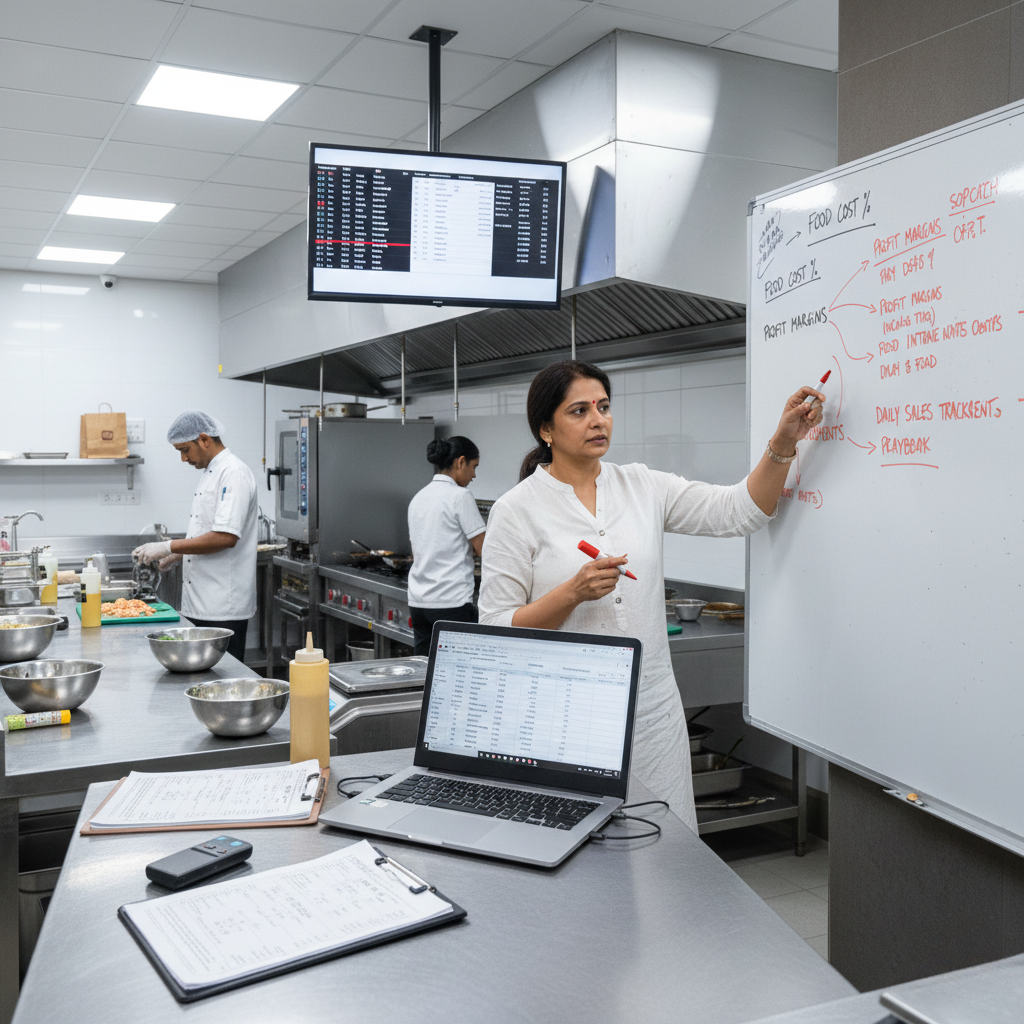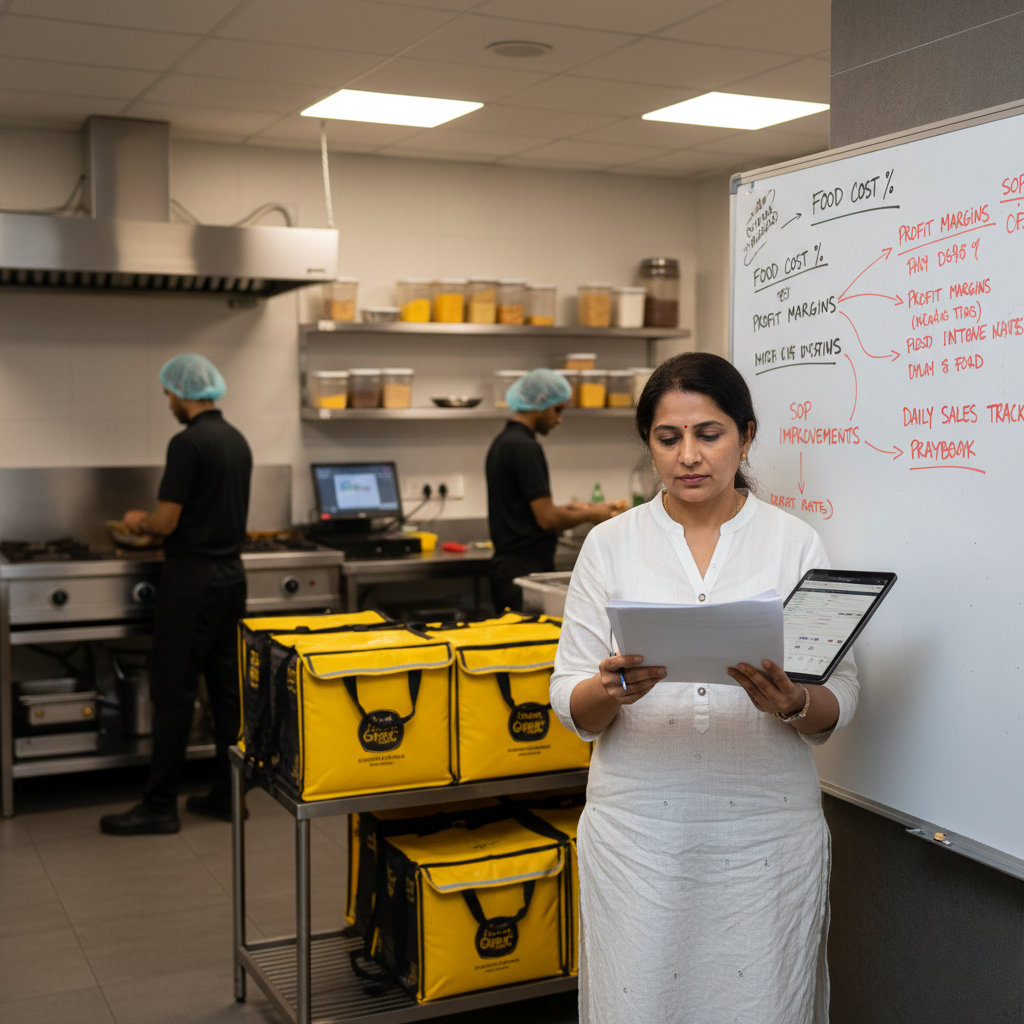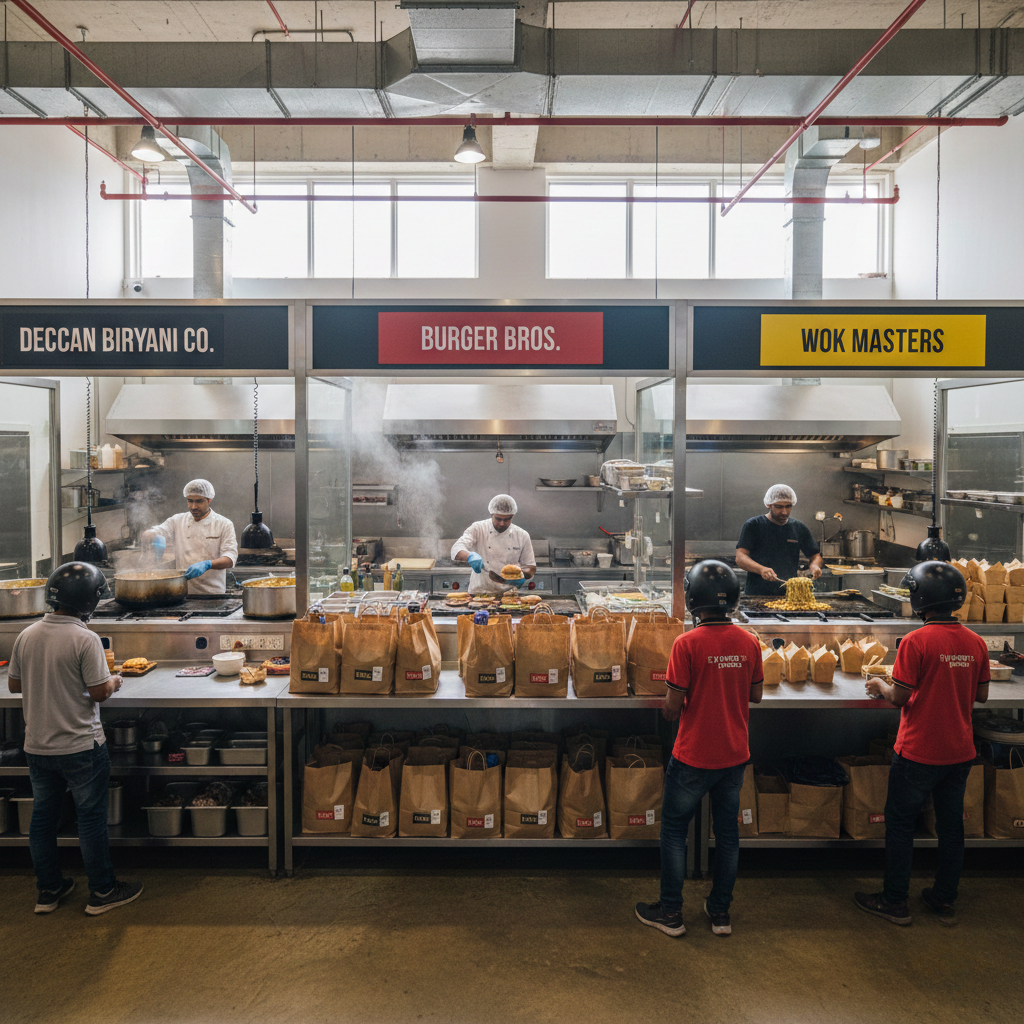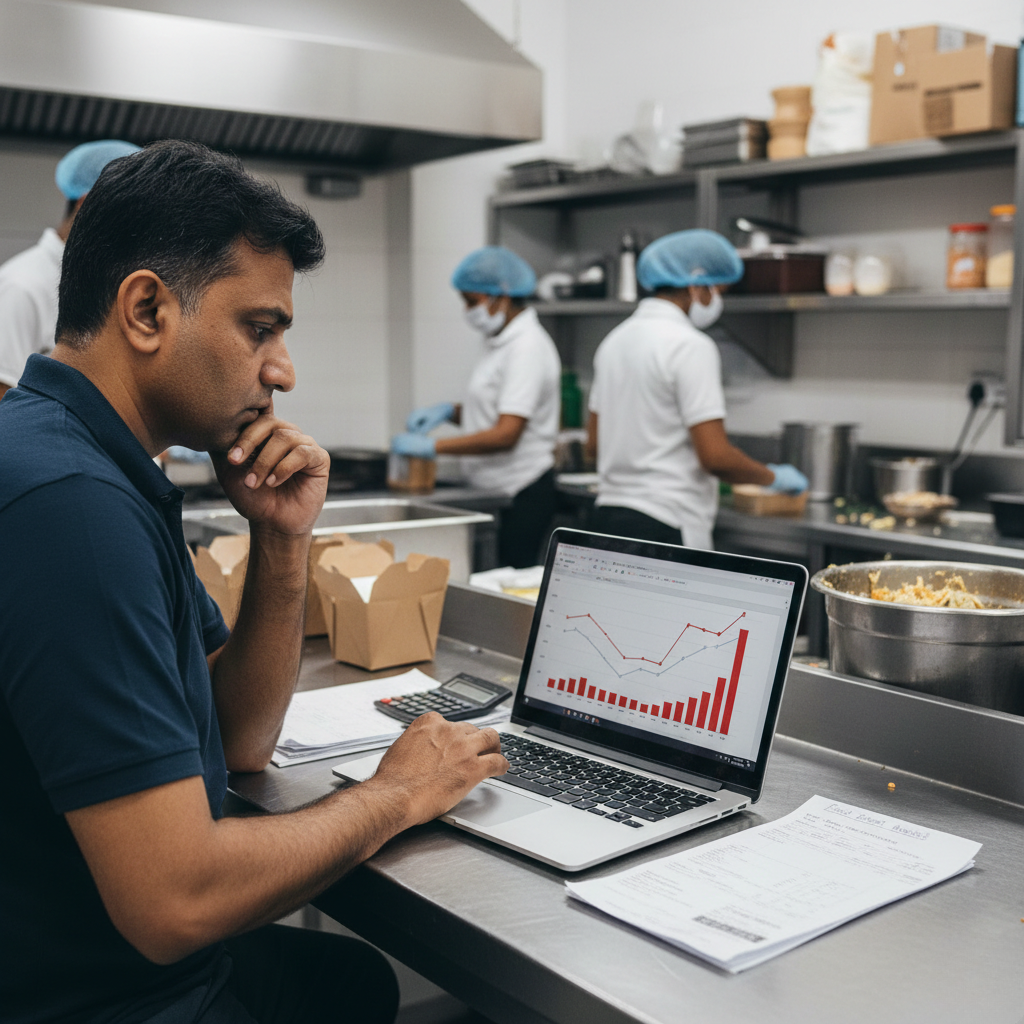
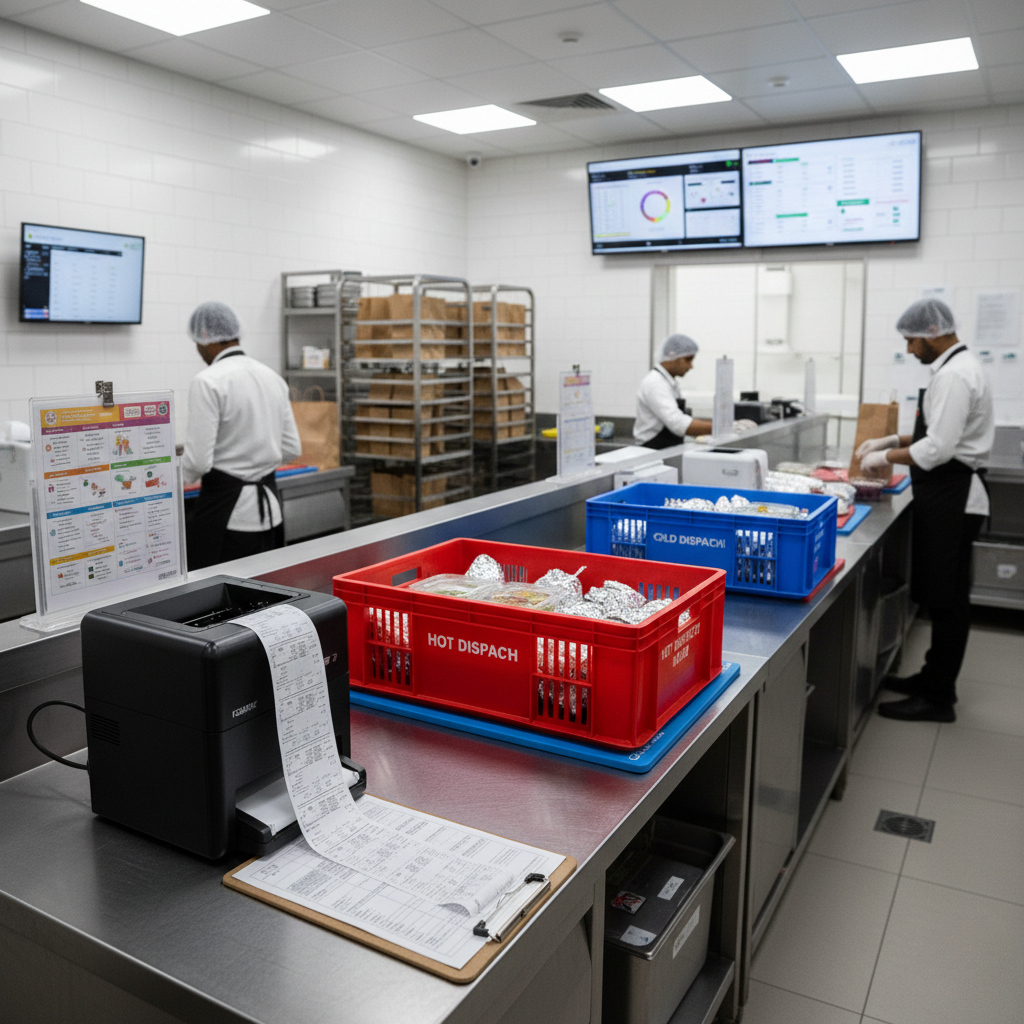
Scaling a cloud kitchen requires more than just increasing order volume. Tracking the right metrics ensures sustainable growth, optimized operations, and improved profitability. This guide explains the essential metrics that cloud kitchens must track to achieve success and scale effectively. Scaling Cloud Kitchens in India
Key Metrics Cloud Kitchen Must Track for Scaling Success
As cloud kitchens grow, so do the complexities of managing operations. Tracking the right metrics is critical to ensure you’re not just growing in terms of orders, but also in profitability and efficiency.
In this article, we will cover the most important metrics every cloud kitchen should track. By monitoring these, you can streamline operations, improve food quality, optimize costs, and increase customer satisfaction.
To start, explore our guide on Cloud Kitchen Profitability Consultant in India for insights on optimizing your kitchen’s profitability.
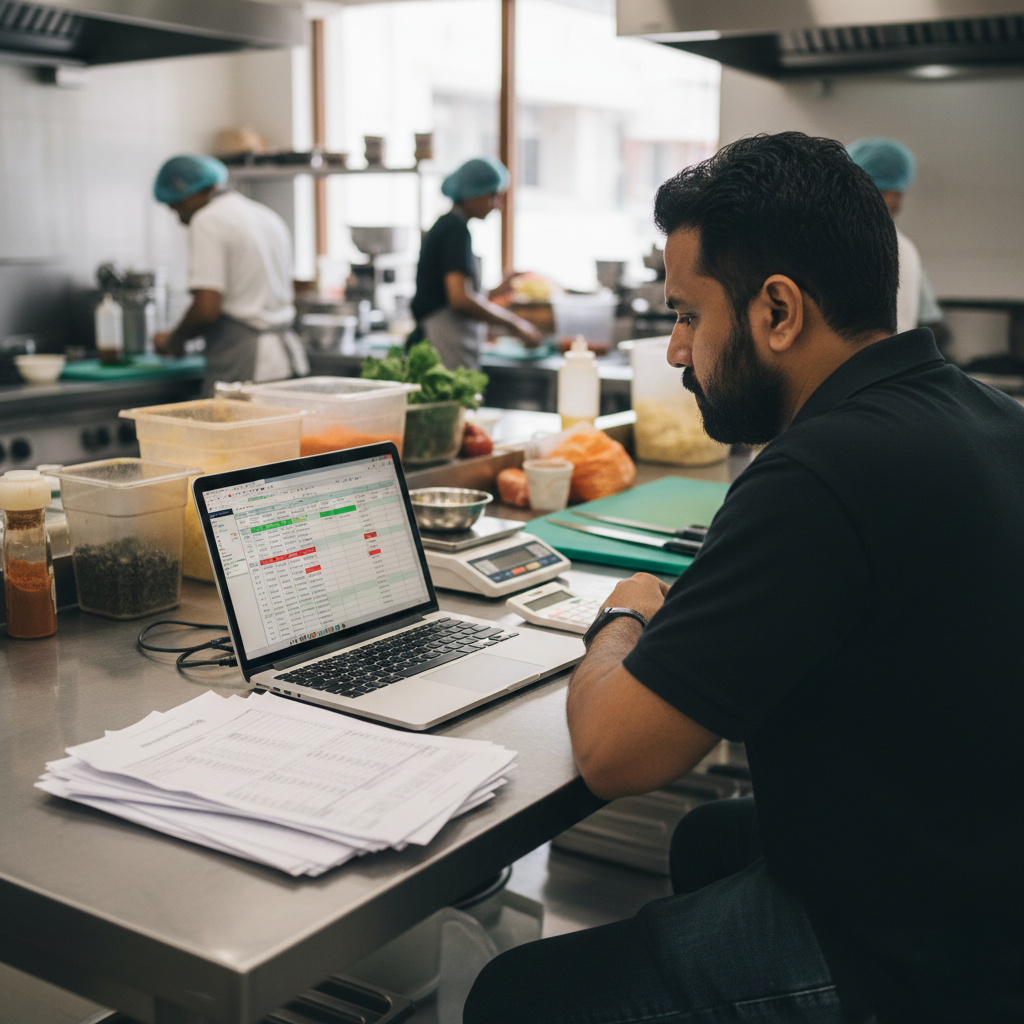
Step 1: Order Volume and Growth
The most basic metric every cloud kitchen tracks is order volume. The number of orders your kitchen fulfills daily, weekly, or monthly is the foundation of your business. However, just tracking orders isn’t enough; understanding the rate of order growth is key to scaling.
Tracking order growth allows you to measure whether you’re scaling at a sustainable pace or simply increasing demand without optimizing your operations. This can help identify capacity bottlenecks early, such as kitchen staffing, delivery times, or inventory management issues.
Learn more about optimizing order volume by checking out our article on Automation in Cloud Kitchens.
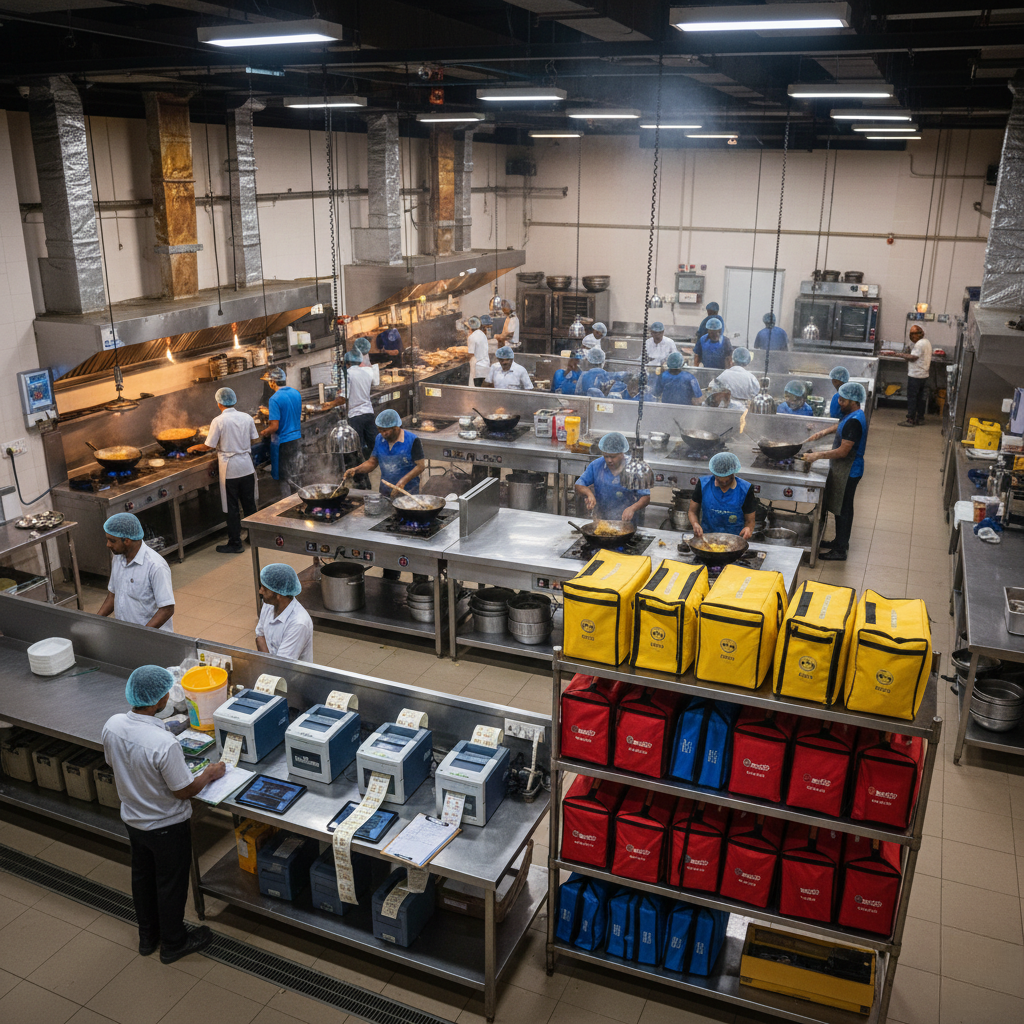
Step 2: Food Cost Percentage
Food cost is one of the most significant expenses in a cloud kitchen. To scale successfully, you must track your food cost percentage and ensure it remains within an acceptable range. This percentage represents the proportion of your revenue that goes toward purchasing ingredients.
A healthy food cost percentage ensures you’re making a profit on each order, while an excessive food cost percentage can indicate inefficiencies in your supply chain, menu pricing, or portion control.
To manage food costs, use tools to track and optimize portion sizes, purchasing agreements, and inventory. For insights on tracking food costs effectively, read our article on ideal food cost percentage for cloud kitchens in india.
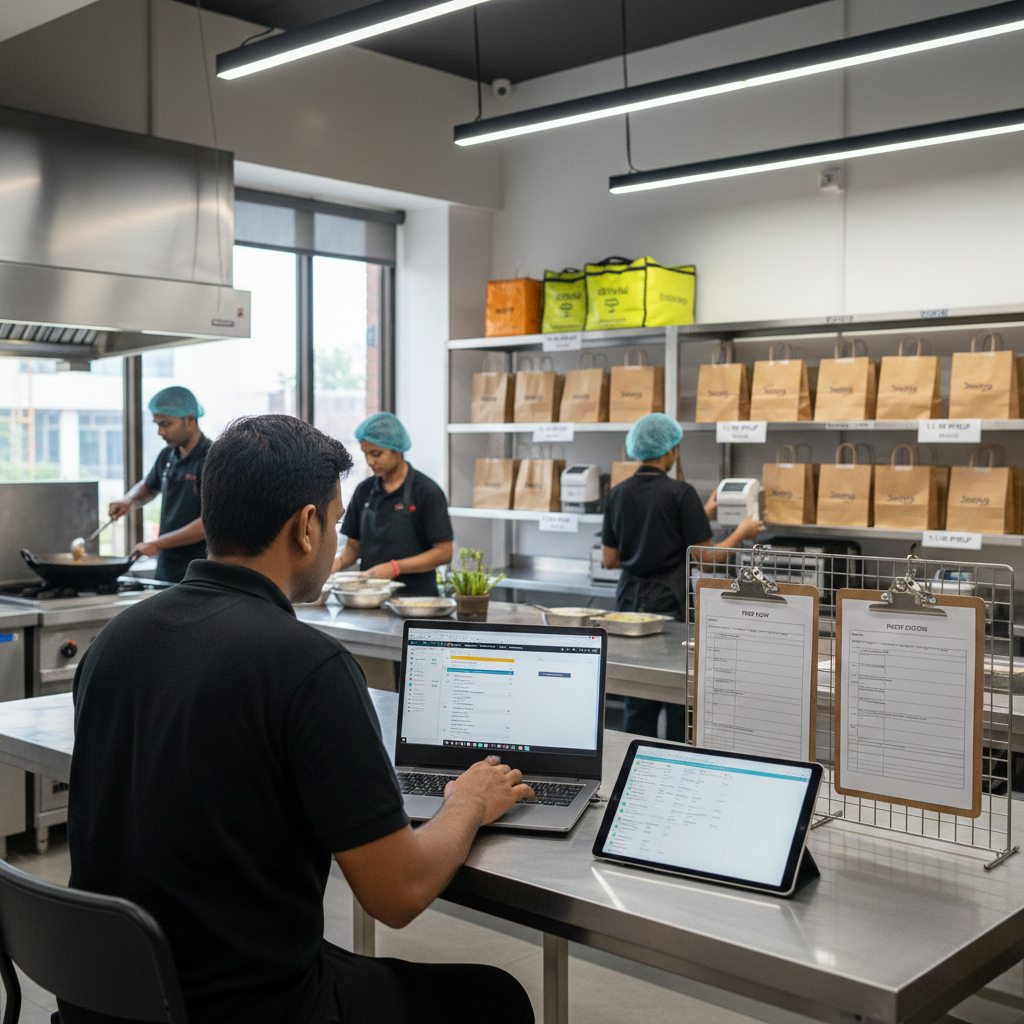
Step 3: Contribution Margin
Contribution margin is the key to understanding your kitchen’s profitability per order. It represents the difference between your revenue and variable costs (e.g., food cost, packaging, delivery charges), showing how much profit you make per order before fixed costs.
If your contribution margin is high, it indicates that your kitchen is operating efficiently and can sustain scaling. If it’s low, it means you may be losing money on each order, even though revenue is growing.
For more insights into contribution margin and how to calculate it, check out our guide on Cloud Kitchen Contribution Margin Case Study.
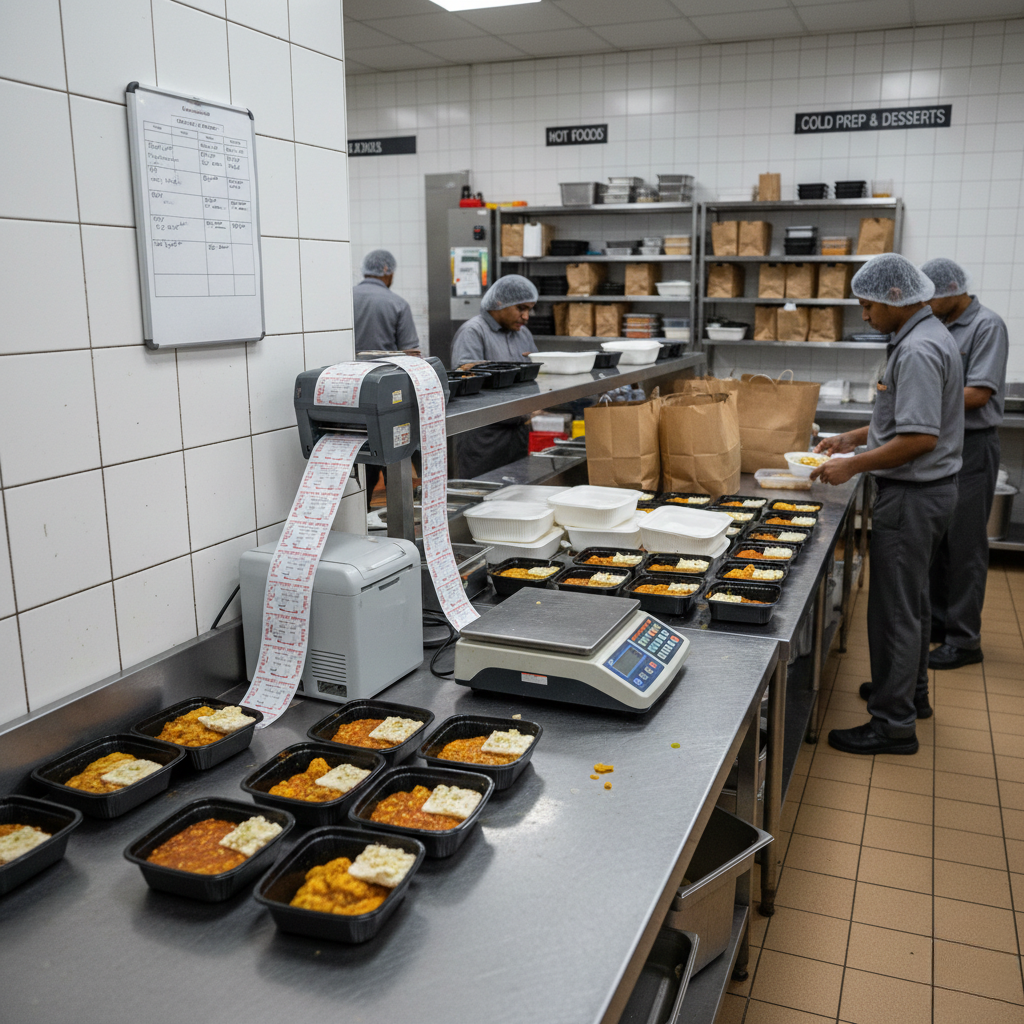
Step 4: Refund and Cancellation Rates
Refund and cancellation rates are essential metrics that directly impact your cloud kitchen’s profitability. High rates of refunds or cancellations lead to a significant loss in revenue and can tarnish your brand reputation.
By tracking these rates, you can identify the causes whether they’re due to poor food quality, delays in delivery, or incorrect orders and address them quickly. Additionally, monitoring these rates helps you optimize customer service and minimize losses.
To improve your refund and cancellation rates, check out our article on Refunds and Cancellations Impact on Cloud Kitchen Profitability.
Step 5: Delivery Time and Efficiency
Delivery time is a critical metric in the cloud kitchen industry. Consumers expect fast delivery, and delays can lead to dissatisfaction, negative reviews, and ultimately, customer churn.
Tracking delivery times and optimizing delivery routes ensures you meet customer expectations and reduce operational inefficiencies. By analyzing delivery performance, cloud kitchens can optimize staffing and delivery processes for faster turnaround times.
For more information on improving delivery efficiency, explore our article on Cloud Kitchen Delivery Performance Case Study.
Step 6: Customer Satisfaction and Feedback
Keeping customers happy is essential for the long-term success of any cloud kitchen. Tracking customer satisfaction through surveys, reviews, and ratings helps you understand what’s working and what needs improvement.
By actively monitoring and acting on customer feedback, cloud kitchens can maintain high-quality service, improve food offerings, and build a loyal customer base that keeps returning for more.
Final Takeaways: The Key Metrics for Scaling Your Cloud Kitchen
Tracking the right metrics is crucial for scaling a cloud kitchen. By focusing on the key performance indicators mentioned in this guide, you can ensure your cloud kitchen grows sustainably, improves profitability, and enhances customer satisfaction.
- Track order volume and growth to identify scaling potential.
- Monitor food cost percentage to maintain profitability.
- Focus on contribution margin to determine whether your business model is sustainable.
- Manage refund and cancellation rates to protect revenue and customer trust.
- Optimize delivery time to meet customer expectations.
- Listen to customer feedback to continuously improve your service and offerings.
By actively managing these metrics, you can ensure your cloud kitchen scales successfully and becomes a long-term, profitable business.