How Wastage Destroys Cloud Kitchen Profit is one of the least understood realities in delivery-first food businesses. Wastage does not always look dramatic. It hides inside over-prep, expired inventory, portion mistakes, wrong forecasting, rejected orders, and staff inefficiencies. Orders continue. Sales look stable. Yet margins quietly collapse. This guide explains how wastage operates at every layer of a cloud kitchen, why founders underestimate its impact, and how disciplined operators design systems where wastage is controlled, measured, and minimized.
Why Wastage Is the Silent Killer of Cloud Kitchen Profitability
Most cloud kitchen founders track revenue and food cost percentages.
Very few track wastage accurately.
To understand how wastage impacts profitability, start with Cloud Kitchen Unit Economics Explained, Understanding Contribution Margin in Cloud Kitchens, and Cloud Kitchen Break-Even Explained Simply.

Wastage Rarely Looks Like a Crisis
Wastage does not usually trigger alarms.
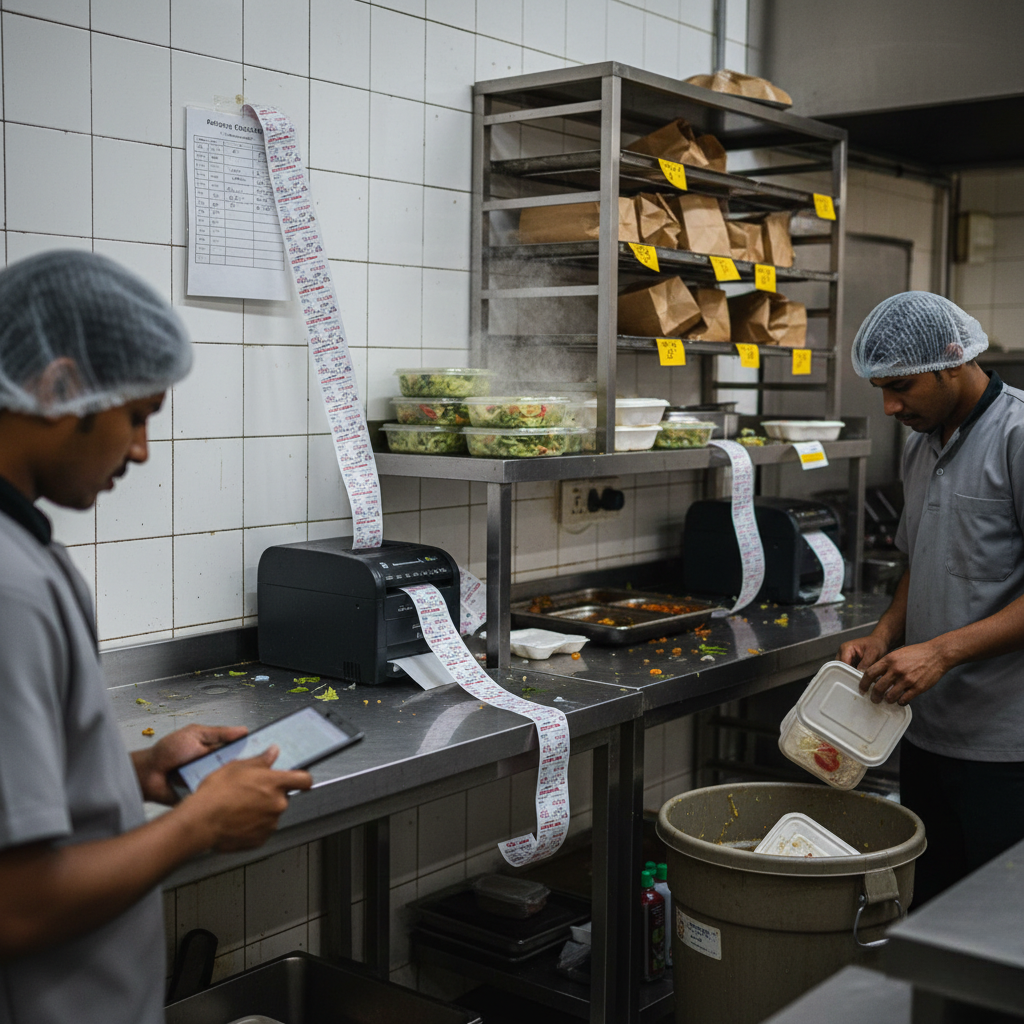
It appears as leftover prep, expired stock, spilled food, rejected orders, or excess garnishing.
Wastage Source #1: Over-Preparation and Poor Forecasting
Excess batch cooking without demand forecasting is one of the biggest wastage drivers.
Kitchens prepare for peaks that never arrive, leading to discarded gravies, rice, proteins, and toppings.
Inventory planning systems are explained in Cloud Kitchen Inventory Management in India.

Wastage Source #2: Expired and Spoiled Inventory
Poor FIFO discipline, incorrect storage, and overbuying cause raw material to expire.
Because expiry losses happen silently, founders underestimate how much margin they consume.
FIFO and storage SOPs are covered in Cloud Kitchen Inventory Management in India.
Wastage Source #3: Portion Drift and Over-Serving
Slightly larger portions, extra toppings, and eyeballed scoops create invisible wastage.
Portion drift does not look like waste, but it increases food cost daily.
Portion benchmarks are explained in Ideal Food Cost Percentage for Cloud Kitchens.
Wastage Source #4: Order Rejections and Remakes
Incorrect packing, wrong items, missing add-ons, or delayed dispatch result in remakes or refunds.
Each remake wastes food, packaging, and staff time.
Learn refund impact in How Refunds & Cancellations Affect Profitability.
Wastage Source #5: Staff Errors and Fatigue
Overworked teams make more mistakes.
Spills, wrong cooking, missed steps, and incorrect plating all lead to discard.
Staffing balance is detailed in How Many Staff Does a Cloud Kitchen Need.
This aligns with Harvard Business Review’s analysis of waste in operations , where uncontrolled waste directly erodes profitability.
Wastage Source #7: Multi-Brand Complexity
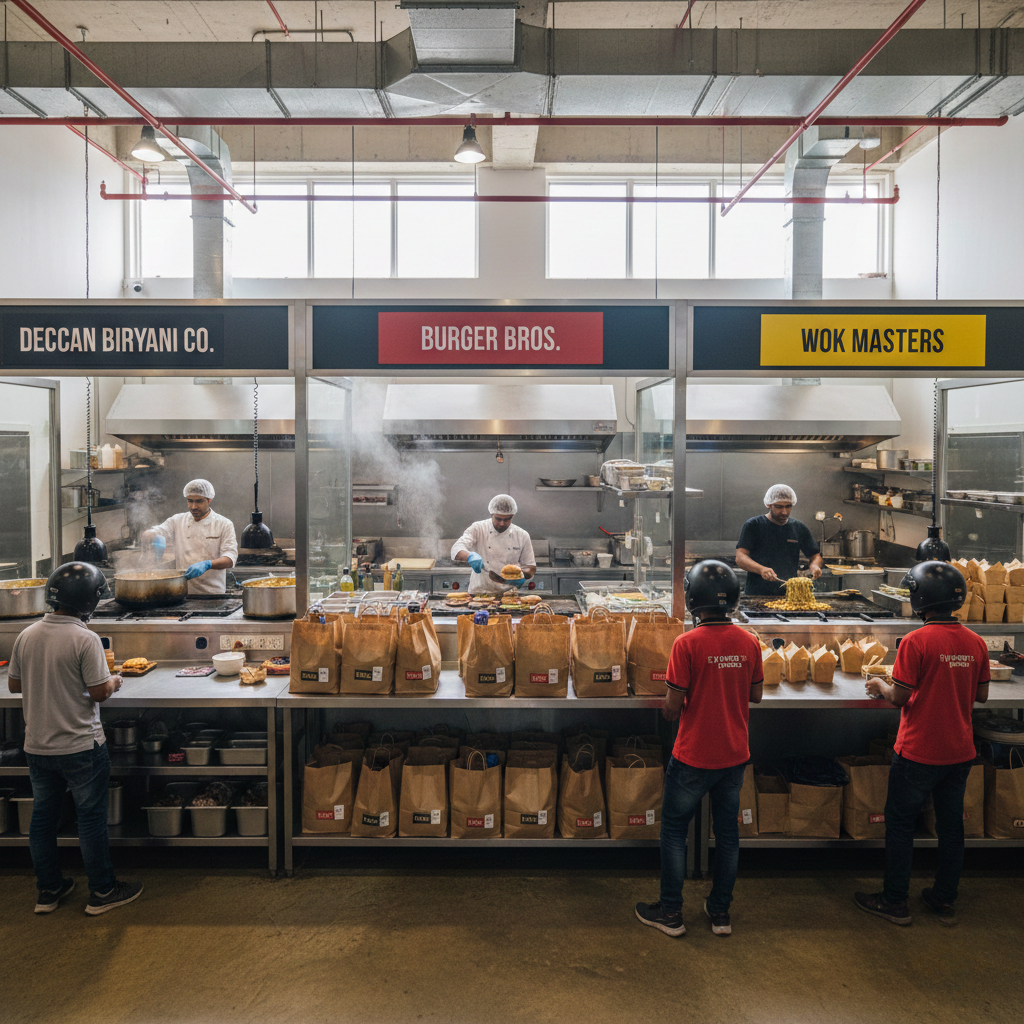
Multiple brands sharing the same inventory increase confusion.
Mislabeling, cross-usage, and brand-specific prep raise wastage sharply.
Wastage Source #8: Packaging Misuse
Incorrect container selection, damaged boxes, and overpacking create avoidable waste.
Packaging waste often goes unmeasured.
Packaging economics are explained in Packaging Cost: The Silent Profit Killer.
Wastage Source #9: Not Tracking Wastage Data
Most kitchens do not log: discarded prep, expired stock, or remake reasons.
Without data, wastage feels “manageable” even when it is not.
Wastage Source #10: Cultural Acceptance of Waste
Teams accept wastage as part of kitchen life.
Without accountability, small losses repeat daily.
Why Wastage Explodes During Scaling
At low order volumes, wastage feels manageable.
At scale, the same percentage becomes catastrophic.
This is why professional operators control wastage before expansion.
How Wastage Destroys Cloud Kitchen Profit: Final Clarity
Wastage is not a side issue.
It is a core profitability problem.
GrowKitchen helps founders measure, control, and systematically reduce wastage so margins stay stable as volume grows.
FAQs: Wastage in Cloud Kitchens
Is some wastage unavoidable?
Yes, but uncontrolled wastage is a systems failure.
What is the biggest wastage driver?
Over-preparation combined with poor forecasting.
How often should wastage be reviewed?
Daily at kitchen level, weekly at management level.