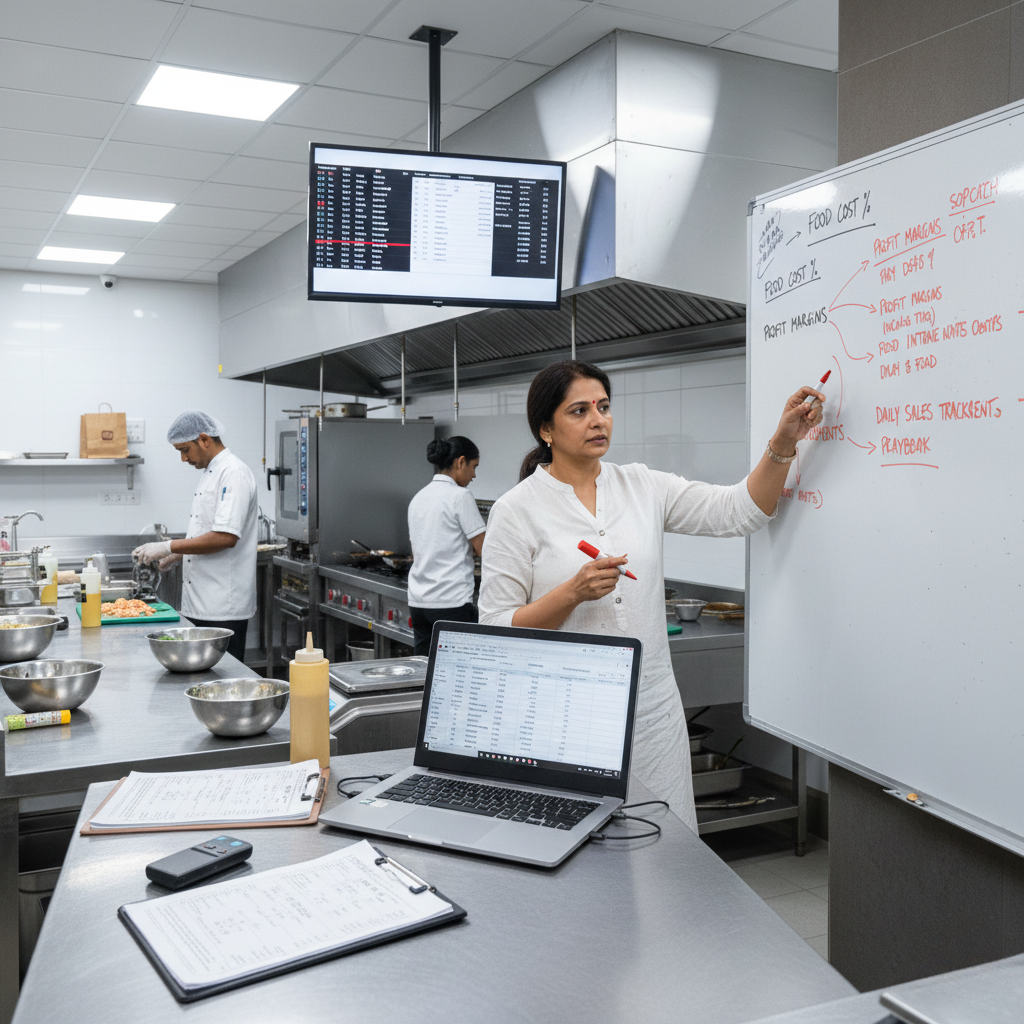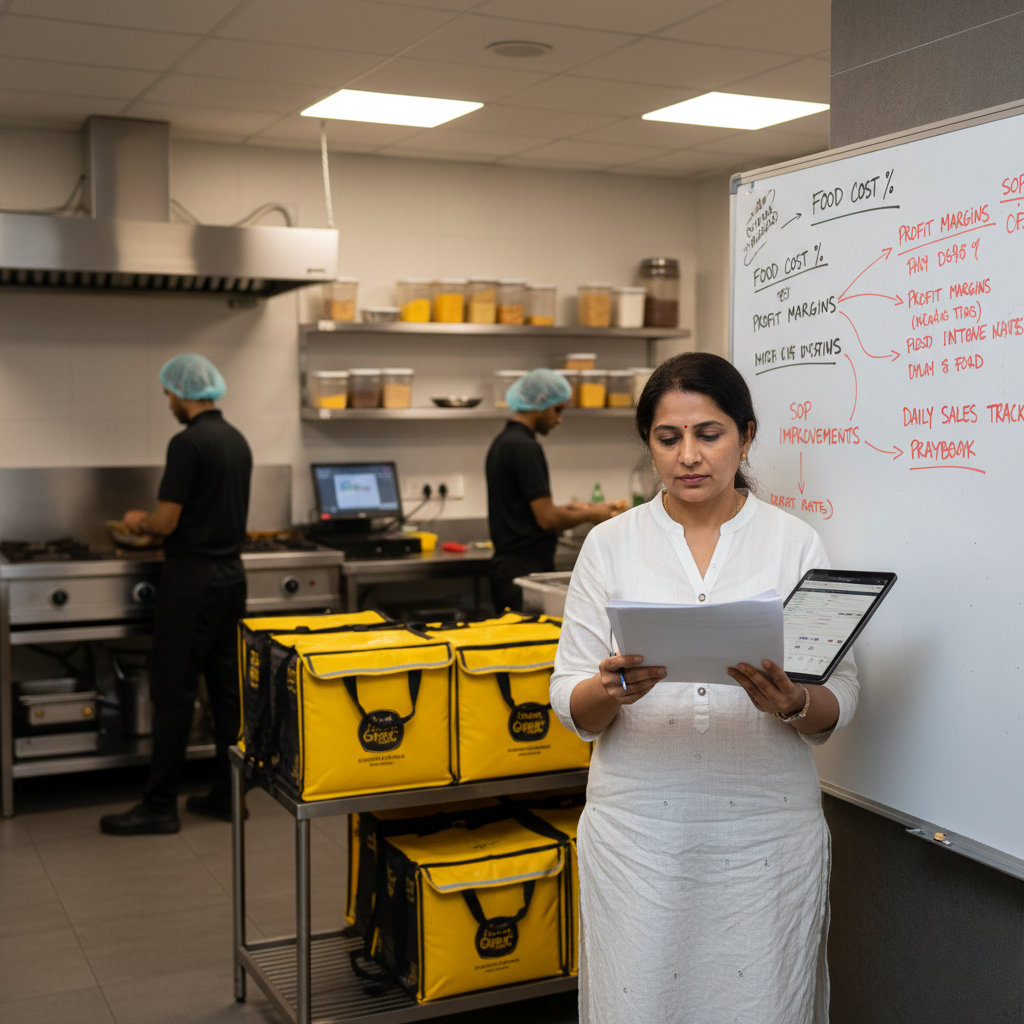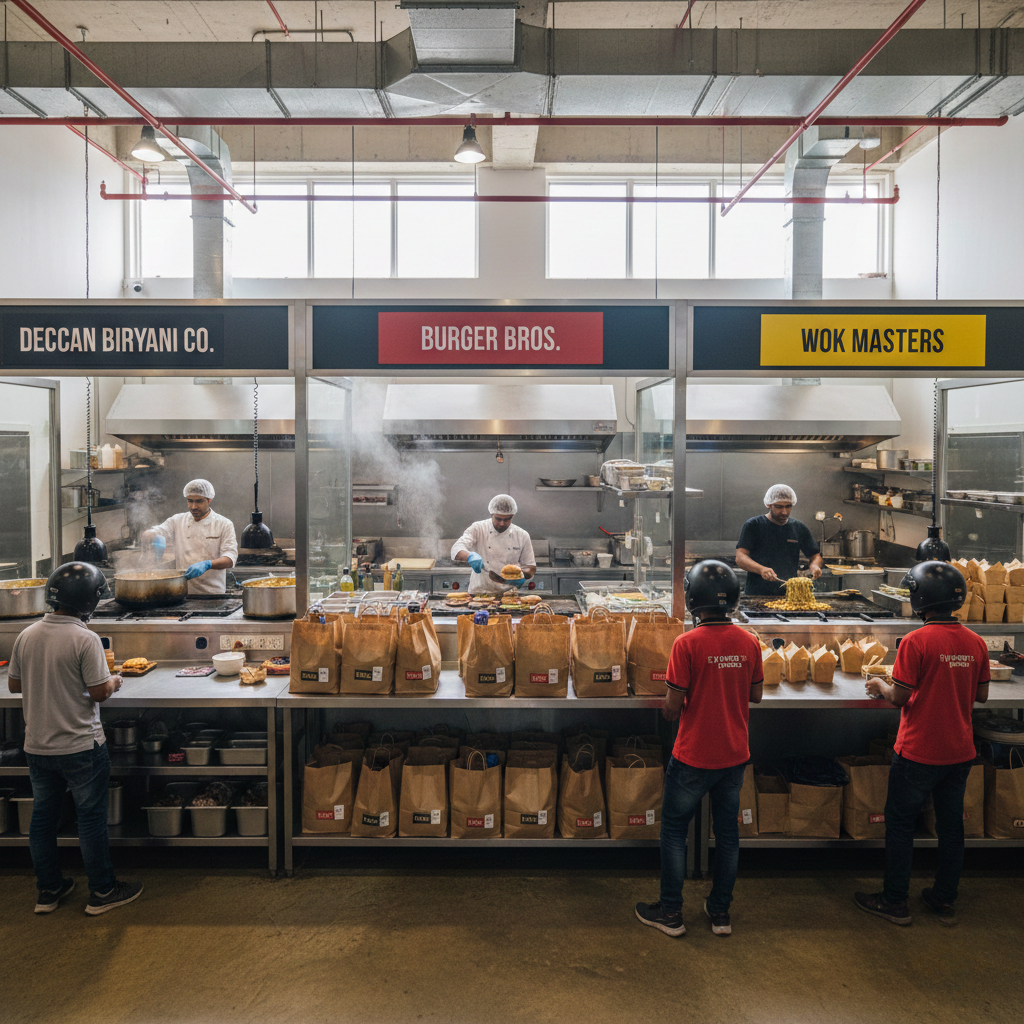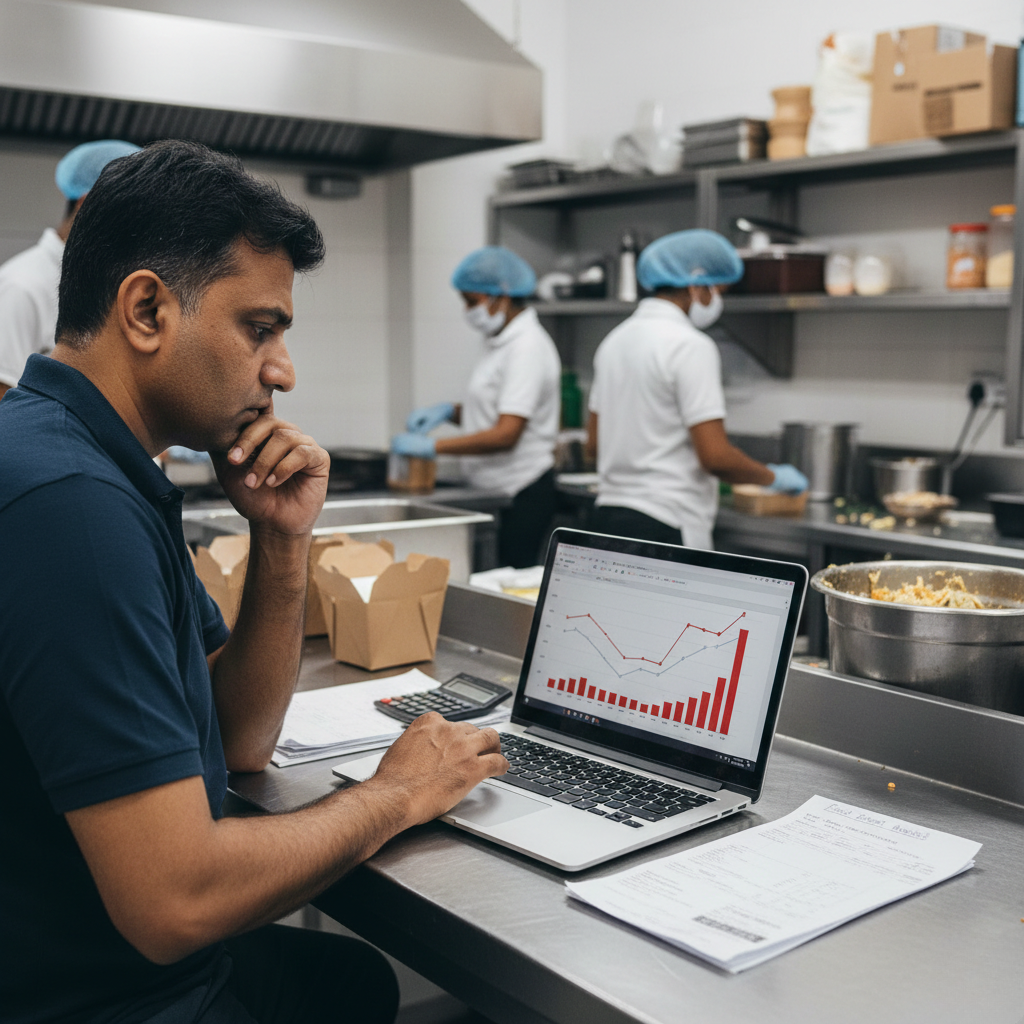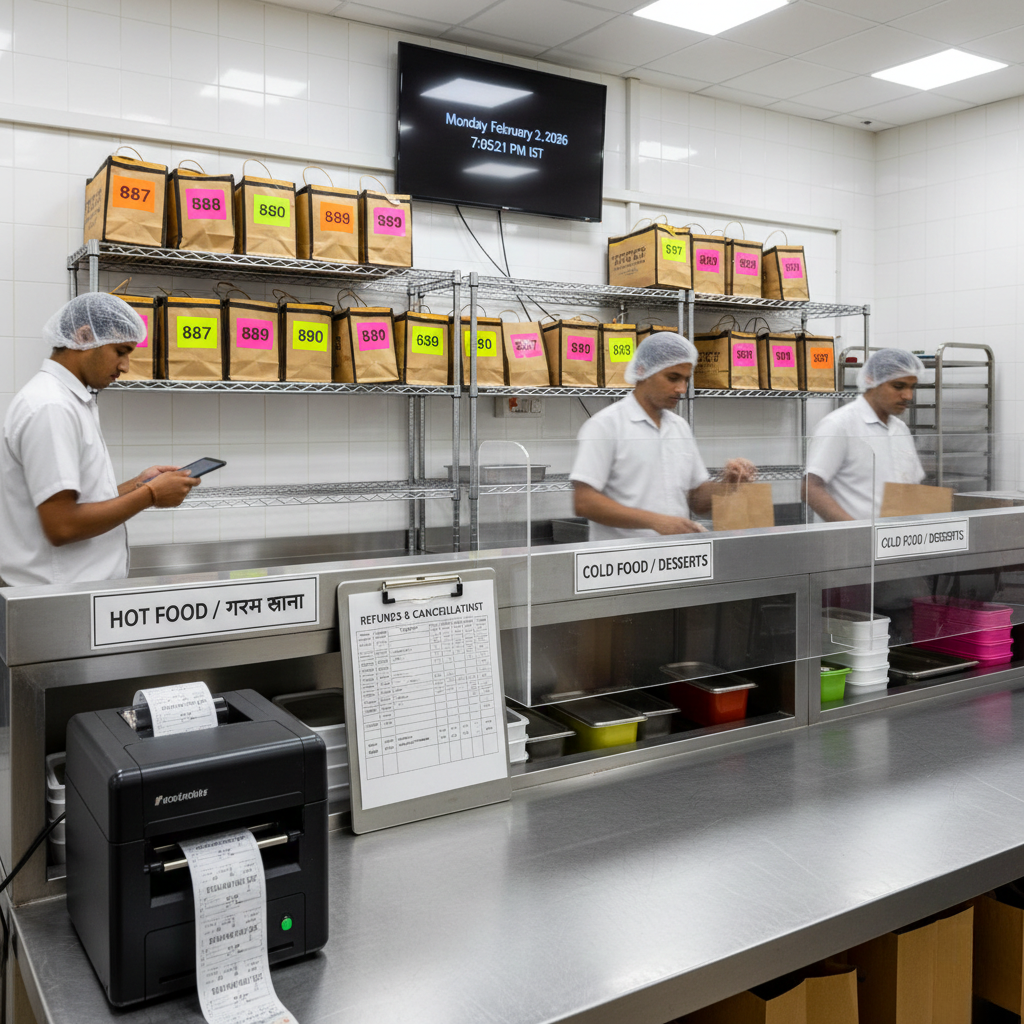
How Refunds and Cancellations cloud kitchen Profitability is one of the most underestimated realities in cloud kitchens. Many founders treat refunds as “small leakages” or unavoidable platform issues. Orders keep coming. Revenue looks stable. But profits quietly vanish. This guide explains how refunds and cancellations directly destroy contribution margin, distort unit economics, and delay break-even — and how disciplined operators design systems where refunds are controlled, not accepted.
Refunds and Cancellations cloud kitchen Profitability
Refunds rarely feel dangerous. They appear as small line items spread across weeks. ₹120 here. ₹240 there.
Because refunds are fragmented, founders fail to see the pattern. But refunds are not random. They are operational signals.
To understand the financial impact, start with Cloud Kitchen Unit Economics Explained, Understanding Contribution Margin in Cloud Kitchens, and Cloud Kitchen Break-Even Explained Simply.
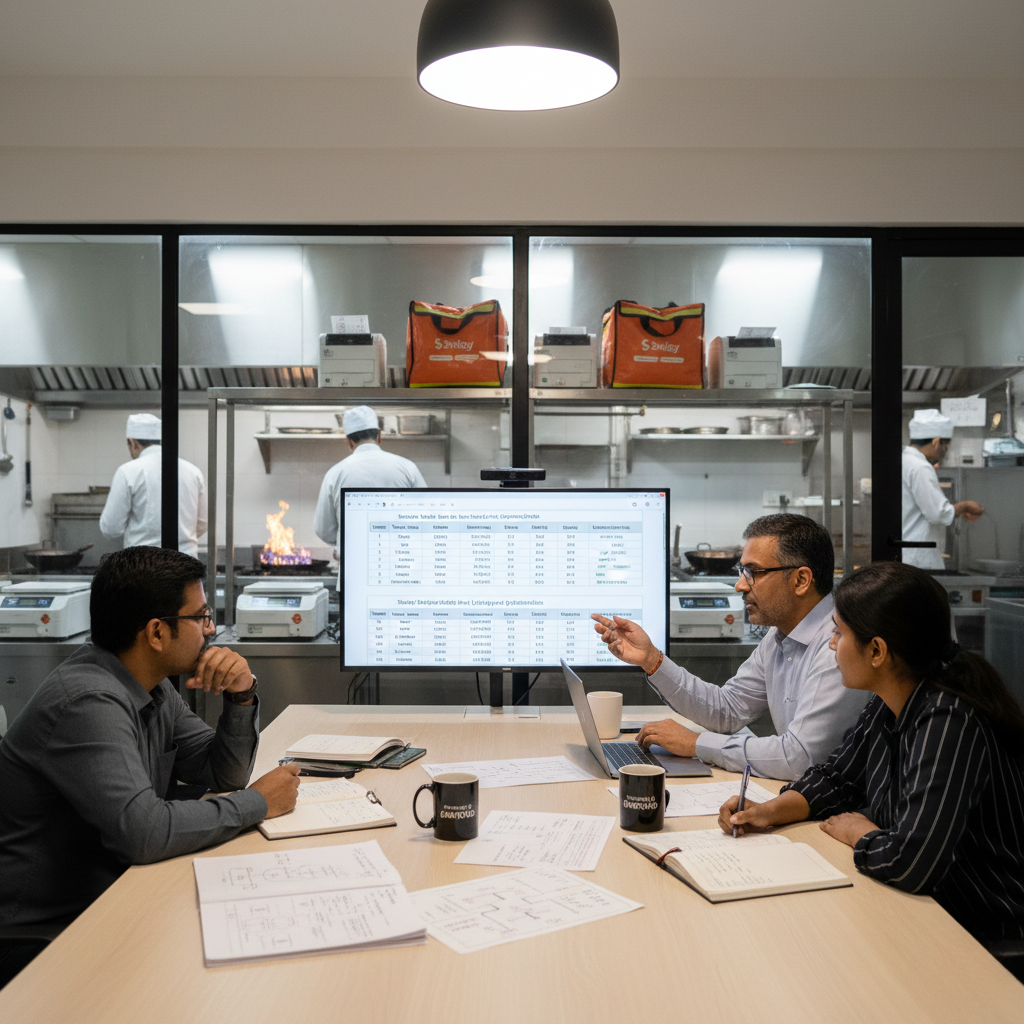
What Refunds & Cancellations Actually Cost a Cloud Kitchen
A refund is not just returned revenue. It is a fully incurred cost with zero recovery.
Ingredients are consumed. Packaging is used. Staff time is spent. Aggregator commissions may still apply.
The Biggest Myth: “Refunds Are Part of the Business”
Many founders accept refunds as unavoidable. They believe “every kitchen has refunds.”
While zero refunds are unrealistic, uncontrolled refunds indicate broken systems — not market reality.

Common Refund & Cancellation Triggers in Cloud Kitchens
Refunds usually stem from: delayed delivery, incorrect items, missing components, spillage, poor packaging, food quality complaints, and stock-related cancellations.
Each trigger points to a specific operational failure.
How Refunds Destroy Contribution Margin
Contribution margin is calculated per successful order. A refunded order has: full variable cost and zero contribution.
This means refunds do not reduce profit — they reverse contribution.
Learn the math in Understanding Contribution Margin in Cloud Kitchens.
Refunds Break Unit Economics Faster Than Discounts
Discounts reduce revenue. Refunds eliminate revenue entirely.
When refunds rise, unit economics turns negative even if menu pricing looks healthy.
This is why kitchens with strong AOV still struggle to scale.
This mirrors Harvard Business Review’s findings on service recovery , which shows that operational consistency matters more than marketing promises.
Order Cancellations: The Invisible Cost
Cancellations often occur before food is delivered but after prep begins. This creates: raw material loss, staff inefficiency, and kitchen congestion.
Frequent cancellations distort production planning and inflate food cost.
How Staff Errors Multiply Refunds
Incorrect packing, mislabeling, rushed dispatch, and fatigue-related mistakes are leading refund causes.
Overworked teams make more errors — increasing refunds while increasing payroll.
Learn staffing alignment in How Many Staff Does a Cloud Kitchen Need.
Why SOPs Are the Strongest Refund-Control Tool
SOPs reduce human dependency. They standardize: prep, packing, labeling, and dispatch.
Kitchens with SOPs experience fewer refunds without extra supervision.
Inventory Errors That Trigger Refunds
Stock mismatches, expired items, and poor FIFO lead to last-minute cancellations or poor food quality.
Inventory discipline reduces both refunds and food cost leakage.
Learn control systems in Cloud Kitchen Inventory Management in India.
Why Refunds Increase CAC Silently
A refunded order still acquires a customer — but fails to monetize them.
This increases Customer Acquisition Cost because the acquisition spend generates no return.
Understand the connection in Why CAC Matters Even for Delivery Brands.
Multi-Brand Kitchens and Refund Amplification
Multi-brand kitchens amplify refund risk when systems are fragmented.
Similar packaging, shared staff, and brand confusion increase error rates.
Unified SOPs reduce refund frequency across all brands.
Why Refunds Must Be Fixed Before Scaling
Scaling multiplies refunds. A 2% refund rate at 50 orders becomes dangerous at 500 orders.
Growth without refund control accelerates losses.
This is why mature operators stabilize operations before expansion.
How Refunds & Cancellations Affect Profitability: Final Clarity
Refunds are not noise. They are financial alarms.
Kitchens that track, diagnose, and systemically reduce refunds protect contribution margin, stabilize unit economics, and scale with confidence.
GrowKitchen helps founders design kitchens where refunds are exceptions — not recurring losses.
FAQs: Refunds & Cancellations in Cloud Kitchens
Are refunds normal in cloud kitchens?
Some refunds are unavoidable, but high or recurring refunds indicate system failures.
Do refunds affect break-even?
Yes. Refunds delay break-even significantly.
Should refunded orders be included in cost analysis?
Absolutely. They represent full cost with zero return.
How often should refund data be reviewed?
Weekly for active kitchens, daily for scaling kitchens.