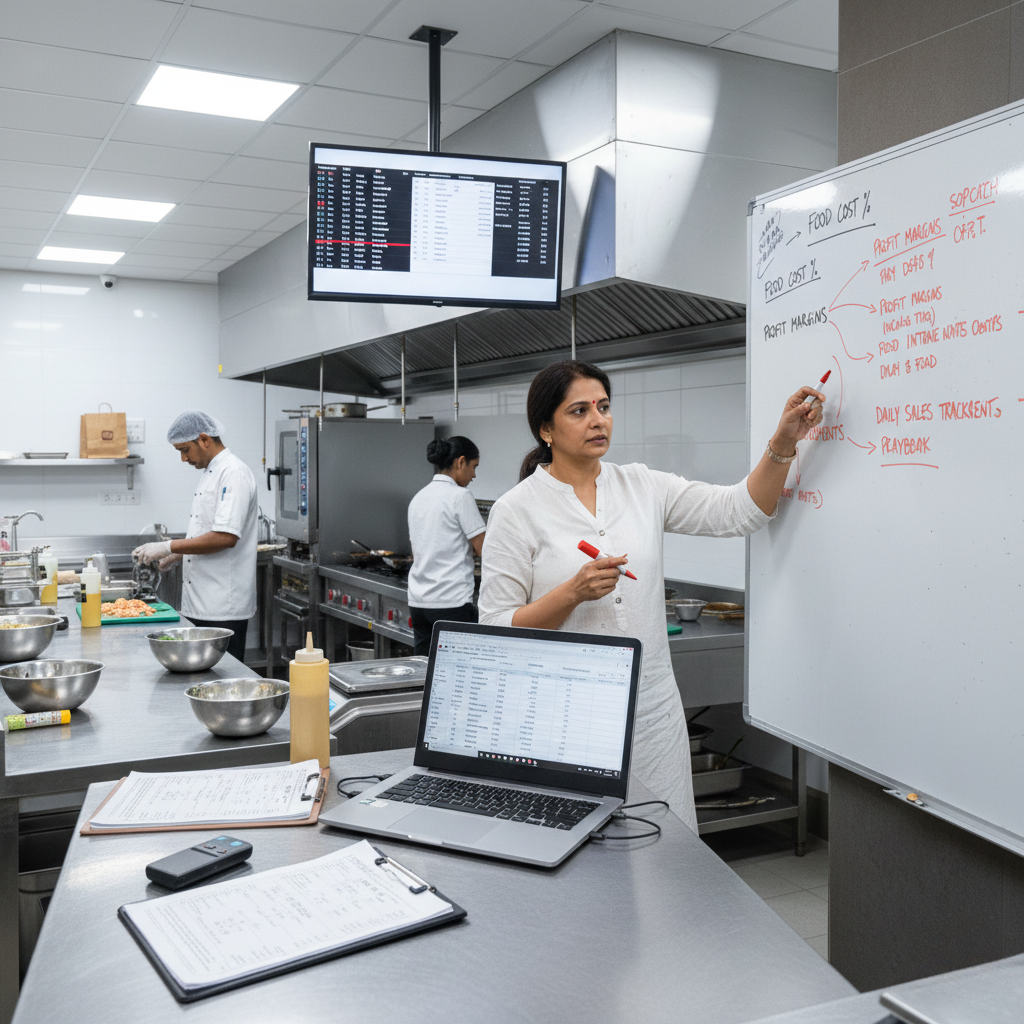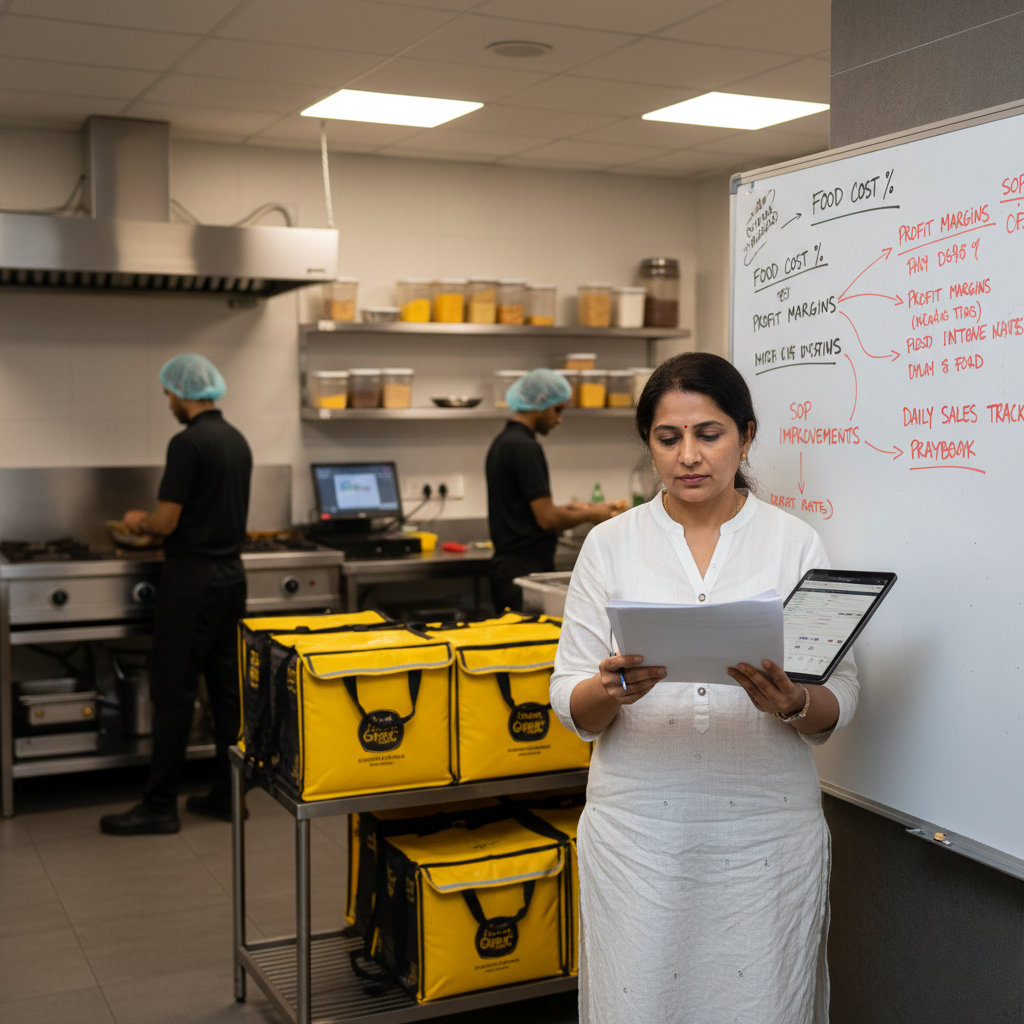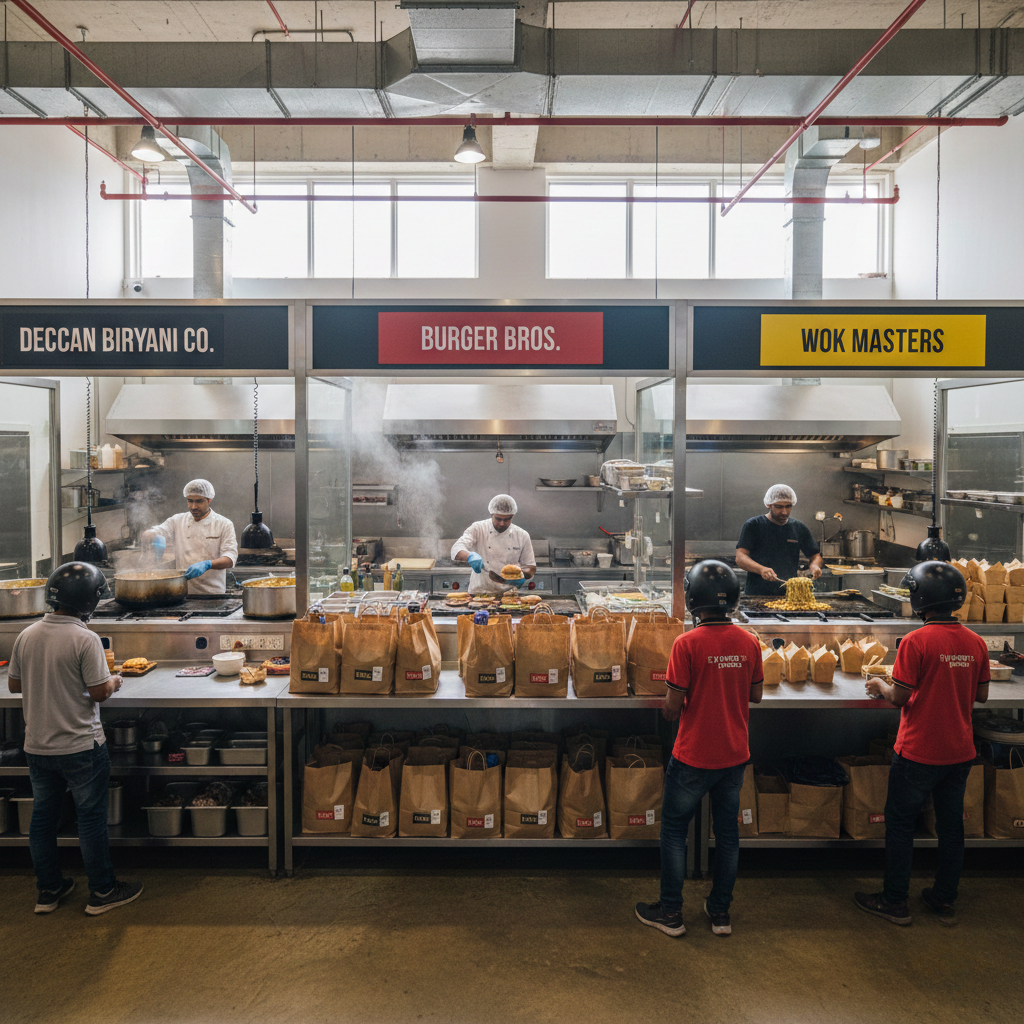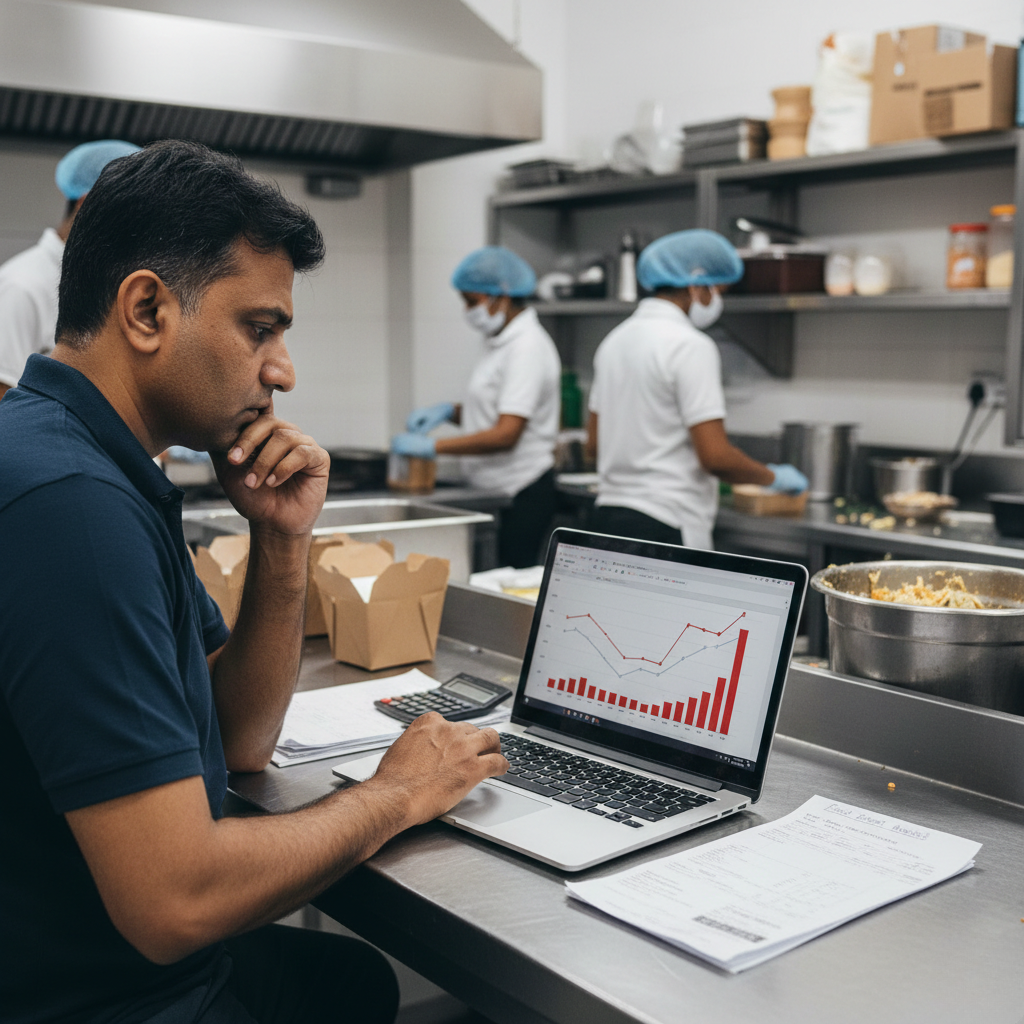
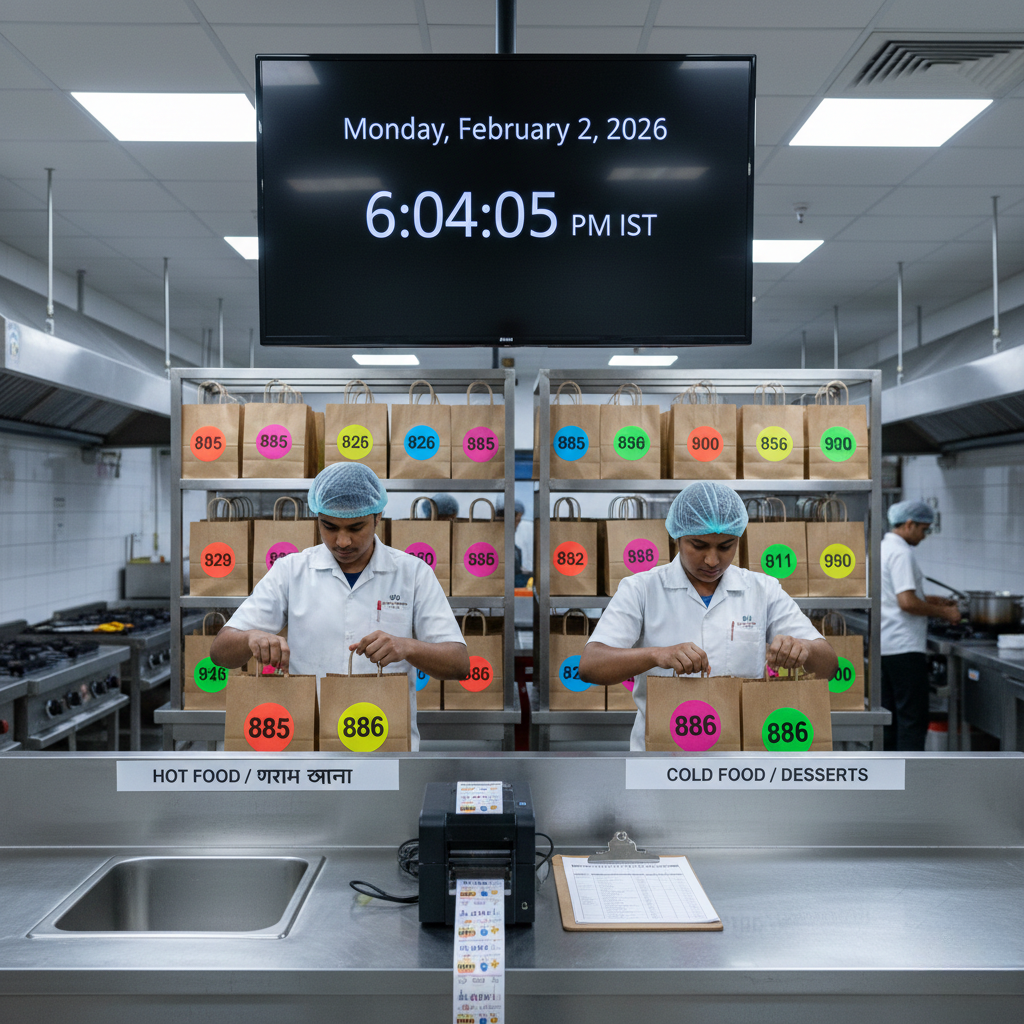
Fixed vs Variable Costs in Cloud Kitchens is one of the most misunderstood concepts among food delivery founders in India. Many kitchens know they are losing money but cannot explain where the money is going. Rent feels high. Commissions feel painful. Staff cost feels unavoidable. Without clarity on fixed and variable costs, founders make the wrong decisions at the wrong time. This guide explains the real difference between fixed and variable costs, why most cloud kitchens misclassify them, and how profitable operators use this clarity to reach break-even faster and scale safely.
Why Cost Confusion Is So Common in Cloud Kitchens
Cloud kitchens feel simple from the outside. No dining area. Smaller staff. Lower rent. But financially, they are more complex than dine-in restaurants. Costs behave differently in a delivery-first model.
Founders who do not understand how costs move with volume struggle with pricing, staffing, discounting, and scaling decisions.
To understand the broader ecosystem, start with Cloud Kitchen Business in India, Cloud Kitchen Unit Economics Explained, and Cloud Kitchen Break-Even Explained Simply.
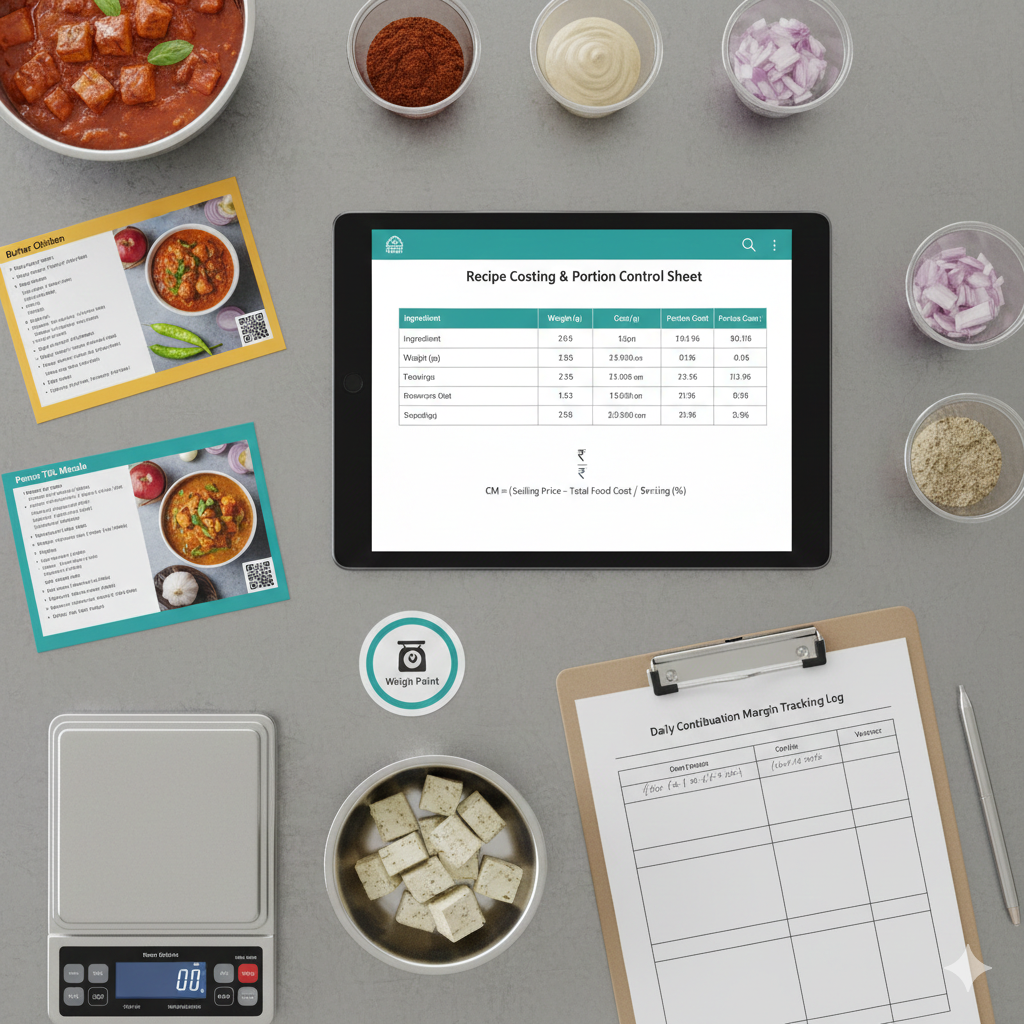
What Fixed and Variable Costs Really Mean
Fixed costs are expenses that do not change with order volume. Variable costs increase or decrease with every order. This distinction sounds simple, but in cloud kitchens, many costs behave differently than expected.
Understanding Fixed Costs in a Cloud Kitchen
Fixed costs exist even if zero orders are received. These typically include: kitchen rent, minimum utilities, licenses, software subscriptions, base staff salaries, and basic maintenance.
Fixed costs define how much pressure the business carries before the first order is placed.
Understanding Variable Costs in a Cloud Kitchen
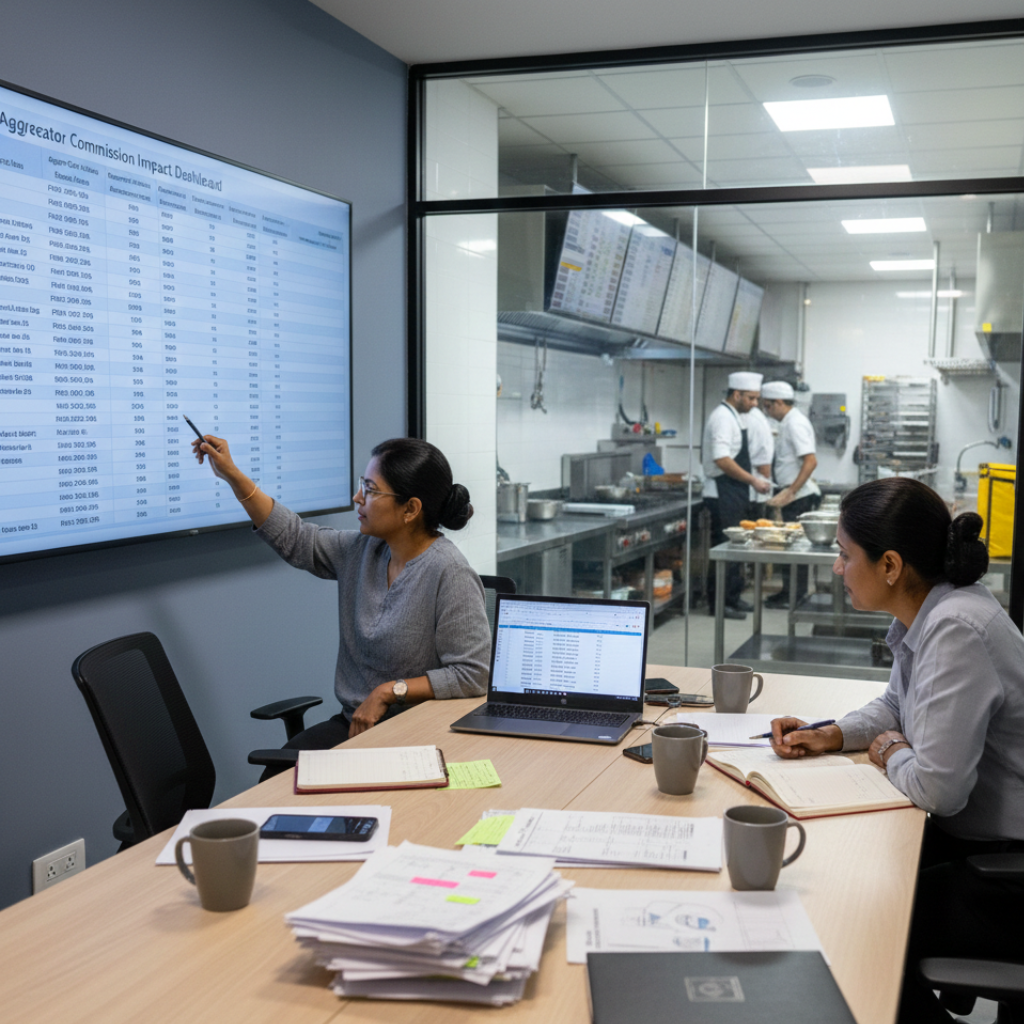
Variable costs increase with every order fulfilled. These include: food cost, packaging cost, aggregator commissions, payment gateway charges, refunds, and per-order delivery fees.
Variable costs directly impact unit economics and contribution margin.
The Most Common Mistake: Misclassifying Costs
Many founders treat staff as a fixed cost, packaging as negligible, and discounts as marketing. In reality, these costs behave variably and grow with volume.
Misclassification leads to false break-even assumptions and dangerous scaling decisions.
How Fixed and Variable Costs Shape Unit Economics
Unit economics focuses on profitability per order. Variable costs decide whether an order contributes positively. Fixed costs decide how many orders are needed to break even.
This relationship is central to Cloud Kitchen Unit Economics Explained.
This cost behavior logic aligns with Harvard Business Review’s explanation of cost behavior , which emphasizes decision-making based on how costs scale.
Contribution Margin: Where Fixed and Variable Costs Meet
Contribution margin is revenue minus variable costs. This remaining amount pays fixed expenses. Only after fixed costs are covered does true profit begin.
Kitchens with weak contribution margins struggle regardless of volume.
Staffing Costs: Fixed, Variable, or Semi-Variable?
Staffing is often semi-variable. A minimum team is fixed, but additional staff are added as volume increases. Poor staffing design inflates fixed costs prematurely.
Learn staffing logic in How Many Staff Does a Cloud Kitchen Need.
Why SOPs Reduce Both Fixed and Variable Costs
SOPs improve productivity. Higher productivity reduces staff requirements, wastage, and rework. This lowers both effective fixed and variable costs.
SOPs convert chaos into predictability.
Inventory Losses Blur Cost Visibility
Inventory leakage increases variable cost per order. Spoilage, overproduction, and FIFO failures inflate food cost silently.
Learn inventory discipline in Cloud Kitchen Inventory Management in India.
Multi-Brand Kitchens and Cost Complexity
Multi-brand kitchens often underestimate fixed cost growth. More brands increase training, SOP complexity, and packaging SKUs.
Costs improve only when systems are shared, not just space.
Learn structured design in How to Build SOPs for Multi-Brand Cloud Kitchens.
Why Understanding Costs Is Critical Before Scaling
Scaling multiplies both fixed and variable costs. Kitchens that scale without cost clarity lock in losses. Profitable kitchens stabilize costs first, then expand.
This philosophy underpins Cloud Kitchen Scaling Strategy.
Fixed vs Variable Costs in Cloud Kitchens: Final Clarity
Fixed and variable costs are not accounting theory. They are operational truth. Kitchens that understand cost behavior price better, staff smarter, and scale safely. GrowKitchen helps founders design cloud kitchens where costs are visible, controllable, and aligned with growth.
FAQs: Fixed vs Variable Costs in Cloud Kitchens
Is rent always a fixed cost?
Yes, unless revenue-sharing models are used.
Is staff cost fixed or variable?
Partially fixed, partially volume-driven.
Why are variable costs more dangerous?
Because they grow silently with volume.
Does understanding costs improve profitability?
Yes. It enables correct pricing and scaling decisions.