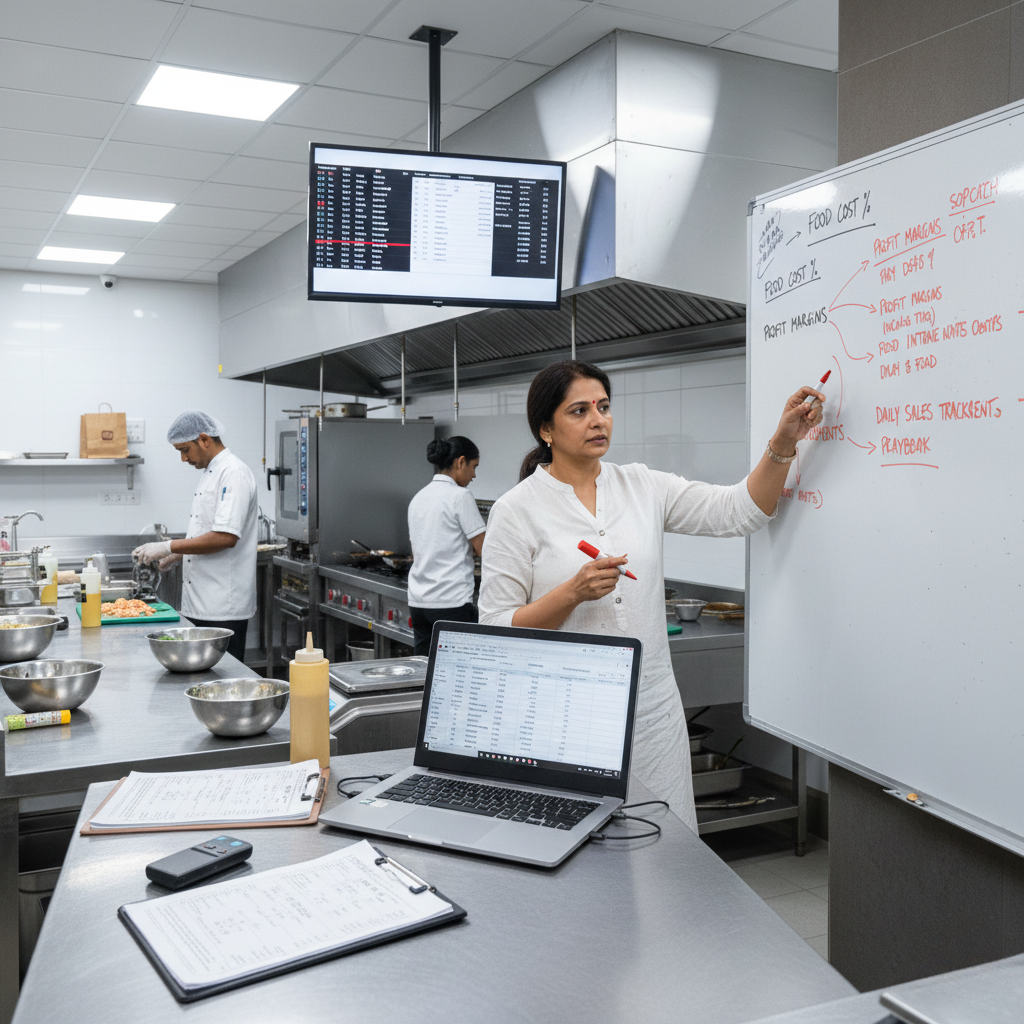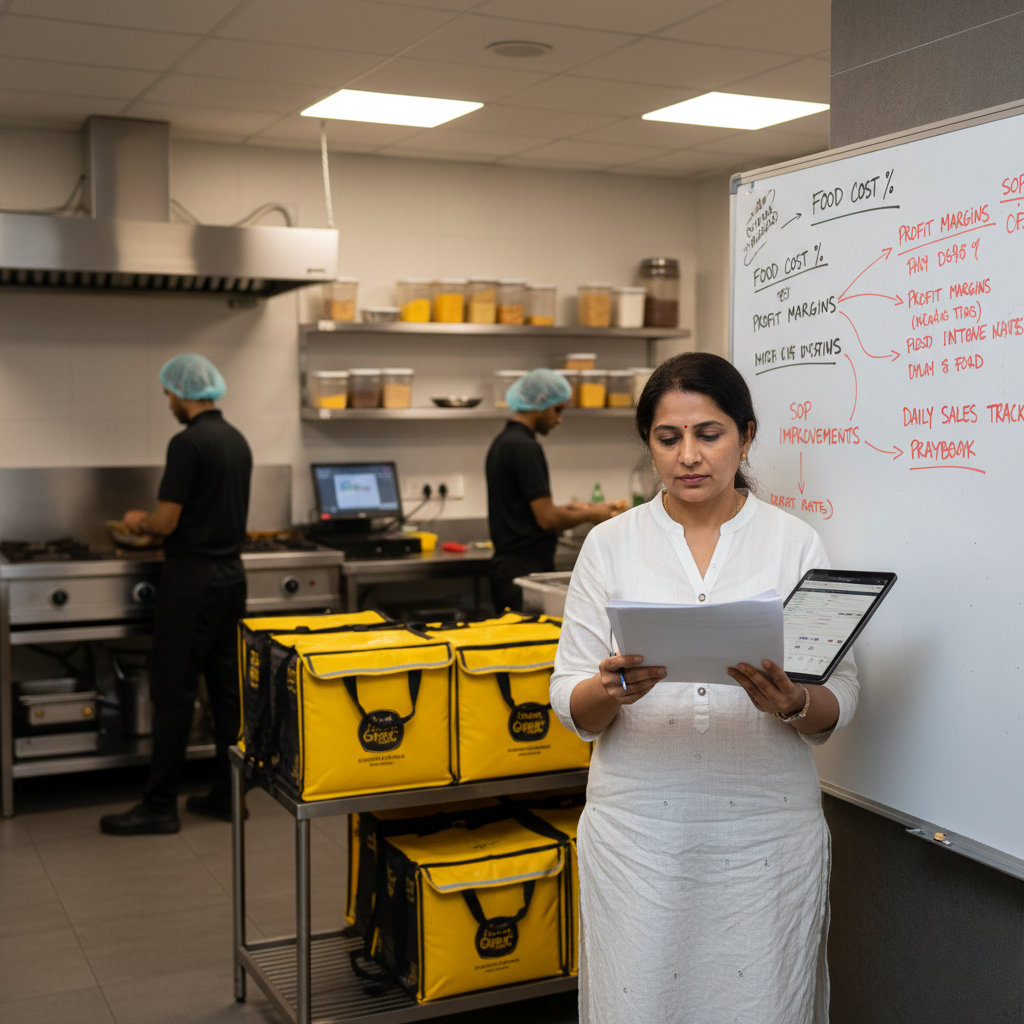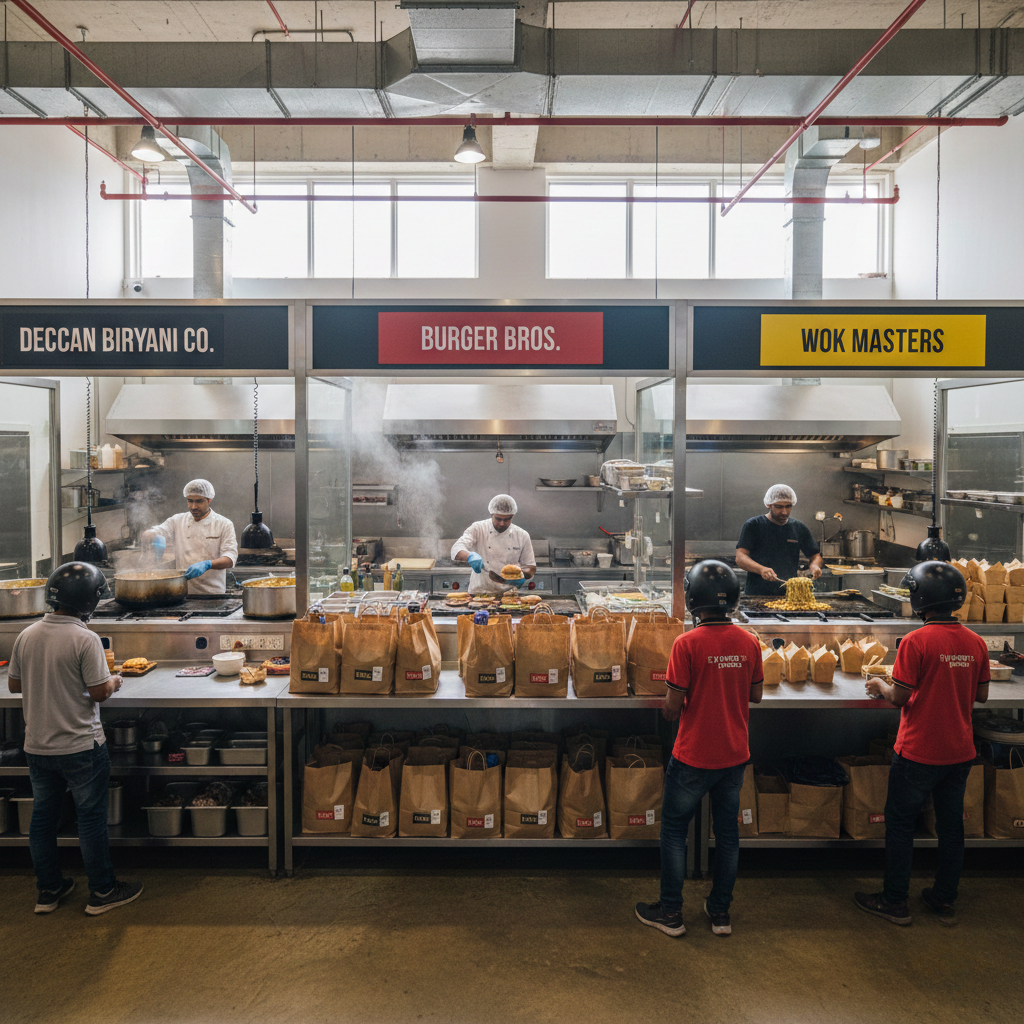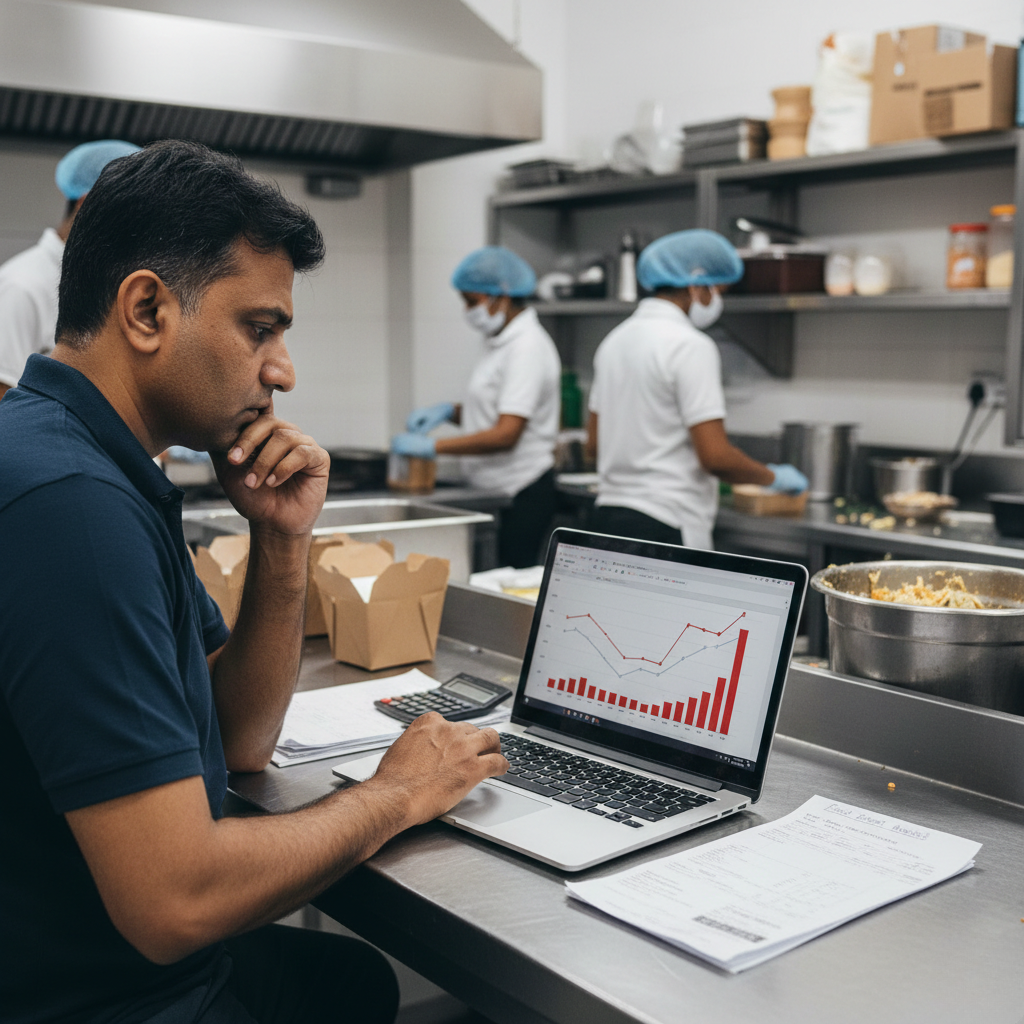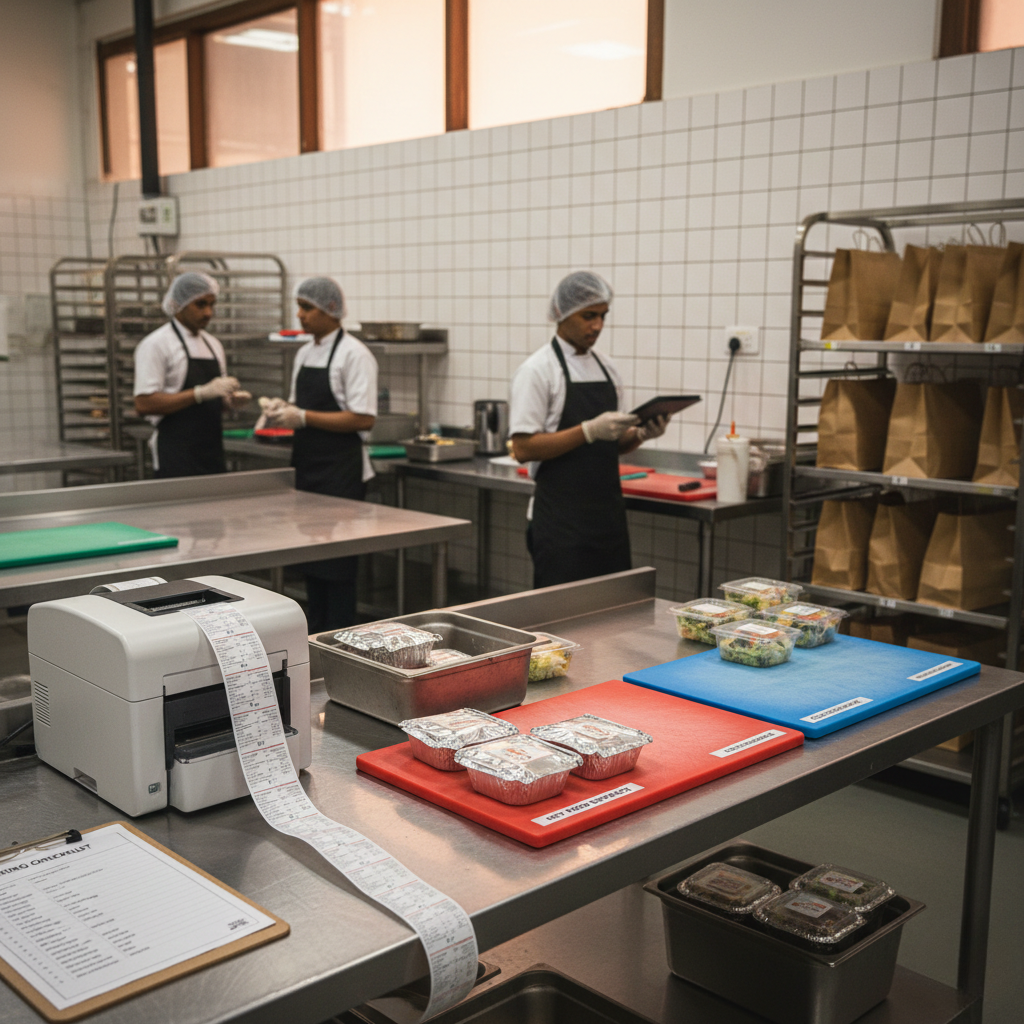
Understanding the operations behind scalable cloud kitchens is crucial for founders aiming to grow efficiently. This guide explains the core operational pillars that ensure consistency, profitability, and growth in the cloud kitchen model. Scaling Cloud Kitchens in India
Understanding the Essential Operations for Scalable Cloud Kitchens Operations
Running a cloud kitchen requires more than just a good menu. Behind every successful cloud kitchen are optimized operations that ensure smooth day-to-day management, customer satisfaction, and financial stability. In this guide, we break down the core operational elements that will allow your cloud kitchen to scale successfully.
From standardizing workflows to managing food costs and leveraging technology, this article outlines the key operational aspects of a cloud kitchen that support growth and long-term success.
To get started, explore our detailed guide on Cloud Kitchen Profitability Consultant in India for a deeper dive into managing operations efficiently.
Step 1: Standardizing Operations for Consistency
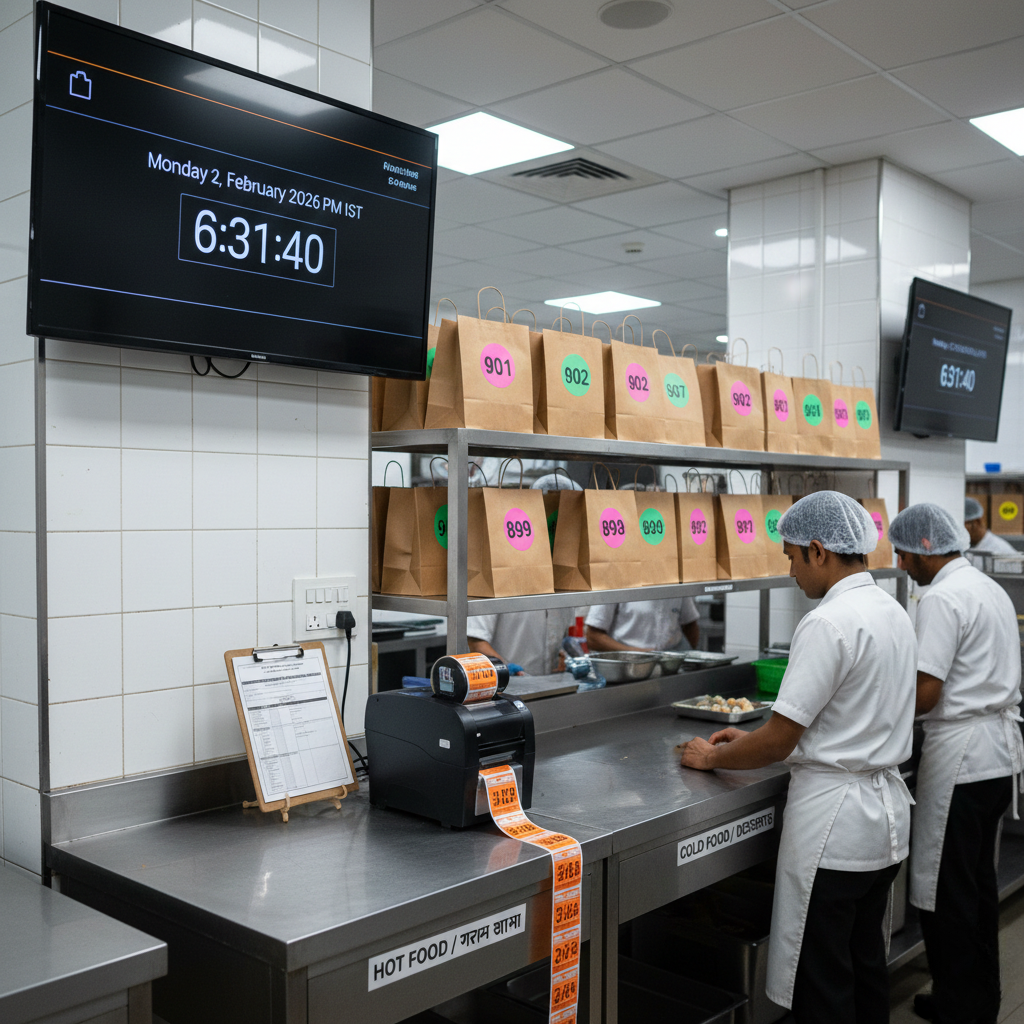
The first and most critical step in building a scalable cloud kitchen is to standardize operations. As you scale, it’s essential that your kitchen maintains consistent food quality, service, and efficiency across multiple shifts and locations.
Standard Operating Procedures (SOPs) are key in ensuring every process in the kitchen, from food preparation to packaging and dispatch, is performed the same way every time. Without SOPs, each kitchen location might operate differently, leading to inconsistencies and inefficiencies.
Learn how SOPs make cloud kitchens more predictable and less reliant on specific individuals by reading Cloud Kitchen Without SOPs vs After SOP Implementation.
Step 2: Optimize Food Costs and Margins
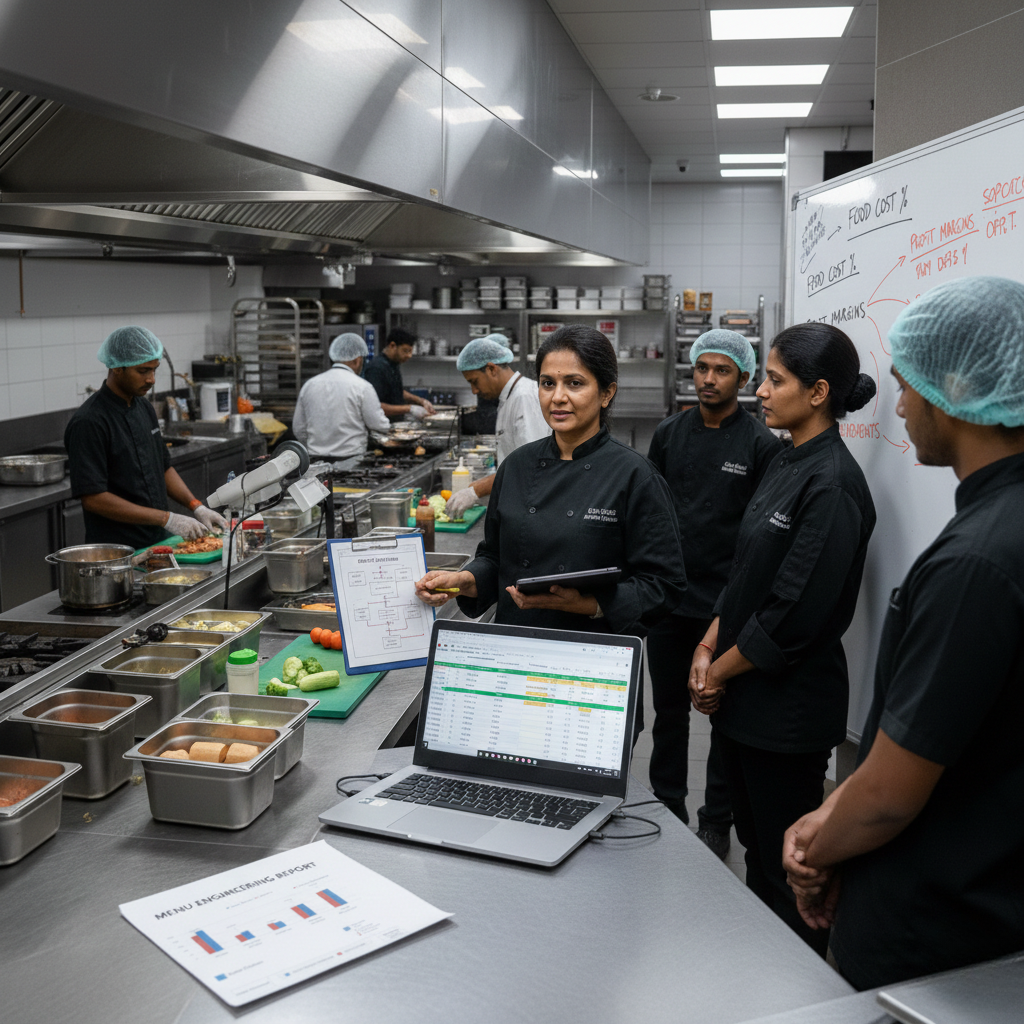
A scalable cloud kitchen must prioritize controlling food costs. Understanding and tracking your food cost percentage is vital to ensure profitability. As you scale, tracking and optimizing your contribution margin will help identify the most profitable items on your menu.
The contribution margin is the amount left over from each order after accounting for variable costs like food costs, packaging, delivery charges, and commissions. By tracking this metric, you can ensure that each order contributes positively to your bottom line.
Weekly reviews of food costs, refunds, cancellations, and dispatch rates should be standard practice for cloud kitchens aiming to scale. For a more in-depth look at how to calculate and improve your margins, read our guide on Aggregator Commission Impact in India and Refunds and Cancellations Impact on Cloud Kitchen Profitability.
Step 3: Leverage CKaaS for Scalable Growth
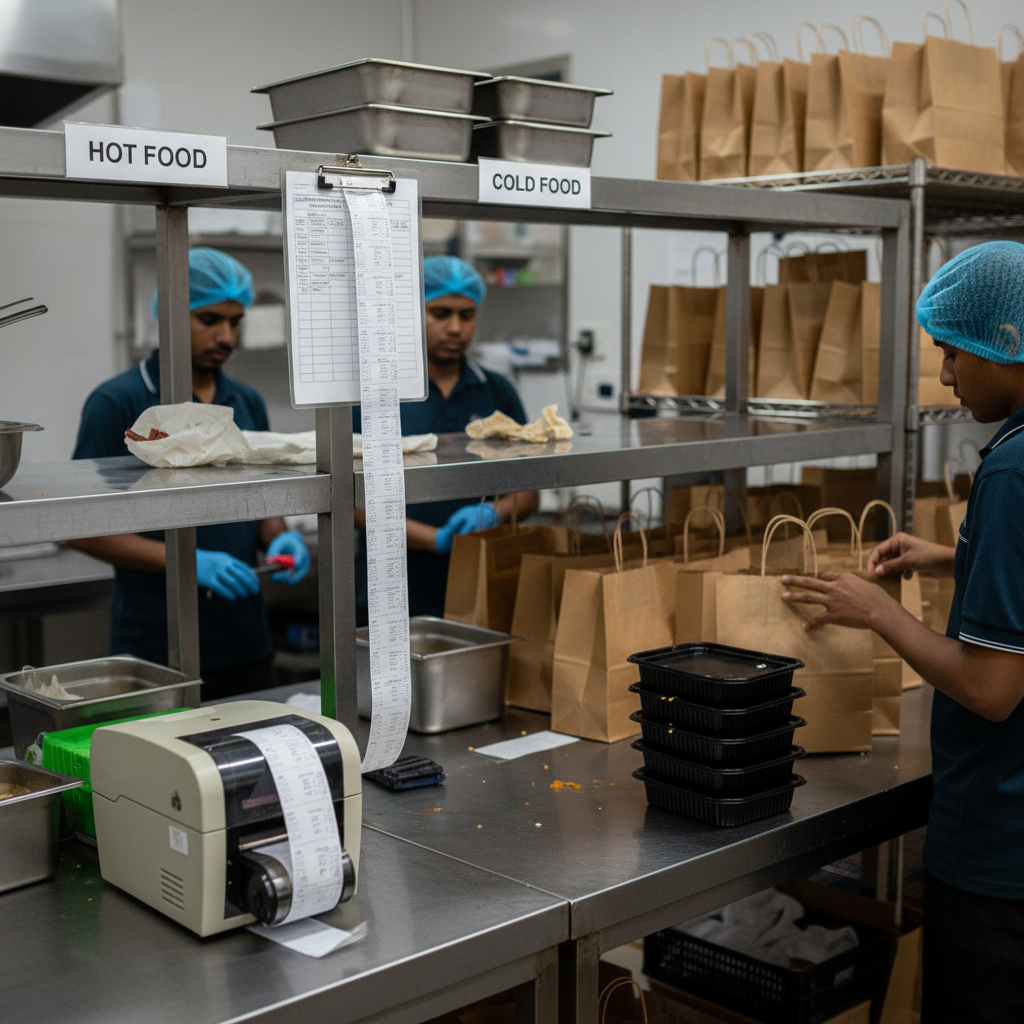
Cloud Kitchen as a Service (CKaaS) is an excellent model for scaling cloud kitchens efficiently. By outsourcing the kitchen infrastructure and operations to a CKaaS provider, you can focus on growing your brand, improving customer experience, and expanding your reach without needing to invest heavily in physical infrastructure.
However, CKaaS is not a magic solution. It works best for cloud kitchen operators who already have a clear understanding of their unit economics and standardized processes. By using CKaaS, you can leverage third-party kitchen facilities while ensuring consistent and high-quality execution.
To learn more about scaling with CKaaS, read our detailed guide on Scaling Cloud Kitchen with CKaaS.
Step 4: Who Is CKaaS Best Suited For?
CKaaS is ideal for certain founder profiles. These are typically founders who already have strong unit economics and a scalable business model. The following profiles benefit the most from CKaaS:
- Brand-first founders: Those who want to scale their brand quickly without committing to heavy infrastructure costs.
- Multi-brand operators: For those running several brands under one roof, CKaaS provides the operational leverage to scale faster without duplicating efforts across kitchens.
- Founders with clear unit economics: Those who understand their food costs and operational efficiencies and are looking for ways to scale without disrupting their current operations.
For a deeper look at the right profiles for CKaaS, read Common Operational Mistakes in Cloud Kitchens and How Process Discipline Improves EBITDA.
Step 5: Expanding Your Cloud Kitchen Network
Expanding your cloud kitchen requires strategic planning. It’s important to enter markets with high demand for food delivery and minimal competition. By understanding your target audience and using data to guide your decisions, you can efficiently scale your cloud kitchen operations.
When expanding, prioritize areas that align with your brand’s strengths and market potential. To further understand how to expand your cloud kitchen efficiently, check out our Expansion Strategy for Cloud Kitchens.

Final Takeaways: The Key Steps to Scaling Your Cloud Kitchen
Scaling a cloud kitchen involves more than just opening new locations. It requires a focus on operational efficiency, cost optimization, and standardizing processes. By following these steps, you can successfully grow your cloud kitchen while maintaining food quality, customer satisfaction, and profitability.
- Standardize operations for consistency across all locations.
- Optimize food costs and track unit economics to ensure profitability.
- Leverage CKaaS to scale efficiently without significant capital investment.
- Expand strategically to high-demand markets with minimal competition.
- Ensure quality and service consistency through SOPs and regular performance reviews.
With a solid plan and the right systems in place, you’ll be on your way to building a scalable and profitable cloud kitchen business.