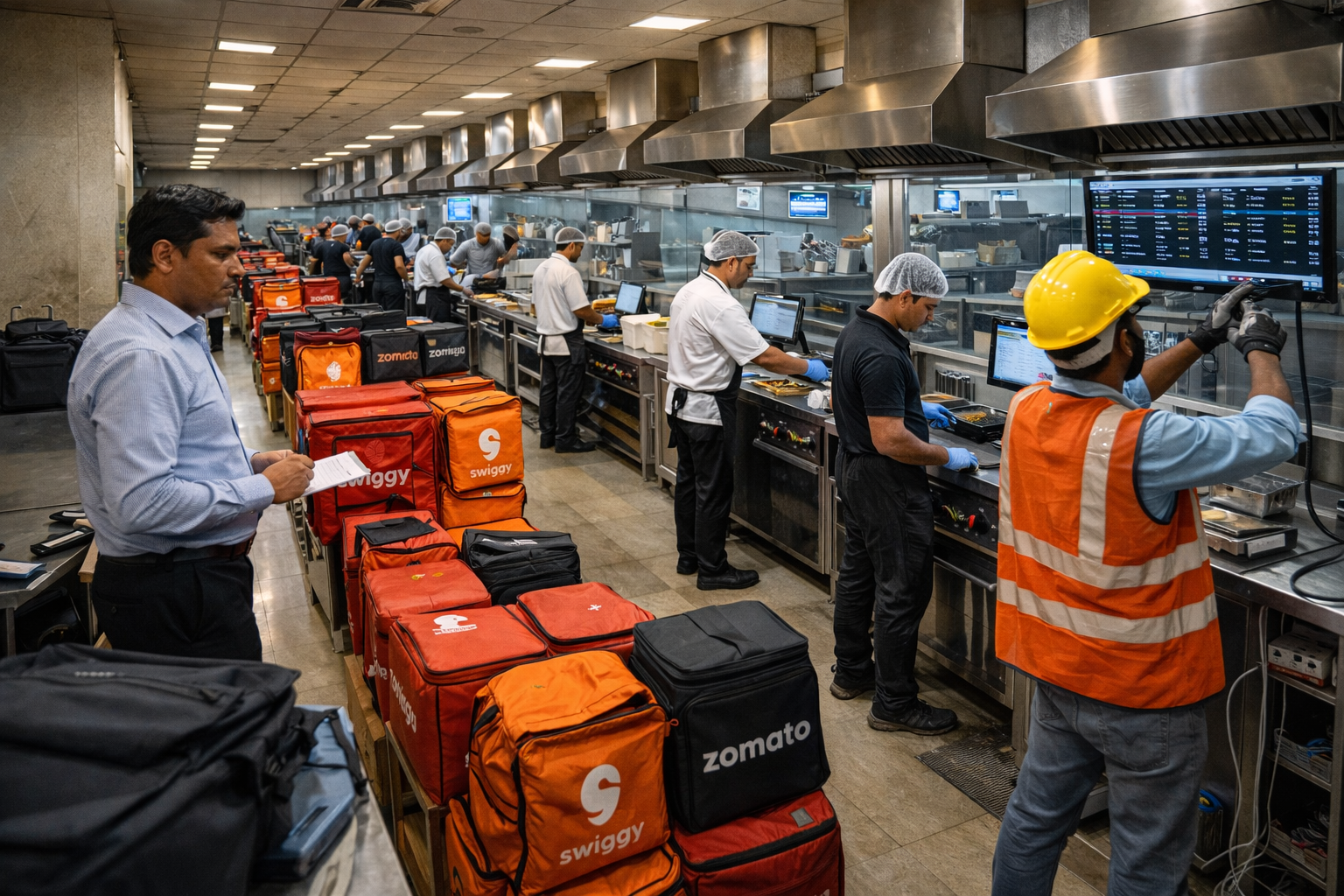
Starting a cloud kitchen in India has become one of the most attractive business opportunities in the food industry. With lower investment requirements, faster setup timelines, and increasing demand for online food delivery, cloud kitchens allow founders to enter the food business without the risks of a traditional restaurant.
This step-by-step guide explains the complete cloud kitchen setup process in India-from concept planning to launch-helping founders build a profitable and scalable food business.
What Is a Cloud Kitchen?
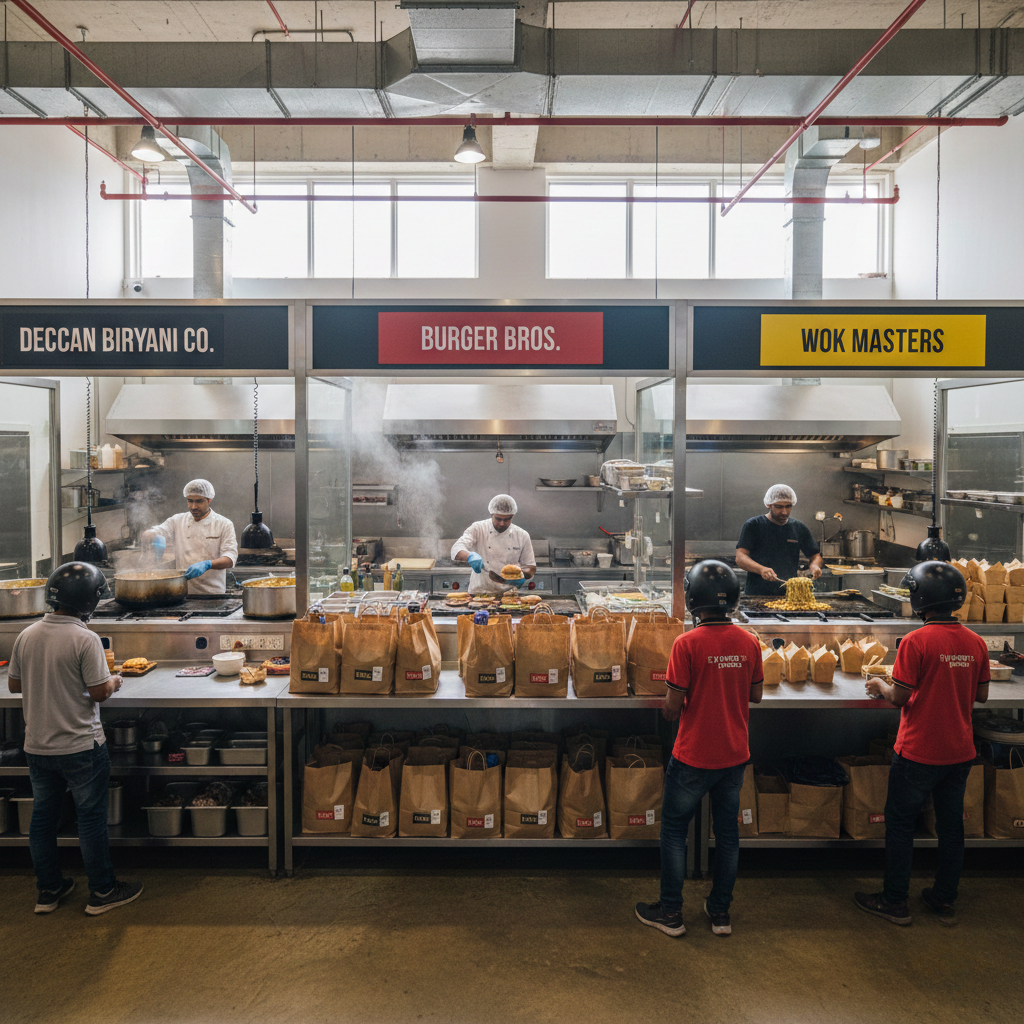
A cloud kitchen, also known as a dark kitchen or ghost kitchen, is a delivery-only food business with no dine-in facility. Orders are received primarily through online food delivery platforms or direct ordering channels. Cloud Kitchen Business in India
Because cloud kitchens eliminate front-end costs like interiors, waitstaff, and premium locations, they offer significantly better profit margins compared to traditional restaurants.
Step 1: Business Planning & Concept Finalization
The foundation of a successful cloud kitchen starts with a clear business plan. Founders must decide:
- Target cuisine and customer segment
- Single-brand or multi-brand kitchen
- Price positioning and average order value
- Delivery-only or hybrid (pickup + delivery)
Market research using food delivery apps helps identify demand gaps, popular cuisines, and pricing trends in your chosen area.
Step 2: Choosing the Right Location
Location plays a crucial role in delivery speed, cost efficiency, and order volume. Unlike restaurants, cloud kitchens can operate from non-prime areas with lower rent.
Key factors to consider:
- High delivery demand within a 5–7 km radius
- Affordable rent and utility costs
- Easy access for delivery partners
- Compliance with local zoning laws
Step 3: Licenses & Legal Compliance
Legal compliance is mandatory before launching a cloud kitchen in India. The key licenses include:
- FSSAI Registration or License
- GST Registration
- Shop & Establishment License
- Fire Safety NOC (if applicable)
- Trade License (municipal authority)
You can refer to official guidelines on the FSSAI website for updated food safety requirements.
Step 4: Kitchen Infrastructure & Equipment
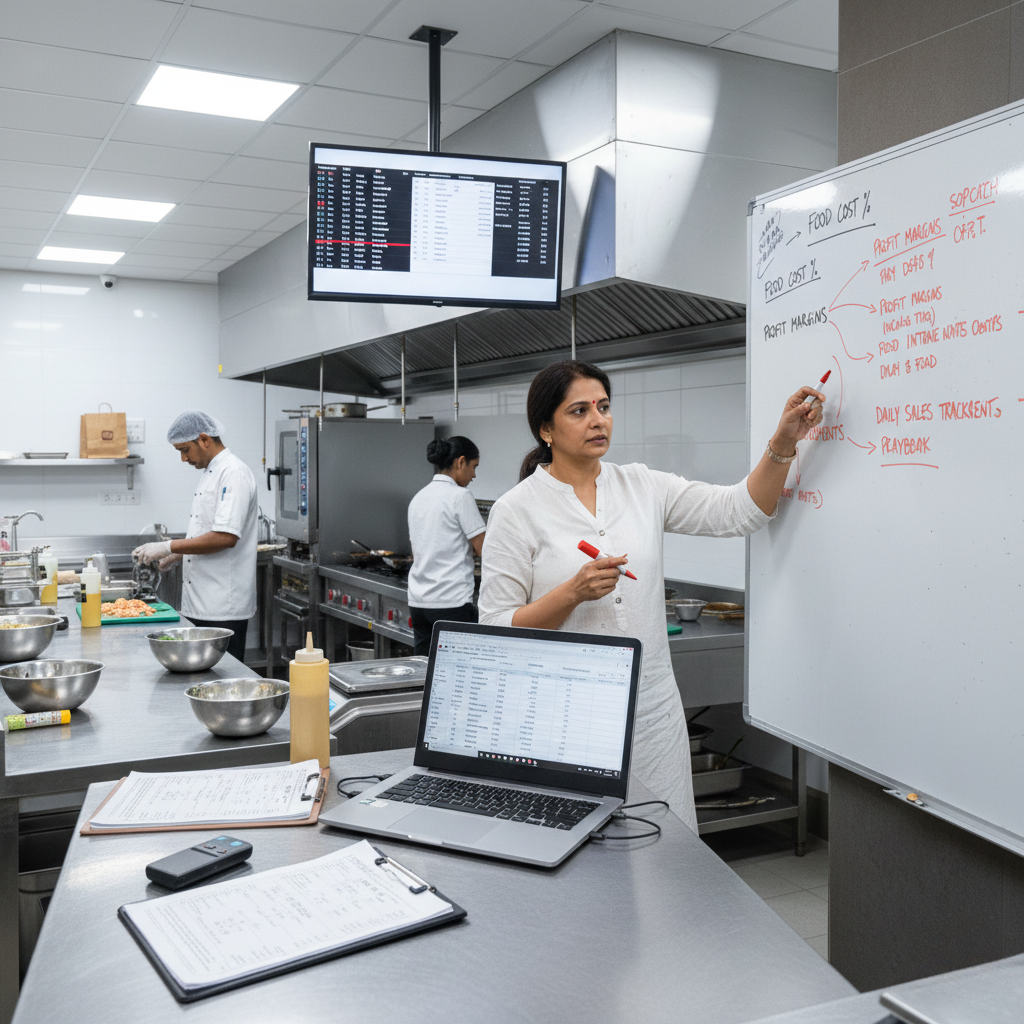
A well-planned kitchen layout improves efficiency and reduces operational errors. The setup should include separate zones for preparation, cooking, packaging, and dispatch.
Essential equipment typically includes:
- Commercial burners and ovens
- Refrigeration and deep freezers
- Work tables and storage racks
- Exhaust, ventilation, and fire safety systems

Step 5: Hiring & Staffing
Cloud kitchens operate with lean teams, which helps control costs. Typical staff requirements include:
- Head cook or chef
- Kitchen assistants
- Packaging staff
- Operations supervisor (optional)
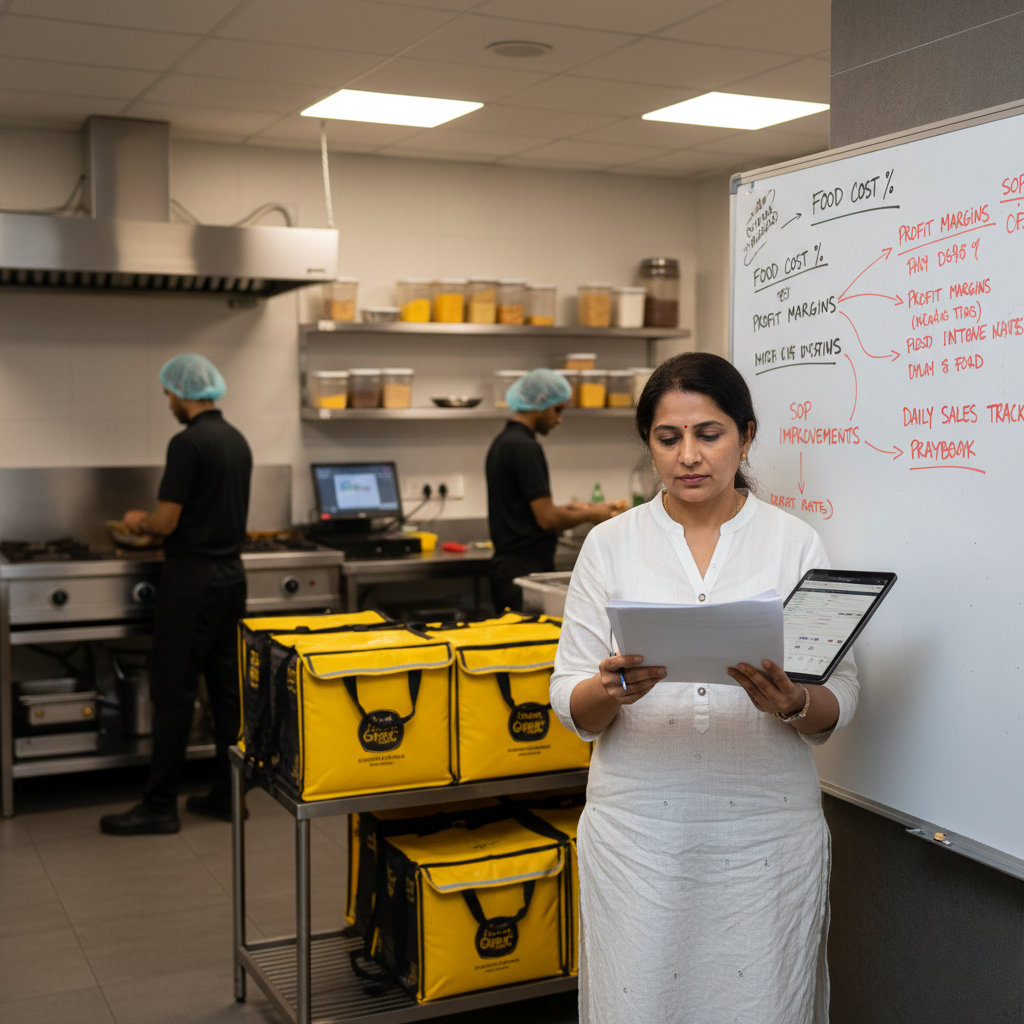
Clear SOPs and training are critical to maintain food consistency and hygiene standards.
Step 6: Technology & POS Integration
Technology is the backbone of cloud kitchen operations. A robust POS system helps manage orders, inventory, and analytics from one dashboard.
Key technology components:
- POS and order management system
- Inventory tracking software
- Sales and performance analytics
- Direct ordering website or app
According to insights shared by Restaurant India, tech-enabled kitchens experience lower wastage and higher operational efficiency.
Step 7: Onboarding on Delivery Platforms
Most cloud kitchens in India rely on platforms like Swiggy and Zomato for order discovery. While onboarding:
- Optimize menu pricing to absorb commissions
- Use professional food photography
- Enable limited-time offers strategically
Over time, founders should also build direct ordering channels to improve margins.
Step 8: Launch & Marketing Strategy
A strong launch creates early traction and positive reviews. Effective launch strategies include:
- Introductory discounts
- Local influencer collaborations
- Hyperlocal digital ads
- Customer feedback monitoring
Consistent quality and fast delivery are the biggest drivers of repeat orders.
Frequently Asked Questions (FAQ)
How much does it cost to set up a cloud kitchen in India?
The average cloud kitchen setup cost ranges between ₹5–15 lakhs, depending on location, cuisine, and scale.
How long does it take to start a cloud kitchen?
A cloud kitchen can be launched within 30–60 days if licenses and infrastructure are planned efficiently.
Is cloud kitchen business profitable in India?
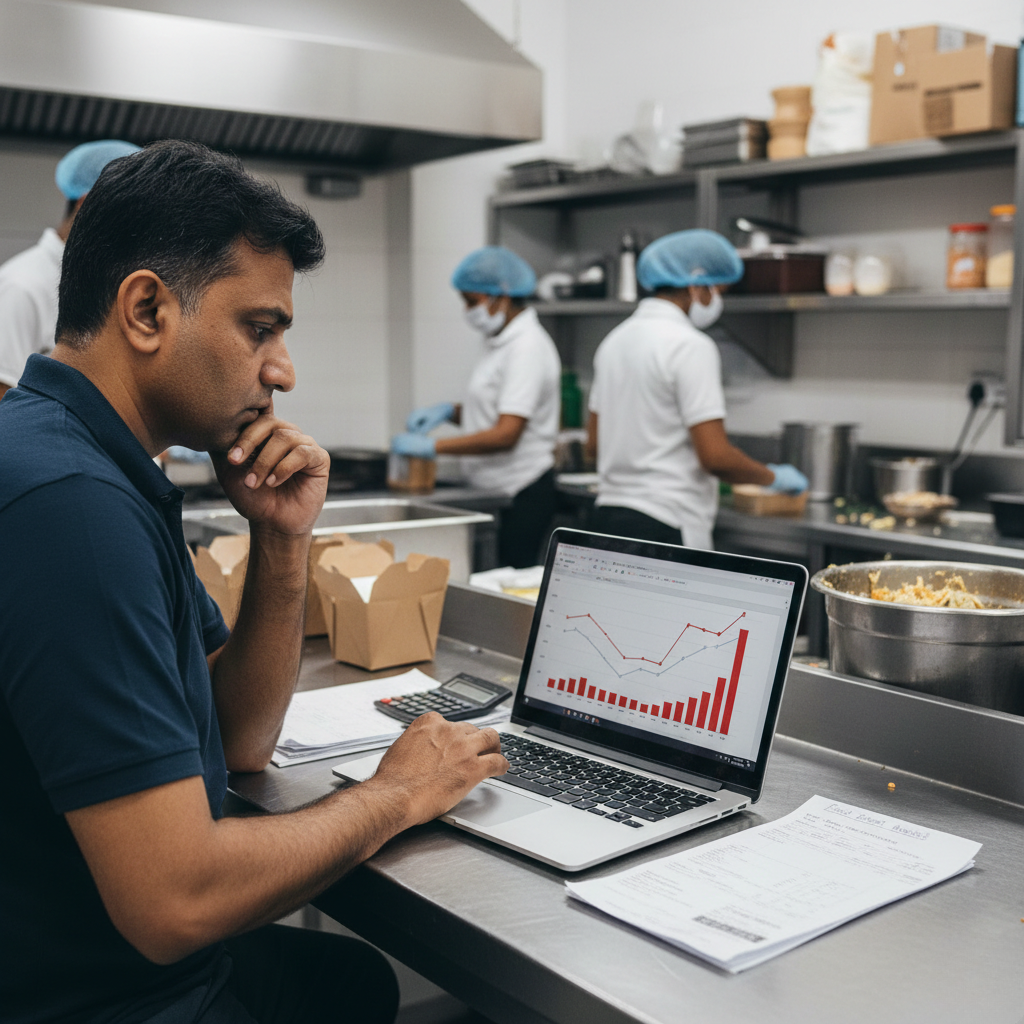
Yes, cloud kitchens can be highly profitable when food costs, commissions, and operations are tightly controlled.
Can I run multiple brands from one cloud kitchen?
Yes, multi-brand cloud kitchens are common and help maximize revenue from the same infrastructure.
People Also Read
- Cloud Kitchen Business Model in India Explained
- Cloud Kitchen Setup Cost in India (Complete Breakdown)
- Cloud Kitchen Expansion Strategy in India
- Challenges of Cloud Kitchen Business in India
- Cloud Kitchen Consulting Services in India