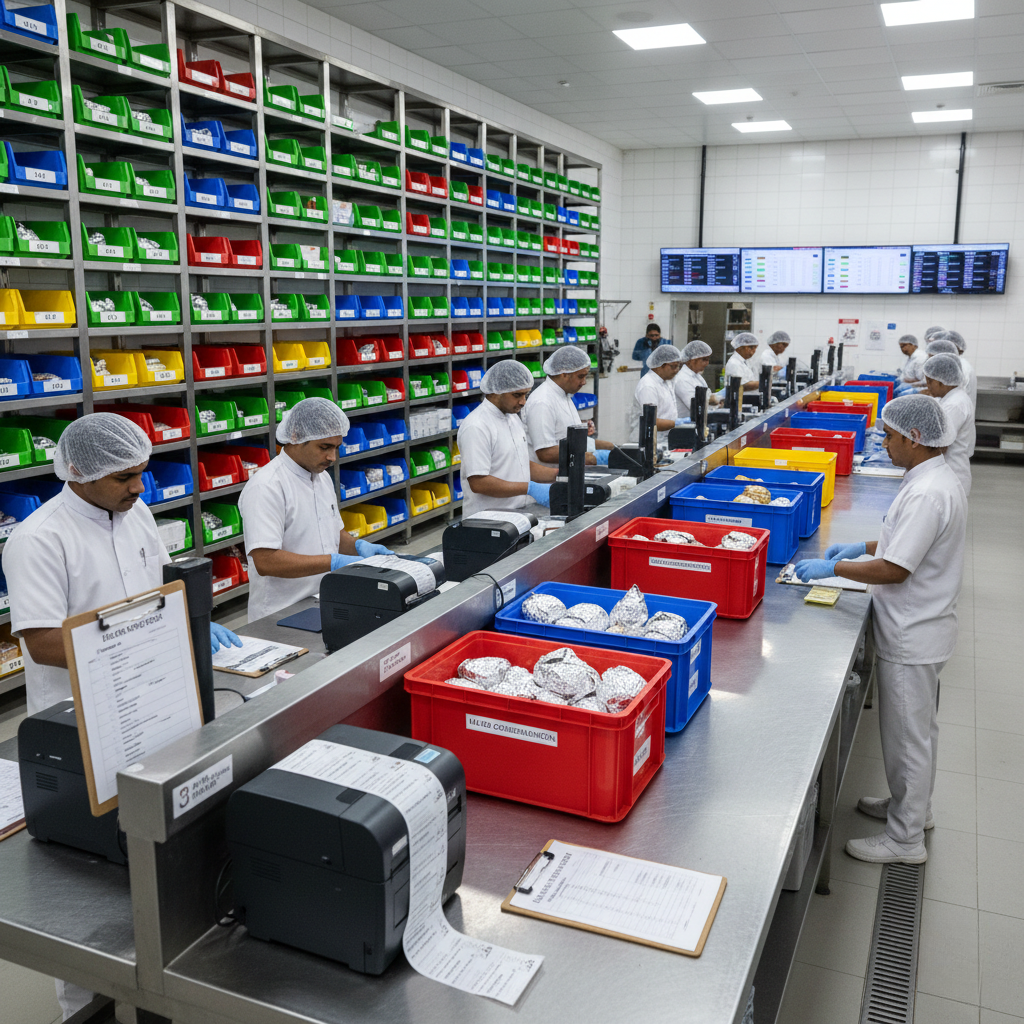
Building an efficient supply chain is critical for cloud kitchens that scale across multiple locations. This guide will walk you through the key elements of building a strong supply chain to ensure consistency, reduce costs, and improve delivery efficiency for cloud kitchens. Scaling Cloud Kitchens in India
How to Build an Efficient Cloud Kitchen Supply Chain for Multiple Locations
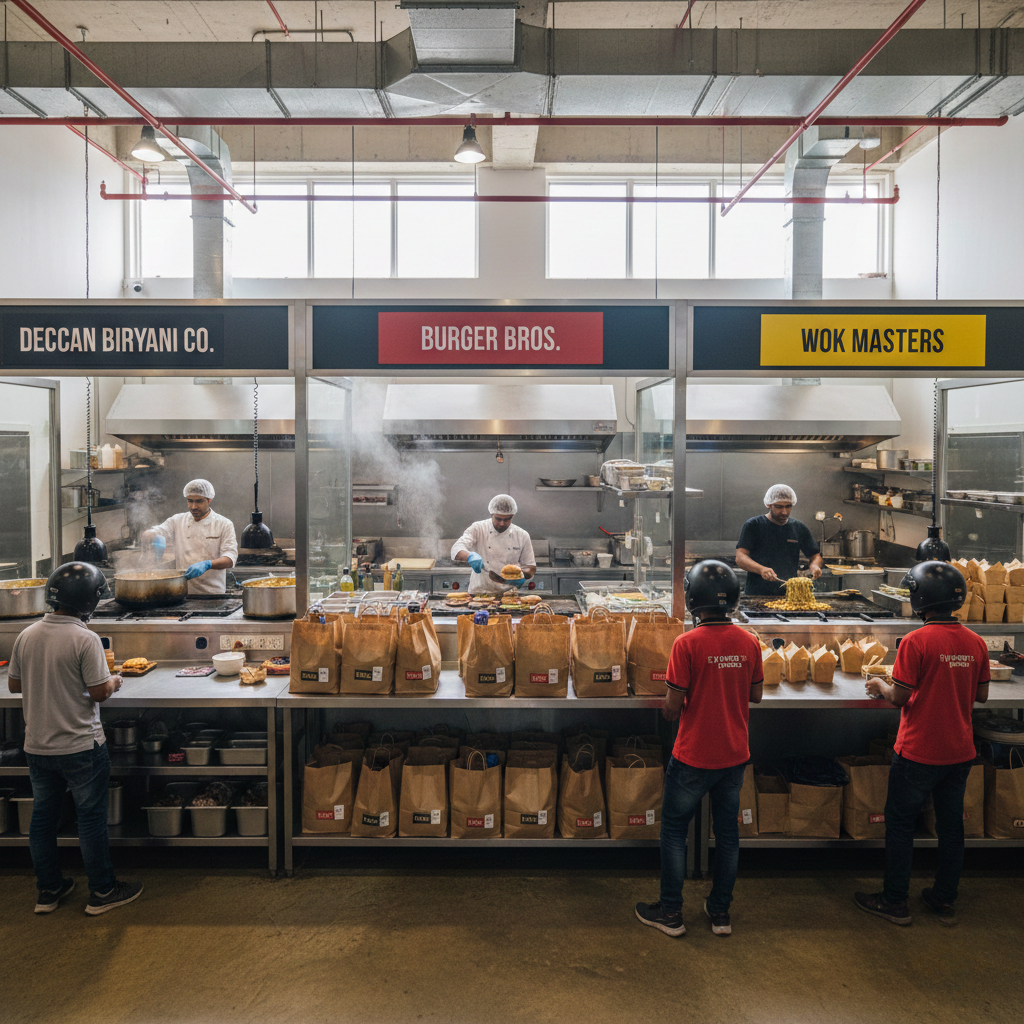
Scaling a cloud kitchen involves much more than just managing kitchen operations. A key element to scaling efficiently is building an optimized supply chain that ensures a smooth flow of ingredients, supplies, and products across multiple locations. This is critical for maintaining consistent quality, meeting customer demands, and driving profitability.
In this article, we will explore the essential steps and strategies for building a supply chain that works seamlessly across multiple cloud kitchen locations. From sourcing ingredients to managing inventory and optimizing logistics, we’ll cover all aspects of supply chain management for cloud kitchens.
To understand how supply chain strategies align with profitability, explore our guide on Cloud Kitchen Profitability Consultant in India.
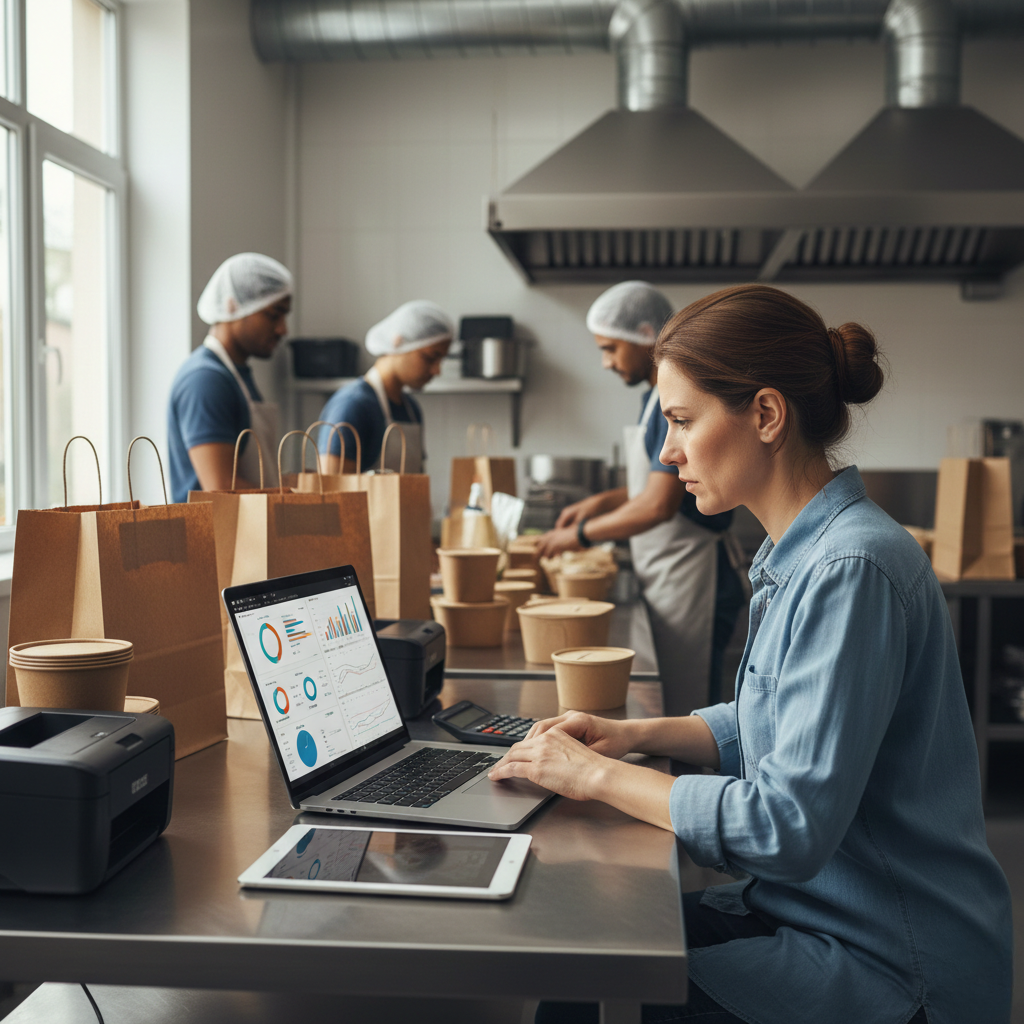
Step 1: Standardize Your Sourcing Process
The first step in building a scalable supply chain is to standardize your sourcing process. This ensures that the ingredients and materials you use across all locations are of the same quality, reducing variability and ensuring consistency in your offerings.
Work with trusted suppliers who can meet the volume requirements of multiple locations while maintaining quality standards. Additionally, building long-term relationships with suppliers can help you negotiate better prices and ensure reliable delivery schedules.
If you want more insights into optimizing sourcing strategies, check out our article on Cloud Kitchen Packaging Cost Optimization Case Study.
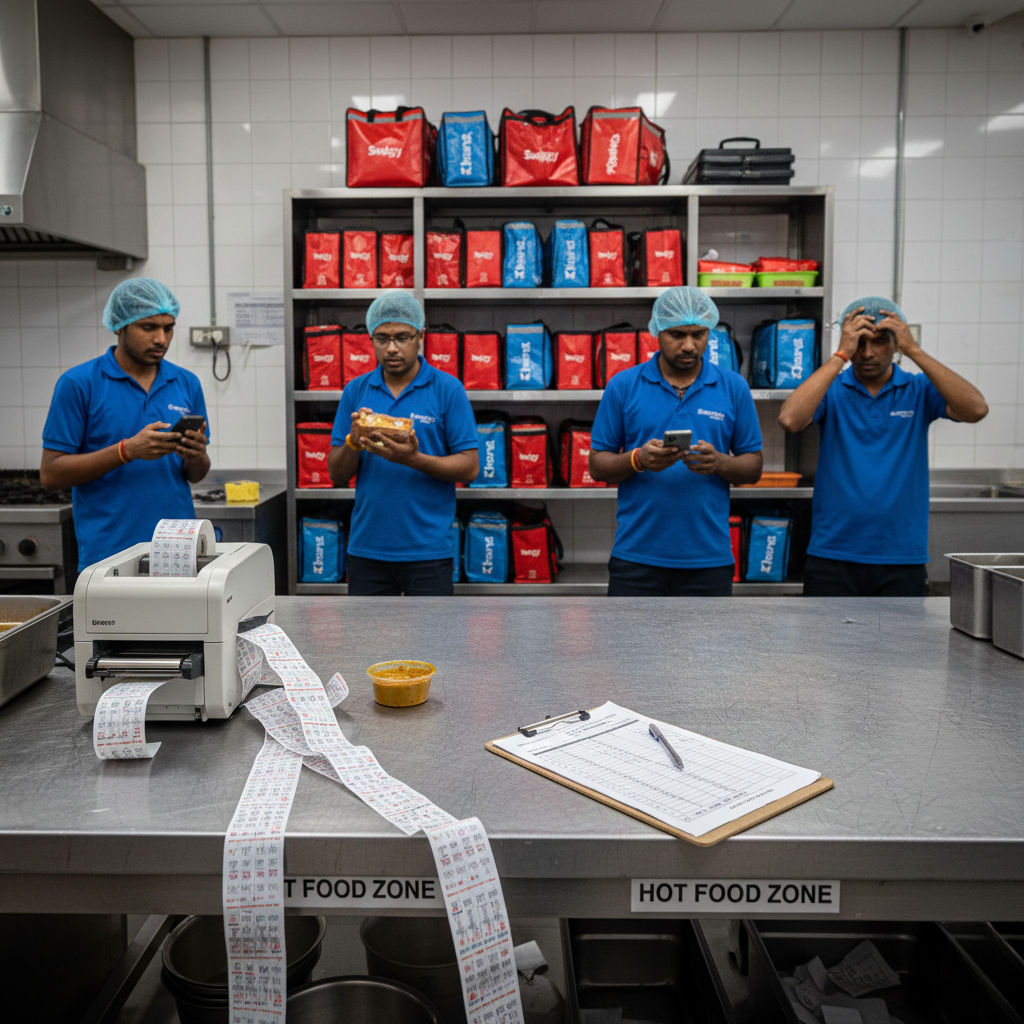
Step 2: Implement Centralized Inventory Management
Effective inventory management is the backbone of a scalable supply chain. A centralized inventory management system ensures that all kitchen locations have access to real-time data about ingredient stock levels, helping prevent overstocking or stock-outs.
Centralized inventory management allows you to track ingredient usage, optimize stock levels, and automate reordering. This reduces the risk of waste and ensures that you always have the right amount of supplies available.
For a deeper understanding of inventory control, read our article on Cloud Kitchen Inventory Management in India.
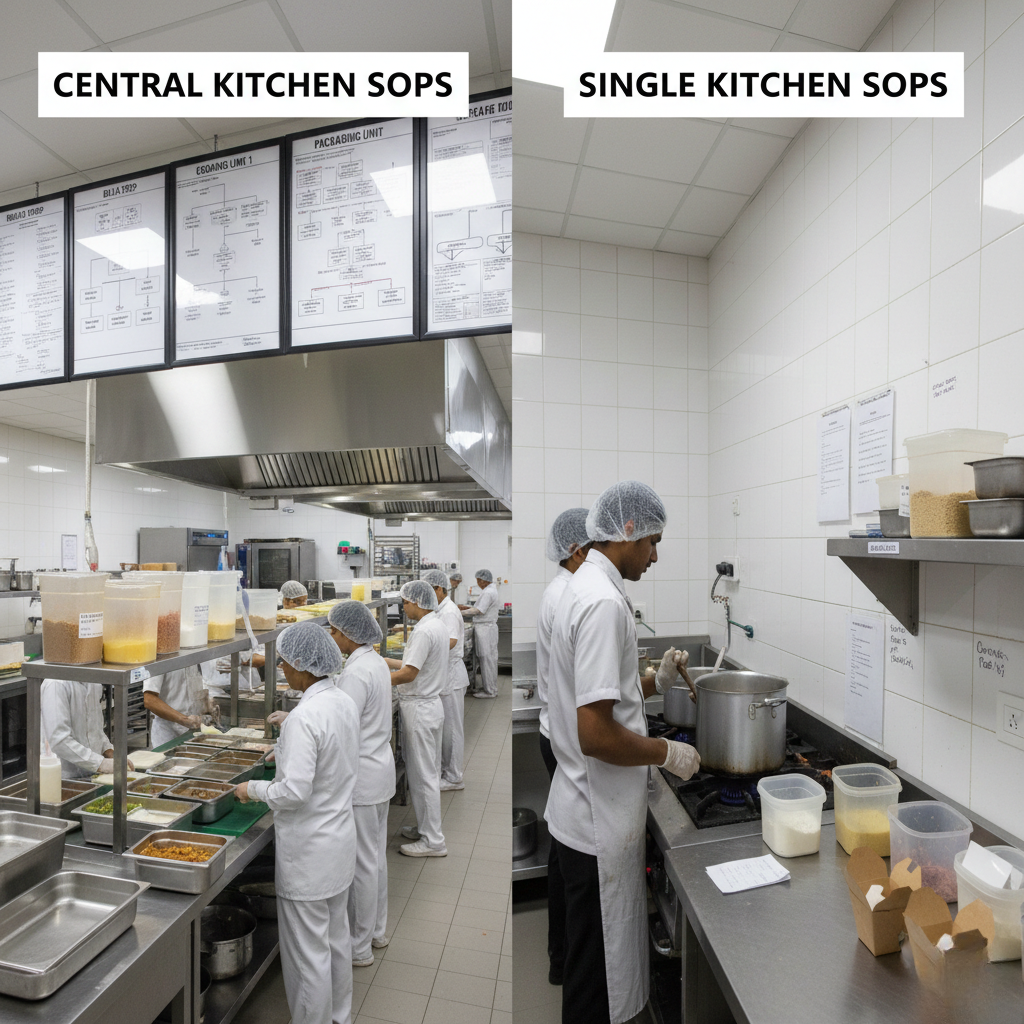
Step 3: Streamline Logistics and Delivery Networks
Logistics play a crucial role in ensuring that your cloud kitchen can scale efficiently. Optimizing your logistics and delivery networks ensures timely delivery to customers, minimizes delays, and reduces operational costs.
This involves choosing the right delivery partners, setting clear delivery windows, and managing delivery zones effectively. You can also optimize your delivery network by using data analytics to predict demand in different areas and adjust delivery resources accordingly.
For more on building a reliable delivery network, check out our article on Cloud Kitchen Delivery Performance Case Study.
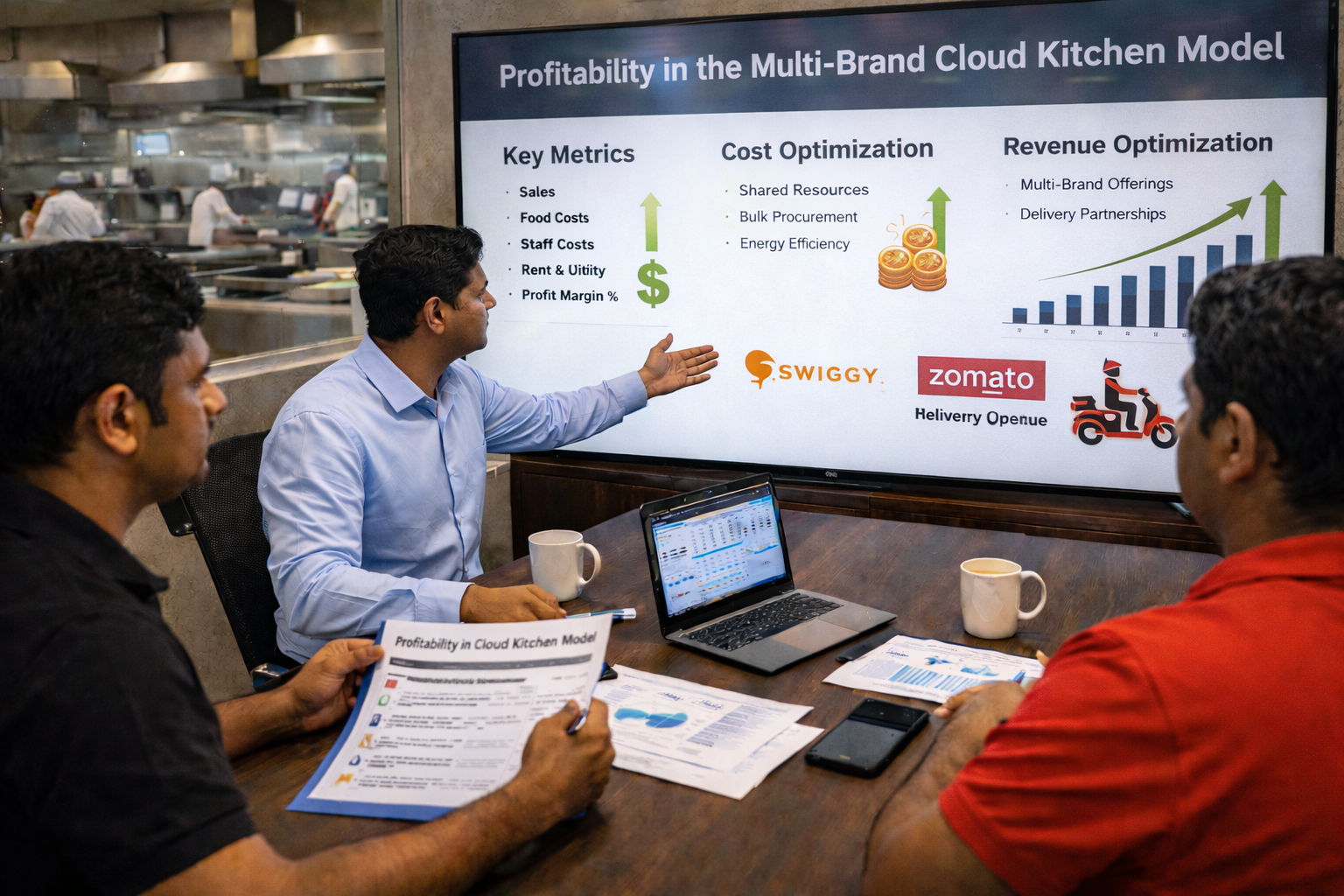
Step 4: Use Technology to Monitor and Improve Operations
Technology is essential for scaling a cloud kitchen supply chain efficiently. From kitchen management systems (KMS) to data analytics and order management tools, technology enables you to monitor operations in real-time, identify inefficiencies, and make data-driven decisions.
Invest in software tools that help you track orders, manage inventory, optimize delivery routes, and monitor supply chain performance. Cloud-based solutions provide scalability and flexibility, allowing you to manage multiple locations seamlessly.
For a deeper look at how technology helps scale cloud kitchen operations, check out our article on Scaling Cloud Kitchens with Technology.
Step 5: Plan for Expansion with Supply Chain Flexibility
As your cloud kitchen business expands, your supply chain needs to be flexible enough to handle growth. This means having scalable suppliers, logistics partners, and inventory systems that can support the increased demand without compromising quality or efficiency.
When planning for expansion, consider adopting a hub-and-spoke model for your kitchens. This allows you to centralize the procurement of ingredients and distribute them to your multiple locations more effectively.
For more insights on scaling your cloud kitchen network, read our guide on Role of SOPs in scaling cloud kitchens.
Final Takeaways: Building a Scalable Cloud Kitchen Supply Chain
Building an efficient supply chain for your cloud kitchen is critical for scaling successfully. By standardizing sourcing, implementing centralized inventory management, streamlining logistics, leveraging technology, and planning for expansion, you can ensure your cloud kitchen operates efficiently as you grow.
- Standardize your sourcing process to ensure consistency across multiple locations.
- Implement centralized inventory management for better control and optimization.
- Optimize logistics and delivery networks to ensure timely and cost-effective deliveries.
- Leverage technology to track and optimize operations, ensuring scalability.
- Ensure flexibility in your supply chain to accommodate future growth and expansion.
By focusing on these key areas, your cloud kitchen supply chain will be ready to scale efficiently and profitably.