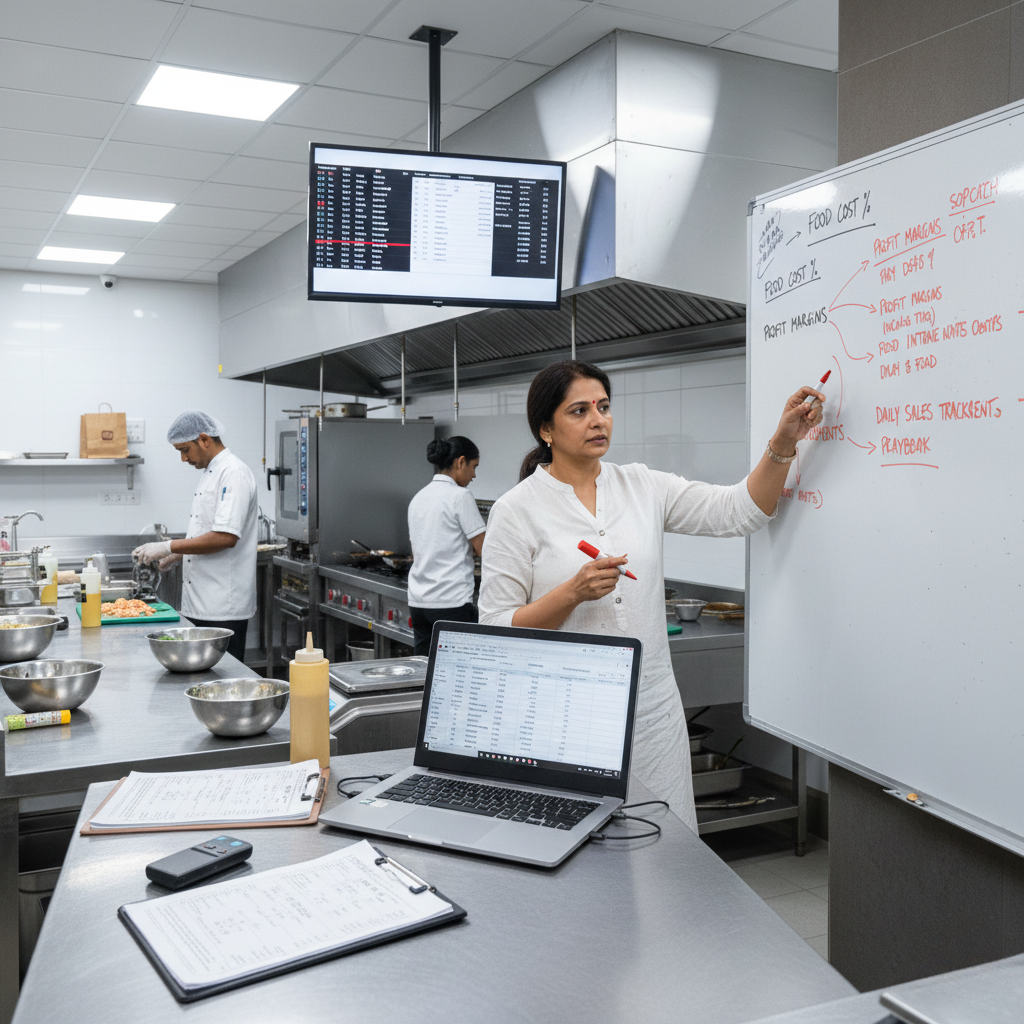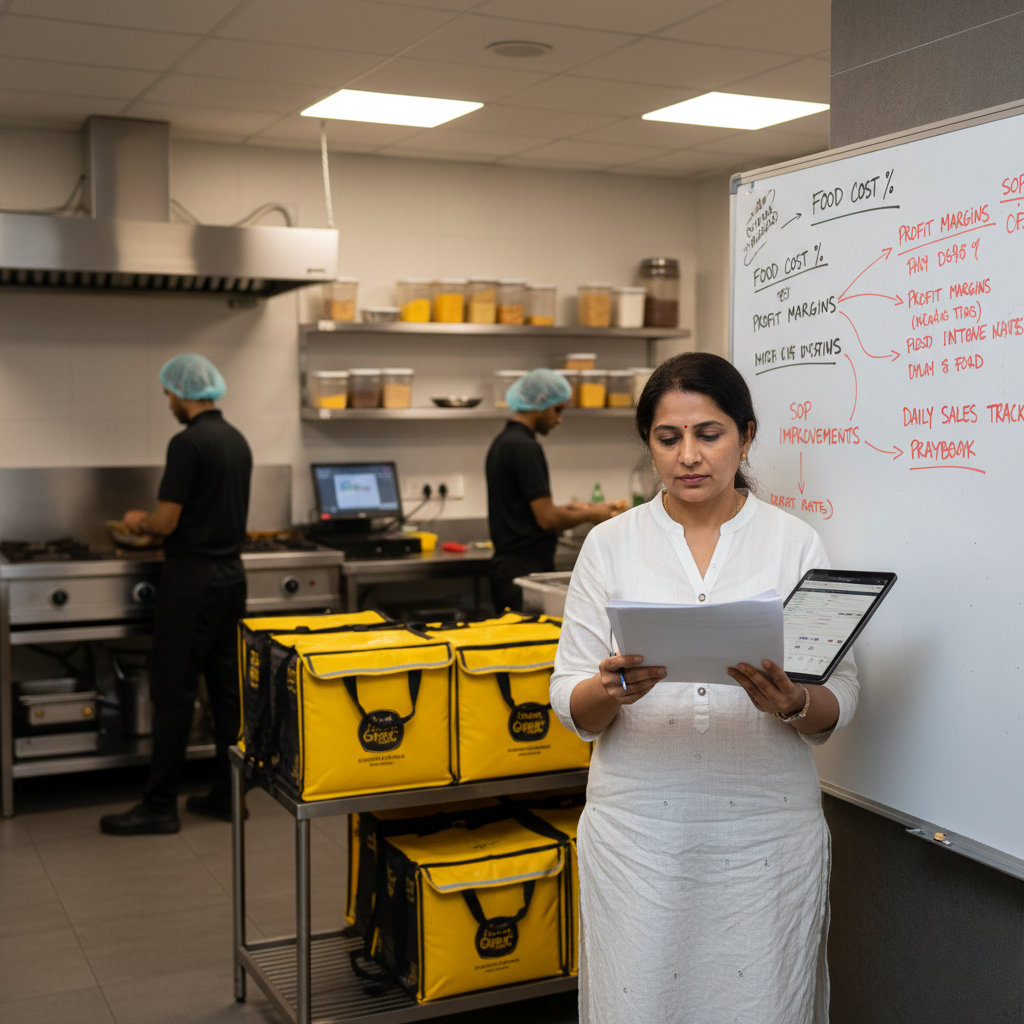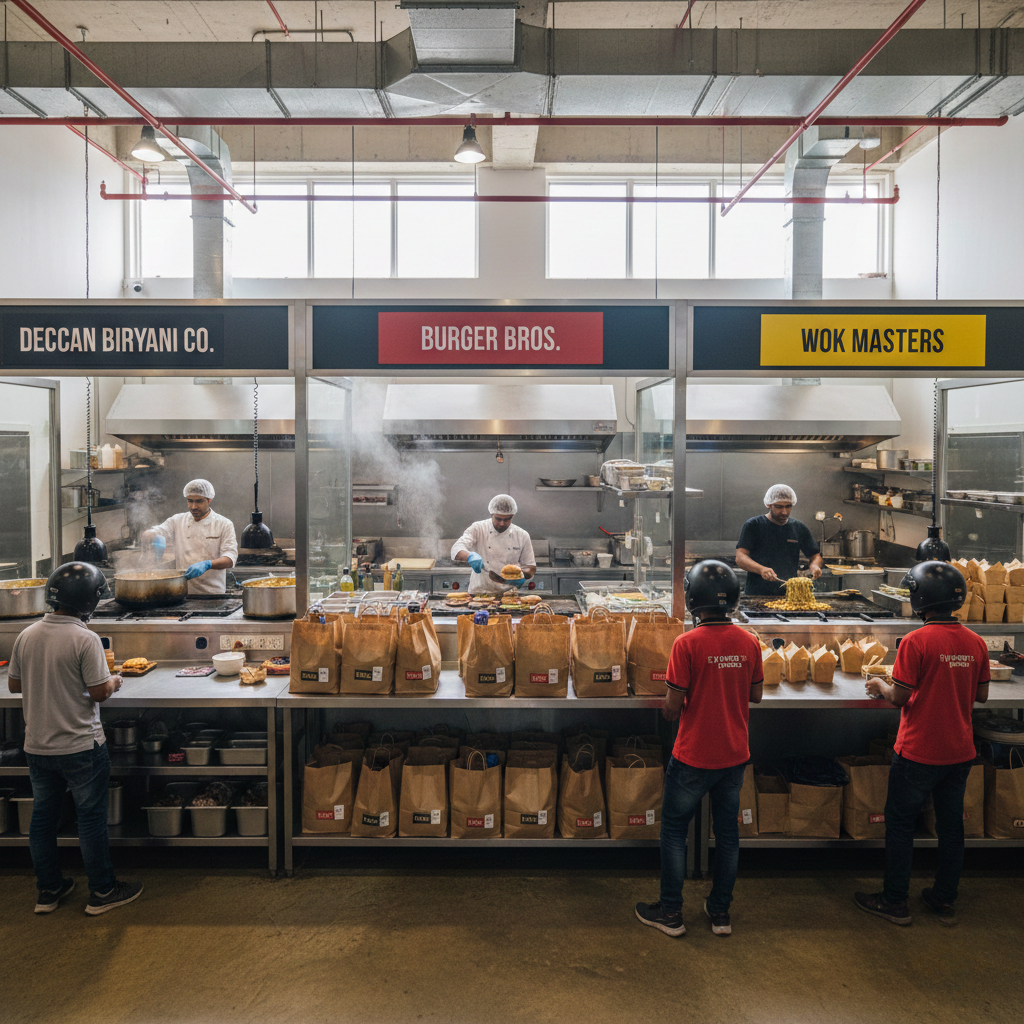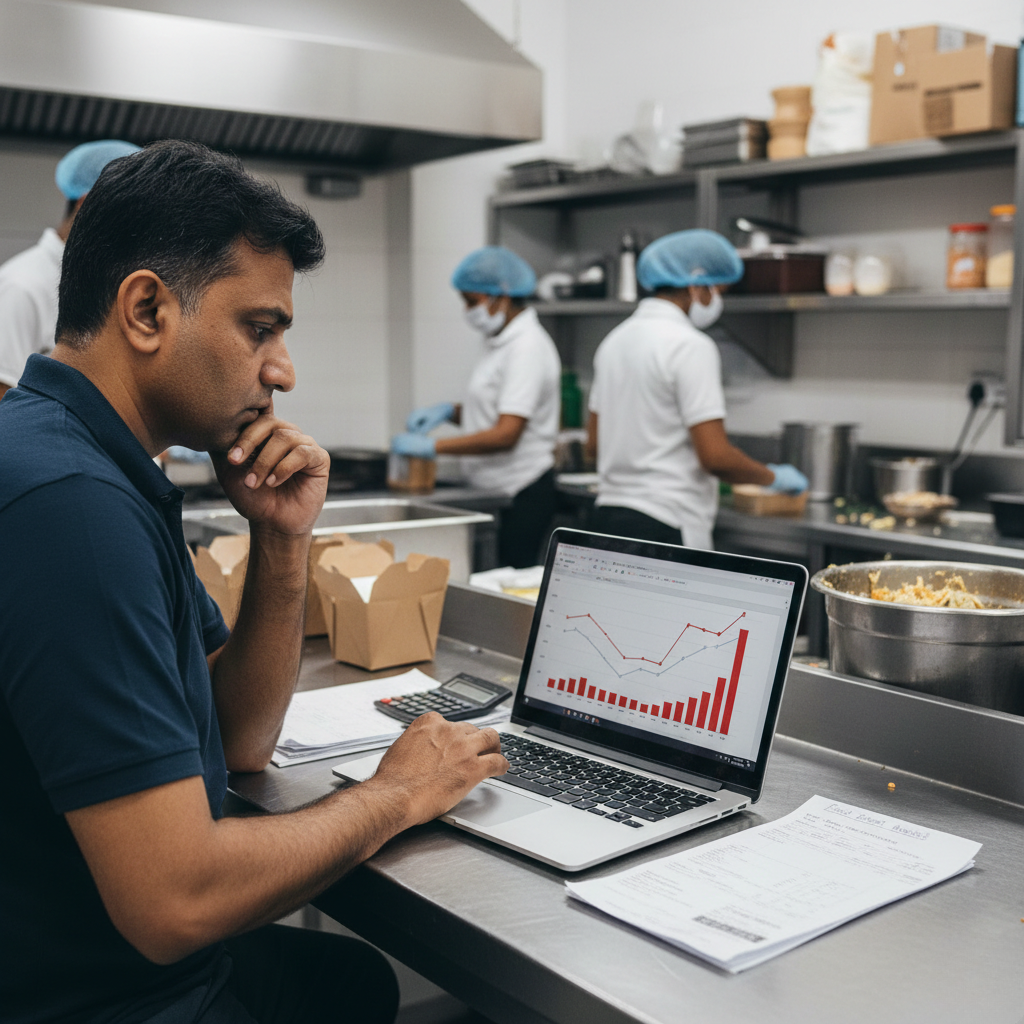
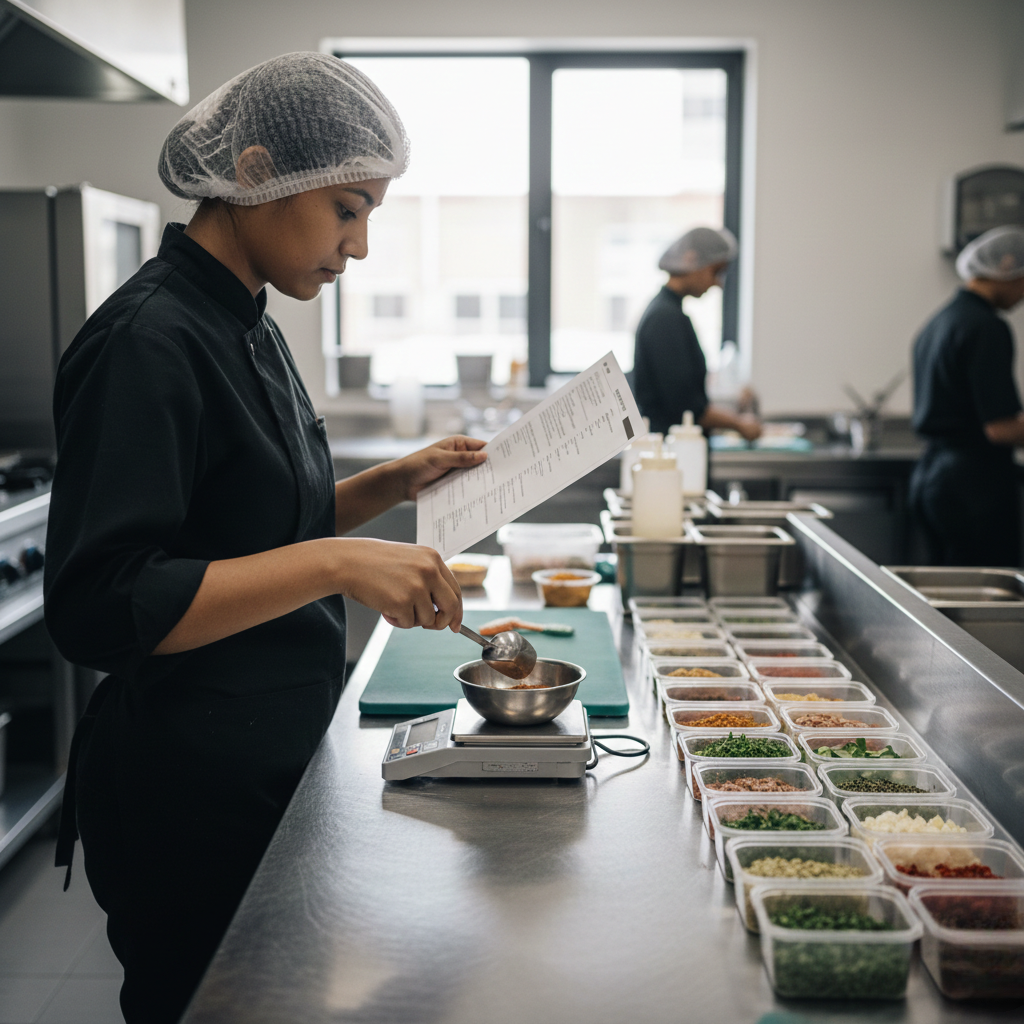
Cloud Kitchen Waste Reduction Case Study-This case study documents how a multi-brand cloud kitchen reduced operational waste and directly improved profit margins without increasing prices or cutting customer portions. On the surface, the kitchen appeared stable, but margins were being quietly eroded by daily wastage-an issue many founders overlook, as discussed in Why My Cloud Kitchen Profits Are Declining.
Over a sixty-day period, the kitchen achieved a significant reduction in food, packing, and rework-related waste purely by fixing execution gaps inside the operation. No menu items were changed, no suppliers were replaced, and no discounts were introduced. The improvement came entirely from operational discipline and systemisation, similar to approaches used when Fixing Cloud Kitchen Delays, Refunds, and Complaints.
Case Background
The kitchen operated three delivery-only brands from a single facility, handling between one hundred seventy and two hundred twenty orders per day. Swiggy and Zomato together accounted for the majority of revenue. Customer ratings across brands remained stable between 4.1 and 4.4.
Despite consistent order flow, margins failed to improve. Food cost reports showed variance, packaging consumption was high, and re-cooks were frequent-but these issues were treated as part of daily operations rather than controllable losses. This pattern is commonly observed in kitchens that scale before stabilising internal systems, as explained in How to Stabilise Profits Before Scaling.
Waste was spread across multiple touchpoints-over-prepping, expired batches, re-cooked orders, packing errors, and unsold prepared food. These symptoms strongly indicated weak SOP adherence, similar to issues outlined in Cloud Kitchen Without SOPs vs After SOP Implementation.
The Core Problem
The founder initially believed waste was unavoidable in a high-volume delivery kitchen. Since individual waste incidents seemed small, they were rarely tracked or escalated.
A deeper operational review revealed that waste was not random-it was the result of repeatable execution failures happening across prep, cooking, packing, and dispatch. This shift in thinking mirrors the realisation many founders reach when growth starts damaging operations, as described in When Growth Is Hurting Your Cloud Kitchen Operations.
Intervention: Waste Pattern Audit
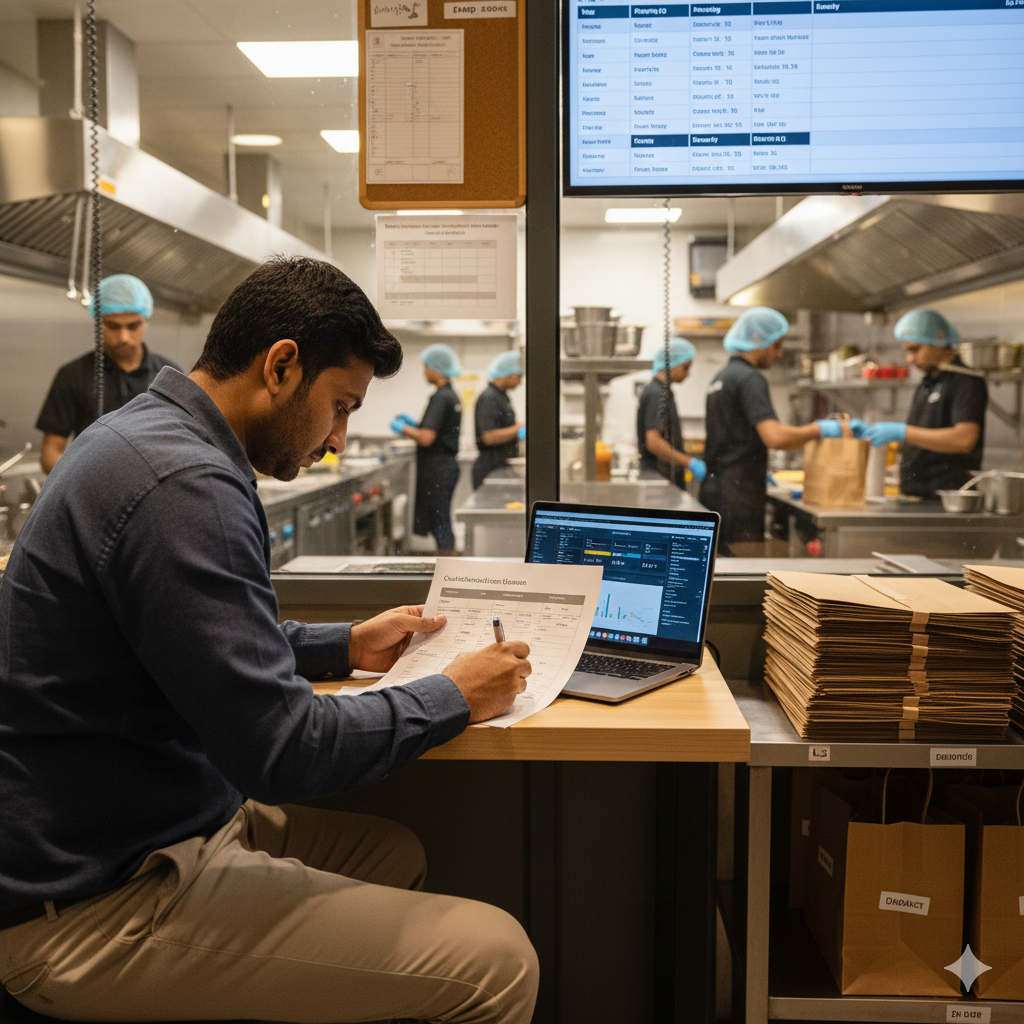
The first intervention involved a detailed waste audit across thirty days. Instead of focusing only on expired inventory, all forms of waste-including re-cooks, spillage, incorrect packing, and unsold prepared food-were manually logged.
This diagnostic approach followed the same methodology used when analysing contribution margins in cloud kitchens, linking operational failures directly to financial impact.
The audit revealed that more than seventy percent of waste was caused by internal execution gaps rather than forecasting errors or supplier issues.
Intervention: Identifying Waste Creation Points
A complete order and production flow was mapped-from raw material prep to rider handoff. Observations across multiple shifts highlighted where waste was being created and ignored.
Over-prepping during peak anticipation, inconsistent portioning, delayed orders leading to re-cooks, and packing errors were the most common waste triggers. No single role owned waste prevention once food entered the production cycle. These patterns are typical of founder-dependent kitchens before systems are introduced, as explained in Founder-Dependent Kitchen Converted Into System-Driven Operations.
Intervention: Waste-Control SOP Systems
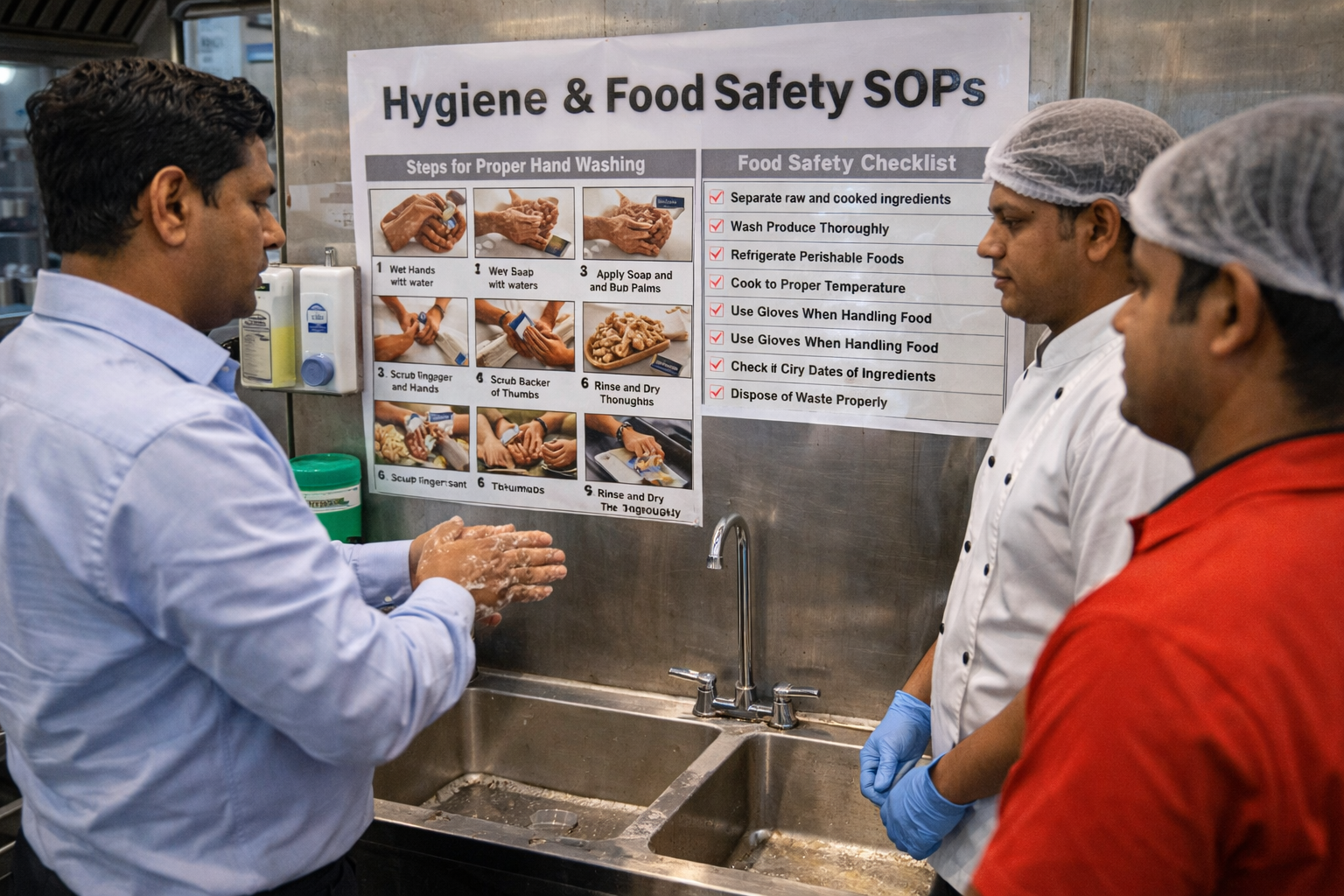
The kitchen introduced waste-control SOPs across prep, cooking, and packing stages. Batch sizes were standardised, re-cook triggers were reduced, and packing accuracy was reinforced.
Waste logging was made mandatory, not for punishment but for visibility. These controls reinforced principles discussed in How SOPs Improve Cloud Kitchen Profitability.
Accountability was introduced through shift-level ownership, ensuring waste incidents were reviewed and corrected quickly rather than repeated silently.
Importantly, these changes were implemented without reducing portion sizes, altering recipes, or slowing service speed.
Intervention: Shift-Level Waste Discipline
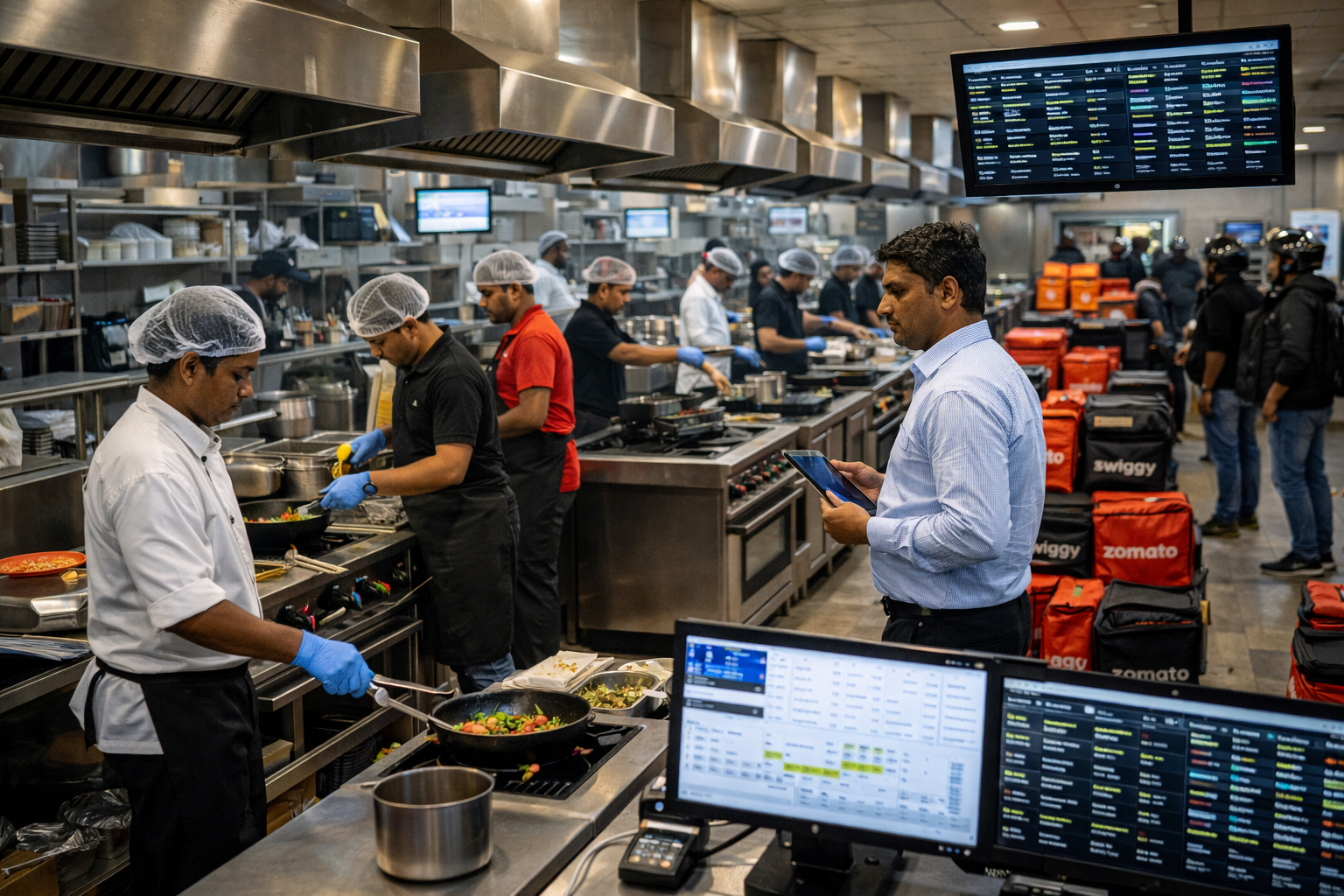
Daily shift briefings included a short review of one waste incident from the previous day. This aligned closely with principles outlined in Daily Shift Planning for Cloud Kitchens.
Over time, staff began proactively preventing waste instead of reacting after losses occurred. Waste reduction became part of daily execution, not a separate initiative.
Outcome and Results
Within sixty days, total operational waste reduced by more than forty-five percent. Re-cooks dropped sharply, prep accuracy improved, and unsold food wastage was brought under control.
Contribution margins improved without any negative impact on customer ratings or order fulfilment speed-proving that waste reduction is one of the fastest ways to improve profitability without growth pressure.
Key Case Study Takeaways
This case study demonstrates that waste is rarely accidental. It is usually the outcome of weak systems and unclear ownership. When waste is made visible and controlled through SOPs and daily discipline, margin improvement follows naturally.
Related Case Studies and Reads
Readers exploring margin improvement also read
Have Questions?
If you want deeper clarity on waste reduction systems, SOP design, or margin recovery, detailed answers are available in the Grow Kitchen FAQs.
External References
To explore more insights on cloud kitchen systems and execution, visit