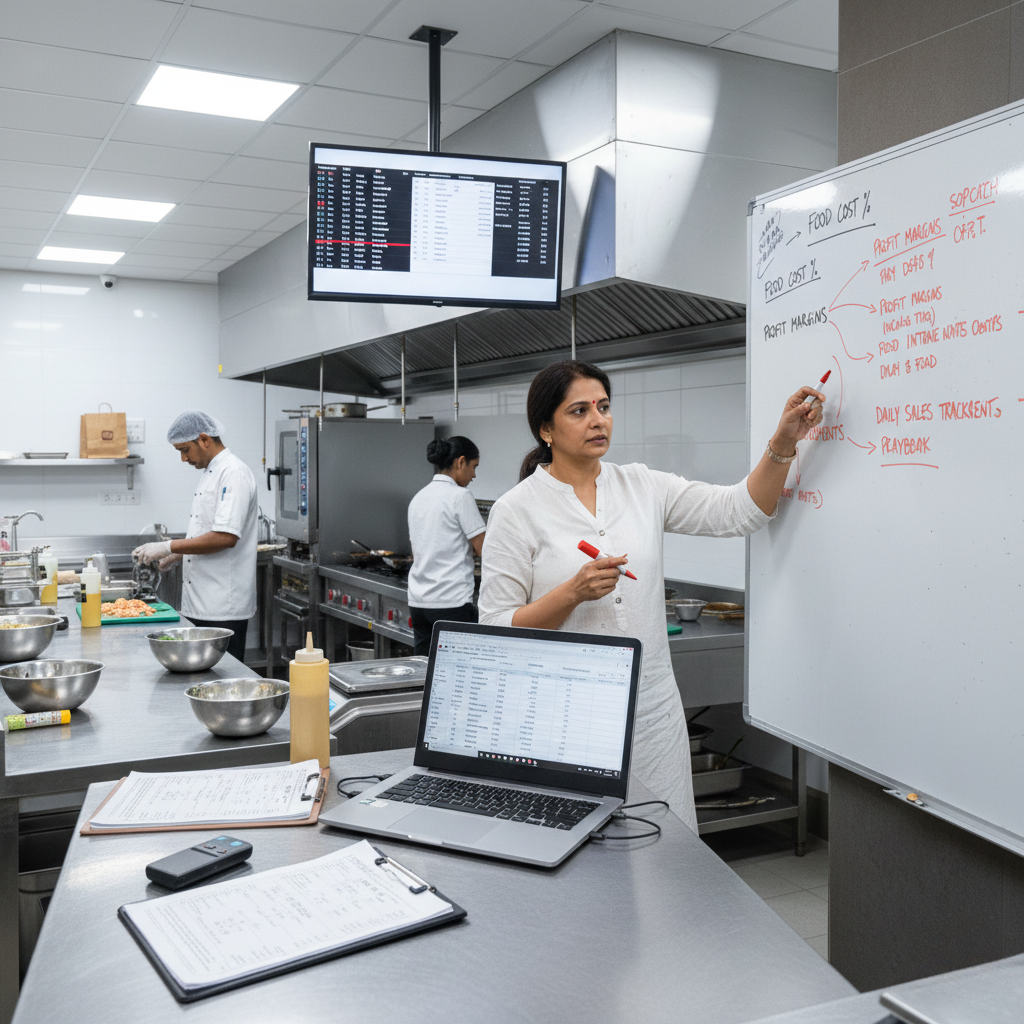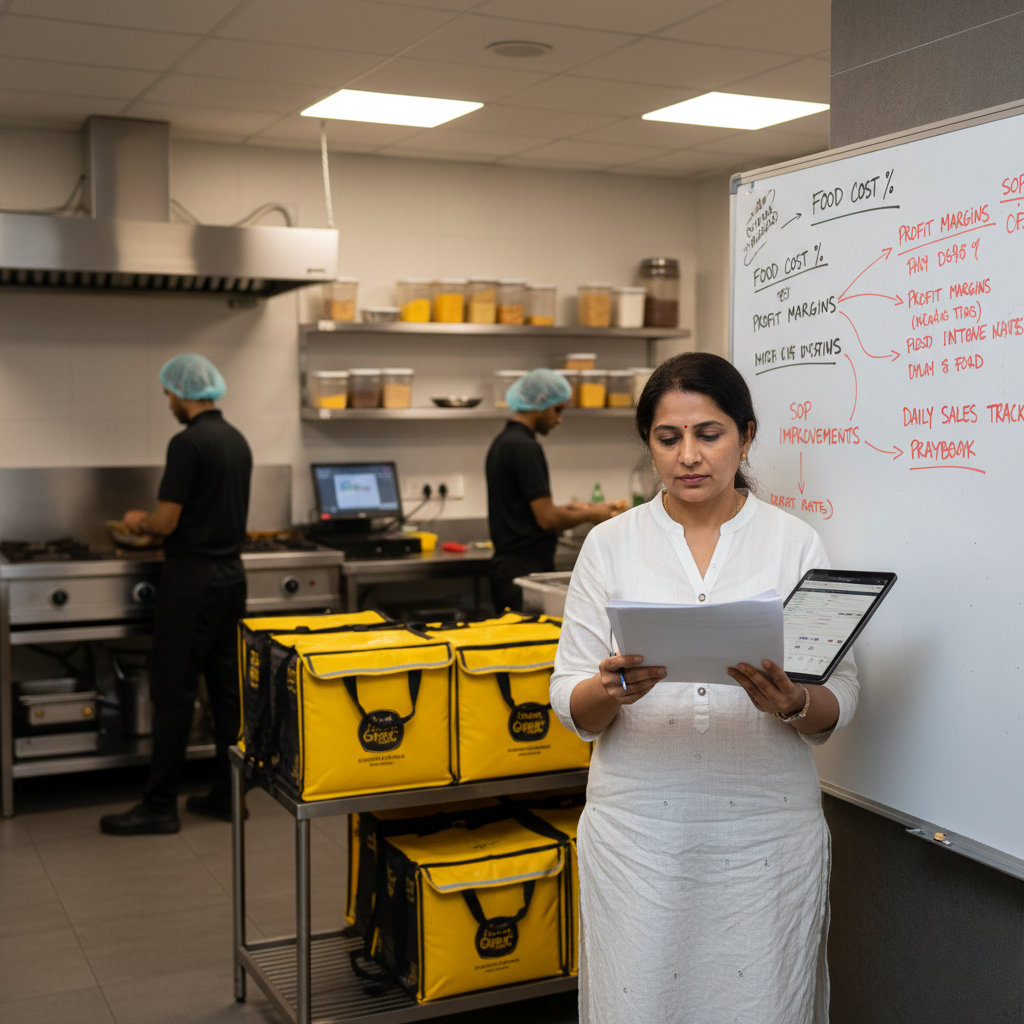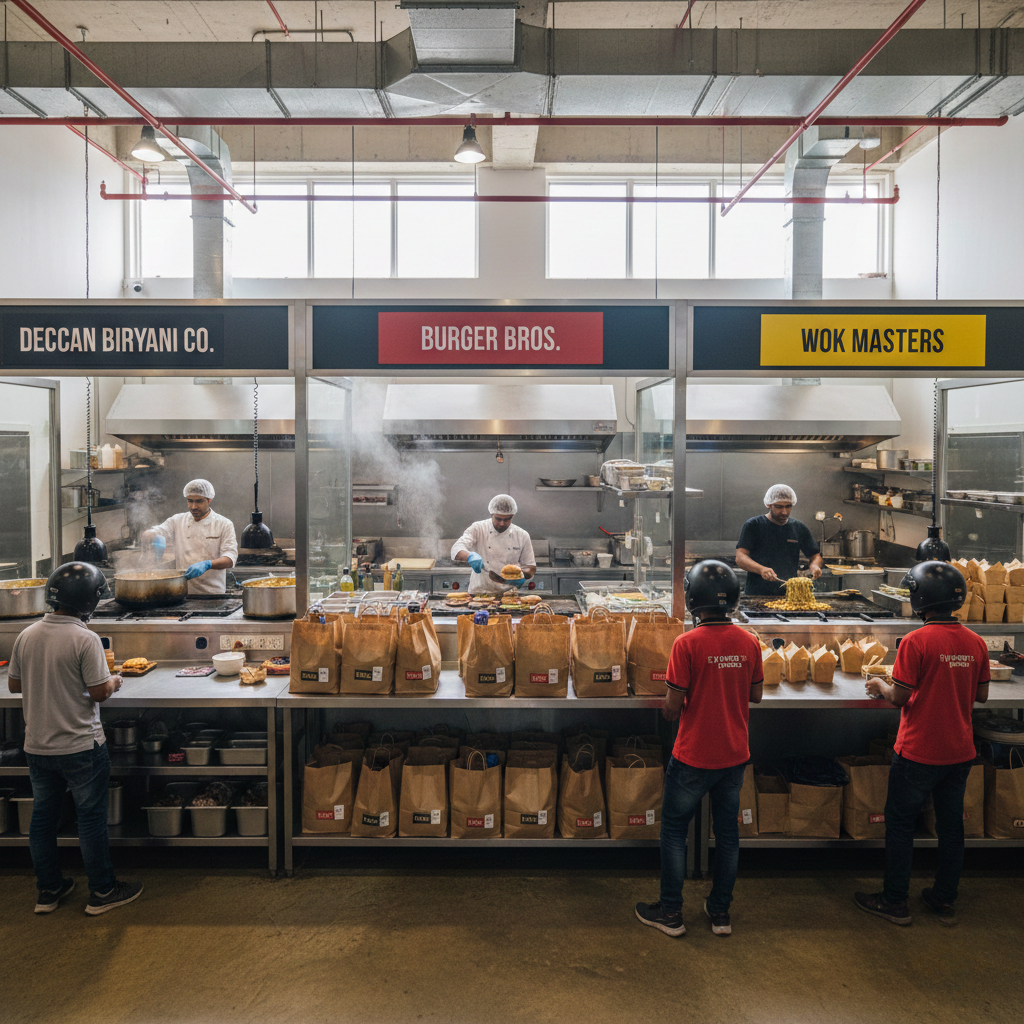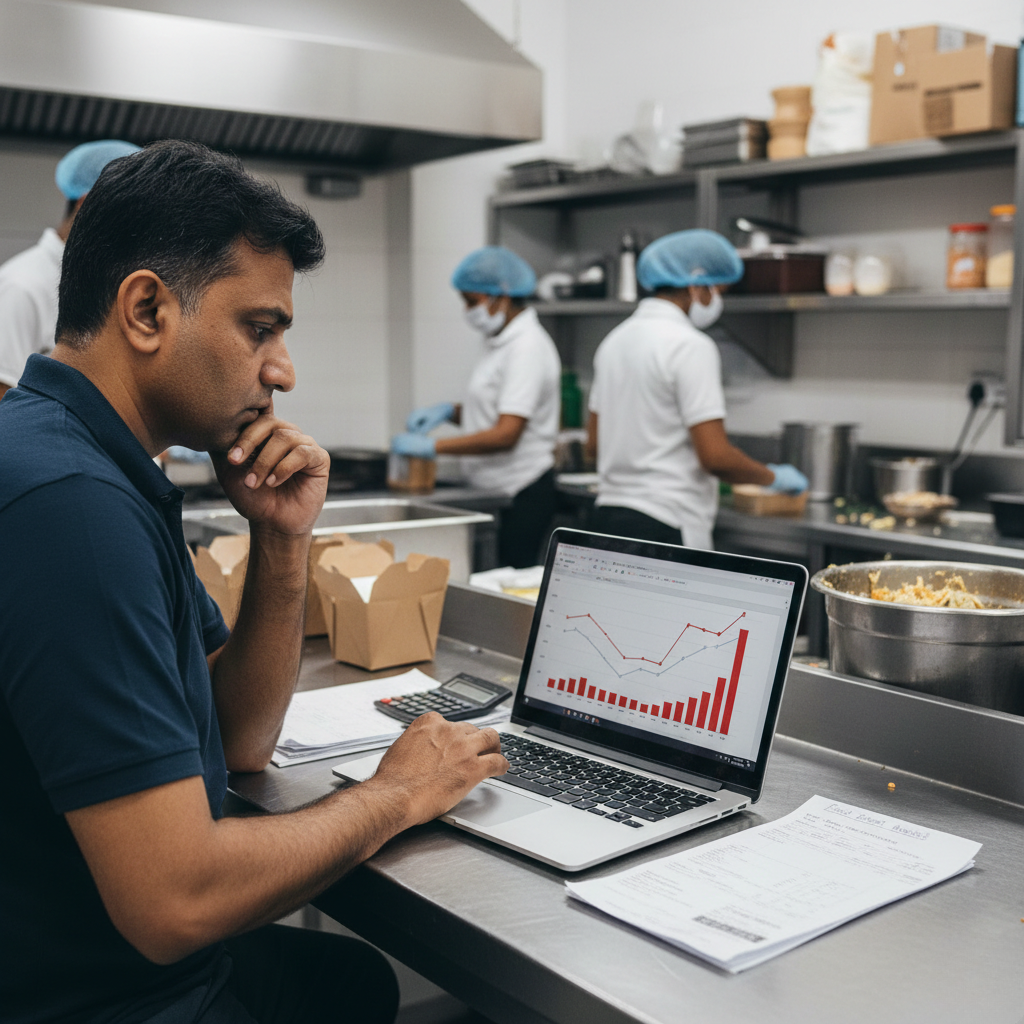
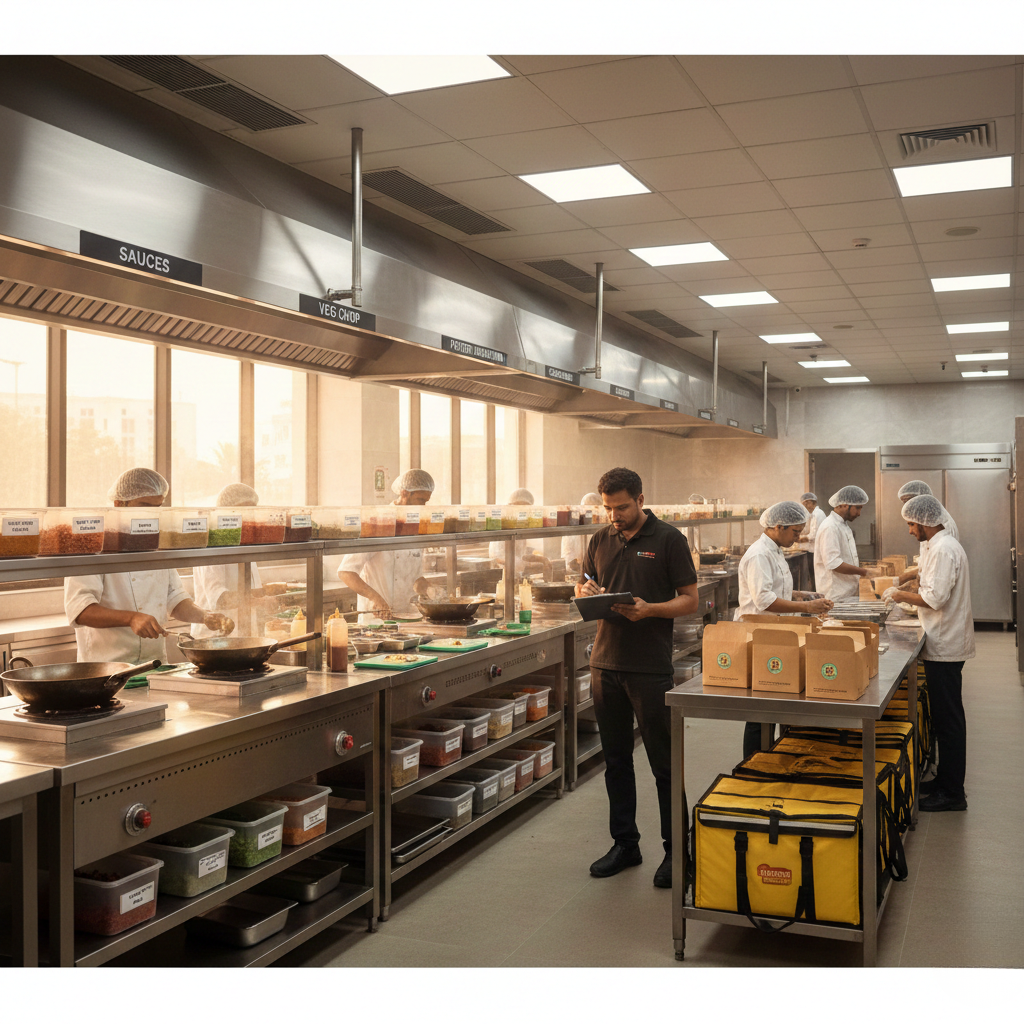
Cloud Kitchen Scale-Ready Operations Case Study-This case study documents how a growing cloud kitchen transformed fragile, founder-driven execution into scale-ready operations using CKaaS systems. While demand and order volume were increasing, the kitchen was not structurally prepared to handle growth without breakdowns-an issue many founders realise too late, as discussed in Why My Cloud Kitchen Profits Are Declining.
Instead of expanding aggressively, the founder paused growth to build operational foundations. Over a structured period, the kitchen focused entirely on systems, discipline, and repeatability. No menu changes were made, no pricing adjustments were introduced, and no discounts were offered-similar to approaches used when Fixing Cloud Kitchen Delays, Refunds, and Complaints.
Case Background
The kitchen operated multiple delivery-only brands from a single location, averaging between one hundred sixty and two hundred orders per day. Ratings were stable, and platform traction was improving.
Despite outward growth, operations relied heavily on the founder’s presence. Small deviations in staff performance caused delays, errors, and stress-classic early warning signs seen when kitchens scale without systems, as explained in How to Stabilise Profits Before Scaling.
While the kitchen was not loss-making, it was not scalable. Execution quality varied by shift, and consistency depended on individual experience rather than process-symptoms commonly found in kitchens without strong SOP frameworks, as outlined in Cloud Kitchen Without SOPs vs After SOP Implementation.
The Core Problem
The founder initially believed that operational maturity would come naturally with time and growth.
However, deeper analysis showed that without systems, growth would only amplify chaos. This shift in perspective mirrors what many founders experience when operations start breaking under volume, as described in When Growth Is Hurting Your Cloud Kitchen Operations.
Intervention: Operational Readiness Audit
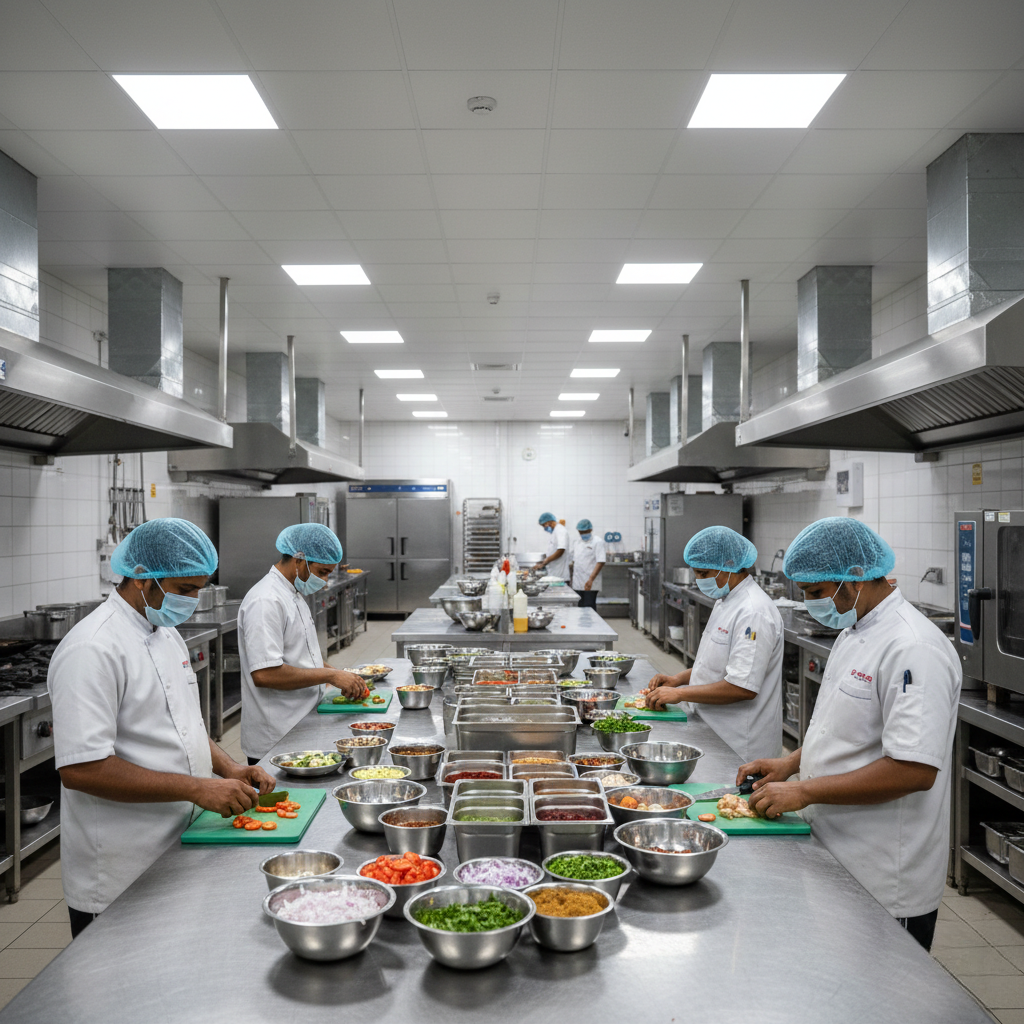
The first intervention involved evaluating whether the kitchen was truly ready to scale. Each function-prep, packing, dispatch, inventory handling, and shift supervision-was assessed for consistency and repeatability.
This diagnostic approach went beyond surface-level metrics and focused on structural reliability, similar to methods used when analysing contribution margins in cloud kitchens.
The audit revealed that most operational knowledge lived in people’s heads, not in systems-making scale risky and unpredictable.
Intervention: Identifying Scale Breakpoints
A detailed order journey mapping exercise was conducted to identify where execution would fail as volume increased.
Founder dependency, inconsistent SOP usage, and unclear accountability emerged as the biggest scale blockers. These patterns closely resembled issues seen in early-stage kitchens before systemisation, as explained in Founder-Dependent Kitchen Converted Into System-Driven Operations.
Intervention: CKaaS Systemisation
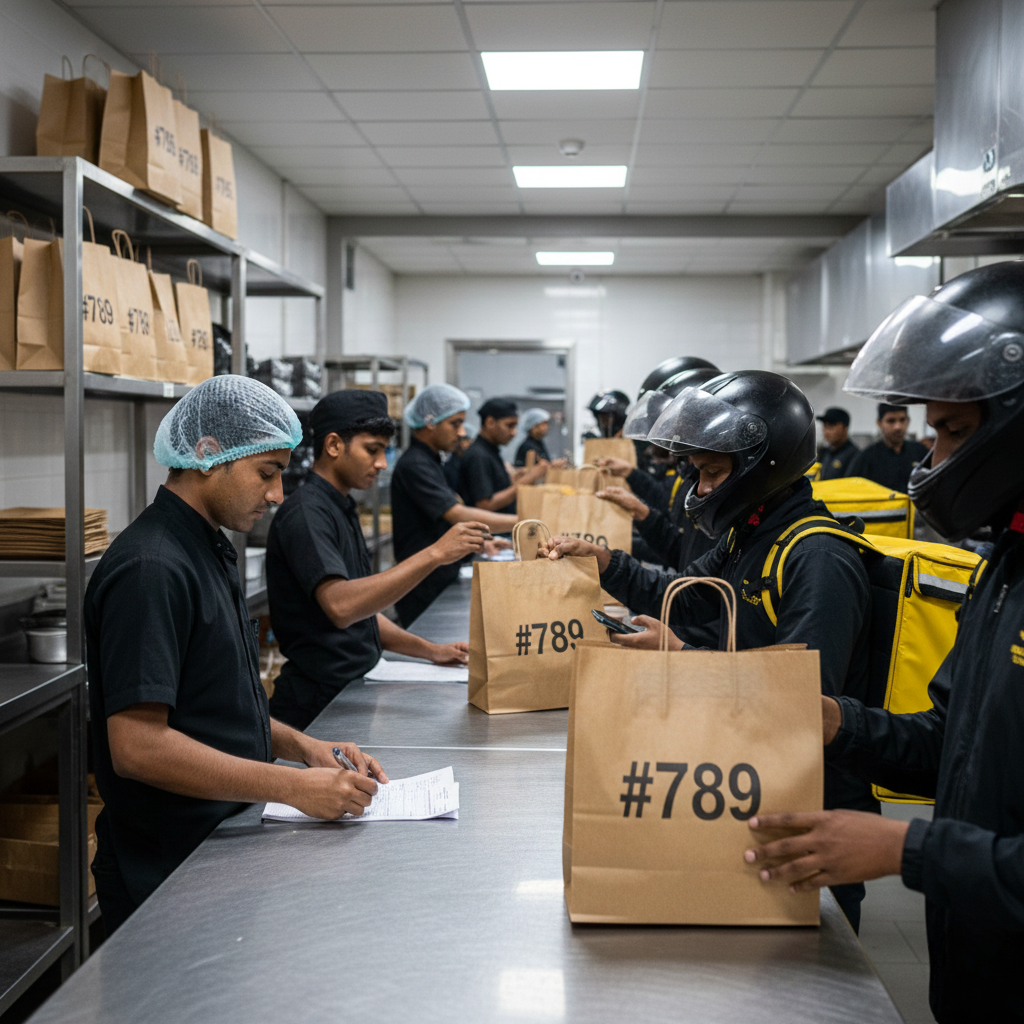
CKaaS systems were introduced to convert execution into documented, repeatable processes. Every critical task was standardised with clear SOPs, role ownership, and quality checks.
Visual SOPs were deployed at workstations, accountability mechanisms were introduced, and shift-level ownership was defined-reinforcing principles discussed in How SOPs Improve Cloud Kitchen Profitability.
The goal was not speed, but predictability-ensuring that output remained consistent regardless of who was on shift.
Intervention: Shift-Level Discipline
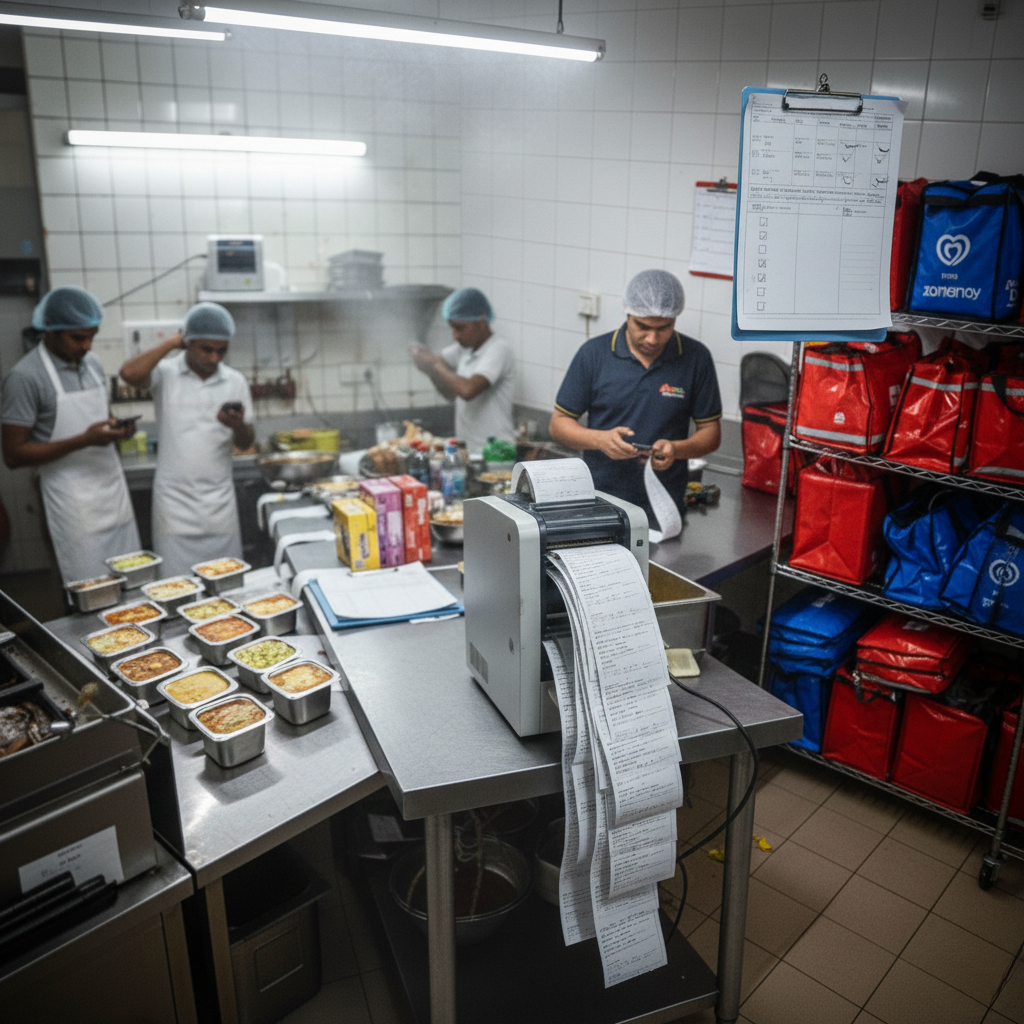
Daily shift-level routines were introduced to reinforce execution discipline and catch deviations early.
These practices aligned closely with principles outlined in Daily Shift Planning for Cloud Kitchens.
Over time, teams began self-correcting without founder intervention.
Outcome and Results
Within ninety days, operational variance reduced significantly. Execution became consistent across shifts, errors declined, and dependency on the founder dropped sharply.
Most importantly, the kitchen became genuinely scale-ready. Growth decisions could now be made with confidence, backed by systems rather than assumptions.
Key Case Study Takeaways
This case study demonstrates that scale is not achieved by adding outlets or brands-it is achieved by building systems that make execution repeatable. CKaaS converts growth from a risk into a controlled process.
Related Case Studies and Reads
Readers exploring operational scale-readiness also read
Have Questions?
If you want deeper clarity on building scale-ready operations using CKaaS systems, detailed answers are available in the Grow Kitchen FAQs.
External References
To explore more insights on cloud kitchen systems and execution, visit