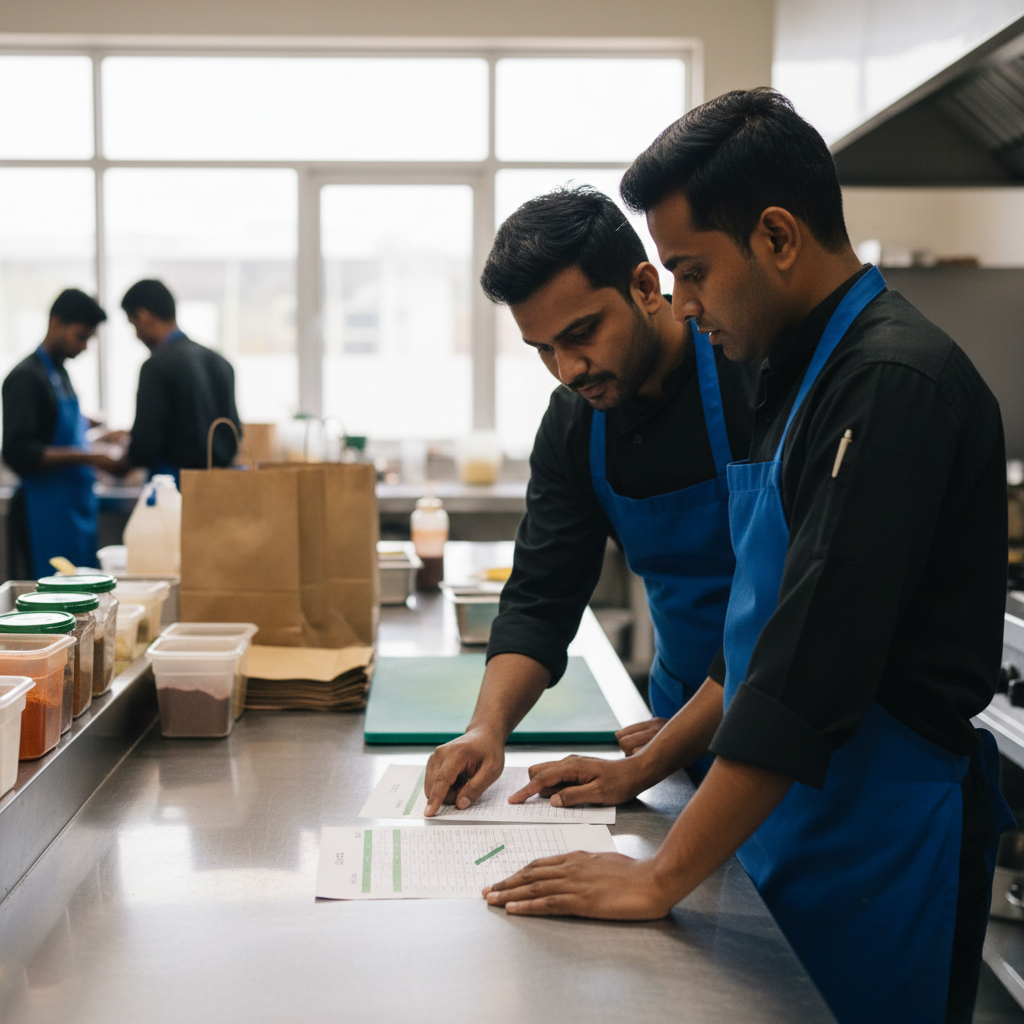
Cloud Kitchen P&L Case Study — This case study documents how a multi-brand cloud kitchen moved from guesswork-driven profit and loss tracking to predictable monthly numbers after implementing CKaaS systems.
Despite healthy order volume, the founder had no confidence in month-end profitability. Over ninety days, the kitchen achieved stable and forecastable contribution margins without changing menu prices or discount strategy.
Cloud Kitchen P&L Case Study: Case Background
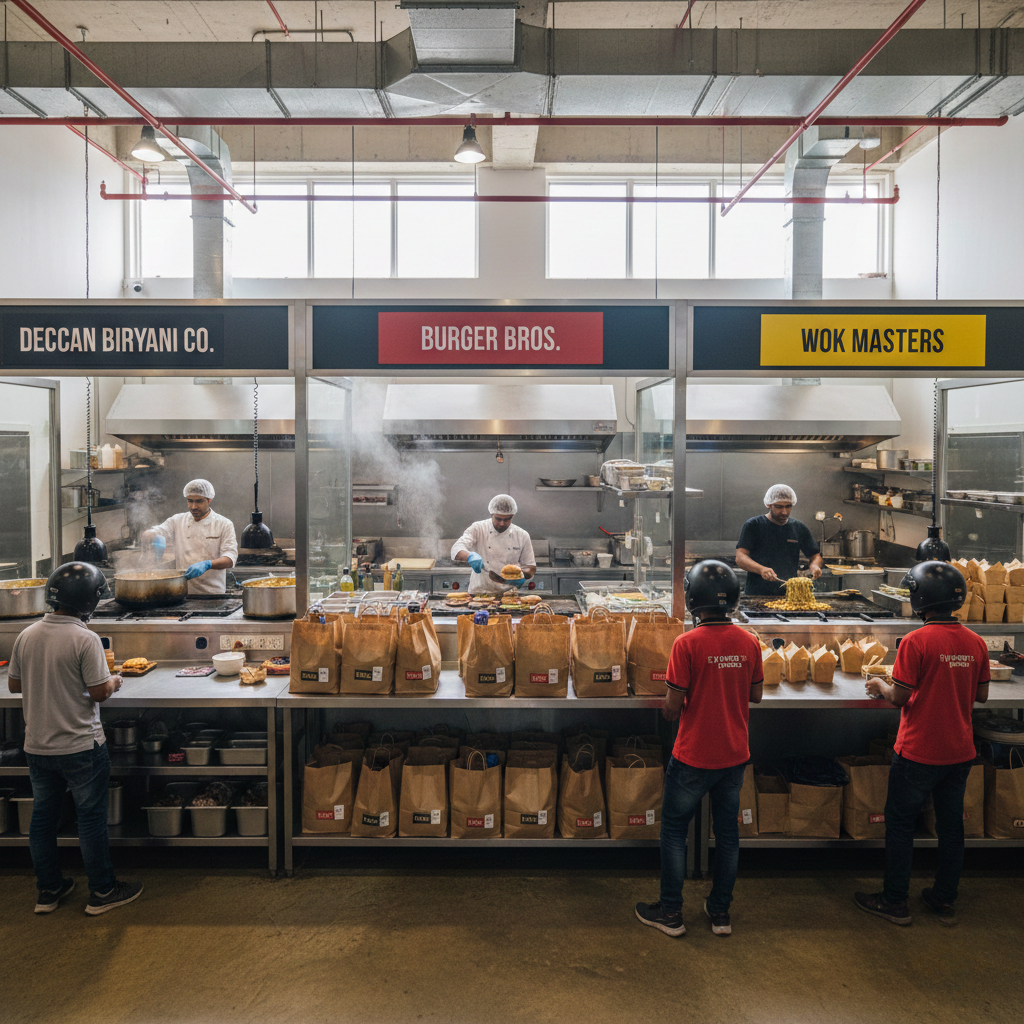
The kitchen operated three delivery-only brands from a single facility, handling between one hundred eighty and two hundred forty orders per day.
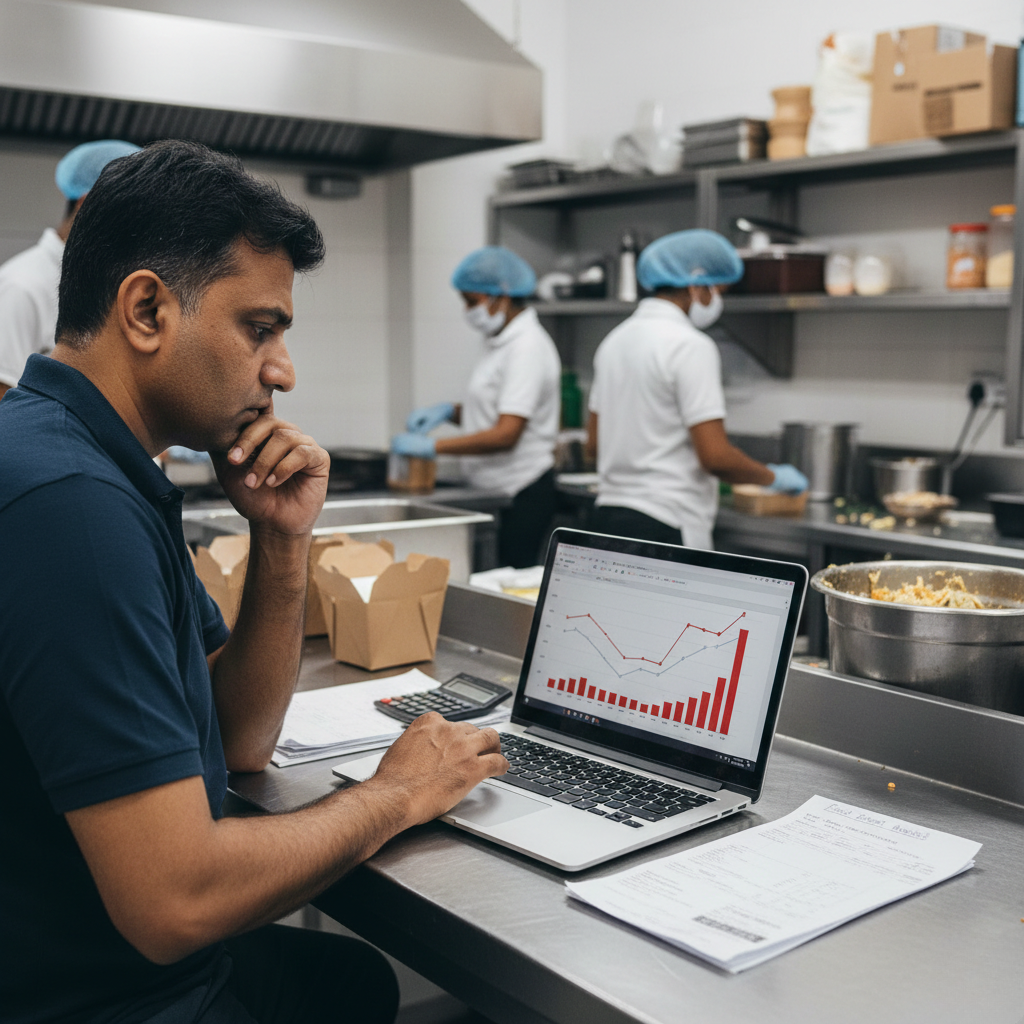
Despite steady demand, monthly P&L numbers fluctuated unpredictably. Some months showed profit, others losses, with no clear explanation.
This Cloud Kitchen P&L Case Study highlights how lack of financial visibility creates instability even when demand is strong.
Cloud Kitchen P&L Case Study: The Core Problem
The founder initially believed unpredictability was normal due to fluctuating demand and platform behaviour.
However, deeper analysis showed the issue was operational variance—refunds, wastage, manpower inefficiency, and cost leakage.
Intervention: Financial Variance Audit
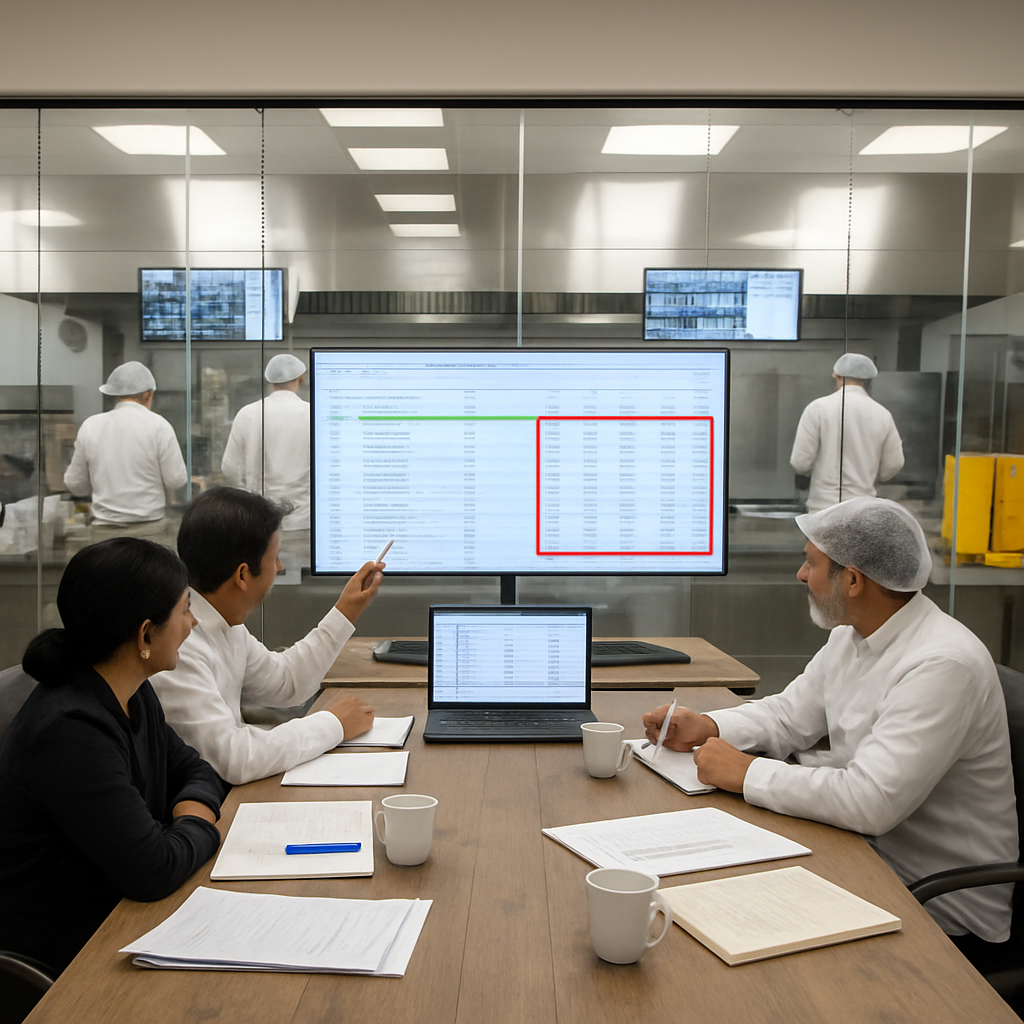
CKaaS conducted a ninety-day financial audit linking daily operations to financial outcomes instead of relying only on monthly P&L.
The audit revealed that most P&L variation came from repeatable execution gaps rather than external factors.
Intervention: Identifying Financial Leak Points
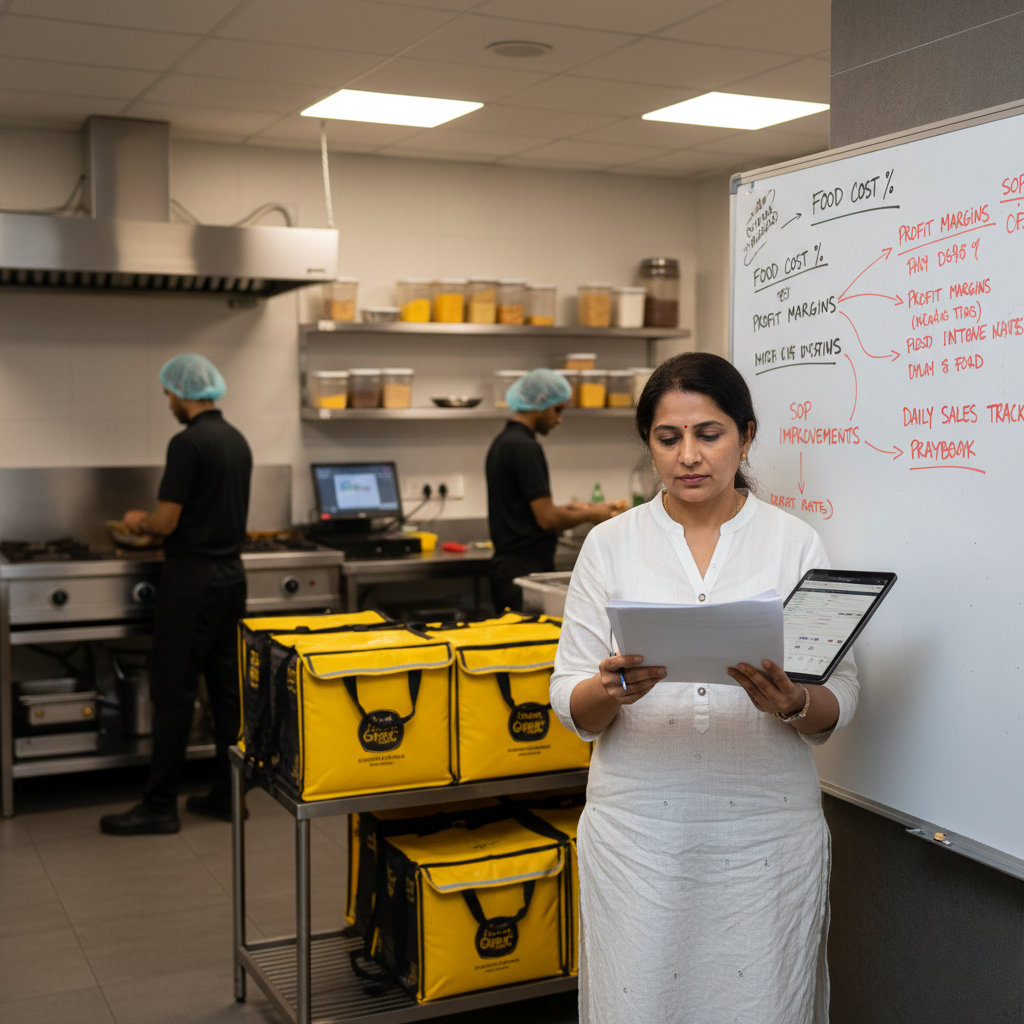
Refunds, cancellations, food wastage, packaging overuse, and manpower inefficiencies were tracked daily.
Small daily deviations were found to compound into large monthly losses.
Cloud Kitchen P&L Case Study: CKaaS Financial Control Systems
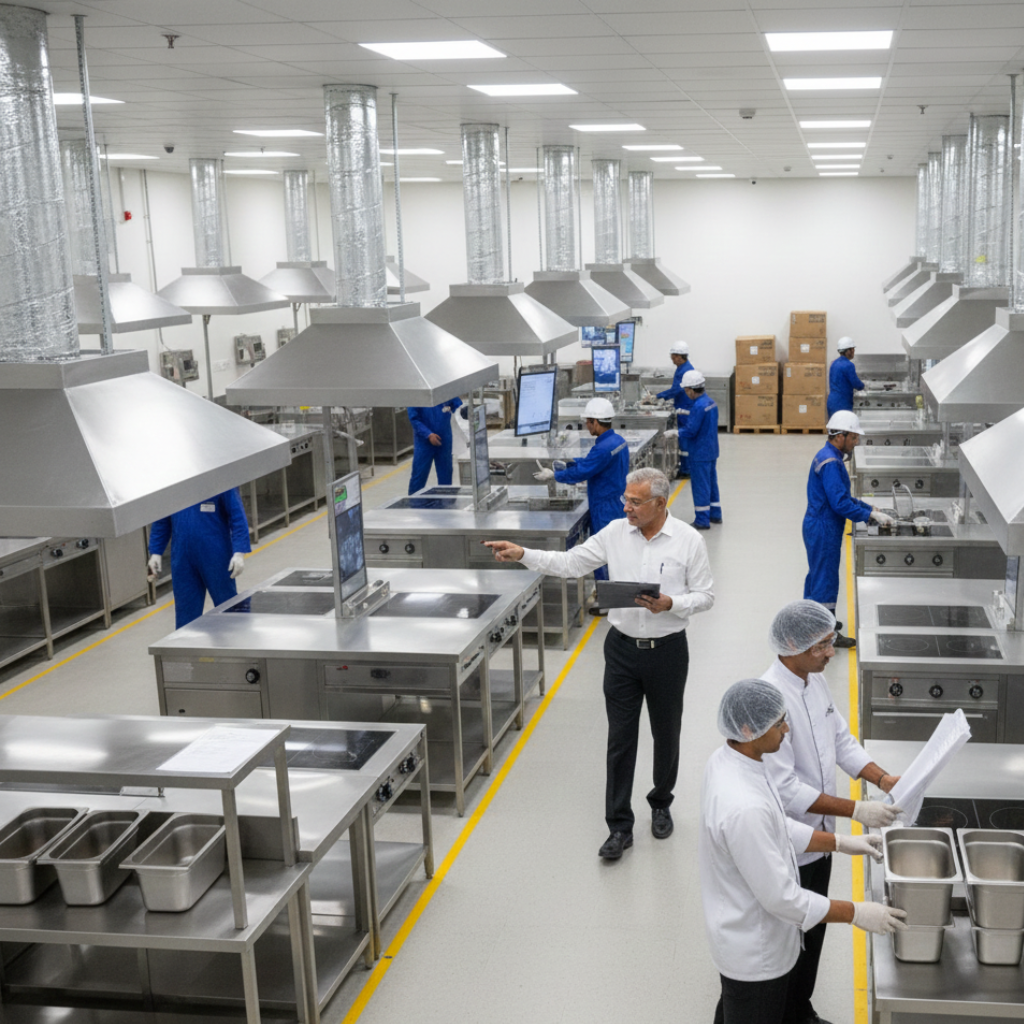
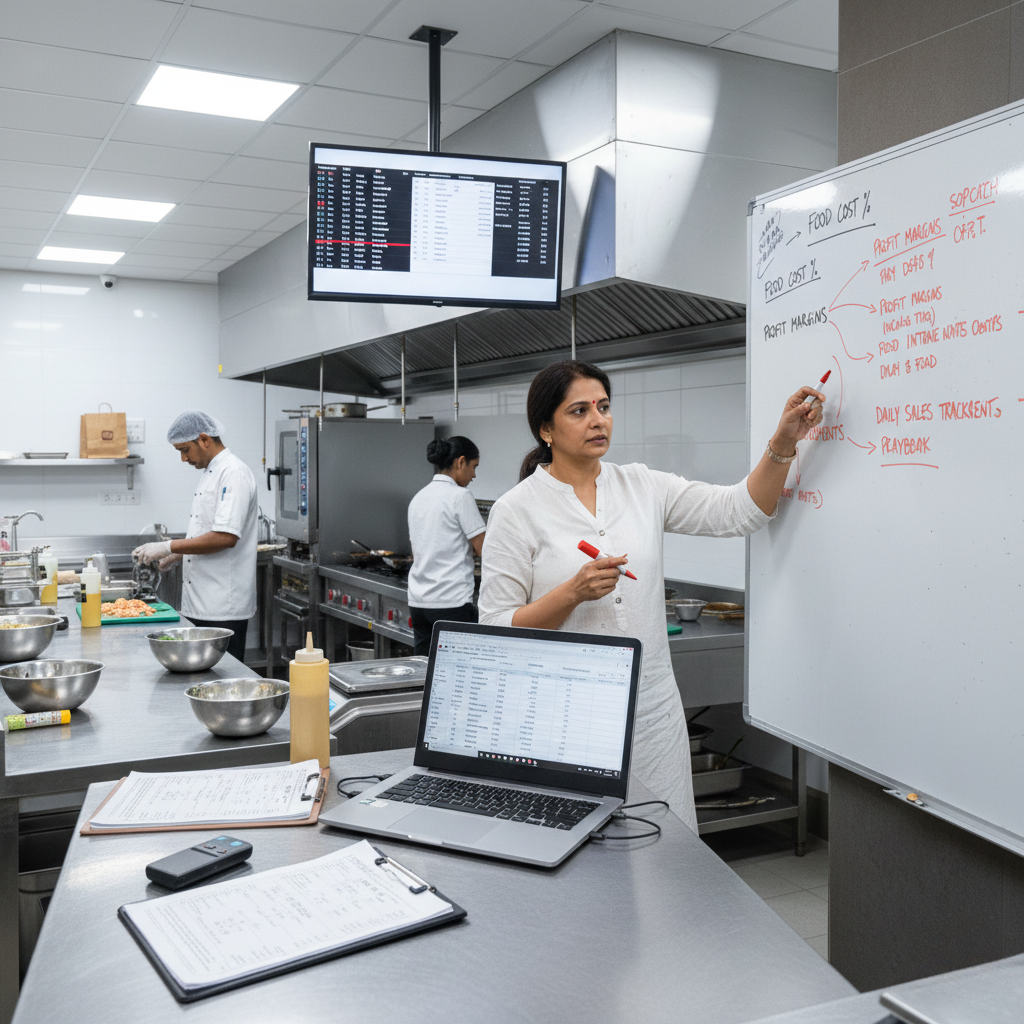
CKaaS introduced daily contribution margin tracking linked to operational KPIs like food cost, refunds, and labour efficiency.
SOPs were aligned directly to financial outcomes, ensuring that every operational action impacted profitability positively.
Early-warning systems ensured issues were corrected in real time rather than at month-end.
Operational Insight: Why P&L Becomes Unpredictable
Most cloud kitchens do not lose money due to lack of demand. They lose visibility into how daily actions impact financial results.
When financial tracking is done monthly, problems remain hidden until it is too late to fix them.
Without linking operations to numbers, founders rely on assumptions instead of data, leading to inconsistent profitability.
This Cloud Kitchen P&L Case Study shows that predictability comes from daily control, not monthly review.
Operational Insight: How Daily Tracking Improves Profit Predictability
Daily tracking ensures that every operational metric is visible and actionable. Instead of waiting for month-end reports, teams can identify issues immediately.
For example, if food cost rises on a particular day, corrective action can be taken instantly. This prevents small leaks from turning into major financial losses.
When teams understand the connection between execution and profitability, accountability improves across all roles.
Over time, daily tracking builds a predictable system where outcomes are controlled rather than guessed.
Intervention: Shift-Level Financial Discipline
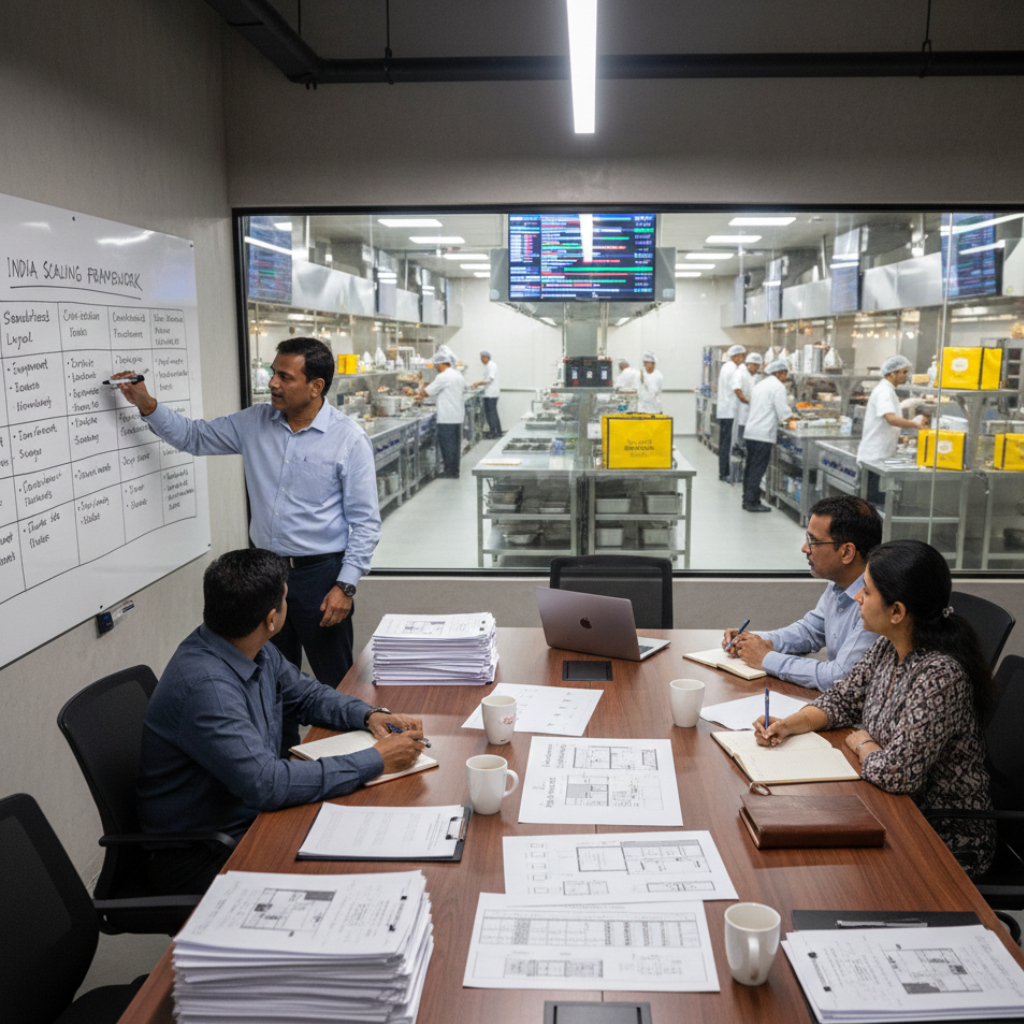
Each shift included a review of one financial metric from the previous day.
Teams began understanding how their daily actions impacted profitability, improving execution discipline.
Outcome and Results
Within ninety days, P&L variance reduced significantly. Contribution margins stabilised within a predictable range.
The founder could forecast profitability before month-end, eliminating guesswork.
Key Takeaways
Unpredictable P&L is not a market issue—it is a systems issue.
This Cloud Kitchen P&L Case Study proves that financial control starts with operational discipline.
Related Case Studies and Reads
- How to Fix a Loss-Making Cloud Kitchen
- Why Discounts Are Not Solving Your Profit Problem
- From 50 Orders to 300 Orders: Operations Scaling Guide
- Standardizing Kitchen Execution Across Shifts
Have Questions?
If you want deeper clarity on financial predictability, detailed answers are available in the Grow Kitchen FAQs.