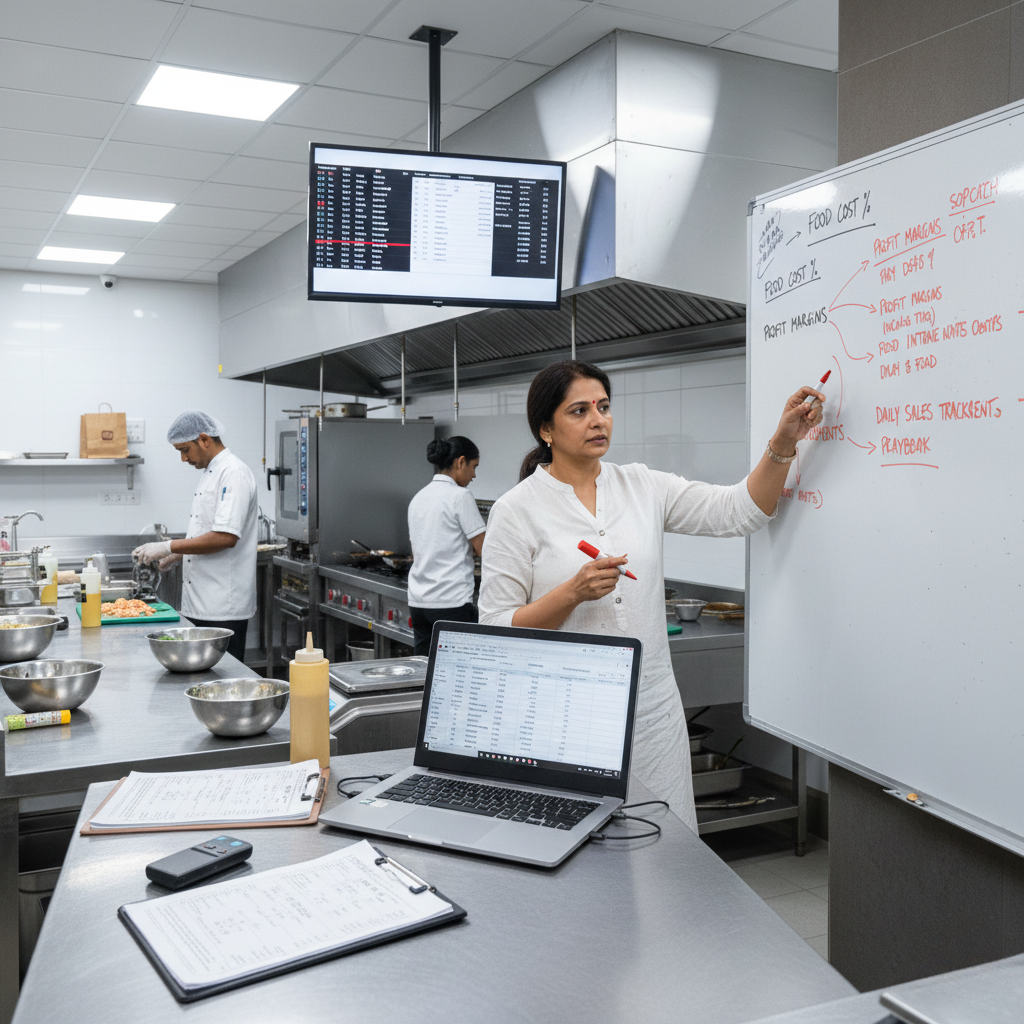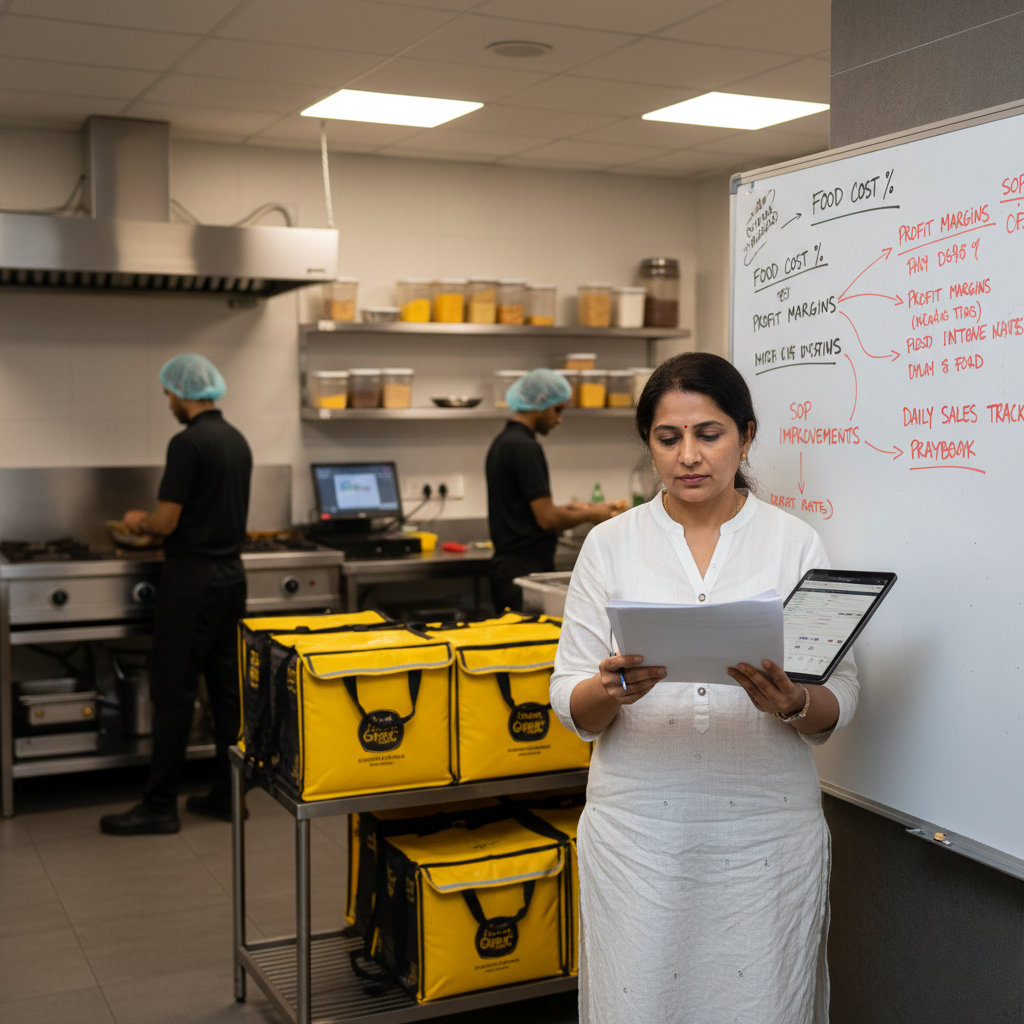
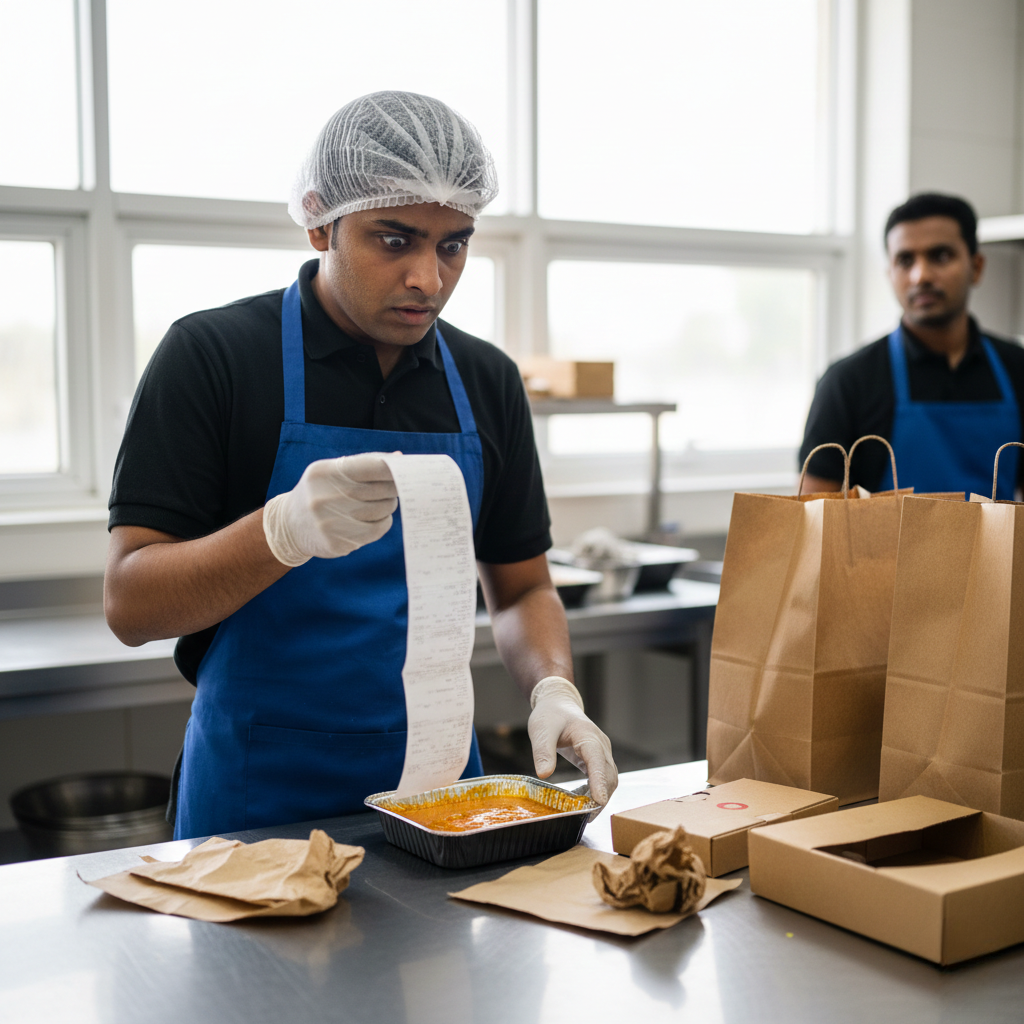
Cloud Kitchen Packing Errors Case Study-This case study documents how a high-volume cloud kitchen identified and fixed packing errors that were quietly eroding profit margins every single day. Despite stable ratings and consistent order flow, the business was struggling to retain profitability, a situation commonly seen by founders facing unexplained margin drops as discussed in Why My Cloud Kitchen Profits Are Declining.
Over a forty-five day intervention period, the kitchen reduced packing-related losses by more than fifty percent without changing its menu, pricing, or discounting strategy. The turnaround came entirely from tightening packing SOPs, accountability, and shift-level discipline-similar to outcomes seen when Fixing Cloud Kitchen Delays, Refunds, and Complaints.
Case Background
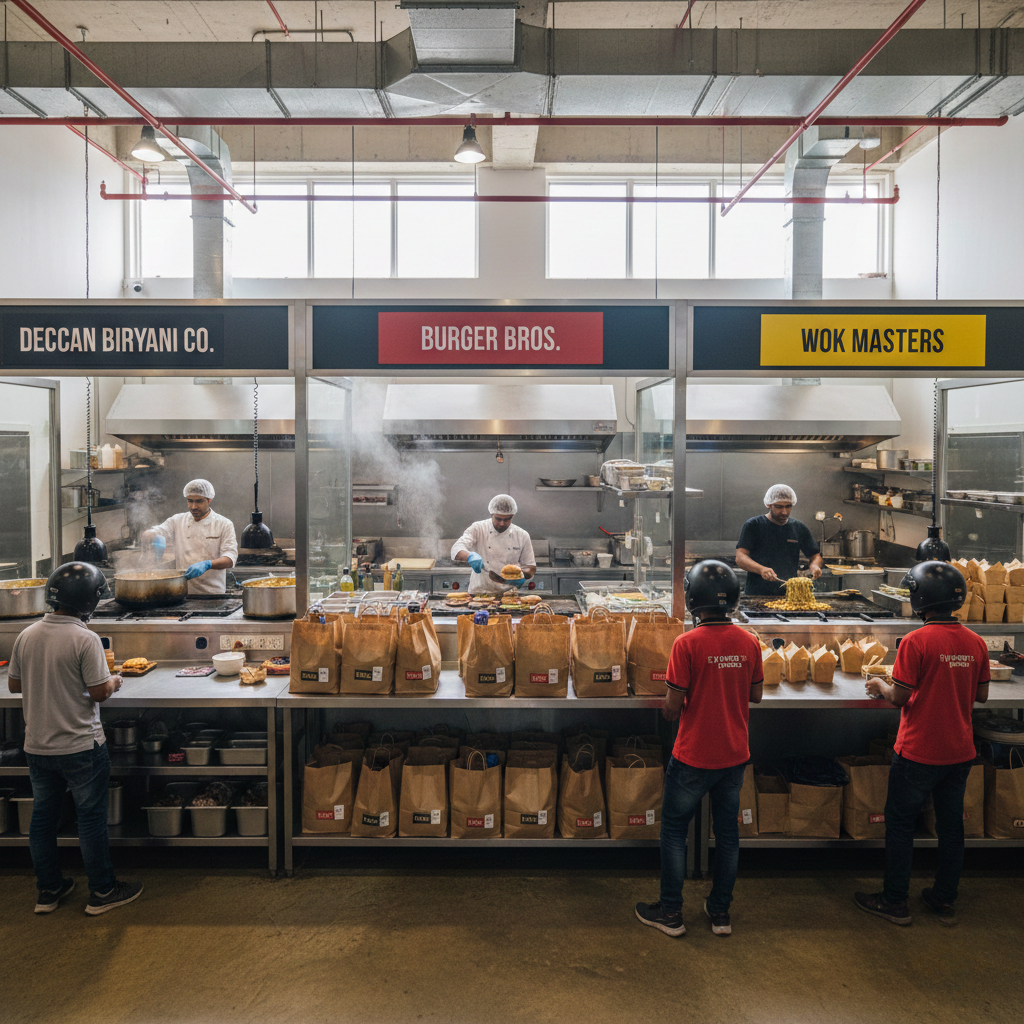
The kitchen operated two multi-cuisine brands from a single location, handling between one hundred fifty and two hundred orders per day. Swiggy and Zomato together contributed more than eighty percent of daily revenue. Customer ratings remained steady between 4.2 and 4.4, masking deeper operational inefficiencies.
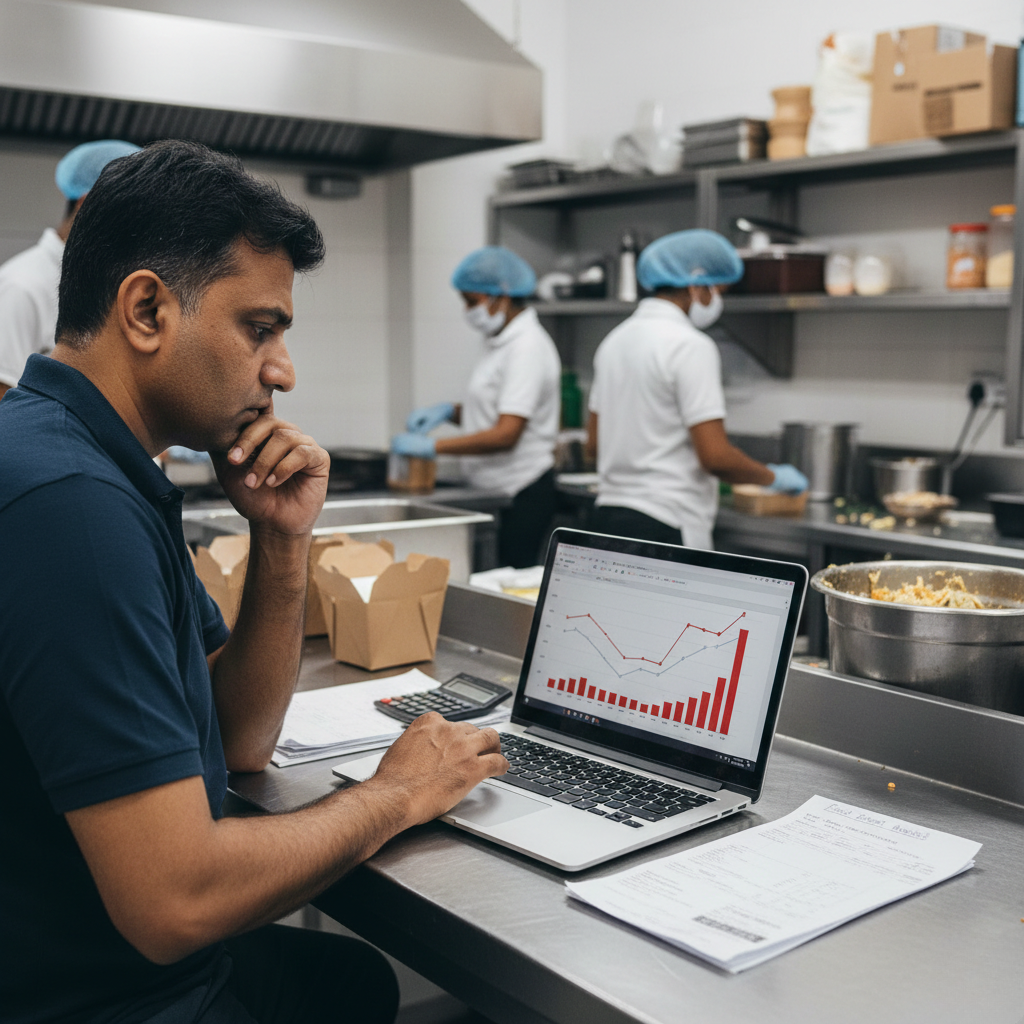
Despite healthy top-line numbers, net contribution margins were consistently below expectations. Packaging costs, refunds, re-makes, and wastage together accounted for a significant but poorly tracked margin leak-an issue often seen in kitchens that scale before stabilising execution, as explained in How to Stabilise Profits Before Scaling.
Initial review showed no obvious food quality issues. Instead, recurring complaints pointed toward leaking boxes, crushed items, incorrect packing combinations, and missing components-classic signs of weak packing systems, similar to problems highlighted in Cloud Kitchen Without SOPs vs After SOP Implementation.
The Real Margin Killer
The founder initially believed high packaging costs were the problem. More premium containers were tested, but margins continued to decline. The real issue was not the cost of packaging-it was how packing was being executed.
Multiple team members packed orders differently across shifts. Containers were overfilled, sealed inconsistently, or combined incorrectly. Errors were treated as isolated incidents rather than systemic failures. This mindset shift-viewing packing as a margin-protection function-is often the turning point described in When Growth Is Hurting Your Cloud Kitchen Operations.
Intervention: Packing Error Audit
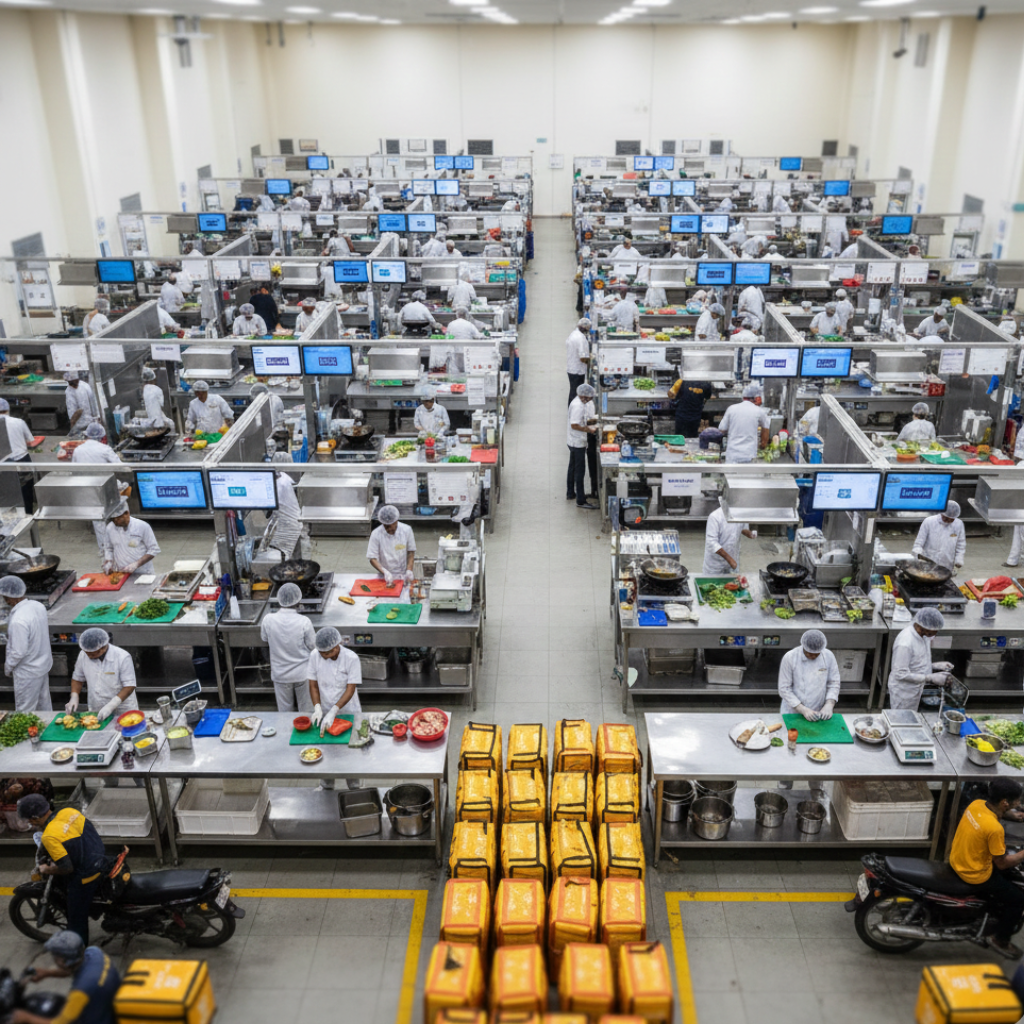
The first step was a fourteen-day packing audit. Every refund, re-make, and negative review related to packaging was manually analysed. Additionally, physical inspection of packed orders during peak and non-peak hours was conducted.
This approach mirrored diagnostic methods used when analysing contribution margins in cloud kitchens, focusing on identifying controllable internal failures rather than external platform issues.
The audit revealed that over sixty-five percent of margin loss events were directly linked to packing mistakes-leaks, incorrect container selection, missing components, and temperature degradation during transit.
Intervention: Identifying Packing Breakdown Points
A step-by-step packing flow was mapped-from food pickup at the pass to rider handoff. Observations across different staff members and shifts exposed inconsistencies that had become normalized over time.
There was no single standard for container selection. High-liquid items were packed in shallow boxes, seals varied by individual habit, and no final check existed before dispatch. Once an order left the counter, accountability disappeared-an issue common in founder-dependent kitchens, as outlined in Founder-Dependent Kitchen Converted Into System-Driven Operations.
Intervention: Packing SOPs That Protect Margins
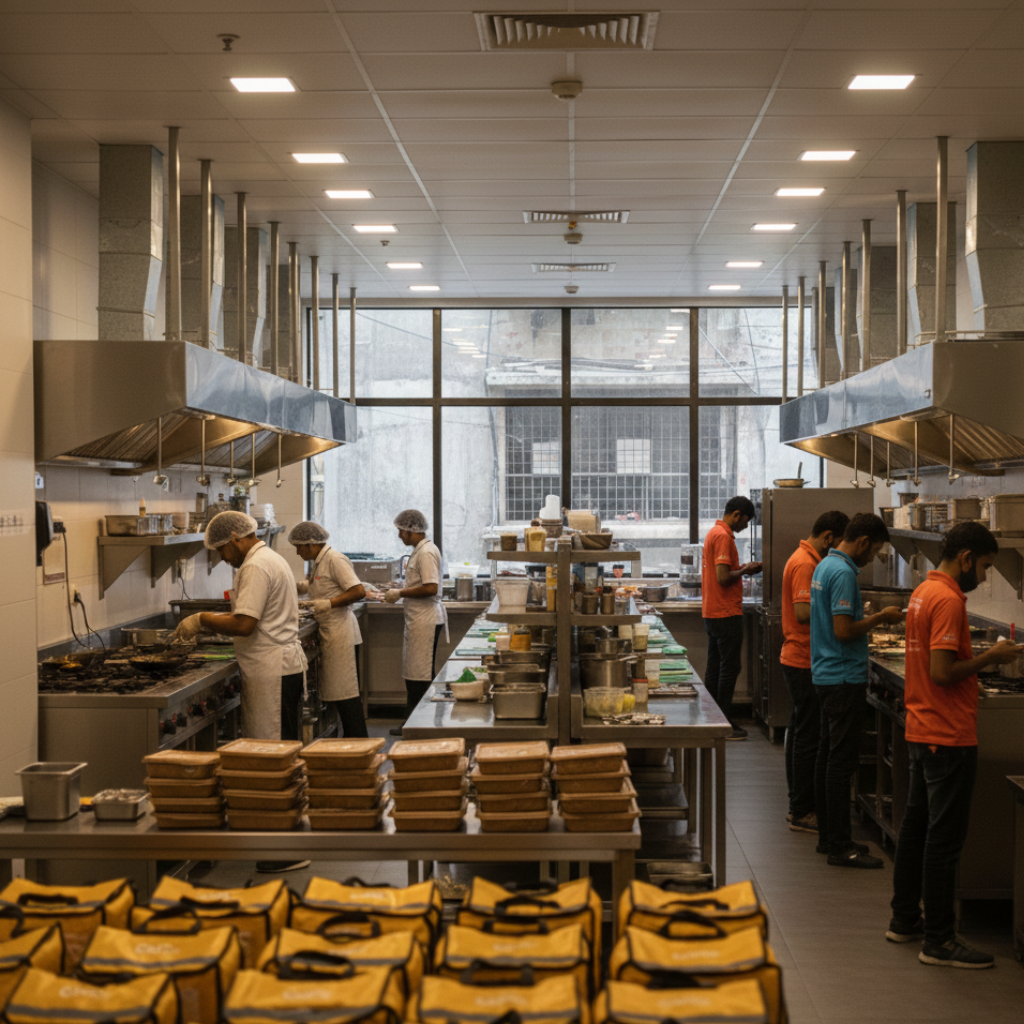
The kitchen introduced brand-wise and item-wise packing SOPs. Each menu category had a defined container type, fill level, sealing method, and placement order. These SOPs were visual, simple, and placed directly at packing stations.
Packers were trained to treat packing as the final quality checkpoint-not a secondary task. This aligned closely with principles discussed in How SOPs Improve Cloud Kitchen Profitability.
Overpacking was eliminated by standardising portion fill levels. This alone reduced food cost variance while also improving seal reliability and presentation consistency.
Individual accountability was introduced through packer initials on sealing stickers. Errors could now be traced, corrected, and coached without blame-leading to rapid behavioural change.
Intervention: Shift-Level Reinforcement
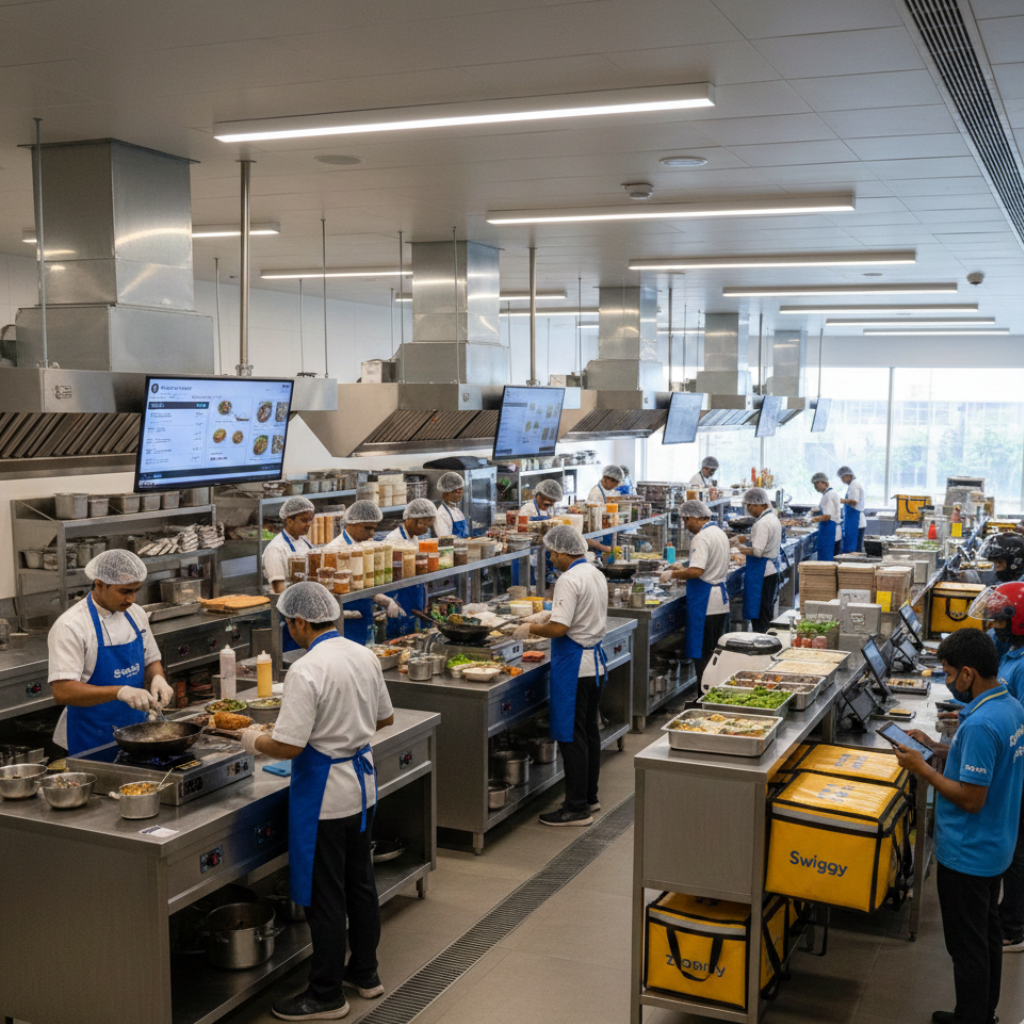
Instead of one-time training, packing SOPs were reinforced through daily shift briefings. One packing error from the previous day was discussed at the start of each shift, following practices outlined in Daily Shift Planning for Cloud Kitchens.
This created awareness among staff that packing errors directly increased rework, stress, and workload-making SOP adherence a shared operational goal rather than a management demand.
Outcome and Results
Within forty-five days, packing-related refunds and re-makes dropped by fifty-three percent. Packaging material cost reduced by eleven percent due to correct container usage, while food wastage fell sharply due to controlled portioning.
Net contribution margins improved by approximately 4.2 percentage points-without increasing order volume, changing the menu, or adding discounts. Customer complaints related to leaks and damaged food reduced significantly, supporting rating stability.
Key Case Study Takeaways
This case study proves that packing is not a backend activity-it is a margin-protection system. Most cloud kitchens lose money not because of food quality or pricing, but because execution errors go unmeasured and uncorrected. Clear packing SOPs, accountability, and daily reinforcement can unlock profitability without growth pressure.
Related Case Studies and Reads
Readers exploring similar operational fixes also read:
Have Questions?
If you want deeper clarity on packing systems, SOP design, or margin control in cloud kitchens, detailed answers are available in the Grow Kitchen FAQs.
External References
To explore more insights on cloud kitchen operations and profitability, visit: