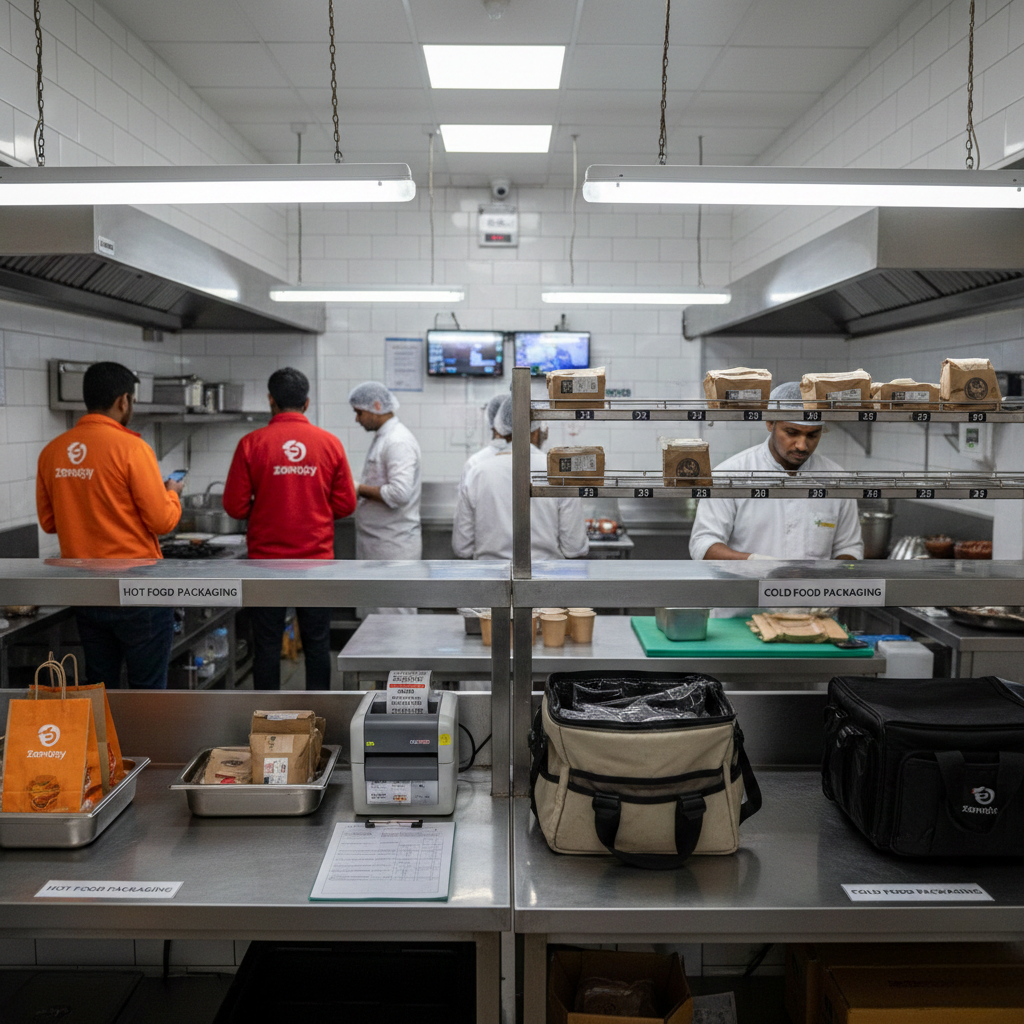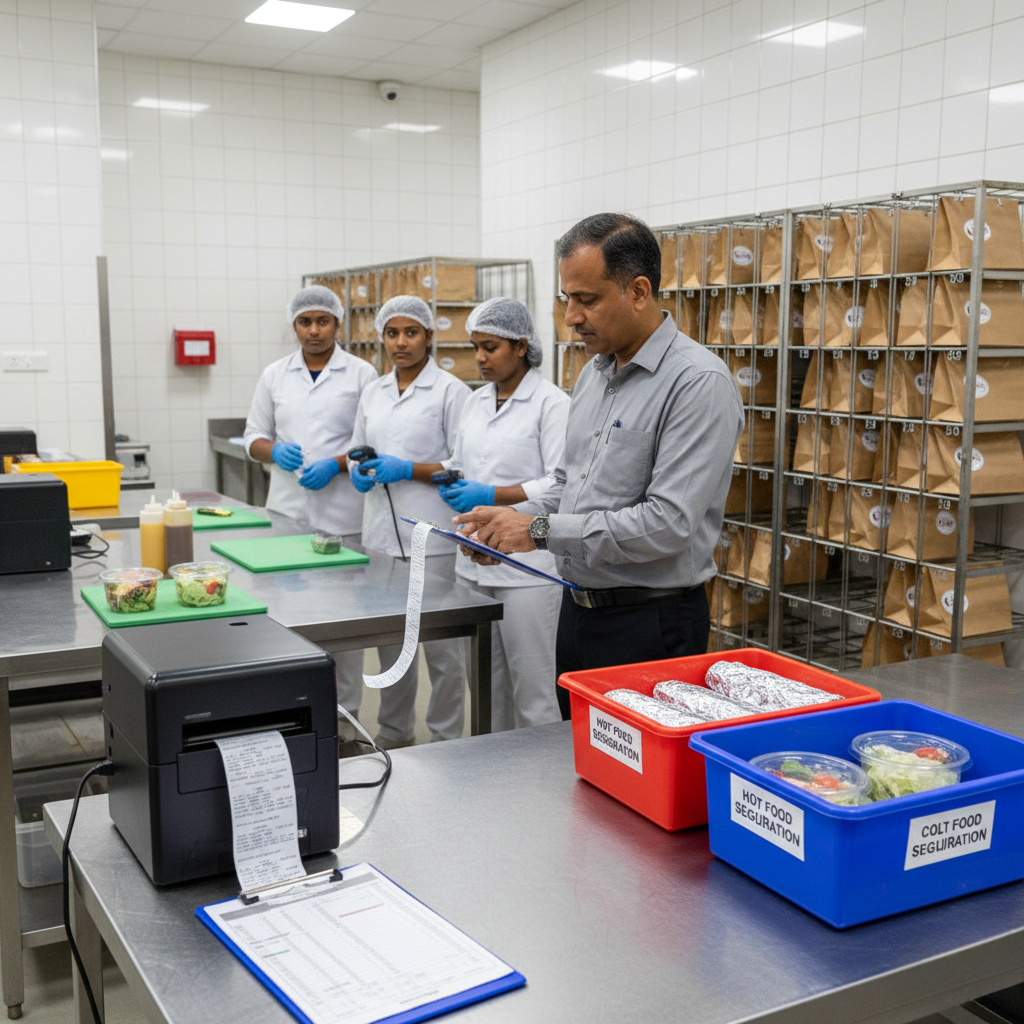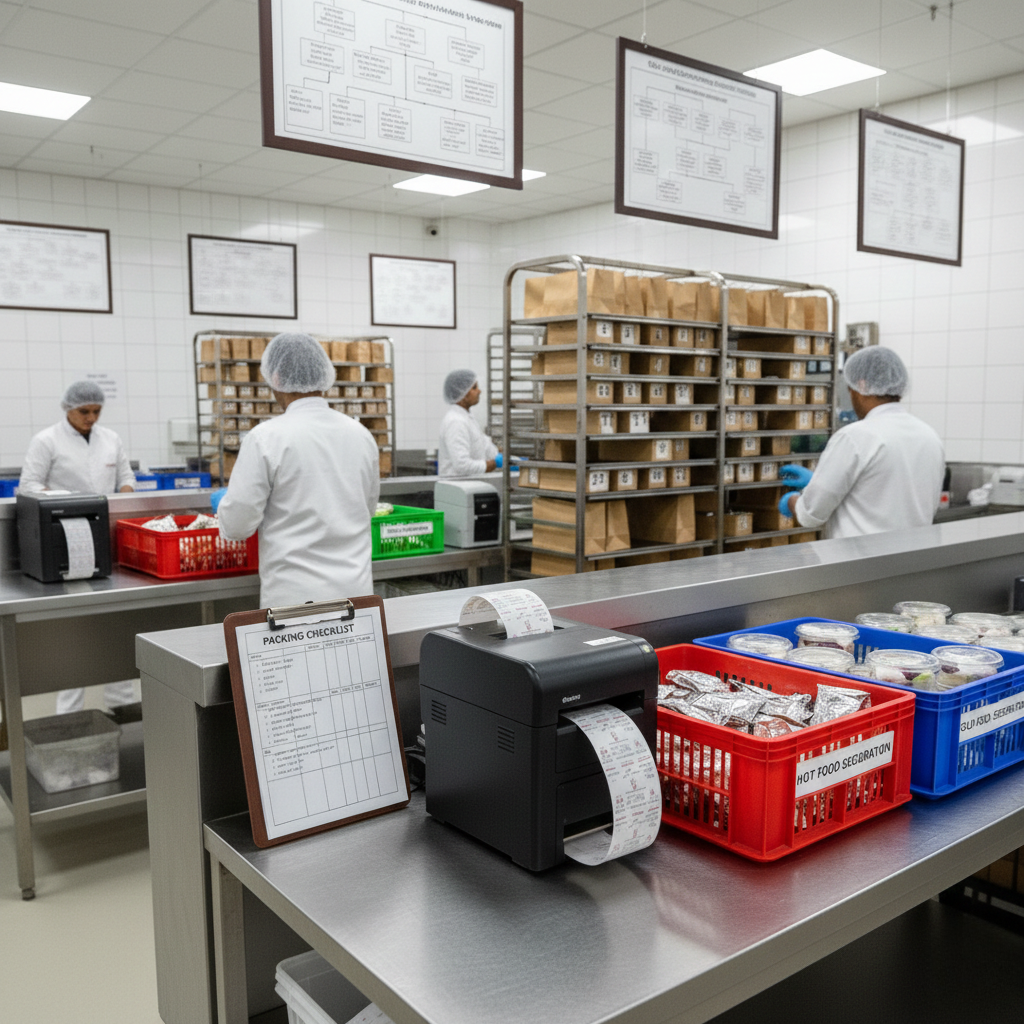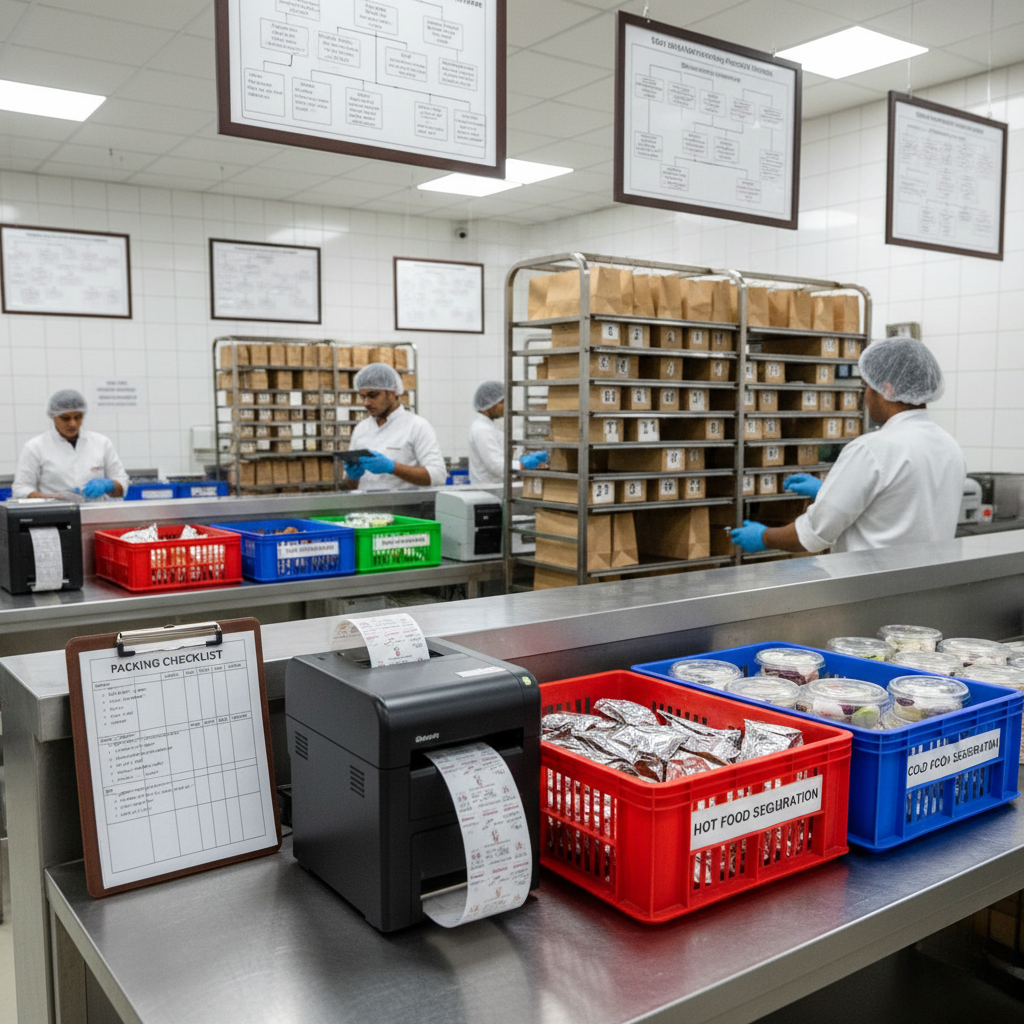
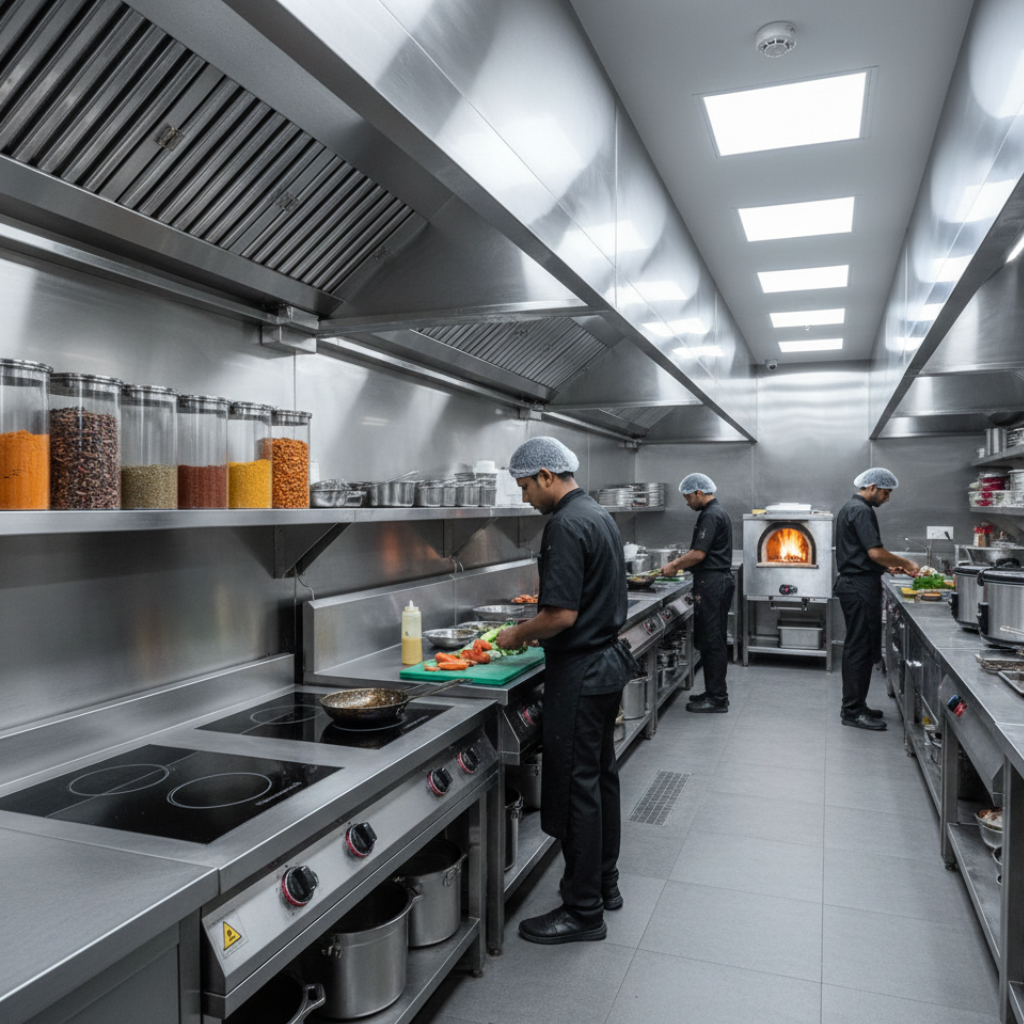
The cloud kitchen industry in India has transformed how food businesses are launched, operated, and scaled. What started as a delivery-first alternative to restaurants has now evolved into a structured industry driven by technology, systems, and data. This guide explains the cloud kitchen industry in India, its growth drivers, business models, challenges, and future outlook.
Start Here to Understand the Cloud Kitchen Ecosystem in India
This article is part of GrowKitchen’s cloud kitchen industry series. If you want a complete operational and business breakdown including setup cost, SOPs, and scaling frameworks, start with our pillar guide: Cloud Kitchen as a Service and our comprehensive guide on Cloud Kitchen Business in India.
For legal and compliance references, always verify information on FSSAI, GST Portal, and Udyam MSME.
Overview of the Cloud Kitchen Industry in India
The cloud kitchen industry in India refers to the ecosystem of delivery-only food businesses that operate without dine-in facilities. These kitchens focus entirely on food preparation, packaging, and last-mile delivery through online channels.
Unlike traditional restaurants, cloud kitchens are built around operational efficiency and scalability rather than physical presence. This shift has allowed the industry to grow rapidly across metro and tier-1 cities.
Growth of the Cloud Kitchen Industry in India
The growth of the cloud kitchen industry in India has been driven by rising urbanisation, increased smartphone usage, and widespread adoption of food delivery platforms like Swiggy and Zomato.
High commercial rents and low restaurant survival rates pushed entrepreneurs to explore delivery-first models with lower fixed costs. Cloud kitchens offered a faster path to market with reduced capital risk.
Cities such as Mumbai, Bengaluru, Pune, Hyderabad, and Delhi NCR became early adoption hubs due to dense delivery demand and favourable logistics.
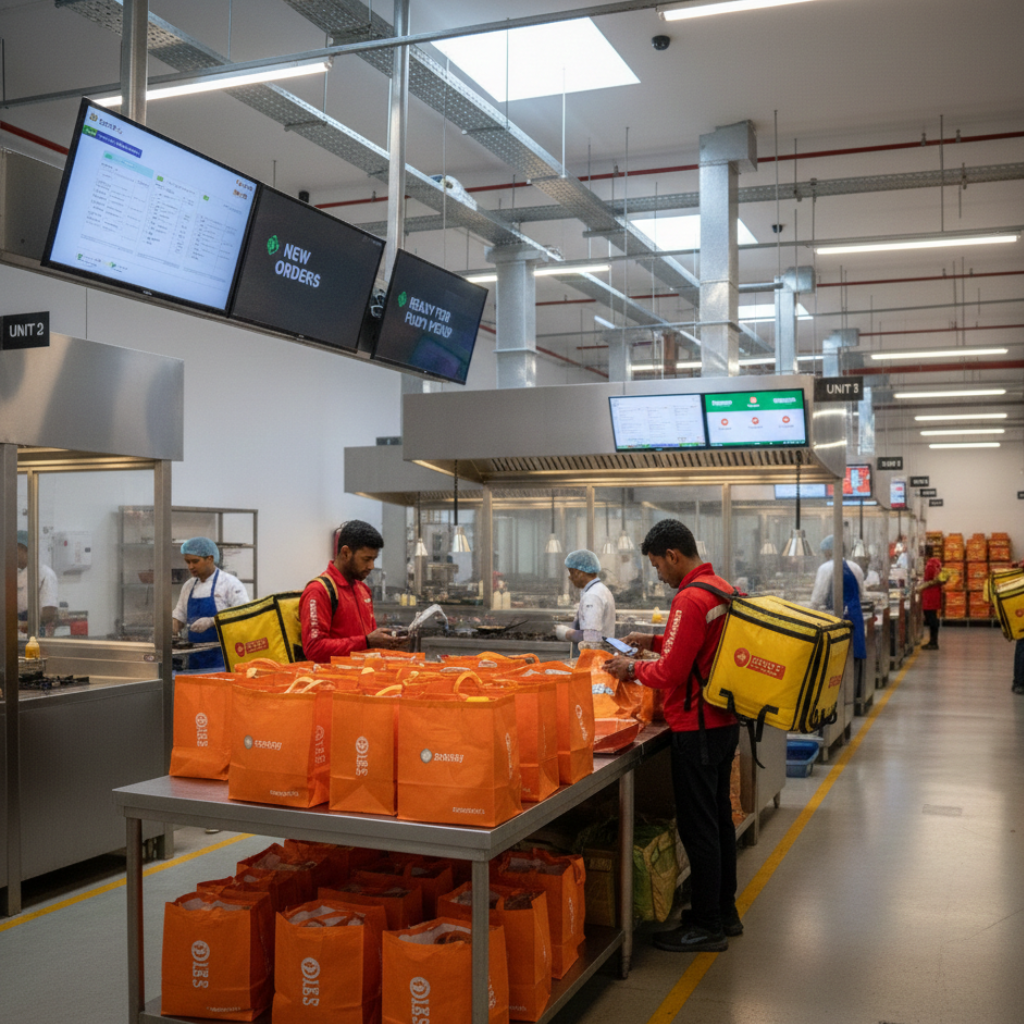
Key Business Models in the Cloud Kitchen Industry
The cloud kitchen industry in India operates through multiple business models, each offering different levels of control, investment, and scalability.
- Independent single-brand cloud kitchens
- Multi-brand kitchens operating from one location
- Aggregator-led and platform-owned kitchens
- Managed kitchen and shared kitchen infrastructure models
Choosing the right model depends on capital availability, operational capability, and long-term expansion goals.
Operational Structure of the Cloud Kitchen Industry
Operations in the cloud kitchen industry are highly system-driven. Standard Operating Procedures (SOPs) define every step from procurement and prep to packing and dispatch.
Consistency in portioning, packaging, and delivery timelines directly impacts ratings and platform visibility. This makes SOPs a non-negotiable foundation: Cloud Kitchen SOP Checklist.
Challenges Faced by the Cloud Kitchen Industry in India
Despite rapid growth, the cloud kitchen industry faces significant challenges. High dependence on aggregators exposes operators to commission pressure and policy changes.
Other challenges include rising raw material costs, intense competition, packaging failures, and maintaining consistency while scaling.
Many operators fail not because of lack of demand, but due to weak systems and poor execution. Learn more: Why Cloud Kitchens Fail in India.
Who Can Enter the Cloud Kitchen Industry?
The cloud kitchen industry in India is open to a wide range of participants, from first-time entrepreneurs to established restaurant brands.
- First-time founders with limited startup capital
- Restaurant owners expanding delivery-only brands
- Food entrepreneurs building multi-brand portfolios
- Subscription and meal-plan focused businesses
Operators planning multi-city expansion should review: How to Scale Cloud Kitchens.
Future of the Cloud Kitchen Industry in India
The future of the cloud kitchen industry in India will be shaped by consolidation, technology adoption, and stronger unit economics. Brands that invest in systems and retention will survive long-term.
Direct ordering, subscriptions, and brand-led demand generation will reduce over-dependence on aggregators and stabilise margins.
Final Thoughts on the Cloud Kitchen Industry
The cloud kitchen industry in India is no longer an experimental space. It has matured into a competitive, system-driven industry where execution quality determines success.
Founders who understand operations, control costs, and build repeat behaviour can scale sustainably in this industry.
FAQs: Cloud Kitchen Industry in India
What is the cloud kitchen industry in India?
It refers to delivery-only food businesses that operate without dine-in, focusing on efficiency and scalability.
Is the cloud kitchen industry growing in India?
Yes. Growth is driven by food delivery demand, rising rents, and changing consumer behaviour.
What are the main challenges in the cloud kitchen industry?
High competition, aggregator dependence, cost control, and maintaining consistency while scaling.
Who should enter the cloud kitchen industry?
Entrepreneurs comfortable with systems, data, and delivery-first operations.
- Cloud Kitchen Business in India
- How to Start a Cloud Kitchen
- Cloud Kitchen SOP Checklist
- Why Cloud Kitchens Fail