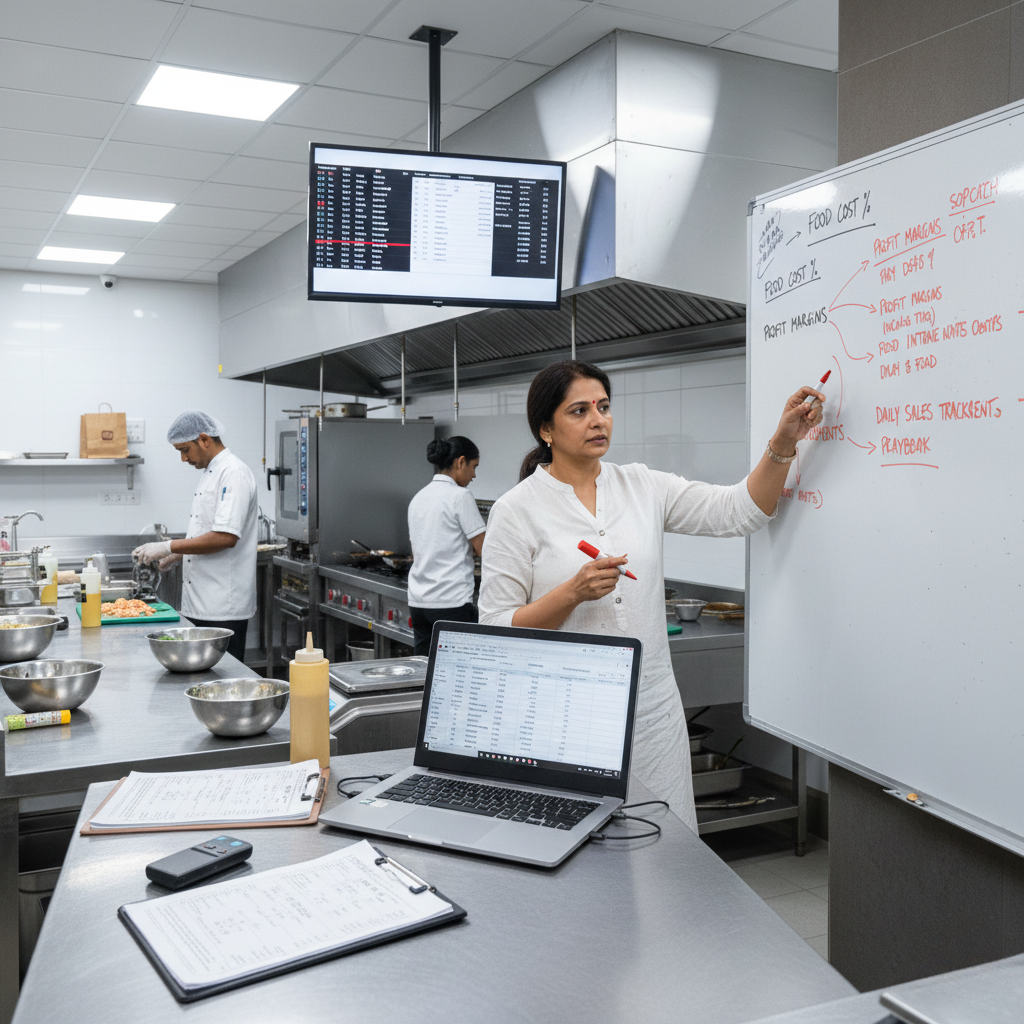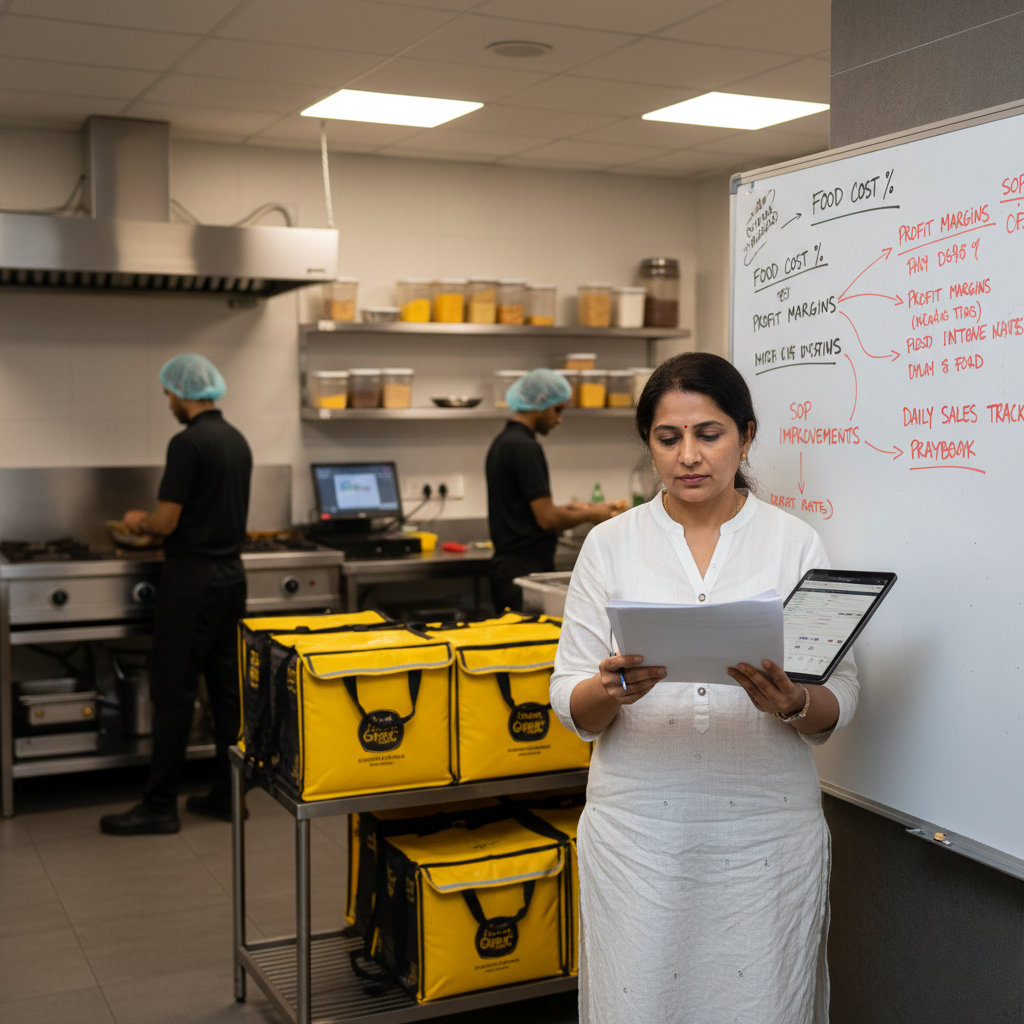
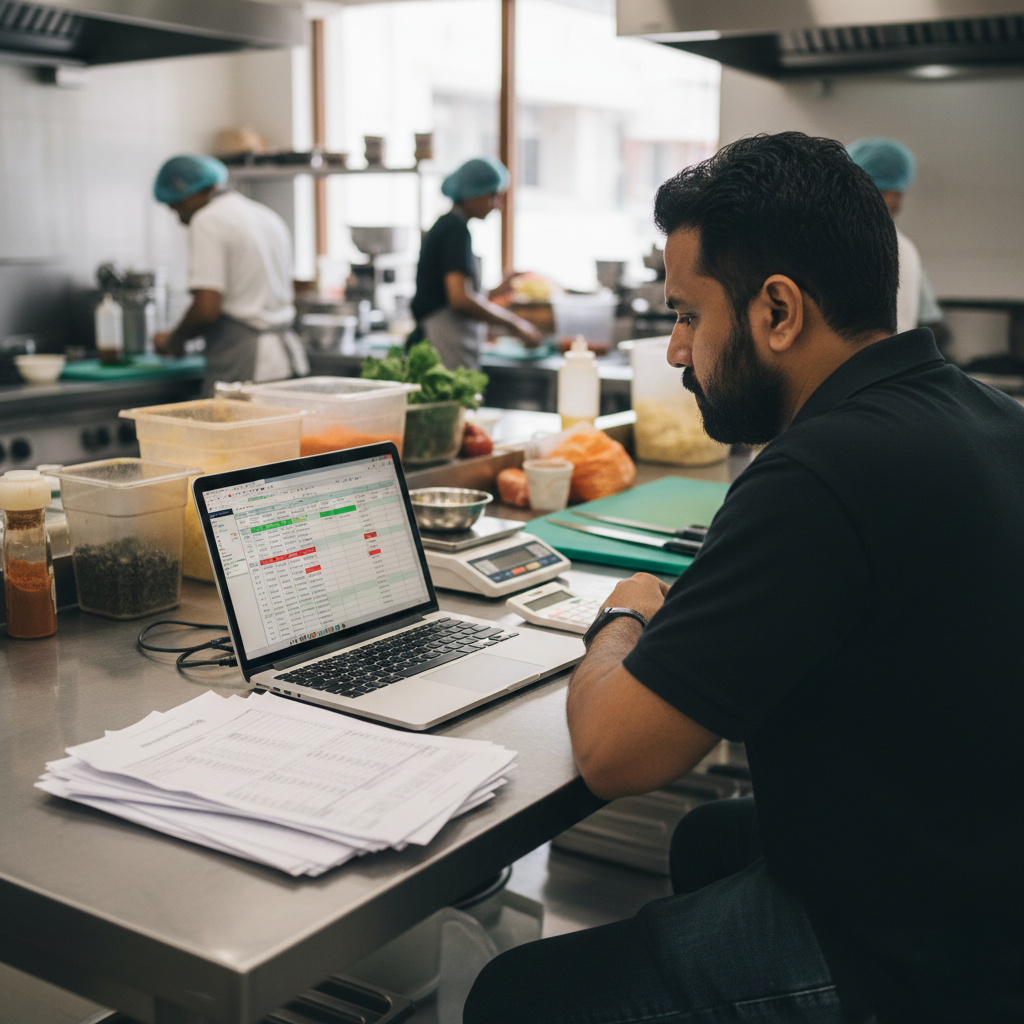
Cloud Kitchen Food Cost Control Case Study — This case study documents how a multi-brand cloud kitchen successfully stopped food cost drift after implementing CKaaS systems.
Despite stable sales and ratings, margins were declining due to rising food cost. Over sixty days, the kitchen brought food cost back within the target range without changing pricing, portions, or suppliers.
Cloud Kitchen Food Cost Control Case Study: Case Background
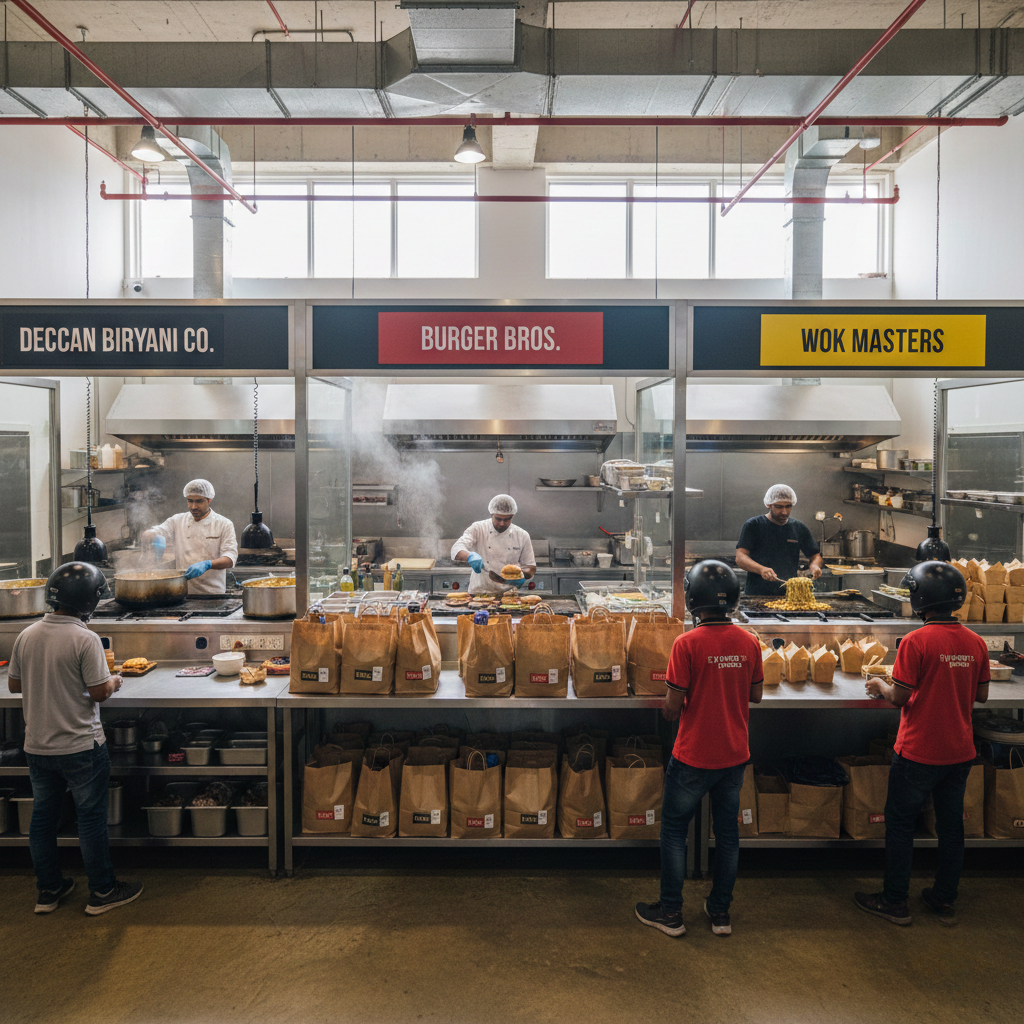
The kitchen operated three delivery-only brands, handling between one hundred seventy and two hundred thirty orders per day.
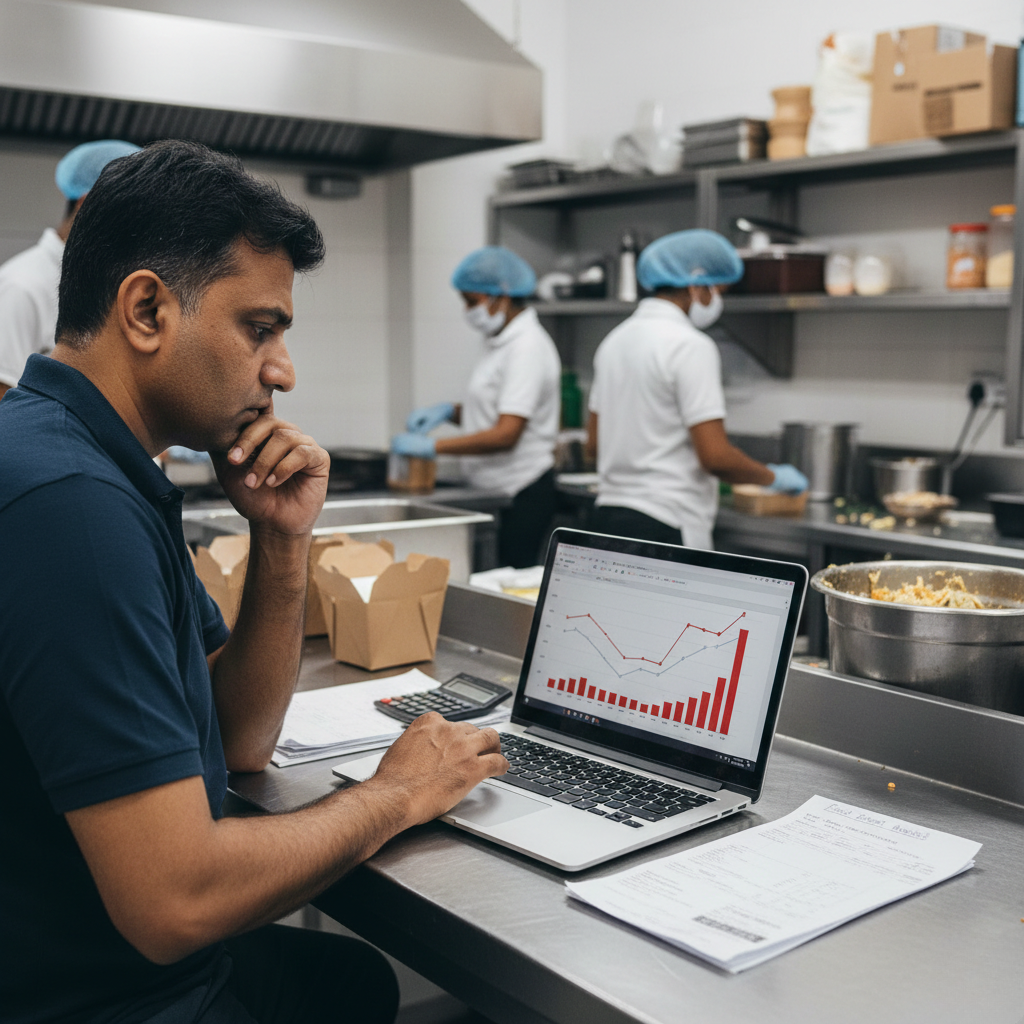
Food cost gradually increased from 32% to over 39% without a clear reason.
This Cloud Kitchen Food Cost Control Case Study highlights how cost drift can remain hidden during growth phases.
Cloud Kitchen Food Cost Control Case Study: The Core Problem
The founder initially believed supplier inflation or theft was causing the issue.
However, this Cloud Kitchen Food Cost Control Case Study revealed that internal execution gaps were the real cause.
Small inefficiencies repeated daily were silently increasing food cost.
Intervention: Food Cost Diagnostic Audit
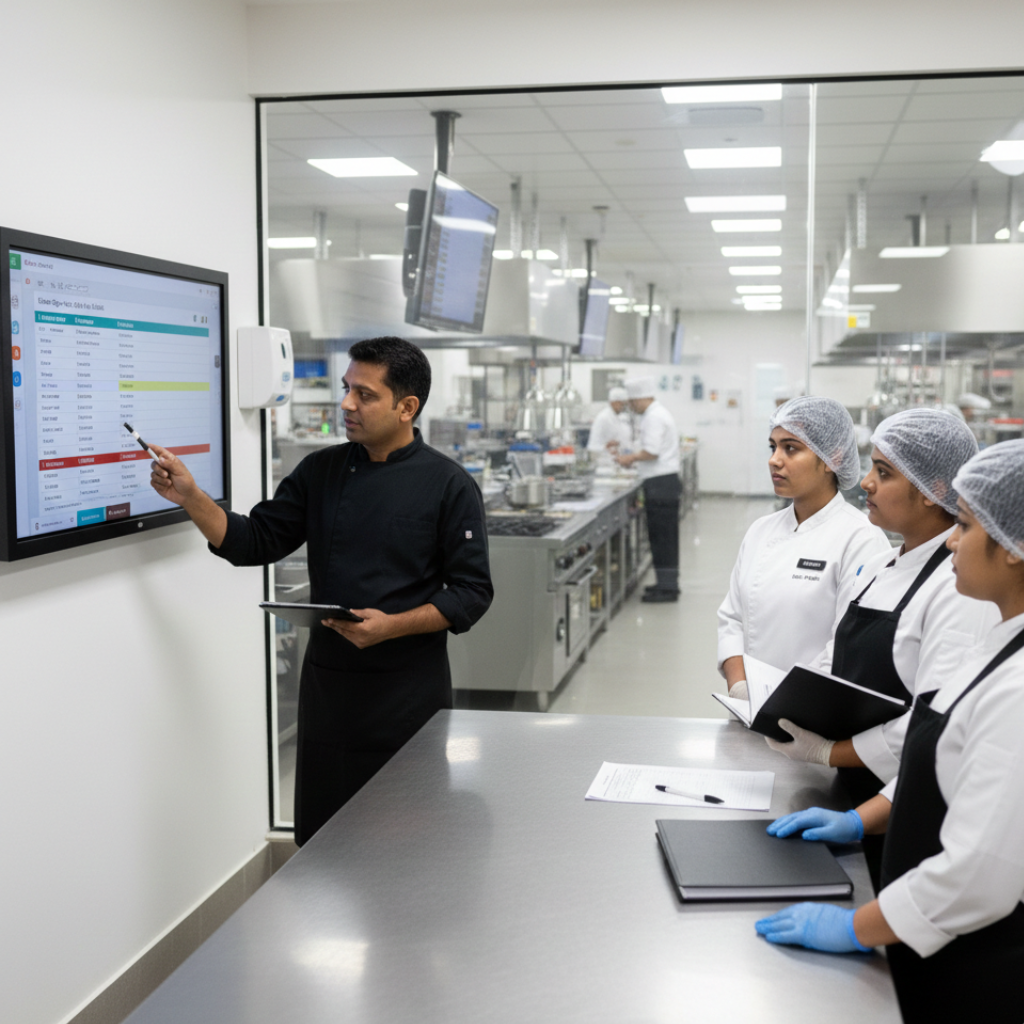
CKaaS conducted a detailed audit tracking ingredient usage across prep, cooking, and packing stages.
The audit revealed that most cost drift came from operational inconsistencies rather than external factors.
Daily tracking exposed variations across shifts and staff.
Intervention: Identifying Food Cost Leak Points
Portion sizes varied across staff, and batch yields were inconsistent.
Re-cooks and wastage added hidden cost pressure.
No structured system existed to monitor or correct these variations.
Cloud Kitchen Food Cost Control Case Study: CKaaS Systems Implementation
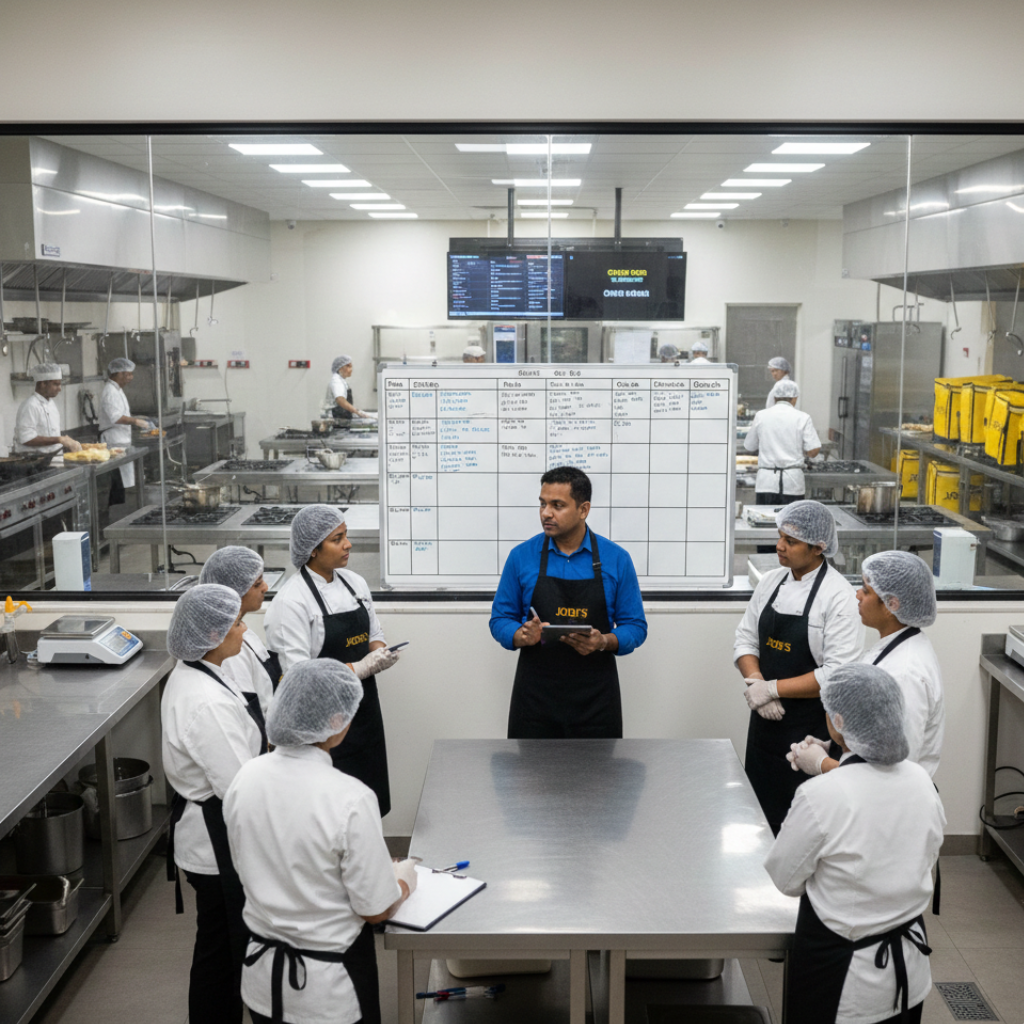
CKaaS introduced standardised portioning SOPs and defined batch controls.
Visual references ensured consistent execution across all shifts.
Each role became accountable for cost-related outcomes.
Operational Insight: Why Food Cost Drift Happens
Food cost drift rarely comes from one major issue. It is usually the result of repeated small inefficiencies.
Over-portioning, re-cooks, and inconsistent prep practices contribute significantly to cost increases.
These inefficiencies are difficult to detect without structured tracking systems.
This Cloud Kitchen Food Cost Control Case Study shows that visibility is essential for cost control.
Operational Insight: How Systems Stabilise Food Cost
Standardised SOPs ensure consistent portioning and reduce variability.
Batch control systems align production with actual demand.
Daily monitoring helps identify deviations early and correct them quickly.
Over time, this creates predictable cost behaviour and improves financial stability.
Kitchens that implement such systems achieve better control without affecting customer experience.
Operational Insight: Linking Execution to Cost Outcomes
One of the biggest shifts in this Cloud Kitchen Food Cost Control Case Study was connecting daily execution with financial outcomes.
Instead of treating food cost as a monthly report, it became a daily operational metric.
Every action—portioning, prep quantity, re-cook, and packing—was linked to cost impact.
This helped teams understand how small inefficiencies directly affected profitability.
Over time, food cost control moved from accounting to execution, making results consistent and sustainable.
Intervention: Shift-Level Food Cost Discipline
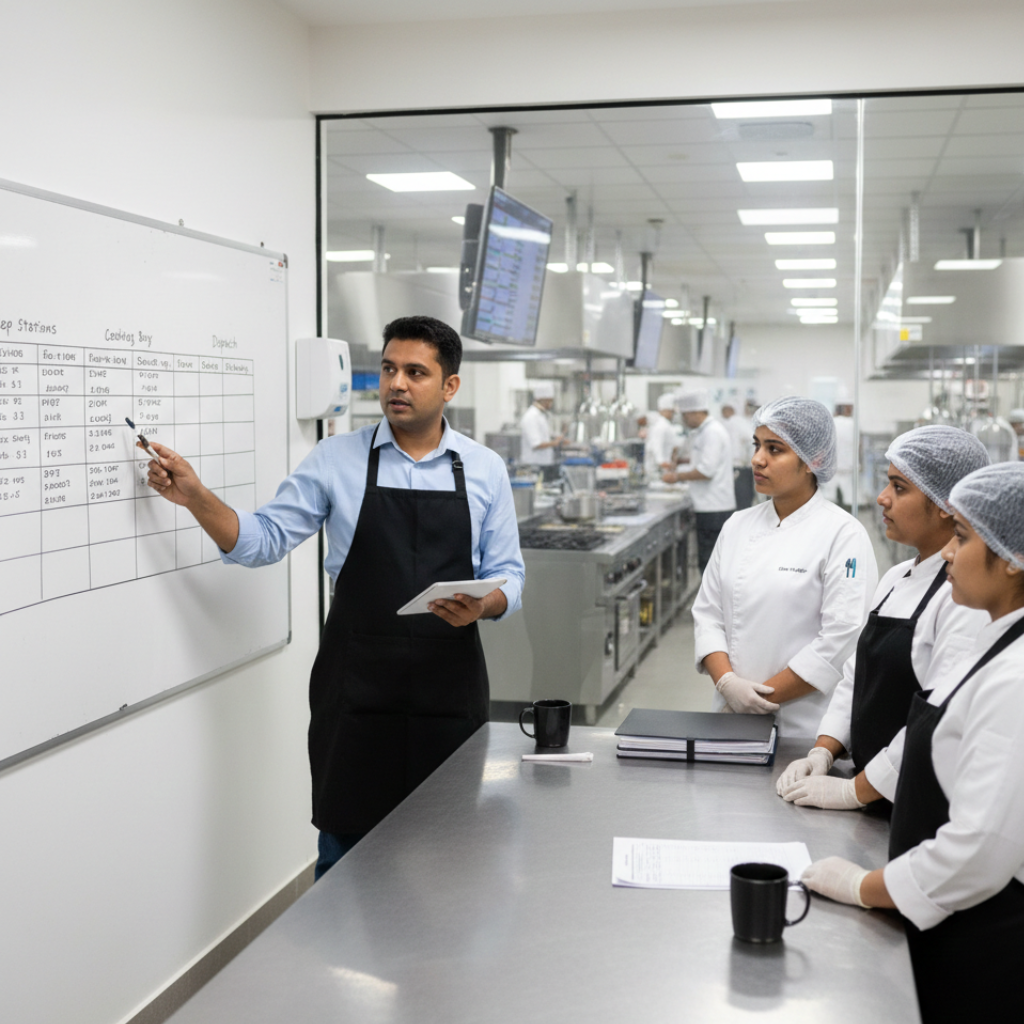
Daily shift reviews focused on one cost deviation from the previous day.
Teams gradually improved execution discipline and awareness.
Accountability increased without constant supervision.
Outcome and Results
Within sixty days, food cost reduced from 39% to 33.5%.
Portion consistency improved and wastage reduced significantly.
This Cloud Kitchen Food Cost Control Case Study proves that systems drive profitability.
Key Case Study Takeaways
Food cost drift is a systems problem, not a pricing problem.
This Cloud Kitchen Food Cost Control Case Study shows that structured execution ensures predictable margins.
Related Case Studies and Reads
- How to Fix a Loss-Making Cloud Kitchen
- Why Discounts Are Not Solving Your Profit Problem
- From 50 Orders to 300 Orders: Operations Scaling Guide
- Standardizing Kitchen Execution Across Shifts
Have Questions?
If you want deeper clarity, visit Grow Kitchen FAQs.