
Why are my Swiggy and Zomato refunds so high?
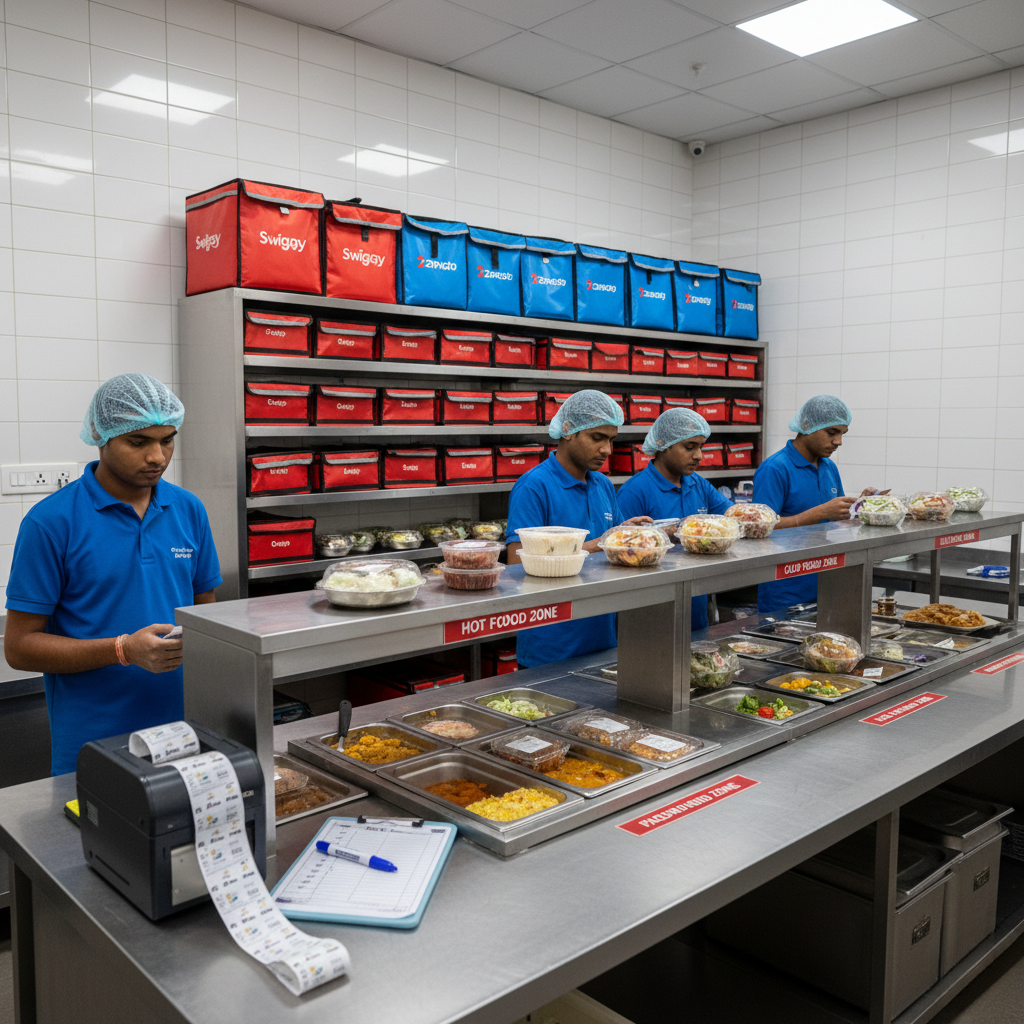
Why are my Swiggy Zomato refunds high? is not a “bad luck” problem or a “platform hates me” problem. It is a payout-quality + execution-system problem. Cloud kitchens run on speed, stacking, rider movement, and repeatability. When refunds rise, it is usually because the same operational failure is repeating at scale: packing leakage, wrong/missing items, […]
Why does service slow down during peak hours?
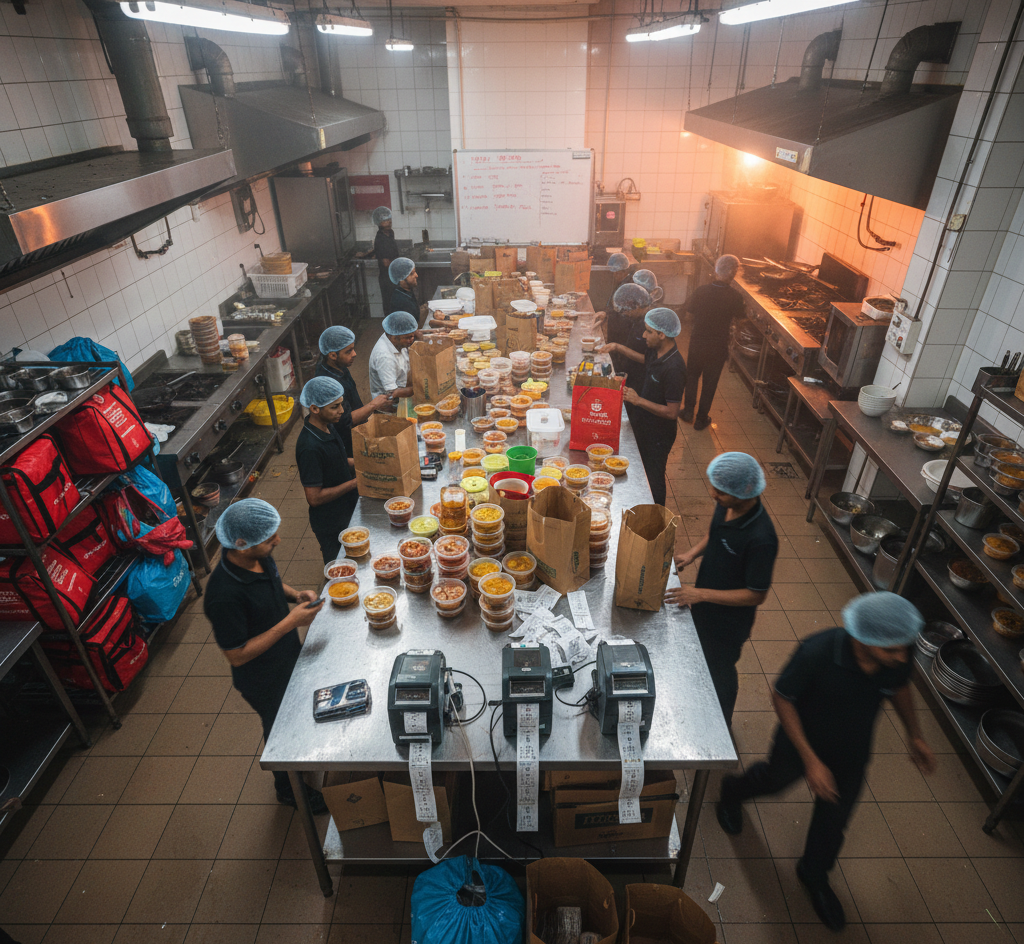
Why Service Slows Down During Peak Hours in Cloud Kitchens? is not a “staff is lazy” problem. It is a throughput + station design problem. Cloud kitchens run on bursts: 10–30 orders land together, riders arrive together, and packaging must survive stacking. If your kitchen is not designed for burst flow, peak time turns into […]
Why do refunds increase as orders increase?
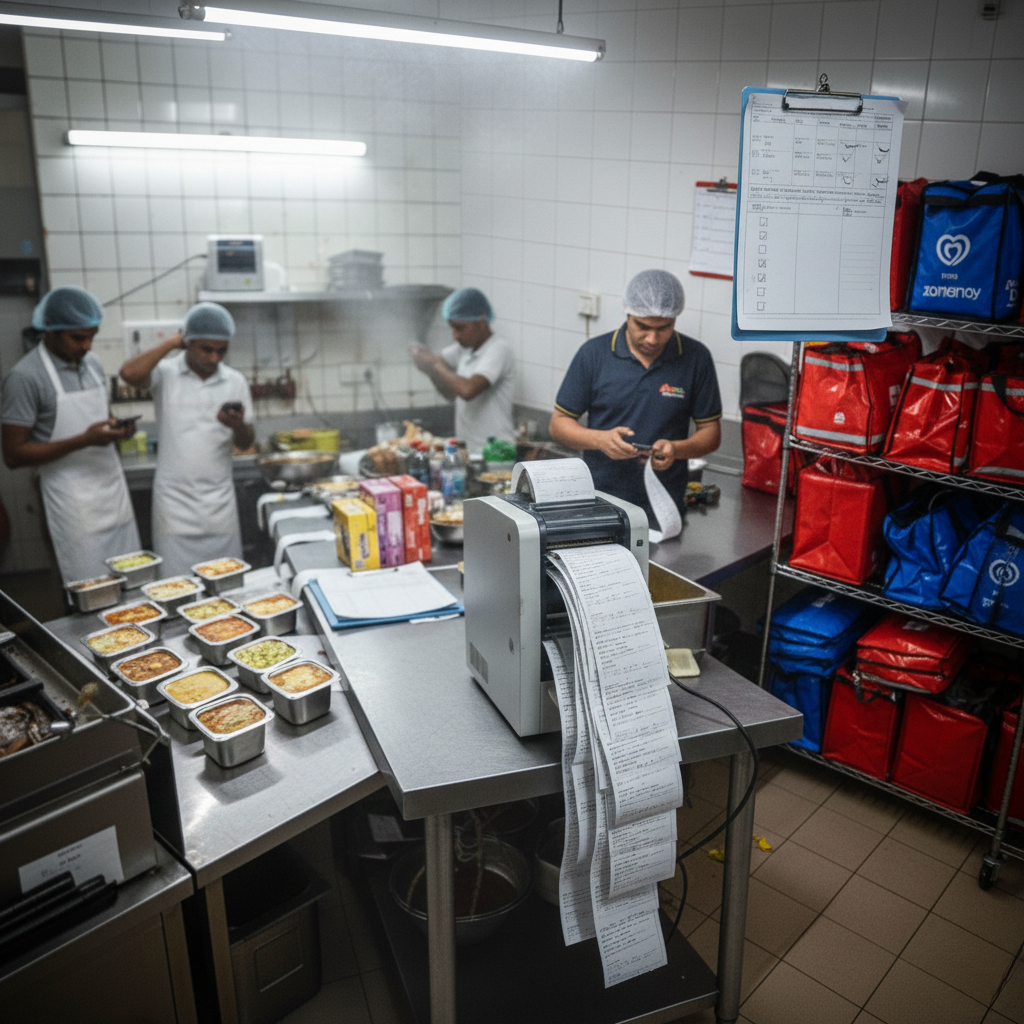
Why refunds increase as orders increase? is not a “Swiggy/Zomato problem” or a “customers are too demanding” problem. It is a scale-without-systems problem. Cloud kitchens run on speed, batching, rider stacking, and repeatability. When volume grows but your SOPs, stations, and quality gates don’t, small errors multiply into daily leakage: wrong items, missing add-ons, spillage, […]
Why do packing errors keep happening?
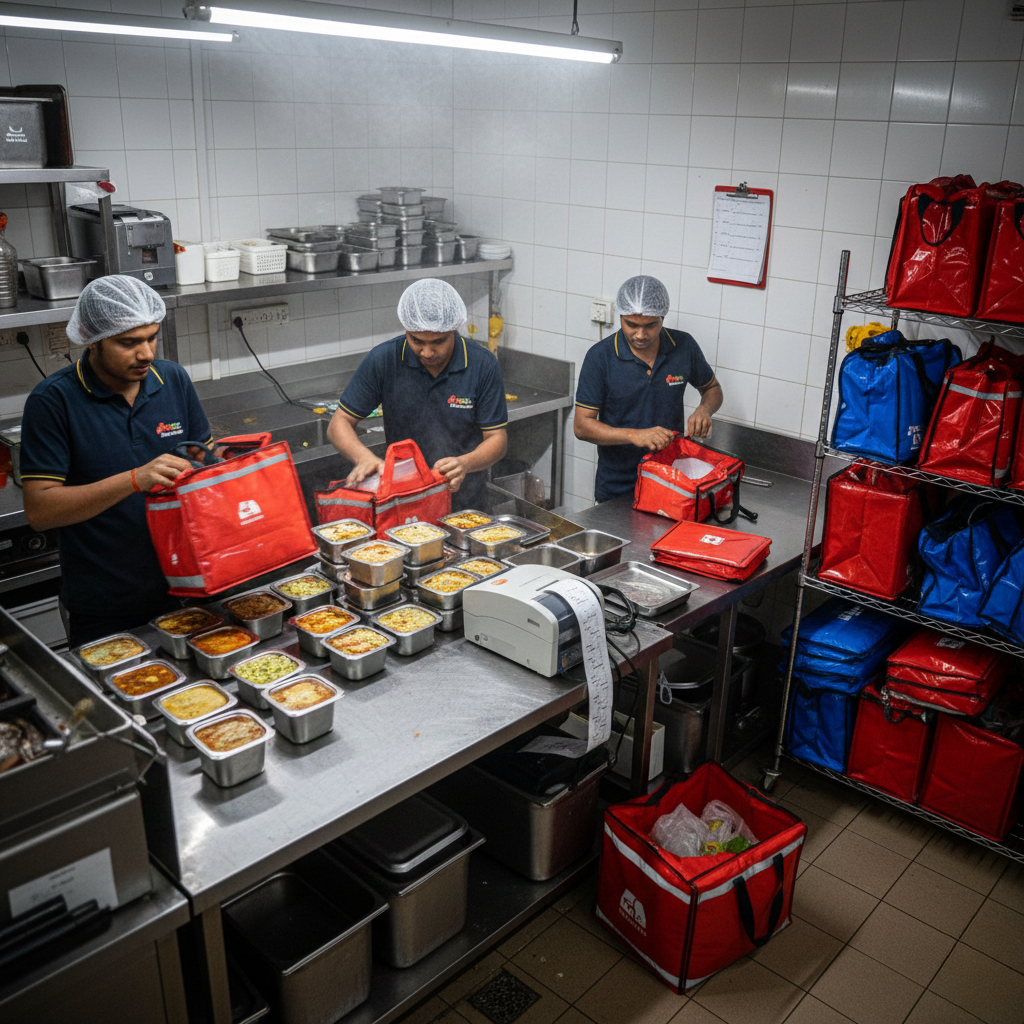
Why do packing errors keep happening? is not a “packing boy problem” or a “better container” problem. It is a dispatch operating system problem. Cloud kitchens run on speed, stacking, rider movement, and zero tolerance for leakage. When packing depends on memory, rushed sealing, random container choices, and no checklist gate, small errors compound into […]
Why do staff mistakes increase every month?
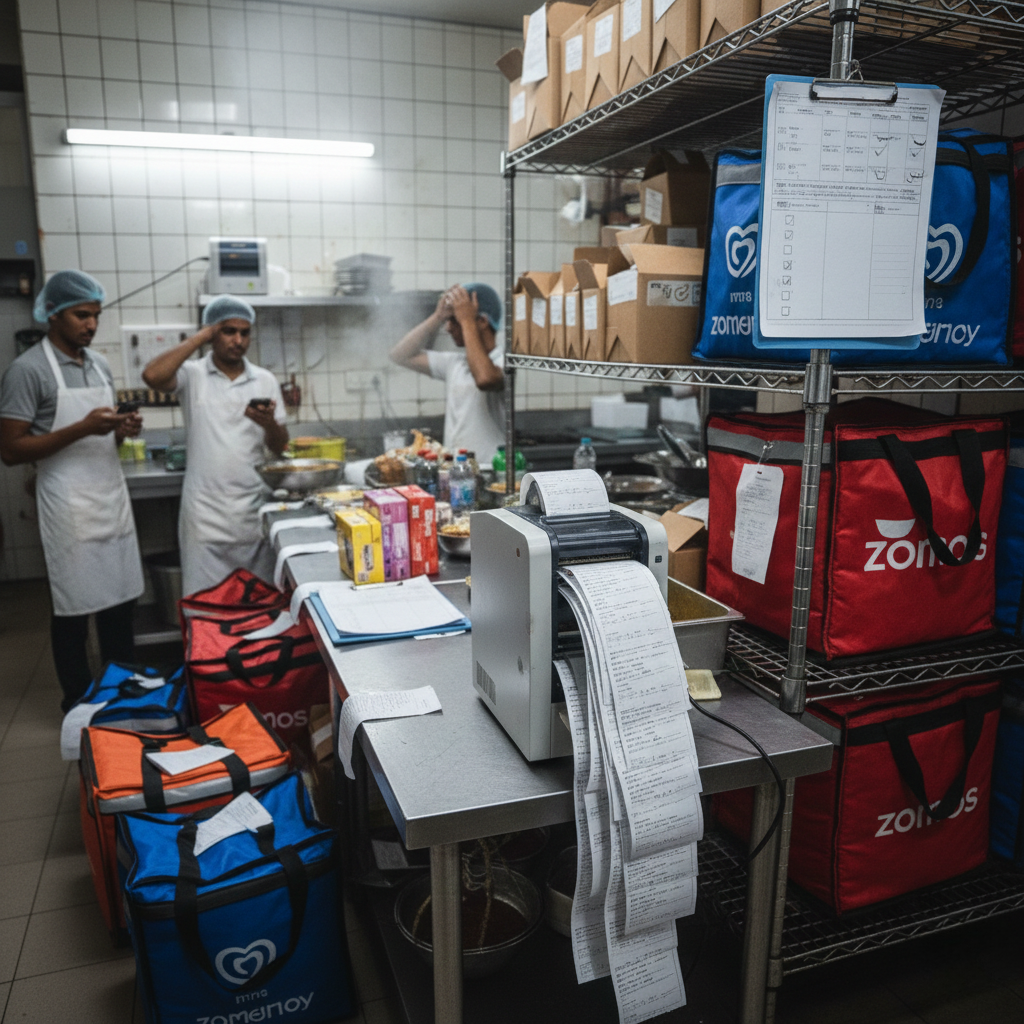
Why do staff mistakes in cloud kitchens increase every month? is not a “bad staff” topic. It is an operational system topic. Cloud kitchens run on speed, volume, and repeatability. When execution depends on memory, verbal instructions, and founder intervention, small errors compound into daily leakage: missed add-ons, wrong packing, wrong portions, delayed dispatch, and […]
Why are my kitchen operations so chaotic?
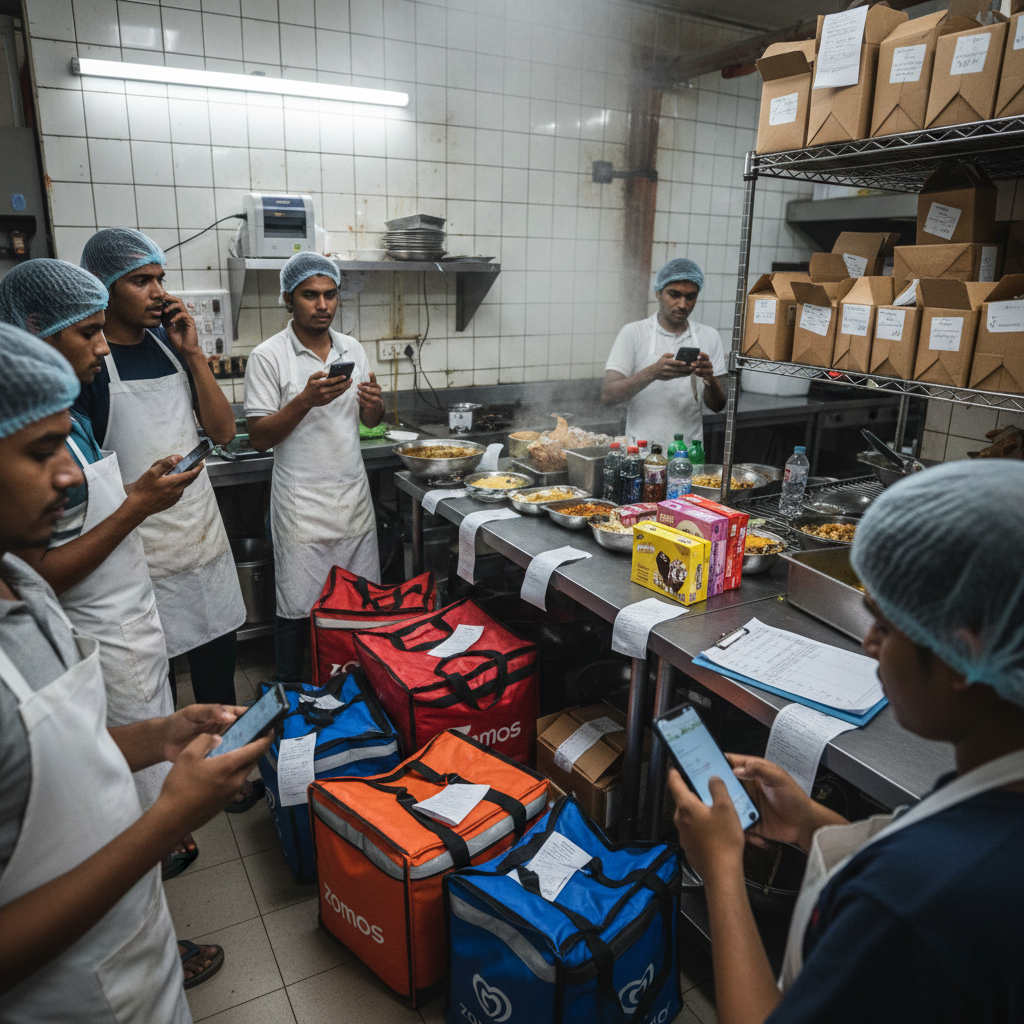
Why are my kitchen operations chaotic? is not a “staff problem,” a “busy season issue,” or a “growth pain.” Chaos in cloud kitchens is almost always a systems failure. When roles are unclear, SOPs are missing, decisions change daily, and founders become the operating system, execution breaks under volume. This guide explains why cloud kitchen […]
Case Study: Founder-Dependent Kitchen Converted Into System-Driven Operations
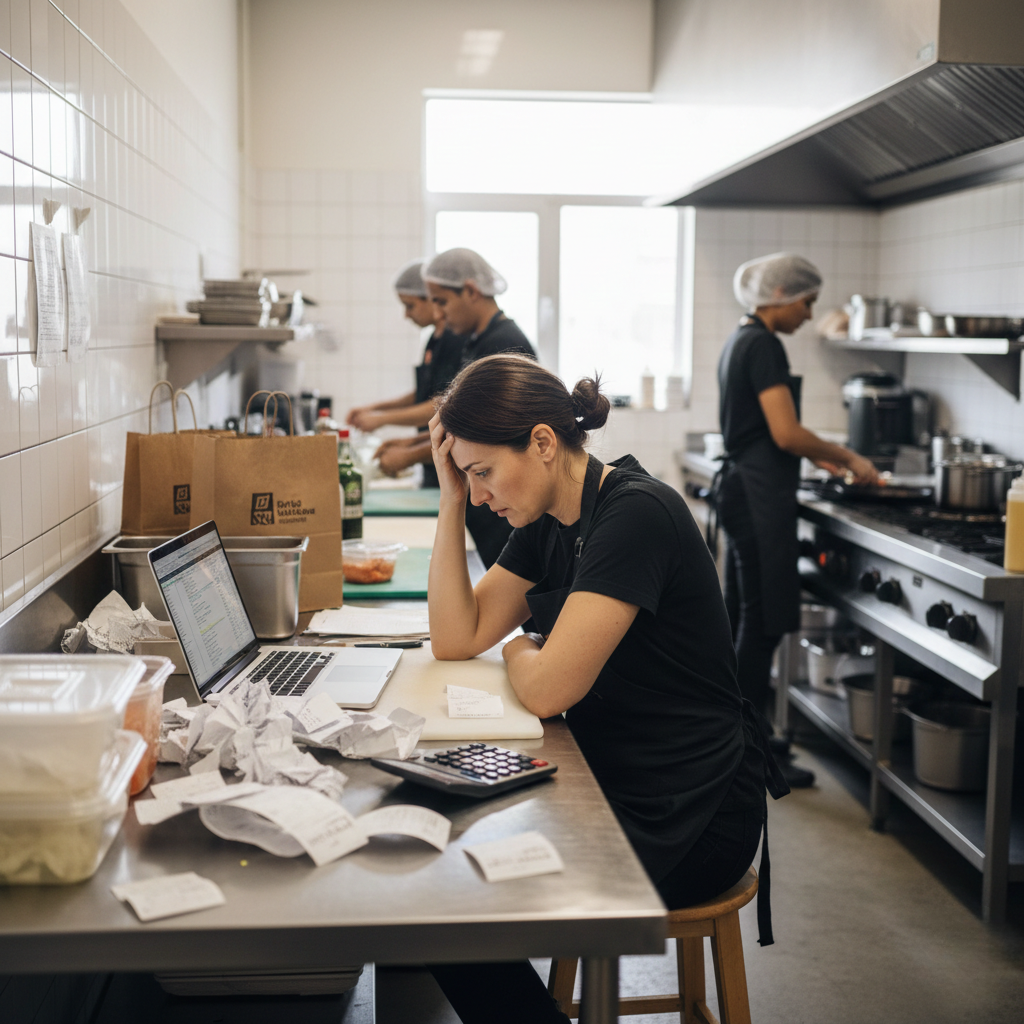
Case Study: Founder-Dependent Kitchen Converted Into System-Driven Operations Founder Dependent Cloud Kitchen Case Study-This case study explores one of the most dangerous but common phases in a cloud kitchen’s lifecycle: founder dependency. The kitchen was running, orders were steady, and customers were satisfied-but nothing moved without the founder. Cloud kitchen as a service Every decision, […]
Why is portion control so important in cloud kitchens?
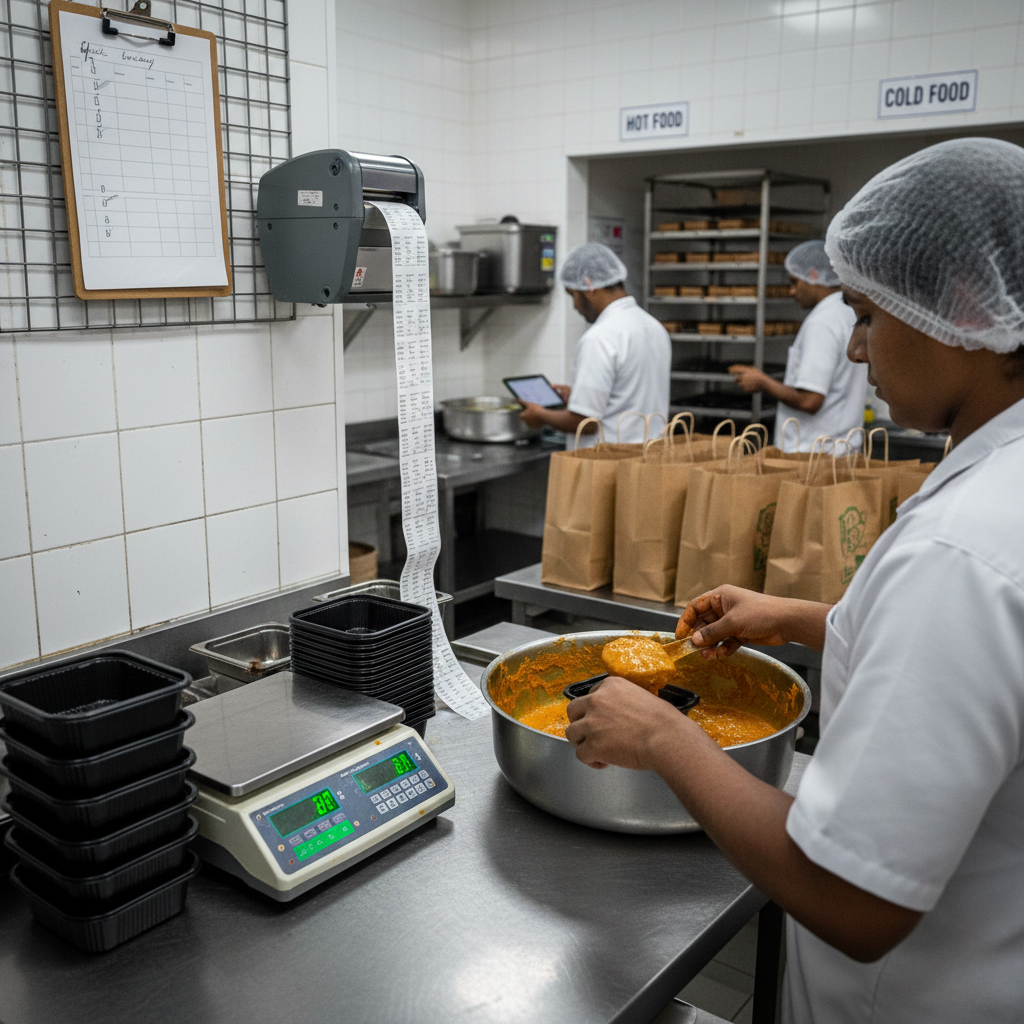
Why is portion control in cloud kitchens? is not a “kitchen discipline” topic. It is a profit survival system. Cloud kitchens run on thin contribution margins, high volume, and zero tolerance for variability. Without portion control, every extra ladle of gravy, every extra 10g of cheese, every heavier protein scoop quietly turns your best-selling items […]
Why do cloud kitchens fail without SOPs?
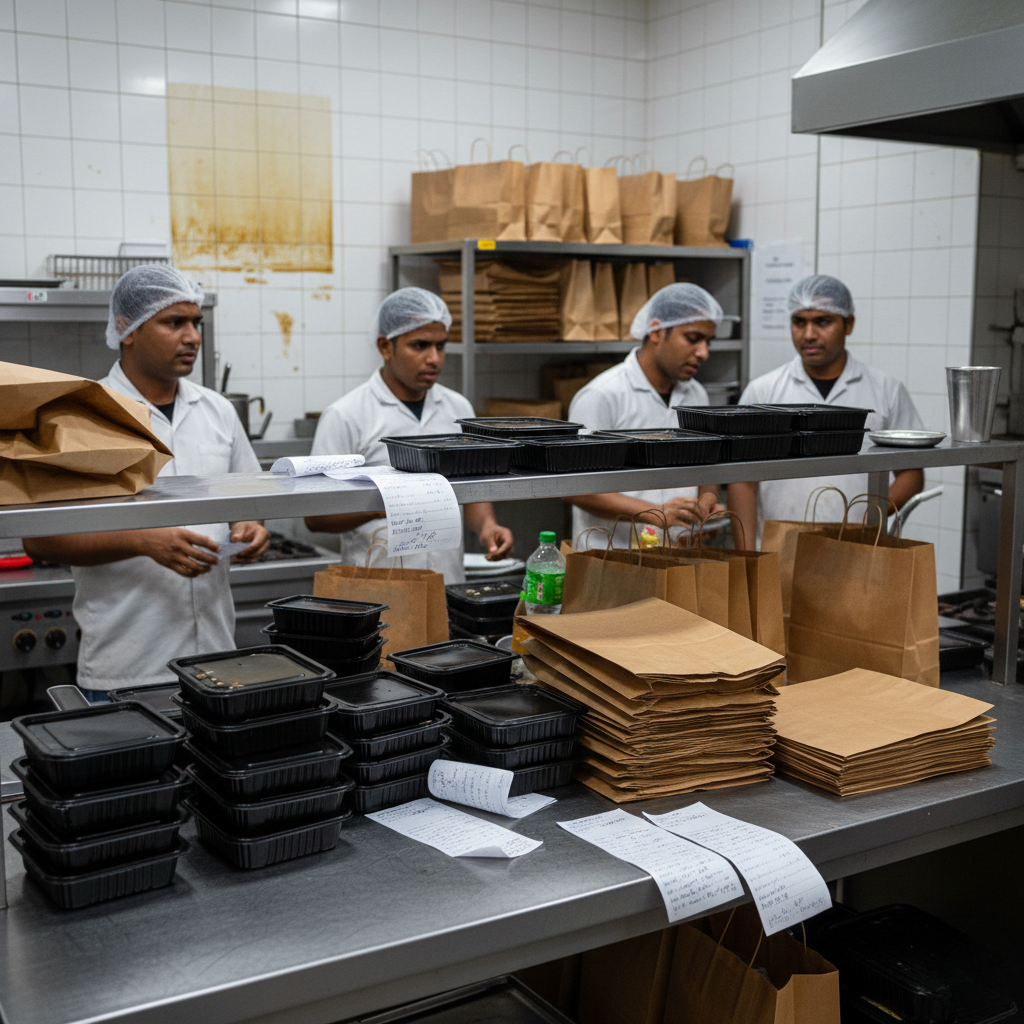
Why cloud kitchens fail without SOPs? is not a “staff problem” or a “marketing problem.” Cloud kitchens fail when execution varies by person, shift, and mood because delivery businesses run on repeatability. Without SOPs, portion drift becomes permanent, dispatch errors become normal, refunds become routine, inventory becomes guesswork, and founders become the system. This guide […]
Why does my cloud kitchen break even so late?
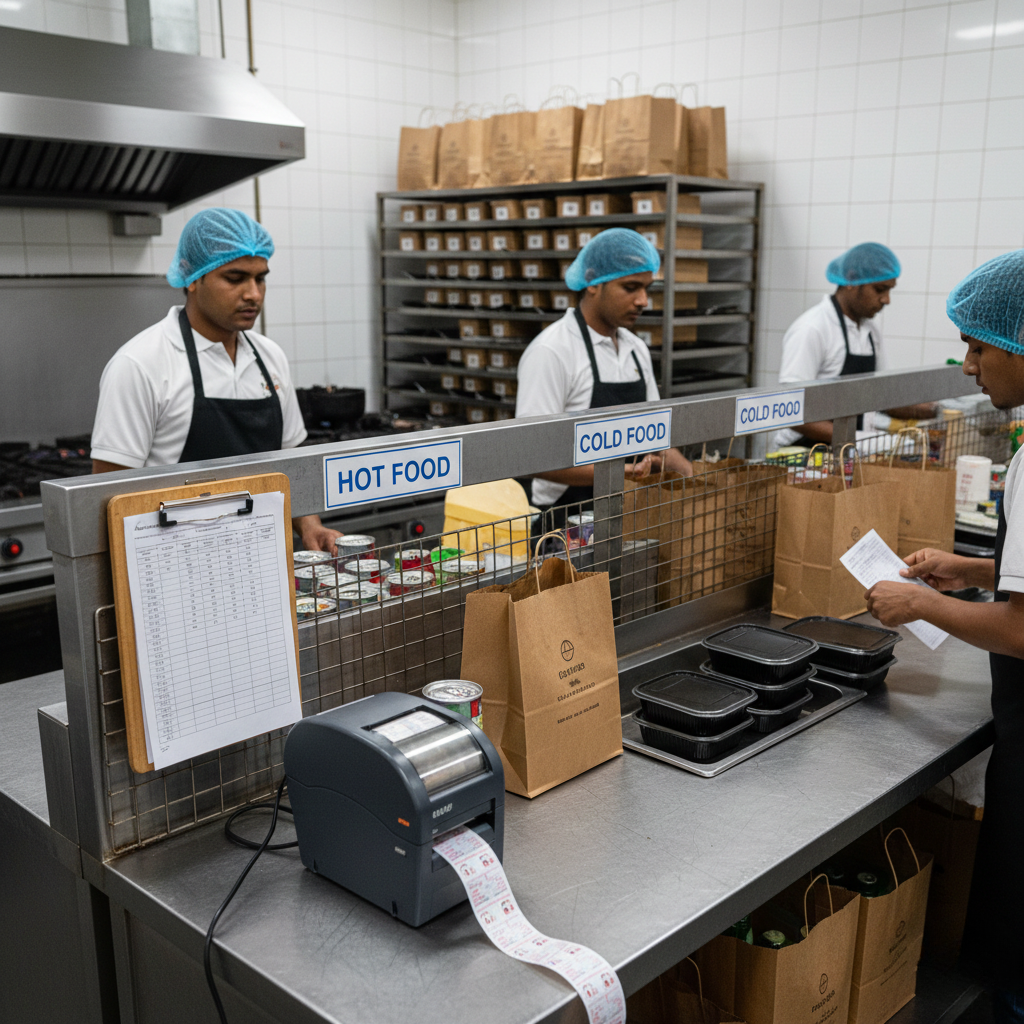
Why does my cloud kitchen break even late? is not just a “sales will pick up with time” problem. Late break-even happens when your fixed-cost base is high, your contribution margin per order is thin, and daily leakage keeps resetting whatever progress you make. Many delivery kitchens stay stuck because revenue grows, but payouts stay […]