
Why do multi-brand cloud kitchens collapse?
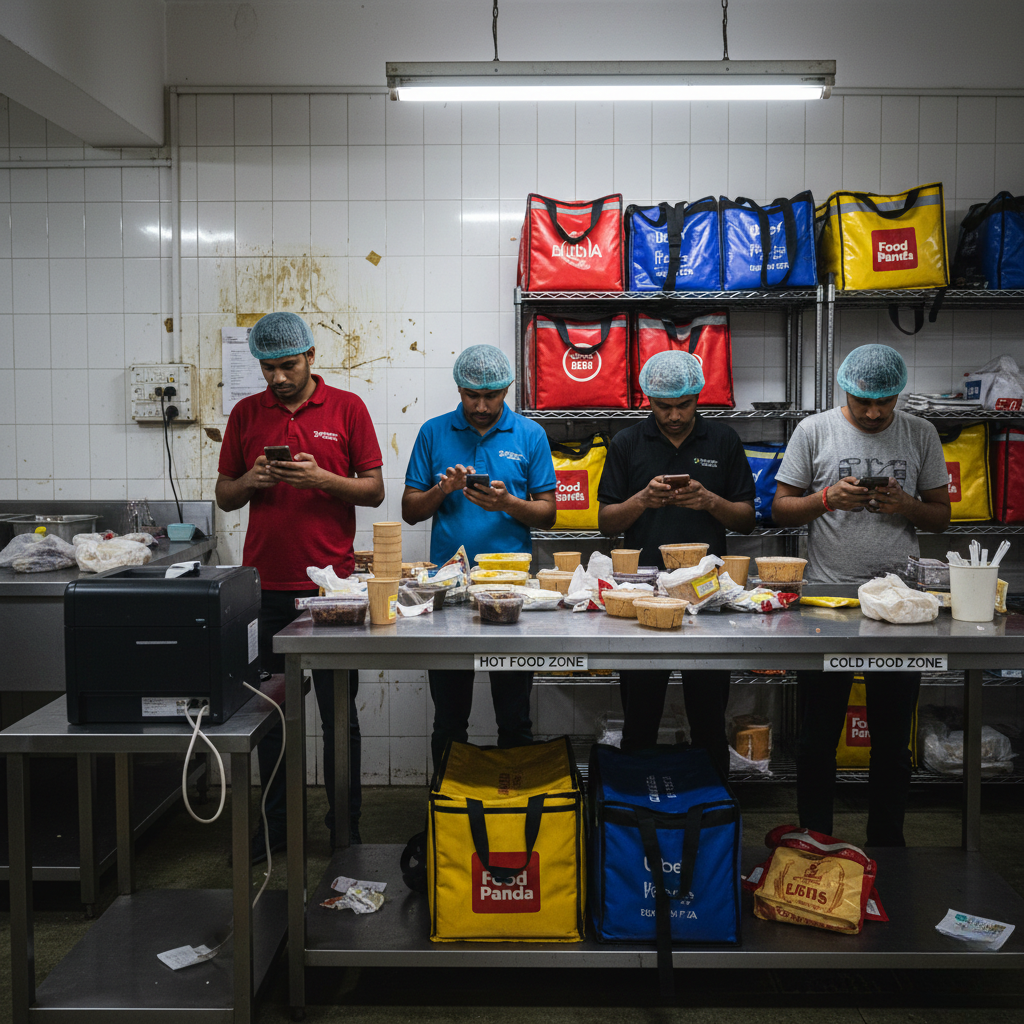
Why do multi-brand cloud kitchens collapse? is not a “bad team” problem or a “market is slow” problem. It is a complexity + standardization + handoff + control-systems problem. Multi-brand kitchens collapse when each brand adds SKU variance, prep variance, packaging variance, procurement variance, and station switching — without a shared operating system to absorb […]
Why can’t I manage multiple brands smoothly?
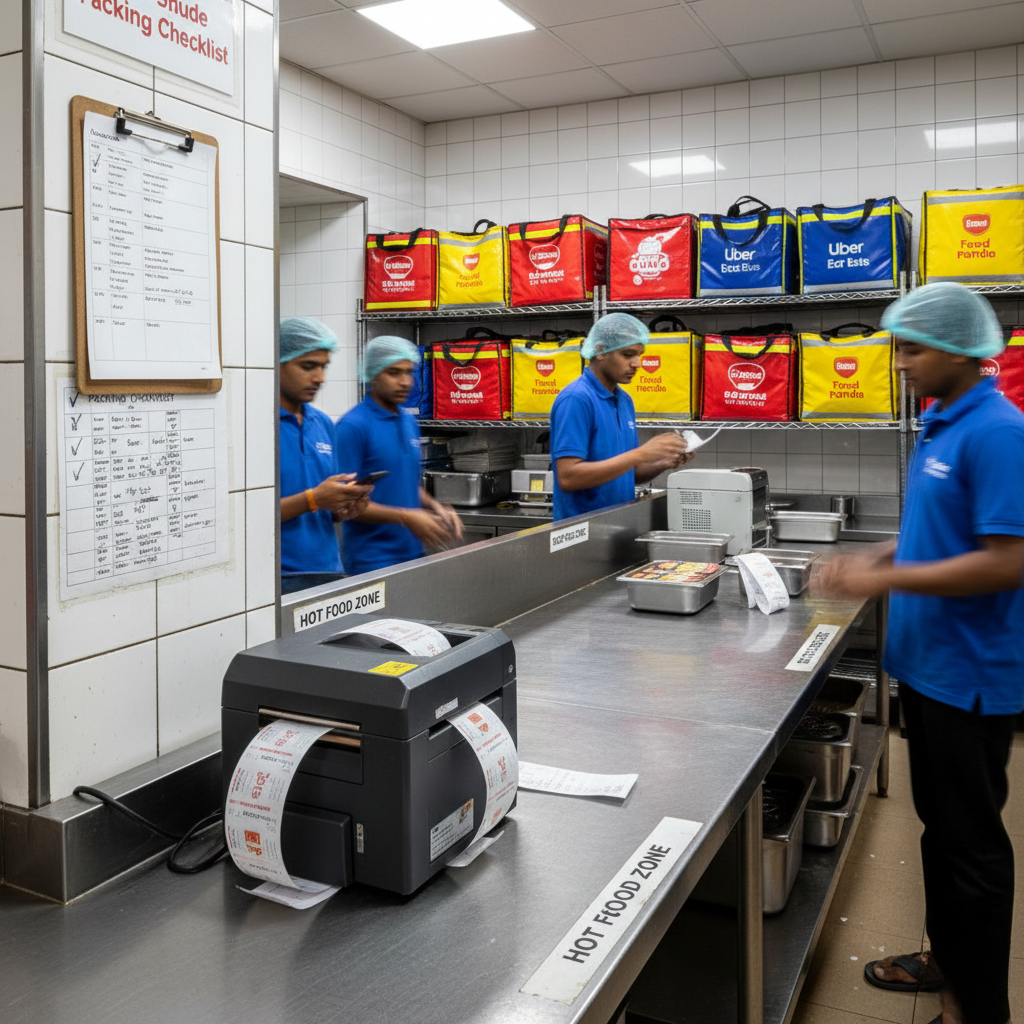
Why can’t I manage multiple cloud kitchen brands smoothly? is not a “my staff is useless” problem or a “I need a better manager” problem. It is a complexity + handoff + standardization + decision overload problem. Multi-brand cloud kitchens don’t break because you added brands. They break because each brand adds SKU variance, prep […]
Why does scaling a cloud kitchen increase losses?
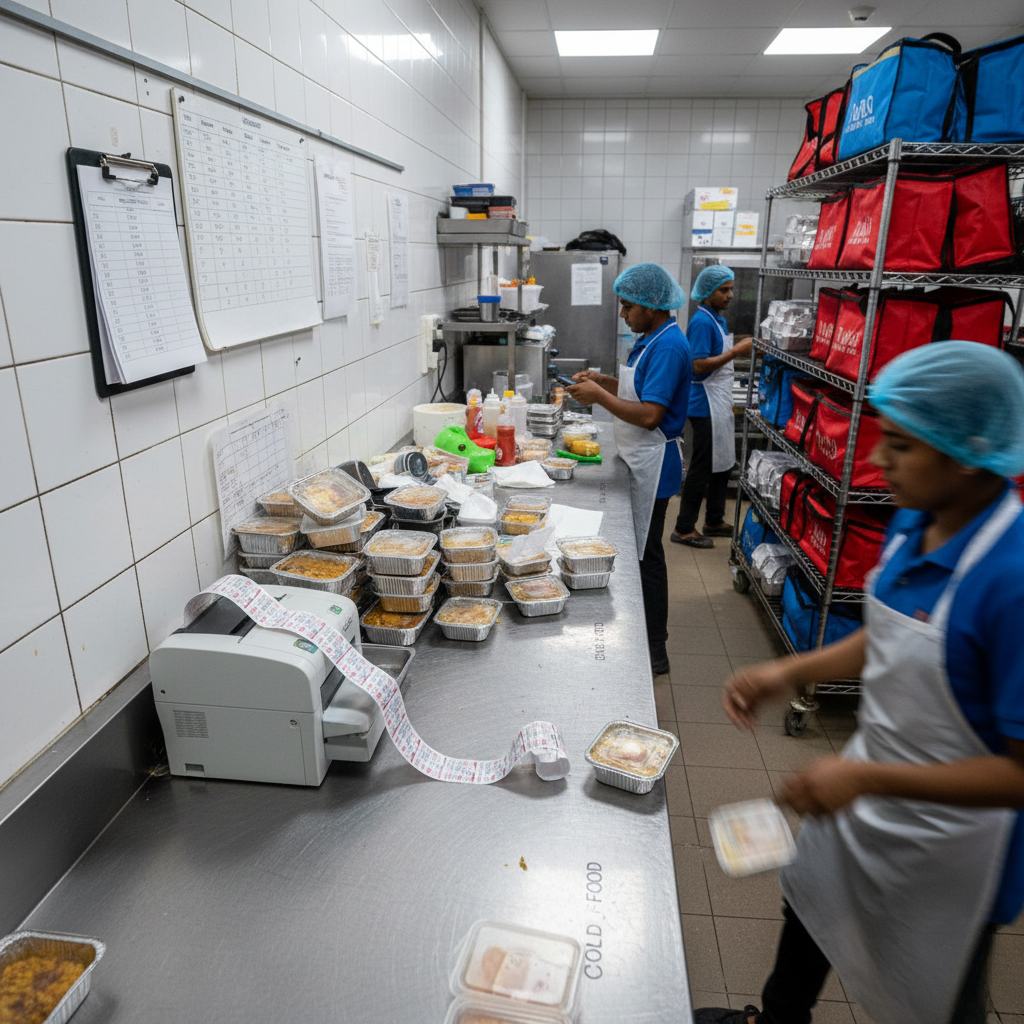
Why does scaling a cloud kitchen increase losses? is not a “more orders is bad” problem or a “Swiggy/Zomato doesn’t pay enough” problem. It is a throughput + unit-economics + control-systems problem. Scaling increases volume faster than it increases operational control, and volume multiplies weak processes: portion drift, refund leakage, cancellations, stock-outs, late dispatch, discount […]
Why did my second cloud kitchen fail?
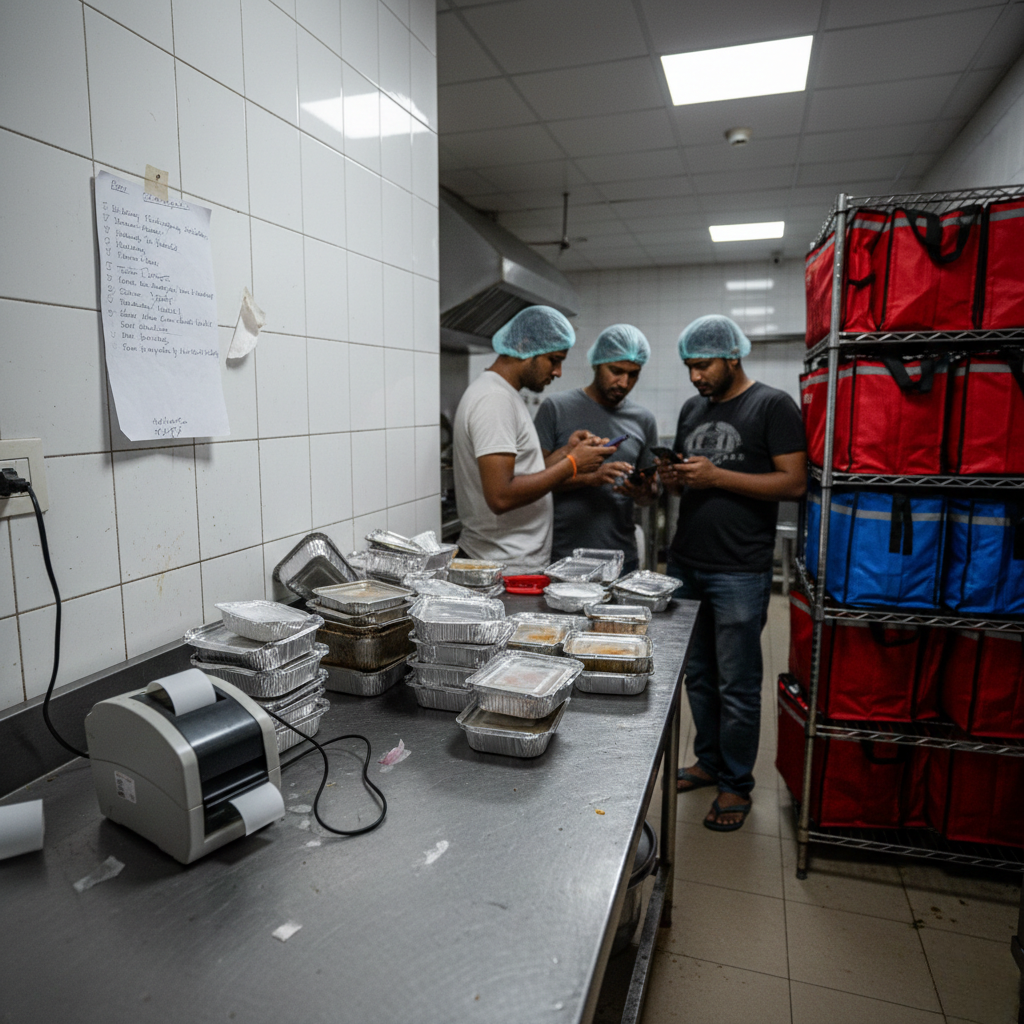
Why did my second cloud kitchen fail? is not a “bad luck” problem or a “new location didn’t work” problem. It is a replication + management bandwidth + unit-economics + systems-transfer problem. First kitchens often survive on founder presence, informal control, and daily firefighting. Second kitchens expose what wasn’t systemized: SOPs, training, prep planning, purchasing […]
Why does discounting stop working over time?
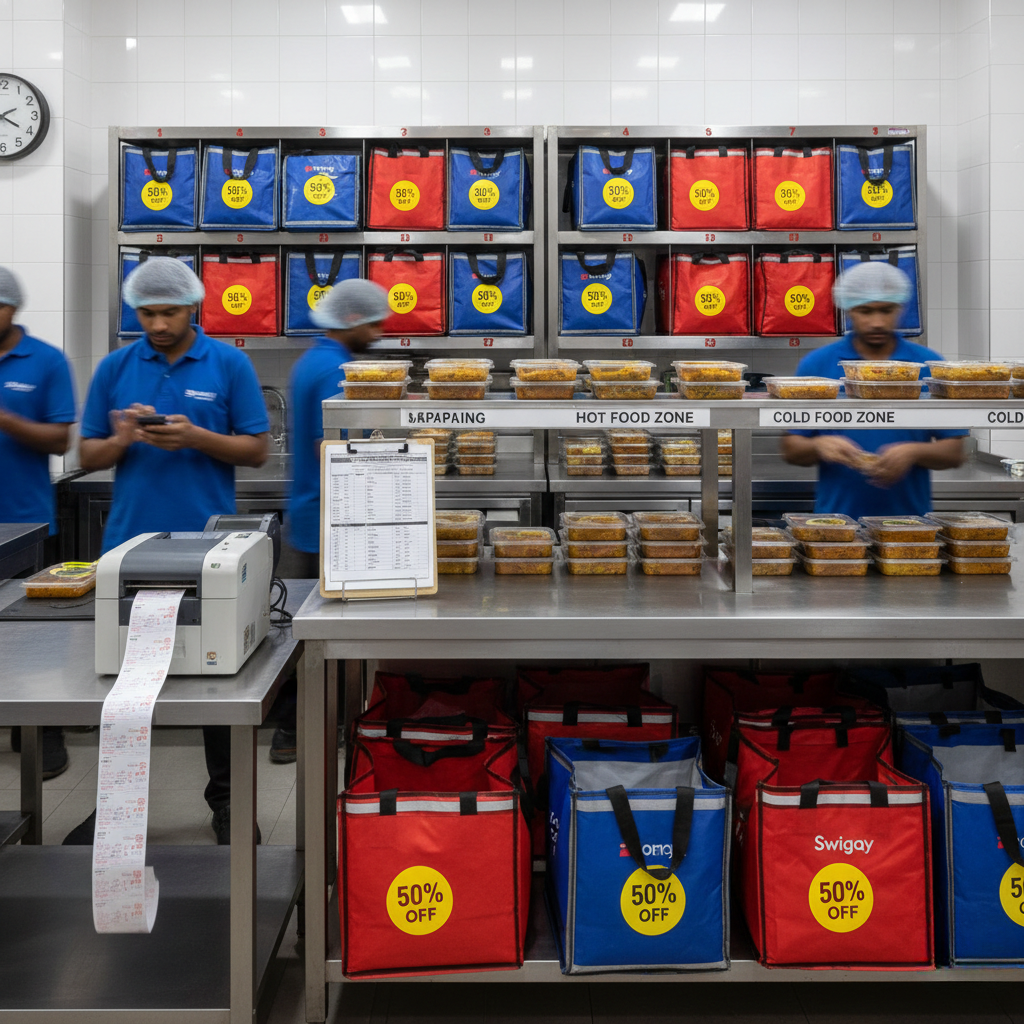
Why does discounting stops working over time? is not a “sales problem” or a “need more offers” problem. It is a customer-conditioning + unit-economics + trust-signal problem. Discounts can lift short-term conversion, but over time they train customers to wait, weaken value perception, attract deal-only buyers, and amplify operational leaks (refunds, delays, wrong items) that […]
Case Study: How CKaaS Improved Zomato Ratings Through Operations
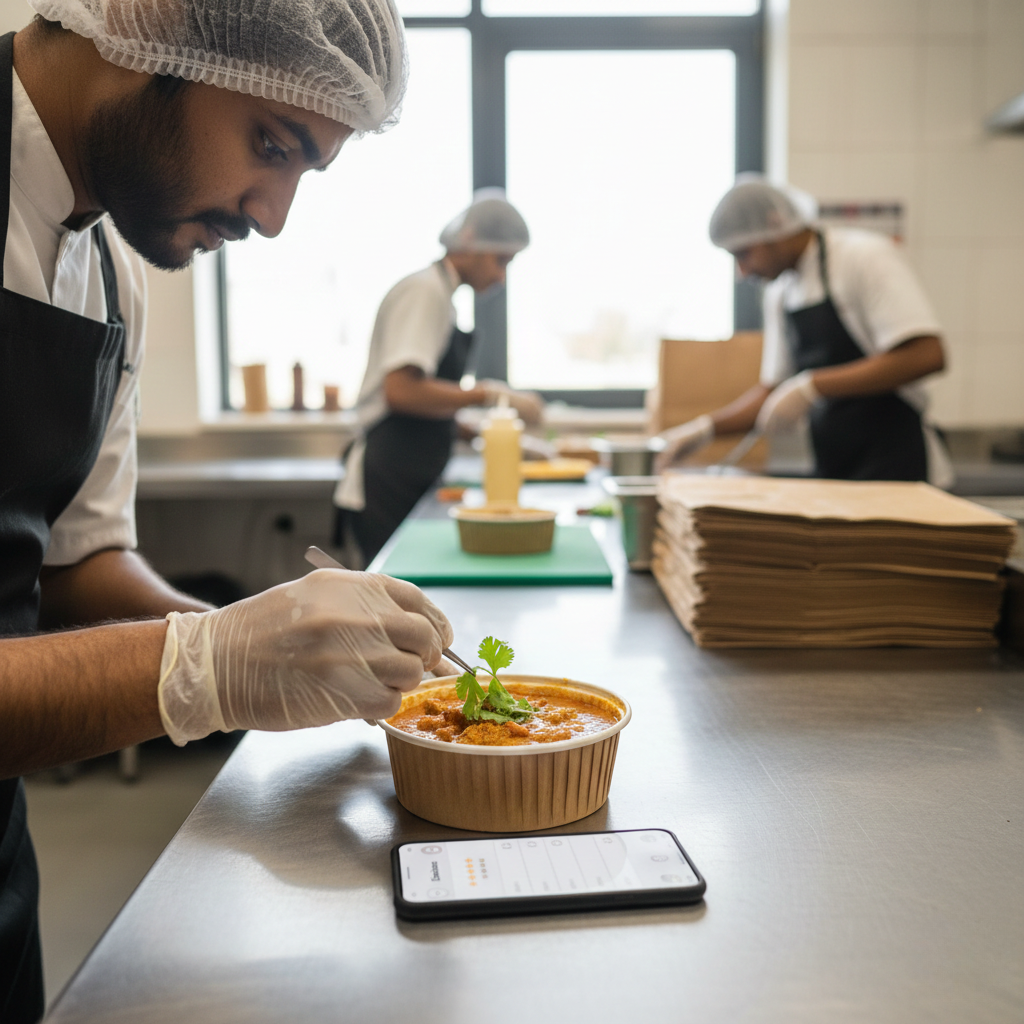
Case Study: How CKaaS Improved Zomato Ratings Through Operations Improving Zomato Ratings Case Study-This case study documents how a multi-brand cloud kitchen improved its Zomato ratings consistently without changing its menu, recipes, or pricing. While food quality was not the issue, inconsistent execution across shifts was quietly damaging customer experience, a situation many founders face […]
Why does aggregator growth not translate to profit?
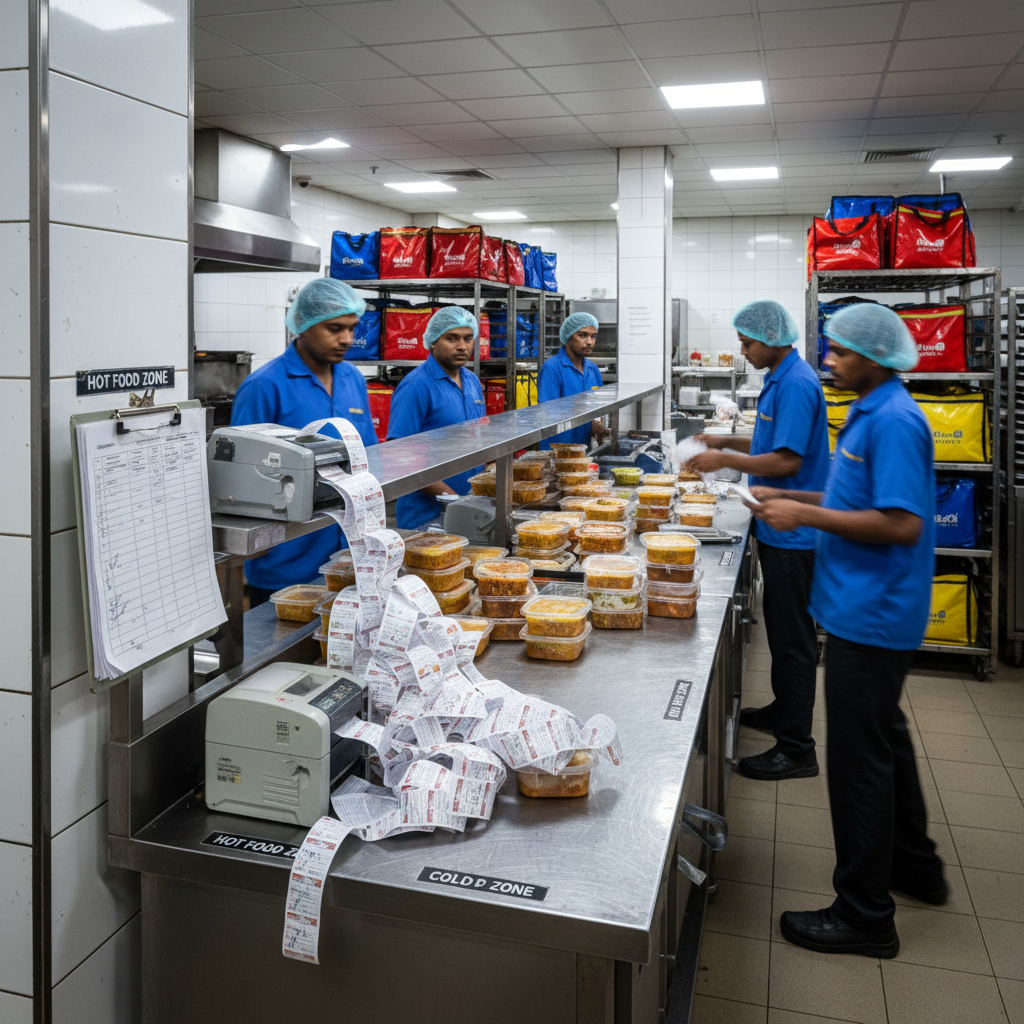
Why does aggregator growth not translating to profit? is not a “sales problem” or a “need more marketing” problem. It is a unit-economics + payout-quality + execution-discipline problem. Swiggy/Zomato growth can increase revenue while quietly destroying contribution margin through commissions, discount burn, refund leakage, packing/dispatch failures, and portion drift. When orders rise but profit doesn’t, […]
Why do I get orders but poor visibility?
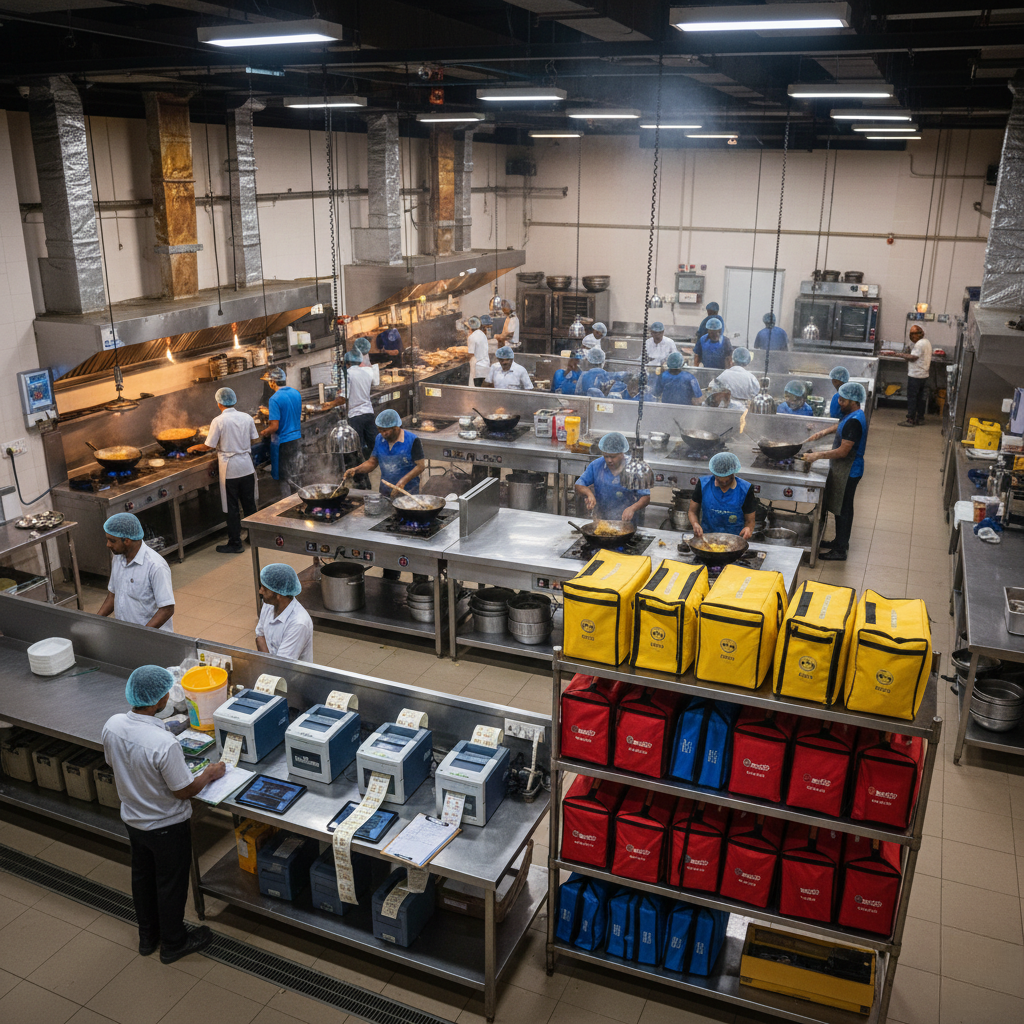
Why do I get orders but poor visibility on Swiggy and Zomato? is not a “Swiggy/Zomato algorithm hates me” problem or a “my food is not good” problem. It is a discoverability + conversion + reliability problem. Aggregators don’t only show outlets that exist they promote outlets that predict customer satisfaction at scale. When visibility […]
Why do aggregators penalize cloud kitchens?
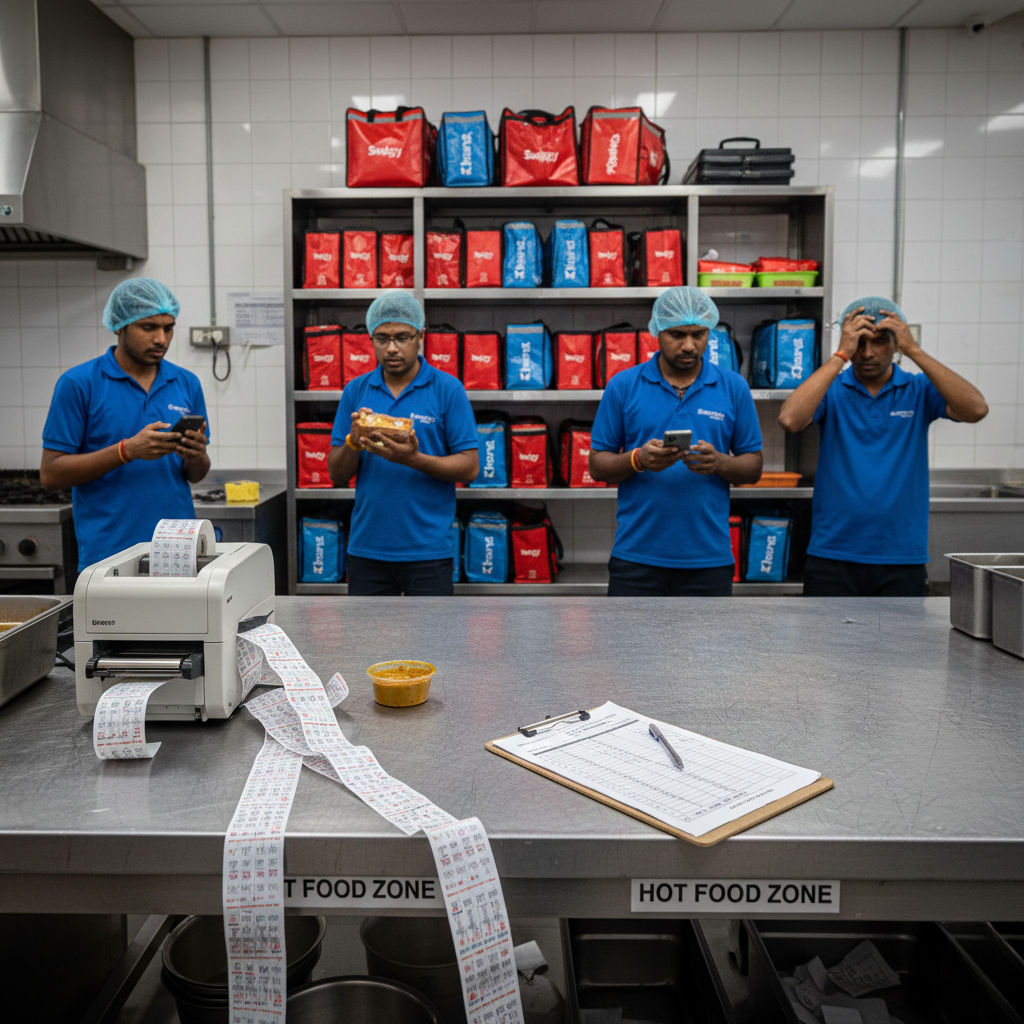
Why aggregators penalize cloud kitchens? is not a “platform hates me” problem or a “Swiggy/Zomato are unfair” problem. It is a compliance + service-level + consistency problem. Aggregators reward predictable operations and punish repeatability failures because they protect customer trust at scale. When penalties rise, it usually means one or two operational failures are repeating: […]
Why do ratings drop even when food quality is good?
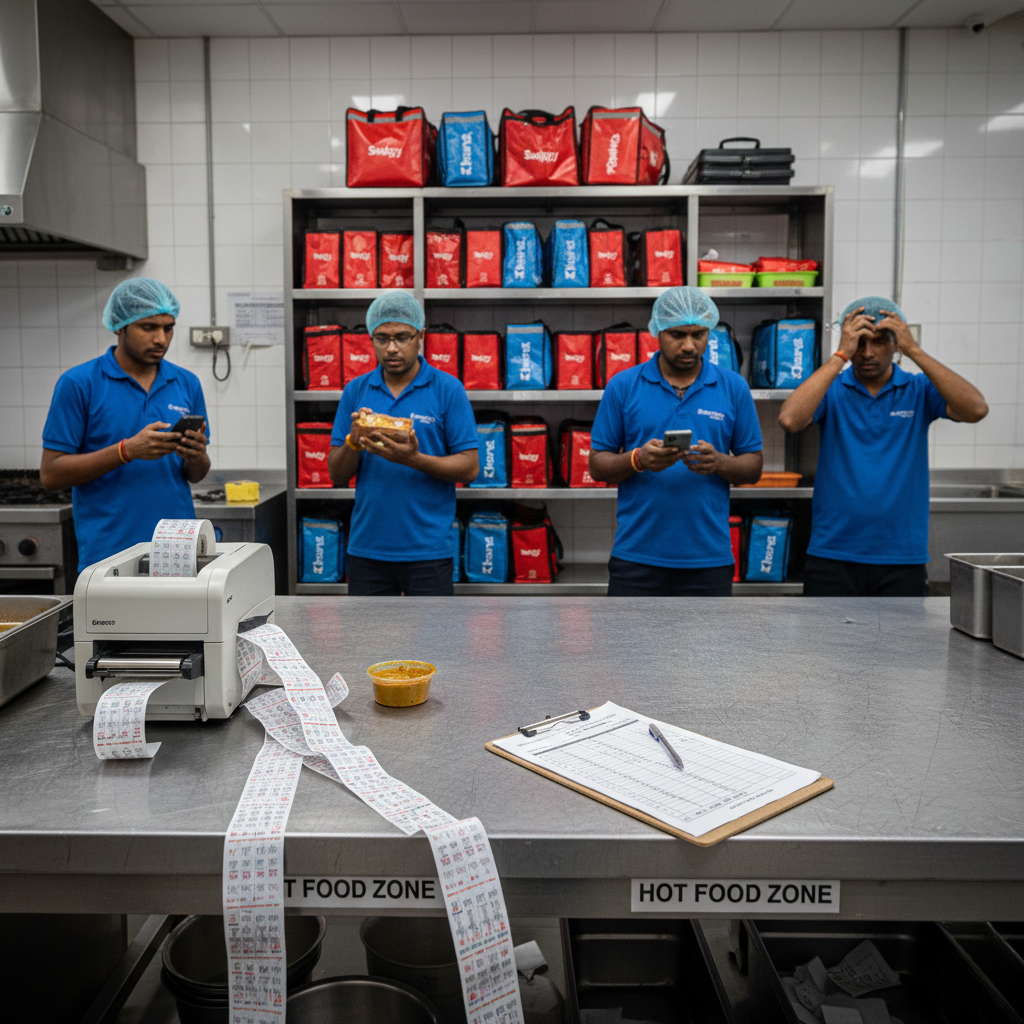
Why do ratings drop even when food quality is good? is not a “customers are unfair” problem or a “Swiggy/Zomato algorithm hates me” problem. It is an experience-consistency + execution-system problem. In delivery kitchens, customers don’t rate your recipe in isolation. They rate what arrived: temperature, packing condition, accuracy, portion consistency, add-ons, timing, and trust. […]