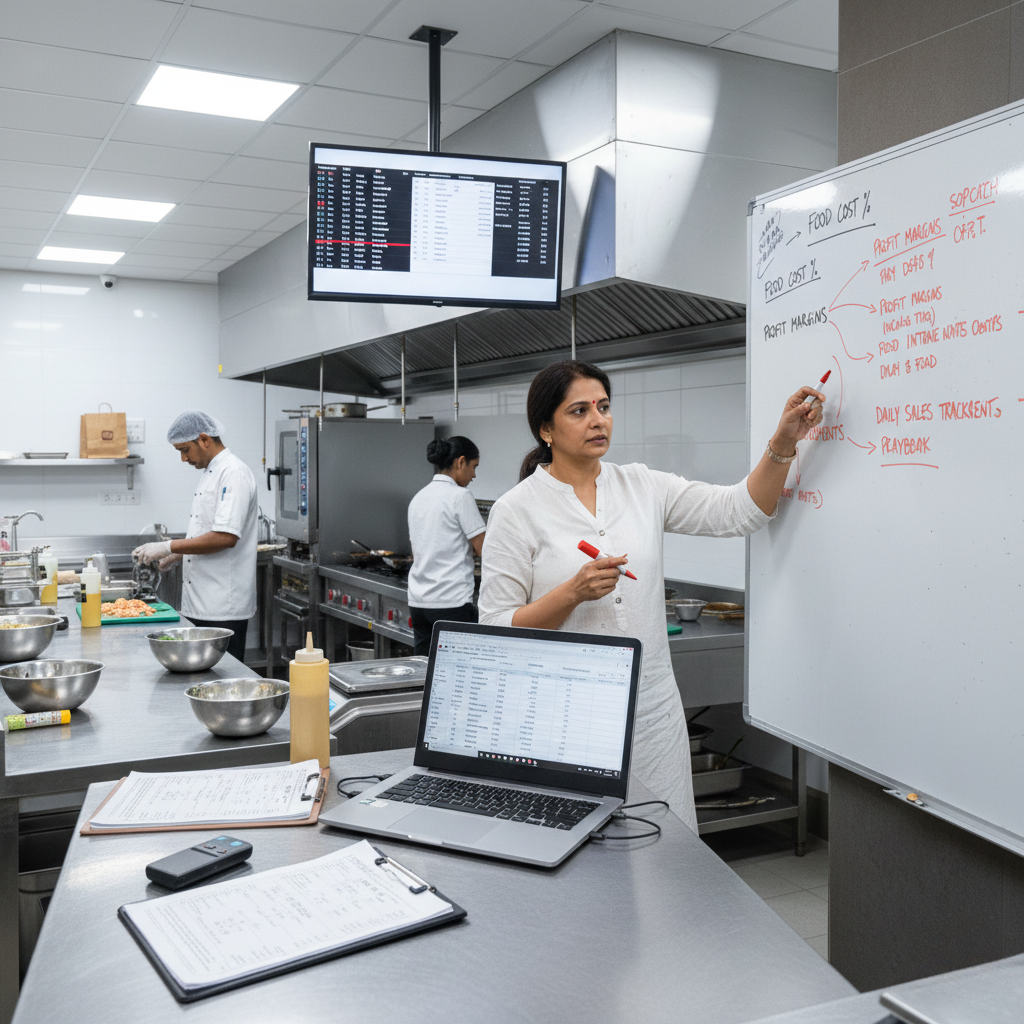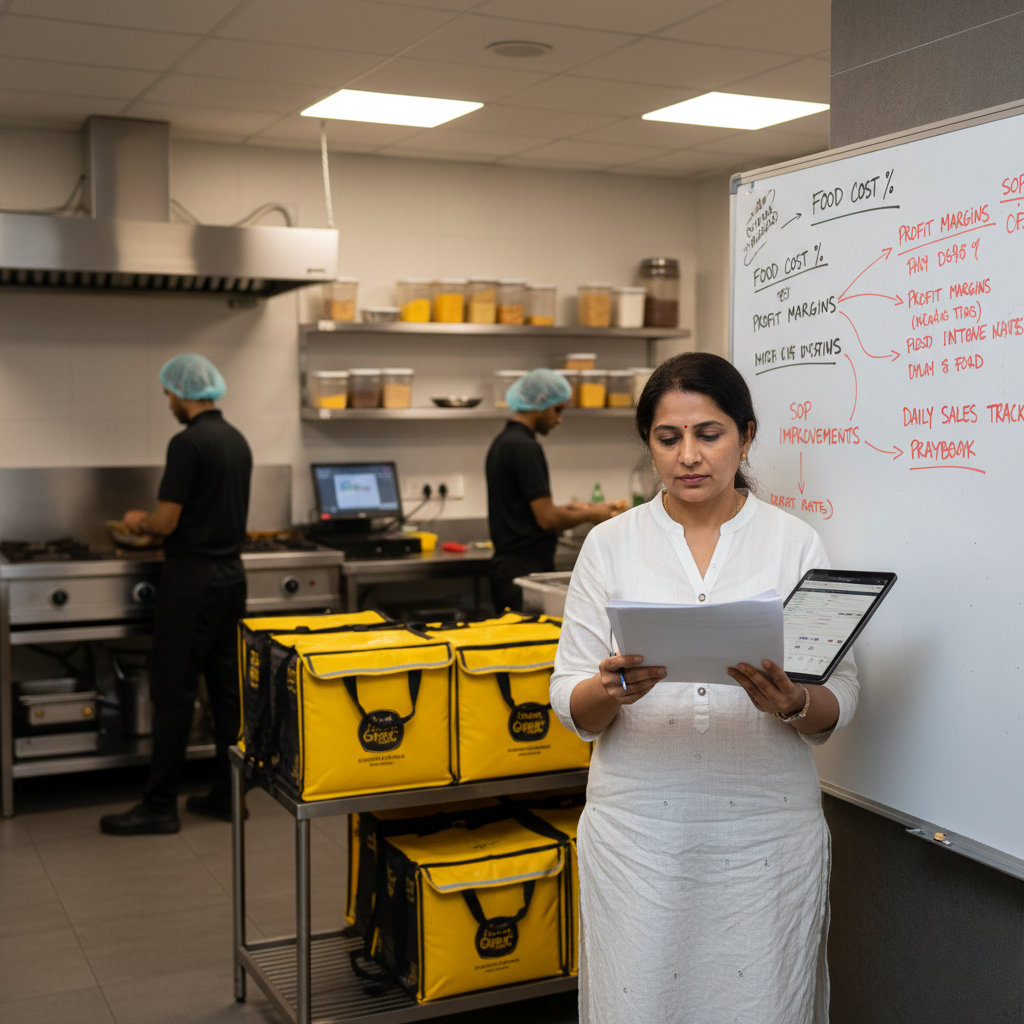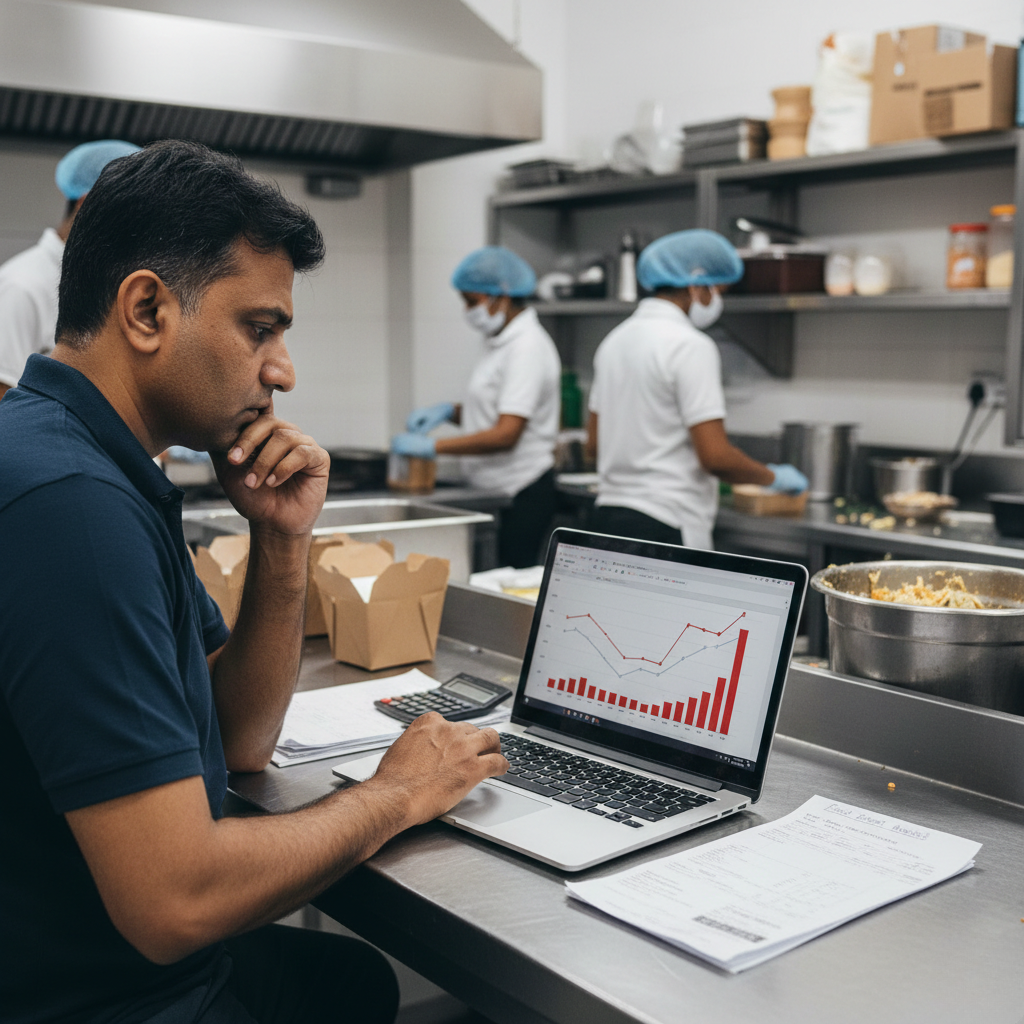
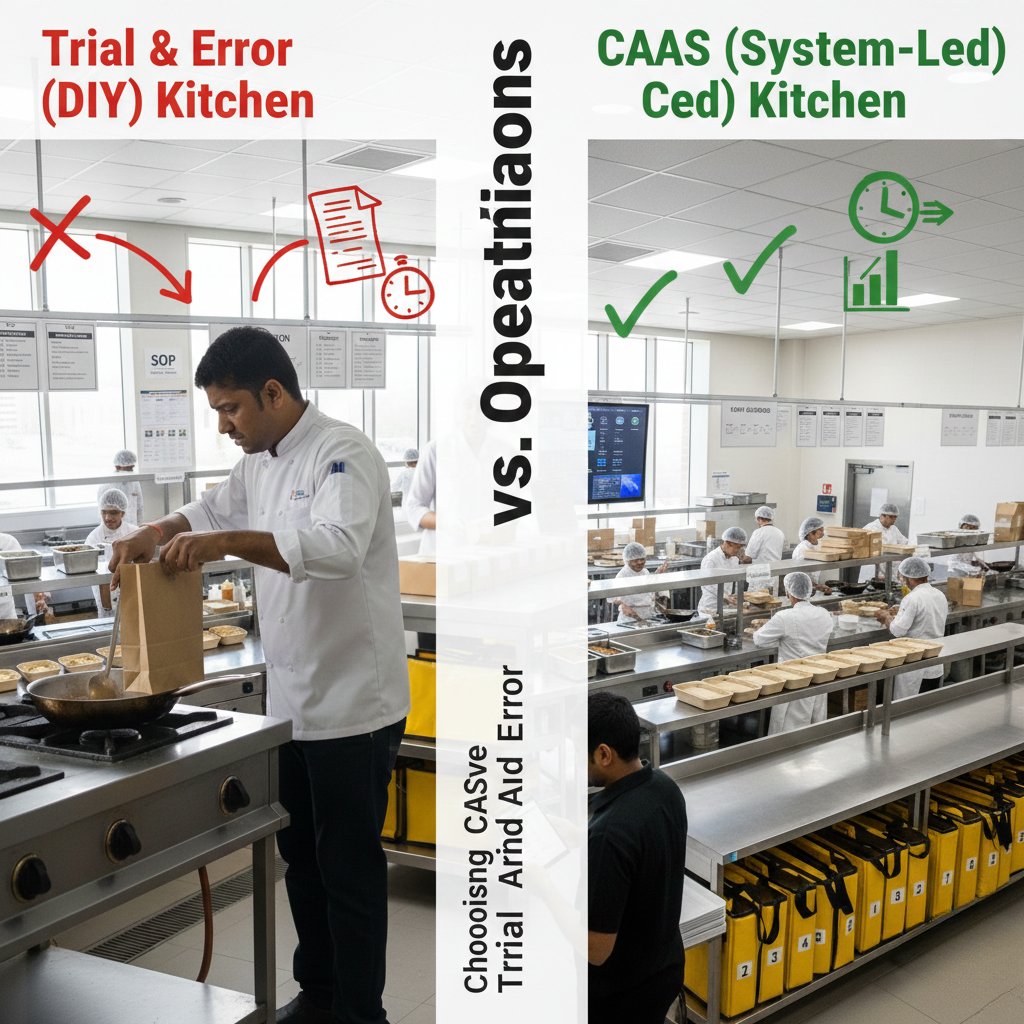
Choosing CKaaS Over Trial and Error Case Study begins with a common cloud kitchen problem: the business looks busy, the team works hard, and orders keep moving, yet profitability, consistency, and execution remain unstable. This case study documents how a growing cloud kitchen realised that informal, trial-and-error decision-making was quietly damaging performance. Despite constant adjustments, outcomes remained unpredictable, a situation many founders face before recognising the deeper issue, as explained in Why My Cloud Kitchen Profits Are Declining.
Over a ninety-day period, the kitchen transitioned away from reactive fixes and adopted CKaaS-driven operational systems. No menu changes were made, no pricing experiments were run, and no new staff were hired. Stability came purely from structured execution, similar to approaches used when Fixing Cloud Kitchen Delays, Refunds, and Complaints.
Choosing CKaaS Over Trial and Error Case Study: Background of the Kitchen
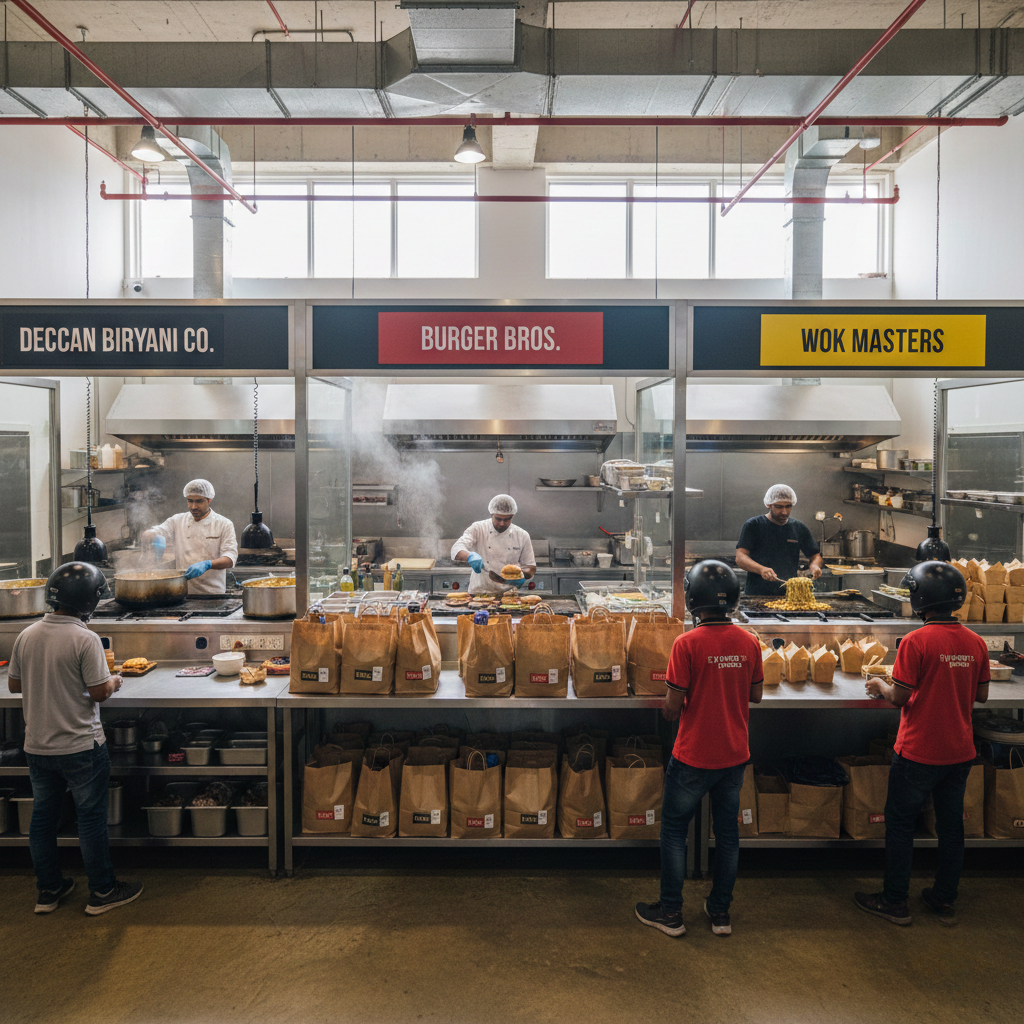
The kitchen operated two delivery-only brands and processed approximately one hundred fifty to one hundred ninety orders per day. Decisions were made daily based on intuition, including changing prep methods, altering workflows, and improvising staffing without documentation.
While effort levels were high, results varied widely between shifts. Margins fluctuated, errors repeated, and performance depended heavily on who was on duty. This pattern is common in kitchens that rely on experimentation instead of systems, as discussed in How to Stabilise Profits Before Scaling.
Complaints related to inconsistency, portion variation, and packing mistakes continued despite repeated fixes, indicating weak operational foundations similar to issues outlined in Cloud Kitchen Without SOPs vs After SOP Implementation.
Choosing CKaaS Over Trial and Error Case Study: The Core Problem
The founder believed experimentation was necessary to improve performance. In reality, constant changes prevented standardisation, making it impossible to measure or control outcomes.
Every shift interpreted improvement differently. A process changed today could be reversed tomorrow. Because there was no fixed operating baseline, the kitchen was trapped in a loop of activity without learning.
This realisation mirrors challenges described in When Growth Is Hurting Your Cloud Kitchen Operations, where lack of structure becomes a hidden bottleneck.
Choosing CKaaS Over Trial and Error Case Study: Operational Pattern Audit
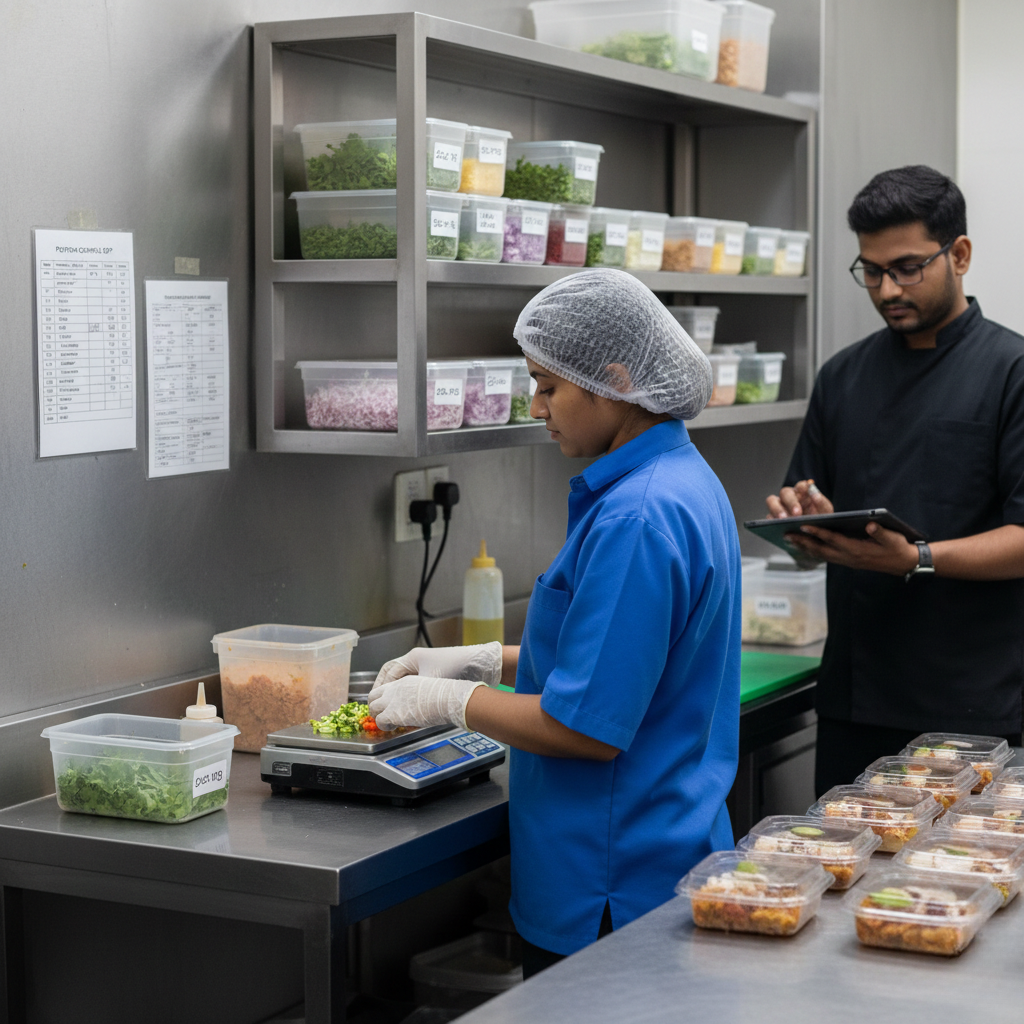
A structured audit was conducted to map how decisions were being made and executed across shifts. The goal was to identify recurring trial-and-error patterns rather than isolated mistakes.
This diagnostic approach followed the same discipline used when analysing contribution margins in cloud kitchens, focusing on repeatability over guesswork.
The audit showed that over seventy percent of issues were caused by inconsistent processes, not lack of effort or intent. In other words, the kitchen did not have a people problem. It had a system problem.
Choosing CKaaS Over Trial and Error Case Study: Identifying the Trial-and-Error Loops
Each shift solved problems differently. What worked one day was undone the next. Staff lacked clarity on the correct method, leading to confusion, rework, and variable execution.
Prep quantities changed without tracking. Packing standards changed depending on urgency. Communication depended on verbal reminders instead of documented process. These patterns made repeatable performance impossible.
These loops are typical in founder-led kitchens operating without systems, as explained in Founder-Dependent Kitchen Converted Into System-Driven Operations.
Choosing CKaaS Over Trial and Error Case Study: Replacing Guesswork With CKaaS Systems
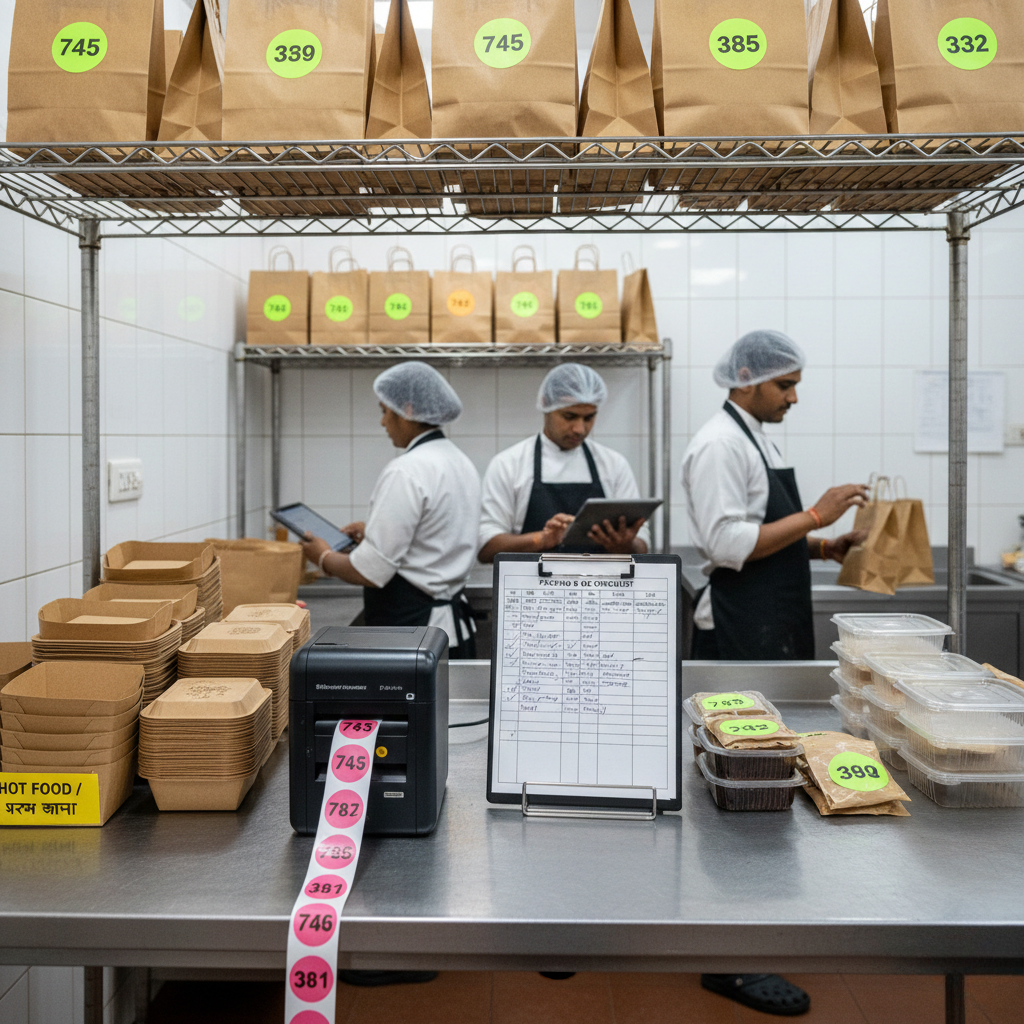
CKaaS introduced standard operating procedures across prep, cooking, packing, and dispatch. Every decision point was documented, standardised, and made measurable.
Visual SOPs replaced verbal instructions, reinforcing clarity similar to methods discussed in How SOPs Improve Cloud Kitchen Profitability.
Once systems were fixed, experimentation stopped and performance stabilised. Team members no longer guessed what good execution looked like. They followed a shared, repeatable standard.
Choosing CKaaS Over Trial and Error Case Study: Shift-Level Discipline
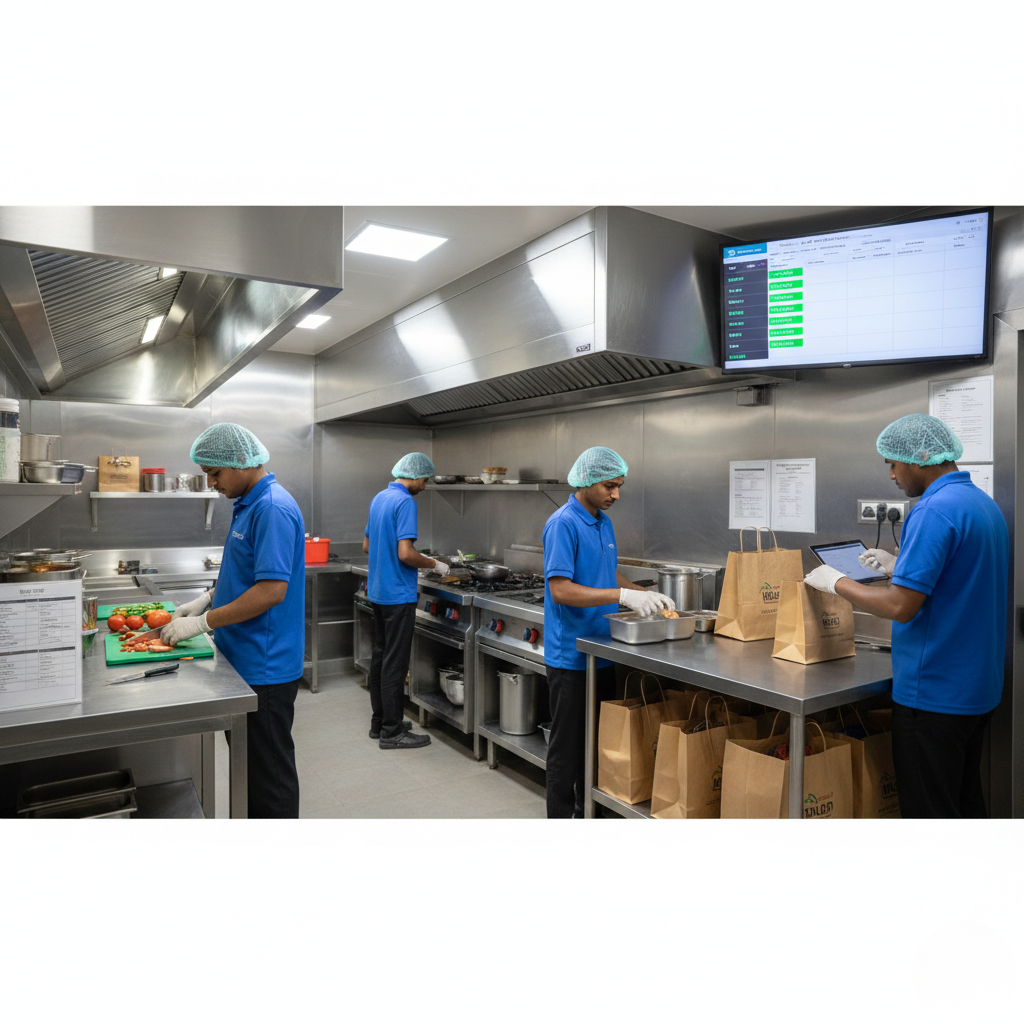
Shifts began with SOP reviews instead of daily improvisation. Small improvements were logged systematically rather than applied randomly.
This discipline followed principles outlined in Daily Shift Planning for Cloud Kitchens.
Staff confidence increased as expectations became clear and repeatable. Instead of asking how to do the job every shift, the team could now focus on doing the job correctly every shift.
Choosing CKaaS Over Trial and Error Case Study: Outcome and Results
Within ninety days, refund value reduced significantly, order consistency improved, and daily performance became predictable. The kitchen no longer depended on trying things out to function.
Most importantly, the founder regained control by replacing instinct-driven decisions with system-led execution. The business became easier to manage not because it became simpler, but because it became more structured.
This is the real value shown in this Choosing CKaaS Over Trial and Error Case Study: CKaaS did not create improvement through dramatic change. It created improvement through operational consistency.
Key Takeaways From the Choosing CKaaS Over Trial and Error Case Study
Trial-and-error feels productive, but it often hides structural problems. Scalable kitchens choose systems over constant experimentation. CKaaS replaced uncertainty with control, confusion with clarity, and repeated mistakes with repeatable execution.
The deeper lesson is simple: effort without systems creates fatigue, but effort supported by systems creates stability.
Related Case Studies and Reads
- How to Fix a Loss-Making Cloud Kitchen
- Why Discounts Are Not Solving Your Profit Problem
- From 50 Orders to 300 Orders: Operations Scaling Guide
- Standardizing Kitchen Execution Across Shifts
Have Questions?
If your cloud kitchen relies on constant experimentation, structured guidance is available in the Grow Kitchen FAQs.