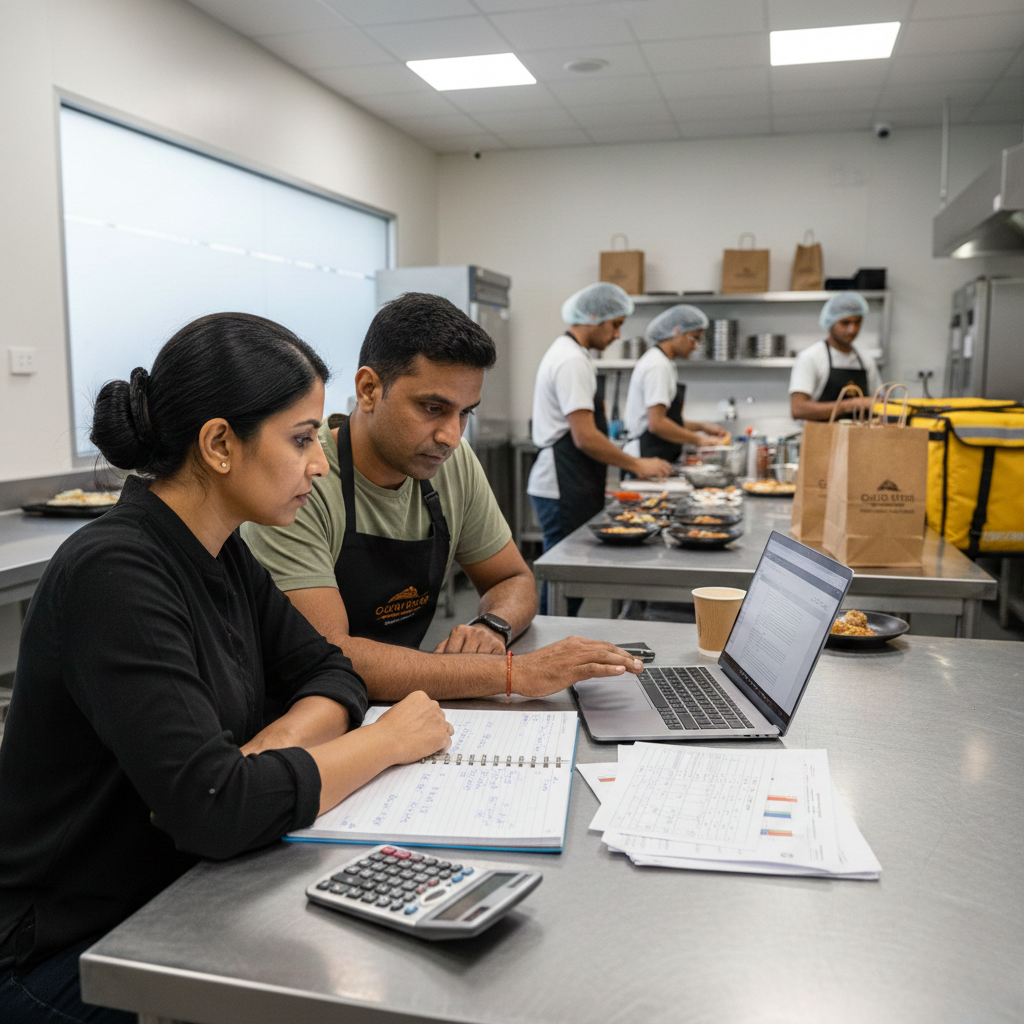
Cloud Kitchen Expansion Loss Prevention Case Study — This case study documents how a fast-growing cloud kitchen avoided heavy expansion losses by implementing CKaaS systems before scaling. On the surface, demand was strong, ratings were healthy, and new outlet opportunities looked attractive. However, internal weaknesses threatened profitability—an issue many founders only discover after losses appear, as discussed in Why My Cloud Kitchen Profits Are Declining.
Instead of expanding blindly, the founder chose to stabilise operations first. Over a structured ninety-day period, the kitchen focused entirely on execution discipline and systemisation. No menu changes were made, no pricing experiments were introduced, and no discounts were added—similar to approaches used when Fixing Cloud Kitchen Delays, Refunds, and Complaints.
Cloud Kitchen Expansion Loss Prevention Case Study: Background
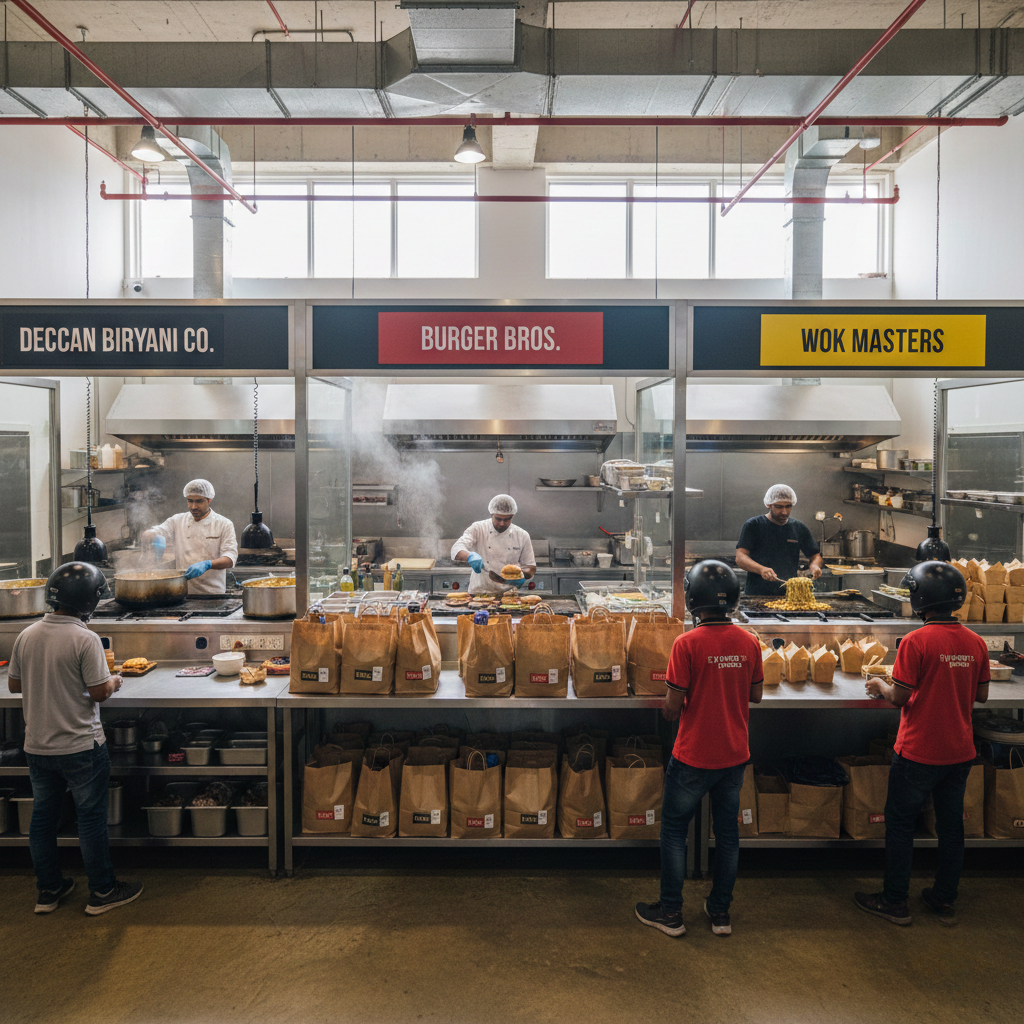
The kitchen operated two delivery-only brands from a single location, averaging one hundred seventy to two hundred orders per day. Platform visibility was improving, and aggregator representatives encouraged expansion into new locations.
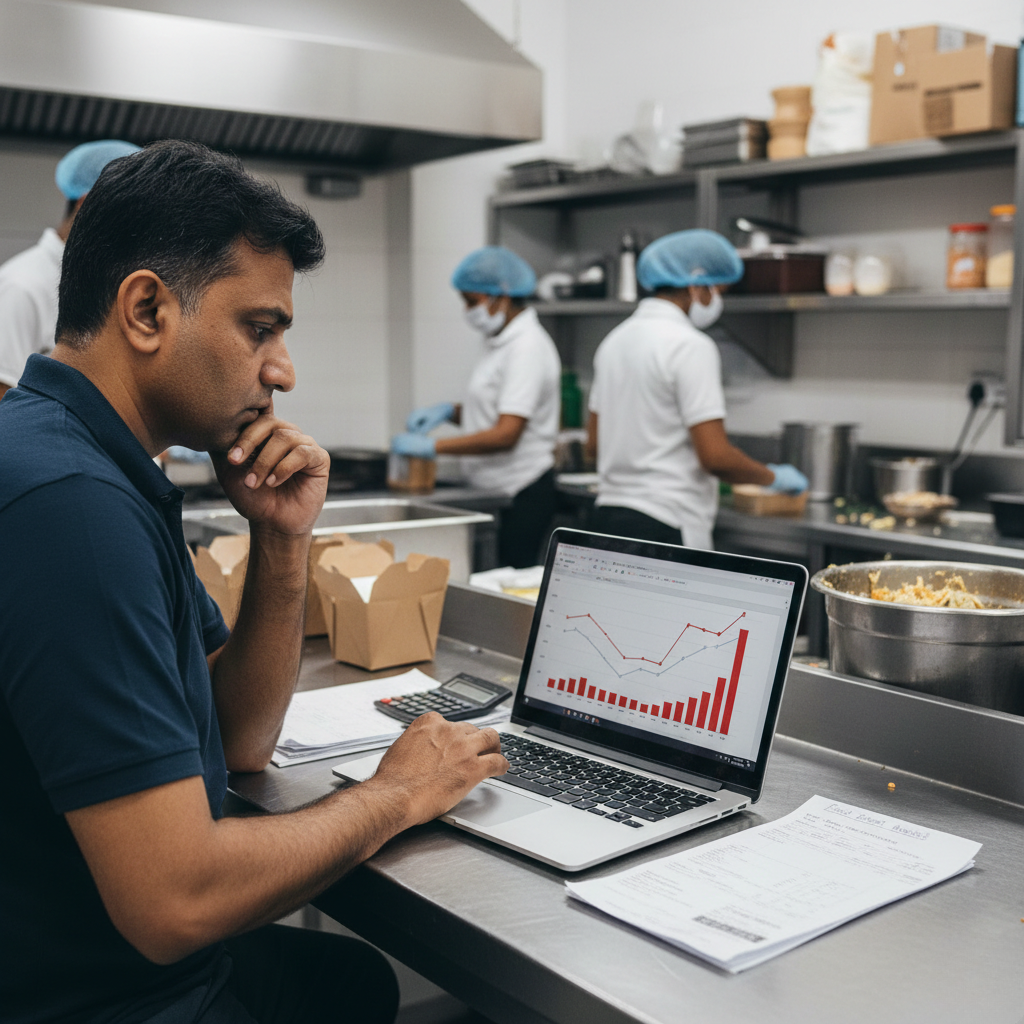
Despite revenue growth, margins were unstable and operational stress increased with volume. These are classic indicators highlighted in this Cloud Kitchen Expansion Loss Prevention Case Study, commonly seen when kitchens scale before stabilising systems, as explained in How to Stabilise Profits Before Scaling.
Small errors—missed items, prep delays, and inconsistent execution—were manageable at one location but would multiply dangerously during expansion. These symptoms strongly resembled early-stage SOP gaps outlined in Cloud Kitchen Without SOPs vs After SOP Implementation.
Cloud Kitchen Expansion Loss Prevention Case Study: The Core Problem
The founder initially assumed expansion losses were unavoidable and would be corrected through scale.
A deeper operational review revealed the opposite: expanding without systems would lock losses into every new outlet. This insight is a key learning from this Cloud Kitchen Expansion Loss Prevention Case Study and mirrors what many founders experience when growth starts hurting execution, as described in When Growth Is Hurting Your Cloud Kitchen Operations.
Why Expansion Without Systems Fails
Without standardisation, small operational inefficiencies scale into major financial losses. Founder dependency, lack of SOPs, and inconsistent execution create instability across locations.
Intervention: Expansion Risk Audit

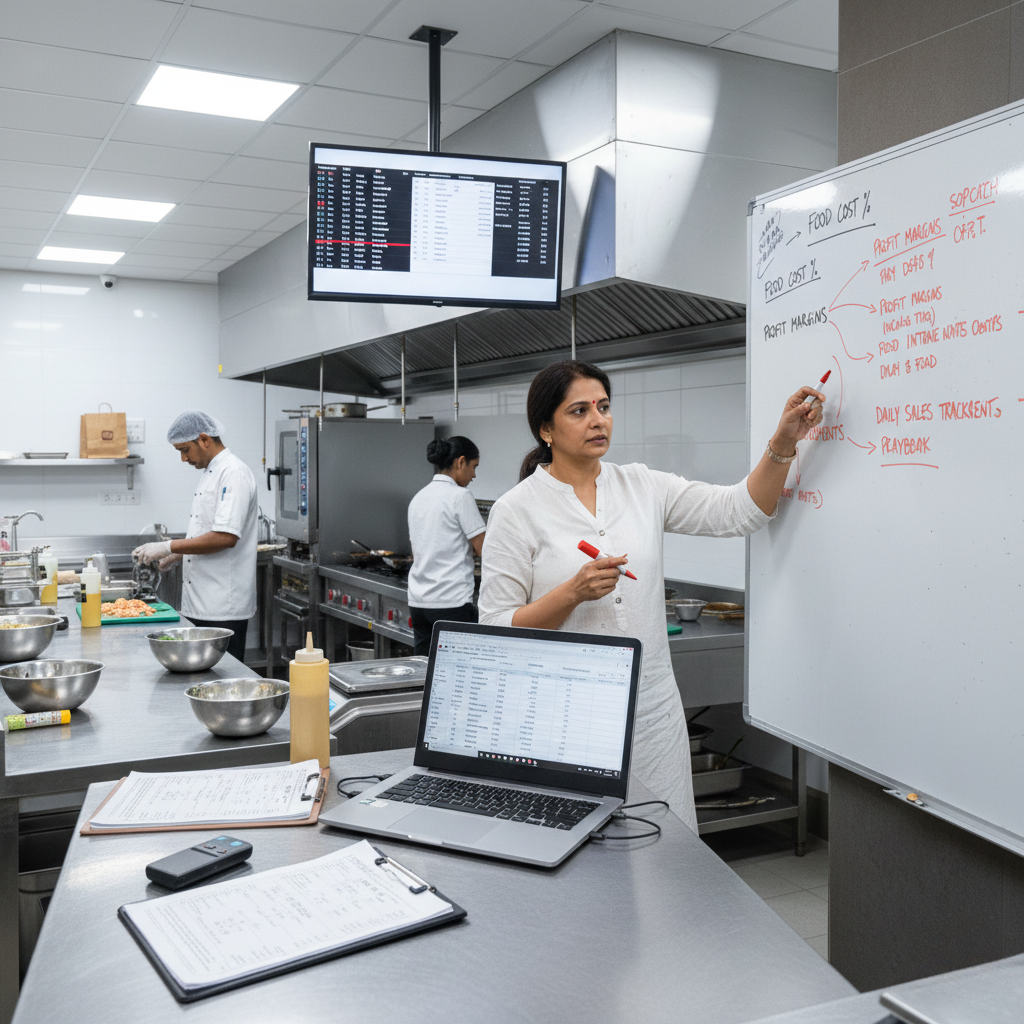
The first intervention focused on identifying where expansion would amplify losses. Every step—from procurement to packing—was evaluated for repeatability and control.
Rather than reviewing only P&L numbers, the audit examined process reliability, a method commonly used when analysing contribution margins in cloud kitchens.
Intervention: Identifying Loss Multipliers
A full order journey mapping exercise was conducted to identify where minor inefficiencies would multiply across outlets.
This Cloud Kitchen Expansion Loss Prevention Case Study revealed founder dependency, inconsistent SOP usage, and unclear role ownership—patterns commonly seen before expansion failures, as explained in Founder-Dependent Kitchen Converted Into System-Driven Operations.
How CKaaS Prevents Loss Multiplication
CKaaS systems ensure standardisation, accountability, and repeatability—preventing operational chaos from scaling.
Intervention: CKaaS System Implementation
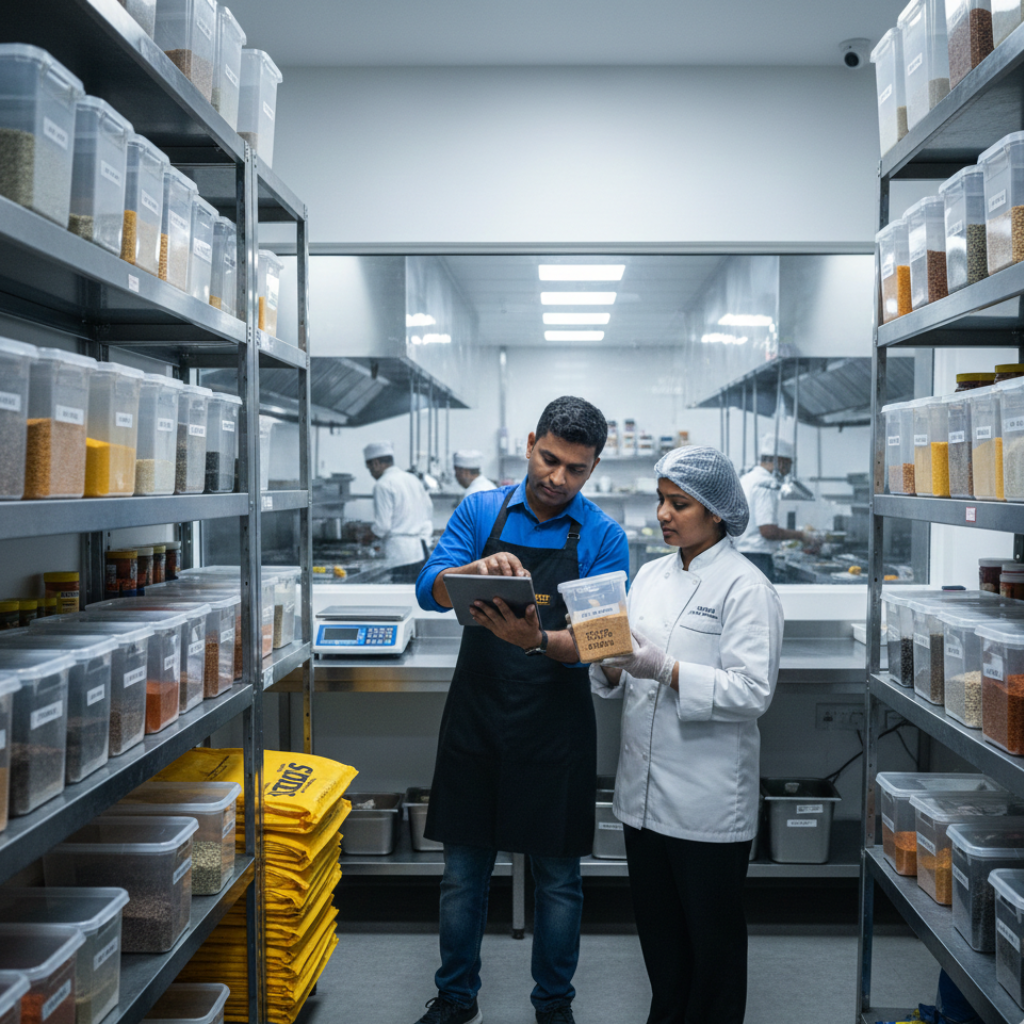
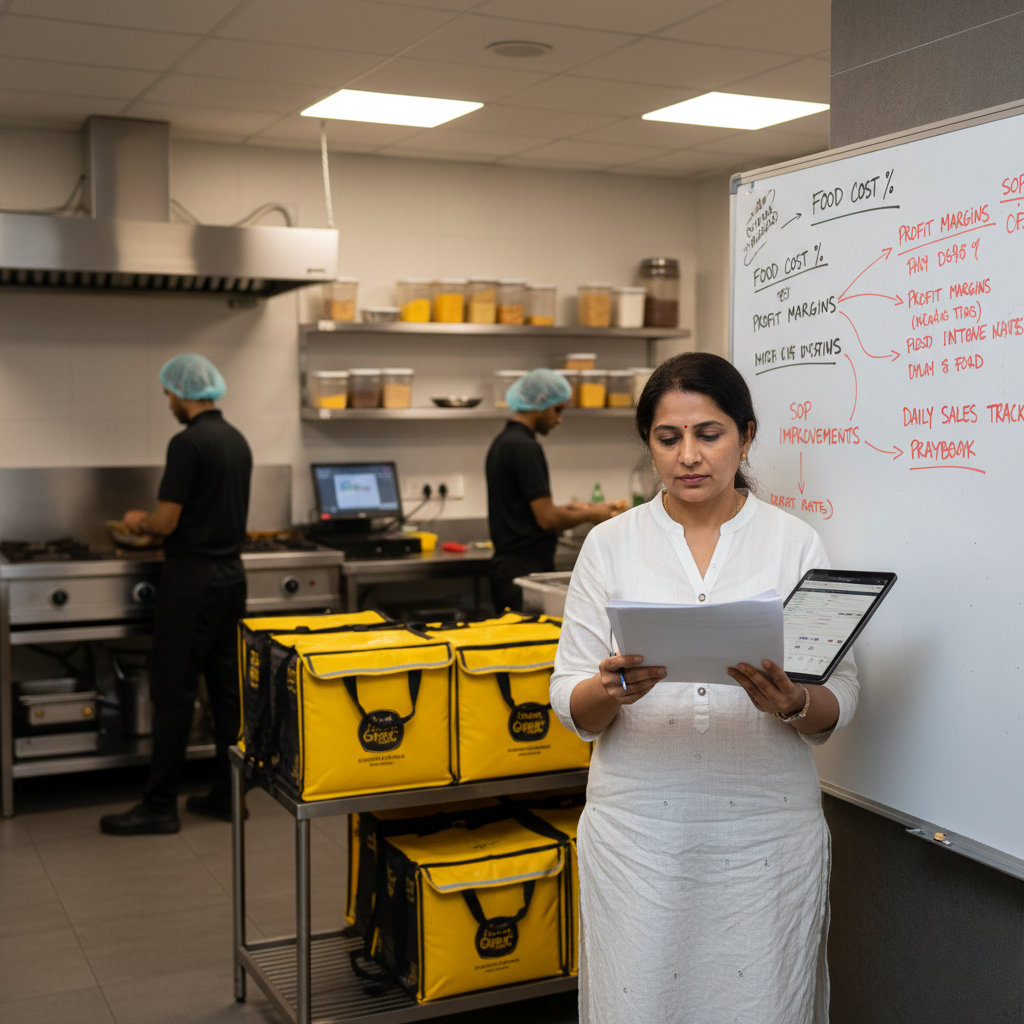
CKaaS introduced structured SOPs, role clarity, and accountability systems designed specifically for multi-location scalability.
Every core activity—prep, packing, dispatch, inventory handling—was standardised to ensure losses would not replicate during expansion. These systems reinforced principles discussed in How SOPs Improve Cloud Kitchen Profitability.
Intervention: Shift-Level Control
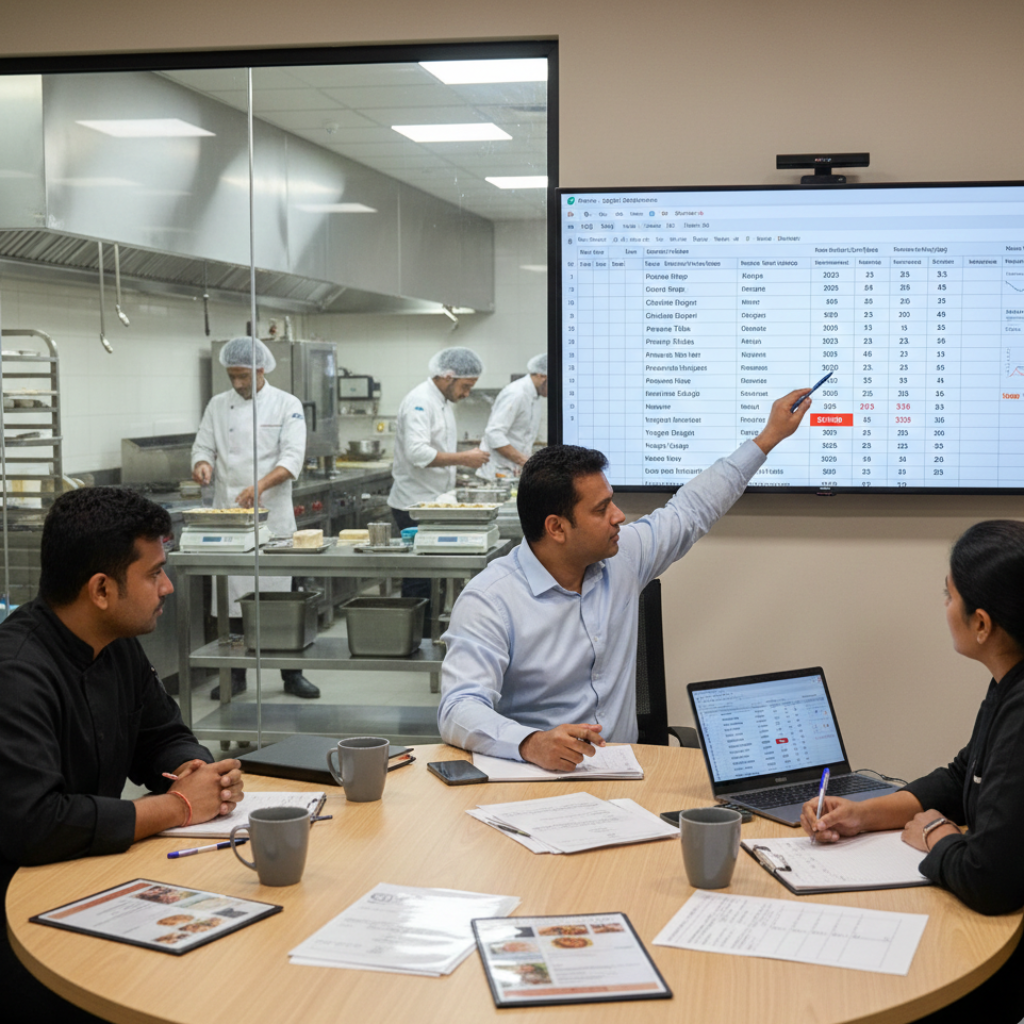
Daily shift-level controls were introduced to catch execution drift before it impacted margins.
This structured approach further supports insights from this Cloud Kitchen Expansion Loss Prevention Case Study and aligns with Daily Shift Planning for Cloud Kitchens.
Cloud Kitchen Expansion Loss Prevention Case Study: Outcome and Results
Within ninety days, operational variance reduced significantly. Margins stabilised, errors declined, and founder intervention dropped.
Most importantly, expansion losses were avoided entirely. This Cloud Kitchen Expansion Loss Prevention Case Study demonstrates that when the kitchen eventually scaled, systems—not guesswork—were replicated across locations.
Key Takeaways
This Cloud Kitchen Expansion Loss Prevention Case Study proves that expansion losses are not inevitable. With CKaaS systems in place, growth multiplies predictability—not problems.
Related Case Studies and Reads
- How to Fix a Loss-Making Cloud Kitchen
- Why Discounts Are Not Solving Your Profit Problem
- From 50 Orders to 300 Orders: Operations Scaling Guide
- Standardizing Kitchen Execution Across Shifts
Cloud Kitchen Expansion FAQs
Can cloud kitchens expand without losses?
Yes, as shown in this Cloud Kitchen Expansion Loss Prevention Case Study, losses can be avoided by implementing SOPs and operational systems before scaling.
What causes expansion losses in cloud kitchens?
The biggest causes include lack of SOPs, inconsistent execution, and founder dependency—all addressed in this case study.
Have Questions?
If you want clarity on preventing losses before expansion using CKaaS systems, detailed answers are available in the Grow Kitchen FAQs.