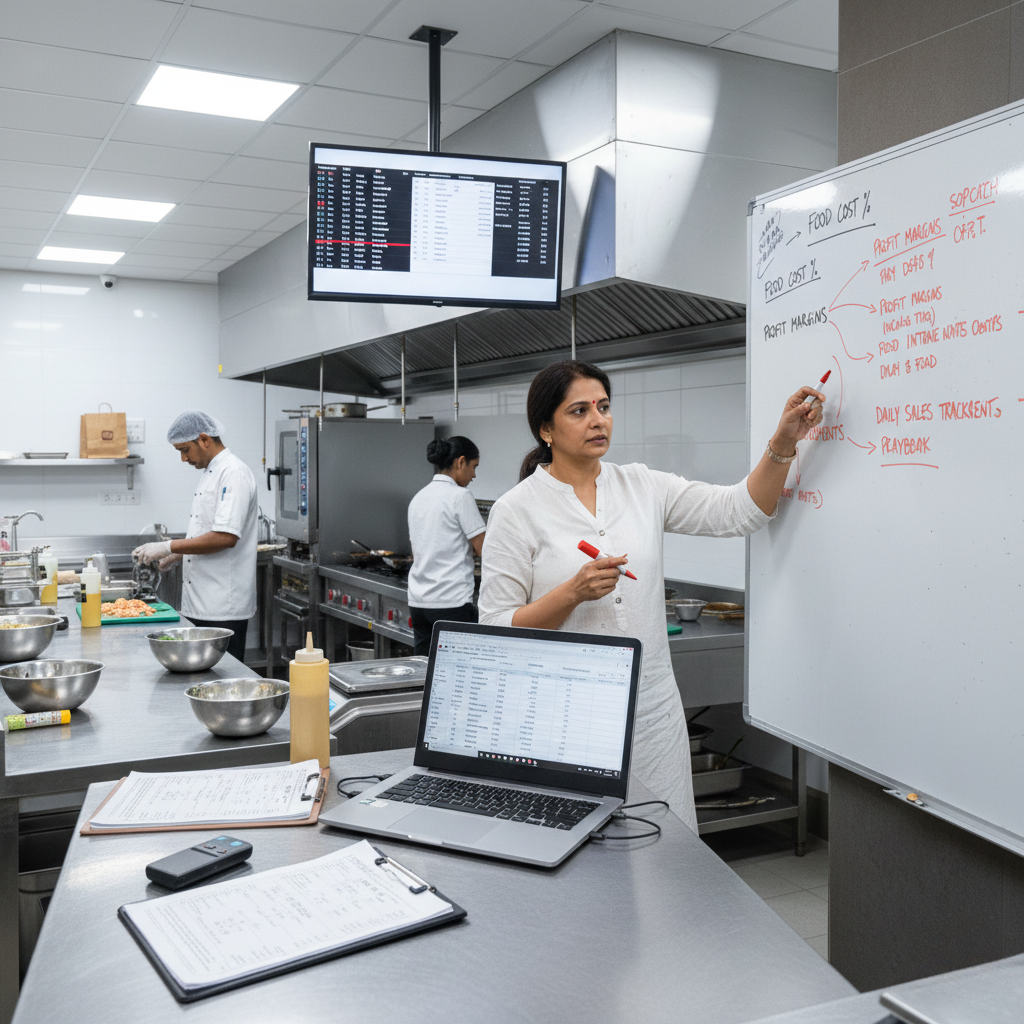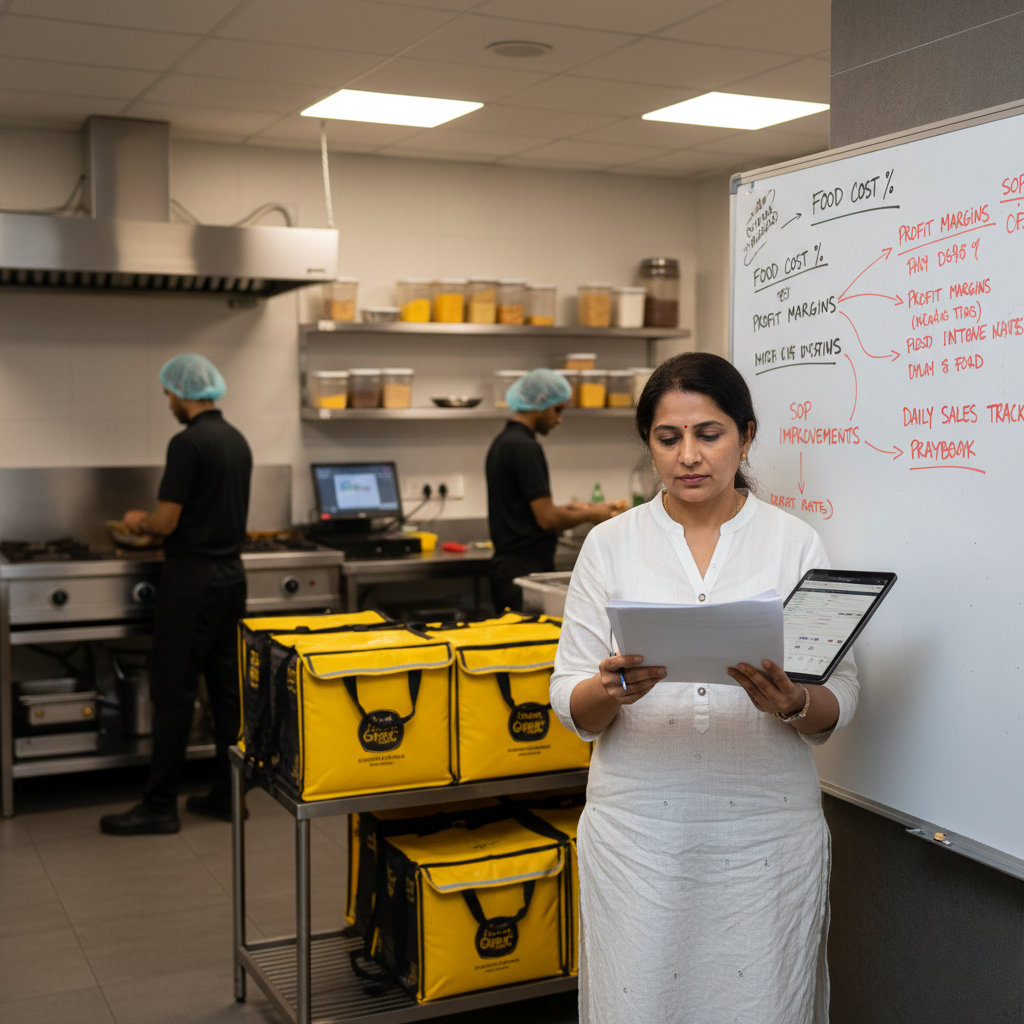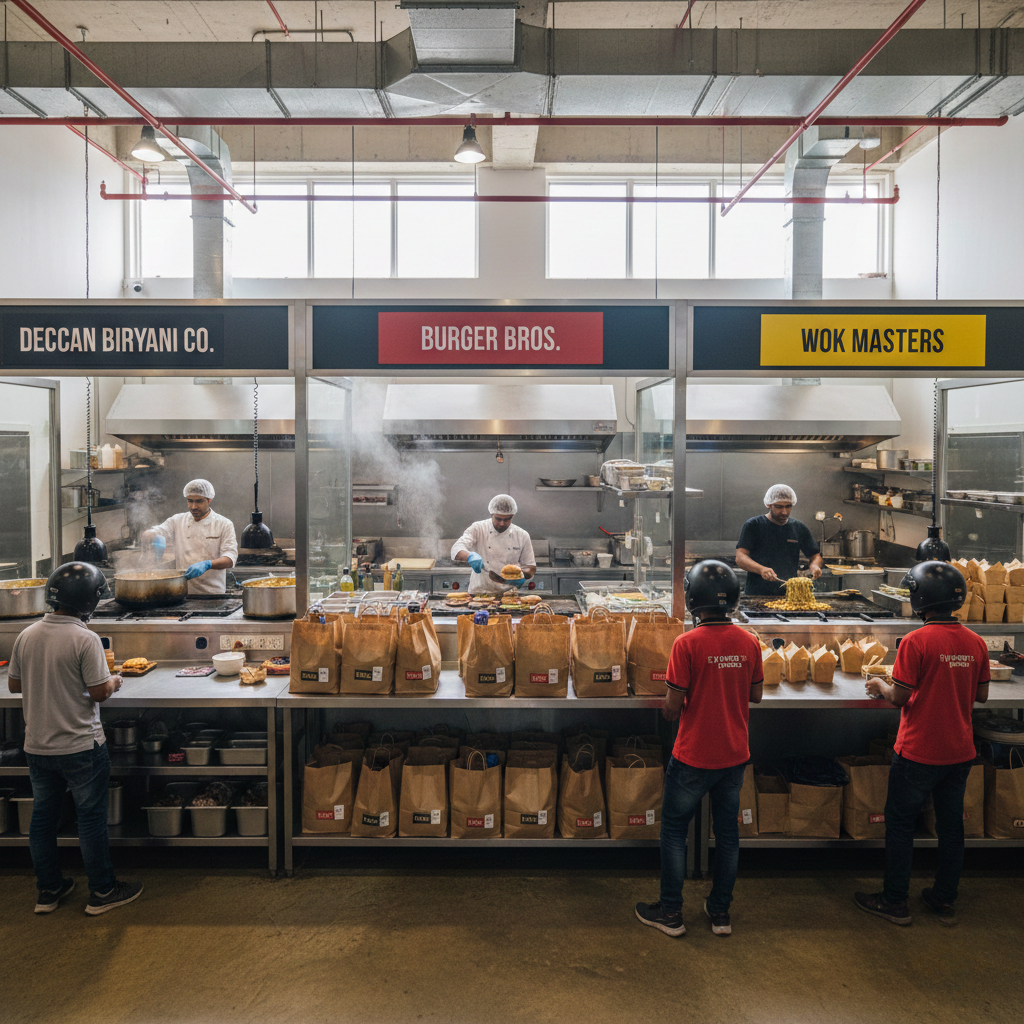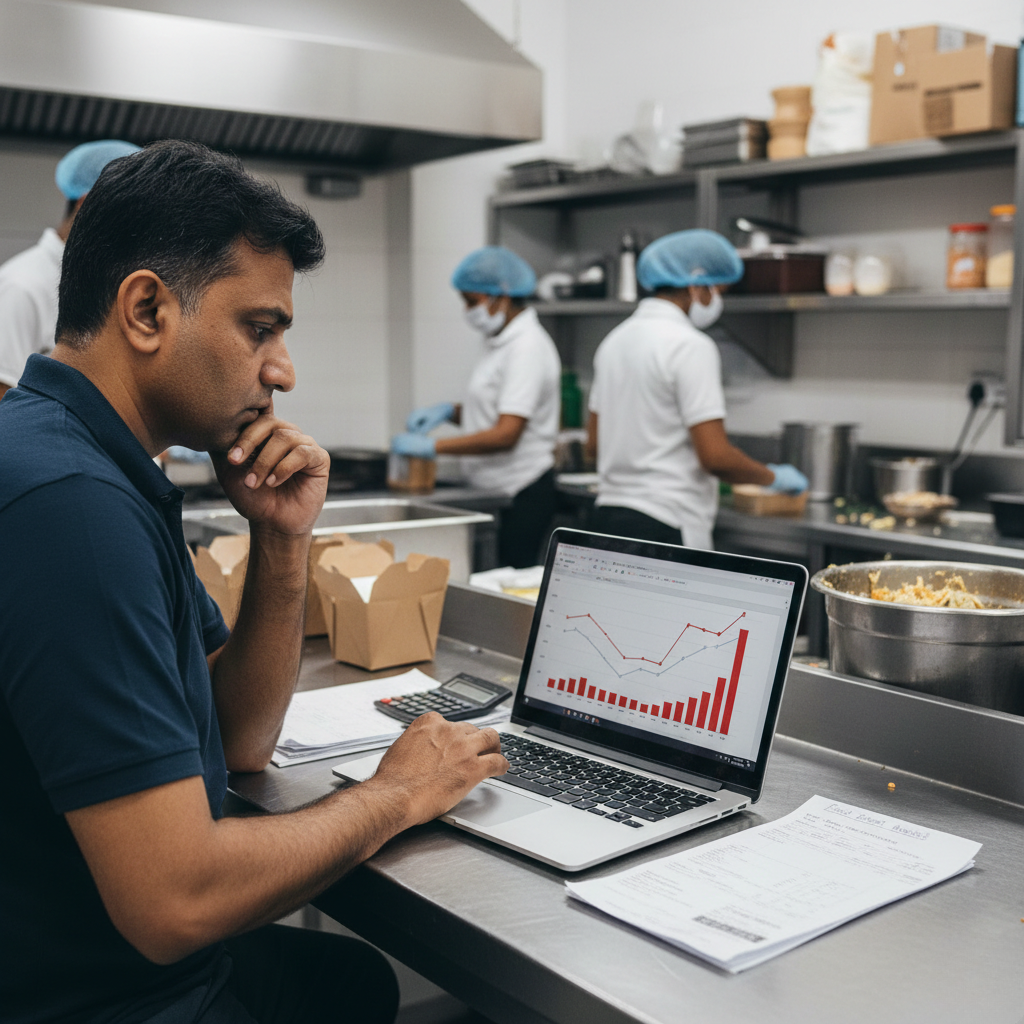
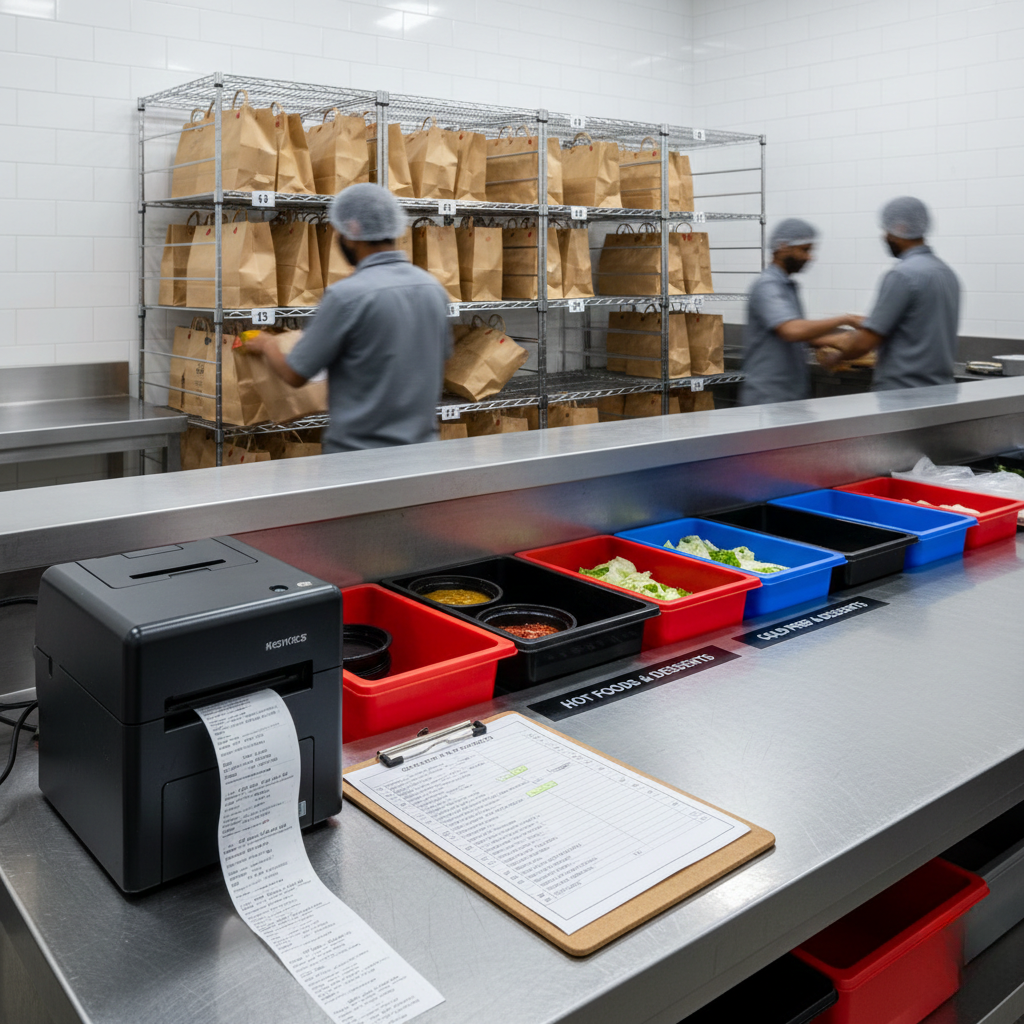
Menu Engineering for Profit in Cloud Kitchens is not about adding more items. It is about deciding what deserves to stay on the menu. Most cloud kitchens fail not because food is bad, but because the menu is unfocused, expensive to execute, and difficult to scale. A poorly engineered menu hides profit leaks, increases staff errors, slows dispatch, and destroys margins silently. This guide explains how smart menu engineering turns cloud kitchen menus into profit systems, not just food catalogs.
Menu Engineering for Profit in Cloud Kitchens: Why Most Menus Lose Money
Many cloud kitchen founders believe menu size equals choice, and choice equals more orders. In reality, large and unfocused menus increase food cost, slow operations, confuse staff, and reduce consistency.
Menu engineering is the discipline of designing a menu that balances demand, cost, execution speed, and repeatability. Profitable kitchens do not sell everything. They sell the right few things, repeatedly, at scale.
To understand how operations and profitability connect, start with Cloud Kitchen Profitability Consultant in India and identify common menu-related issues through Common Operational Mistakes in Cloud Kitchens.
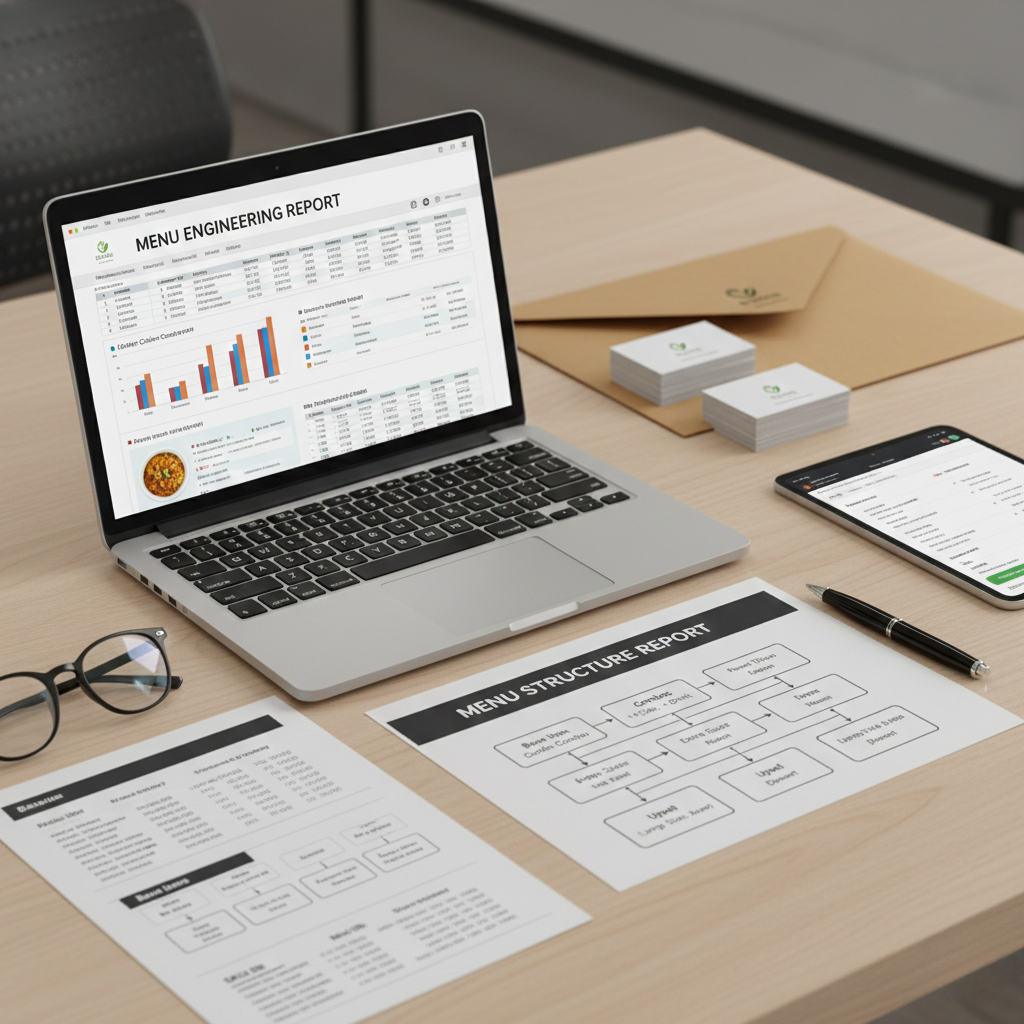
What Menu Engineering Actually Means in a Cloud Kitchen
Menu engineering is not pricing alone. It is the structured evaluation of each menu item based on four factors: popularity, contribution margin, ease of execution, and operational dependency.
In cloud kitchens, menu decisions directly affect: food cost, prep complexity, staff training time, order accuracy, dispatch speed, and customer satisfaction.
Profitable kitchens design menus backwards: starting from operations and margins, not from creativity or competition pressure.
How Menu Engineering Controls Cloud Kitchen Cost Structure
Every additional menu item adds hidden costs: more raw materials, more storage, more prep, more chances of error, and more wastage.
Menu engineering reduces these costs by: limiting ingredient variety, reusing base gravies or sauces, standardizing proteins, and controlling portion sizes.
Well-engineered menus allow kitchens to: buy raw material in bulk, reduce dead stock, simplify prep workflows, and maintain stable food cost percentages.
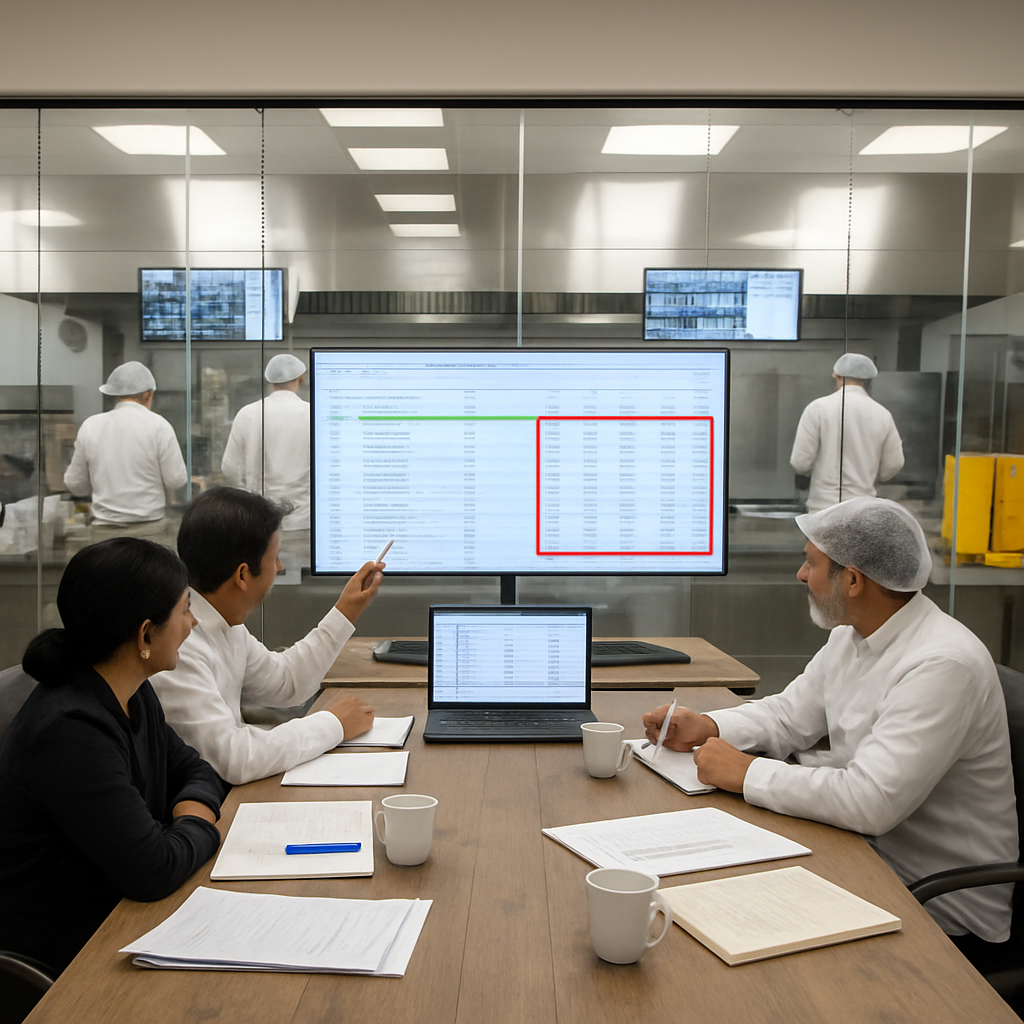
Menu Engineering Starts With Food Cost, Not Selling Price
One of the biggest mistakes founders make is setting prices first and calculating food cost later. Profitable kitchens do the opposite.
Menu engineering begins by calculating: exact food cost per dish, realistic portion sizes, packaging cost, and aggregator commission impact.
Items with: high food cost, complex prep, and low repeat orders must be redesigned or removed.
Menu engineering helps identify: Stars (high demand, high margin), Workhorses (high demand, lower margin), Puzzles (low demand, high margin), and Dogs (low demand, low margin).
This classic framework, when adapted to delivery kitchens, becomes a powerful profitability tool.
Learn how SOPs protect food cost discipline in How SOPs Reduce Food Cost & Complaints.
Why Menu Engineering Improves Staff Productivity
Complex menus increase staff errors. Each unique dish adds cognitive load, longer training time, and higher dependency on experienced cooks.
Engineered menus reduce staff stress by: limiting cooking techniques, standardizing plating, and reusing components across dishes.
When menus are simpler: staff executes faster, errors reduce, and peak-hour performance improves.
This directly improves orders handled per staff member, lowering labor cost per order.
Understand how structured execution supports this in Role-Based Kitchen Operations Explained.
Menu Engineering and Aggregator Performance
Aggregator platforms reward consistency. Menus that cause frequent delays, cancellations, or wrong orders lose visibility over time.
Menu engineering improves aggregator performance by: removing slow-moving items, avoiding ingredients prone to stock-outs, and simplifying preparation time.
Fewer menu items also make promotions more effective, as discounts are applied to dishes that can actually handle volume.
To understand the payout impact of platforms, read Aggregator Commission Impact in India.
External reference: Menu Engineering Principles – Eat App, Menu Engineering Basics – Toast.
Dispatch Speed Improves With Engineered Menus
Dispatch delays are often menu problems in disguise. Dishes with long cooking time, last-minute garnishes, or fragile packaging slow down the entire line.
Menu engineering removes items that cannot meet peak-hour dispatch timelines. This improves: average delivery time, customer satisfaction, and repeat orders.
Dispatch-friendly menus are a major advantage in high-density delivery zones.
Fix execution bottlenecks using Cloud Kitchen Dispatch SOP.
Why Menu Engineering Is Mandatory Before Scaling
Scaling a kitchen with a bad menu scales losses faster. Every new outlet multiplies: inventory complexity, training cost, wastage, and inconsistency.
Engineered menus are easier to replicate. They allow faster staff onboarding, centralized prep, and predictable performance across locations.
If growth is hurting your operations, read When Growth Is Hurting Your Cloud Kitchen Operations.
How to Engineer a Profitable Cloud Kitchen Menu
Menu engineering is a structured process, not a creative exercise.
Step 1: Pull 30–60 days of sales data. Identify top-selling and low-selling items.
Step 2: Calculate actual food cost per dish, including packaging and commissions.
Step 3: Remove or redesign low-margin, low-demand items.
Step 4: Rebuild the menu around shared ingredients and SOPs.
Step 5: Test the new menu for 14 days and track food cost, refunds, and dispatch time.
Final Takeaway: Menus Decide Profit Before Orders Arrive
Menu engineering is one of the highest-leverage actions a cloud kitchen founder can take. It affects every part of the operation.
Profitable kitchens do not chase trends. They design menus that their systems can support.
Frameworks from GrowKitchen, and operating brands like Fruut and GreenSalad show how disciplined menu engineering converts complexity into control.
FAQs: Menu Engineering for Profit in Cloud Kitchens
How many items should a cloud kitchen menu have?
There is no fixed number, but fewer, well-performing items are always better than large unfocused menus.
Should I remove popular but low-margin items?
Not always. These items can be optimized, bundled, or priced strategically.
How often should menus be reviewed?
Every 60–90 days, or immediately after cost or demand shifts.
Can menu engineering improve ratings?
Yes. Simpler menus reduce errors and delays, improving customer experience.