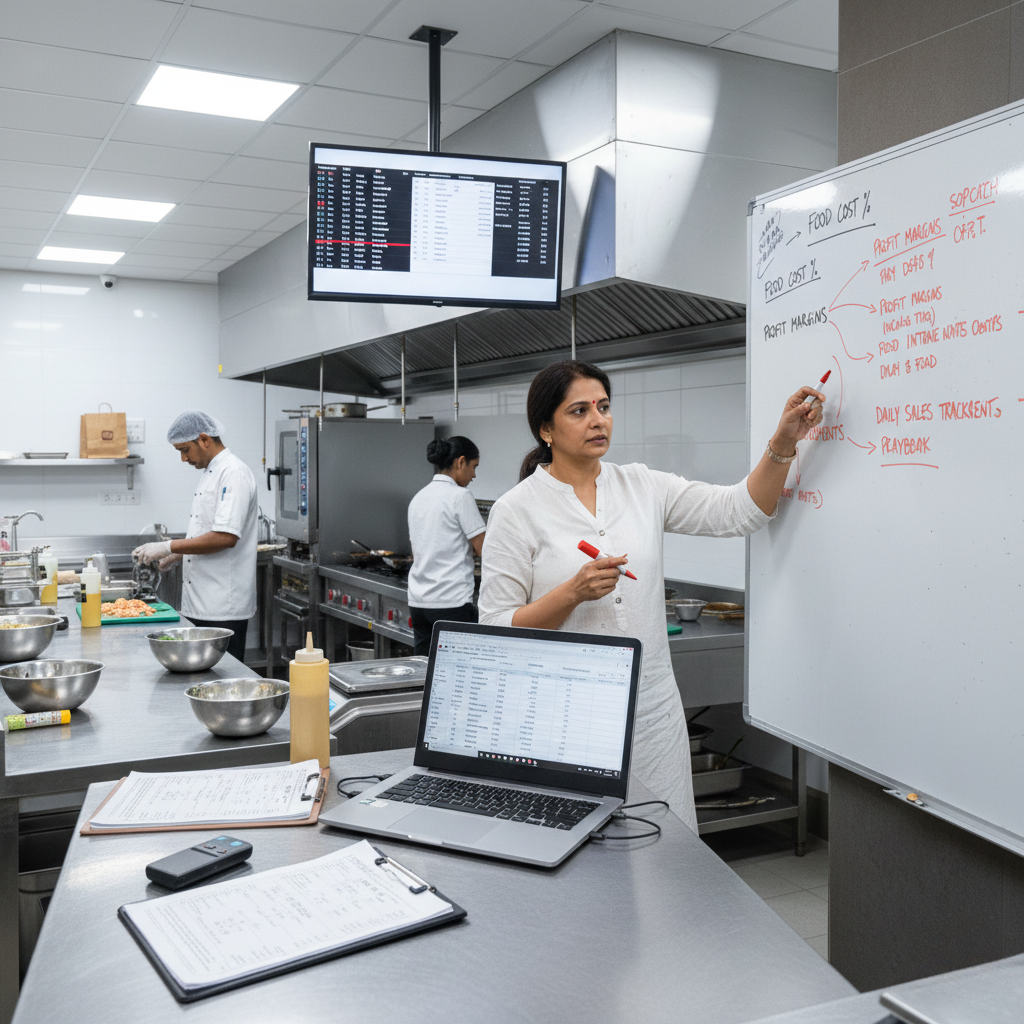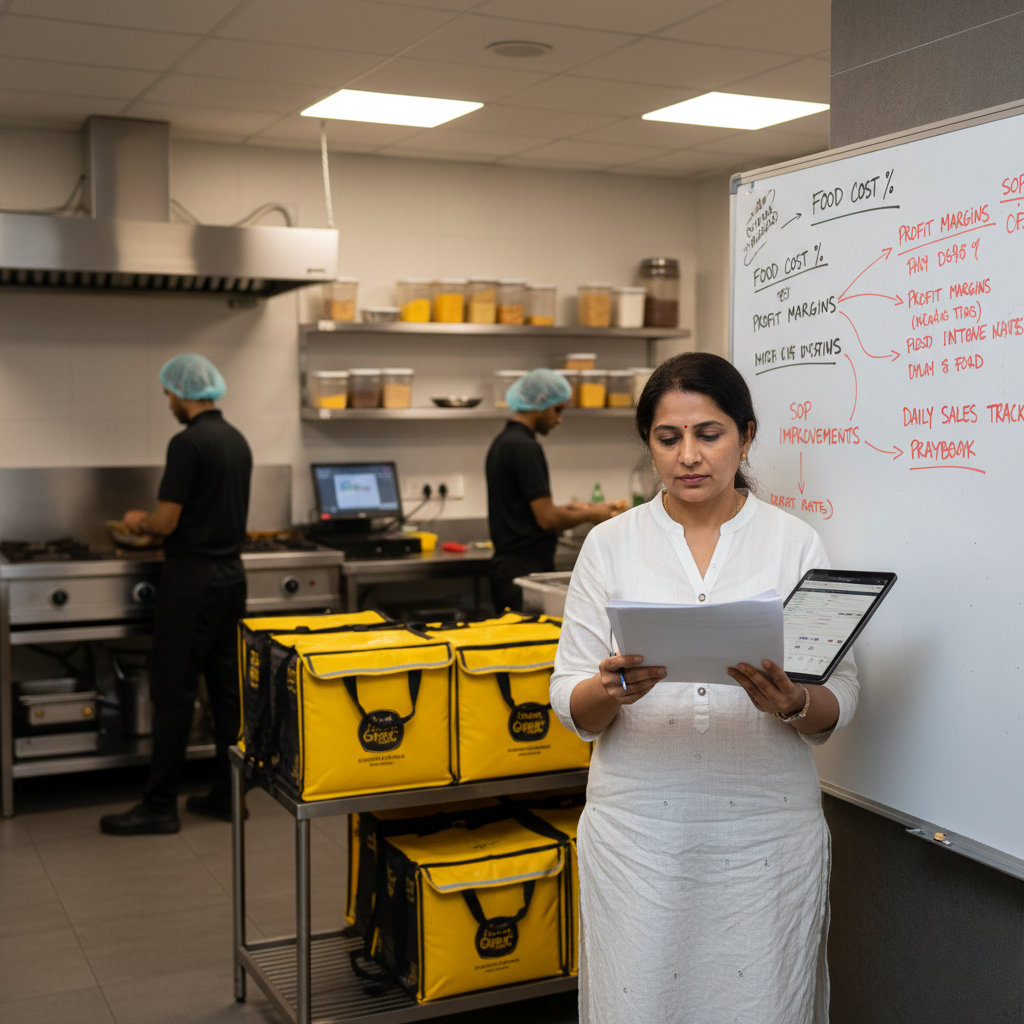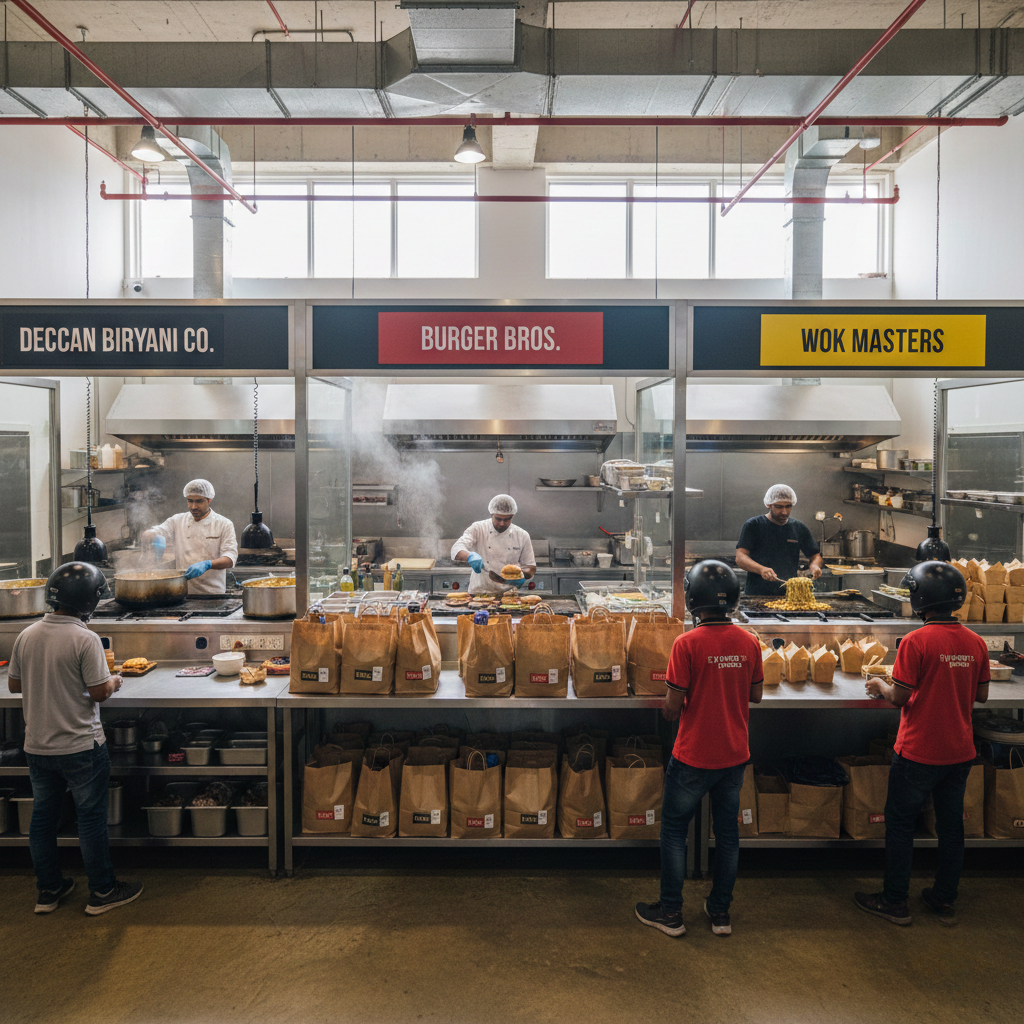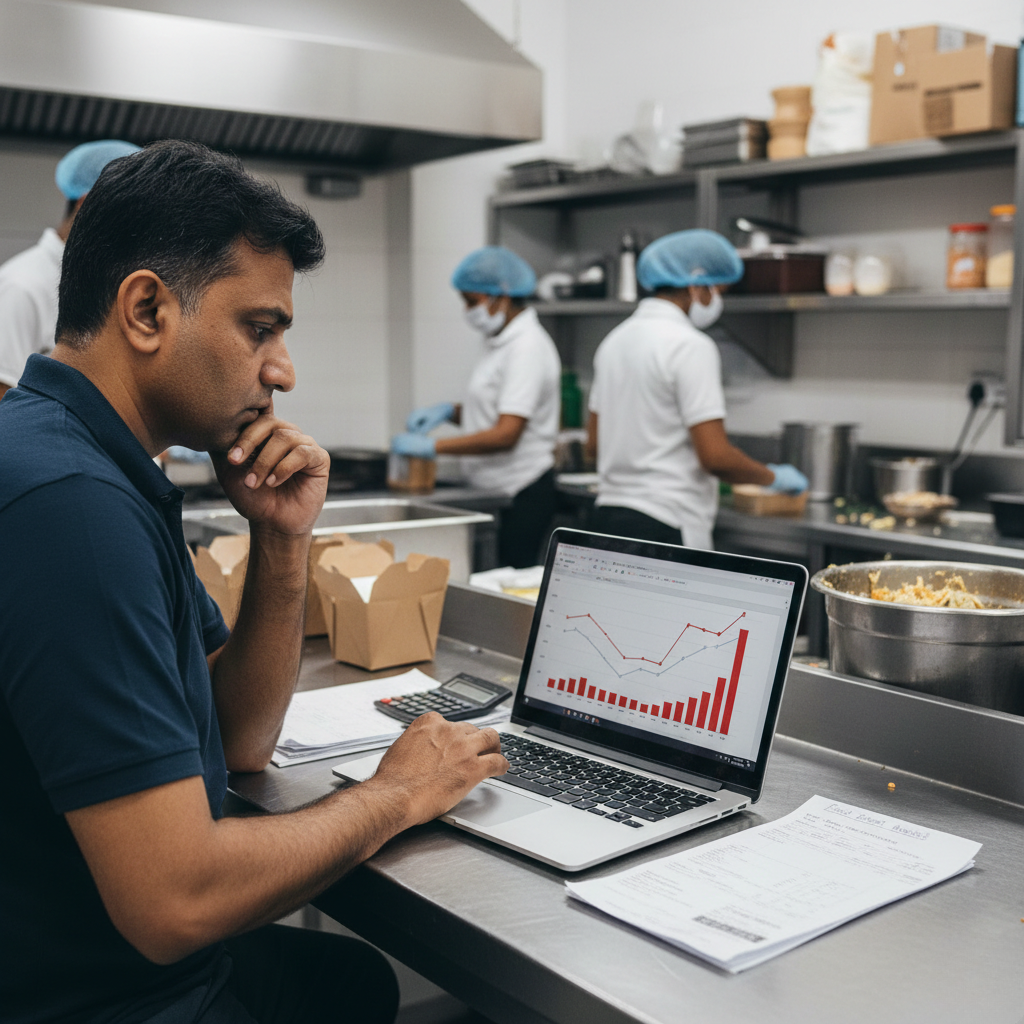
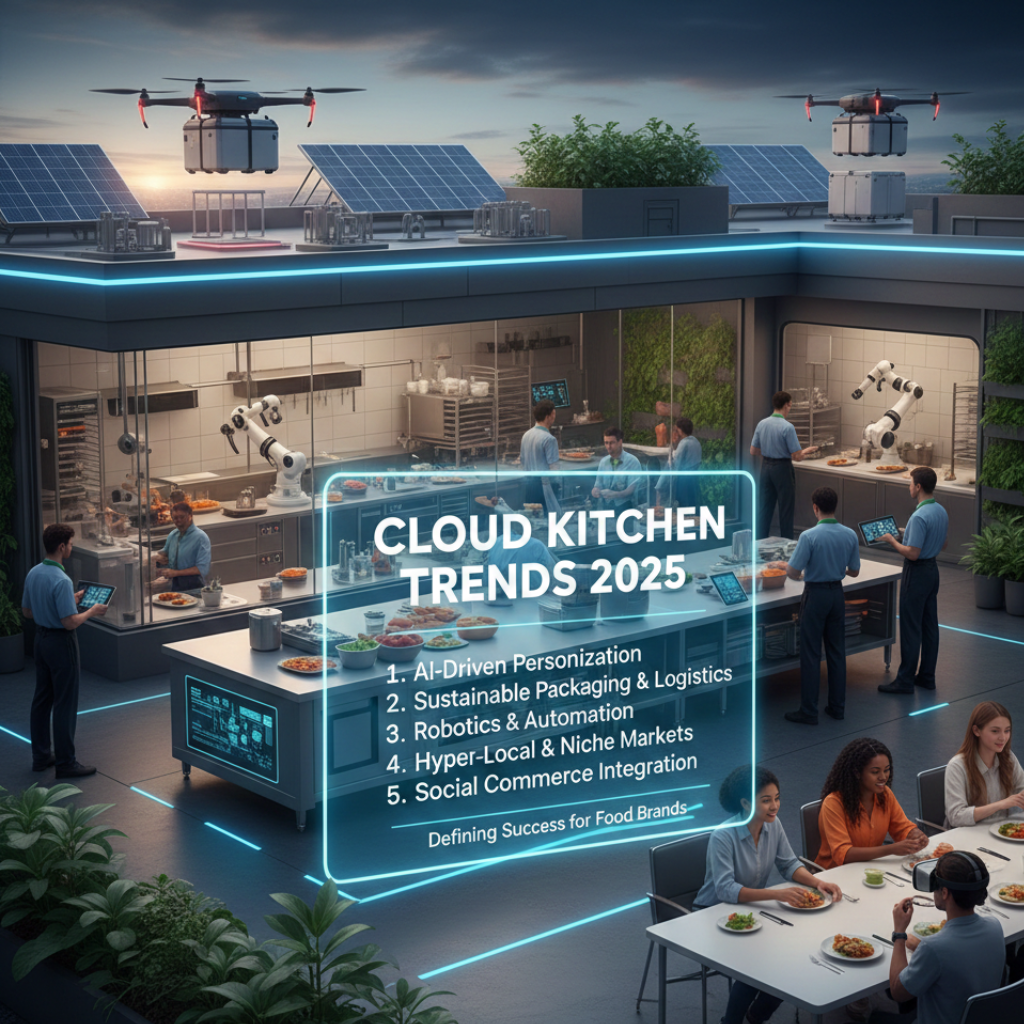
The cloud kitchen industry in India is entering a decisive phase in 2025. After years of rapid experimentation, aggressive discounting, and intense competition, the market is maturing. Food brands that survive and grow in 2025 will look very different from those that launched during the early boom years. Cloud Kitchen Business in India: Complete Guide
In this article, we explore the most important cloud kitchen trends in 2025 and explain what will truly define success for food brands in the coming year. Whether you are planning to start a cloud kitchen or already operating one, understanding these trends is critical for staying competitive.
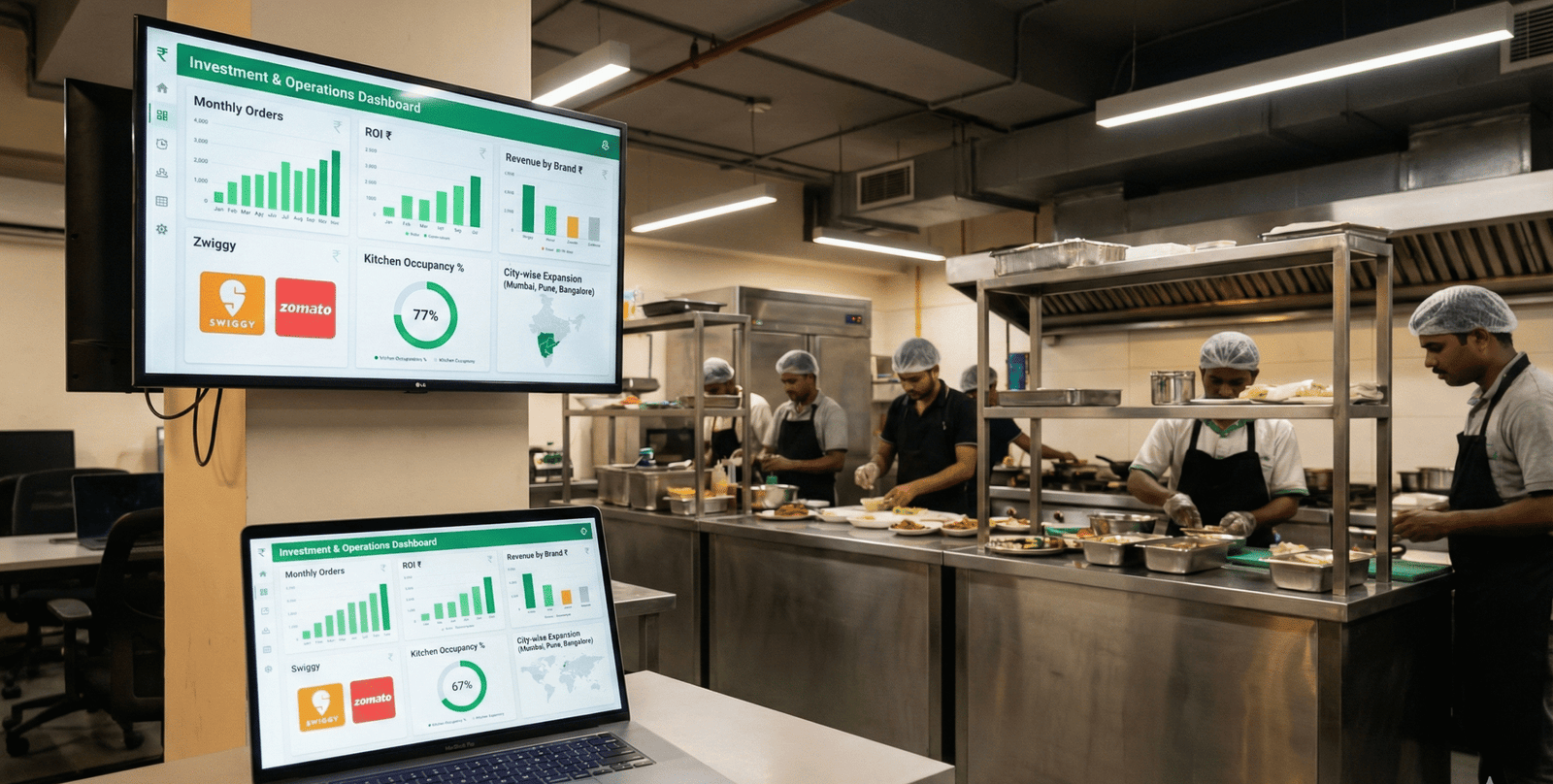
1. 2025 Will Be a Year of Industry Reset
By 2025, the Indian cloud kitchen market is no longer in its honeymoon phase. The initial excitement of low entry barriers has given way to a more disciplined and performance-driven environment.
Key changes shaping this reset include:
- Shutdown of unprofitable cloud kitchens
- Reduced investor funding for weak models
- Greater focus on unit economics
This reset will benefit serious food brands while pushing out poorly planned operators.
2. Profitability Will Matter More Than Growth
One of the strongest cloud kitchen trends in 2025 is the shift from growth-at-all-costs to profitability-first thinking.
2.1 Focus on Contribution Margin
Successful cloud kitchens will closely track:
- Cost per order
- Food cost percentage
- Aggregator commission impact
Revenue without profit will no longer impress investors or founders.
2.2 Controlled Discounting
Heavy self-funded discounts will decline. Brands will rely more on platform-sponsored offers and organic demand.
According to market insights published by Statista, food delivery platforms are also pushing restaurants toward sustainable pricing models.
3. Smarter Menu Engineering
Menu strategy will play a defining role in cloud kitchen success in 2025.
3.1 Smaller, Focused Menus
Successful brands will operate with lean menus that:
- Reduce inventory wastage
- Improve preparation speed
- Ensure consistent quality
3.2 High-Margin, Delivery-Friendly Items
Dishes that travel well, retain taste, and offer strong margins will dominate menus.
4. Technology as a Core Advantage
In 2025, technology will no longer be optional for cloud kitchens.
4.1 Data-Driven Decisions
Advanced POS and analytics tools will help brands track sales trends, wastage, and customer preferences in real time.
4.2 Inventory & Waste Management
Automated inventory systems will reduce food waste and improve cost control.
Operational technology trends are widely discussed in industry publications like Restaurant India.
5. Brand-First Cloud Kitchens Will Win
2025 will separate brand-driven cloud kitchens from generic food listings.
Strong brands will focus on:
- Clear brand identity
- Consistent packaging and presentation
- Storytelling and emotional connection
Customers will increasingly choose brands they recognize and trust.
6. Evolving Relationship with Food Aggregators
Food aggregators will remain important, but the dynamics will change.
6.1 Reduced Over-Dependence
Successful cloud kitchens will build direct ordering channels through websites, WhatsApp, and loyalty programs.
6.2 Better Negotiation Power
Brands with strong ratings and order volume will gain better visibility and commission terms.
7. Localization & Regionalization
One of the emerging cloud kitchen trends in 2025 is hyper-localization.
Food brands will tailor:
- Menus to local taste preferences
- Pricing based on city-level demand
- Portion sizes and spice levels
Localized brands will outperform generic national menus.
8. Rise of Tier-2 & Tier-3 Cities
Growth in 2025 will increasingly come from tier-2 and tier-3 cities.
Reasons include:
- Lower rental costs
- Less competition
- Growing adoption of food delivery
Cloud kitchens that adapt early to these markets will gain a first-mover advantage.
9. Sustainability as a Differentiator
Environmental and cost concerns will push cloud kitchens toward sustainable practices.
Key focus areas include:
- Eco-friendly packaging
- Reduced food waste
- Energy-efficient kitchen operations
Sustainability will be both a brand and cost advantage in 2025.
10. Smarter, Slower Scaling
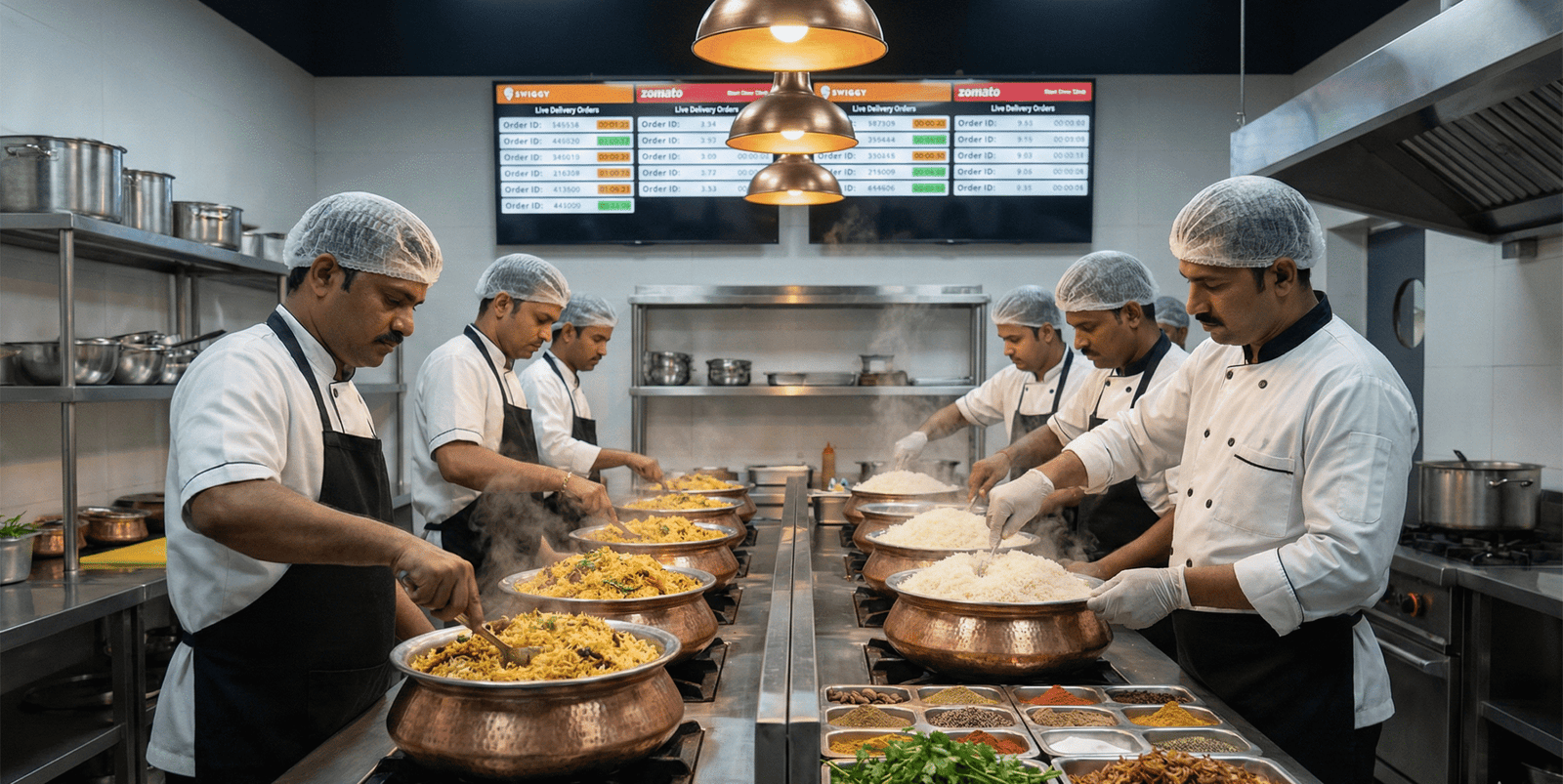
Aggressive expansion without stability has caused many failures in the past.
In 2025, successful brands will:
- Scale only after profitability
- Standardize operations before expansion
- Use asset-light and hub-and-spoke models
Sustainable scaling will replace reckless growth.
11. Key Takeaways: What Will Define Success in 2025
- Profitability over vanity metrics
- Strong brand identity
- Technology-driven operations
- Controlled aggregator dependence
- Localized, customer-focused menus
Frequently Asked Questions (FAQs)
Q1. Are cloud kitchens still profitable in 2025?
Yes, cloud kitchens can be profitable in 2025 if they focus on unit economics, cost control, and brand building.
Q2. What is the biggest cloud kitchen trend in 2025?
The biggest trend is a shift toward profitability-first, brand-driven cloud kitchens.
Q3. Will small cloud kitchens survive in 2025?
Small kitchens can survive if they operate efficiently, localize menus, and build loyal customers.
Q4. Is 2025 a good year to start a cloud kitchen?
Yes, but only with proper planning, realistic expectations, and a strong operational strategy.
People Also Read
- Cloud Kitchen Business in India: Complete Guide
- Future of Cloud Kitchens in India
- Cloud Kitchen Survival Strategies
- Why Cloud Kitchen Business Fails in India